Search results
Search for "responsive" in Full Text gives 164 result(s) in Beilstein Journal of Organic Chemistry.
A new class of organogelators based on triphenylmethyl derivatives of primary alcohols: hydrophobic interactions alone can mediate gelation
Beilstein J. Org. Chem. 2017, 13, 138–149, doi:10.3762/bjoc.13.17
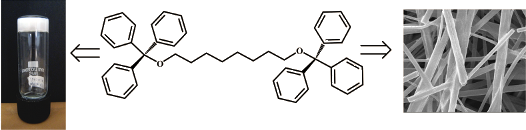
- such as acids or bases [17], metal ions [18], oxidation and reduction [19], reactive species enzymes, etc. Such responsive gel systems are highly desirable in stimuli-responsive sensor materials, drug delivery, catalysis, nano- and mesoscopic assemblies, light harvesting systems, and many others [20


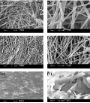



From N-vinylpyrrolidone anions to modified paraffin-like oligomers via double alkylation with 1,8-dibromooctane: access to covalent networks and oligomeric amines for dye attachment
Beilstein J. Org. Chem. 2016, 12, 1395–1400, doi:10.3762/bjoc.12.133
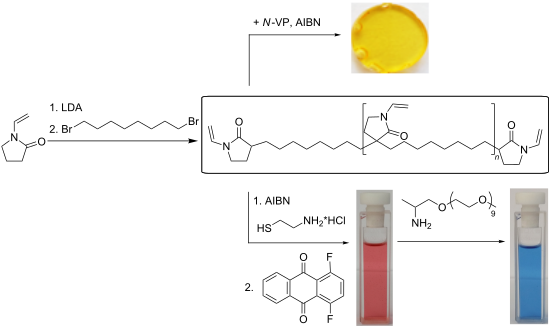
- thermo- [18] or/and pH [19] responsive polymers. Besides classical alkylation reactions, Reinecke et al. performed ring-opening reactions to insert functional groups and aromatic side chains [20][21]. Furthermore, they investigated the formation of homogeneous [22] and amphiphilic [23] N-VP networks



The role of alkyl substituents in deazaadenine-based diarylethene photoswitches
Beilstein J. Org. Chem. 2016, 12, 1103–1110, doi:10.3762/bjoc.12.106
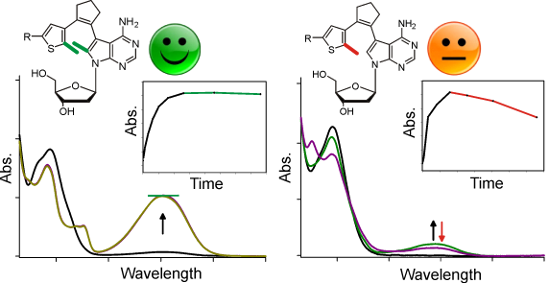
- DNA photoswitches for the application in bionanotechnology and synthetic biology. Keywords: diarylethene; nucleoside; electrocyclic rearrangement; photochromism; photoswitch; Introduction Most biomacromolecules are per se not responsive to light. Their conversion into photoresponsive molecules opens


Stimuli-responsive HBPS-g-PDMAEMA and its application as nanocarrier in loading hydrophobic molecules
Beilstein J. Org. Chem. 2016, 12, 939–949, doi:10.3762/bjoc.12.92
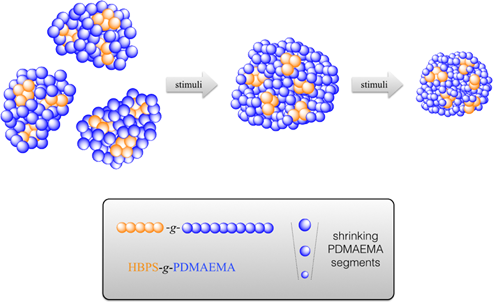
- Yongsheng Chen Li Wang Haojie Yu Zain-Ul-Abdin Ruoli Sun Guanghui Jing Rongbai Tong Zheng Deng State Key Laboratory of Chemical Engineering College of Chemical and Biological Engineering, Zhejiang University, Hangzhou, 310027, China 10.3762/bjoc.12.92 Abstract The topic of stimuli-responsive
- -responsive nanocarriers; Introduction Stimuli-responsive polymers have attracted much attention due to their broad applications including drug controlled release [1][2][3][4][5], sensing [6][7] and 4D printing [8][9]. Nanocarriers prepared from amphiphilic stimuli-responsive polymers are promising
- candidates for transporting hydrophobic guest molecules such as anticancer or antitumor drugs. In the cases of polymeric nanocarriers with responsive shell and stable core, the external hydrophilic shell makes these nanocarriers soluble in water and affords stimuli-responsive properties. The interior




Superstructures with cyclodextrins: chemistry and applications III
Beilstein J. Org. Chem. 2016, 12, 937–938, doi:10.3762/bjoc.12.91
- styrene from ethylbenzene [3][4]. Highly porous networks were synthesized by crosslinking β-CD with tetrafluoroterephthalonitrile. These networks were able to almost completely remove pollutants (e.g., bisphenol A) within a short time from wastewater [5]. Stimuli-responsive nanoparticles were assembled by
Antibiotics from predatory bacteria
Beilstein J. Org. Chem. 2016, 12, 594–607, doi:10.3762/bjoc.12.58
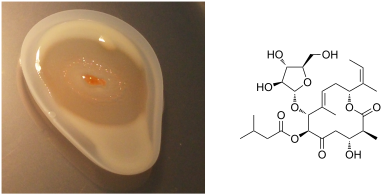
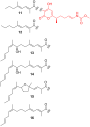
- : antibiotics; genome mining; Herpetosiphon; myxobacteria; predation; Introduction Microorganisms are major contributors to primary biomass production and nutrient cycling in nature. The composition of a microbial community shapes an ecosystem, but is also responsive to biotic and environmental cues. Predation
- thoroughly explored [62][67], the biological function of these cyclic depsipeptides is still not clear. In contrast, the myxochelins primarily serve as siderophores for M. xanthus DK1622, as evidenced by their iron-responsive production and complexing properties [58][59]. Recent studies also unveiled




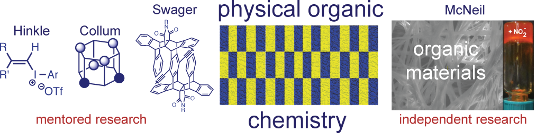
My maize and blue brick road to physical organic chemistry in materials
Beilstein J. Org. Chem. 2016, 12, 229–238, doi:10.3762/bjoc.12.24
- were several examples of enzyme-triggered gelation [42][43][44]; however, most of these systems were not responsive to physiological enzyme concentrations and not generalizable. We hypothesized that an enzyme-triggered cleavage that separates a recognition sequence from a gelator would represent a


A journey in bioinspired supramolecular chemistry: from molecular tweezers to small molecules that target myotonic dystrophy
Beilstein J. Org. Chem. 2016, 12, 125–138, doi:10.3762/bjoc.12.14
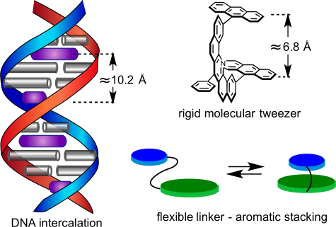
- ], and redox-responsive supramolecular blends [70][71]. The circle of life or circling back within a career? One of my colleagues at Illinois, John Katzenellenbogen, advised me early in my career not to entirely give up work in any area in which I gained experience. His sage advice was that in time those


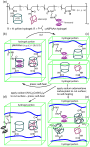
Supramolecular polymer assembly in aqueous solution arising from cyclodextrin host–guest complexation
Beilstein J. Org. Chem. 2016, 12, 50–72, doi:10.3762/bjoc.12.7
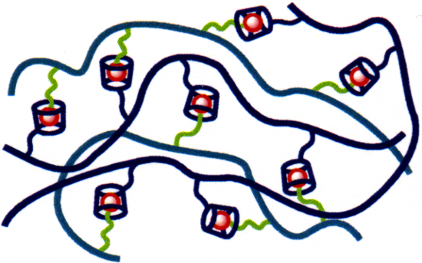
- reversibility of the solution/hydrogel transition is observed in rheological experiments. In vitro tests show that the PEG-b-PAA/cisplatin hydrogel has a sustained cisplatin release over three days and that it has a high cytotoxity towards human bladder carcinoma EJ cells. 5 Responsive smart materials
- Cyclodextrin host–guest chemistry is characterized by an ever-expanding range of host and guests, some of which undergo structural and interaction variations in response to stimuli as exemplified by photo-, pH-, temperature- and redox-responsive changes. Consequently, cyclodextrins have generated a range of
- stimuli-responsive materials collectively called “smart materials”. These include “self-healing materials” which after being disrupted can recover their former state through host–guest interactions. Some examples of these materials are now discussed. 5.1 Photo-responsive materials Among the better known


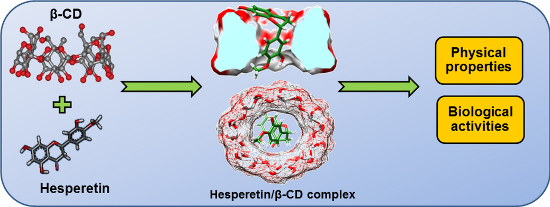
Physical properties and biological activities of hesperetin and naringenin in complex with methylated β-cyclodextrin
Beilstein J. Org. Chem. 2015, 11, 2763–2773, doi:10.3762/bjoc.11.297
- ]. Naringenin has the ability to hinder a tumor growth on various human cancer cell lines [25], and acts as an inhibitor that blocks basal and insulin-stimulated glucose uptake in breast cancer cells [26]. Additionally, naringenin reduces the incidence of hormone-responsive cancer [27]. In spite of having


Smart molecules for imaging, sensing and health (SMITH)
Beilstein J. Org. Chem. 2015, 11, 2540–2548, doi:10.3762/bjoc.11.274
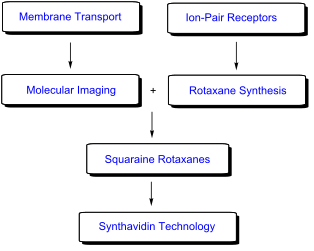
- many supramolecular chemistry labs around the world. In addition, the chapter provided a short summary of four emerging themes in biomolecule recognition that are likely to garner increased attention over the next decade; Logic Devices, Biomolecule Responsive Materials, Drug Delivery, and Biomolecule


Size-controlled and redox-responsive supramolecular nanoparticles
Beilstein J. Org. Chem. 2015, 11, 2388–2399, doi:10.3762/bjoc.11.260
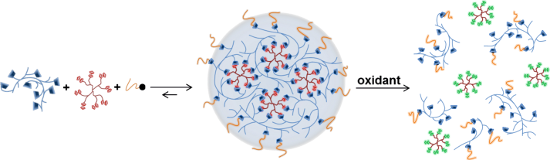
- their use as drug delivery vehicles. Here, we aim to form supramolecular nanoparticles (SNPs) by combining advantages of the reversible assembly properties of SNPs using host–guest interactions and of a stimulus-responsive moiety. The SNPs are composed of a core of positively charged poly(ethylene imine
- core of the SNPs. Keywords: host–guest interactions; nanoparticles; self-assembly; stimulus-responsive; supramolecular chemistry; Introduction Self-assembly and molecular recognition are two core concepts underlying supramolecular chemistry. These offer convenient and versatile pathways to
- charged polymers and dendrimers. In order to use these SNPs for biomedical applications, in particular for drug delivery, a stimulus-responsive self-assembled system is desired for controlled cargo release. Ferrocene (Fc) is a ubiquitous redox-responsive molecule that is associated with a reversible one


Preparation of Pickering emulsions through interfacial adsorption by soft cyclodextrin nanogels
Beilstein J. Org. Chem. 2015, 11, 2355–2364, doi:10.3762/bjoc.11.257
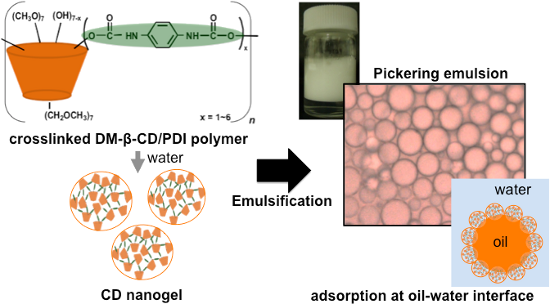
- property of CD nanogels on the droplet surface has great potential to become new microcapsule building blocks with porous surfaces. These microcapsules may act as stimuli-responsive nanocarriers and nanocontainers. Keywords: crosslinked cyclodextrin polymer; interfacial adsorption; nanogel; Pickering
- crosslinked polymers, have recently been demonstrated as Pickering emulsifiers with pH or thermo-responsive properties [7][8][9]. Such emulsions have potential in pharmaceutical, food, and cosmetic products. Moreover, emulsions stabilized by stimuli-responsive soft microgels should be applicable as templates
- new building blocks for microcapsules with porous surfaces and stimuli-responsive nanocarriers in storage and/or release systems. Experimental Materials Heptakis(2,6-di-O-methyl)-β-cyclodextrin (DM-β-CD) was purchased from Nacalai Tesque, Inc. (Japan). DM-β-CD was vacuum dried at 80 °C overnight prior


Life lessons
Beilstein J. Org. Chem. 2015, 11, 2350–2354, doi:10.3762/bjoc.11.256
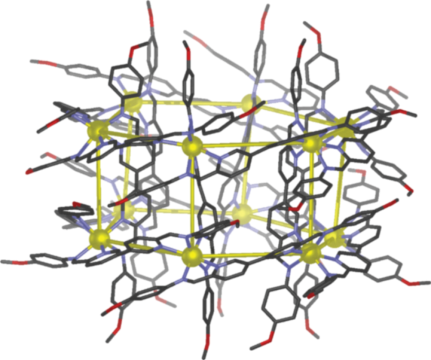
- ][15][16][17][18][19][20][21][22][23][24][25]. Over the past few years, we have developed a series of new functional structures. A leitmotiv of my group’s work is the integration of a new class of hollow container molecules, invented by my group, into complex and dynamically-responsive systems and


Self-assemblies of γ-CDs with pentablock copolymers PMA-PPO-PEO-PPO-PMA and endcapping via atom transfer radical polymerization of 2-methacryloyloxyethyl phosphorylcholine
Beilstein J. Org. Chem. 2015, 11, 2267–2277, doi:10.3762/bjoc.11.247
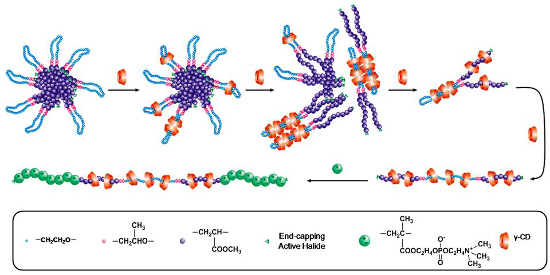
- compared with PPO or PMAA), respectively, these unmatched PRs possess the potential to be applied as dynamic-responsive materials, carriers for controlled drug release, biosensors and catalysts. Poly(methyl acrylate) (PMA) prepared via ATRP of methyl acrylate (MA) is a typical hydrophobic polymer with a
- PR supramolecular polymers show potential as dynamic-responsive materials, carriers for controlled drug release, biosensors and catalysts. Experimental Materials PPO-PEO-PPO with a central block of 90 PEO units and two flank blocks of 5 PPO units was supplied by Zhejiang Huangma Chemical Industry


Hexacoordinate Ru-based olefin metathesis catalysts with pH-responsive N-heterocyclic carbene (NHC) and N-donor ligands for ROMP reactions in non-aqueous, aqueous and emulsion conditions
Beilstein J. Org. Chem. 2015, 11, 1960–1972, doi:10.3762/bjoc.11.212
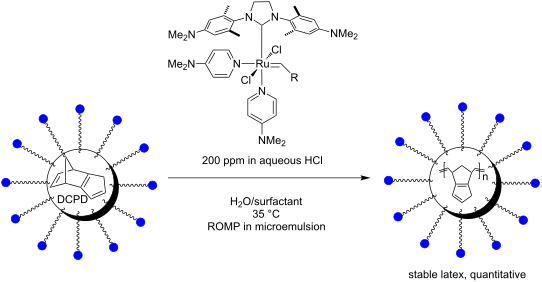
- , OR 97203, USA 10.3762/bjoc.11.212 Abstract Three new ruthenium alkylidene complexes (PCy3)Cl2(H2ITap)Ru=CHSPh (9), (DMAP)2Cl2(H2ITap)Ru=CHPh (11) and (DMAP)2Cl2(H2ITap)Ru=CHSPh (12) have been synthesized bearing the pH-responsive H2ITap ligand (H2ITap = 1,3-bis(2’,6’-dimethyl-4’-dimethylaminophenyl
- )-4,5-dihydroimidazol-2-ylidene). Catalysts 11 and 12 are additionally ligated by two pH-responsive DMAP ligands. The crystal structure was solved for complex 12 by X-ray diffraction. In organic, neutral solution, the catalysts are capable of performing standard ring-opening metathesis polymerization
- catalysts or systems where the activity can be controlled by external stimuli [38][39][40][41][42][43][44]. In metathesis, pH is a very straightforward stimulus that can fulfill two independent functions for catalysts bearing pH-responsive ligands resulting in metathesis activation [45][46][47][48][49][50


Synthesis, antimicrobial and cytotoxicity evaluation of new cholesterol congeners
Beilstein J. Org. Chem. 2015, 11, 1922–1932, doi:10.3762/bjoc.11.208
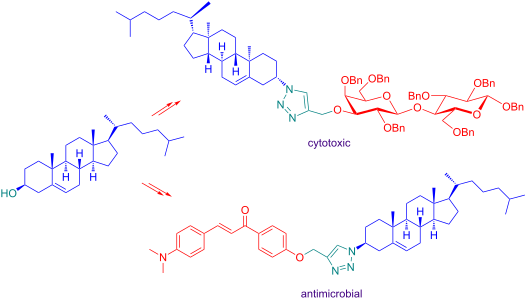
- their immunostimulant activities [21]. Finally, the ability of cholesterol derivatives to self-assembly and gelation as supramolecular gels was reviewed [22]. They are beneficially applicable in materials science, reaction media, sensing and responsive materials, energy supply, biomedicine, and tissue




Cross-metathesis of polynorbornene with polyoctenamer: a kinetic study
Beilstein J. Org. Chem. 2015, 11, 1796–1808, doi:10.3762/bjoc.11.195

- easily cleavable moieties in their backbone [4][5]. It aims at stimuli-responsive, intelligent polymeric materials, the structure and properties of which can be precisely controlled by adjusting temperature, pH or by introducing low molecular additives. Much less is known about the possibility of monomer


![[Graphic 2]](/bjoc/content/inline/1860-5397-11-195-i10.png?max-width=637&scale=1.18182) in CHCl3 on the (a) light ...
in CHCl3 on the (a) light ...


Tetrathiafulvalene-based azine ligands for anion and metal cation coordination
Beilstein J. Org. Chem. 2015, 11, 1379–1391, doi:10.3762/bjoc.11.149
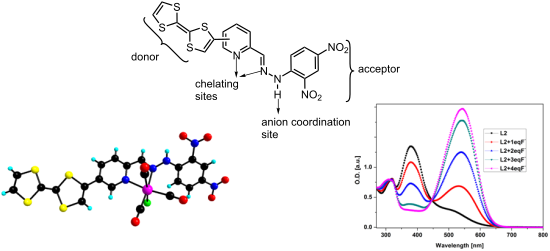
- -responsive receptors for neutral and/or charged guest sensing applications have been prepared [18][19][20][21][22]. On this ground, chemosensors capable of recognizing anionic and/or cationic species constitute an important area of increasing research in supramolecular chemistry, considering the ubiquitous


Impact of multivalent charge presentation on peptide–nanoparticle aggregation
Beilstein J. Org. Chem. 2015, 11, 792–803, doi:10.3762/bjoc.11.89

- charged gold nanoparticles. The overall primary sequence of VW05 was designed to provide a pH-responsive aggregation of nanoparticles based on electrostatic interactions. Accordingly, a scrambled version of VW05 with the same amino acid composition and net charge did not show any evidence for


Regulation of integrin and growth factor signaling in biomaterials for osteodifferentiation
Beilstein J. Org. Chem. 2015, 11, 773–783, doi:10.3762/bjoc.11.87
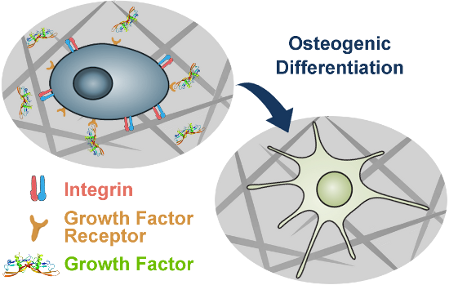
- have been mapped [7][35]. Generally, integrin–ligand interactions elicit the activation of focal adhesion kinase (FAK) and its downstream target-effectors [36]. FAK is a tyrosine kinase and embedded in focal adhesions, the distribution of which is responsive to cell adhesion and spreading. The integrin


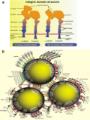


Multivalent dendritic polyglycerolamine with arginine and histidine end groups for efficient siRNA transfection
Beilstein J. Org. Chem. 2015, 11, 763–772, doi:10.3762/bjoc.11.86
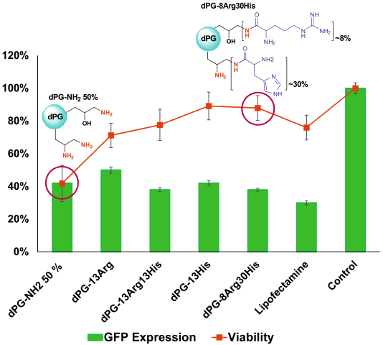
- ) Arg to His ratio, showed efficient siRNA transfection with minimal cytotoxicity (cell viability ≥ 90%) in NIH 3T3 cells line. We also demonstrated that the cytotoxicity of dPG-NH2 decreased as a result of amino acid functionalization. While the incorporation of both cationic (Arg) and pH-responsive


Glycodendrimers: tools to explore multivalent galectin-1 interactions
Beilstein J. Org. Chem. 2015, 11, 739–747, doi:10.3762/bjoc.11.84
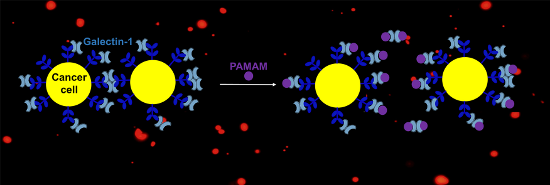
- residues were present at each stage in the assay irrespective of the scaffold generation number, dose-responsive inhibition of galectin-1 mediated cancer cell adhesion was only observed with lactose functionalized G(3)-dendrimer 2 at these concentrations (Figure 7b, and representative images 7e–h, the dose
- -responsive curve for lower concentrations of 1 is provided in Supporting Information File 1). Nearly complete inhibition of cellular aggregation was observed with compound 2 at the highest concentration of 2. The inhibition observed with compounds 1 and 2 indicates that the smaller glycodendrimers are the




Synthesis and characterization of pH responsive D-glucosamine based molecular gelators
Beilstein J. Org. Chem. 2014, 10, 3111–3121, doi:10.3762/bjoc.10.328
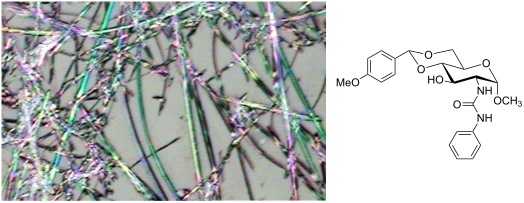
- naproxen from the pH responsive gels were also analyzed under acidic and neutral conditions. Our findings are useful for the design of novel triggered release self-assembling systems and can provide an insight into the influence of the the structure on gelation. Keywords: glucosamine; hydrogelators
- ; naproxen; organogelator; pH responsive; self-assembly; Introduction Low molecular weight gelators (LMWGs) have drawn great attention over the past few decades due to the formation of supramolecular structures and their potential applications as advanced materials [1][2][3][4][5][6][7]. LMWGs are also
- the controlled release of certain biological agents [17][18][19][20][21][22][23][24][25][26][27]. Molecular gelators containing photo or pH responsive functional groups are able to form multi-stimuli responsive gels. These resulting gels may find applications as advanced soft functional materials [28




Cyclodextrin–polysaccharide-based, in situ-gelled system for ocular antifungal delivery
Beilstein J. Org. Chem. 2014, 10, 2903–2911, doi:10.3762/bjoc.10.308
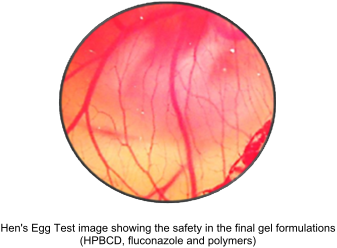
- patient compliance and comfort [10]. Specifically, stimuli-responsive polymer hydrogels have recently attracted special attention as drug delivery systems due to their capacity to respond to changing environmental conditions such as ion composition, pH, temperature, presence of chemicals, or changes on