Search results
Search for "metabolites" in Full Text gives 278 result(s) in Beilstein Journal of Organic Chemistry. Showing first 200.
New sesquiterpenoids from the South China Sea soft corals Clavularia viridis and Lemnalia flava
Beilstein J. Org. Chem. 2019, 15, 695–702, doi:10.3762/bjoc.15.64
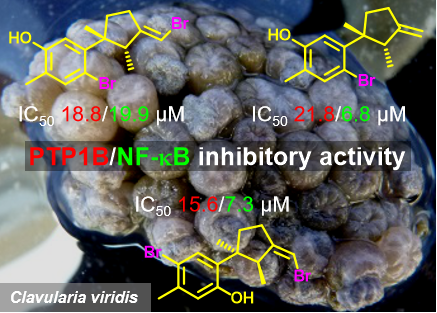
- sesquiterpenoids and diterpenoids with various intriguing carbon skeletons, such as nardosinanes, neolemnanes, and ylanganes [10]. Many of these secondary metabolites have attracted a lot of attention for further synthetic and pharmacological studies due to their potent bioactivities ranging from neuroprotective
- , cytotoxic, to anti-inflammatory properties [10]. In the framework of our ongoing research for the bioactive metabolites from South China Sea soft corals [11][12], we made the collection of the title samples Clavularia viridis and Lemnalia flava off the Xisha Islands, Hainan Province, China. The chemical
- , eight sesquiterpenoids (1–8), belonging to four different structural types, were isolated from two South China Sea soft corals (C. viridis and L. flava) for the first time. The discovery of these metabolites extended the structural diversity and complexity of sesquiterpenoids derived from soft corals C


Synthesis of the aglycon of scorzodihydrostilbenes B and D
Beilstein J. Org. Chem. 2019, 15, 610–616, doi:10.3762/bjoc.15.56
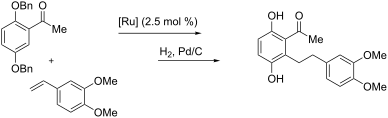
- multiple phenolic functionality. These natural products that form as secondary metabolites on a branch of flavonoid biosynthesis found wide interest for their various biological effects like anti-oxidative and biofouling-preventing activity [1]. From crude extracts of the Mongolian medicinal plant


Back to the future: Why we need enzymology to build a synthetic metabolism of the future
Beilstein J. Org. Chem. 2019, 15, 551–557, doi:10.3762/bjoc.15.49
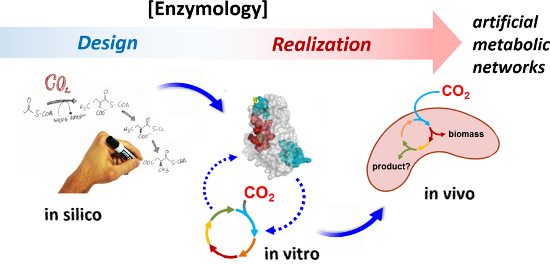
- avoided some problems upfront [58]. Yet, it needs to be mentioned that even if complex synthetic metabolic networks can be realized in vitro, this does not mean that these metabolic networks can be easily transplanted into living cells. The introduction of new reactions and metabolites into a host cell is
- expected to create interactions with the native metabolic and regulatory network of the host. Again, promiscuity poses a major challenge. Even though the metabolites and reactions might be completely non-native to the cell, these intermediates might be still drained due to unwanted side reactions or create
- there are likely to be hundreds if not thousands of unknown reactions and metabolites, often described as catalytic or metabolic “dark matter” [53][60]. Thus, a more detailed understanding of the promiscuity of native enzymes and the interaction of small molecules with the native regulatory network of


Synthesis and biological activity of methylated derivatives of the Pseudomonas metabolites HHQ, HQNO and PQS
Beilstein J. Org. Chem. 2019, 15, 187–193, doi:10.3762/bjoc.15.18
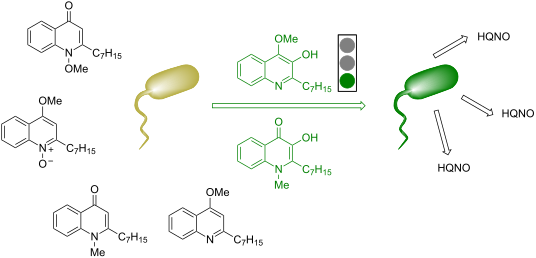
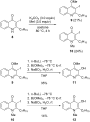
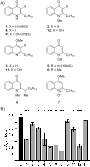
- metabolites [16]. For example, Mycobacterium abscessus, which like P. aeruginosa and S. aureus can occur in the lung of cystic fibrosis patients [17][18][19], is able to methylate HQNO to give 2-heptyl-1-methoxy-4(1H)-quinolone (HMOQ). HMOQ is a significantly less efficient inhibitor of the respiratory chain




Ring-closing-metathesis-based synthesis of annellated coumarins from 8-allylcoumarins
Beilstein J. Org. Chem. 2018, 14, 2991–2998, doi:10.3762/bjoc.14.278
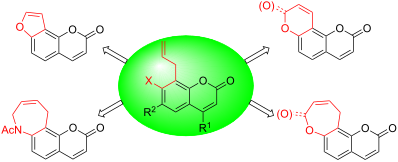
- to antineurodegenerative activities [2][3]. The majority of natural coumarins are secondary metabolites isolated from plants [5][6][7]. A commonly used taxonomy for these natural products (which has been extended to the non-natural analogues) is based on the coumarin structure (Figure 1) [4][8]. It


Volatiles from the hypoxylaceous fungi Hypoxylon griseobrunneum and Hypoxylon macrocarpum
Beilstein J. Org. Chem. 2018, 14, 2974–2990, doi:10.3762/bjoc.14.277
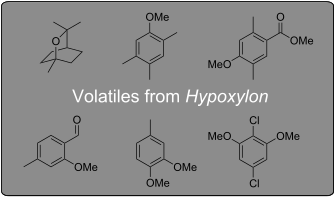
- mycotoxins [2], a class of highly bioactive secondary metabolites that belong to the strongest known inhibitors of protein biosynthesis in eukaryotes [3]. Similarly, the sesquiterpene aristolochene (2) is the parent hydrocarbon of PR toxin [4][5] and has been used as a marker to differentiate between toxin
- in secondary metabolites [20], but not much is known about volatiles from these fungi [21]. In continuation of this work, here we present the volatiles emitted by Hypoxylon griseobrunneum MUCL 53754 and Hypoxylon macrocarpum STMA 130423. These strains were selected, because both species released a
- ). Small amounts of matsutake alcohol (3) were also found. This volatile is frequently accompanied by other C8 metabolites [1], which is reflected for H. griseobrunneum by the detection of octan-3-one (8). Trace amounts of a series of alkylated pyrazines including methylpyrazine (9), 2,5-dimethylpyrazine




N-Acylated amino acid methyl esters from marine Roseobacter group bacteria
Beilstein J. Org. Chem. 2018, 14, 2964–2973, doi:10.3762/bjoc.14.276
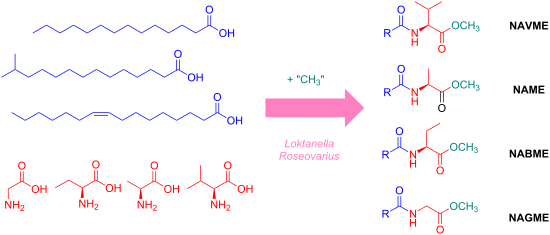
- habitats with a broad metabolic potential [4][5][6][7]. Especially attached-living roseobacters produce diverse secondary metabolites, e.g., N-acylhomoserine lactones (AHLs) that the bacteria use for communication by quorum sensing [8][9][10]. AHLs are extensively investigated because of the broad
- them have been characterized so far [14][15][16][17][18]. Such signalling compounds as well as many other unknown metabolites often occur in small amounts, which renders trace detecting methods like GC/MS a suitable approach for their detection and structure elucidation, provided their polarity falls
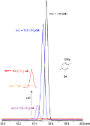
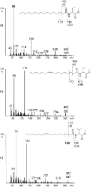
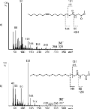
- , interpretation of mass spectra, and verification by synthesis. Results and Discussion The secondary metabolites released by liquid cultures of various roseobacters were collected by extraction via Amberlite XAD-16 resin and analysed by GC/MS. Four of these strains, Roseovarius sp. D12_1.68 and Loktanella sp. F13





Targeting the Pseudomonas quinolone signal quorum sensing system for the discovery of novel anti-infective pathoblockers
Beilstein J. Org. Chem. 2018, 14, 2627–2645, doi:10.3762/bjoc.14.241
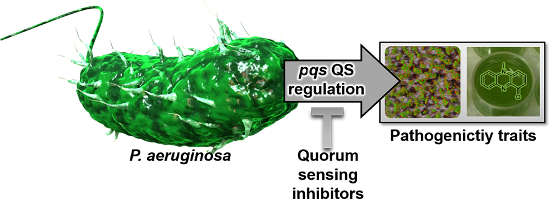
- , PQS is produced through hydroxylation of position 3 by the NADH-dependent flavin mono-oxygenase PqsH [32]. This biosynthetic cascade is also responsible for the generation of the pqs-related metabolites DHQ, 2-AA, and HQNO as well as other AQs having different lengths of the alkyl chain [29][30
- (HIF-1) signaling pathways and, thus, down-regulate host innate immune systems [36][37]. Other PQS-related metabolites have been shown to have additional effects. HQNO, for example, induces autolysis and release of extracellular DNA thereby promoting biofilm formation and increasing meropenem tolerance
- in combination with sub-therapeutic doses of ciprofloxacin. In an analytics-driven study by Allegretta et al., the compound was further profiled regarding suppression of the PQS-related metabolites DHQ, 2-AA, HHQ, PQS and HQNO. In brief, this study demonstrated that PqsR is an excellent target for


Comparative cell biological study of in vitro antitumor and antimetastatic activity on melanoma cells of GnRH-III-containing conjugates modified with short-chain fatty acids
Beilstein J. Org. Chem. 2018, 14, 2495–2509, doi:10.3762/bjoc.14.226
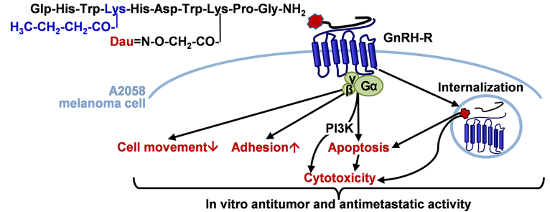
- h) with lysosomal homogenate, leading to the formation of various peptide fragments and Dau-containing metabolites such as H-Lys(Dau=Aoa)-OH [17][19][35]. LC–MS spectra recorded during the lysosomal degradation studies could also indicate the cleavage of an amide bond between the side chain of 4Lys
- and the fatty acids [19]. This result suggests that besides the Dau-metabolites the fatty acids could also be released and – as second drugs – could contribute to the tumor growth inhibitory action of conjugates. It is assumed that the higher short-term cytotoxic activity of [4Lys(Bu)]-GnRH-III(Dau
- caspase-3 [39]. It is possible that the Dau-metabolites formed inside the cells need longer time to exert their more prominent antitumor effect, which could explain why the long-term cytotoxic effect was almost the same for the two acylated conjugates. It has been reported that doxorubicin (an analog of


Semi-synthesis and insecticidal activity of spinetoram J and its D-forosamine replacement analogues
Beilstein J. Org. Chem. 2018, 14, 2321–2330, doi:10.3762/bjoc.14.207
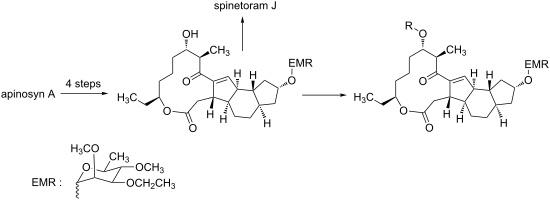
- of spinosyns via chemical modification [18]. Bioactivities of many microbial secondary metabolites are highly dependent on their sugar constituents which are transferred as nucleotide-activated sugars to an aglycon by glycosyltransferases [19]. Therefore, bioactivities of these metabolites could
- . Particularly, the compound 8b was approximately as active as spinosad. Carbohydrate substituents are considered to be related closely to many secondary metabolites [19], hence, C17–O glycosyl analogues are regarded as efficient insecticides that are likely to rival present insecticides. However, as noted in


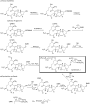


The enzymes of microbial nicotine metabolism
Beilstein J. Org. Chem. 2018, 14, 2295–2307, doi:10.3762/bjoc.14.204
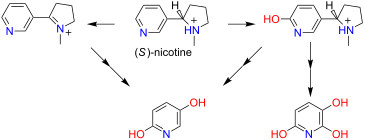
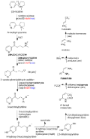
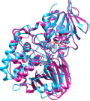
- involved in nicotine catabolism in the pyridine and pyrrolidine pathways. The identification of 6-hydroxy-L-nicotine, 6-hydroxy-N-methylmyosmine, 6-hydroxypseudooxynicotine, 6-hydroxy-3-succinoylpyridine, and 2,5-dihydroxypyridine as metabolites in cells of A. tumefaciens S33 degrading nicotine provided




Recent advances in hypervalent iodine(III)-catalyzed functionalization of alkenes
Beilstein J. Org. Chem. 2018, 14, 1813–1825, doi:10.3762/bjoc.14.154
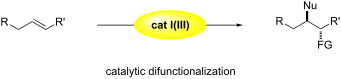
- chiral hypervalent iodine catalyst [47][48]. Additionally, mCPBA and trifluoroacetic acid were utilized as terminal oxidants and activators, respectively. This reaction provided a series of 4-oxyisochroman-1-ones, which are found in natural products and bioactive polyketide metabolites. For example, the


Natural and redesigned wasp venom peptides with selective antitumoral activity
Beilstein J. Org. Chem. 2018, 14, 1693–1703, doi:10.3762/bjoc.14.144
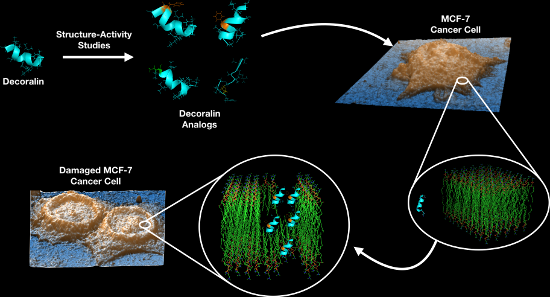
- therapies because of their potential for selectively targeting cancer cells without harm to normal counterparts [37][38][39]. Membrane phospholipids confer permeability to the cell and regulate the flux of metabolites between the extracellular environment and the intracellular content [40]. The membrane of


β-Hydroxy sulfides and their syntheses
Beilstein J. Org. Chem. 2018, 14, 1668–1692, doi:10.3762/bjoc.14.143
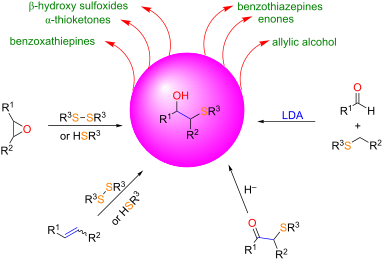
- organic compounds are, like all natural products/secondary metabolites, staggeringly diverse with respect to their natural source and their level of structural complexity. As part of their molecular architecture, sulfur can appear in the form of various functional groups and oxidation states: thiol
- fascinating biosynthesis of sulfur-containing secondary metabolites can be found in a recent review by Hertweck and co-workers [9]. 2. β-Hydroxy sulfides β-Hydroxy sulfides, often in disguised form, comprise a significant segment of sulfur-containing natural products, with a few examples shown in Figure 2


Lanyamycin, a macrolide antibiotic from Sorangium cellulosum, strain Soce 481 (Myxobacteria)
Beilstein J. Org. Chem. 2018, 14, 1554–1562, doi:10.3762/bjoc.14.132
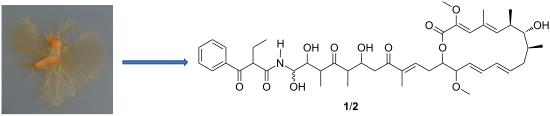
- of which were found to exert anti-HIV activity while sorazolones, argyrins and tubulysins showed antitumor activity or cytotoxicity [4][5][6][7][8]. In our studies on the secondary metabolites of Sorangium cellulosum (strain Soce 481), we observed strong antifungal activity in the raw extract. On RP


Two new 2-alkylquinolones, inhibitory to the fish skin ulcer pathogen Tenacibaculum maritimum, produced by a rhizobacterium of the genus Burkholderia sp.
Beilstein J. Org. Chem. 2018, 14, 1446–1451, doi:10.3762/bjoc.14.122
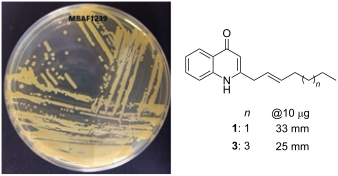
- association with animals or plants as pathogens or symbionts and exhibit a variety of catabolic and metabolic activities [1][7]. One hundred ten secondary metabolites have been reported from Burkholderia (data retrieved from the Dictionary of Natural Products, as of March 20, 2018). However, it is likely that
- Burkholderia produce many more secondary metabolites than reported, as this group was previously classified into the genus Pseudomonas [8]. In fact, the high capacity of Burkholderia in secondary metabolism is demonstrated by the presence of unique functionalities, such as monocyclic 3-pyrazolone [9], α
- -aminoacrylonitrile, and thioimidazolinone [10], all of which are not preceded in metabolites from other taxa. The large genome size of Burkholderia also suggests a high capacity for secondary metabolism. According to the NCBI genome database (https://www.ncbi.nlm.nih.gov/genome/browse#!/prokaryotes/), the genome


Acyl-group specificity of AHL synthases involved in quorum-sensing in Roseobacter group bacteria
Beilstein J. Org. Chem. 2018, 14, 1309–1316, doi:10.3762/bjoc.14.112
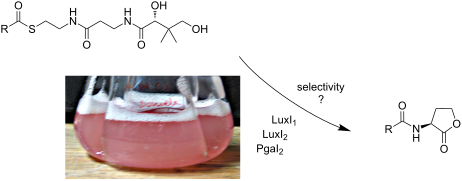
- on surfaces [3]. They can produce a variety of secondary metabolites, including antibiotics [4][5], volatile compounds [6][7], oligohydroxybutyrates [8] and a range of N-acylhomoserine lactones (AHLs) [8][9][10]. AHLs are quorum-sensing signaling compounds that are used for cell–cell communication to


Fluorocyclisation via I(I)/I(III) catalysis: a concise route to fluorinated oxazolines
Beilstein J. Org. Chem. 2018, 14, 1021–1027, doi:10.3762/bjoc.14.88
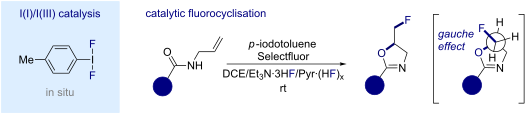
- ; cyclisation; fluorination; gauche effect; hypervalent iodine; oxazolines; Introduction Marine and terrestrial natural product bioprospecting has established a broad spectrum of structurally complex, bioactive metabolites containing the venerable 2-oxazoline unit [1][2]. This diversity is exemplified by the


On the design principles of peptide–drug conjugates for targeted drug delivery to the malignant tumor site
Beilstein J. Org. Chem. 2018, 14, 930–954, doi:10.3762/bjoc.14.80
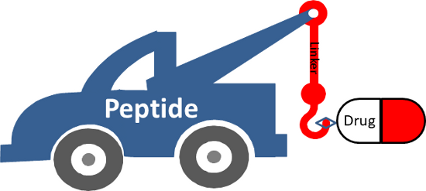
- detoxification, breaking down of the administrated drugs, once inserted into the human body. The drugs get decomposed and converted to their metabolites. These metabolites can be pharmacologically inactive, e.g., gemcitabine converted to 2',2'-difluorodeoxyuridine (dFdU) [8] or possess enhanced activity with
- respect to the parent drug, e.g., temozolomide converted to 5-(3-methyltriazen-1-yl)imidazole-4-carboxamide (MTIC) [9]. 4) Excretion is the final step and is responsible for the removal of the parent drug and/or its metabolites from the human body. Renal excretion is the predominant route of elimination
- kinases. Gemcitabine diphosphate (dFdCDP) and gemcitabine triphosphate (dFdCTP) are the active metabolites which inhibit processes required for DNA synthesis [91]. The incorporation of dFdCTP into DNA during polymerization, which causes DNA polymerases unable to proceed, is the major mechanism by which


Development of novel cyclic NGR peptide–daunomycin conjugates with dual targeting property
Beilstein J. Org. Chem. 2018, 14, 911–918, doi:10.3762/bjoc.14.78
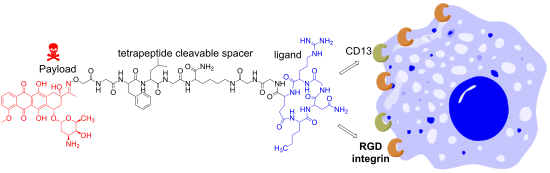
- ]. It is well known from our previous studies that not only the free Dau but also Dau containing metabolites like Dau=Aoa-Gly-OH bind to DNA efficiently resulting in antitumor activity. The exchange of the Lys in the cycle simplified the cyclization step and due to the avoidance of the Fmoc cleavage in


Volatiles from three genome sequenced fungi from the genus Aspergillus
Beilstein J. Org. Chem. 2018, 14, 900–910, doi:10.3762/bjoc.14.77
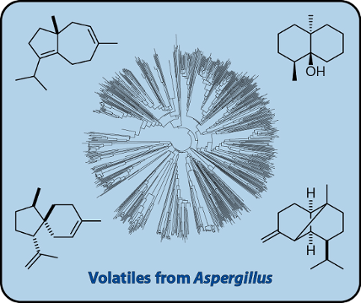
- encoded terpene synthases for each strain. Besides terpenes, a series of aromatic compounds and volatiles derived from fatty acid and branched amino acid metabolism were identified. Some of these compounds have not been described as fungal metabolites before. For the compound ethyl (E)-hept-4-enoate known
- productive and biosynthetically exceptionally creative source of secondary metabolites from all classes of natural products. Many prominent compounds such as lovastatin from Aspergillus terreus [1] or the penicillin antibiotics from Penicillium [2] are used for human wellfare, whilst others including
- aflatoxin from Aspergillus flavus [3] or the amatoxins from the death cap (Amanita phalloides) [4] are extremely toxic for humans. Recently, also volatile secondary metabolites from fungi attracted considerable interest [5][6]. Volatiles not only contribute to the pleasant aroma of edible mushrooms such as




Synthesis and in vitro biochemical evaluation of oxime bond-linked daunorubicin–GnRH-III conjugates developed for targeted drug delivery
Beilstein J. Org. Chem. 2018, 14, 756–771, doi:10.3762/bjoc.14.64
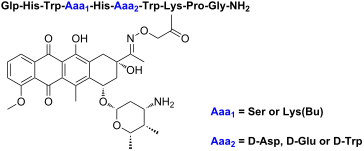
- the ester bond resulting in a longer half-life of the conjugate during circulation. Nevertheless, the drug is released within the cancer cell by lysosomal enzymes, especially by cathepsin B, which leads to various Dau containing metabolites [26]. In case of GnRH-III–[8Lys(Dau=Aoa)] conjugates the
- -containing metabolites revealed an antitumor activity [26][42]. In order to gain insight into the cellular release of the drug, the degradation of the Dau–GnRH-III derivatives 1–6, K1 and K2 was determined in the presence of rat liver lysosomal homogenate at 37 °C. As shown in Figure 2, all GnRH-III–Dau
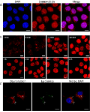
- investigations. The results indicate that Dau-containing metabolites can be found in high amount in the nuclei after already 10 to 30 minutes, whereas the CLSM images after 1 and 5 minutes display the Dau signal predominantly in small cytosolic vesicles. We supposed that the smaller cytosolic compartments seen



Volatiles from the xylarialean fungus Hypoxylon invadens
Beilstein J. Org. Chem. 2018, 14, 734–746, doi:10.3762/bjoc.14.62
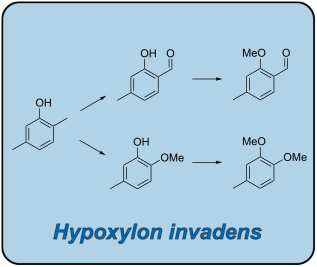
- research during the past decades has shown that many fungi release a rich bouquet of volatile organic compounds [1]. Some of these metabolites contribute to the pleasant aroma of edible mushrooms, e.g., the widespread compound oct-1-en-3-ol (1) is responsible for the typical odour of the button mushroom
- and ecologists in volatile secondary metabolites. Volatile natural products can efficiently be captured on charcoal filter traps by using a closed-loop stripping apparatus (CLSA) [6] or on polydimethylsiloxane fibres by application of the solid phase micro-extraction method (SPME) [7], followed by GC
- Xylariaceae, but has recently been reassigned to the Hypoxylaceae. This family was resurrected as a result of intensive polyphasic studies on the biological and chemical diversity of the ascomycete order Xylariales, which is well-known for its diversity of bioactive secondary metabolites [11][12]. We decided


Electrochemical Corey–Winter reaction. Reduction of thiocarbonates in aqueous methanol media and application to the synthesis of a naturally occurring α-pyrone
Beilstein J. Org. Chem. 2018, 14, 547–552, doi:10.3762/bjoc.14.41
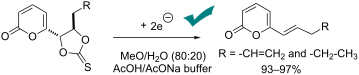
- -(pent-1-enyl)-α-pyrone and trans-6-(pent-1,4-dienyl)-α-pyrone, which are naturally occurring metabolites isolated from Trichoderma viride and Penicillium, in high chemical yield and with excellent stereo selectivity. Keywords: Corey–Winter reaction; electrosynthesis; 6-pentyl-2H-pyran-2-ones; reduction
- 1–3 was reported by our research group [7]. These molecules proved to be enantiomers of metabolites isolated from Trichoderma spp and Penicillium isolates. Unfortunately, our efforts for obtaining the natural metabolite trans-6-(pent-1-enyl)-α-pyrone (5) (isolable from Trichoderma viride [8]) via a
- , N2 bubbling 5 min, WE = vitreous carbon, CE = Pt wire, RE = Ag/AgCl in MeO/H2O (80:20) in AcOH/AcONa buffer 0.5 M media. The Corey–Winter reaction in general. Proposed route for the synthesis of metabolites isolated from Trichoderma and Penicillium species from 7,3-LXF. Preparation of thiocarbonate


Volatiles from the tropical ascomycete Daldinia clavata (Hypoxylaceae, Xylariales)
Beilstein J. Org. Chem. 2018, 14, 135–147, doi:10.3762/bjoc.14.9
- Fusarium fujikuroi and other fusaria [11][12]. The potential beneficial bioactivity and role in the intra- or interspecies communication as well as the possible function as markers for toxin production recently resulted in an increasing interest in volatile secondary metabolites in the scientific community
- volatile secondary metabolites from Xylariales. Most respective studies have been dedicated to some endophytic strains that can be assigned to the Xylariales based on preliminary molecular phylogenetic data and are being referred to the suggested genus Muscodor. However, this genus was recently rejected
- only been tentatively characterised at the genus level [23][24][25][26][27][28]. The compound actually consitutes one of several chemotaxonomic marker metabolites for the clade in the Hypoxylaceae comprising Daldinia and allied genera [29]. The sesquiterpene alcohol 16 was first isolated from the plant