Search results
Search for "metabolites" in Full Text gives 278 result(s) in Beilstein Journal of Organic Chemistry. Showing first 200.
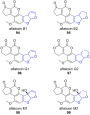
Varioloid A, a new indolyl-6,10b-dihydro-5aH-[1]benzofuro[2,3-b]indole derivative from the marine alga-derived endophytic fungus Paecilomyces variotii EN-291
Beilstein J. Org. Chem. 2016, 12, 2012–2018, doi:10.3762/bjoc.12.188
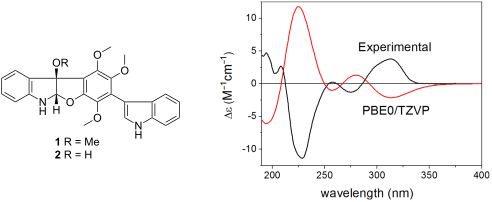
- prolific source of bioactive secondary metabolites of diverse structures, including, for example, semiviriditoxin derivatives with antibacterial activity [3], cornexistin and hydroxycornexistin with herbicidal activity [4], and paecilocins with antibacterial activity [5]. During our ongoing effort to
- search for structurally unique and bioactive secondary metabolites from marine fungi, especially from marine alga-derived fungi [6][7][8], we discovered evident DPPH (1,1-diphenyl-2-picrylhydrazyl) radical scavenging activity and diverse antimicrobial activities in the EtOAc extract from Paecilomyces
- continues to be a prolific source of bioactive secondary metabolites with diverse structures. In this paper, two indolyl-6,10b-dihydro-5aH-[1]benzofuro[2,3-b]indole derivatives, varioloids A (1) and B (2), were isolated from the marine alga-derived endophytic fungus Paecilomyces variotii EN-291. The



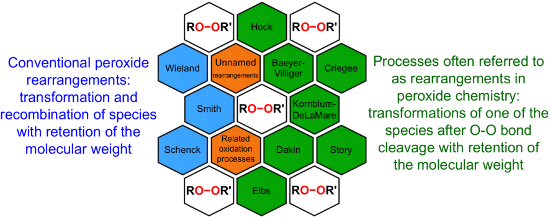
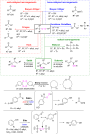
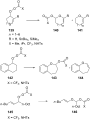
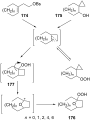
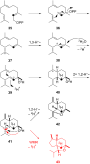
Rearrangements of organic peroxides and related processes
Beilstein J. Org. Chem. 2016, 12, 1647–1748, doi:10.3762/bjoc.12.162









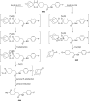


Total synthesis of leopolic acid A, a natural 2,3-pyrrolidinedione with antimicrobial activity
Beilstein J. Org. Chem. 2016, 12, 1624–1628, doi:10.3762/bjoc.12.159
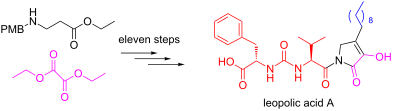
- acids) are widespread among the fungal metabolites and show a number of biological activities, i.e., antibacterial, antiviral, antifungal and anticancer. More than one hundred of them have been isolated from a variety of natural sources [3]. Conversely, natural compounds with a simple 2,3


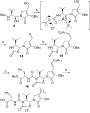
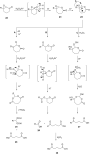
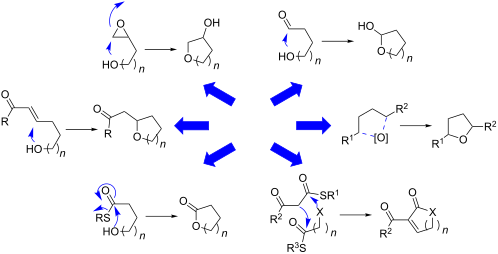
Biosynthesis of oxygen and nitrogen-containing heterocycles in polyketides
Beilstein J. Org. Chem. 2016, 12, 1512–1550, doi:10.3762/bjoc.12.148
- spontaneously in the absence of the enzyme. Acridones. The acridones are pyridin-4(1H)-one-containing metabolites of Rutaceae, which serve for UV protection and antimicrobial defense [169][170]. They are produced by various acridone synthases (ACSs), which are expressed depending on external triggers like




Cyclisation mechanisms in the biosynthesis of ribosomally synthesised and post-translationally modified peptides
Beilstein J. Org. Chem. 2016, 12, 1250–1268, doi:10.3762/bjoc.12.120
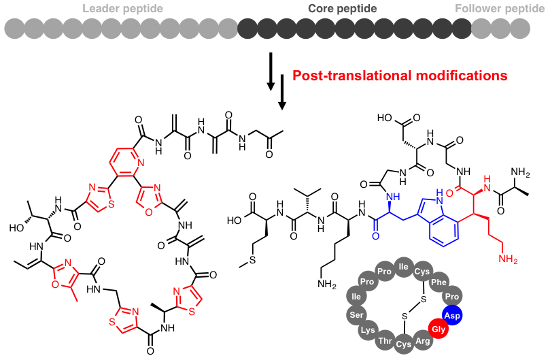
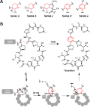
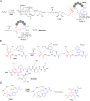
- to produce peptidic secondary metabolites, including non-ribosomal peptide synthetases [1][2] (NRPSs) and diketopiperazine-forming cyclases [3][4]. Alternatively, peptides synthesised by the ribosome can be post-translationally modified into secondary metabolites [5]. These are termed ribosomally
- to AMP and pyrophosphate [43]. The function of this highly conserved “non-TOMM” protein has yet to be identified, but it indicates that amide activation by ATP may not be confined to the biosynthesis of secondary metabolites or purines. Ec-YcaO also lacks a partner C-protein, which is also the case
- natural product classes [8][158]. These bioinformatic analyses all indicate that a vast amount of the RiPP landscape remains unexplored, and a major future challenge will be to determine the both identity and the biological function of these putative metabolites. Conclusion A remarkable array of RiPP





Modular synthesis of the pyrimidine core of the manzacidins by divergent Tsuji–Trost coupling
Beilstein J. Org. Chem. 2016, 12, 1111–1121, doi:10.3762/bjoc.12.107
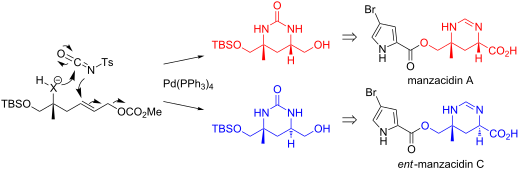
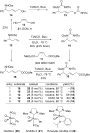
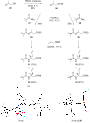
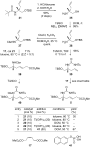
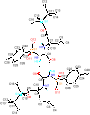
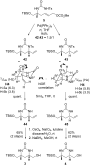
- ][30][31], we became interested to devise a novel and a more versatile route to the central heterocyclic core of these marine metabolites. The method is based on a late-stage diversification strategy involving a Tsuji–Trost reaction of the urea-type joint precursor 5. In contrast to existing routes



Antibacterial structure–activity relationship studies of several tricyclic sulfur-containing flavonoids
Beilstein J. Org. Chem. 2016, 12, 1065–1071, doi:10.3762/bjoc.12.100
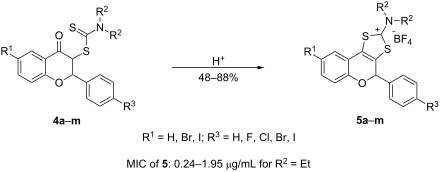
- [1][2]. Clearly, the development of new types of antibiotics is strongly needed [3]. Flavonoids are a diverse class of plant secondary metabolites that share the same C6–C3–C6 backbone. The great structural diversity of these compounds results in a wide range of biological activities. Flavonoids can


Marine-derived myxobacteria of the suborder Nannocystineae: An underexplored source of structurally intriguing and biologically active metabolites
Beilstein J. Org. Chem. 2016, 12, 969–984, doi:10.3762/bjoc.12.96
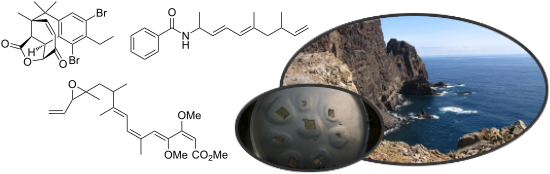
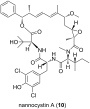
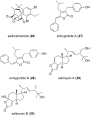
- metabolites. Till recently, only terrestrial myxobacteria were in the focus of research. In this review, however, we discuss marine-derived myxobacteria, which are particularly interesting due to their relatively recent discovery and due to the fact that their very existence was called into question. The to
- metabolites. A most unusual structural type is represented by salimabromide from Enhygromyxa salina. In silico analyses were carried out on the available genome sequences of four bacterial members of the Nannocystineae, revealing the biosynthetic potential of these bacteria. Keywords: Enhygromyxa; genome
- given elsewhere [18]. Secondary metabolites from myxobacteria Members of the order Myxococcales are famous for their ability to produce secondary metabolites of diverse chemical nature with the capability to exert different biological effects [19][20]. Detailed descriptions of myxobacteria-derived

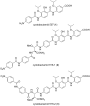





Muraymycin nucleoside-peptide antibiotics: uridine-derived natural products as lead structures for the development of novel antibacterial agents
Beilstein J. Org. Chem. 2016, 12, 769–795, doi:10.3762/bjoc.12.77
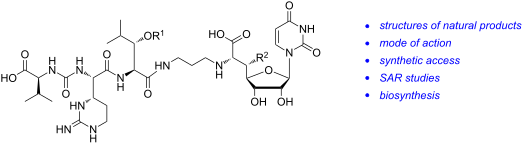
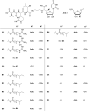
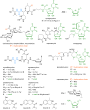
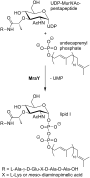
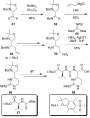
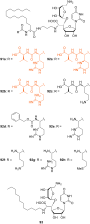
- biosynthesis. This review will focus on muraymycins as a subclass of nucleoside antibiotics, covering their mode of action, synthetic approaches as well as SAR studies on several derivatives. Furthermore, first insights into the biosynthesis of these Streptomyces-produced secondary metabolites will be









Opportunities and challenges for direct C–H functionalization of piperazines
Beilstein J. Org. Chem. 2016, 12, 702–715, doi:10.3762/bjoc.12.70
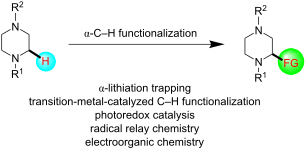
- enantioselective versions of these transformations. Copper-catalyzed C–H oxidation In an effort to establish a chemical toolkit to rapidly deliver oxidized drug metabolites, Touré, Sames and co-workers have discovered that piperazines could be oxidized to diketopiperazines as well as ring fragmented products under
- method, despite its relatively low yield and selectivity, does offer a rapid way to access potential drug metabolites or analogs for further biological evaluations. Free radical approach In 1994, Undheim and co-workers developed a radical relay strategy, using a progression from an aryl radical to an α




Three new trixane glycosides obtained from the leaves of Jungia sellowii Less. using centrifugal partition chromatography
Beilstein J. Org. Chem. 2016, 12, 674–683, doi:10.3762/bjoc.12.68
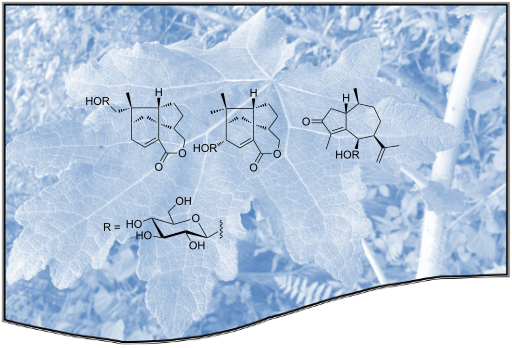
- its leaves presents anti-inflammatory properties. Cyperane, guaiane, nortrixane, and trixane sesquiterpene types were reported as the main metabolites in Jungia species. This work aims to describe the isolation and identification of sesquiterpenes in the leaves of J. sellowii using liquid–liquid
- recovery of the injected extract without degradation and only requires a limited amount of organic solvents [19], and it turned to be a versatile method of separation for the isolation of glycosides [20][21]. Based on the above observation, our aims were to identify new metabolites from J. sellowii and
- trivial name guaianoside was given. Trixane derivatives have recently been reported as antileishmanial metabolites [40], and on the basis of these results the butanol fraction from the areal parts crude extract as well as its isolated compounds (1–3) were evaluated for their leishmanicidal activity


Unconventional application of the Mitsunobu reaction: Selective flavonolignan dehydration yielding hydnocarpins
Beilstein J. Org. Chem. 2016, 12, 662–669, doi:10.3762/bjoc.12.66
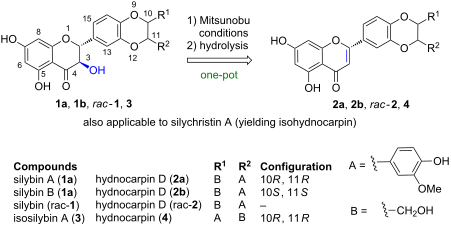
- combine the structural moieties of flavonoids and phenylpropanoids (lignans). Among the group of flavonolignans, the medicinally most important ones can be found in Silybum marianum (L.) Gaertn., the milk thistle. The phenolic secondary metabolites of this plant have been intensively studied due to their


Antibiotics from predatory bacteria
Beilstein J. Org. Chem. 2016, 12, 594–607, doi:10.3762/bjoc.12.58
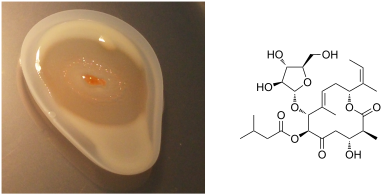
- known secondary metabolites of M. xanthus DK1622 show a wide range of biological activities and can hence be expected to fulfill different ecological functions. The yellow DKxanthenes, for instance, play a crucial role in spore maturation during fruiting body formation [63]. They were also shown to
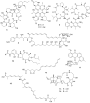
- completely ignored in the field. It is therefore no surprise that to date only three classes of secondary metabolites have been reported from this genus (Figure 6). Siphonazole and its O-methyl derivative were the first natural products to be isolated from a Herpetosiphon strain [125]. The two compounds
- metabolites from the H. aurantiacus type strain 114-95T led to the discovery of auriculamide (22) [127]. This natural product is composed of a 2-hydroxy-3-methylvalerate and a 2-amino-1-(3-chloro-4-hydroxyphenyl)pentan-3-one residue. A retrobiosynthetic analysis allowed the assignment of the gene cluster




Biosynthesis of α-pyrones
Beilstein J. Org. Chem. 2016, 12, 571–588, doi:10.3762/bjoc.12.56
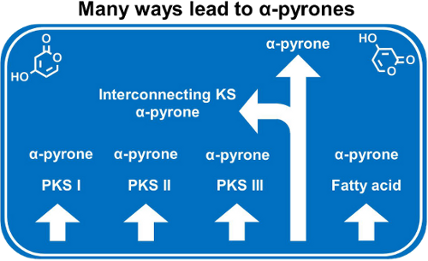
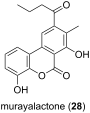
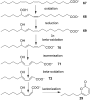
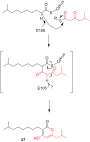
- Till F. Schaberle Institute for Pharmaceutical Biology, University of Bonn, Nußallee 6, 53115 Bonn, Germany 10.3762/bjoc.12.56 Abstract The α-pyrone moiety is a structural feature found in a huge variety of biologically active metabolites. In recent times new insights into additional biosynthetic
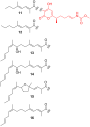
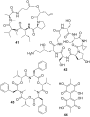
- ]. These toxic fungi-derived metabolites are often pathogenic to plants, and are therefore called phytotoxins. Phytotoxins are divided into host-specific and host non-specific toxins, whereby the here named Alternaria-derived dibenzo-α-pyrones 17, 18, and 19 represent host-specific phytotoxins [26
- , production by a fungus and modification of the metabolites by plant enzymes is also possible. Further α-pyrone plant secondary metabolites are ellagitannins and ellagic acid (22) [27] (Figure 4). These metabolites are important constituents of different foods, e.g., berries, nuts, medicinal plants and






Natural products from microbes associated with insects
Beilstein J. Org. Chem. 2016, 12, 314–327, doi:10.3762/bjoc.12.34
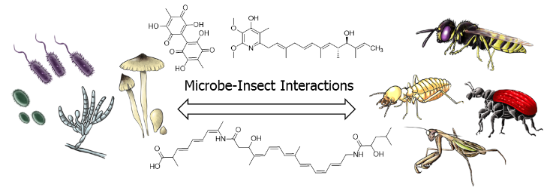
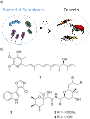
- , Universitetsparken 15, Building 3, 1st floor, 2100 Copenhagen East, Denmark 10.3762/bjoc.12.34 Abstract Here we review discoveries of secondary metabolites from microbes associated with insects. We mainly focus on natural products, where the ecological role has been at least partially elucidated, and/or the
- species [12][13][14][15][16][17]. As a response to these threats, many insects have evolved defensive strategies, including mechanical and behavioral defense, complex immune systems, and the use of bioactive secondary metabolites produced by residing mutualists [12][13][14][15][16][17][24][25][26]. The
- occurrence of these metabolites in often subinhibitory concentrations indicates that they might not primarily function as antimicrobials. Rather they work as signaling molecules leading to modulation of gene expression in the target organism, to alteration in factors contributing to the virulence or





Interactions of cyclodextrins and their derivatives with toxic organophosphorus compounds
Beilstein J. Org. Chem. 2016, 12, 204–228, doi:10.3762/bjoc.12.23
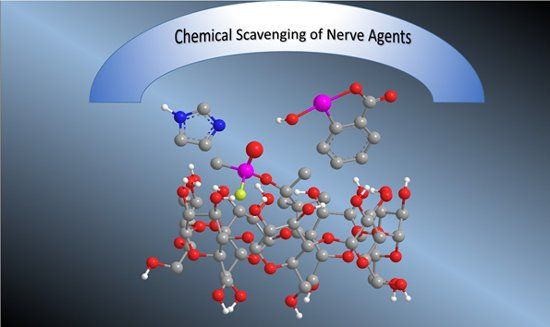
- trained staff and are therefore unsuitable for field implementation. An appealing approach to overcome these drawbacks relies on the use of CD-based chemosensors. Apart from detection, the main concern in any event of exposure remains the fast degradation of NOPs into less toxic metabolites by rapid






Base metal-catalyzed benzylic oxidation of (aryl)(heteroaryl)methanes with molecular oxygen
Beilstein J. Org. Chem. 2016, 12, 144–153, doi:10.3762/bjoc.12.16
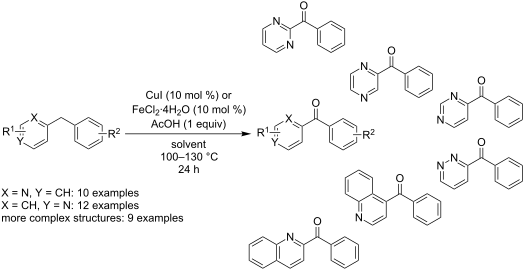
- drug Mefloquine. The oxidation method can also be used to prepare metabolites of APIs which is illustrated for the natural product papaverine. ICP–MS analysis of the purified reaction products revealed that the base metal impurity was well below the regulatory limit. Keywords: base metal; benzylic
- earlier and can also be achieved in an enantioselective manner [41]. Human metabolism can produce metabolites of pharmaceuticals that possess completely different properties such as for instance biological activity, toxicity and clearance rates. Rapid identification and synthesis of potential drug
- metabolites is therefore of great importance to facilitate the drug discovery process [42]. For this purpose chemoselective oxidation protocols are a valuable tool since they can provide us with metabolites typically generated by cytochrome P450 enzymes. Bearing this in mind we attempted to oxygenate the



Physical properties and biological activities of hesperetin and naringenin in complex with methylated β-cyclodextrin
Beilstein J. Org. Chem. 2015, 11, 2763–2773, doi:10.3762/bjoc.11.297
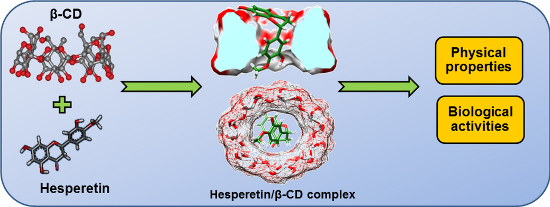
- three different cancer cell lines. The overall results suggested that solubilities and bioactivities of both flavanones were increased by complexation with methylated β-CDs. Keywords: binding energy; bioactivity; cyclodextrins; hesperetin; naringenin; Introduction Flavonoids are secondary metabolites


Synthesis of Xenia diterpenoids and related metabolites isolated from marine organisms
Beilstein J. Org. Chem. 2015, 11, 2521–2539, doi:10.3762/bjoc.11.273
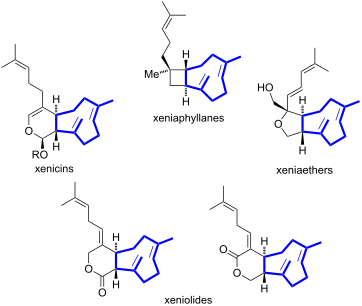
- related metabolites. Selected members from the four different subclasses of the Xenia diterpenoid family, the xenicins, xeniolides, xeniaphyllanes and xeniaethers, are presented. The synthetic strategies are discussed with an emphasis on the individual key reactions for the construction of the uncommon
- a large group of structurally diverse secondary metabolites. Among these natural products, Xenia diterpenoids or xenicanes represent a unique family with intriguing structural features and diverse biological activities. Many xenicanes display significant cytotoxic and antibacterial activity and are
- therefore of great interest for drug discovery, especially for their application as anticancer agents [1]. Marine soft corals of the genus Xenia (order Alcyonacea, family Xeniidae) are known to be rich in xenicane diterpenoids. The first reported member of these metabolites was xenicin (1), isolated from







Recent highlights in biosynthesis research using stable isotopes
Beilstein J. Org. Chem. 2015, 11, 2493–2508, doi:10.3762/bjoc.11.271
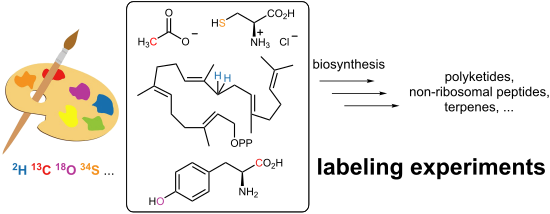
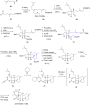
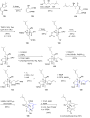
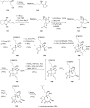
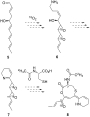
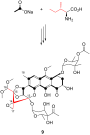
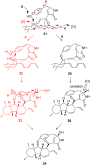
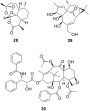
- understanding of biosynthesis. As demonstrated in this article, the usage of isotopes is not at all old-fashioned, but continues to give important insights into biosynthetic pathways of secondary metabolites. This review with 85 cited references is structured by separate discussions of compounds from different
- reductase [16], aflatoxin B1 (2) [17] and the potent antifungal agent amphotericin B (3) [18], which affects membrane integrity. The products of polyketide synthases (PKS) belong to the first secondary metabolites that were investigated using isotopically labeled compounds [19]. Feeding experiments using











Biocatalysis for the application of CO2 as a chemical feedstock
Beilstein J. Org. Chem. 2015, 11, 2370–2387, doi:10.3762/bjoc.11.259
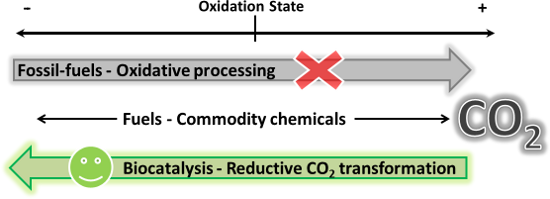
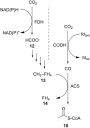
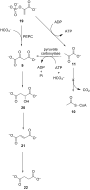
- current oxidative technologies that rely on diminishing natural fossil-fuel deposits. Enzymes that catalyse CO2 fixation steps in carbon assimilation pathways are promising catalysts for the sustainable transformation of this safe and renewable feedstock into central metabolites. These may be further
- , and in oxygen-deficiency zones [50]. Reductive tricarboxylic acid cycle The tricarboxylic acid (TCA) cycle is used by all aerobic organisms to generate NADH through the oxidation of small organic metabolites. For pyruvate (11), isocitrate (7) and 2-oxoglutarate (6), oxidation occurs together with a
- fixation A large number of enzymes use CO2 (or HCO3−) as a substrate without taking part in autotrophic pathways [26]. These are predominantly found in assimilatory pathways where small organic molecules are used as carbon sources, and anaplerosis through which intermediate metabolites in central pathways






Bromotyrosine-derived alkaloids from the Caribbean sponge Aplysina lacunosa
Beilstein J. Org. Chem. 2015, 11, 2334–2342, doi:10.3762/bjoc.11.254
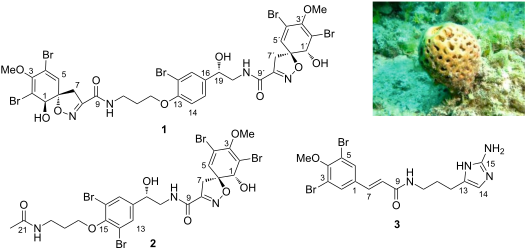
- products; NMR spectroscopy; Introduction Bromotyrosine-derived alkaloids are unique brominated metabolites which were isolated mainly from marine sponges of the order Verongida. For more than 50 years, bromotyrosine alkaloids raised the interests of synthetic and natural products chemists due to their


The marine sponge Agelas citrina as a source of the new pyrrole–imidazole alkaloids citrinamines A–D and N-methylagelongine
Beilstein J. Org. Chem. 2015, 11, 2029–2037, doi:10.3762/bjoc.11.220
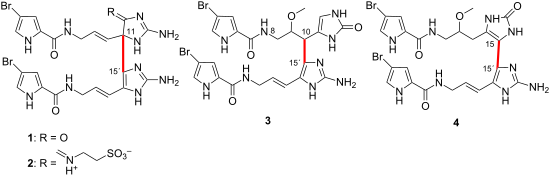
- fascinating example of a large variety of secondary metabolites produced exclusively by marine sponges. To date, more than 150 PIAs have been isolated mainly from various species of the families Agelasidae, Axinellidae, Dyctionellidae, and Hymeniacidonidae and some of them show promising biological activities
- which could be an alternative origin of these metabolites. The molecular formula of citrinamine B (2) was established by HR–ESIMS (m/z 740.0337, [M + H]+, monoisotopic) and the pseudomolecular ion peaks at m/z = 740/742/744 (1:2:1) to be C24H28Br2N11O5S. The 1D 1H and 13C NMR spectra of 2 were similar


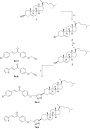
Synthesis, antimicrobial and cytotoxicity evaluation of new cholesterol congeners
Beilstein J. Org. Chem. 2015, 11, 1922–1932, doi:10.3762/bjoc.11.208
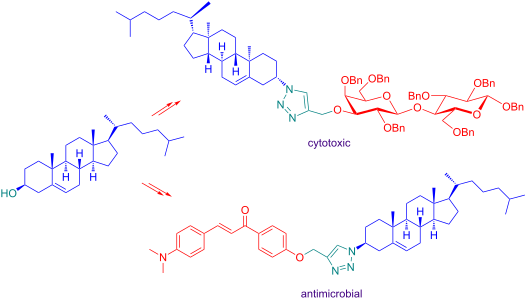
- cholesterol (oxysterol) metabolites contributes to the prognosis of major chronic diseases. Cholesterol is completely absent in prokaryotic organisms [1][2][3]. Cholesterol gives eukaryotic membranes sufficient mechanical stiffness against cationic selective antimicrobials (CSAs) such as antimicrobial




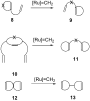
Recent applications of ring-rearrangement metathesis in organic synthesis
Beilstein J. Org. Chem. 2015, 11, 1833–1864, doi:10.3762/bjoc.11.199

- ethylene (24) under high dilution conditions to deliver the tetracyclic compound 49 in 62% yield (Scheme 7). To assemble 5-F2-isoprostanes, lipid oxidation metabolites, various functionalized cyclobutene derivatives were subjected to a RRM sequence [12]. Cyclobutene derivative 50 in the presence of the