


Search results
Search for "methods" in Full Text gives 2523 result(s) in Beilstein Journal of Organic Chemistry. Showing first 200.
Antibiofilm and cytotoxic metabolites from the entomopathogenic fungus Samsoniella aurantia
Beilstein J. Org. Chem. 2025, 21, 327–339, doi:10.3762/bjoc.21.23
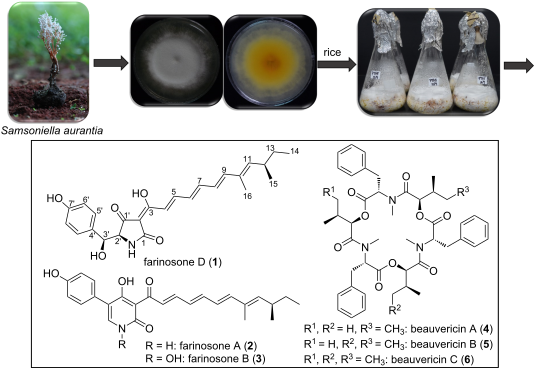
- experimental methods Optical rotations at 20 °C were measured with an Anton Paar MCP 150 circular polarimeter (Anton Paar, Graz, Austria). UV–vis spectra spanning the 190–600 nm range were acquired using a Shimadzu UV2450 spectrophotometer (Shimadzu, Kyoto, Japan). Electronic circular dichroism (ECD) spectra


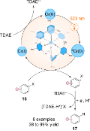
Red light excitation: illuminating photocatalysis in a new spectrum
Beilstein J. Org. Chem. 2025, 21, 296–326, doi:10.3762/bjoc.21.22

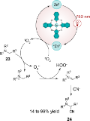
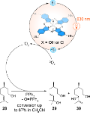
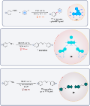
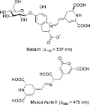
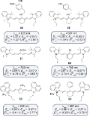
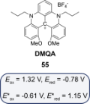
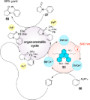
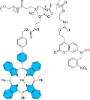
- therapeutic methods [78][79][80]. Such reactions can be performed at particular locations such as DNA or tubulin, when the photocatalyst is placed via a tethered ligand (Scheme 17) [81]. In the present case, the triarylmethine dye 67 was used as sensitizer. It is in equilibrium with the lactone form 68 and

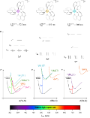



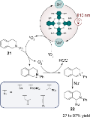











Molecular diversity of the reactions of MBH carbonates of isatins and various nucleophiles
Beilstein J. Org. Chem. 2025, 21, 286–295, doi:10.3762/bjoc.21.21
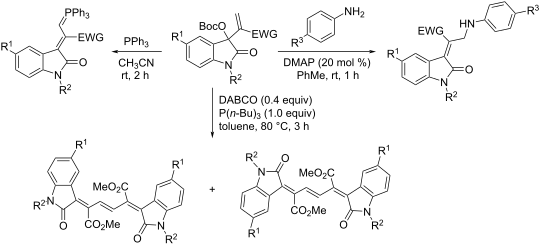
- and were fully characterized via various spectroscopy methods. The further annulation reaction did not proceed under the reaction conditions. The similar reaction of triphenylphosphine and MBH maleimides of isatins also resulted in the corresponding triphenylphosphaneylidenes 6e and 6f in satisfactory




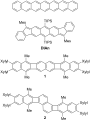
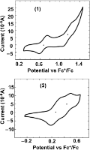
Oxidation of [3]naphthylenes to cations and dications converts local paratropicity into global diatropicity
Beilstein J. Org. Chem. 2025, 21, 277–285, doi:10.3762/bjoc.21.20

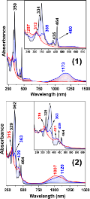
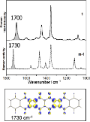
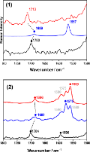
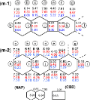
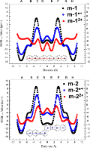
- , 2000 scans at a resolution better than 4 cm−1 were accumulated to optimize the signal-to-noise ratio. Theoretical methods Quantum chemistry was addressed with the Gaussian 09 suite of programs [28]. DFT calculations were performed at the (U)B3LYP[29][30] level, using the 6-311G* basis set [31]. This


Synthesis and characterizations of highly luminescent 5-isopropoxybenzo[rst]pentaphene
Beilstein J. Org. Chem. 2025, 21, 270–276, doi:10.3762/bjoc.21.19
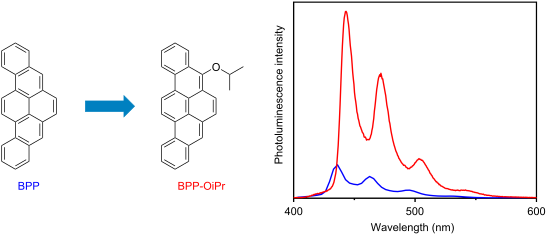
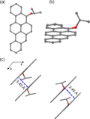
- of zigzag and armchair edges, which may serve as a key building block for obtaining multifunctional organic materials [7]. Since the initial synthesis of BPP by Scholl and Neumann [8], simplified synthetic methods for BPP have been reported over the past decades [9][10][11][12][13][14]. Recently, a




Three-component reactions of conjugated dienes, CH acids and formaldehyde under diffusion mixing conditions
Beilstein J. Org. Chem. 2025, 21, 262–269, doi:10.3762/bjoc.21.18
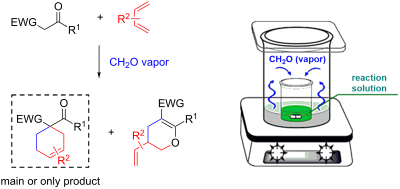
- due to the addition of another equivalent of active methylene compound were also observed. Among the reactions studied, the diffusion mixing method gave the highest yield when using Meldrum’s acid as CH acid and in reactions with cyclopentadiene as diene. Experimental Materials and methods All
- solvents used were purified and dehydrated using the methods described in reference [28]. All starting reagents were purchased from commercial sources (e.g., Sigma-Aldrich, abcr, AKSci). Reactions were checked by TLC analysis using silica plates with a fluorescent indicator (254 nm) and visualized with a


Synthesis of disulfides and 3-sulfenylchromones from sodium sulfinates catalyzed by TBAI
Beilstein J. Org. Chem. 2025, 21, 253–261, doi:10.3762/bjoc.21.17
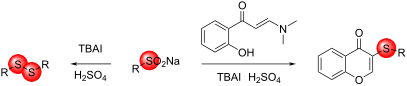
- tetrabutylammonium iodide (TBAI)/H2SO4 reduction system using sodium sulfinate as key component, thus eliminating the need for thiols and redox reagents commonly used in traditional methods. Various disulfides and 3-sulfenylchromones were obtained in moderate to excellent yields through this methodology. Mechanistic
- antibody–drug coupling (ADCs), in which the active drug released in the target cell by selectively breaking the disulfide bond [11]. Given the wide applicability of disulfides, the development of efficient, green, mild, and cost-effective methods for the organic synthesis of disulfides is of significant
- catalysts in conjunction with oxygen [17][18][19][20][21][22], electrochemical oxidation [23][24], and photochemical oxidation techniques [25] have emerged as alternative methods. However, these approaches have a significant limitation: the substrates must be thiols, which have unpleasant odors. This has




Effect of substitution position of aryl groups on the thermal back reactivity of aza-diarylethene photoswitches and prediction by density functional theory
Beilstein J. Org. Chem. 2025, 21, 242–252, doi:10.3762/bjoc.21.16
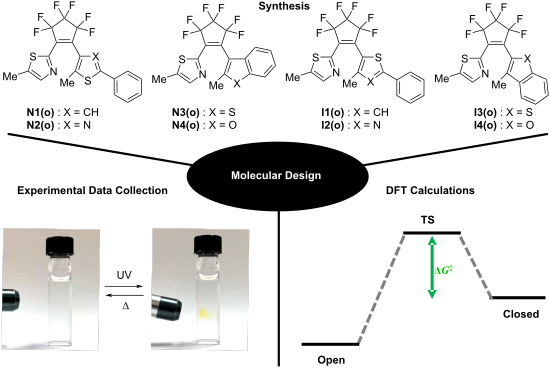
- effective methods for predicting the thermal back reactivity, density functional theory (DFT) calculations can be considered [51][58][59][60][61][62]. For example, in previous studies on the thermal back reactivity of diarylbenzene that is an analogue of diarylethene, we found that the M06-2X level of


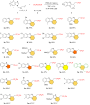
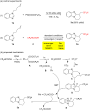
Visible-light-promoted radical cyclisation of unactivated alkenes in benzimidazoles: synthesis of difluoromethyl- and aryldifluoromethyl-substituted polycyclic imidazoles
Beilstein J. Org. Chem. 2025, 21, 234–241, doi:10.3762/bjoc.21.15
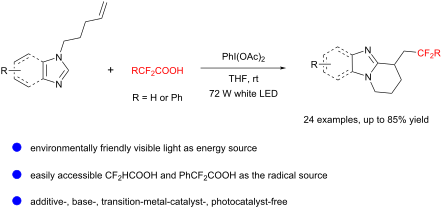
- designed with a PhCF2 group (Figure 1a) [8][9][10]. As a result, there is a pressing need for the development of efficient methods for incorporating both the CF2H and PhCF2 groups into diverse molecular frameworks, particularly those with bioactivity properties. The benzimidazole core is widely recognized
- −), respectively (Scheme 1a). Despite these advances, the above methods still suffer from several limitations, including a narrow substrate scope, the reliance on expensive metal catalysts and excess additives, and the need for multistep synthesis of difluoromethylating reagents. These drawbacks restrict their


Heteroannulations of cyanoacetamide-based MCR scaffolds utilizing formamide
Beilstein J. Org. Chem. 2025, 21, 217–225, doi:10.3762/bjoc.21.13
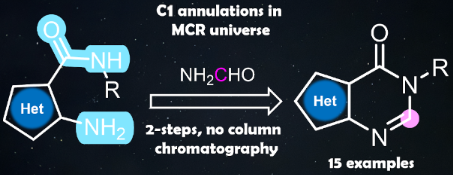
- such, it is becoming increasingly essential for synthetic methods to align with a net-zero carbon future [2][3]. Therefore, advancing C1 chemistry remains a crucial endeavor for our group [4]. In synthetic organic chemistry, C1 compounds are usually installed using CO, CO2, HCO2H, CH3OH and CH4, which
- methods, synthetic procedures, analytical data and exemplary copies of NMR spectra of novel compounds. Supporting Information File 97: CheckCIF report for 7b. Supporting Information File 98: CIF file for 7b. Acknowledgements We acknowledge the mass spectrometry facility of the University of Crete




Quantifying the ability of the CF2H group as a hydrogen bond donor
Beilstein J. Org. Chem. 2025, 21, 189–199, doi:10.3762/bjoc.21.11
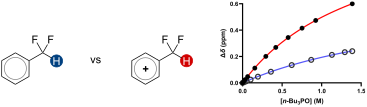
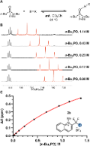
- established methods, including 1H NMR-based hydrogen bond acidity determination, UV–vis spectroscopy titration with Reichardt's dye, and 1H NMR titration using tri-n-butylphosphine oxide as a hydrogen bond acceptor. Our experiments reveal that the direct attachment of the CF2H group to cationic aromatic
- assigning specific contributions of each to the observed binding affinities. Even so, 1H NMR titration experiments with phosphine oxides still allow us to partially resolve these two forces by monitoring the proton of the CF2H group. Such issues are particularly salient when quantification methods that rely
- measurements is desirable. Conclusion In conclusion, we have identified a series of CF2H-containing compounds that can serve as HB donors. We employed several experimental methods to quantify HB donation ability, including (i) 1H NMR chemical shift-based hydrogen bond acidity, A value, measurements, (ii) UV




Recent advances in electrochemical copper catalysis for modern organic synthesis
Beilstein J. Org. Chem. 2025, 21, 155–178, doi:10.3762/bjoc.21.9

- sustainable chemistry, the combination of copper catalysis and electrochemistry is particularly attractive for overcoming challenges associated with conventional methods, and it has led to extensive research in recent years. In this review, we highlight the unique contributions of electrochemical copper
- bromine radical attack that leads to the formation of a cationic brominated copper complex 77. Anodic oxidation and subsequent proton transfer provide the desired product 73 and regenerate the copper catalyst. Olefin addition Hydrofunctionalization and difunctionalization of alkenes are valuable methods
- as a redox mediator with non-copper electrodes (Figure 19) [80]. In the absence of chemical oxidants, this Chan–Lam coupling method resulted in shorter reaction times than those of traditional methods and offered alternative substrate reactivity. This reaction was successfully applied to aryl- and








Nickel-catalyzed cross-coupling of 2-fluorobenzofurans with arylboronic acids via aromatic C–F bond activation
Beilstein J. Org. Chem. 2025, 21, 146–154, doi:10.3762/bjoc.21.8
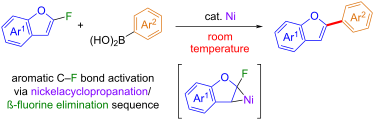
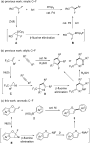
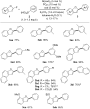
- approach to complex molecule synthesis. Despite considerable efforts to develop various catalytic systems, the activation of aromatic C–F bonds often requires high temperatures [1][2][3][4][5][6][7]. Therefore, methods for activating aromatic C–F bonds at ambient temperature remain underdeveloped. We have
- developed efficient metal-mediated methods for activating (i) vinylic [8][9][10][11][12][13] and (ii) allylic C–F bonds [14][15][16][17][18] using β-fluorine elimination under mild conditions. In these studies, (i) we discovered zirconium-mediated β-fluorine elimination from zirconacyclopropanes A, which



Cu(OTf)2-catalyzed multicomponent reactions
Beilstein J. Org. Chem. 2025, 21, 122–145, doi:10.3762/bjoc.21.7

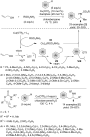
- toxicity [3][4][5][6][7]. Multicomponent reactions are one of the most effective methods to assemble multiple reagents, thus facilitating access to the target molecules more quickly, due to atom/step economy, short reaction times, and eco-friendly benefits. Combining multicomponent reactions with




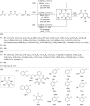


Recent advances in organocatalytic atroposelective reactions
Beilstein J. Org. Chem. 2025, 21, 55–121, doi:10.3762/bjoc.21.6
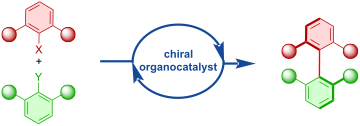
- discovery and medicine [4]. However, a lack of reliable synthetic methods for their preparation hindered the broader application of axially chiral compounds. In recent decades, there has been increased interest in the catalytic syntheses of axially chiral compounds by catalytic [5][6], especially
- organocatalyzed, methods [7][8][9][10][11]. Asymmetric organocatalysis offers efficient and environmentally benign access to numerous chiral compounds [12]. Therefore, an increasing number of researchers are now investigating the organocatalytic formation of compounds with axial stereogenic axes across various






Facile one-pot reduction of β-nitrostyrenes to phenethylamines using sodium borohydride and copper(II) chloride
Beilstein J. Org. Chem. 2025, 21, 39–46, doi:10.3762/bjoc.21.4
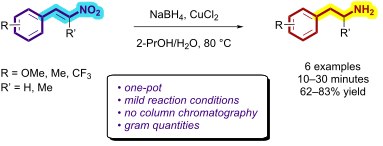
- ), and appetite suppressants (e.g., phentermine) [6]. Phenethylamines can be produced via numerous different procedures [7]. One of the oldest methods involves the reduction of benzyl cyanide with H2 in liquid ammonia with Raney-Nickel catalyst at 130 °C, and high pressure [8]. Another known method is
- limited, since a NaBH4/transition metal salt system is mostly used to reduce nitroarenes [23][24][25][26]. One of the reported methods takes advantage of titanium(IV) isopropoxide as a catalyst to prepare varied β-phenethylamine analogues. Despite its simplicity, the reaction time is quite prolonged (from
- 18 to 20 hours), and this procedure is not used to prepare α-phenethylamines [27]. In view of the limitations associated with conventional methods, we report our findings on an improved approach for reducing β-nitrostyrenes to their corresponding substituted phenethylamines. We demonstrate that the


Emerging trends in the optimization of organic synthesis through high-throughput tools and machine learning
Beilstein J. Org. Chem. 2025, 21, 10–38, doi:10.3762/bjoc.21.3
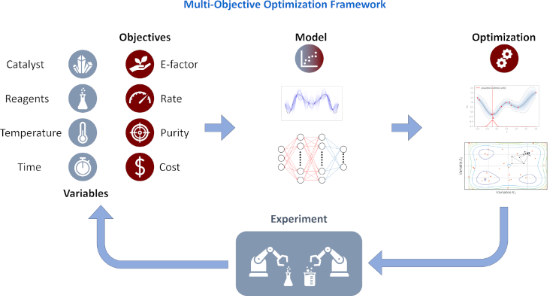
- leveraging on ML models to predict reaction outcomes and ML optimization algorithms, this new approach has demonstrated the ability to navigate the complex relationships between reaction variables and finding the global optimal conditions within a fewer number of experiments than with traditional methods [1
- tasks and reducing the overall process development lead time [3][4]. A standard workflow and general methodology for organic reaction optimization through ML methods is shown in Figure 1. The workflow comprises (i) careful design of experiments (DOE); (ii) reaction execution with commercial high
- analytics, and data processing methods to streamline repetitive experimental tasks, reduce manual intervention, and increase the rate of experimental execution in comparison to traditional manual experimentation. In conventional chemical synthesis, several sequential steps are typically undertaken


Chemical glycobiology
Beilstein J. Org. Chem. 2025, 21, 8–9, doi:10.3762/bjoc.21.2

- applicable to glycans. Today, the most amazing tools in genome engineering are used to great effect to disrupt or alter the glycan biosynthetic machinery, but they still cannot be used to, for instance, mutate one glycan into another in the same manner as nucleic acids can be mutated. Methods in molecular
- methods to make the glycosciences even more palatable to generalists. And we see a field that innovates. This thematic issue seeks to highlight the amazing breadth of contemporary chemical glycobiology. Dal Colle et al. investigate the determinants that influence the oligosaccharide yield in automated
- methods that underlie modern glycobioinformatics approaches [15]. Validation of glycoprotein structure is an important aspect of contemporary structural biology, and Dialpuri et al. present the Privateer database to allow for facile quality control of such structures [16]. Finally, Barillot et al. bridge
Synthesis of acenaphthylene-fused heteroarenes and polyoxygenated benzo[j]fluoranthenes via a Pd-catalyzed Suzuki–Miyaura/C–H arylation cascade
Beilstein J. Org. Chem. 2024, 20, 3290–3298, doi:10.3762/bjoc.20.273
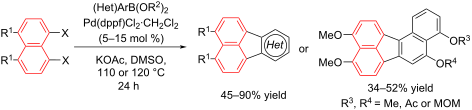
- ][27], as well as Friedel–Crafts [28] and Prins-type [29] reactions have been developed to date [2]. However, methods that enable access to the analogous acenaphthylene-fused heteroarenes are less common [30][31][32][33][34][35][36][37][38][39]. In one such study, Würthner and co-workers reported a Pd
- )Cl2·CH2Cl2 was used with 5 mol % catalyst loading (Table 1, entry 1). Next, we examined whether different thiophene-3-ylboronic esters could also be used under the same reaction conditions. A variety of borylation methods are capable of providing different boronic esters, such as pinacol [44][45][46


Reactivity of hypervalent iodine(III) reagents bearing a benzylamine with sulfenate salts
Beilstein J. Org. Chem. 2024, 20, 3281–3289, doi:10.3762/bjoc.20.272
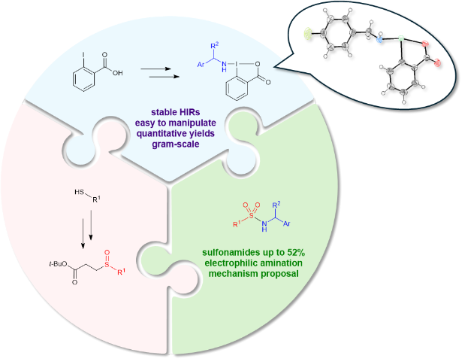
- formed by carboxylic acids, enhancing its versatility and effectiveness in drug design [27]. Traditional sulfonamide preparation involves combining sulfonyl chlorides and amines [25][28][29]. Despite the efficiency of traditional methods, challenges still remain, e.g., use of harsh conditions, like

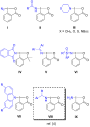


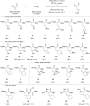
Giese-type alkylation of dehydroalanine derivatives via silane-mediated alkyl bromide activation
Beilstein J. Org. Chem. 2024, 20, 3274–3280, doi:10.3762/bjoc.20.271
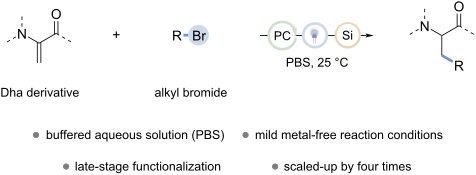
- photochemistry has introduced new ways of generating radicals like photoredox catalysis and via electron donor–acceptor (EDA) complexes [10][11][12][13]. These advances, coupled with modern electrochemical methods, chemical reactor engineering and light emitting diodes (LED), have eliminated the need for thermal



Synthesis of 2H-azirine-2,2-dicarboxylic acids and their derivatives
Beilstein J. Org. Chem. 2024, 20, 3191–3197, doi:10.3762/bjoc.20.264
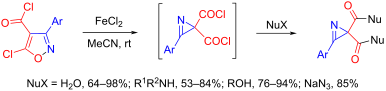
- Anastasiya V. Agafonova Mikhail S. Novikov Alexander F. Khlebnikov Saint Petersburg State University, Institute of Chemistry, 7/9 Universitetskaya Naberezhnaya, St. Petersburg 199034, Russia 10.3762/bjoc.20.264 Abstract Methods for the preparation of 3-aryl-2H-azirine-2,2-dicarboxylic acids and




Direct trifluoroethylation of carbonyl sulfoxonium ylides using hypervalent iodine compounds
Beilstein J. Org. Chem. 2024, 20, 3182–3190, doi:10.3762/bjoc.20.263
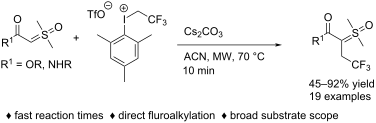
- ]. This synthetic potential has been demonstrated in a range of insertions into polar bonds [17][18][19][20], C−H activation transformations [21][22][23], and geminal difunctionalizations [24][25]. Within the literature, a broad array of classical methods describes the synthesis of sulfoxonium ylides [26


Synthesis of extended fluorinated tripeptides based on the tetrahydropyridazine scaffold
Beilstein J. Org. Chem. 2024, 20, 3174–3181, doi:10.3762/bjoc.20.262
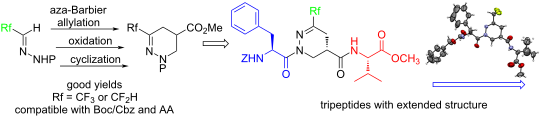
- ]-cycloaddition reaction between electron-poor 1,2-diaza-1,3-dienes and electron-poor alkenes in refluxing acetonitrile was reported leading to various substituted tetrahydropyridazines in 17–78% yields (Scheme 1c) [26][27]. Nevertheless, these methods are neither relevant for the synthesis of 1 nor appropriate


Surprising acidity for the methylene of 1,3-indenocorannulenes?
Beilstein J. Org. Chem. 2024, 20, 3144–3150, doi:10.3762/bjoc.20.260
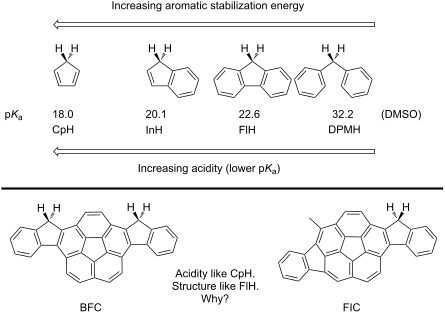
- unforeseen new material designs (e.g., redox-active electrooptical materials). Methods pKa measurements in acetonitrile The experimental setup and methodology for the pKa determination of BFC and FIC in acetonitrile was essentially the same as described in detail in previous papers [12][13]. A brief
- , however, using them in reverse. The standard uncertainty estimates of the pKa values of FIC and BFC in DMSO are 0.8 pKa units. Synthesis Material used to measure the acidity of compounds BFC and FIC was prepared previously by methods reported in reference [9]. Computational methods The structural and





