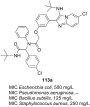
Search for "Escherichia coli" in Full Text gives 163 result(s) in Beilstein Journal of Organic Chemistry.
Beilstein J. Org. Chem. 2025, 21, 2524–2534, doi:10.3762/bjoc.21.194
Graphical Abstract
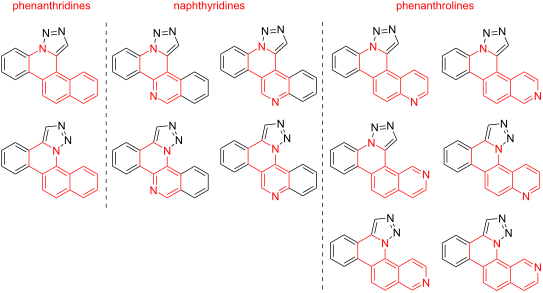
Figure 1: Examples of polycyclic aromatic heterocycle structures: phenanthridine (left), 1,5-naphthyridine (c...
Figure 2: Overview of the synthetic scheme employed by this study.
Figure 3: Base-catalyzed [53] tandem deprotection/cycloaddition reaction conditions used to prepare 1,5-diaryl-1,...
Figure 4: Identity of 1,5-diaryl-1,2,3-triazole control compounds prepared from tandem deprotection/click con...
Figure 5: Exemplary comparison of 1H NMR aromatic signal shifts for annulated and non-annulated compounds (CD...
Figure 6: UV–visible absorbance spectra of annulated 13–18 (black lines) compared with their non-annulated co...
Beilstein J. Org. Chem. 2025, 21, 2383–2388, doi:10.3762/bjoc.21.183
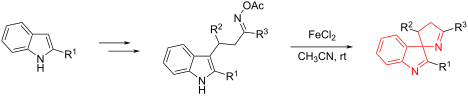
Graphical Abstract
Figure 1: Natural and synthetic bioactive spiro[indoline-3,2'-pyrrolidine] derivatives.
Scheme 1: Previous approaches and our work.
Scheme 2: The reaction of 2-arylindoles 1 with α,β-unsaturated ketones 2. aIsolated yield of the 5 mmol scale...
Scheme 3: The scope of the Fe-catalyzed spirocyclization. aIsolated yield of the 4.2 mmol scale experiment.
Scheme 4: The proposed mechanism of product 4 formation.
Beilstein J. Org. Chem. 2025, 21, 2103–2172, doi:10.3762/bjoc.21.165
Graphical Abstract
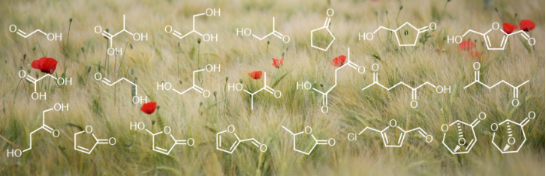
Figure 1: C2–C6 biobased carbonyl building blocks.
Scheme 1: Proposed (2 + 2) route to glycolaldehyde and glycolic acid from erythritol by Cu/AC catalyst (AC = ...
Scheme 2: Reductive amination of GCA.
Scheme 3: N-Formylation of secondary amines by reaction with GCA.
Scheme 4: Synthesis and conversion of hydroxy acetals to cyclic acetals.
Scheme 5: Synthesis of 3-(indol-3-yl)-2,3-dihydrofurans via three-component reaction of glycolaldehyde, indol...
Scheme 6: BiCl3-catalyzed synthesis of benzo[a]carbazoles from 2-arylindoles and α-bromoacetaldehyde ethylene...
Scheme 7: Cu/NCNSs-based conversion of glycerol to glycolic acid and other short biobased acids.
Scheme 8: E. coli-based biotransformation of C1 source molecules (CH4, CO2 and CO) towards C2 glycolic acid.
Scheme 9: N-Formylation of amines with C2 (a) or C3 (b) biomass-based feedstocks.
Scheme 10: Methods for the formation of propanoic acid (PA) from lactic acid (LA).
Scheme 11: Co-polymerization of biobased lactic acid and glycolic acid via a bicatalytic process.
Scheme 12: Oxidation of α-hydroxy acids by tetrachloroaurate(III) in acetic acid–sodium acetate buffer medium.
Figure 2: Selective catalytic pathways for the conversion of lactic acid (LA).
Scheme 13: Synthesis of 1,3-PDO via cross-aldol reaction between formaldehyde and acetaldehyde to 3-hydroxypro...
Scheme 14: Hydrothermal conversion of 1,3-dihydroxy-2-propane and 2,3-dihydroxypropanal to methylglyoxal.
Scheme 15: FLS-catalyzed formose reaction to synthesize GA and DHA.
Scheme 16: GCA and DHA oxidation products of glycerol and isomerization of GCA to DHA under flow conditions us...
Scheme 17: Acid-catalyzed reactions of DHA with alcohols.
Scheme 18: Synthesis of dihydroxyacetone phosphate from dihydroxyacetone.
Scheme 19: Bifunctional acid–base catalyst DHA conversion into lactic acid via pyruvaldehyde or fructose forma...
Scheme 20: Catalytic one-pot synthesis of GA and co-synthesis of formamides and formates from DHA.
Scheme 21: (a) Synthesis of furan derivatives and (b) synthesis of thiophene derivative by cascade [3 + 2] ann...
Scheme 22: Brønsted acidic ionic liquid catalyzed synthesis of benzo[a]carbazole from renewable acetol and 2-p...
Scheme 23: Asymmetric hydrogenation of α-hydroxy ketones to 1,2-diols.
Scheme 24: Synthesis of novel 6-(substituted benzylidene)-2-methylthiazolo [2,3-b]oxazol-5(6H)-one from 1-hydr...
Scheme 25: ʟ-Proline-catalyzed synthesis of anti-diols from hydroxyacetone and aldehydes.
Scheme 26: C–C-bond-formation reactions of a biomass-based feedstock aromatic aldehyde (C5) and hydroxyacetone...
Scheme 27: Ethanol upgrading to C4 bulk chemicals via the thiamine (VB1)-catalyzed acetoin condensation.
Scheme 28: One-pot sequential chemoenzymatic synthesis of 2-aminobutane-1,4-diol and 1,2,4-butanetriol via 1,4...
Scheme 29: Synthesis of 1,4-dihydroxybutan-2-one by microbial transformation.
Scheme 30: Conversion of polyols by [neocuproine)Pd(OAc)]2(OTf)2] to α-hydroxy ketones.
Scheme 31: Chemoselective oxidation of alcohols with chiral palladium-based catalyst 2.
Scheme 32: Electrochemical transformation of furfural to 5-hydroxy-2(5H)-furanone (HFO).
Scheme 33: Selective hydrodeoxygenation of HFO and oxidation to γ-butyrolactone (GBL).
Scheme 34: Photosensitized oxygenation of furan towards HFO via ozonide intermediates.
Scheme 35: Conversion of furfural to HFO and MAN by using mesoporous carbon nitride (SGCN) as photocatalyst.
Scheme 36: Synthesis of HFO from furan derivatives.
Scheme 37: Photooxidation of furfural to 5-hydroxy-2(5H)-furanone (HFO).
Scheme 38: Synthesis of Friedel–Crafts indole adduct from HFO.
Scheme 39: Conversion of HFO to α,γ-substituted chiral γ-lactones.
Scheme 40: Tautomeric transformation of HFO to formylacrylic acid.
Scheme 41: Hydrolysis of HFO to succinic acid in aqueous solution.
Scheme 42: Substitution and condensation reactions of 5-hydroxy-2(5H)-furanone (HFO).
Scheme 43: (a) Conversion of HFO towards valuable C4 chemicals and (b) anodic oxidation of 5-hydroxy-2(5H)-fur...
Figure 3: Conversion of HFO towards other natural and synthetic substances.
Scheme 44: Conversion of furfural to maleic anhydride (reaction a: VOx/Al2O3; reaction b: VPO).
Scheme 45: Conversion of furfural into succinic acid.
Scheme 46: Electro‑, photo‑, and biocatalysis for one-pot selective conversions of furfural into C4 chemicals.
Scheme 47: Production route of furfural from hemicellulose.
Scheme 48: Mechanism for xylose dehydration to furfural through a choline xyloside intermediate.
Scheme 49: Conversion of furfural to furfuryl alcohol and its derivatives.
Scheme 50: Conversion of furfural to furfuryl alcohol and 3-(2-furyl)acrolein.
Scheme 51: The aerobic oxidative condensation of biomass-derived furfural and linear alcohols.
Scheme 52: The single-step synthesis of 2-pentanone from furfural.
Scheme 53: Electrocatalytic coupling reaction of furfural and levulinic acid.
Scheme 54: Conversion of furfural to m-xylylenediamine.
Scheme 55: Conversion of furfural to tetrahydrofuran-derived amines.
Scheme 56: Formation of trans-4,5-diamino-cyclopent-2-enones from furfural.
Scheme 57: Production of pyrrole and proline from furfural.
Scheme 58: Synthesis of 1‑(trifluoromethyl)-8-oxabicyclo[3.2.1]oct-3-en-2-ones from furfural.
Scheme 59: Conversion of furfural to furfural-derived diacids.
Scheme 60: A telescope protocol derived from furfural and glycerol.
Scheme 61: A tandem cyclization of furfural and 5,5-dimethyl-1,3-cyclohexanedione.
Scheme 62: A Ugi four-component reaction to construct furfural-based polyamides.
Scheme 63: One-pot synthesis of γ-acyloxy-Cy7 from furfural.
Scheme 64: Dimerization–Piancatelli sequence toward humins precursors from furfural.
Scheme 65: Conversion of furfural to CPN.
Scheme 66: Synthesis of jet fuels range cycloalkanes from CPN and lignin-derived vanillin.
Scheme 67: Solar-energy-driven synthesis of high-density biofuels from CPN.
Scheme 68: Reductive amination of CPN to cyclopentylamine.
Scheme 69: Asymmetric hydrogenation of C=O bonds of exocyclic α,β-unsaturated cyclopentanones.
Scheme 70: Preparation of levulinic acid via the C5 route (route a) or C6 route (routes b1 and b2).
Scheme 71: Mechanism of the rehydration of HMF to levulinic acid and formic acid.
Scheme 72: Important levulinic acid-derived chemicals.
Scheme 73: Direct conversion of levulinic acid to pentanoic acid.
Scheme 74: Catalytic aerobic oxidation of levulinic acid to citramalic acid.
Scheme 75: Conversion of levulinic acid to 1,4-pentanediol (a) see ref. [236]; b) see ref. [237]; c) see ref. [238]; d) see r...
Scheme 76: Selective production of 2-butanol through hydrogenolysis of levulinic acid.
Scheme 77: General reaction pathways proposed for the formation of 5MPs from levulinic acid.
Scheme 78: Selective reductive amination of levulinic acid to N-substituted pyrroles.
Scheme 79: Reductive amination of levulinic acid to chiral pyrrolidinone.
Scheme 80: Reductive amination of levulinic acid to non-natural chiral γ-amino acid.
Scheme 81: Nitrogen-containing chemicals derived from levulinic acid.
Scheme 82: Preparation of GVL from levulinic acid by dehydration and hydrogenation.
Scheme 83: Ruthenium-catalyzed levulinic acid to chiral γ-valerolactone.
Scheme 84: Catalytic asymmetric hydrogenation of levulinic acid to chiral GVL.
Scheme 85: Three steps synthesis of ε-caprolactam from GVL.
Scheme 86: Multistep synthesis of nylon 6,6 from GVL.
Scheme 87: Preparation of MeGVL by α-alkylation of GVL.
Scheme 88: Ring-opening polymerization of five-membered lactones.
Scheme 89: Synthesis of GVL-based ionic liquids.
Scheme 90: Preparation of butene isomers from GVL under Lewis acid conditions.
Scheme 91: Construction of C5–C12 fuels from GVL over nano-HZSM-5 catalysts.
Scheme 92: Preparation of alkyl valerate from GVL via ring opening/reduction/esterification sequence.
Scheme 93: Construction of 4-acyloxypentanoic acids from GVL.
Scheme 94: Synthesis of 1,4-pentanediol (PDO) from GVL.
Scheme 95: Construction of novel cyclic hemiketal platforms via self-Claisen condensation of GVL.
Scheme 96: Copper-catalyzed lactamization of GVL.
Figure 4: Main scaffolds obtained from HMF.
Scheme 97: Biginelli reactions towards HMF-containing dihydropyrimidinones.
Scheme 98: Hantzsch dihydropyridine synthesis involving HMF.
Scheme 99: The Kabachnik–Fields reaction involving HMF.
Scheme 100: Construction of oxazolidinone from HMF.
Scheme 101: Construction of rhodamine-furan hybrids from HMF.
Scheme 102: A Groebke–Blackburn–Bienaymé reaction involving HMF.
Scheme 103: HMF-containing benzodiazepines by [4 + 2 + 1] cycloadditions.
Scheme 104: Synthesis of fluorinated analogues of α-aryl ketones.
Scheme 105: Synthesis of HMF derived disubstituted γ-butyrolactone.
Scheme 106: Functionalized aromatics from furfural and HMF.
Scheme 107: Diels–Alder adducts from HMF or furfural with N-methylmaleimide.
Scheme 108: Pathway of the one-pot conversion of HMF into phthalic anhydride.
Scheme 109: Photocatalyzed preparation of humins (L-H) from HMF mixed with spoiled HMF residues (LMW-H) and fur...
Scheme 110: Asymmetric dipolar cycloadditions on HMF.
Scheme 111: Dipolar cycloadditions of HMF based nitrones to 3,4- and 3,5-substituted isoxazolidines.
Scheme 112: Production of δ-lactone-fused cyclopenten-2-ones from HMF.
Scheme 113: Aza-Piancatelli access to aza-spirocycles from HMF-derived intermediates.
Scheme 114: Cross-condensation of furfural, acetone and HMF into C13, C14 and C15 products.
Scheme 115: Base-catalyzed aldol condensation/dehydration sequences from HMF.
Scheme 116: Condensation of HMF and active methylene nitrile.
Scheme 117: MBH reactions involving HMF.
Scheme 118: Synthesis of HMF-derived ionic liquids.
Scheme 119: Reductive amination/enzymatic acylation sequence towards HMF-based surfactants.
Scheme 120: The formation of 5-chloromethylfurfural (CMF).
Scheme 121: Conversion of CMF to HMF, levulinic acid, and alkyl levulinates.
Scheme 122: Conversion of CMF to CMFCC and FDCC.
Scheme 123: Conversion of CMF to BHMF.
Scheme 124: Conversion of CMF to DMF.
Scheme 125: CMF chlorine atom substitutions toward HMF ethers and esters.
Scheme 126: Introduction of carbon nucleophiles in CMF.
Scheme 127: NHC-catalyzed remote enantioselective Mannich-type reactions of CMF.
Scheme 128: Conversion of CMF to promising biomass-derived dyes.
Scheme 129: Radical transformation of CMF with styrenes.
Scheme 130: Synthesis of natural herbicide δ-aminolevulinic acid from CMF.
Scheme 131: Four step synthesis of the drug ranitidine from CMF.
Scheme 132: Pd/CO2 cooperative catalysis for the production of HHD and HXD.
Scheme 133: Different ruthenium (Ru) catalysts for the ring-opening of 5-HMF to HHD.
Scheme 134: Proposed pathways for preparing HXD from HMF.
Scheme 135: MCP formation and uses.
Scheme 136: Cu(I)-catalyzed highly selective oxidation of HHD to 2,5-dioxohexanal.
Scheme 137: Synthesis of N‑substituted 3‑hydroxypyridinium salts from 2,5-dioxohexanal.
Scheme 138: Ru catalyzed hydrogenations of HHD to 1,2,5-hexanetriol (a) see ref. [396]; b) see ref. [397]).
Scheme 139: Aviation fuel range quadricyclanes produced by HXD.
Scheme 140: Synthesis of HDGK from HXD and glycerol as a chain extender.
Scheme 141: Synthesis of serinol pyrrole from HXD and serinol.
Scheme 142: Synthesis of pyrroles from HXD and nitroarenes.
Scheme 143: Two-step production of PX from cellulose via HXD.
Scheme 144: Preparation of HCPN from HMF via hydrogenation and ring rearrangement.
Scheme 145: Suggested pathways from HMF to HCPN.
Scheme 146: α-Alkylation of HCPN with ethylene gas.
Scheme 147: Synthesis of 3-(hydroxymethyl)cyclopentylamine from HMF via reductive amination of HCPN.
Scheme 148: Production of LGO and Cyrene® from biomass.
Scheme 149: Synthesis of HBO from LGO and other applications.
Scheme 150: Construction of m-Cyrene® homopolymer.
Scheme 151: Conversion of Cyrene® to THFDM and 1,6-hexanediol.
Scheme 152: RAFT co-polymerization of LGO and butadienes.
Scheme 153: Polycondensation of HO-LGOL and diols with dimethyl adipate.
Scheme 154: Self-condensation of Cyrene® and Claisen–Schmidt reactions.
Scheme 155: Synthesis of 5-amino-2-(hydroxymethyl)tetrahydropyran from Cyrene®.
Beilstein J. Org. Chem. 2025, 21, 1808–1853, doi:10.3762/bjoc.21.143
Graphical Abstract
Figure 1: Energy diagram of a two-state photoswitch. Figure 1 was redrawn from [2].
Figure 2: Example of the absorption spectra of the isomers of a photoswitch with most efficient irradiation w...
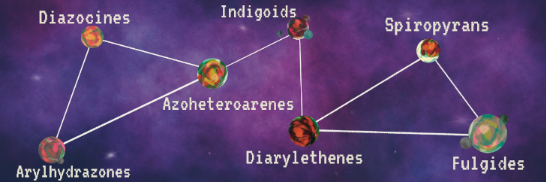
Scheme 1: Photoswitch classes described in this review.
Figure 3: Azoheteroarenes.
Scheme 2: E–Z Isomerisation (top) and mechanisms of thermal Z–E isomerisation (bottom).
Scheme 3: Rotation mechanism favoured by the electron displacement in push–pull systems. Selected examples of...
Figure 4: A) T-shaped and twisted Z-isomers determine the thermal stability and the Z–E-PSS (selected example...
Figure 5: Effect of di-ortho-substitution on thermal half-life and PSS.
Figure 6: Selected thermal lifetimes of azoindoles in different solvents and concentrations. aConcentration o...
Figure 7: Aryliminopyrazoles: N-pyrazoles (top) and N-phenyl (bottom).
Scheme 4: Synthesis of symmetrical heteroarenes through oxidation (A), reduction (B), and the Bayer–Mills rea...
Scheme 5: Synthesis of diazonium salt (A); different strategies of azo-coupling: with a nucleophilic ring (B)...
Scheme 6: Synthesis of arylazothiazoles 25 (A) and heteroaryltriazoles 28 (B).
Scheme 7: Synthesis of heteroarylimines 31a,b [36-38].
Figure 8: Push–pull non-ionic azo dye developed by Velasco and co-workers [45].
Scheme 8: Azopyridine reported by Herges and co-workers [46].
Scheme 9: Photoinduced phase transitioning azobispyrazoles [47].
Figure 9: Diazocines.
Scheme 10: Isomers, conformers and enantiomers of diazocine.
Scheme 11: Partial overlap of the ππ* band with electron-donating substituents and effect on the PSS. Scheme 11 was ada...
Figure 10: Main properties of diazocines with different bridges. aMeasured in n-hexane [56]. bMeasured in THF. cMe...
Scheme 12: Synthesis of symmetric diazocines.
Scheme 13: Synthesis of asymmetric diazocines.
Scheme 14: Synthesis of O- and S-heterodiazocines.
Scheme 15: Synthesis of N-heterodiazocines.
Scheme 16: Puromycin diazocine photoswitch [60].
Figure 11: Indigoids.
Figure 12: The main representatives of the indigoid photoswitch class.
Scheme 17: Deactivation process that prevents Z-isomerisation of indigo.
Figure 13: Stable Z-indigo derivative synthesised by Wyman and Zenhäusern [67].
Figure 14: Selected examples of indigos with aliphatic and aromatic substituents [68]. Dashed box: proposed π–π in...
Scheme 18: Resonance structures of indigo and thioindigo involving the phenyl ring.
Scheme 19: Possible deactivation mechanism for 4,4'-dihydroxythioindigo [76].
Scheme 20: Effect of different heteroaryl rings on the stability and the photophysical properties of hemiindig...
Figure 15: Thermal half-lives of red-shifted hemithioindigos in toluene [79]. aMeasured in toluene-d8.
Scheme 21: Structures of pyrrole [81] and imidazole hemithioindigo [64].
Figure 16: Examples of fully substituted double bond hemithioindigo (left), oxidised hemithioindigos (centre),...
Scheme 22: Structure of iminothioindoxyl 72 (top) and acylated phenyliminoindolinone photoswitch 73 (bottom). ...
Scheme 23: (top) Transition states of iminothioindoxyl 72. The planar transition state is associated with a lo...
Scheme 24: Baeyer–Drewsen synthesis of indigo (top) and N-functionalisation strategies (bottom).
Scheme 25: Synthesis of hemiindigo.
Scheme 26: Synthesis of hemithioindigo and iminothioindoxyl.
Scheme 27: Synthesis of double-bond-substituted hemithioindigos.
Scheme 28: Synthesis of phenyliminoindolinone.
Scheme 29: Hemithioindigo molecular motor [85].
Figure 17: Arylhydrazones.
Scheme 30: Switching of arylhydrazones. Note: The definitions of stator and rotor are arbitrary.
Scheme 31: Photo- and acidochromism of pyridine-based phenylhydrazones.
Scheme 32: A) E–Z thermal inversion of a thermally stable push–pull hydrazone [109]. B) Rotation mechanism favoured...
Scheme 33: Effect of planarisation on the half-life.
Scheme 34: The longest thermally stable hydrazone switches reported so far (left). Modulation of thermal half-...
Figure 18: Dependency of t1/2 on concentration and hypothesised aggregation-induced isomerisation.
Figure 19: Structure–property relationship of acylhydrazones.
Scheme 35: Synthesis of arylhydrazones.
Scheme 36: Synthesis of acylhydrazones.
Scheme 37: Photoswitchable fluorophore by Aprahamian et al. [115].
Scheme 38: The four-state photoswitch synthesised by the Cigáň group [116].
Figure 20: Diarylethenes.
Scheme 39: Isomerisation and oxidation pathway of E-stilbene to phenanthrene.
Scheme 40: Strategies adapted to avoid E–Z isomerisation and oxidation.
Scheme 41: Molecular orbitals and mechanism of electrocyclisation for a 6π system.
Figure 21: Aromatic stabilisation energy correlated with the thermal stability of the diarylethenes [127,129].
Figure 22: Half-lives of diarylethenes with increasing electron-withdrawing groups [128,129].
Scheme 42: Photochemical degradation pathway promoted by electron-donating groups [130].
Figure 23: The diarylethenes studied by Hanazawa et al. [134]. Increased rigidity leads to bathochromic shift.
Scheme 43: The dithienylethene synthesised by Nakatani's group [135].
Scheme 44: Synthesis of perfluoroalkylated diarylethenes.
Scheme 45: Synthesis of 139 and 142 via McMurry coupling.
Scheme 46: Synthesis of symmetrical derivatives 145 via Suzuki–Miyaura coupling.
Scheme 47: Synthesis of acyclic 148, malonic anhydride 149, and maleimide derivatives 154.
Figure 24: Gramicidin S (top left) and two of the modified diarylethene derivatives: first generation (bottom ...
Scheme 48: Pyridoxal 5'-phosphate and its reaction with an amino acid (top). The analogous dithienylethene der...
Figure 25: Fulgides.
Scheme 49: The three isomers of fulgides.
Scheme 50: Thermal and photochemical side products of unsubstituted fulgide [150].
Figure 26: Maximum absorption λc of the closed isomer compared with the nature of the aromatic ring and the su...
Scheme 51: Possible rearrangement of the excited state of 5-dimethylaminoindolylfulgide [153].
Figure 27: Quantum yields of ring closure (ΦE→C) and E–Z isomerisation (ΦE→Z) correlated with the increasing s...
Scheme 52: Active (Eα) and inactive (Eβ) conformers (left) and the bicyclic sterically blocked fulgide 169 (ri...
Scheme 53: Quantum yield of ring-opening (ΦC→E) and E–Z isomerisation (ΦE→Z) for different substitution patter...
Scheme 54: Stobbe condensation pathway for the synthesis of fulgides 179, fulgimides 181 and fulgenates 178.
Scheme 55: Alternative synthesis of fulgides through Pd-catalysed carbonylation.
Scheme 56: Optimised synthesis of fulgimides [166].
Scheme 57: Photoswitchable FRET with a fulgimide photoswitch [167].
Scheme 58: Three-state fulgimide strategy by Slanina's group.
Figure 28: Spiropyrans.
Scheme 59: Photochemical (left) and thermal (right) ring-opening mechanisms for an exemplary spiropyran with a...
Figure 29: Eight possible isomers of the open merocyanine according to the E/Z configurations of the bonds hig...
Scheme 60: pH-Controlled photoisomerisation between the closed spiropyran 191-SP and the open E-merocyanine 19...
Scheme 61: Behaviour of spiropyran in water buffer according to Andréasson and co-workers [180]. 192-SP in an aqueo...
Scheme 62: (left box) Proposed mechanism of basic hydrolysis of MC [184]. (right box) Introduction of electron-dona...
Scheme 63: Photochemical interconversion of naphthopyran 194 (top) and spirooxazine 195 (bottom) photoswitches...
Scheme 64: Synthesis of spiropyrans and spirooxazines 198 and the dicondensation by-product 199.
Scheme 65: Alternative synthesis of spiropyrans and spirooxazines with indolenylium salt 200.
Scheme 66: Synthesis of 4’-substituted spiropyrans 203 by condensation of an acylated methylene indoline 201 w...
Scheme 67: Synthesis of spironaphthopyrans 210 by acid-catalysed condensation of naphthols and diarylpropargyl...
Scheme 68: Photoswitchable surface wettability [194].
Figure 30: Some guiding principles for the choice of the most suitable photoswitch. Note that this guide is ve...
Beilstein J. Org. Chem. 2025, 21, 736–748, doi:10.3762/bjoc.21.57
Graphical Abstract
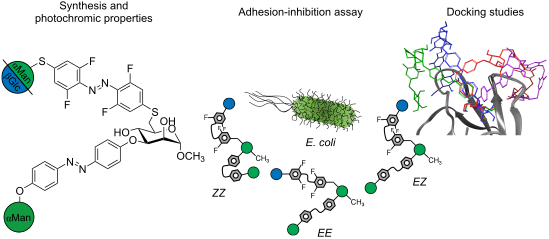
Figure 1: Cartoon of the photoswitchable glycoconjugates investigated in this account. The previously describ...
Scheme 1: Synthesis of the homobivalent azobenzene glycocluster 6αMan3αMan 2. Reagents and conditions: a) BF3...
Scheme 2: Synthesis of the antennas 6βGlc 3 and 3αMan 4 (A), and 6αMan 5 (B). Reagents and conditions: a) DTT...
Figure 2: A: Wavelength-selective photoswitching of the α-ᴅ-mannopyranosyloxy-AB and -ABF4 antennas comprised...
Figure 3: Comparison of the inhibitory potencies of 1, 2, 4, and 5 in the different isomeric states. The depi...
Figure 4: Three-dimensional representation of the superimposed most stable ligand–protein complexes from IFD ...
Beilstein J. Org. Chem. 2025, 21, 348–357, doi:10.3762/bjoc.21.25
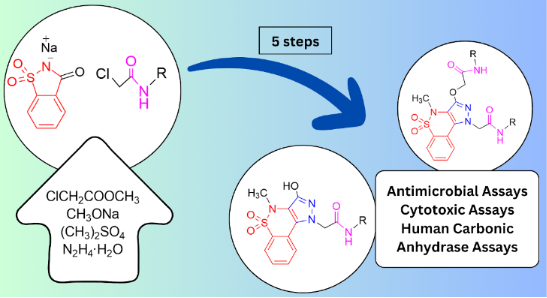
Graphical Abstract
Figure 1: An overview of previously synthesized 1,2-benzothiazines [36-39].
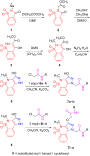
Scheme 1: General scheme for the synthesis of pyrazolo-1,2-benzothiazine-N-aryl/benzyl/cyclohexylacetamide.
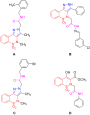
Figure 2: An example of contrasting 1H NMR signals for monoalkylated (7a) and dialkylated (7l) derivatives, (...
Beilstein J. Org. Chem. 2025, 21, 327–339, doi:10.3762/bjoc.21.23
Graphical Abstract
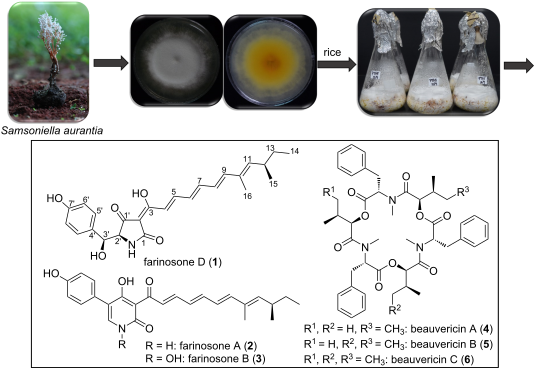
Figure 1: Chemical structures of compounds 1–6, prototenellin D and pretenellin B [7].
Figure 2: Key 1H-1H COSY, HMBC and ROESY correlations of 1.
Figure 3: Comparison of experimental (black) and simulated Boltzmann-averaged (red: (2’S,3’S,12S)-1; green: (...
Figure 4: A plausible biosynthetic pathway of 1–3.
Figure 5: Biofilm inhibition and eradication assessment via CV staining assay. A) S. aureus biofilm inhibitio...
Figure 6: A) Metabolic activity in biomass of S. aureus biofilm treated with farinosones D (1) or A (2). Erro...
Beilstein J. Org. Chem. 2024, 20, 3050–3060, doi:10.3762/bjoc.20.253
Graphical Abstract
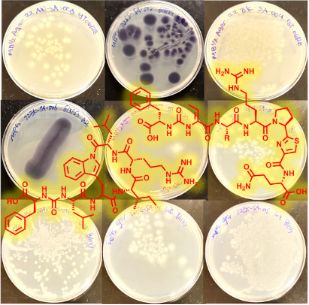
Figure 1: In BGF for microbial natural product discovery, the culture extract is fractionated using chromatog...
Figure 2: In light of BGF’s decreasing return-on-investment, scientists have developed new natural product di...
Figure 3: a) Incorporation of the first five amino acid BBs in daptomycin (highlighted in blue) is illustrate...
Figure 4: Syn-BNPs were synthesized in accordance to predicted NRP structures; shown herein are hits from var...
Figure 5: a) “Offloading” is the final step of NRP biosynthesis, wherein the mature NRP is released from the ...
Beilstein J. Org. Chem. 2024, 20, 2891–2920, doi:10.3762/bjoc.20.243
Graphical Abstract
Figure 1: Various structures of iodonium salts.
Scheme 1: Αrylation of α-fluoroacetoacetamides 5 to α-aryl-α-fluoroacetoacetamides 7 and α-fluoroacetamides 8...
Scheme 2: Proposed mechanism for the arylation of α-fluoroacetoacetamides 5 to α-aryl-α-fluoroacetoacetamides ...
Scheme 3: α-Arylation of α-nitro- and α-cyano derivatives of α-fluoroacetamides 9 employing unsymmetrical DAI...
Scheme 4: Synthesis of α,α-difluoroketones 13 by reacting α,α-difluoro-β-keto acid esters 11 with aryl(TMP)io...
Scheme 5: Coupling reaction of arynes generated by iodonium salts 6 and arynophiles 14 for the synthesis of t...
Scheme 6: Metal-free arylation of quinoxalines 17 and quinoxalinones 19 with DAISs 16.
Scheme 7: Transition-metal-free, C–C cross-coupling of 2-naphthols 21 to 1-arylnapthalen-2-ols 22 employing d...
Scheme 8: Arylation of vinyl pinacol boronates 23 to trans-arylvinylboronates 24 in presence of hypervalent i...
Scheme 9: Light-induced selective arylation at C2 of quinoline N-oxides 25 and pyridine N-oxides 28 in the pr...
Scheme 10: Plaussible mechanism for the light-induced selective arylation of N-heterobiaryls.
Scheme 11: Photoinduced arylation of heterocycles 31 with the help of diaryliodonium salts 16 activated throug...
Scheme 12: Arylation of MBH acetates 33 with DIPEA and DAIRs 16.
Scheme 13: Aryl sulfonylation of MBH acetates 33 with DABSO and diphenyliodonium triflates 16.
Scheme 14: Synthesis of oxindoles 37 from N-arylacrylamides 36 and diaryliodonium salts 26.
Scheme 15: Mechanically induced N-arylation of amines 38 using diaryliodonium salts 16.
Scheme 16: o-Fluorinated diaryliodonium salts 40-mediated diarylation of amines 38.
Scheme 17: Proposed mechanism for the diarylation of amines 38 using o-fluorinated diaryliodonium salts 40.
Scheme 18: Ring-opening difunctionalization of aliphatic cyclic amines 41.
Scheme 19: N-Arylation of amino acid esters 44 using hypervalent iodonium salts 45.
Scheme 20: Regioselective N-arylation of triazole derivatives 47 by hypervalent iodonium salts 48.
Scheme 21: Regioselective N-arylation of tetrazole derivatives 50 by hypervalent iodonium salt 51.
Scheme 22: Selective arylation at nitrogen and oxygen of pyridin-2-ones 53 by iodonium salts 16 depending on t...
Scheme 23: N-Arylation using oxygen-bridged acyclic diaryliodonium salt 56.
Scheme 24: The successive C(sp2)–C(sp2)/O–C(sp2) bond formation of naphthols 58.
Scheme 25: Synthesis of diarylethers 62 via in situ generation of hypervalent iodine salts.
Scheme 26: O-Arylated galactosides 64 by reacting protected galactosides 63 with hypervalent iodine salts 16 i...
Scheme 27: Esterification of naproxen methyl ester 65 via formation and reaction of naproxen-containing diaryl...
Scheme 28: Etherification and esterification products 72 through gemfibrozil methyl ester-derived diaryliodoni...
Scheme 29: Synthesis of iodine containing meta-substituted biaryl ethers 74 by reacting phenols 61 and cyclic ...
Scheme 30: Plausible mechanism for the synthesis of meta-functionalized biaryl ethers 74.
Scheme 31: Intramolecular aryl migration of trifluoromethane sulfonate-substituted diaryliodonium salts 75.
Scheme 32: Synthesis of diaryl ethers 80 via site-selective aryl migration.
Scheme 33: Synthesis of O-arylated N-alkoxybenzamides 83 using aryl(trimethoxyphenyl)iodonium salts 82.
Scheme 34: Synthesis of aryl sulfides 85 from thiols 84 using diaryliodonium salts 16 in basic conditions.
Scheme 35: Base-promoted synthesis of diarylsulfoxides 87 via arylation of general sulfinates 86.
Scheme 36: Plausible mechanism for the arylation of sulfinates 86 via sulfenates A to give diaryl sulfoxides 87...
Scheme 37: S-Arylation reactions of aryl or heterocyclic thiols 88.
Scheme 38: Site-selective S-arylation reactions of cysteine thiol groups in 91 and 94 in the presence of diary...
Scheme 39: The selective S-arylation of sulfenamides 97 using diphenyliodonium salts 98.
Scheme 40: Plausible mechanism for the synthesis of sulfilimines 99.
Scheme 41: Synthesis of S-arylxanthates 102 by reacting DAIS 101 with potassium alkyl xanthates 100.
Figure 2: Structured of the 8-membered and 4-membered heterotetramer I and II.
Scheme 42: S-Arylation by diaryliodonium cations 103 using KSCN (104) as a sulfur source.
Scheme 43: S-Arylation of phosphorothioate diesters 107 through the utilization of diaryliodonium salts 108.
Scheme 44: Transfer of the aryl group from the hypervalent iodonium salt 108 to phosphorothioate diester 107.
Scheme 45: Synthesis of diarylselenides 118 via diarylation of selenocyanate 115.
Scheme 46: Light-promoted arylation of tertiary phosphines 119 to quaternary phosphonium salts 121 using diary...
Scheme 47: Arylation of aminophosphorus substrate 122 to synthesize phosphine oxides 123 using aryl(mesityl)io...
Scheme 48: Reaction of diphenyliodonium triflate (16) with DMSO (124) via thia-Sommelet–Hauser rearrangement.
Scheme 49: Synthesis of biaryl compounds 132 by reacting diaryliodonium salts 131 with arylhydroxylamines 130 ...
Scheme 50: Synthesis of substituted indazoles 134 and 135 from N-hydroxyindazoles 133.
Beilstein J. Org. Chem. 2024, 20, 2242–2253, doi:10.3762/bjoc.20.192
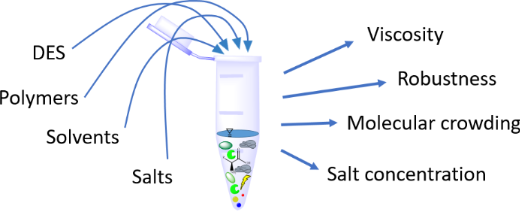
Graphical Abstract
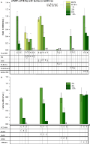
Figure 1: CFPS of sfGFP with different technical additives at various concentrations. Experiments with 2% PEG...
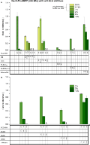
Figure 2: CFPS of thscGAS-sfGFP with different technical additives at various concentrations. Experiments wit...
Beilstein J. Org. Chem. 2024, 20, 2171–2207, doi:10.3762/bjoc.20.187
Graphical Abstract
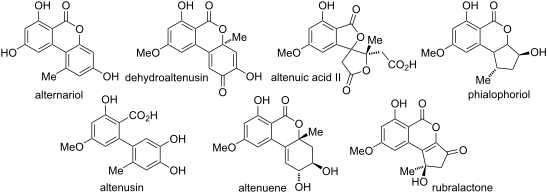
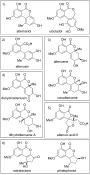
Figure 1: Examples of compounds covered in this review categorized in six sub-classes (see text).
Figure 2: Examples of compounds not covered in this review.
Figure 3: Wrongly assigned and thus obsolete structures (details will be discussed in the respective chapters...
Figure 4: Alternariol with the correct IUPAC numbering and an occasionally used numbering based on the biphen...
Figure 5: Alternariol O-methyl ethers.
Figure 6: Alternariol O-glycosides.
Figure 7: Alternariol O-acetates and O-sulfates.
Figure 8: 2-Hydroxy- and 4-hydroxy-substituted alternariol and its O-methyl ethers.
Figure 9: Chloro- and amino-substituted alternariol and its O-methyl ethers.
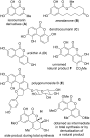
Figure 10: Presumed alternariol derivatives with non-canonical substitution pattern.
Figure 11: Alternariol derivatives with the 1-methyl group hydroxylated.
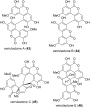
Figure 12: Verrulactones: pseudo-dimeric derivatives of altertenuol and related compounds.
Figure 13: Biaryls formed by reductive lactone opening and/or by decarboxylation.
Figure 14: Altenuene and its diastereomers.
Figure 15: 9-O-Demethylated altenuene diastereomers.
Figure 16: Acetylated and methylated altenuene diastereomers.
Figure 17: Altenuene diastereomers modified with lactic acid, pyruvic acid, or acetone.
Figure 18: Neoaltenuene and related compounds.
Figure 19: Dehydroaltenusin and its derivatives.
Scheme 1: Equilibrium of dehydroaltenusin in polar solvents [278].
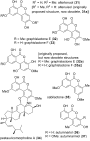
Figure 20: Further quinoid derivatives.
Figure 21: Dehydroaltenuenes.
Figure 22: Complex aggregates containing dehydroaltenuene substructures and related compounds.
Figure 23: Dihydroaltenuenes.
Figure 24: Altenuic acids and related compounds.
Figure 25: Cyclopentane- and cyclopentene-fused derivatives.
Figure 26: Cyclopentenone-fused derivatives.
Figure 27: Spiro-fused derivatives and a related ring-opened derivative.
Figure 28: Lactones-fused and lactone-substituted derivatives.
Scheme 2: Biosynthesis of alternariol [324].
Scheme 3: Biosynthesis of alternariol and its immediate successors with the genes involved in the respective ...
Scheme 4: Presumed formation of altenuene and its diastereomers and of botrallin.
Scheme 5: Presumed formation of altenuic acids and related compounds.
Scheme 6: A selection of plausible biosynthetic paths to cyclopenta-fused metabolites. (No stereochemistry is...
Scheme 7: Biomimetic synthesis of alternariol (1) by Harris and Hay [66].
Scheme 8: Total synthesis of alternariol (1) by Subba Rao et al. using a Diels–Alder approach [34].
Scheme 9: Total synthesis of alternariol (1) using a Suzuki strategy by Koch and Podlech [62], improved by Kim et...
Scheme 10: Total synthesis of alternariol (1) using an intramolecular biaryl coupling by Abe et al. [63].
Scheme 11: Total synthesis of altenuene (54) and isoaltenuene (55) by Podlech et al. [249].
Scheme 12: Total synthesis of neoaltenuene (69) by Podlech et al. [35].
Scheme 13: Total synthesis of TMC-264 (79) by Tatsuta et al. [185].
Scheme 14: Total synthesis of cephalosol (99) by Koert et al. [304].
Beilstein J. Org. Chem. 2024, 20, 1839–1879, doi:10.3762/bjoc.20.162
Graphical Abstract
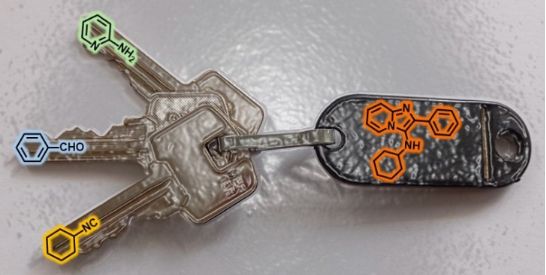
Scheme 1: Mechanism of the GBB reaction.
Scheme 2: Comparison of the performance of Sc(OTf)3 with some RE(OTf)3 in a model GBB reaction. Conditions: a...
Scheme 3: Comparison of the performance of various Brønsted acid catalysts in the synthesis of GBB adduct 6. ...
Scheme 4: Synthesis of Brønsted acidic ionic liquid catalyst 7. Conditions: a) neat, 60 °C, 24 h; b) TfOH, DC...
Scheme 5: Aryliodonium derivatives as organic catalysts in the GBB reaction. In the box the proposed binding ...
Scheme 6: DNA-encoded GBB reaction in micelles made of amphiphilic polymer 13. Conditions: a) 13 (50 equiv), ...
Scheme 7: GBB reaction catalyzed by cyclodextrin derivative 14. Conditions: a) 14 (1 mol %), water, 100 °C, 4...
Scheme 8: Proposed mode of activation of CALB. a) activation of the substrates; b) activation of the imine; c...
Scheme 9: One-pot GBB reaction–Suzuki coupling with a bifunctional hybrid biocatalyst. Conditions: a) Pd(0)-C...
Scheme 10: GBB reaction employing 5-HMF (23) as carbonyl component. Conditions: a) TFA (20 mol %), EtOH, 60 °C...
Scheme 11: GBB reaction with β-C-glucopyranosyl aldehyde 26. Conditions: a) InCl3 (20 mol %), MeOH, 70 °C, 2–3...
Scheme 12: GBB reaction with diacetylated 5-formyldeoxyuridine 29, followed by deacetylation of GBB adduct 30....
Scheme 13: GBB reaction with glycal aldehydes 32. Conditions: a) HFIP, 25 °C, 2–4 h.
Scheme 14: Vilsmeier–Haack formylation of 6-β-acetoxyvouacapane (34) and subsequent GBB reaction. Conditions: ...
Scheme 15: GBB reaction of 4-formlyl-PCP 37. Conditions: a) HOAc or HClO4, MeOH/DCM (2:3), rt, 3 d.
Scheme 16: GBB reaction with HexT-aldehyde 39. Conditions: a) 39 (20 nmol) and amidine (20 μmol), MeOH, rt, 6 ...
Scheme 17: GBB reaction of 2,4-diaminopirimidine 41. Conditions: a) Sc(OTf)3 (20 mol %), MeCN, 120 °C (MW), 1 ...
Scheme 18: Synthesis of N-edited guanine derivatives from 3,6-diamine-1,2,4-triazin-5-one 44. Conditions: a) S...
Scheme 19: Synthesis of 2-aminoimidazoles 49 by a Mannich-3CR followed by a one-pot intramolecular oxidative a...
Scheme 20: On DNA Suzuki–Miyaura reaction followed by GBB reaction. Conditions: a) CsOH, sSPhos-Pd-G2; b) AcOH...
Scheme 21: One-pot cascade synthesis of 5-iminoimidazoles. Conditions: a) Na2SO4, DMF, 220 °C (MW).
Scheme 22: GBB reaction of 5-amino-1H-imidazole-4-carbonile 57. Conditions: a) HClO4 (5 mol %), MeOH, rt, 24 h....
Scheme 23: One-pot cascade synthesis of indole-imidazo[1,2,a]pyridine hybrids. In blue the structural motif in...
Scheme 24: One-pot cascade synthesis of fused polycyclic indoles 67 or 69 from indole-3-carbaldehyde. Conditio...
Scheme 25: One-pot cascade synthesis of linked- and bridged polycyclic indoles from indole-2-carbaldehyde (70)...
Scheme 26: One-pot cascade synthesis of pentacyclic dihydroisoquinolines (X = N or CH). In blue the structural...
Scheme 27: One-pot stepwise synthesis of imidazopyridine-fused benzodiazepines 85. Conditions: a) p-TsOH (20 m...
Scheme 28: One-pot stepwise synthesis of benzoxazepinium-fused imidazothiazoles 89. Conditions: a) Yb(OTf)3 (2...
Scheme 29: One-pot stepwise synthesis of fused imidazo[4,5,b]pyridines 95. Conditions: a) HClO4, MeOH, rt, ove...
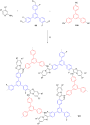
Scheme 30: Synthesis of heterocyclic polymers via the GBB reaction. Conditions: a) p-TsOH, EtOH, 70 °C, 24 h.
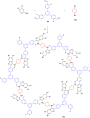
Scheme 31: One-pot multicomponent reaction towards the synthesis of covalent organic frameworks via the GBB re...
Scheme 32: One-pot multicomponent reaction towards the synthesis of covalent organic frameworks via the GBB re...
Scheme 33: GBB-like multicomponent reaction towards the synthesis of benzothiazolpyrroles (X = S) and benzoxaz...
Scheme 34: GBB-like multicomponent reaction towards the formation of imidazo[1,2,a]pyridines. Conditions: a) I2...
Scheme 35: Post-functionalization of GBB products via Ugi reaction. Conditions a) HClO4, DMF, rt, 24 h; b) MeO...
Scheme 36: Post-functionalization of GBB products via Click reaction. Conditions: a) solvent-free, 150 °C, 24 ...
Scheme 37: Post-functionalization of GBB products via cascade alkyne–allene isomerization–intramolecular nucle...
Scheme 38: Post-functionalization of GBB products via metal-catalyzed intramolecular N-arylation. In red and b...
Scheme 39: Post-functionalization of GBB products via isocyanide insertion (X = N or CH). Conditions: a) HClO4...
Scheme 40: Post-functionalization of GBB products via intramolecular nucleophilic addition to nitriles. Condit...
Scheme 41: Post-functionalization of GBB products via Pictet–Spengler cyclization. Conditions: a) 4 N HCl/diox...
Scheme 42: Post-functionalization of GBB products via O-alkylation. Conditions: a) TFA (20 mol %), EtOH, 120 °...
Scheme 43: Post-functionalization of GBB products via macrocyclization (X = -CH2CH2O-, -CH2-, -(CH2)4-). Condi...
Figure 1: Antibacterial activity of GBB-Ugi adducts 113 on both Gram-negative and Gram-positive strains.
Scheme 44: GBB multicomponent reaction using trimethoprim as the precursor. Conditions: a) Yb(OTf)3 or Y(OTf)3...
Figure 2: Antibacterial activity of GBB adducts 152 against MRSA and VRE; NA = not available.
Figure 3: Antibacterial activity of GBB adduct 153 against Leishmania amazonensis promastigotes and amastigot...
Figure 4: Antiviral and anticancer evaluation of the GBB adducts 154a and 154b. In vitro antiproliferative ac...
Figure 5: Anticancer activity of the GBB-furoxan hybrids 145b, 145c and 145d determined through antiprolifera...
Scheme 45: Synthesis and anticancer activity of the GBB-gossypol conjugates. Conditions: a) Sc(OTf)3 (10 mol %...
Figure 6: Anticancer activity of polyheterocycles 133a and 136a against human neuroblastoma. Clonogenic assay...
Figure 7: Development of GBB-adducts 158a and 158b as PD-L1 antagonists. HTRF assays were carried out against...
Figure 8: Development of imidazo[1,2-a]pyridines and imidazo[1,2-a]pyrazines as TDP1 inhibitors. The SMM meth...
Figure 9: GBB adducts 164a–c as anticancer through in vitro HDACs inhibition assays. Additional cytotoxic ass...
Figure 10: GBB adducts 165, 166a and 166b as anti-inflammatory agents through HDAC6 inhibition; NA = not avail...
Scheme 46: GBB reaction of triphenylamine 167. Conditions: a) NH4Cl (10 mol %), MeOH, 80 °C (MW), 1 h.
Scheme 47: 1) Modified GBB-3CR. Conditions: a) TMSCN (1.0 equiv), Sc(OTf)3 (0.2 equiv), MeOH, 140 °C (MW), 20 ...
Scheme 48: GBB reaction to assemble imidazo-fused heterocycle dimers 172. Conditions: a) Sc(OTf)3 (20 mol %), ...
Figure 11: Model compounds 173 and 174, used to study the acid/base-triggered reversible fluorescence response...
Beilstein J. Org. Chem. 2024, 20, 1800–1816, doi:10.3762/bjoc.20.159
Graphical Abstract
Figure 1: Phylogenetic trees of the LanM synthetase amino acid sequences. Unrooted phylogenetic tree of all t...
Figure 2: The phylogenetic tree was built by concatenating 1000 shared clostridial genes (left) between the s...
Figure 3: A. Similarity network created with the ESI web tool with the precursor peptide amino acid sequences...
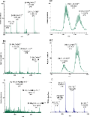
Figure 4: Mass-spectrometric analysis of purified clostrisin and cellulosin (ESIMS spectra). A1 and A2: CloA2...
Figure 5: Growth curves of the strains with the bacterial activity of the samples. A. Precursor peptide for C...
Figure 6: Atomic force microscopy images (peak force mode) of S. epidermidis MIQ43 incubated with the differe...
Beilstein J. Org. Chem. 2024, 20, 1652–1670, doi:10.3762/bjoc.20.147
Graphical Abstract
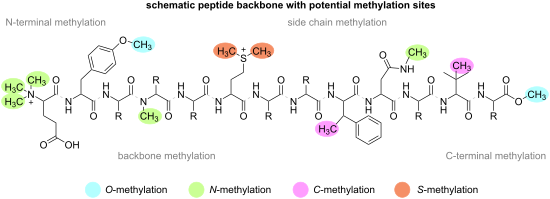
Figure 1: Schematic representation of the different acceptor regions for the methylation of RiPPs discussed i...
Figure 2: Schematic overview of different methylation strategies for amino acids and peptides. There are seve...
Figure 3: Biological methylation. A) Methyl donors from biological systems. The transferred methyl group is h...
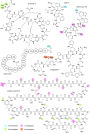
Figure 4: Chemical structures of RiPPs with diverse O-, N-, C-, and S-methylations. Amino acids of lassomycin...
Figure 5: The three-dimensional structures of the conventional O-MTs OlvSA (model structure calculated by Col...
Figure 6: Reaction scheme of the PAMT´s catalysis, leading to the enzymatic conversion of aspartate to aspart...
Figure 7: Structural organisation of the OphMA homodimer. A) Schematic representation. The MT domain is colou...
Figure 8: Overview of the protein architectures and core peptide compositions of borosin N-MTs as defined by ...
Figure 9: Radical SAM C-methyltransferases. A) The different rSAM MT classes containing different functional ...
Figure 10: The three-dimensional structures of the rSAM C-MTs TsrM with bound cobalamin and [4Fe-4S] cluster (...
Beilstein J. Org. Chem. 2024, 20, 1635–1651, doi:10.3762/bjoc.20.146
Graphical Abstract
Figure 1: Oceanic distribution and marine holobiont sources of Microbulbifer strains described in the literat...
Figure 2: The chemical structure of agarose with the key β-1,4 linkage denoted.
Figure 3: The chemical structure of the biopolymer alginate.
Figure 4: The chemical structure of chitin.
Figure 5: Chemical structures of sulfated polysaccharides κ-, ι-, and λ-carrageenans.
Figure 6: Chemical structures of 4HBA (1) and parabens (2–14) isolated from Microbulbifer strains, and synthe...
Figure 7: Chemical structures of nucleosides 18–20 isolated from Microbulbifer strains.
Figure 8: Chemical structures of alkaloids 21–24 isolated from Microbulbifer strains.
Figure 9: Chemical structures of (2Z,4E)-3-methyl-2,4-decadienoic acid (25) and 4-BP (26) natural products is...
Figure 10: Chemical structures of bulbiferamides 27–30 and pseudobulbiferamides 31–35.
Figure 11: Proposed NRPS assembly lines for the biosynthesis of (A) bulbiferamide A (27) and (B) pseudobulbife...
Figure 12: Chemical structures of 2-heptyl-1H-quinolin-4-one (36, HHQ), 2-heptyl-1-hydroxyquinolin-4-one (37, ...
Beilstein J. Org. Chem. 2024, 20, 1486–1496, doi:10.3762/bjoc.20.132
Graphical Abstract
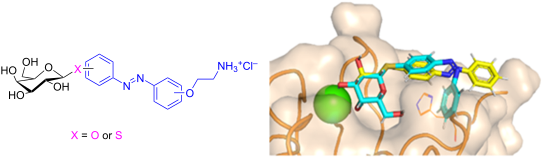
Figure 1: (A) Selected monovalent inhibitors for PA LecA and (B) designed general structure of photoswitchabl...
Scheme 1: Synthesis of photoswitchable LecA inhibitors. Reagents and conditions: (i) DMC, Et3N, H2O, −10 °C t...
Figure 2: (Left) Absorption spectra and (right) fatigue resistance of 1 under alternated 370/485 nm irradiati...
Figure 3: 1H NMR (400 MHz) spectra of E-1 (black line), PSS370 (red line), PSS485 (blue line) in D2O/DMSO-d6 ...
Figure 4: ITC titration of LecA with E- (up) and Z-isomers (bottom) of compounds 1–5 in Tris buffer containin...
Figure 5: (A) Enthalpy–entropy compensation plot of compounds 1–5 from ITC analysis. The dotted green line re...
Beilstein J. Org. Chem. 2024, 20, 959–972, doi:10.3762/bjoc.20.86
Graphical Abstract
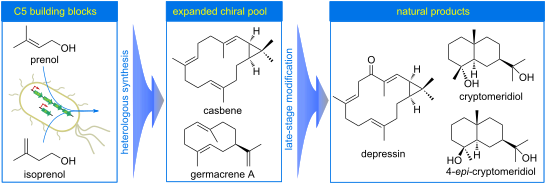
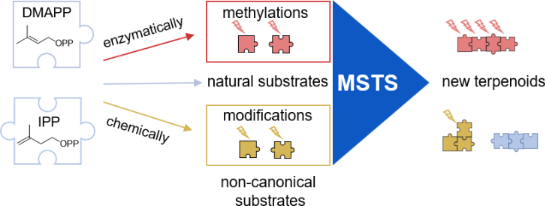
Figure 1: Biosynthetic pathway of terpenoids. Valuable terpenoids, noncanonical C11 and C16 terpenes are show...
Figure 2: Representative terpenoids produced by plant MSTSs. a) 6 and 7 are products of PamTps1 from Plectran...
Figure 3: The structure of representative terpene products of MSTSs. a) From fungi: compounds 30–33 are produ...
Figure 4: Terpenoid products of TSs using chemically synthesized noncanonical prenyl substrates. a) Products ...
Figure 5: Biotransformation of noncanonical prenyl analogs 60–65 using two terpene synthases, limonene syntha...
Figure 6: Noncanonical substrates for mechanism studies and their conversion to new terpenoids. a) New terpen...
Figure 7: A series of prenyl diphosphate building blocks produced by different IPP methyltransferases. humMT ...
Figure 8: The structure of noncanonical prenyl substrates generated by C-methyltransferases and variants. a) ...
Figure 9: Structures of C16 terpenes identified via genome mining of C16 biosynthetic gene clusters from bact...
Figure 10: a) Precursors and final products of the MVA pathway and LMVA pathway. b) The structure of C6- and C7...
Beilstein J. Org. Chem. 2024, 20, 734–740, doi:10.3762/bjoc.20.67
Graphical Abstract
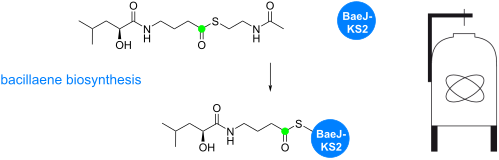
Scheme 1: Biosynthetic model for bacillaene (1). M1–M17 indicate modules 1–17. A = adenylation domain, ACP = ...
Scheme 2: Synthesis of the BaeJ-KS2 substrate surrogates (S)-11 and (R)-11. Green dots represent 13C-labelled...
Figure 1: 13C NMR spectra of (R)-11 incubated with BaeJ-KS2 and BaeJ-KS2-C222A. A) Free 11 dissolved in incub...
Beilstein J. Org. Chem. 2024, 20, 714–720, doi:10.3762/bjoc.20.65
Graphical Abstract
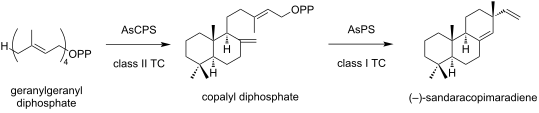
Figure 1: LRDs in fungi. A) Chemical structures of representative fungal LRDs. B) Reactions catalyzed by sele...
Figure 2: Sequence analysis of AsPS and AsCPS. A) Biosynthetic gene clusters containing AsCPS and AsPS. B) Do...
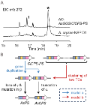
Figure 3: GC–MS analysis of the A. oryzae transformant. A) TIC of the extracts obtained from AO-AsGGS/AsCPS/A...
Figure 4: GC–MS analysis of the enzymatic reactions. A) Extracted ion chromatograms (EICs) at m/z 272 of the ...
Figure 5: Characterization of CiCPS-PS. A) GC–MS analysis of the transformant expressing CiCPS-PS and AsGGS. ...
Beilstein J. Org. Chem. 2024, 20, 692–700, doi:10.3762/bjoc.20.63
Graphical Abstract
Figure 1: (a) Chemical structures and (b) ESIMS/MS of variochelins A–E (1–5) isolated from Variovorax sp. H00...
Figure 2: EIMS of DMOX derivatized free fatty acids derived from variochelins C–E (3–5). (a) 3, (b) 4, and (c...
Figure 3: (a) Plausible biosynthetic pathway of variochelin A–E (1–5). The circles represent domains: A: aden...
Beilstein J. Org. Chem. 2024, 20, 597–606, doi:10.3762/bjoc.20.52
Graphical Abstract
Figure 1: HPLC analysis of small-scale fermentation with different media. More details of media, XISR I and X...
Figure 2: Chemical structures of compounds 1–12.
Figure 3: Key 2D NMR correlations of compounds 1–3.
Figure 4: Experimental and calculated ECD spectra at the CAM-B3LYP/6-311G(d,p) level of theory for compound 1....
Figure 5: Biosynthetic exploration of compounds 1 and 2. A: The schematic presents the biosynthetic gene clus...
Beilstein J. Org. Chem. 2024, 20, 497–503, doi:10.3762/bjoc.20.44
Graphical Abstract
Figure 1: Neighbor-joining tree based on 16S rRNA gene sequences between KR21-0001 and members of the genus S...
Scheme 1: Fermentation of Saccharopolyspora sp. KR21-0001 and isolation procedure of KR21-0001A (1).
Figure 2: Structure of KR21-0001A (1). (a) 1H,1H COSY and HMBC correlations and (b) absolute configuration.
Beilstein J. Org. Chem. 2024, 20, 470–478, doi:10.3762/bjoc.20.42
Graphical Abstract
Figure 1: Chemical structures of compounds 1–5 isolated from P. boydii CS-793.
Figure 2: Key 1H-1H COSY (bond lines), and HMBC (red arrows) correlations of 1–3.
Figure 3: NOE correlations of compounds 1 and 2 (solid line indicates β-orientation and dashed lines represen...
Figure 4: X-ray crystal structure of compounds 1–3 (with a thermal ellipsoid probability of 50%).
Scheme 1: Proposed biosynthetic pathway for compounds 1–5.
Beilstein J. Org. Chem. 2024, 20, 445–451, doi:10.3762/bjoc.20.39
Graphical Abstract
Figure 1: Biosynthesis of gramicidin S. Modules comprise the PCP, A, E, C, and TE domains. PCP, peptidyl carr...
Figure 2: (A) Adenylation reaction in a nonribosomal peptide synthetase. (B) Structures of aminoacyl-AMS inhi...
Figure 3: Illustration of the inhibition of A-domains by aminoacyl-AMS derivatives in live bacterial cells. C...
Scheme 1: Synthesis of 2′-OH-substituted ʟ-Phe-AMS derivatives. Reagents and conditions: (a) NaH, TBAI, R–X (...
Figure 4: Competitive labeling experiments of GrsA using probe 3 in the presence of ʟ-Phe-AMS inhibitors. (A)...
Beilstein J. Org. Chem. 2024, 20, 379–426, doi:10.3762/bjoc.20.36
Graphical Abstract
Scheme 1: Examples of BIMs used for their medicinal properties.
Scheme 2: Mechanisms for the synthesis of BIMs using protic or Lewis acids as catalysts.
Scheme 3: Synthesis of bis(indolyl)methanes using DBDMH.
Scheme 4: Competition experiments and synthesis of bis(indolyl)methanes using DBDMH.
Scheme 5: Proposed mechanism for formation of BIM of using DBDMH.
Scheme 6: Synthesis of bis(indolyl)methanes using I2.
Scheme 7: General reaction mechanism upon halogen bonding.
Scheme 8: Synthesis of bis(indolyl)methanes using I2, introduced by Ji.
Scheme 9: Synthesis of bis(indolyl)methanes using Br2 in CH3CN.
Scheme 10: Βidentate halogen-bond donors.
Scheme 11: Synthesis of bis(indolyl)methanes using bidentate halogen-bond donor 26.
Scheme 12: Proposed reaction mechanism.
Scheme 13: Synthesis of bis(indolyl)methanes using iodoalkyne as catalyst.
Scheme 14: Proposed reaction mechanism.
Scheme 15: Optimized reaction conditions used by Ramshini.
Scheme 16: Activation of the carbonyl group by HPA/TPI-Fe3O4.
Scheme 17: Synthesis of BIMs in the presence of nanoAg-Pt/SiO2-doped silicate.
Scheme 18: Mechanism of action proposed by Khalafi-Nezhad et al.
Scheme 19: Activation of the carbonyl group by the Cu–isatin Schiff base complex.
Scheme 20: Optimum reaction conditions published by Jain.
Scheme 21: Organocatalytic protocol utilizing nanoparticles introduced by Bankar.
Scheme 22: Activation of the carbonyl group by the AlCl3·6H2O-SDS-SiO2 complex.
Scheme 23: Optimal reaction conditions for the aforementioned nano-Fe3O4 based catalysts.
Scheme 24: Nanocatalytic protocol proposed by Kaur et al.
Scheme 25: Microwave approach introduced by Yuan.
Scheme 26: Microwave approach introduced by Zahran et al.
Scheme 27: Microwave irradiation protocol introduced by Bindu.
Scheme 28: Silica-supported microwave irradiation protocol.
Scheme 29: Proposed mechanism for formation of BIM by Nongkhlaw.
Scheme 30: Microwave-assisted synthesis of BIMs catalyzed by succinic acid.
Scheme 31: Proposed mechanism of action of MMO-4.
Scheme 32: Catalytic approach introduced by Muhammadpoor-Baltork et al.
Scheme 33: Reaction conditions used by Xiao-Ming.
Scheme 34: Ultrasonic irradiation-based protocol published by Saeednia.
Scheme 35: Pyruvic acid-mediated synthesis of BIMs proposed by Thopate.
Scheme 36: Synthesis of BIMs using [bmim]BF4 or [bmim]PF6 ionic liquids.
Scheme 37: Synthesis of BIMs utilizing In(OTf)3 in octylmethylimidazolium hexafluorophosphate as ionic liquid.
Scheme 38: FeCl3·6H2O-catalyzed synthesis of BIMs with use of ionic liquid.
Scheme 39: Synthesis of BIMs utilizing the [hmim]HSO4/EtOH catalytic system.
Scheme 40: Synthesis of BIMs utilizing acidic ionic liquid immobilized on silica gel (ILIS-SO2Cl).
Scheme 41: The [bmim][MeSO4]-catalyzed reaction of indole with various aldehydes.
Scheme 42: The role of [bmim][MeSO4] in catalyzing the reaction of indole with aldehydes.
Scheme 43: Synthesis of BIMs utilizing FeCl3-based ionic liquid ([BTBAC]Cl-FeCl3) as catalyst.
Scheme 44: Synthesis of BIMs using [Msim]Cl at room temperature.
Scheme 45: [Et3NH][H2PO4]-catalyzed synthesis of bis(indolyl)methanes.
Scheme 46: PILs-catalyzed synthesis of bis(indolyl)methanes.
Scheme 47: FSILs-mediated synthesis of bis(indolyl)methanes.
Scheme 48: Possible “release and catch” catalytic process.
Scheme 49: Synthesis of bis(indolyl)methanes by [DABCO-H][HSO4].
Scheme 50: Synthesis of bis(indolyl)methanes by [(THA)(SO4)].
Scheme 51: Synthesis of BBSI-Cl and BBSI-HSO4.
Scheme 52: Synthesis of BIMs in the presence of BBSI-Cl and BBSI-HSO4.
Scheme 53: Chemoselectivity of the present method.
Scheme 54: Synthesis of BIMs catalyzed by chitosan-supported ionic liquid.
Scheme 55: Proposed mechanism of action of CSIL.
Scheme 56: Optimization of the reaction in DESs.
Scheme 57: Synthesis of BIMs using ChCl/SnCl2 as DES.
Scheme 58: Synthesis of BIMs derivatives in presence of DES.
Scheme 59: BIMs synthesis in choline chloride/urea (CC/U).
Scheme 60: Flow chemistry-based synthesis of BIMs by Ley.
Scheme 61: Flow chemistry-based synthesis of BIMs proposed by Nam et al.
Scheme 62: Amino-catalyzed reaction of indole with propionaldehyde.
Scheme 63: Aminocatalytic synthesis of BIMs.
Scheme 64: Proposed mechanism for the aminocatalytic synthesis of BIMs.
Scheme 65: Enzymatic reaction of indole with aldehydes.
Scheme 66: Proposed mechanism for the synthesis of BIMs catalyzed by TLIM.
Scheme 67: Proposed reaction mechanism by Badsara.
Scheme 68: Mechanism proposed by D’Auria.
Scheme 69: Photoinduced thiourea catalysis.
Scheme 70: Proposed mechanism of photoacid activation.
Scheme 71: Proposed mechanism of action for CF3SO2Na.
Scheme 72: Proposed mechanism for the synthesis of BIMs by Mandawad.
Scheme 73: Proposed mechanism for the (a) acid generation and (b) synthesis of BIMs.
Scheme 74: a) Reaction conditions employed by Khaksar and b) activation of the carbonyl group by HFIP.
Scheme 75: Activation of the carbonyl group by the PPy@CH2Br through the formation of a halogen bond.
Scheme 76: Reaction conditions utilized by Mhaldar et al.
Scheme 77: a) Reaction conditions employed by López and b) activation of the carbonyl group by thiourea.
Scheme 78: Infrared irradiation approach introduced by Luna-Mora and his research group.
Scheme 79: Synthesis of BIMs with the use of the Fe–Zn BMOF.