


Search results
Search for "Friedel–Crafts" in Full Text gives 209 result(s) in Beilstein Journal of Organic Chemistry. Showing first 200.
Kinetic resolution of racemic planar-chiral vinylcymantrenes by molybdenum-catalyzed asymmetric metathesis dimerization
- Haruna Imazu,
- Hitoshi Izu,
- Yasuhiro Ohki and
- Masamichi Ogasawara
Beilstein J. Org. Chem. 2026, 22, 568–574, doi:10.3762/bjoc.22.42
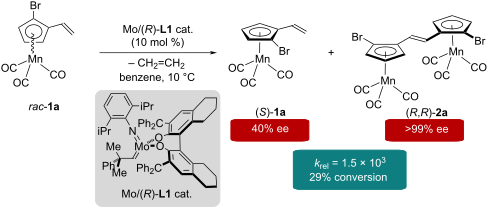
- (I). Indeed, the Friedel–Crafts acetylation of cymantrene, a typical electrophilic aromatic substitution reaction, is much slower than that of ferrocene. Consequently, vinylcymantrenes are electron-deficient olefins and less reactive in olefin metathesis. For this reason, the present AMD/KR reactions

Graphical Abstract

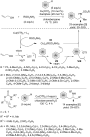
Scheme 1: Asymmetric metathesis dimerization/kinetic resolution of racemic planar-chiral vinylferrocene/vinyl...

Scheme 2: Preparation of racemic planar-chiral vinylcymantrene substrates rac-1a–c.

Figure 1: ORTEP drawing of the X-ray structure of (S,S)-(–)-2b with atom numbering (thermal ellipsoids set at...

Figure 2: Structures of less-reactive enantiomers in three representative planar-chiral vinylmetallocene subs...
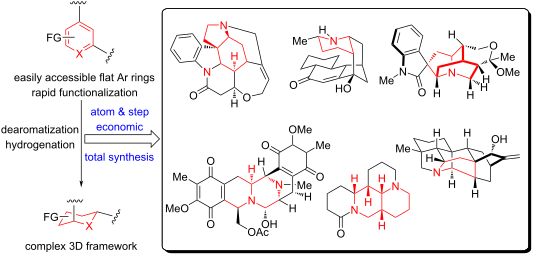
Total synthesis of natural products based on hydrogenation of aromatic rings
- Haoxiang Wu and
- Xiangbing Qi
Beilstein J. Org. Chem. 2026, 22, 88–122, doi:10.3762/bjoc.22.4
- ]. Starting from pyridine derivatives 129, they obtained the key intermediate 131 via a Simmon–Smith reaction and a bimetallic-mediated photocatalytic radical coupling reaction. Intermediate 132 was then constructed by Friedel–Crafts alkylation using diethylaluminum chloride as a Lewis acid. The pyridine ring

Graphical Abstract

Scheme 1: The association between dearomatization and natural product synthesis.

Scheme 2: Key challenges in hydrogenation of aromatic rings.
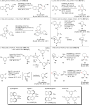
Scheme 3: Hydrogenation of heterocyclic aromatic rings.
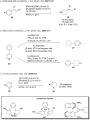
Scheme 4: Hydrogenation of the carbocyclic aromatic rings.
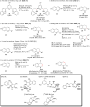
Scheme 5: Hydrogenation of the heterocycle part in bicyclic aromatic rings.
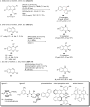
Scheme 6: Hydrogenation of the heterocycle part in bicyclic aromatic rings.
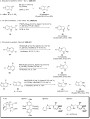
Scheme 7: Hydrogenation of benzofuran, indole, and their analogues.
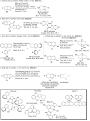
Scheme 8: Hydrogenation of benzofuran, indole, and their analogues.

Scheme 9: Total synthesis of (±)-keramaphidin B by Baldwin and co-workers.

Scheme 10: Total synthesis of (±)-LSD by Vollhardt and co-workers.

Scheme 11: Total synthesis of (±)-dihydrolysergic acid by Boger and co-workers.

Scheme 12: Total synthesis of (±)-lysergic acid by Smith and co-workers.

Scheme 13: Hydrogenation of (−)-tabersonine to (−)-decahydrotabersonine by Catherine Dacquet and co-workers.

Scheme 14: Total synthesis of (±)-nominine by Natsume and co-workers.
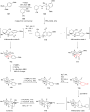
Scheme 15: Total synthesis of (+)-nominine by Gin and co-workers.

Scheme 16: Total synthesis of (±)-lemonomycinone and (±)-renieramycin by Magnus.

Scheme 17: Total synthesis of GB13 by Sarpong and co-workers.

Scheme 18: Total synthesis of GB13 by Shenvi and co-workers.

Scheme 19: Total synthesis of (±)-corynoxine and (±)-corynoxine B by Xia and co-workers.
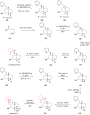
Scheme 20: Total synthesis of (+)-serratezomine E and the putative structure of huperzine N by Bonjoch and co-...

Scheme 21: Total synthesis of (±)-serralongamine A and the revised structure of huperzine N and N-epi-huperzin...

Scheme 22: Early attempts to indenopiperidine core.

Scheme 23: Homogeneous hydrogenation and completion of the synthesis.
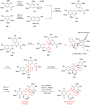
Scheme 24: Total synthesis of jorunnamycin A and jorumycin by Stoltz and co-workers.

Scheme 25: Early attempt towards (−)-finerenone by Aggarwal and co-workers.

Scheme 26: Enantioselective synthesis towards (−)-finerenone.

Scheme 27: Total synthesis of (+)-N-methylaspidospermidine by Smith, Grigolo and co-workers.

Scheme 28: Dearomatization approach towards matrine-type alkaloids.

Scheme 29: Asymmetric total synthesis to (−)-senepodine F via an asymmetric hydrogenation of pyridine.

Scheme 30: Selective hydrogenation of indole derivatives and application.
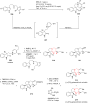
Scheme 31: Synthetic approaches to the oxindole alkaloids by Qi and co-workers.

Scheme 32: Total synthesis of annotinolide B by Smith and co-workers.
Synthesis and applications of alkenyl chlorides (vinyl chlorides): a review
- Daniel S. Müller
Beilstein J. Org. Chem. 2026, 22, 1–63, doi:10.3762/bjoc.22.1
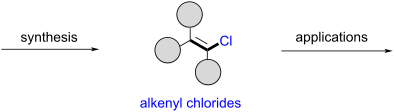
- prepared in 1868 by Charles Friedel – best known for the Friedel–Crafts reaction – via the reaction of ketones with phosphorus pentachloride, these compounds have steadily gained attention over the decades. In recent years, their distinct reactivity and potential in organic synthesis have been increasingly

Graphical Abstract
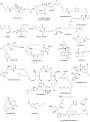
Figure 1: Representative alkenyl chloride motifs in natural products. References: Pinnaic acid [8], haterumalide ...

Figure 2: Representative alkenyl chloride motifs in pharmaceuticals and pesticides. References: clomifene [25], e...
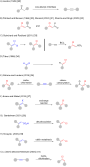
Figure 3: Graphical overview of previously published reviews addressing the synthesis of alkenyl chlorides.

Figure 4: Classification of synthetic approaches to alkenyl chlorides.

Scheme 1: Early works by Friedel, Henry, and Favorsky.

Scheme 2: Product distribution obtained by H NMR integration of crude compound as observed by Kagan and co-wo...

Scheme 3: Side reactions observed for the reaction of 14 with PCl5.

Scheme 4: Only compounds 15 and 18 were observed in the presence of Hünig’s base.

Scheme 5: Efficient synthesis of dichloride 15 at low temperatures.
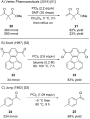
Scheme 6: Various syntheses of alkenyl chlorides on larger scale.

Scheme 7: Scope of the reaction of ketones with PCl5 in boiling cyclohexane.

Scheme 8: Side reactions occur when using excess amounts of PCl5.

Scheme 9: Formation of versatile β-chlorovinyl ketones.

Scheme 10: Mixture of PCl5 and PCl3 used for the synthesis of 49.

Scheme 11: Catechol–PCl3 reagents for the synthesis of alkenyl chlorides.

Scheme 12: (PhO)3P–halogen-based reagents for the synthesis of alkenyl halides.

Scheme 13: Preparation of alkenyl chlorides from alkenyl phosphates.

Scheme 14: Preparation of alkenyl chlorides by treatment of ketones with the Vilsmeier reagent.

Scheme 15: Preparation of electron-rich alkenyl chlorides by treatment of ketones with the Vilsmeier reagent.

Scheme 16: Cu-promoted synthesis of alkenyl chlorides from ketones and POCl3.

Figure 5: GC yield of 9 depending on time and reaction temperature.

Figure 6: Broken reaction flask after attempts to clean the polymerized residue.

Figure 7: GC yield of 9 depending on the amount of CuCl and time.

Scheme 17: Treatment of 4-chromanones with PCl3.

Scheme 18: Synthesis of alkenyl chlorides from the reaction of ketones with acyl chlorides.

Scheme 19: ZnCl2-promoted alkenyl chloride synthesis.
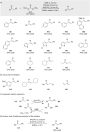
Scheme 20: Regeneration of acid chlorides by triphosgene.

Scheme 21: Alkenyl chlorides from ketones and triphosgene.
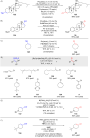
Scheme 22: Various substitution reactions.

Scheme 23: Vinylic Finkelstein reactions reported by Evano and co-workers.

Scheme 24: Challenge of selective monohydrochlorination of alkynes.

Scheme 25: Sterically encumbered internal alkynes furnish the hydrochlorination products in high yield.

Scheme 26: Recent work by Kropp with HCl absorbed on alumina.

Scheme 27: High selectivities for monhydrochlorination with nitromethane/acetic acid as solvent.

Figure 8: Functionalized alkynes which typically afford the monhydrochlorinated products.
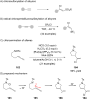
Scheme 28: Related chorosulfonylation and chloroamination reactions.
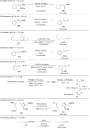
Scheme 29: Reaction of organometallic reagents with chlorine electrophiles.

Scheme 30: Elimination reactions of dichlorides to furnish alkenyl chlorides.

Scheme 31: Elimination reactions of allyl chloride 182 to furnish alkenyl chloride 183.

Scheme 32: Detailed studies by Schlosser on the elimination of dichloro compounds.

Scheme 33: Stereoselective variation caused by change of solvent.

Scheme 34: Elimination of gem-dichloride 189 to afford alkene 190.

Scheme 35: Oxidation of enones to dichlorides and in situ elimination thereof.

Scheme 36: Oxidation of allylic alcohols to dichlorides and in situ elimination thereof.

Scheme 37: Chlorination of styrenes with SOCl2 and elimination thereof.

Scheme 38: Chlorination of styrenes with SOCl2 and elimination thereof.

Scheme 39: Fluorine–chlorine exchange followed by elimination.

Scheme 40: Intercepting cations with alkynes and trapping of the alkenyl cation intermediate with chloride.

Scheme 41: Investigations by Mayr and co-workers.

Scheme 42: In situ activation of benzyl alcohol 230 with BCl3.

Scheme 43: In situ activation of benzylic alcohols with TiCl4.
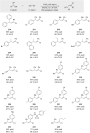
Scheme 44: In situ activation of benzylic alcohols with FeCl3.

Scheme 45: In situ activation of benzylic alcohols with FeCl3.

Scheme 46: In situ activation of aliphatic chlorides and alcohols with ZnCl2, InCl3, and FeCl3.

Scheme 47: In situ generation of benzylic cations and trapping thereof with alkynes.
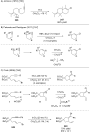
Scheme 48: Intramolecular trapping reactions affording alkenyl halides.

Scheme 49: Intramolecular trapping reactions affording alkenyl chlorides.

Scheme 50: Intramolecular trapping reactions of oxonium and iminium ions affording alkenyl chlorides.
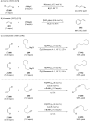
Scheme 51: Palladium and nickel-catalyzed coupling reactions to afford alkenyl chlorides.

Scheme 52: Rhodium-catalyzed couplings of 1,2-trans-dichloroethene with arylboronic esters.

Scheme 53: First report on monoselective coupling reactions for 1,1-dichloroalkenes.

Scheme 54: Negishi’s and Barluenga’s contributions.

Scheme 55: First mechanistic investigation by Johnson and co-workers.

Scheme 56: First successful cross-metathesis with choroalkene 260.

Scheme 57: Subsequent studies by Johnson.
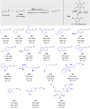
Scheme 58: Hoveyda and Schrock’s work on stereoretentive cross-metathesis with molybdenum-based catalysts.
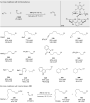
Scheme 59: Related work with (Z)-dichloroethene.
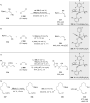
Scheme 60: Further ligand refinement and traceless protection of functional groups with HBpin.

Scheme 61: Alkenyl chloride synthesis by Wittig reaction.

Scheme 62: Alkenyl chloride synthesis by Julia olefination.

Scheme 63: Alkenyl chloride synthesis by reaction of ketones with Mg/TiCl4 mixture.

Scheme 64: Frequently used allylic substitution reactions which lead to alkenyl chlorides.
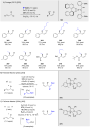
Scheme 65: Enantioselective allylic substitutions.

Scheme 66: Synthesis of alkenyl chlorides bearing an electron-withdrawing group.

Scheme 67: Synthesis of α-nitroalkenyl chlorides from aldehydes.

Scheme 68: Synthesis of alkenyl chlorides via elimination of an in situ generated geminal dihalide.

Scheme 69: Carbenoid approach reported by Pace.

Scheme 70: Carbenoid approach reported by Pace.

Scheme 71: Ring opening of cyclopropenes in the presence of MgCl2.

Scheme 72: Electrophilic chlorination of alkenyl MIDA boronates to Z- or E-alkenyl chlorides.

Scheme 73: Hydroalumination and hydroboration of alkynyl chlorides.

Scheme 74: Carbolithiation of chloroalkynes.

Scheme 75: Chlorination of enamine 420.

Scheme 76: Alkyne synthesis by elimination of alkenyl chlorides.

Scheme 77: Reductive lithiation of akenyl chlorides.

Scheme 78: Reactions of alkenyl chlorides with organolithium reagents.

Scheme 79: Reactions of alkenyl chlorides with organolithium reagents.

Scheme 80: Addition–elimination reaction of alkenyl chloride 9 with organolithium reagents.

Scheme 81: C–H insertions of lithiumcarbenoids.
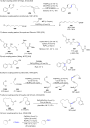
Scheme 82: Pd-catalyzed coupling reactions with alkenyl chlorides as coupling partner.

Scheme 83: Ni-catalyzed coupling of alkenylcopper reagent with alkenyl chloride 183.

Scheme 84: Ni-catalyzed coupling of heterocycle 472 with alkenyl chloride 473.

Scheme 85: Synthesis of α-chloroketones by oxidation of alkenyl chlorides.

Scheme 86: Tetrahalogenoferrate(III)-promoted oxidation of alkenyl chlorides.

Scheme 87: Chlorine–deuterium exchange promoted by a palladium catalyst.

Scheme 88: Reaction of alkenyl chlorides with thiols in the presence of AIBN (azobisisobutyronitrile).

Scheme 89: Chloroalkene annulation.
Synthesis of new tetra- and pentacyclic, methylenedioxy- and ethylenedioxy-substituted derivatives of the dibenzo[c,f][1,2]thiazepine ring system
- Gábor Berecz,
- András Dancsó,
- Mária Tóthné Lauritz,
- Loránd Kiss,
- Gyula Simig and
- Balázs Volk
Beilstein J. Org. Chem. 2025, 21, 2645–2656, doi:10.3762/bjoc.21.205
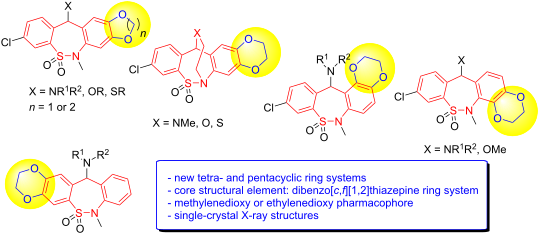
- step for the construction of the ring systems has been implemented by an intramolecular Friedel–Crafts cyclization. Altogether eight new ring systems are described here, five of them are also characterized by single-crystal X-ray diffraction. Keywords: acylation; bridged derivatives; cyclization
- ; Friedel–Crafts reaction; heterocycles; new ring systems; Introduction In our prior report [1] we disclosed the synthesis of new fused ring derivatives of the dibenzo[c,f][1,2]thiazepine skeleton (1, Figure 1) shown by general structure 2. In recent publications we have also reported the synthesis of new
- followed by basic hydrolysis afforded carboxylic acids 14 and 15. Ring closure of the latter compounds to tetracyclic derivatives 6 and 7 was carried out in one pot by SnCl4-catalyzed Friedel–Crafts cyclization of the acid chlorides obtained via reaction of 14 and 15 with phosphorus pentachloride. In the

Graphical Abstract

Figure 1: Reported ring systems incorporating the dibenzo[c,f][1,2]thiazepine (1) skeleton.

Figure 2: Drugs exhibiting a 1,3-benzodioxole or 1,4-benzodioxane structural unit marketed or in development.

Scheme 1: Synthesis of tetracyclic key intermediates 6 and 7. Conditions: i) 1,3-benzodioxol-5-amine (n = 1)/...

Scheme 2: Synthesis of tetracyclic compounds 20 and 21. Conditions: i) NaBH4, DMF, EtOH, rt, 4.5 h/23 h, 95%/...

Figure 3: X-ray structures of compounds 20e and 21g.

Scheme 3: Synthesis of tianeptine analogues 20b and 21b. Conditions: 20b: NaOH, EtOH/H2O, rt, 25 h, 80%; 21b:...

Scheme 4: Synthesis of tetracyclic ethers 23 and thioether 24. Conditions: i) ROH, MeCN, rt, 2–3 h, 38–84%; i...

Figure 4: X-ray structure of compound 23a.

Scheme 5: Synthesis of pentacyclic compounds 25–27. Conditions: i) Py·HCl, 180 °C, 27 h, 51%; ii) Br(CH2)2Br,...

Figure 5: X-ray structures of compounds 25, 26, and 27.

Scheme 6: Synthesis of tetracyclic compounds 38. Conditions: i) NaBH4, DMF/EtOH, rt, 3 h, 89%; ii) SOCl2, DCM...

Scheme 7: Synthesis of tetracyclic compounds 45 and 46. Conditions: i) 2,3-dihydro-1,4-benzodioxin-5-amine, P...

Scheme 8: Synthesis of tetracyclic compounds 54. Conditions: i) methyl anthranilate, pyridine, 0–5 °C, 4 h, r...
Visible-light-driven NHC and organophotoredox dual catalysis for the synthesis of carbonyl compounds
- Vasudevan Dhayalan
Beilstein J. Org. Chem. 2025, 21, 2584–2603, doi:10.3762/bjoc.21.200
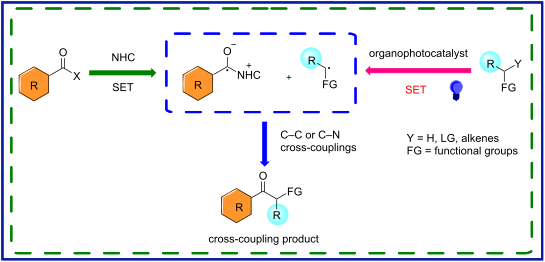
- used for late-stage modification of bioactive compounds, including natural products. These developments will find suitable applications in medicinal chemistry for introducible organosilyl groups (Scheme 5) [55]. A visible-light-induced Friedel–Crafts acylation of arenes and heteroarenes was reported by
- regioselective acylation products, but heteroarene substrates produced a mixture of products, for example, furan, thiophene, and benzothiophene. Compared to the traditional LAs-mediated Friedel–Crafts acylation, the described radical method offers a regiodivergent result with good functional group tolerance. The
- Lewis acid-mediated traditional Friedel–Crafts acylation of 2-methoxynaphthalene typically proceeds at the ortho positions relative to the methoxy group due to the electron-rich nature of these sites, while the meta position remains deactivated under the ionic mechanism. Notably, the present work

Graphical Abstract
Scheme 1: NHC-catalyzed umpolung strategy for the metal-free synthesis of amide via dual catalysis.
Scheme 2: Visible-light promoted cooperative NHC/photoredox catalyzed ring-opening of aryl cyclopropanes.
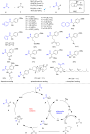
Scheme 3: NHC-catalyzed benzylic C–H acylation by dual catalysis.
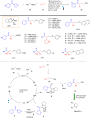
Scheme 4: NHC/photoredox-catalyzed three-component coupling reaction for the preparation of γ-aryloxy ketones....
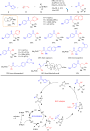
Scheme 5: NHC-catalyzed silyl radical generation from silylboronate via dual catalysis.
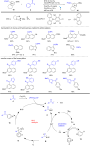
Scheme 6: NHC-catalyzed C–H acylation of arenes and heteroarenes through photocatalysis.

Scheme 7: NHC-catalyzed iminoacylation of alkenes via photoredox dual organocatalysis.
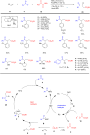
Scheme 8: NHC/photoredox catalyzed direct synthesis of β-arylketoesters.
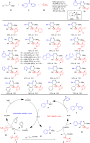
Scheme 9: Visible-light-driven NHC/photoredox catalyzed borylacylation of alkenes.

Scheme 10: NHC-catalyzed oxidative functionalization of cinnamaldehyde.
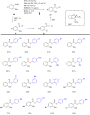
Scheme 11: NHC/photocatalyzed oxidative Smiles rearrangement.

Scheme 12: NHC-catalyzed synthesis of cyclohexanones through photocatalyzed annulation.
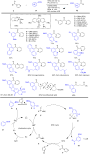
Scheme 13: Dual organocatalyzed meta-selective acylation of electron-rich arenes and heteroarenes using blue L...

Scheme 14: Asymmetric synthesis of fused pyrrolidinones via organophotoredox/N‑heterocyclic carbene dual catal...
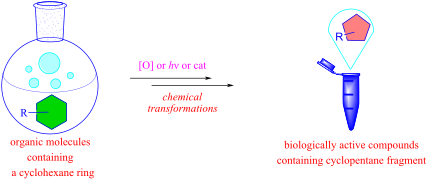
Transformation of the cyclohexane ring to the cyclopentane fragment of biologically active compounds
- Natalya Akhmetdinova,
- Ilgiz Biktagirov and
- Liliya Kh. Faizullina
Beilstein J. Org. Chem. 2025, 21, 2416–2446, doi:10.3762/bjoc.21.185
- reported a stereospecific reduction of an acyloin ring controlled by the chirality of a glucose fragment at position C5, and suggested a possible mechanism for hydrogen migration during the conversion of C5 (sp2) to C5 (sp3). The key 3,4,6-trihydroxycyclohexadienone 76 was obtained by a sequence of Friedel
- –Crafts-type glucosylation reactions of 2,4,6-trihydroxy-3-methylacetophenone (74) with glucosyl acetate 75 in the of presence Sc(OTf)3 (0.4 equiv) as a Lewis acid promoter and oxidative dearomatization of the C-glucoside precursor by O2 in the presence of pyridine in CH3OH. The key step in the acyloin

Graphical Abstract

Scheme 1: Ozonolysis–cyclization sequence in the synthesis of echinopine A (3).

Scheme 2: Ozonolysis–cyclization sequence in the synthesis of taiwaniaquinoids 7–12.

Figure 1: Iridoid skeleton.

Scheme 3: Ozonolysis–cyclization sequence in the synthesis of compounds 17a,b, 18 and 19 with iridoid topolog...

Scheme 4: Oxidation–aldol condensation sequence in the synthesis of compounds 21 and 23 with iridoid topology....

Scheme 5: Oxidation–aldol condensation sequence in the synthesis of compounds 29 and 30 with iridoid topology....

Scheme 6: Method for ring contraction in the absence of a double bond in a six-membered ring of triterpenoids....

Scheme 7: Oxidation–Dieckmann cyclization sequence in the synthesis of a new nortriterpenoid 39.

Scheme 8: Oxidation–Dieckmann cyclization sequence in the synthesis of 18,19-di-nor-cholesterol (40).

Scheme 9: Oxidation–cyclization sequence in the synthesis of 3-ethyl-substituted betulinic acid derivatives 49...

Scheme 10: Benzilic acid-type rearrangement in the synthesis of 4β-acetoxyprobotryane-9β,15α-diol (52).

Scheme 11: Benzilic acid-type rearrangement in the synthesis of (−)-taiwaniaquinone H (11).

Scheme 12: Benzilic acid-type rearrangement in the synthesis of dactylicapnosines A (63) and B (64).

Scheme 13: Aza-benzilic acid-type rearrangement in the synthesis of (+)-stephadiamine (71).

Scheme 14: α-Ketol rearrangement in the synthesis of saffloneoside (73).

Scheme 15: Conversion of (−)-preaustinoid A (80) to (−)-preaustinoid B (81) via α-ketol rearrangement.

Scheme 16: α-Ketol rearrangement in the synthesis of 2,8-oxymethano-bridged diquinane 90.

Scheme 17: Oxidative ring contraction during the synthesis of (+)-cuparene (91) and (+)-tochuinylacetate (92).

Scheme 18: Semipinacol rearrangement in the synthesis of diterpenoids 97–100.

Scheme 19: Co-catalyzed homoallyl-type rearrangement in the syntheses of meroterpenes 106–109.

Scheme 20: Ring contraction reaction promoted by TTN·3H2O and HTIB in the synthesis of indanes.

Scheme 21: Rearrangement involving a hypervalent iodine compound in the synthesis of derivative 120.

Scheme 22: Wolff rearrangement in the synthesis of taiwaniaquinones A (7), F (8), taiwaniaquinols B (10), D (1...

Scheme 23: Wolff rearrangement in the synthesis of cheloviolene C (128), seconorrisolide B (129), and seconorr...

Scheme 24: Wolff rearrangement in the synthesis of (−)-pavidolide B (134).

Scheme 25: Wolff rearrangement in the synthesis of presilphiperfolan-8-ol (141).

Scheme 26: Photochemical rearrangement in the synthesis of cyclopentane derivatives 147a,b.

Scheme 27: Synthesis of cyclopentane derivatives 147a and 151.

Scheme 28: Photochemical rearrangement in the synthesis of cyclopentane derivative 153.

Scheme 29: Photochemical rearrangement in the synthesis of tricyclic ketones 155, 156.

Scheme 30: Photochemical rearrangement in the synthesis of cis/trans salts 160.

Figure 2: Scope of the photoinduced carboborative ring contraction of steroids. Reaction conditions: steroid ...

Scheme 31: Photoinduced carboborative ring contraction in the synthesis of artalbic acid (180).

Scheme 32: Synthetic versatility of the photoinduced carboborative ring contraction.

Scheme 33: Methods of disclosure of epoxide 189.

Scheme 34: Methods of disclosure of epoxide 190.

Scheme 35: Rearrangement of α,β-epoxy ketone 197.

Scheme 36: Acid-induced rearrangement in the synthesis of perhydrindane ketones 202 and 205.

Scheme 37: Rearrangement of epoxyketone 208 in the synthesis of huperzine Q (206).

Scheme 38: Rearrangement of epoxide 212 under the action of Grignard reagent.

Scheme 39: Semipinacol rearrangement of epoxide 220 in the synthesis of (−)-citrinadin A (217) and (+)-citrina...

Scheme 40: Semipinacol rearrangement of epoxide 225 in the synthesis of hamigeran G (223).

Scheme 41: Semipinacol rearrangement of epoxide 231 in the synthesis of (−)-spirochensilide A (228).

Scheme 42: Wagner–Meerwein rearrangement in the synthesis of compound 234 with iridoid topology.

Scheme 43: Wagner–Meerwein rearrangement in the synthesis of compound 238 with iridoid topology.

Scheme 44: Wagner–Meerwein rearrangement in the synthesis of compound 241 with iridoid topology.

Scheme 45: Wagner–Meerwein rearrangement in the synthesis of lupane derivatives 245, 246, 248, and 249.

Scheme 46: Wagner–Meerwein rearrangement in the synthesis of weisaconitine D (252) and cardiopetaline (255).

Scheme 47: Wagner–Meerwein rearrangement in the synthesis of cardiopetaline (255).
Conformational effects on iodide binding: a comparative study of flexible and rigid carbazole macrocyclic analogs
- Guang-Wei Zhang,
- Yong Zhang,
- Le Shi,
- Chuang Gao,
- Hong-Yu Li and
- Lei Xue
Beilstein J. Org. Chem. 2025, 21, 2369–2375, doi:10.3762/bjoc.21.181
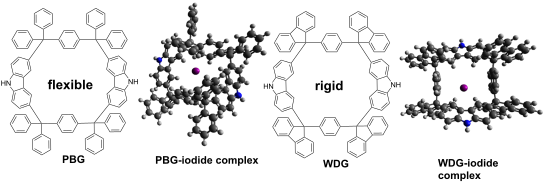
- ) and WDG (rigid fluorene backbone), were synthesized via Friedel–Crafts reactions. Their iodide (I−) recognition properties were systematically explored using 1H NMR, UV–vis absorption, and fluorescence spectroscopy. Quantitative analysis via the Benesi–Hildebrand equation and nonlinear fitting
- order to solve the above problems, in this study, carbazole macrocyclics were used as models [21][22], and the structural analogs of phenyl group (PBG, flexible) and fluorene group (WDG, rigid) were introduced by Friedel–Crafts reaction. It should be emphasized that since the two single bonds in WDG are
- . Experimental PBG (CCDC Number: 2070280) and WDG were synthesized from phenyl- and fluorenyl-substituted precursors, respectively, via Friedel–Crafts alkylation (Scheme 1) according to our previous work [22]. Structural characterization was performed using 1H NMR (Figures S1 and S2) and mass spectrometry

Graphical Abstract
Scheme 1: Synthesis routes of PBG and WDG.

Figure 1: (a) partial 1H NMR spectrum of PBG in CDCl3 (400 MHz, CDCl3, 25 °C), (b) Partial 1H NMR spectrum of ...

Figure 2: (a) Partial 1H NMR spectra of PBG and TBAI at different equivalent concentrations in CDCl3 (400 MHz...

Figure 3: (a) UV–vis spectra of PBG (10 μM) in CHCl3 with TBAI concentration, (b) UV–vis spectra of WDG (10 μ...
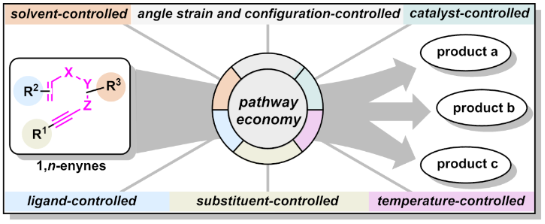
Pathway economy in cyclization of 1,n-enynes
- Hezhen Han,
- Wenjie Mao,
- Bin Lin,
- Maosheng Cheng,
- Lu Yang and
- Yongxiang Liu
Beilstein J. Org. Chem. 2025, 21, 2260–2282, doi:10.3762/bjoc.21.173
- cyclopropanation of 1,6-enyne initiated a cascade involving 1,5-enyne addition, consecutive 1,2-alkyl migrations, and Friedel–Crafts alkylation, efficiently constructing the pentacyclic fused benzofuran framework 21 (Scheme 5, path b). Above two analogues were prepared on a gram scale, converted into valuable
- constraints promoted intramolecular Friedel–Crafts cyclization via intermediate 84 to form spiro-polycycle 86 (Scheme 18, path b). The ligand-dependent gold(I)-catalyzed cyclization provided modular access to therapeutically significant fused polycyclic heterocyclic scaffolds via regioselective ring expansion
- /AgSbF6 system, ultimately resulting in the formation of dihydrobenzo[a]fluorenes 123 via Friedel–Crafts alkylation (Scheme 25, path b). In 2018, the Shi research group developed an innovative intramolecular cyclization strategy using 1,6-enynes as substrates for the synthesis of 1,2-dihydroquinoline

Graphical Abstract

Scheme 1: Economical synthesis and pathway economy.

Scheme 2: Au(I)-catalyzed cascade cyclization paths of 1,5-enynes.

Scheme 3: Au(I)-catalyzed cyclization paths of 1,7-enynes.

Scheme 4: I2/TBHP-mediated radical cycloisomerization paths of 1,n-enyne.

Scheme 5: Au(I)-catalyzed cycloisomerization paths of 3-allyloxy-1,6-diynes.

Scheme 6: Pd(II)-catalyzed cycloisomerization paths of 2-alkynylbenzoate-cyclohexadienone.

Scheme 7: Stereoselective cyclization of 1,5-enynes.

Scheme 8: Substituent-controlled cycloisomerization of propargyl vinyl ethers.

Scheme 9: Au(I)-catalyzed pathway-controlled domino cyclization of 1,2-diphenylethynes.

Scheme 10: Au(I)-catalyzed tandem cyclo-isomerization of tryptamine-N-ethynylpropiolamide.

Scheme 11: Au(I)-catalyzed tunable cyclization of 1,6-cyclohexenylalkyne.

Scheme 12: Substituent-controlled 7-exo- and 8-endo-dig-selective cyclization of 2-propargylaminobiphenyl deri...

Scheme 13: BiCl3-catalyzed cycloisomerization of tryptamine-ynamide derivatives.

Scheme 14: Au(I)-mediated substituent-controlled cycloisomerization of 1,6-enynes.

Scheme 15: Ligand-controlled regioselective cyclization of 1,6-enynes.

Scheme 16: Ligand-dependent cycloisomerization of 1,7-enyne esters.

Scheme 17: Ligand-controlled cycloisomerization of 1,5-enynes.

Scheme 18: Ligand-controlled cyclization strategy of alkynylamide tethered alkylidenecyclopropanes.

Scheme 19: Ag(I)-mediated pathway-controlled cycloisomerization of tryptamine-ynamides.

Scheme 20: Gold-catalyzed cycloisomerization of indoles with alkynes.

Scheme 21: Catalyst-dependent cycloisomerization of dienol silyl ethers.

Scheme 22: Cycloisomerization of aromatic enynes governed by catalyst.

Scheme 23: Catalyst-dependent 1,2-migration in cyclization of 1-(indol-2-yl)-3-alkyn-1-ols.

Scheme 24: Gold-catalyzed cycloisomerization of N-propargyl-N-vinyl sulfonamides.

Scheme 25: Gold(I)-mediated enantioselective cycloisomerizations of ortho-(alkynyl)styrenes.

Scheme 26: Catalyst-controlled intramolecular cyclization of 1,7-enynes.

Scheme 27: Brønsted acid-catalyzed cycloisomerizations of tryptamine ynamides.

Scheme 28: Catalyst-controlled cyclization of indolyl homopropargyl amides.

Scheme 29: Angle strain-dominated 6-endo-trig cyclization of propargyl vinyl ethers.

Scheme 30: Angle strain-controlled cycloisomerization of alkyn-tethered indoles.

Scheme 31: Geometrical isomeration-dependent cycloisomerization of 1,3-dien-5-ynes.

Scheme 32: Temperature-controlled cyclization of 1,7-enynes.

Scheme 33: Cycloisomerizations of n-(o-ethynylaryl)acrylamides through temperature modulation.

Scheme 34: Temperature-controlled boracyclization of biphenyl-embedded 1,3,5-trien-7-ynes.
C2 to C6 biobased carbonyl platforms for fine chemistry
- Jingjing Jiang,
- Muhammad Noman Haider Tariq,
- Florence Popowycz,
- Yanlong Gu and
- Yves Queneau
Beilstein J. Org. Chem. 2025, 21, 2103–2172, doi:10.3762/bjoc.21.165
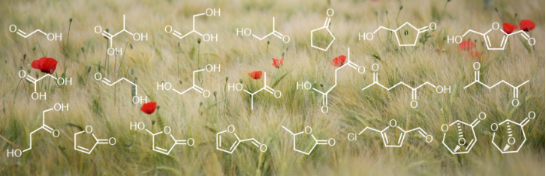
- oxygen in alcoholic medium has also been reported (Scheme 37) [121][122]. Riguet synthesized γ-lactams through a Ugi 4-center 3-component reaction (U-4C-3CR) protocol. HFO was used as the electrophile in the Friedel–Crafts (FC) alkylation reactions of indole catalyzed by diphenylprolinol silyl ether. The
- high reactivity of HFO permitted that a limited loading of catalyst could be employed. The reduction of the Friedel–Crafts adduct gave the targeted indoyl lactones with good yield (Scheme 38) [123]. Bos and Riguet reported the one pot synthesis of α,γ-substituted chiral γ-lactones from HFO. The
- ) system can be recycled without significant loss of activity (Scheme 5) [33]. α-Bromoacetaldehyde derivatives (Scheme 6, structures a–d) and 2-phenylindoles were used to synthesize benzo[a]carbazoles. The reaction reported by the Gu research group was speeded up by bismuth trichloride (BiCl3). The Friedel

Graphical Abstract

Figure 1: C2–C6 biobased carbonyl building blocks.

Scheme 1: Proposed (2 + 2) route to glycolaldehyde and glycolic acid from erythritol by Cu/AC catalyst (AC = ...

Scheme 2: Reductive amination of GCA.

Scheme 3: N-Formylation of secondary amines by reaction with GCA.

Scheme 4: Synthesis and conversion of hydroxy acetals to cyclic acetals.

Scheme 5: Synthesis of 3-(indol-3-yl)-2,3-dihydrofurans via three-component reaction of glycolaldehyde, indol...

Scheme 6: BiCl3-catalyzed synthesis of benzo[a]carbazoles from 2-arylindoles and α-bromoacetaldehyde ethylene...

Scheme 7: Cu/NCNSs-based conversion of glycerol to glycolic acid and other short biobased acids.

Scheme 8: E. coli-based biotransformation of C1 source molecules (CH4, CO2 and CO) towards C2 glycolic acid.

Scheme 9: N-Formylation of amines with C2 (a) or C3 (b) biomass-based feedstocks.

Scheme 10: Methods for the formation of propanoic acid (PA) from lactic acid (LA).

Scheme 11: Co-polymerization of biobased lactic acid and glycolic acid via a bicatalytic process.

Scheme 12: Oxidation of α-hydroxy acids by tetrachloroaurate(III) in acetic acid–sodium acetate buffer medium.

Figure 2: Selective catalytic pathways for the conversion of lactic acid (LA).

Scheme 13: Synthesis of 1,3-PDO via cross-aldol reaction between formaldehyde and acetaldehyde to 3-hydroxypro...

Scheme 14: Hydrothermal conversion of 1,3-dihydroxy-2-propane and 2,3-dihydroxypropanal to methylglyoxal.

Scheme 15: FLS-catalyzed formose reaction to synthesize GA and DHA.

Scheme 16: GCA and DHA oxidation products of glycerol and isomerization of GCA to DHA under flow conditions us...

Scheme 17: Acid-catalyzed reactions of DHA with alcohols.

Scheme 18: Synthesis of dihydroxyacetone phosphate from dihydroxyacetone.

Scheme 19: Bifunctional acid–base catalyst DHA conversion into lactic acid via pyruvaldehyde or fructose forma...

Scheme 20: Catalytic one-pot synthesis of GA and co-synthesis of formamides and formates from DHA.

Scheme 21: (a) Synthesis of furan derivatives and (b) synthesis of thiophene derivative by cascade [3 + 2] ann...

Scheme 22: Brønsted acidic ionic liquid catalyzed synthesis of benzo[a]carbazole from renewable acetol and 2-p...

Scheme 23: Asymmetric hydrogenation of α-hydroxy ketones to 1,2-diols.

Scheme 24: Synthesis of novel 6-(substituted benzylidene)-2-methylthiazolo [2,3-b]oxazol-5(6H)-one from 1-hydr...

Scheme 25: ʟ-Proline-catalyzed synthesis of anti-diols from hydroxyacetone and aldehydes.

Scheme 26: C–C-bond-formation reactions of a biomass-based feedstock aromatic aldehyde (C5) and hydroxyacetone...

Scheme 27: Ethanol upgrading to C4 bulk chemicals via the thiamine (VB1)-catalyzed acetoin condensation.

Scheme 28: One-pot sequential chemoenzymatic synthesis of 2-aminobutane-1,4-diol and 1,2,4-butanetriol via 1,4...

Scheme 29: Synthesis of 1,4-dihydroxybutan-2-one by microbial transformation.

Scheme 30: Conversion of polyols by [neocuproine)Pd(OAc)]2(OTf)2] to α-hydroxy ketones.

Scheme 31: Chemoselective oxidation of alcohols with chiral palladium-based catalyst 2.

Scheme 32: Electrochemical transformation of furfural to 5-hydroxy-2(5H)-furanone (HFO).

Scheme 33: Selective hydrodeoxygenation of HFO and oxidation to γ-butyrolactone (GBL).

Scheme 34: Photosensitized oxygenation of furan towards HFO via ozonide intermediates.

Scheme 35: Conversion of furfural to HFO and MAN by using mesoporous carbon nitride (SGCN) as photocatalyst.

Scheme 36: Synthesis of HFO from furan derivatives.

Scheme 37: Photooxidation of furfural to 5-hydroxy-2(5H)-furanone (HFO).

Scheme 38: Synthesis of Friedel–Crafts indole adduct from HFO.

Scheme 39: Conversion of HFO to α,γ-substituted chiral γ-lactones.

Scheme 40: Tautomeric transformation of HFO to formylacrylic acid.

Scheme 41: Hydrolysis of HFO to succinic acid in aqueous solution.

Scheme 42: Substitution and condensation reactions of 5-hydroxy-2(5H)-furanone (HFO).

Scheme 43: (a) Conversion of HFO towards valuable C4 chemicals and (b) anodic oxidation of 5-hydroxy-2(5H)-fur...

Figure 3: Conversion of HFO towards other natural and synthetic substances.

Scheme 44: Conversion of furfural to maleic anhydride (reaction a: VOx/Al2O3; reaction b: VPO).

Scheme 45: Conversion of furfural into succinic acid.

Scheme 46: Electro‑, photo‑, and biocatalysis for one-pot selective conversions of furfural into C4 chemicals.

Scheme 47: Production route of furfural from hemicellulose.

Scheme 48: Mechanism for xylose dehydration to furfural through a choline xyloside intermediate.

Scheme 49: Conversion of furfural to furfuryl alcohol and its derivatives.

Scheme 50: Conversion of furfural to furfuryl alcohol and 3-(2-furyl)acrolein.

Scheme 51: The aerobic oxidative condensation of biomass-derived furfural and linear alcohols.

Scheme 52: The single-step synthesis of 2-pentanone from furfural.

Scheme 53: Electrocatalytic coupling reaction of furfural and levulinic acid.

Scheme 54: Conversion of furfural to m-xylylenediamine.

Scheme 55: Conversion of furfural to tetrahydrofuran-derived amines.

Scheme 56: Formation of trans-4,5-diamino-cyclopent-2-enones from furfural.

Scheme 57: Production of pyrrole and proline from furfural.

Scheme 58: Synthesis of 1‑(trifluoromethyl)-8-oxabicyclo[3.2.1]oct-3-en-2-ones from furfural.

Scheme 59: Conversion of furfural to furfural-derived diacids.

Scheme 60: A telescope protocol derived from furfural and glycerol.

Scheme 61: A tandem cyclization of furfural and 5,5-dimethyl-1,3-cyclohexanedione.

Scheme 62: A Ugi four-component reaction to construct furfural-based polyamides.

Scheme 63: One-pot synthesis of γ-acyloxy-Cy7 from furfural.

Scheme 64: Dimerization–Piancatelli sequence toward humins precursors from furfural.

Scheme 65: Conversion of furfural to CPN.

Scheme 66: Synthesis of jet fuels range cycloalkanes from CPN and lignin-derived vanillin.

Scheme 67: Solar-energy-driven synthesis of high-density biofuels from CPN.

Scheme 68: Reductive amination of CPN to cyclopentylamine.

Scheme 69: Asymmetric hydrogenation of C=O bonds of exocyclic α,β-unsaturated cyclopentanones.

Scheme 70: Preparation of levulinic acid via the C5 route (route a) or C6 route (routes b1 and b2).

Scheme 71: Mechanism of the rehydration of HMF to levulinic acid and formic acid.

Scheme 72: Important levulinic acid-derived chemicals.

Scheme 73: Direct conversion of levulinic acid to pentanoic acid.

Scheme 74: Catalytic aerobic oxidation of levulinic acid to citramalic acid.

Scheme 75: Conversion of levulinic acid to 1,4-pentanediol (a) see ref. [236]; b) see ref. [237]; c) see ref. [238]; d) see r...

Scheme 76: Selective production of 2-butanol through hydrogenolysis of levulinic acid.

Scheme 77: General reaction pathways proposed for the formation of 5MPs from levulinic acid.

Scheme 78: Selective reductive amination of levulinic acid to N-substituted pyrroles.

Scheme 79: Reductive amination of levulinic acid to chiral pyrrolidinone.

Scheme 80: Reductive amination of levulinic acid to non-natural chiral γ-amino acid.

Scheme 81: Nitrogen-containing chemicals derived from levulinic acid.

Scheme 82: Preparation of GVL from levulinic acid by dehydration and hydrogenation.

Scheme 83: Ruthenium-catalyzed levulinic acid to chiral γ-valerolactone.

Scheme 84: Catalytic asymmetric hydrogenation of levulinic acid to chiral GVL.

Scheme 85: Three steps synthesis of ε-caprolactam from GVL.

Scheme 86: Multistep synthesis of nylon 6,6 from GVL.

Scheme 87: Preparation of MeGVL by α-alkylation of GVL.

Scheme 88: Ring-opening polymerization of five-membered lactones.

Scheme 89: Synthesis of GVL-based ionic liquids.

Scheme 90: Preparation of butene isomers from GVL under Lewis acid conditions.

Scheme 91: Construction of C5–C12 fuels from GVL over nano-HZSM-5 catalysts.

Scheme 92: Preparation of alkyl valerate from GVL via ring opening/reduction/esterification sequence.

Scheme 93: Construction of 4-acyloxypentanoic acids from GVL.

Scheme 94: Synthesis of 1,4-pentanediol (PDO) from GVL.

Scheme 95: Construction of novel cyclic hemiketal platforms via self-Claisen condensation of GVL.

Scheme 96: Copper-catalyzed lactamization of GVL.

Figure 4: Main scaffolds obtained from HMF.

Scheme 97: Biginelli reactions towards HMF-containing dihydropyrimidinones.

Scheme 98: Hantzsch dihydropyridine synthesis involving HMF.

Scheme 99: The Kabachnik–Fields reaction involving HMF.

Scheme 100: Construction of oxazolidinone from HMF.

Scheme 101: Construction of rhodamine-furan hybrids from HMF.

Scheme 102: A Groebke–Blackburn–Bienaymé reaction involving HMF.

Scheme 103: HMF-containing benzodiazepines by [4 + 2 + 1] cycloadditions.

Scheme 104: Synthesis of fluorinated analogues of α-aryl ketones.

Scheme 105: Synthesis of HMF derived disubstituted γ-butyrolactone.

Scheme 106: Functionalized aromatics from furfural and HMF.

Scheme 107: Diels–Alder adducts from HMF or furfural with N-methylmaleimide.

Scheme 108: Pathway of the one-pot conversion of HMF into phthalic anhydride.

Scheme 109: Photocatalyzed preparation of humins (L-H) from HMF mixed with spoiled HMF residues (LMW-H) and fur...

Scheme 110: Asymmetric dipolar cycloadditions on HMF.

Scheme 111: Dipolar cycloadditions of HMF based nitrones to 3,4- and 3,5-substituted isoxazolidines.

Scheme 112: Production of δ-lactone-fused cyclopenten-2-ones from HMF.

Scheme 113: Aza-Piancatelli access to aza-spirocycles from HMF-derived intermediates.

Scheme 114: Cross-condensation of furfural, acetone and HMF into C13, C14 and C15 products.

Scheme 115: Base-catalyzed aldol condensation/dehydration sequences from HMF.

Scheme 116: Condensation of HMF and active methylene nitrile.

Scheme 117: MBH reactions involving HMF.

Scheme 118: Synthesis of HMF-derived ionic liquids.

Scheme 119: Reductive amination/enzymatic acylation sequence towards HMF-based surfactants.

Scheme 120: The formation of 5-chloromethylfurfural (CMF).

Scheme 121: Conversion of CMF to HMF, levulinic acid, and alkyl levulinates.

Scheme 122: Conversion of CMF to CMFCC and FDCC.

Scheme 123: Conversion of CMF to BHMF.

Scheme 124: Conversion of CMF to DMF.

Scheme 125: CMF chlorine atom substitutions toward HMF ethers and esters.

Scheme 126: Introduction of carbon nucleophiles in CMF.

Scheme 127: NHC-catalyzed remote enantioselective Mannich-type reactions of CMF.

Scheme 128: Conversion of CMF to promising biomass-derived dyes.

Scheme 129: Radical transformation of CMF with styrenes.

Scheme 130: Synthesis of natural herbicide δ-aminolevulinic acid from CMF.

Scheme 131: Four step synthesis of the drug ranitidine from CMF.

Scheme 132: Pd/CO2 cooperative catalysis for the production of HHD and HXD.

Scheme 133: Different ruthenium (Ru) catalysts for the ring-opening of 5-HMF to HHD.

Scheme 134: Proposed pathways for preparing HXD from HMF.

Scheme 135: MCP formation and uses.

Scheme 136: Cu(I)-catalyzed highly selective oxidation of HHD to 2,5-dioxohexanal.

Scheme 137: Synthesis of N‑substituted 3‑hydroxypyridinium salts from 2,5-dioxohexanal.

Scheme 138: Ru catalyzed hydrogenations of HHD to 1,2,5-hexanetriol (a) see ref. [396]; b) see ref. [397]).

Scheme 139: Aviation fuel range quadricyclanes produced by HXD.

Scheme 140: Synthesis of HDGK from HXD and glycerol as a chain extender.

Scheme 141: Synthesis of serinol pyrrole from HXD and serinol.

Scheme 142: Synthesis of pyrroles from HXD and nitroarenes.

Scheme 143: Two-step production of PX from cellulose via HXD.

Scheme 144: Preparation of HCPN from HMF via hydrogenation and ring rearrangement.

Scheme 145: Suggested pathways from HMF to HCPN.

Scheme 146: α-Alkylation of HCPN with ethylene gas.

Scheme 147: Synthesis of 3-(hydroxymethyl)cyclopentylamine from HMF via reductive amination of HCPN.

Scheme 148: Production of LGO and Cyrene® from biomass.

Scheme 149: Synthesis of HBO from LGO and other applications.

Scheme 150: Construction of m-Cyrene® homopolymer.

Scheme 151: Conversion of Cyrene® to THFDM and 1,6-hexanediol.

Scheme 152: RAFT co-polymerization of LGO and butadienes.

Scheme 153: Polycondensation of HO-LGOL and diols with dimethyl adipate.

Scheme 154: Self-condensation of Cyrene® and Claisen–Schmidt reactions.

Scheme 155: Synthesis of 5-amino-2-(hydroxymethyl)tetrahydropyran from Cyrene®.
The application of desymmetric enantioselective reduction of cyclic 1,3-dicarbonyl compounds in the total synthesis of terpenoid and alkaloid natural products
- Dong-Xing Tan and
- Fu-She Han
Beilstein J. Org. Chem. 2025, 21, 2085–2102, doi:10.3762/bjoc.21.164
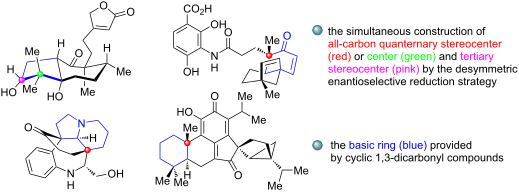
- group [35][36][37]. This catalytic system efficiently overcame the challenge and furnished the coupling product 46 in high yield. Oxidative cleavage of the double bond in 46 followed by Mg(II)-mediated chelation-controlled Friedel–Crafts cyclization delivered secondary alcohol 47, which was elaborated

Graphical Abstract

Figure 1: Several representative terpenoid and alkaloid natural products synthesized by applying desymmetric ...
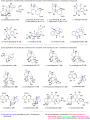
Figure 2: Selected terpenoid and alkaloid natural products synthesized by applying desymmetric enantioselecti...

Scheme 1: The total synthesis of (+)-aplysiasecosterol A (6) by Li [14].

Scheme 2: The total synthesis of (−)-cyrneine A by Han [31].

Scheme 3: The total syntheses of three cyrneine diterpenoids by Han [31,32].

Scheme 4: The total synthesis of (−)-hamigeran B and (−)-4-bromohamigeran B by Han [51].

Scheme 5: The total synthesis of (+)-randainin D by Baudoin [53].
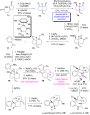
Scheme 6: The total synthesis of (−)-hunterine A and (−)-aspidospermidine by Stoltz [58].

Scheme 7: The total synthesis of (+)-toxicodenane A by Han [65,66].
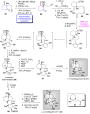
Scheme 8: The formal total synthesis of (−)-conidiogeone B and total synthesis of (−)-conidiogeone F by Lee a...

Scheme 9: The total syntheses of four conidiogenones natural products by Lee and Han [72].

Scheme 10: The total synthesis of (−)-platensilin by Lou and Xu [82].

Scheme 11: The total synthesis of (−)-platencin and (−)-platensimycin by Lou and Xu [82].

Scheme 12: The total synthesis of (+)-isochamaecydin and (+)-chamaecydin by Han [86].
Bioinspired total syntheses of natural products: a personal adventure
- Zhengyi Qin,
- Yuting Yang,
- Nuran Yan,
- Xinyu Liang,
- Zhiyu Zhang,
- Yaxuan Duan,
- Huilin Li and
- Xuegong She
Beilstein J. Org. Chem. 2025, 21, 2048–2061, doi:10.3762/bjoc.21.160
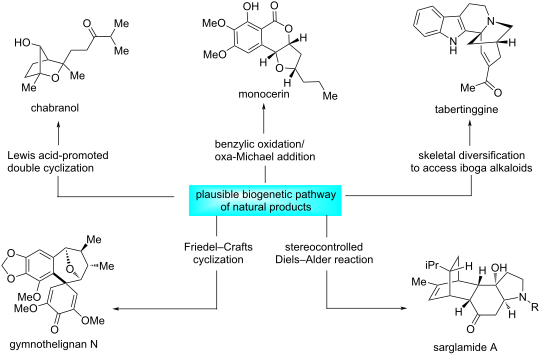
- reduction of ketone using SmI2 and propionaldehyde provided 15 diastereoselectively. Friedel–Crafts cyclization using trimethyl orthoformate and TMSOTf provided the cyclic acetal moiety to be oxidized with PDC, delivering the isocoumarin skeleton in 16. Chemoselective removal of the ester with the lactone
- Friedel–Crafts reaction. Next, the cyclohexadienone moiety could be activated by an acid to undergo a rearrangement reaction to provide eupomatilone. The exocyclic THF ring might exist as diverse forms such as hemiacetal, acetal, lactone or acetal-linked dimer. The (hemi)acetal moiety could generate an
- oxa-carbenium cation triggered by an acid to proceed a Friedel–Crafts reaction to afford the dibenzocyclooctene skeleton. On the other hand, eupomatilone would undergo redox transformations to generate another oxa-carbenium cation to undergo a Friedel–Crafts reaction to form a spirocyclic skeleton

Graphical Abstract

Figure 1: Representative natural products with biomimetic total synthesis.

Scheme 1: Bioinspired total synthesis of chabranol (2010).

Scheme 2: Proposed biosynthetic pathway of monocerin-family natural products.

Scheme 3: Bioinspired total synthesis of monocerin-family molecules (2013).
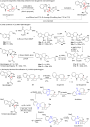
Scheme 4: Bioinspired skeletal diversification of (12-MeO-)tabertinggine (2016).

Scheme 5: Structures and our proposed biosynthetic pathway of gymnothelignans.

Scheme 6: Bioinspired total synthesis of gymnothelignans (2014–2025).
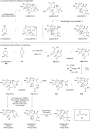
Scheme 7: Bioinspired total synthesis of sarglamides (2025).
Enantioselective desymmetrization strategy of prochiral 1,3-diols in natural product synthesis
- Lihua Wei,
- Rui Yang,
- Zhifeng Shi and
- Zhiqiang Ma
Beilstein J. Org. Chem. 2025, 21, 1932–1963, doi:10.3762/bjoc.21.151
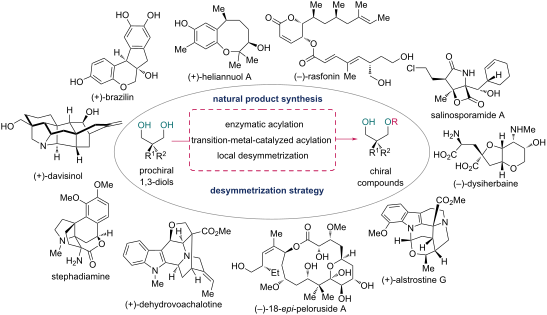
- sequence including oxidation and subsequent hydrogenation. The Huang group reported their synthesis of (+)-brazilin and its racemic form in 2022 (Scheme 5) [34]. They first evaluated the feasibility of the Prins/Friedel–Crafts tandem reaction in the construction of the 6/6/5/6 tetracyclic skeleton
- 62% ee. A two-step conversion of 34 gave diol 35, which underwent Prins/Friedel–Crafts tandem cyclization to construct tetracyclic compound 36. Final deprotection delivered (+)-brazilin (37). Candida antarctica lipase (CAL) CAL is a type of lipase originating from the yeast Candida antarctica and

Graphical Abstract

Scheme 1: General mechanism of a lipase-catalyzed esterification.

Scheme 2: Shishido’s synthesis of (−)-xanthorrhizol (4) and (+)-heliannuol D (8).

Scheme 3: Shishido’s synthesis of a) (−)-heliannuol A (15) and b) heliannuol G (20) and heliannuol H (21).

Scheme 4: Deska’s synthesis of hyperione A (30) and ent-hyperione B (31).

Scheme 5: Huang’s synthesis of (+)-brazilin (37).

Scheme 6: Shishido’s synthesis of (−)-heliannuol D (42) and (+)-heliannuol A (43).

Scheme 7: Chênevert’s synthesis of (S)-α-tocotrienol (49).

Scheme 8: Kita’s synthesis of monoester 53.

Scheme 9: Kita’s synthesis of fredericamycin A (60).

Scheme 10: Takabe’s synthesis of (E)-3,7-dimethyl-2-octene-1,8-diol (64).

Scheme 11: Takabe’s synthesis of (18S)-variabilin (70).

Scheme 12: Kawasaki’s synthesis of (S)-Rosaphen (74) and (R)-Rosaphen (75).

Scheme 13: Tokuyama’s synthesis of a) (−)-petrosin (84) and b) (+)-petrosin (86).

Scheme 14: Fukuyama’s synthesis of leustroducsin B (96).
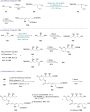
Scheme 15: Nanda’s synthesis of a) fragment 100, b) fragment 106 and c) (−)-rasfonin (109).

Scheme 16: Davies’ synthesis of (+)-pilocarpine (115) and (+)-isopilocarpine (116).

Scheme 17: Ōmura’s synthesis of salinosporamide A (125).

Scheme 18: Kang’s synthesis of ʟ-cladinose (124) and its derivative.

Scheme 19: Kang’s preparation of fragment 139.
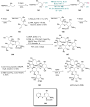
Scheme 20: Kang’s synthesis of azithromycin (149).

Scheme 21: Kang’s synthesis of (−)-dysiherbaine (156).

Scheme 22: Kang’s synthesis of (−)-kaitocephalin (166).

Scheme 23: Kang’s synthesis of laidlomycin (180).

Scheme 24: Snyder’s synthesis of arboridinine (190).
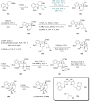
Scheme 25: Ma’s synthesis of (+)-alstrostine G (203).
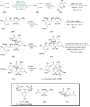
Scheme 26: Trost’s synthesis of (−)-18-epi-peloruside A (215).

Scheme 27: Lindel’s synthesis of (–)-dihydroraputindole (223).

Scheme 28: Iwata’s synthesis of a) (−)-talaromycin B (232) and b) (+)-talaromycin A (235).

Scheme 29: Cook’s synthesis of a) (−)-vincamajinine (240) and b) (−)-11-methoxy-17-epivincamajine (245).

Scheme 30: Cook’s synthesis of (+)-dehydrovoachalotine (249) and voachalotine (250).
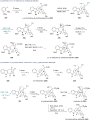
Scheme 31: Cook’s synthesis of a) (−)-12-methoxy-Nb-methylvoachalotine (257) and b) (+)-polyneuridine, macusin...

Scheme 32: Trauner’s synthesis of stephadiamine (273).

Scheme 33: Garg’s synthesis of (–)-ψ-akuammigine (285).

Scheme 34: Ding’s synthesis of (+)-18-benzoyldavisinol (293) and (+)-davisinol (294).
Photoswitches beyond azobenzene: a beginner’s guide
- Michela Marcon,
- Christoph Haag and
- Burkhard König
Beilstein J. Org. Chem. 2025, 21, 1808–1853, doi:10.3762/bjoc.21.143

Graphical Abstract

Figure 1: Energy diagram of a two-state photoswitch. Figure 1 was redrawn from [2].

Figure 2: Example of the absorption spectra of the isomers of a photoswitch with most efficient irradiation w...

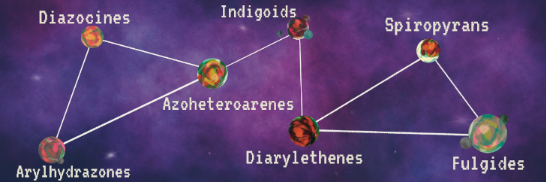
Scheme 1: Photoswitch classes described in this review.

Figure 3: Azoheteroarenes.

Scheme 2: E–Z Isomerisation (top) and mechanisms of thermal Z–E isomerisation (bottom).

Scheme 3: Rotation mechanism favoured by the electron displacement in push–pull systems. Selected examples of...

Figure 4: A) T-shaped and twisted Z-isomers determine the thermal stability and the Z–E-PSS (selected example...

Figure 5: Effect of di-ortho-substitution on thermal half-life and PSS.

Figure 6: Selected thermal lifetimes of azoindoles in different solvents and concentrations. aConcentration o...

Figure 7: Aryliminopyrazoles: N-pyrazoles (top) and N-phenyl (bottom).

Scheme 4: Synthesis of symmetrical heteroarenes through oxidation (A), reduction (B), and the Bayer–Mills rea...

Scheme 5: Synthesis of diazonium salt (A); different strategies of azo-coupling: with a nucleophilic ring (B)...

Scheme 6: Synthesis of arylazothiazoles 25 (A) and heteroaryltriazoles 28 (B).

Scheme 7: Synthesis of heteroarylimines 31a,b [36-38].

Figure 8: Push–pull non-ionic azo dye developed by Velasco and co-workers [45].

Scheme 8: Azopyridine reported by Herges and co-workers [46].

Scheme 9: Photoinduced phase transitioning azobispyrazoles [47].

Figure 9: Diazocines.

Scheme 10: Isomers, conformers and enantiomers of diazocine.

Scheme 11: Partial overlap of the ππ* band with electron-donating substituents and effect on the PSS. Scheme 11 was ada...

Figure 10: Main properties of diazocines with different bridges. aMeasured in n-hexane [56]. bMeasured in THF. cMe...

Scheme 12: Synthesis of symmetric diazocines.

Scheme 13: Synthesis of asymmetric diazocines.

Scheme 14: Synthesis of O- and S-heterodiazocines.

Scheme 15: Synthesis of N-heterodiazocines.

Scheme 16: Puromycin diazocine photoswitch [60].

Figure 11: Indigoids.

Figure 12: The main representatives of the indigoid photoswitch class.

Scheme 17: Deactivation process that prevents Z-isomerisation of indigo.

Figure 13: Stable Z-indigo derivative synthesised by Wyman and Zenhäusern [67].

Figure 14: Selected examples of indigos with aliphatic and aromatic substituents [68]. Dashed box: proposed π–π in...

Scheme 18: Resonance structures of indigo and thioindigo involving the phenyl ring.

Scheme 19: Possible deactivation mechanism for 4,4'-dihydroxythioindigo [76].

Scheme 20: Effect of different heteroaryl rings on the stability and the photophysical properties of hemiindig...

Figure 15: Thermal half-lives of red-shifted hemithioindigos in toluene [79]. aMeasured in toluene-d8.

Scheme 21: Structures of pyrrole [81] and imidazole hemithioindigo [64].

Figure 16: Examples of fully substituted double bond hemithioindigo (left), oxidised hemithioindigos (centre),...

Scheme 22: Structure of iminothioindoxyl 72 (top) and acylated phenyliminoindolinone photoswitch 73 (bottom). ...

Scheme 23: (top) Transition states of iminothioindoxyl 72. The planar transition state is associated with a lo...

Scheme 24: Baeyer–Drewsen synthesis of indigo (top) and N-functionalisation strategies (bottom).

Scheme 25: Synthesis of hemiindigo.

Scheme 26: Synthesis of hemithioindigo and iminothioindoxyl.

Scheme 27: Synthesis of double-bond-substituted hemithioindigos.

Scheme 28: Synthesis of phenyliminoindolinone.

Scheme 29: Hemithioindigo molecular motor [85].

Figure 17: Arylhydrazones.

Scheme 30: Switching of arylhydrazones. Note: The definitions of stator and rotor are arbitrary.

Scheme 31: Photo- and acidochromism of pyridine-based phenylhydrazones.

Scheme 32: A) E–Z thermal inversion of a thermally stable push–pull hydrazone [109]. B) Rotation mechanism favoured...

Scheme 33: Effect of planarisation on the half-life.

Scheme 34: The longest thermally stable hydrazone switches reported so far (left). Modulation of thermal half-...

Figure 18: Dependency of t1/2 on concentration and hypothesised aggregation-induced isomerisation.

Figure 19: Structure–property relationship of acylhydrazones.

Scheme 35: Synthesis of arylhydrazones.

Scheme 36: Synthesis of acylhydrazones.

Scheme 37: Photoswitchable fluorophore by Aprahamian et al. [115].

Scheme 38: The four-state photoswitch synthesised by the Cigáň group [116].

Figure 20: Diarylethenes.

Scheme 39: Isomerisation and oxidation pathway of E-stilbene to phenanthrene.

Scheme 40: Strategies adapted to avoid E–Z isomerisation and oxidation.
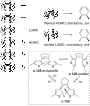
Scheme 41: Molecular orbitals and mechanism of electrocyclisation for a 6π system.

Figure 21: Aromatic stabilisation energy correlated with the thermal stability of the diarylethenes [127,129].

Figure 22: Half-lives of diarylethenes with increasing electron-withdrawing groups [128,129].

Scheme 42: Photochemical degradation pathway promoted by electron-donating groups [130].

Figure 23: The diarylethenes studied by Hanazawa et al. [134]. Increased rigidity leads to bathochromic shift.

Scheme 43: The dithienylethene synthesised by Nakatani's group [135].

Scheme 44: Synthesis of perfluoroalkylated diarylethenes.

Scheme 45: Synthesis of 139 and 142 via McMurry coupling.

Scheme 46: Synthesis of symmetrical derivatives 145 via Suzuki–Miyaura coupling.

Scheme 47: Synthesis of acyclic 148, malonic anhydride 149, and maleimide derivatives 154.

Figure 24: Gramicidin S (top left) and two of the modified diarylethene derivatives: first generation (bottom ...

Scheme 48: Pyridoxal 5'-phosphate and its reaction with an amino acid (top). The analogous dithienylethene der...

Figure 25: Fulgides.

Scheme 49: The three isomers of fulgides.

Scheme 50: Thermal and photochemical side products of unsubstituted fulgide [150].

Figure 26: Maximum absorption λc of the closed isomer compared with the nature of the aromatic ring and the su...

Scheme 51: Possible rearrangement of the excited state of 5-dimethylaminoindolylfulgide [153].

Figure 27: Quantum yields of ring closure (ΦE→C) and E–Z isomerisation (ΦE→Z) correlated with the increasing s...

Scheme 52: Active (Eα) and inactive (Eβ) conformers (left) and the bicyclic sterically blocked fulgide 169 (ri...

Scheme 53: Quantum yield of ring-opening (ΦC→E) and E–Z isomerisation (ΦE→Z) for different substitution patter...

Scheme 54: Stobbe condensation pathway for the synthesis of fulgides 179, fulgimides 181 and fulgenates 178.

Scheme 55: Alternative synthesis of fulgides through Pd-catalysed carbonylation.

Scheme 56: Optimised synthesis of fulgimides [166].

Scheme 57: Photoswitchable FRET with a fulgimide photoswitch [167].

Scheme 58: Three-state fulgimide strategy by Slanina's group.

Figure 28: Spiropyrans.

Scheme 59: Photochemical (left) and thermal (right) ring-opening mechanisms for an exemplary spiropyran with a...

Figure 29: Eight possible isomers of the open merocyanine according to the E/Z configurations of the bonds hig...

Scheme 60: pH-Controlled photoisomerisation between the closed spiropyran 191-SP and the open E-merocyanine 19...

Scheme 61: Behaviour of spiropyran in water buffer according to Andréasson and co-workers [180]. 192-SP in an aqueo...

Scheme 62: (left box) Proposed mechanism of basic hydrolysis of MC [184]. (right box) Introduction of electron-dona...

Scheme 63: Photochemical interconversion of naphthopyran 194 (top) and spirooxazine 195 (bottom) photoswitches...

Scheme 64: Synthesis of spiropyrans and spirooxazines 198 and the dicondensation by-product 199.

Scheme 65: Alternative synthesis of spiropyrans and spirooxazines with indolenylium salt 200.

Scheme 66: Synthesis of 4’-substituted spiropyrans 203 by condensation of an acylated methylene indoline 201 w...

Scheme 67: Synthesis of spironaphthopyrans 210 by acid-catalysed condensation of naphthols and diarylpropargyl...

Scheme 68: Photoswitchable surface wettability [194].

Figure 30: Some guiding principles for the choice of the most suitable photoswitch. Note that this guide is ve...
Research progress on calixarene/pillararene-based controlled drug release systems
- Liu-Huan Yi,
- Jian Qin,
- Si-Ran Lu,
- Liu-Pan Yang,
- Li-Li Wang and
- Huan Yao
Beilstein J. Org. Chem. 2025, 21, 1757–1785, doi:10.3762/bjoc.21.139
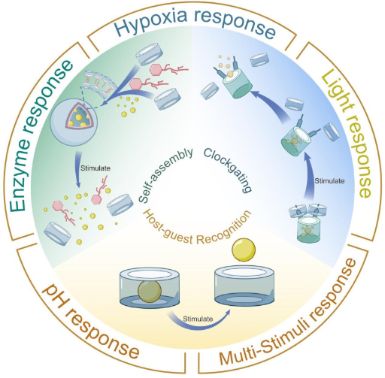
- a hot topic [75]. PAs can be prepared via the Friedel–Crafts condensation, which involves combining 1,4-dimethoxybenzene with paraformaldehyde in the presence of a Lewis acid. The central axis of these aromatic hydrocarbon molecules possesses n fold rotational symmetry [76]. PAs possess highly

Graphical Abstract

Figure 1: Schematic diagram of drug-controlled release mechanisms based on aromatic macrocycles.

Figure 2: Chemical structure of a) calix[n]arene (m = 1,3,5), and b) pillar[n]arene (m = 1,2,3).

Figure 3: Changes in pH conditions cause the release of drugs from CA8 host–guest complexes [101]. Figure 3 was adapted wi...

Figure 4: The illustration of the pH-mediated 1:1 complex formation between the host and guest molecules in a...

Figure 5: Illustration of the pH-responsive self-assembly of mannose-modified CA4 into micelles and the subse...

Figure 6: Illustration of the assembly of supramolecular prodrug nanoparticles from WP6 and DOX-derived prodr...

Figure 7: Illustration of the formation of supramolecular vesicles and their pH-dependent drug release [93]. Figure 7 was...

Figure 8: Schematic illustration of the application of the multifunctional nanoplatform CyCA@POPD in combined...

Figure 9: Illustration of the photolysis of an amphiphilic assembly via CA-induced aggregation [114]. Figure 9 was reprint...
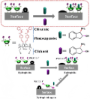
Figure 10: Schematic illustration of drug release controlled by the photo-responsive macroscopic switch based ...

Figure 11: Schematic illustration of the formation process of Azo-SMX and its photoisomerization reaction unde...

Figure 12: Schematic illustration of the enzyme-responsive behavior of supramolecular polymers [95]. Figure 12 was used wit...

Figure 13: Schematic illustration of the amphiphilic assembly of SC4A and its enzyme-responsive applications [119]. ...

Figure 14: Stimuli-responsive nanovalves based on MSNs and choline-SC4A[2]pseudorotaxanes, MSN-C1 with ester-l...

Figure 15: A schematic diagram showing the construction of a supramolecular system by host–guest interaction b...
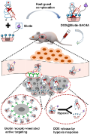
Figure 16: A schematic diagram showing the formation of the host–guest complex DOX@Biotin-SAC4A by biotin modi...

Figure 17: A schematic diagram showing the self-assembly of CA4 into a hypoxia-responsive peptide hydrogel, wh...

Figure 18: Schematic illustration of the formation process of Lip@GluAC4A and the release of Lip under hypoxic...

Figure 19: Schematic illustration of the construction of a supramolecular vesicle based on the host–guest comp...

Figure 20: Schematic illustration of WP6 self-assembly at pH > 7, and the stimulus-responsive drug release beh...

Figure 21: Schematic illustration of the formation of supramolecular vesicles based on the WP5⊃G super-amphiph...

Figure 22: Schematic illustrations of the host–guest recognition of QAP5⊃SXD, the formation of the nanoparticl...

Figure 23: Schematic illustration of the activation of T-SRNs by acid, alkali, or Zn2+ stimuli to regulate the...

Figure 24: Illustration of the triggered release of BH from CP[5]A@MSNs-Q NPs in response to a drop in pH or a...

Figure 25: Illustration of the supramolecular amphiphiles TPENCn@1 (n = 6 and 12) self-assembling with disulfi...
High-pressure activation for the solvent- and catalyst-free syntheses of heterocycles, pharmaceuticals and esters
- Kelsey Plasse,
- Valerie Wright,
- Guoshu Xie,
- R. Bernadett Vlocskó,
- Alexander Lazarev and
- Béla Török
Beilstein J. Org. Chem. 2025, 21, 1374–1387, doi:10.3762/bjoc.21.102
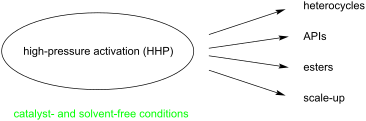
- Mannich reactions [20], lipase-catalyzed esterification [21], nitro-aldol [22], Michael [23], and aza-Michael reactions [24][25], Diels–Alder reactions [26][27] and Friedel–Crafts alkylation of indoles [28]. Many high pressure reactions were applied in natural product synthesis [29]. The high pressure

Graphical Abstract

Figure 1: Simplified schematic rendering of a high hydrostatic pressure reactor.

Scheme 1: High pressure-initiated synthesis of 1,3-dihydrobenzimidazoles 3a–d. The yields are GC yields and t...

Figure 2: Illustration of the cyclization reaction between chalcone (4) and 3-(trifluoromethyl)phenylhydrazin...

Scheme 2: High pressure-initiated catalyst- and solvent-free synthesis of pyrazoles 6a–c from chalcone (4) an...

Figure 3: Schematic representation of the cycling experiments: the major variables are the applied pressure, ...

Scheme 3: High pressure-initiated synthesis of the active pharmaceutical ingredients in Tylenol® and Aspirin®...

Scheme 4: High pressure-initiated esterification of alcohols 12a–g in a catalyst- and additional solvent-free...

Scheme 5: High pressure-initiated large scale syntheses of N-aryl- and N-alkylpyrroles at about 100 g scale.
Oxetanes: formation, reactivity and total syntheses of natural products
- Peter Gabko,
- Martin Kalník and
- Maroš Bella
Beilstein J. Org. Chem. 2025, 21, 1324–1373, doi:10.3762/bjoc.21.101
- unprecedented Fe–Ni dual catalysis (Scheme 36) [86], which constitutes a more versatile alternative to Minisci or Friedel–Crafts alkylations. The reaction couples mono-, di- and trisubstituted olefins with (hetero)aryl halides, and it was used to prepare a relatively large library of 3-alkyl-3-(hetero
- 2020, Bull et al. published a short synthesis of 3-aryloxetan-3-carboxylic acids 152 employing a Friedel–Crafts alkylation (which builds on their previous alkylation of phenols [87]) and a selective furan oxidative cleavage (Scheme 37) [88]. The oxidation protocol uses a catalytic amount of a high
- 178 from 3-aryloxetan-3-ols through a tandem Friedel–Crafts alkylation/intramolecular ring opening (Scheme 45) [87]. The reaction was mostly high yielding and best results were obtained for electron-rich para-substituted phenols, while substituents in the ortho/meta-positions diverted the

Graphical Abstract

Figure 1: Bond lengths and bond angles in oxetane at 140 K [2].

Figure 2: Analogy of 3-substituted oxetanes to carbonyl and gem-dimethyl groups [12].

Figure 3: Use of oxetanes in drug design – selected examples.

Figure 4: Examples of oxetane-containing natural products.

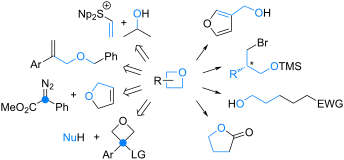
Scheme 1: Synthetic strategies towards construction of the oxetane ring.

Scheme 2: Overview of intramolecular Williamson etherification and competing Grob fragmentation.

Scheme 3: Synthesis of spiro-oxetanes via 1,4-C–H insertion and Williamson etherification.

Scheme 4: Use of phenyl vinyl selenone in the synthesis of spirooxindole oxetanes.

Scheme 5: Synthesis of bicyclic 3,5-anhydrofuranoses via double epoxide opening/etherification.

Scheme 6: Preparation of spirooxetanes by cycloisomerisation via MHAT/RPC.

Scheme 7: Oxetane synthesis via alcohol C–H functionalisation.

Scheme 8: Access to oxetanes 38 from α-acetyloxy iodides.

Scheme 9: The kilogram-scale synthesis of oxetane intermediate 41.

Scheme 10: Overview of the intramolecular opening of 3-membered rings.

Scheme 11: Synthesis of 4,7-dioxatricyclo[3.2.1.03,6]octane skeletons.

Scheme 12: Silicon-directed electrophilic cyclisation of homoallylic alcohols.

Scheme 13: Hydrosilylation–iodocyclisation of homopropargylic alcohols.

Scheme 14: Cu-catalysed intramolecular O-vinylation of γ-bromohomoallylic alcohols.

Scheme 15: Cu-catalysed intramolecular cross-coupling of hydroxyvinylstannanes.

Scheme 16: Isomerisation of oxiranyl ethers containing weakly carbanion-stabilising groups.

Scheme 17: Cyclisation of diethyl haloalkoxymalonates.

Scheme 18: Synthesis of oxetanes through a 1,5-HAT/radical recombination sequence.

Scheme 19: General approach to oxetanes via [2 + 2] cycloadditions.

Scheme 20: Synthesis of tricyclic 4:4:4 oxetanes through a photochemical triple cascade reaction.

Scheme 21: Iridium-catalysed Paternò–Büchi reaction between α-ketoesters and simple alkenes.

Scheme 22: Three-step synthesis of spirocyclic oxetanes 83 via Paternò–Büchi reaction, nucleophilic ring openi...

Scheme 23: Enantioselective Paternò–Büchi reaction catalysed by a chiral iridium photocatalyst.

Scheme 24: Synthesis of polysubstituted oxetanes 92 via Cu(II)-mediated formal [2 + 2] cycloadditions.

Scheme 25: Synthesis of alkylideneoxetanes via NHC- and DBU-mediated formal [2 + 2] cycloadditions.

Scheme 26: Use of sulphur-stabilised carbanions in ring expansions.

Scheme 27: Synthesis of α,α-difluoro(arylthio)methyl oxetanes.

Scheme 28: Ring expansion in an industrial synthesis of PF-06878031.

Scheme 29: Ring contraction of triflated 2-hydroxy-γ-lactones.

Scheme 30: Ring contraction in an industrial synthesis of PF-06878031.

Scheme 31: Photochemical ring contraction of 2,5-dihydrofurans by aryldiazoacetic acid esters.

Scheme 32: Synthesis of 3-oxetanones via O-H insertion of carbenes.

Scheme 33: Synthesis of phosphonate oxetanones via gold-mediated alkyne oxidation/O–H insertion.

Scheme 34: Syntheses and common derivatisations of 3-oxetanone.

Scheme 35: SN1 substitution of 3-aryloxetan-3-ols by thiols and alcohols.

Scheme 36: Fe–Ni dual-catalytic olefin hydroarylation towards 3-alkyl-3-(hetero)aryloxetanes.

Scheme 37: Synthesis of 3-aryloxetan-3-carboxylic acids.

Scheme 38: Decarboxylative alkylation of 3-aryloxetan-3-carboxylic acids.

Scheme 39: Synthesis of 3-amino-3-aryloxetanes via photoredox/nickel cross-coupling catalysis.
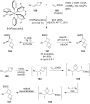
Scheme 40: Intermolecular cross-selective [2 + 2] photocycloaddition towards spirooxetanes.

Scheme 41: Synthesis of 3-aryl-3-aminooxetanes via defluorosulphonylative coupling.

Scheme 42: Two-step synthesis of amide bioisosteres via benzotriazolyl Mannich adducts 170.

Scheme 43: Functionalisation of oxetanyl trichloroacetimidates 172.

Scheme 44: Synthesis of oxetane-amino esters 176.

Scheme 45: Tandem Friedel–Crafts alkylation/intramolecular ring opening of 3-aryloxetan-3-ols.

Scheme 46: Synthesis of polysubstituted furans and pyrroles.

Scheme 47: Synthesis of oxazolines and bisoxazolines.

Scheme 48: Tandem, one-pot syntheses of various polycyclic heterocycles.

Scheme 49: Synthesis of 1,2-dihydroquinolines via skeletal reorganisation of oxetanes.

Scheme 50: Synthesis of benzoindolines and 2,3-dihydrobenzofurans and their derivatisations.

Scheme 51: Synthesis of polysubstituted 1,4-dioxanes.

Scheme 52: Preparation of various lactones via ring opening of oxetane-carboxylic acids 219.

Scheme 53: Tsuji-Trost allylation/ring opening of 3-aminooxetanes.

Scheme 54: Arylative skeletal rearrangement of 3-vinyloxetan-3-ols to 2,5-dihydrofurans.

Scheme 55: Reductive opening of oxetanes using catalytic Mg–H species.

Scheme 56: Opening of oxetanes by silyl ketene acetals.

Scheme 57: Rhodium-catalysed hydroacylation of oxetanes.

Scheme 58: Generation of radicals from oxetanes mediated by a vitamin B12-derived cobalt catalyst.

Scheme 59: Reductive opening of oxetanes by B–Si frustrated Lewis pairs.
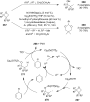
Scheme 60: Zirconocene-mediated reductive opening of oxetanes.

Scheme 61: Enantioselective syntheses of small and medium-size rings using chiral phosphoric acids.

Scheme 62: Asymmetric synthesis of 2,3-dihydrobenzo[b]oxepines catalysed by a chiral scandium complex.

Scheme 63: Enantioselective synthesis of 1,3-bromohydrins under a chiral squaramide catalysis.

Scheme 64: Enantioselective opening of 2-aryl-2-ethynyloxetanes by anilines.

Scheme 65: Ru-catalysed insertion of diazocarbonyls into oxetanes.

Scheme 66: Ring expansion of oxetanes by stabilised carbenes generated under blue light irradiation.

Scheme 67: Expansion of oxetanes via nickel-catalysed insertion of alkynyltrifluoroborates.

Scheme 68: Nickel-catalysed expansion of oxetanes into ε-caprolactones.

Scheme 69: Expansion of oxetanes via cobalt-catalysed carbonyl insertion.

Scheme 70: Gold-catalysed intramolecular 1,1-carboalkoxylation of oxetane-ynamides.

Scheme 71: Expansion of oxetanes by stabilised sulphoxonium ylides.

Scheme 72: Cu-catalysed ring expansion of 2-vinyloxetanes by diazoesters.

Scheme 73: Total synthesis of (+)-oxetin.

Scheme 74: Total synthesis of racemic oxetanocin A.

Scheme 75: Total synthesis of (−)-merrilactone A.
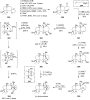
Scheme 76: Total synthesis of (+)-dictyoxetane.

Scheme 77: Total synthesis of ent-dichrocephone B.

Scheme 78: Total synthesis of (−)-mitrephorone A.
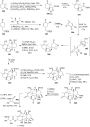
Scheme 79: Total synthesis of (−)-taxol.
Selective monoformylation of naphthalene-fused propellanes for methylene-alternating copolymers
- Kenichi Kato,
- Tatsuki Hiroi,
- Seina Okada,
- Shunsuke Ohtani and
- Tomoki Ogoshi
Beilstein J. Org. Chem. 2025, 21, 1183–1191, doi:10.3762/bjoc.21.95
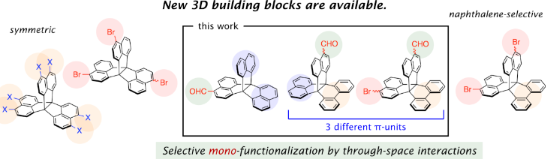
- interactions between the naphthalene units. The monoformyl products are reduced to corresponding alcohols, which are then reacted under Friedel–Crafts conditions. Amorphous methylene-alternating copolymers are obtained without particular macrocyclic oligomers. Due to the 3D components, the linear copolymers
- -fused propellanes simply by reduction into the corresponding alcohols followed by acid-mediated Friedel–Crafts-type reactions (Figure 2a and Figure S201 in Supporting Information File 1) [67][68]. Reduction by NaBH4 proceeded well for both monoaldehydes [4.3.3]_CHO and [3.3.3]_CHO resulting in over 90

Graphical Abstract

Figure 1: Chemical structures of fully π-fused propellanes and their typical reaction patterns toward electro...

Figure 2: a) Synthesis of methylene-alternating copolymers of fully π-fused propellanes. DCE, 1,2-dichloroeth...

Figure 3: Gas adsorption (filled circles) and desorption (open circles) isotherms of [3.3.3]_oligo (dark red)...
Recent advances in controllable/divergent synthesis
- Jilei Cao,
- Leiyang Bai and
- Xuefeng Jiang
Beilstein J. Org. Chem. 2025, 21, 890–914, doi:10.3762/bjoc.21.73

- Friedel–Crafts-type addition and protonation to complete ortho-position cyclization. In contrast, para-position cyclization was exclusively achieved through π–π interactions between the electron-rich X-phos ligand and the substrate, compensating for the electron-deficient nature of the aromatic system and

Graphical Abstract

Scheme 1: Ligand-controlled regiodivergent C1 insertion into arynes [19].

Scheme 2: Ligand effect in homogenous gold catalysis enabling regiodivergent π-bond-activated cyclization [20].

Scheme 3: Ligand-controlled palladium(II)-catalyzed regiodivergent carbonylation of alkynes [21].
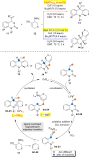
Scheme 4: Catalyst-controlled annulations of strained cyclic allenes with π-allyl palladium complexes and pro...

Scheme 5: Ring expansion of benzosilacyclobutenes with alkynes [23].

Scheme 6: Photoinduced regiodivergent and enantioselective cross-coupling [24].

Scheme 7: Catalyst-controlled regiodivergent and enantioselective formal hydroamination of N,N-disubstituted ...

Scheme 8: Catalyst-tuned regio- and enantioselective C(sp3)–C(sp3) coupling [31].

Scheme 9: Catalyst-controlled annulations of bicyclo[1.1.0]butanes with vinyl azides [32].

Scheme 10: Solvent-driven reversible macrocycle-to-macrocycle interconversion [39].

Scheme 11: Unexpected solvent-dependent reactivity of cyclic diazo imides and mechanism [40].

Scheme 12: Palladium-catalyzed annulation of prochiral N-arylphosphonamides with aromatic iodides [41].

Scheme 13: Time-dependent enantiodivergent synthesis [42].

Scheme 14: Time-controlled palladium-catalyzed divergent synthesis of silacycles via C–H activation [43].

Scheme 15: Proposed mechanism for the time-controlled palladium-catalyzed divergent synthesis of silacycles [43].

Scheme 16: Metal-free temperature-controlled regiodivergent borylative cyclizations of enynes [45].

Scheme 17: Nickel-catalyzed switchable site-selective alkene hydroalkylation by temperature regulation [46].

Scheme 18: Copper-catalyzed decarboxylative amination/hydroamination sequence [48].

Scheme 19: Proposed mechanism of copper-catalyzed decarboxylative amination/hydroamination sequence [48].

Scheme 20: Enantioselective chemodivergent three-component radical tandem reactions [49].

Scheme 21: Substrate-controlled synthesis of indoles and 3H-indoles [52].

Scheme 22: Controlled mono- and double methylene insertions into nitrogen–boron bonds [53].

Scheme 23: Copper-catalyzed substrate-controlled carbonylative synthesis of α-keto amides and amides [54].

Scheme 24: Divergent sulfur(VI) fluoride exchange linkage of sulfonimidoyl fluorides and alkynes [55].

Scheme 25: Modular and divergent syntheses of protoberberine and protonitidine alkaloids [56].
Development and mechanistic studies of calcium–BINOL phosphate-catalyzed hydrocyanation of hydrazones
- Carola Tortora,
- Christian A. Fischer,
- Sascha Kohlbauer,
- Alexandru Zamfir,
- Gerd M. Ballmann,
- Jürgen Pahl,
- Sjoerd Harder and
- Svetlana B. Tsogoeva
Beilstein J. Org. Chem. 2025, 21, 755–765, doi:10.3762/bjoc.21.59
- through calcium catalysis [8][9][10]. Asymmetric synthesis has also been achieved via, e.g., 1,4-addition and [3 + 2] cycloaddition of 3-tetrasubstituted oxindoles with a calcium Pybox catalyst [11][12], or through enantioselective Friedel–Crafts and carbonyl–ene reactions [13]. Since the pioneering

Graphical Abstract

Figure 1: Crystal structure of the calcium diphenyl phosphate complex 4. Hydrogen atoms are omitted for clari...

Scheme 1: Synthesis of the calcium diphenyl phosphate model complex 4 from phosphoric acid 3 and Ca(OiPr)2.

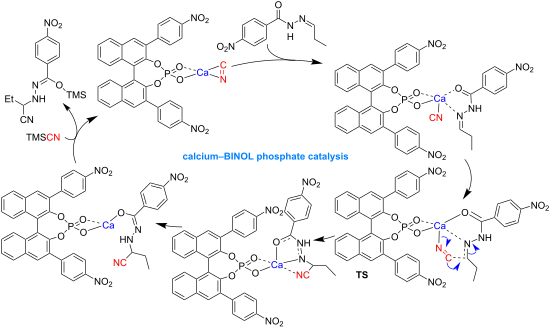
Figure 2: (A) Proposed catalytic cycle for the hydrocyanation of hydrazones with the Ca–BINOL phosphate catal...

Figure 3: Reaction energy profile for the hydrocyanation of Z-hydrazone 1, (depicted is the pathway that give...

Figure 4: Transition-state structure TS 8 for internal rotation, mixing conformational (Z/E)-pathways with op...

Figure 5: Replacement step after internal rotation in 11 via TS8 and reaction with TMSCN to give adduct 13 (s...
Cu(OTf)2-catalyzed multicomponent reactions
- Sara Colombo,
- Camilla Loro,
- Egle M. Beccalli,
- Gianluigi Broggini and
- Marta Papis
Beilstein J. Org. Chem. 2025, 21, 122–145, doi:10.3762/bjoc.21.7

- involves a Friedel–Crafts alkylation of the arene followed by hydroamination (Scheme 6) [5]. The mechanism plausibly starts with the in situ formation of triflic acid from Cu(OTf)2 which leads to protonation of the oxygen atom of the alcohol with generation of the activated allyl alcohol. This latter gives
- the allyl carbenium ion VI through the loss of a molecule of water, then undergoes a Friedel–Crafts alkylation by attack of the aromatic partner. The outcome of the reaction proceeds through a Markovnikov protonation of the allylated arene VII by triflic acid, which generates the carbocation

Graphical Abstract

Figure 1: Plausible general catalytic activation for ionic or radical mechanisms.

Scheme 1: Synthesis of α-aminonitriles 1.

Scheme 2: Synthesis of β-amino ketone or β-amino ester derivatives 3.

Scheme 3: Synthesis of 1-(α-aminoalkyl)-2-naphthol derivatives 4.

Scheme 4: Synthesis of thioaminals 5.

Scheme 5: Synthesis of aryl- or amine-containing alkanes 6 and 7.
Scheme 6: Synthesis of 1-aryl-2-sulfonamidopropanes 8.

Scheme 7: Synthesis of α-substituted propargylamines 10.

Scheme 8: Synthesis of N-propargylcarbamates 11.

Scheme 9: Synthesis of (E)-vinyl sulfones 12.

Scheme 10: Synthesis of o-halo-substituted aryl chalcogenides 13.

Scheme 11: Synthesis of α-aminophosphonates 14.

Scheme 12: Synthesis of unsaturated furanones and pyranones 15–17.
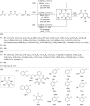
Scheme 13: Synthesis of substituted dihydropyrimidines 18.

Scheme 14: Regioselective synthesis of 1,4-dihydropyridines 20.

Scheme 15: Synthesis of tetrahydropyridines 21.

Scheme 16: Synthesis of furoquinoxalines 22.

Scheme 17: Synthesis of 2,4-substituted quinolines 23.

Scheme 18: Synthesis of cyclic ether-fused tetrahydroquinolines 24.

Scheme 19: Practical route for 1,2-dihydroisoquinolines 25.

Scheme 20: Synthesis of 2,3-dihydroquinazolin-4(1H)-one derivatives 26.

Scheme 21: Synthesis of polysubstituted pyrroles 27.

Scheme 22: Enantioselective synthesis of polysubstituted pyrrolidines 30 directed by the copper complex 29.

Scheme 23: Synthesis of 4,5-dihydropyrazoles 31.

Scheme 24: Synthesis of 2 arylisoindolinones 32.

Scheme 25: Synthesis of imidazo[1,2-a]pyridines 33.

Scheme 26: Synthesis of isoxazole-linked imidazo[1,2-a]azines 35.

Scheme 27: Synthesis of 2,3-dihydro-1,2,4-triazoles 36.

Scheme 28: Synthesis of naphthopyrans 37.

Scheme 29: Synthesis of benzo[g]chromene derivatives 38.

Scheme 30: Synthesis of naphthalene annulated 2-aminothiazoles 39, piperazinyl-thiazoloquinolines 40 and thiaz...

Scheme 31: Synthesis of furo[3,4-b]pyrazolo[4,3-f]quinolinones 42.

Scheme 32: Synthesis of spiroindoline-3,4’-pyrano[3,2-b]pyran-4-ones 43.

Scheme 33: Synthesis of N-(α-alkoxy)alkyl-1,2,3-triazoles 44.

Scheme 34: Synthesis of 4-(α-tetrasubstituted)alkyl-1,2,3-triazoles 45.
Synthesis of acenaphthylene-fused heteroarenes and polyoxygenated benzo[j]fluoranthenes via a Pd-catalyzed Suzuki–Miyaura/C–H arylation cascade
- Merve Yence,
- Dilgam Ahmadli,
- Damla Surmeli,
- Umut Mert Karacaoğlu,
- Sujit Pal and
- Yunus Emre Türkmen
Beilstein J. Org. Chem. 2024, 20, 3290–3298, doi:10.3762/bjoc.20.273
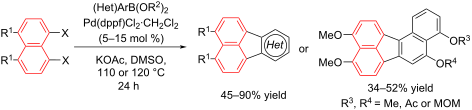
- ][27], as well as Friedel–Crafts [28] and Prins-type [29] reactions have been developed to date [2]. However, methods that enable access to the analogous acenaphthylene-fused heteroarenes are less common [30][31][32][33][34][35][36][37][38][39]. In one such study, Würthner and co-workers reported a Pd

Graphical Abstract

Figure 1: Examples of important azafluoranthene and benzo[j]fluoranthene natural products, and acenaphthylene...

Scheme 1: Selected synthetic strategies towards heterocyclic fluoranthene analogues, and our approach.

Scheme 2: Synthesis of benzo[j]fluoranthene 18.

Scheme 3: Synthesis of benzo[j]fluoranthene 23.

Scheme 4: Synthesis of benzo[j]fluoranthene 28.
Non-covalent organocatalyzed enantioselective cyclization reactions of α,β-unsaturated imines
- Sergio Torres-Oya and
- Mercedes Zurro
Beilstein J. Org. Chem. 2024, 20, 3221–3255, doi:10.3762/bjoc.20.268
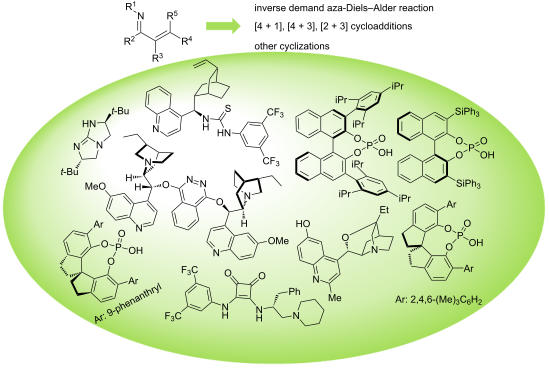
- authors proposed a possible mechanism for the reaction which is depicted in Scheme 20. The chiral phosphoric acid activates both the azoalkene acting as a Brønsted acid and the indole acting as a Lewis base promoting a Friedel–Crafts-type 1,4-addition of the indole to the azoalkene. In this manner, a

Graphical Abstract

Figure 1: Reactivity of α,β-unsaturated imines and variety of structures.

Figure 2: The hetero-Diels–Alder and inverse electron demand hetero-Diels–Alder reactions.

Figure 3: Different strategies to promote the activation of dienes and dienophiles in IEDADA reactions.

Figure 4: Examples of non-covalent interactions in organocatalysis.

Scheme 1: Enantioselective bifunctional thiourea-catalyzed inverse electron demand Diels–Alder reaction of N-...

Scheme 2: Cinchona-derived thiourea-catalyzed stereoselective (3 + 2) reaction of α,β-unsaturated imines and ...

Scheme 3: Cinchona-derived thiourea-catalyzed stereoselective (3 + 2)/(4 + 2) cascade reaction of α,β-unsatur...
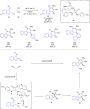
Scheme 4: Enantioselective bifunctional squaramide-catalyzed formal [4 + 2] cycloaddition of malononitrile wi...
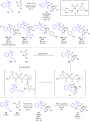
Scheme 5: Bifunctional squaramide-catalyzed IEDADA reaction of saccharin-derived 1-azadienes and azlactones.

Scheme 6: Chiral guanidine-catalyzed enantioselective (4+1) cyclization of benzofuran-derived azadienes with ...
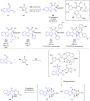
Scheme 7: Bifunctional squaramide-catalyzed [4 + 2] cyclization of benzofuran-derived azadienes and azlactone...
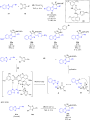
Scheme 8: Chiral bifunctional squaramide-catalyzed domino Mannich/formal [4 + 2] cyclization of 2-benzothiazo...
Scheme 9: Chiral bifunctional thiourea-catalyzed formal IEDADA reaction of β,γ-unsaturated ketones and benzof...

Scheme 10: Dihydroquinine-derived squaramide-catalyzed (3 + 2) cycloaddition reaction of isocyanoacetates and ...

Scheme 11: Enantioselective squaramide-catalyzed asymmetric IEDADA reaction of benzofuran-derived azadienes an...

Scheme 12: Scale up and derivatizations of benzofuran-fused 2-piperidinol derivatives.

Scheme 13: Dihydroquinine-derived squaramide-catalyzed Mannich-type reaction of isocyanoacetates with N-(2-ben...

Figure 5: Structure of a cinchona alkaloid and (DHQD)2PHAL.

Scheme 14: Enantioselective modified cinchona alkaloid-catalyzed [4 + 2] annulation of γ-butenolides and sacch...

Scheme 15: Chiral tertiary amine-catalyzed [2 + 4] annulation of cyclic 1-azadiene with γ-nitro ketones.

Scheme 16: Inverse electron demand aza-Diels–Alder reaction (IEDADA) of 1-azadienes with enecarbamates catalyz...

Scheme 17: Phosphoric acid-catalyzed enantioselective [4 + 2] cycloaddition of benzothiazolimines and enecarba...

Scheme 18: Phosphoric acid-catalyzed enantioselective inverse electron demand aza-Diels–Alder reaction of in s...

Scheme 19: Proposed reaction mechanism for the phosphoric acid-catalyzed enantioselective inverse electron dem...

Scheme 20: Enantioselective dearomatization of indoles by a (3 + 2) cyclization with azoalkenes catalyzed by a...

Scheme 21: Synthetic applicability of the pyrroloindoline derivatives.

Scheme 22: Chiral phosphoric acid-catalyzed (2 + 3) dearomative cycloaddition of 3-alkyl-2-vinylindoles with a...
Scheme 23: Chiral phosphoric acid-catalyzed asymmetric [4 + 2] cycloaddition of aurone-derived 1-azadienes and...

Scheme 24: Phosphoric acid-catalyzed enantioselective formal [4 + 2] cycloaddition of dienecarbamates and 2-be...

Scheme 25: Chiral phosphoric acid-catalyzed asymmetric inverse electron demand aza-Diels–Alder reaction of 1,3...

Scheme 26: Chiral phosphoric acid-catalyzed asymmetric Attanasi reaction between 1,3-dicarbonyl compounds and ...

Scheme 27: Synthetic applicability of the NPNOL derivatives.
Scheme 28: Chiral phosphoric acid-catalyzed asymmetric intermolecular formal (3 + 2) cycloaddition of azoalken...

Scheme 29: Enantioselective [4 + 2] cyclization of α,β-unsaturated imines and azlactones.

Scheme 30: Catalytic cycle for the chiral phosphoric acid-catalyzed enantioselective [4 + 2] cyclization of α,...
N-Glycosides of indigo, indirubin, and isoindigo: blue, red, and yellow sugars and their cancerostatic activity
- Peter Langer
Beilstein J. Org. Chem. 2024, 20, 2840–2869, doi:10.3762/bjoc.20.240
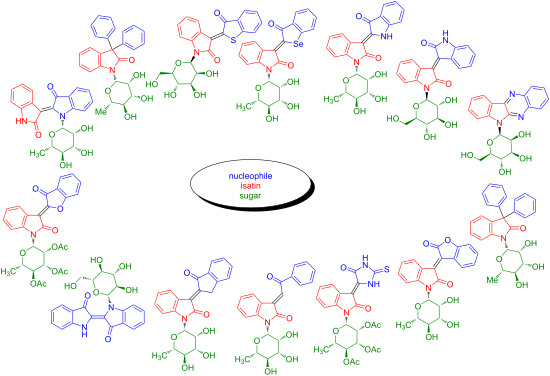
- described above, glycosides 81 were inactive against cancer and melanoma cell lines. 3,3-Diaryloxindole-N-glycosides The Friedel–Crafts acylation of isatin-N-rhamnoside β-16a with benzene (82a) afforded 3,3-diphenyloxindole-N-rhamnoside β-83a in 94% yield (Scheme 44) [63]. Deprotection of the latter
- afforded β-84a in 88% yield. Friedel–Crafts acylation of isatin-N-glycosides β-16c–e with benzene, toluene, anisole, and N,N-dimethylaniline and subsequent deprotection afforded 3,3-diaryloxindole-N-glycosides β-84b–l (Scheme 45) [63]. Some of the products showed antiproliferative activity against

Graphical Abstract

Scheme 1: Structures of indigo (1a), indirubin (2a) and isoindigo (3a).

Scheme 2: Structures of akashins A–C.
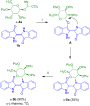
Scheme 3: Synthesis of 5b. Reagents and conditions: i) TMSOTf, 4 Å MS, CH2Cl2, −20 °C, 1.5 h, then 20 °C, 8–1...
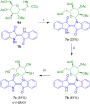
Scheme 4: Synthesis of 7c. Reagents and conditions: i) TMSOTf, 4 Å MS, CH2Cl2, −18 °C, 3 h; then: TMSOTf, 4 Å...

Scheme 5: Synthesis of 1d. Reagents and conditions: i) chloroacetic acid, Na2CO3, reflux, 6 h; ii) Ac2O, NaOA...

Scheme 6: Synthesis of 10e. Reagents and conditions: i) p-TsOH·H2O, acetonitrile, MeOH, 1 d; ii) NIS, PPh3, D...

Scheme 7: Synthesis of akashins A–C. Reagents and conditions: i) TMSOTf, 4 Å MS, CH2Cl2, −18 to 20 °C, 15 h; ...
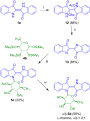
Scheme 8: Synthesis of 5d. Reagents and conditions: i) KMnO4, AcOH, high-power-stirring (12.000 rot/min), 20 ...

Scheme 9: Possible mechanism of the formation of 5c.

Scheme 10: Synthesis of 7d. Reagents and conditions: i) 1) CH2Cl2, 2) Me3SiI, 20 °C, 30 min, 3) 0 °C, 30 min, ...

Scheme 11: Synthesis of α-15b. Reagents and conditions: i) 1) CH2Cl2, 2) Me3SiI, 20 °C, 30 min, 3) 0 °C, 30 mi...

Scheme 12: Synthesis of isatin-N-glycosides 16a–f. Reagents and conditions: i) PhNH2, EtOH, 20 °C, 12 h; ii) Ac...
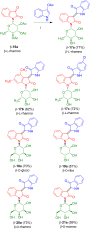
Scheme 13: Synthesis of 17–21. Reagents and conditions: i) Na2CO3, MeOH, 20 °C, 4 h.

Scheme 14: Synthesis of indirubin-N-glycosides α-17a and α-17b.

Scheme 15: Synthesis of β-17f. Reagents and conditions: i) 1) Na2CO3, MeOH, 20 °C, 4 h, 2) Ac2O/pyridine 1:1, ...

Scheme 16: Synthesis of β-24a. Reagents and conditions: i) n-PrOH, H2O, formic acid (buffer, 100 mM), 2 h, 65 ...

Scheme 17: Synthesis of isatin-N-glycosides 23b–g and 24b–g.

Scheme 18: Synthesis of β-29a,b. Reagents and conditions: i) EtOH, 20 °C, 12 h; ii) DDQ, dioxane, 20 °C, 12 h;...

Scheme 19: Synthesis of β-31a. Reagents and conditions: i) Na2SO3, dioxane, H2O, 110 °C, 2 d; ii) piperidine, ...

Scheme 20: Synthesis of 33a–d. Reagents and conditions: i) Ac2O, AcOH, NaOAc, 80 °C, 1 h; ii) 1) NaOMe, anhydr...

Scheme 21: Indirubins 34 and 35.

Scheme 22: Synthesis of 36f. Reagents and conditions: i) NaOH, H2O, 20 °C, 5 h; ii) HCl, NaNO2, H2O, −14 °C; i...

Scheme 23: Synthesis of 38a–h. Reagents and conditions: i) 1) 0.1 equiv NaOMe, MeOH, 20 °C, 15–20 min, 2) HOAc...

Scheme 24: Synthesis of 40a–h. Reagents and conditions: i) method A: EtOH/THF, cat. KOt-Bu, 20 °C, 3–4.5 h; me...

Scheme 25: Synthesis of 41a–d. Reagents and conditions: i) Ac2O, AcOH, NaOAc, 80 °C, 1 h.

Scheme 26: Synthesis of 41e. Reagents and conditions: i) AcOH, NaOAc, 110 °C, 24 h.

Scheme 27: Synthesis of E-β-43a–e and E-β-44a,b. Reagents and conditions: i) 1) NEt3, EtOH, 20 °C, 12 h, 2) DM...

Scheme 28: Synthesis of E-43f. Reagents and conditions: i) Na2CO3, MeOH, 20 °C, 6–24 h.

Scheme 29: Synthesis of 46a–m. Reagents and conditions: i) NEt3 (1 equiv), EtOH, 20 °C, 6–10 h; ii) MsCl, NEt3...

Scheme 30: Synthesis of 48a–d. Reagents and conditions: i) AcOH/Ac2O, NaOAc, 60 °C, 3–4 h.

Scheme 31: Synthesis of 48e. Reagents and conditions: i) NaOAc, AcOH, 110 °C, 24 h.
Scheme 32: Synthesis of β-49a,b. Reagents and conditions: i) AcOH/Ac2O, NaOAc, 60 °C, 3–4 h.

Scheme 33: Synthesis of β-54a,b. Reagents and conditions: i) 1) NaH, DMF, 0 °C, 15 min, 2) β-51a,b, 20 °C, 3 h...

Scheme 34: Synthesis of 54c–l. The yields refer to the yields of the first and second condensation step for ea...

Scheme 35: Synthesis of 57a–c and 58a–d. Reagents and conditions: i) HCl (conc.), AcOH, reflux, 24 h; ii) 1) B...

Scheme 36: Synthesis of 59a–e and 60a–e. Reagents and conditions: i) P(NEt2)3 (1.1 equiv), CH2Cl2, −78 °C to 2...

Scheme 37: Synthesis of 61a–d and 62a–d. Reagents and conditions: i) P(NEt2)3 (1.1 equiv), CH2Cl2, −78 °C to 2...

Scheme 38: Synthesis of β-64a–e and α-64a. Reagents and conditions: i) AcOH, Ac2O, NaOAc, 90 °C, 6 h.

Scheme 39: Synthesis of β-72a. Reagents and conditions: i) 66, EtOH, 20 °C, 12 h; ii) DDQ, dioxane, 20 °C, 12 ...

Scheme 40: Synthesis of β-72b.

Scheme 41: Synthesis of β-74a–c. Reagents and conditions: i) AcOH, Ac2O, NaOAc, 130 °C, 2 d.

Scheme 42: Synthesis of β-77. Reagents and conditions: i) 1) NEt3, EtOH, 20 °C, 12 h, 2) DMAP, NEt3, MsCl, 0 °...

Scheme 43: Synthesis of β-81a–f and β-80g. Reagents and conditions: i) AcOH, 80 °C, 1–3 h; ii) benzene, PTSA, ...

Scheme 44: Synthesis of 84a. Reagents and conditions: i) benzene, AlCl3, 20 °C, 10 min; ii) MeOH, NaOMe, 12 h,...

Scheme 45: Synthesis of 84b–l. The yields refer to the yields of the condensation and the deprotection step fo...
Transition-metal-free decarbonylation–oxidation of 3-arylbenzofuran-2(3H)-ones: access to 2-hydroxybenzophenones
- Bhaskar B. Dhotare,
- Seema V. Kanojia,
- Chahna K. Sakhiya,
- Amey Wadawale and
- Dibakar Goswami
Beilstein J. Org. Chem. 2024, 20, 2655–2667, doi:10.3762/bjoc.20.223
- reported over the years (Figure 2) [2]. Conventionally, benzophenones are synthesized by Friedel–Crafts acylation of benzoyl halides and aromatic compounds. However, the regioselectivity of Friedel–Crafts benzoylation at the desired position is difficult to control [9]. On the other hand, 2
- synthetic route. Results and Discussion Initially, 3-arylbenzofuran-2(3H)-ones 3aa–ma were prepared following a SbCl3-catalyzed Friedel–Crafts alkylation of phenols 1a–m with benzylic alcohols 2a–d, earlier reported by us (Scheme 1) [21][22][23]. All the synthesized 3-arylbenzofuran-2(3H)-ones were

Graphical Abstract

Figure 1: Some 2-hydroxybenzophenone derivatives with varied activities.

Figure 2: Decarbonylation–oxidation of lactones.
Scheme 1: Synthesis of 3-arylbenzofuran-2(3H)-ones.
Scheme 2: Synthesis of 2-hydroxybenzophenones.

Figure 3: The ORTEP view of the compounds 4ja, 4fb, and 4ma.

Scheme 3: Gram-scale experiment.

Scheme 4: Control experiments.

Figure 4: Partial 1H NMR spectra of the aliquots (taken at different time intervals) from the reaction mixtur...

Figure 5: Plausible mechanism for the transition-metal-free decarbonylation–oxidation.

Figure 6: UV–vis absorption spectra of selected synthesized compounds 4aa, 4cb, 4eb, and 4fb from 225–500 nm.
Catalysing (organo-)catalysis: Trends in the application of machine learning to enantioselective organocatalysis
- Stefan P. Schmid,
- Leon Schlosser,
- Frank Glorius and
- Kjell Jorner
Beilstein J. Org. Chem. 2024, 20, 2280–2304, doi:10.3762/bjoc.20.196
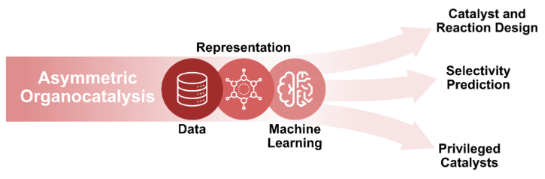
- descriptors, Asahara and Miyao [108] considered different CPA-catalysed nucleophilic additions to imines, comprising aza-Mannich reactions and Friedel–Crafts reactions among others. Different reactions were also combined by Liles et al. [124]. For a transfer hydrogenation reaction, the authors used a workflow

Graphical Abstract

Figure 1: Schematic depiction of available data sources for predictive modelling, each with its advantages an...

Figure 2: Schematic depiction of different kinds of molecular representations for fluoronitroethane. Among th...

Figure 3: Depiction of the energy diagram of a generic enantioselective reaction. In the centre, catalyst and...

Figure 4: Hammett parameters are derived from the equilibrium constant of substituted benzoic acids (example ...

Figure 5: Selected examples of popular descriptors applied to model organocatalytic reactions. Descriptors en...

Figure 6: Example bromocyclization reaction from Toste and co-workers using a DABCOnium catalyst system and C...

Figure 7: Example from Neel et al. using a chiral ion pair catalyst for the selective fluorination of allylic...

Figure 8: Data set created by Denmark and co-workers for the CPA-catalysed thiol addition to N-acylimines [67]. T...

Figure 9: Selected examples of ML developments that used the dataset from Denmark and co-workers [67]. (A) Varnek...

Figure 10: Study from Reid and Sigman developing statistical models for CPA-catalysed nucleophilic addition re...

Figure 11: Selected examples of studies where mechanistic transferability was exploited to model multiple reac...

Figure 12: Generality approach by Denmark and co-workers [132] for the iodination of arylpyridines. From the releva...

Figure 13: Betinol et al. [133] clustered the relevant chemical space and then evaluated the average ee for every c...

Figure 14: Corminboeuf and co-workers [134] chose a representative subset of the reaction space (indicated by dark ...

Figure 15: Example for data-driven modelling to improve substrate and catalyst design. (A) C–N coupling cataly...

Figure 16: Example for utilising a genetic algorithm for catalyst design. (A) Morita–Baylis–Hillman reaction s...

Figure 17: Organocatalysed synthesis of spirooxindole analogues by Kondo et al. [171] (A) Reaction scheme of dienon...

Figure 18: Schematic depiction of required developments in order to overcome current limitations of ML for org...



