


Search results
Search for "fluorination methods" in Full Text gives 9 result(s) in Beilstein Journal of Organic Chemistry.
Construction of CF2 moieties in FDA-approved drugs (2016–2025): industrial routes, mechanisms, and scale-up considerations
- Wenyan Yao,
- Huanhuan Zhang,
- Xiaolong Yang and
- Feng Liu
Beilstein J. Org. Chem. 2026, 22, 1122–1150, doi:10.3762/bjoc.22.91
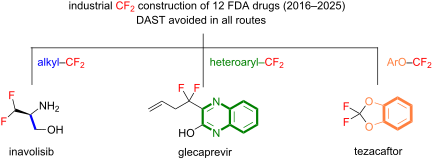
- traditional fluorination methods. For heteroaryl-CF2 groups, metal-catalyzed direct introduction of the CF2 unit still faces challenges for industrial application, whereas the difluorocarbene route for ArO-CF2 has been validated. This review provides a reference for process development of new CF2-containing
- drugs, from strategic design to scale-up evaluation. Keywords: difluoromethylene group (-CF2-); difluoromethyl group (-CF2H); FDA-approved drugs; fluorination methods; process scale-up; Introduction In recent years, the CF2 group has demonstrated unique advantages in drug discovery and clinical

Graphical Abstract

Figure 1: FDA-approved drugs containing CF2 groups (2016–2025). a) For tezacaftor (4), the 2018 approval year...

Figure 2: Synthesis of the alkyl–CF2 side chain in glecaprevir (1) and voxilaprevir (2).

Figure 3: Synthesis of the difluorinated intermediate 38 for ivosidenib (3).
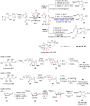
Figure 4: Synthesis of the difluorinated intermediate for cedazuridine (5).

Figure 5: Synthesis of the difluorinated intermediate for omaveloxolone (10).

Figure 6: Synthesis of the difluorinated intermediate for 1-(perfluorohexyl)octane (11).

Figure 7: Synthetic routes towards difluorinated intermediates for the synthesis of inavolisib.
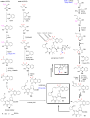
Figure 8: Synthesis of the difluorinated intermediate for glecaprevir.

Figure 9: Synthesis of the difluorinated intermediate for voxilaprevir.

Figure 10: Synthesis of the difluorinated intermediate for lenacapavir.

Figure 11: Synthesis of the difluorinated intermediate for oteseconazole.

Figure 12: Synthesis of the difluorinated intermediate for tezacaftor.

Figure 13: Synthesis of the difluorinated intermediate for difamilas (6).

Figure 14: Synthesis of the difluorinated intermediate for asciminib.

Figure 15: Mechanism of the deoxyfluorination of carbonyl groups using DAST.

Figure 16: Mechanism of the deoxyfluorination of carbonyl groups using SF4.

Figure 17: Mechanism of the fluorination of dithioketals using Olah’s reagent.

Figure 18: Mechanism of the fluorination of xanthates using AgF.

Figure 19: Mechanism of electrophilic fluorination using NFSI.

Figure 20: Mechanism of the Ni-catalyzed conversion of Ar–X to Ar–CF2H using Hu’s reagent.

Figure 21: Mechanism of the (Me3Si)3SiH-mediated intermolecular perfluoroalkylation of alkenes in water.

Figure 22: Mechanism of the formation of ArO–CF2H from ClF2COONa and ArOH.

Figure 23: Mechanism of the formation of ArO–CF2X from TMSCF2X and ArOH.
Origami with small molecules: exploiting the C–F bond as a conformational tool
- Patrick Ryan,
- Ramsha Iftikhar and
- Luke Hunter
Beilstein J. Org. Chem. 2025, 21, 680–716, doi:10.3762/bjoc.21.54
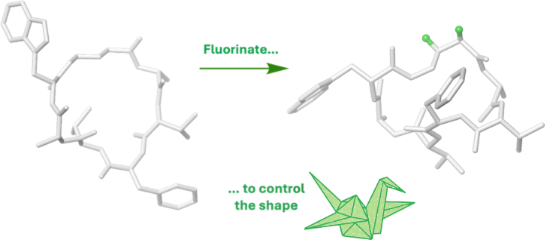

Graphical Abstract

Figure 1: Fundamental characteristics of the C–F bond.
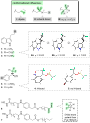
Figure 2: Incorporation of fluorine at the end of an alkyl chain.
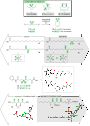
Figure 3: Incorporation of fluorine into the middle of a linear alkyl chain.
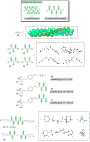
Figure 4: Incorporation of fluorine across much, or all, of a linear alkyl chain.
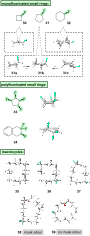
Figure 5: Incorporation of fluorine into cycloalkanes.

Figure 6: Conformational effects of introducing fluorine into an ether (geminal to oxygen).

Figure 7: Conformational effects of introducing fluorine into an ether (vicinal to oxygen).

Figure 8: Effects of introducing fluorine into alcohols (and their derivatives).
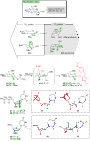
Figure 9: Controlling the ring pucker of sugars through fluorination.
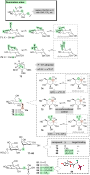
Figure 10: Controlling bond rotations outside the sugar ring through fluorination.
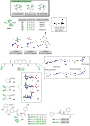
Figure 11: Effects of incorporating fluorine into amines.
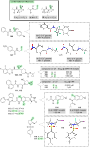
Figure 12: Effects of incorporating fluorine into amine derivatives, such as amides and sulfonamides.

Figure 13: Effects of incorporating fluorine into organocatalysts.

Figure 14: Effects of incorporating fluorine into carbonyl compounds, focusing on the “carbon side.”

Figure 15: Fluoroproline-containing peptides and proteins.
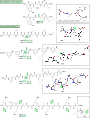
Figure 16: Further examples of fluorinated linear peptides (besides fluoroprolines). For clarity, sidechains a...

Figure 17: Fluorinated cyclic peptides.

Figure 18: Fluorine-derived conformational control in sulfur-containing compounds.
Benzylic C(sp3)–H fluorination
- Alexander P. Atkins,
- Alice C. Dean and
- Alastair J. J. Lennox
Beilstein J. Org. Chem. 2024, 20, 1527–1547, doi:10.3762/bjoc.20.137

- incorporate fluorine into compounds of interest, with regio and site selectivity pre-determined by the nature of the functionalised carbon. However, the development of C(sp3)–H fluorination methods represents a more sustainable and versatile approach, as there is no requirement to pre-functionalise the
- demonstrate stereospecificity, again on predefined substrate classes. Radical fluorination methods offer an expansion to substrate scopes and rely on the use of more expensive fluorine-atom-transfer reagents. Finally, oxidative benzylic activation methods, often in tandem with enabling technologies, such as

Graphical Abstract

Figure 1: A) Benzylic fluorides in bioactive compounds, with B) the relative BDEs of different benzylic C–H b...
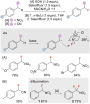
Figure 2: Base-mediated benzylic fluorination with Selectfluor.

Figure 3: Sonochemical base-mediated benzylic fluorination with Selectfluor.
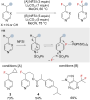
Figure 4: Mono- and difluorination of nitrogen-containing heteroaromatic benzylic substrates.

Figure 5: Palladium-catalysed benzylic C–H fluorination with N-fluoro-2,4,6-trimethylpyridinium tetrafluorobo...

Figure 6: Palladium-catalysed, PIP-directed benzylic C(sp3)–H fluorination of α-amino acids and proposed mech...

Figure 7: Palladium-catalysed monodentate-directed benzylic C(sp3)–H fluorination of α-amino acids.

Figure 8: Palladium-catalysed bidentate-directed benzylic C(sp3)–H fluorination.

Figure 9: Palladium-catalysed benzylic fluorination using a transient directing group approach. Ratio refers ...

Figure 10: Outline for benzylic C(sp3)–H fluorination via radical intermediates.

Figure 11: Iron(II)-catalysed radical benzylic C(sp3)–H fluorination using Selectfluor.

Figure 12: Silver and amino acid-mediated benzylic fluorination.

Figure 13: Copper-catalysed radical benzylic C(sp3)–H fluorination using NFSI.

Figure 14: Copper-catalysed C(sp3)–H fluorination of benzylic substrates with electrochemical catalyst regener...

Figure 15: Iron-catalysed intramolecular fluorine-atom-transfer from N–F amides.

Figure 16: Vanadium-catalysed benzylic fluorination with Selectfluor.

Figure 17: NDHPI-catalysed radical benzylic C(sp3)–H fluorination with Selectfluor.

Figure 18: Potassium persulfate-mediated radical benzylic C(sp3)–H fluorination with Selectfluor.

Figure 19: Benzylic fluorination using triethylborane as a radical chain initiator.

Figure 20: Heterobenzylic C(sp3)–H radical fluorination with Selectfluor.

Figure 21: Benzylic fluorination of phenylacetic acids via a charge-transfer complex. NMR yields in parenthese...

Figure 22: Oxidative radical photochemical benzylic C(sp3)–H strategies.

Figure 23: 9-Fluorenone-catalysed photochemical radical benzylic fluorination with Selectfluor.

Figure 24: Xanthone-photocatalysed radical benzylic fluorination with Selectfluor II.

Figure 25: 1,2,4,5-Tetracyanobenzene-photocatalysed radical benzylic fluorination with Selectfluor.

Figure 26: Xanthone-catalysed benzylic fluorination in continuous flow.

Figure 27: Photochemical phenylalanine fluorination in peptides.

Figure 28: Decatungstate-photocatalyzed versus AIBN-initiated selective benzylic fluorination.

Figure 29: Benzylic fluorination using organic dye Acr+-Mes and Selectfluor.
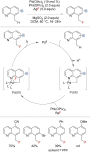
Figure 30: Palladium-catalysed benzylic C(sp3)–H fluorination with nucleophilic fluoride.

Figure 31: Manganese-catalysed benzylic C(sp3)–H fluorination with AgF and Et3N·3HF and proposed mechanism. 19...

Figure 32: Iridium-catalysed photocatalytic benzylic C(sp3)–H fluorination with nucleophilic fluoride and N-ac...

Figure 33: Iridium-catalysed photocatalytic benzylic C(sp3)–H fluorination with TBPB HAT reagent.

Figure 34: Silver-catalysed, amide-promoted benzylic fluorination via a radical-polar crossover pathway.

Figure 35: General mechanism for oxidative electrochemical benzylic C(sp3)–H fluorination.

Figure 36: Electrochemical benzylic C(sp3)–H fluorination with HF·amine reagents.

Figure 37: Electrochemical benzylic C(sp3)–H fluorination with 1-ethyl-3-methylimidazolium trifluoromethanesul...

Figure 38: Electrochemical benzylic C(sp3)–H fluorination of phenylacetic acid esters with HF·amine reagents.

Figure 39: Electrochemical benzylic C(sp3)–H fluorination of triphenylmethane with PEG and CsF.

Figure 40: Electrochemical benzylic C(sp3)–H fluorination with caesium fluoride and fluorinated alcohol HFIP.

Figure 41: Electrochemical secondary and tertiary benzylic C(sp3)–H fluorination. GF = graphite felt. DCE = 1,...
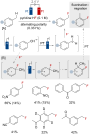
Figure 42: Electrochemical primary benzylic C(sp3)–H fluorination of electron-poor toluene derivatives. Ring f...

Figure 43: Electrochemical primary benzylic C(sp3)–H fluorination utilizing pulsed current electrolysis.
Synthesis of 2,2-difluoro-1,3-diketone and 2,2-difluoro-1,3-ketoester derivatives using fluorine gas
- Alexander S. Hampton,
- David R. W. Hodgson,
- Graham McDougald,
- Linhua Wang and
- Graham Sandford
Beilstein J. Org. Chem. 2024, 20, 460–469, doi:10.3762/bjoc.20.41
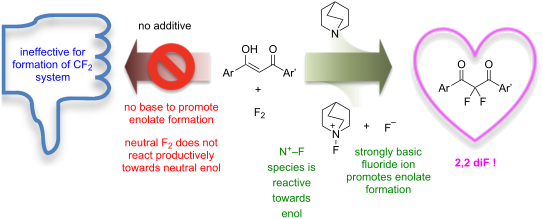
- difluoromethylene units. To meet the demands of synthetic chemists within the life science discovery and manufacturing arenas, many fluorination methods have been developed over the years to introduce difluoromethylene groups into organic systems. Approaches using nucleophilic fluorination include halogen exchange

Graphical Abstract

Scheme 1: Monofluorination of 1,3-diphenylpropane-1,3-dione with Selectfluor.

Scheme 2: Synthesis of 2,2-difluoro-1,3-diphenylpropane-1,3-dione (3a).

Figure 1: Molecular structure of 2,2-difluoro-1,3-diphenylpropane-1,3-dione (3a).

Figure 2: Crystal packing structure of 3f as determined by SXRC.

Figure 3: Molecular structure and crystal packing of 5e as determined by SXRC.

Scheme 3: Proposed mechanism of the quinuclidine-mediated difluorination of 1,3-dicarbonyl substrates.

Scheme 4: Proposed mechanisms of carbonate and chloride ion-mediated difluorination of 1,3-dicarbonyl substra...
On the application of 3d metals for C–H activation toward bioactive compounds: The key step for the synthesis of silver bullets
- Renato L. Carvalho,
- Amanda S. de Miranda,
- Mateus P. Nunes,
- Roberto S. Gomes,
- Guilherme A. M. Jardim and
- Eufrânio N. da Silva Júnior
Beilstein J. Org. Chem. 2021, 17, 1849–1938, doi:10.3762/bjoc.17.126
- physicochemical properties of a compound, thus affecting its pharmacodynamic and pharmacokinetic profile. Consequently, fluorination methods are particularly useful in the synthesis of bioactive substances, including marketed drugs (24 and 25) (Scheme 10A) [93]. In addition to oxygen insertion, vanadium use has

Graphical Abstract

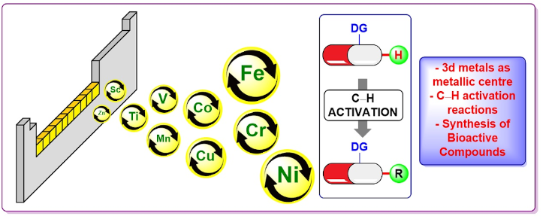
Scheme 1: Schematic overview of transition metals studied in C–H activation processes.

Scheme 2: (A) Known biological activities related to benzimidazole-based compounds; (B and C) an example of a...

Scheme 3: (A) Known biological activities related to quinoline-based compounds; (B and C) an example of a sca...

Scheme 4: (A) Known biological activities related to sulfur-containing compounds; (B and C) an example of a s...

Scheme 5: (A) Known biological activities related to aminoindane derivatives; (B and C) an example of a scand...

Scheme 6: (A) Known biological activities related to norbornane derivatives; (B and C) an example of a scandi...

Scheme 7: (A) Known biological activities related to aniline derivatives; (B and C) an example of a titanium-...

Scheme 8: (A) Known biological activities related to cyclohexylamine derivatives; (B) an example of an intram...

Scheme 9: (A) Known biologically active benzophenone derivatives; (B and C) photocatalytic oxidation of benzy...

Scheme 10: (A) Known bioactive fluorine-containing compounds; (B and C) vanadium-mediated C(sp3)–H fluorinatio...

Scheme 11: (A) Known biologically active Lythraceae alkaloids; (B) synthesis of (±)-decinine (30).

Scheme 12: (A) Synthesis of (R)- and (S)-boehmeriasin (31); (B) synthesis of phenanthroindolizidines by vanadi...
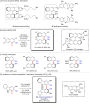
Scheme 13: (A) Known bioactive BINOL derivatives; (B and C) vanadium-mediated oxidative coupling of 2-naphthol...

Scheme 14: (A) Known antiplasmodial imidazopyridazines; (B) practical synthesis of 41.
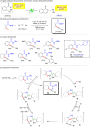
Scheme 15: (A) Gold-catalyzed drug-release mechanism using 2-alkynylbenzamides; (B and C) chromium-mediated al...

Scheme 16: (A) Examples of anti-inflammatory benzaldehyde derivatives; (B and C) chromium-mediated difunctiona...

Scheme 17: (A and B) Manganese-catalyzed chemoselective intramolecular C(sp3)–H amination; (C) late-stage modi...

Scheme 18: (A and B) Manganese-catalyzed C(sp3)–H amination; (C) late-stage modification of a leelamine deriva...
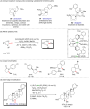
Scheme 19: (A) Known bioactive compounds containing substituted N-heterocycles; (B and C) manganese-catalyzed ...

Scheme 20: (A) Known indoles that present GPR40 full agonist activity; (B and C) manganese-catalyzed C–H alkyl...

Scheme 21: (A) Examples of known biaryl-containing drugs; (B and C) manganese-catalyzed C–H arylation through ...
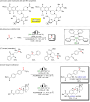
Scheme 22: (A) Known zidovudine derivatives with potent anti-HIV properties; (B and C) manganese-catalyzed C–H...

Scheme 23: (A and B) Manganese-catalyzed C–H organic photo-electrosynthesis; (C) late-stage modification.
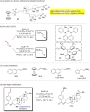
Scheme 24: (A) Example of a known antibacterial silylated dendrimer; (B and C) manganese-catalyzed C–H silylat...
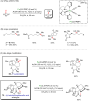
Scheme 25: (A and B) Fe-based small molecule catalyst applied for selective aliphatic C–H oxidations; (C) late...

Scheme 26: (A) Examples of naturally occurring gracilioethers; (B) the first total synthesis of gracilioether ...
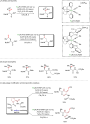
Scheme 27: (A and B) Selective aliphatic C–H oxidation of amino acids; (C) late-stage modification of proline-...
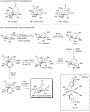
Scheme 28: (A) Examples of Illicium sesquiterpenes; (B) first chemical synthesis of (+)-pseudoanisatin (80) in...

Scheme 29: (A and B) Fe-catalyzed deuteration; (C) late-stage modification of pharmaceuticals.

Scheme 30: (A and B) Biomimetic Fe-catalyzed aerobic oxidation of methylarenes to benzaldehydes (PMHS, polymet...

Scheme 31: (A) Known tetrahydroquinolines with potential biological activities; (B and C) redox-selective Fe c...

Scheme 32: (A) Known drugs containing a benzofuran unit; (B and C) Fe/Cu-catalyzed tandem O-arylation to acces...

Scheme 33: (A) Known azaindolines that act as M4 muscarinic acetylcholine receptor agonists; (B and C) intramo...
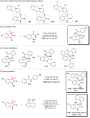
Scheme 34: (A) Known indolinones with anticholinesterase activity; (B and C) oxidative C(sp3)–H cross coupling...
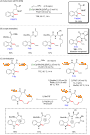
Scheme 35: (A and B) Cobalt-catalyzed C–H alkenylation of C-3-peptide-containing indoles; (C) derivatization b...
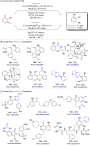
Scheme 36: (A) Cobalt-Cp*-catalyzed C–H methylation of known drugs; (B and C) scope of the o-methylated deriva...
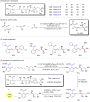
Scheme 37: (A) Known lasalocid A analogues; (B and C) three-component cobalt-catalyzed C–H bond addition; (D) ...

Scheme 38: (A and B) Cobalt-catalyzed C(sp2)–H amidation of thiostrepton.
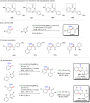
Scheme 39: (A) Known 4H-benzo[d][1,3]oxazin-4-one derivatives with hypolipidemic activity; (B and C) cobalt-ca...

Scheme 40: (A and B) Cobalt-catalyzed C–H arylation of pyrrole derivatives; (C) application for the synthesis ...
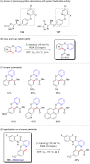
Scheme 41: (A) Known 2-phenoxypyridine derivatives with potent herbicidal activity; (B and C) cobalt-catalyzed...
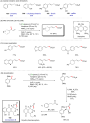
Scheme 42: (A) Natural cinnamic acid derivatives; (B and C) cobalt-catalyzed C–H carboxylation of terminal alk...

Scheme 43: (A and B) Cobalt-catalyzed C–H borylation; (C) application to the synthesis of flurbiprofen.

Scheme 44: (A) Benzothiazoles known to present anticonvulsant activities; (B and C) cobalt/ruthenium-catalyzed...

Scheme 45: (A and B) Cobalt-catalyzed oxygenation of methylene groups towards ketone synthesis; (C) synthesis ...
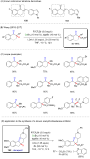
Scheme 46: (A) Known anticancer tetralone derivatives; (B and C) cobalt-catalyzed C–H difluoroalkylation of ar...

Scheme 47: (A and B) Cobalt-catalyzed C–H thiolation; (C) application in the synthesis of quetiapine (153).
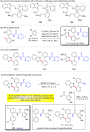
Scheme 48: (A) Known benzoxazole derivatives with anticancer, antifungal, and antibacterial activities; (B and...
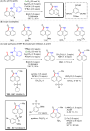
Scheme 49: (A and B) Cobalt-catalyzed C–H carbonylation of naphthylamides; (C) BET inhibitors 158 and 159 tota...
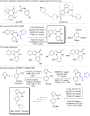
Scheme 50: (A) Known bioactive pyrrolo[1,2-a]quinoxalin-4(5H)-one derivatives; (B and C) cobalt-catalyzed C–H ...
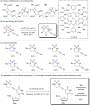
Scheme 51: (A) Known antibacterial cyclic sulfonamides; (B and C) cobalt-catalyzed C–H amination of propargyli...

Scheme 52: (A and B) Cobalt-catalyzed intramolecular 1,5-C(sp3)–H amination; (C) late-stage functionalization ...

Scheme 53: (A and B) Cobalt-catalyzed C–H/C–H cross-coupling between benzamides and oximes; (C) late-state syn...
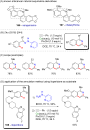
Scheme 54: (A) Known anticancer natural isoquinoline derivatives; (B and C) cobalt-catalyzed C(sp2)–H annulati...
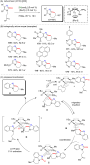
Scheme 55: (A) Enantioselective intramolecular nickel-catalyzed C–H activation; (B) bioactive obtained motifs;...

Scheme 56: (A and B) Nickel-catalyzed α-C(sp3)–H arylation of ketones; (C) application of the method using kno...

Scheme 57: (A and B) Nickel-catalyzed C(sp3)–H acylation of pyrrolidine derivatives; (C) exploring the use of ...
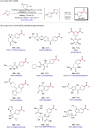
Scheme 58: (A) Nickel-catalyzed C(sp3)–H arylation of dioxolane; (B) library of products obtained from biologi...
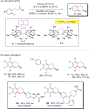
Scheme 59: (A) Intramolecular enantioselective nickel-catalyzed C–H cycloalkylation; (B) product examples, inc...

Scheme 60: (A and B) Nickel-catalyzed C–H deoxy-arylation of azole derivatives; (C) late-stage functionalizati...
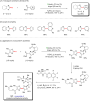
Scheme 61: (A and B) Nickel-catalyzed decarbonylative C–H arylation of azole derivatives; (C) application of t...
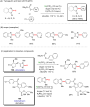
Scheme 62: (A and B) Another important example of nickel-catalyzed C–H arylation of azole derivatives; (C) app...
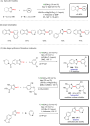
Scheme 63: (A and B) Another notable example of a nickel-catalyzed C–H arylation of azole derivatives; (C) lat...
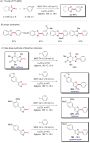
Scheme 64: (A and B) Nickel-based metalorganic framework (MOF-74-Ni)-catalyzed C–H arylation of azole derivati...
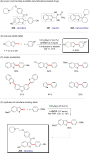
Scheme 65: (A) Known commercially available benzothiophene-based drugs; (B and C) nickel-catalyzed C–H arylati...
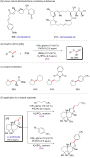
Scheme 66: (A) Known natural tetrahydrofuran-containing substances; (B and C) nickel-catalyzed photoredox C(sp3...
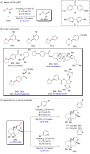
Scheme 67: (A and B) Another notable example of a nickel-catalyzed photoredox C(sp3)–H alkylation/arylation; (...

Scheme 68: (A) Electrochemical/nickel-catalyzed C–H alkoxylation; (B) achieved scope, including three using na...

Scheme 69: (A) Enantioselective photoredox/nickel catalyzed C(sp3)–H arylation; (B) achieved scope, including ...

Scheme 70: (A) Known commercially available trifluoromethylated drugs; (B and C) nickel-catalyzed C–H trifluor...
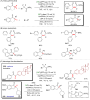
Scheme 71: (A and B) Stereoselective nickel-catalyzed C–H difluoroalkylation; (C) late-stage functionalization...

Scheme 72: (A) Cu-mediated ortho-amination of oxalamides; (B) achieved scope, including derivatives obtained f...

Scheme 73: (A) Electro-oxidative copper-mediated amination of 8-aminoquinoline-derived amides; (B) achieved sc...

Scheme 74: (A and B) Cu(I)-mediated C–H amination with oximes; (C) derivatization using telmisartan (241) as s...

Scheme 75: (A and B) Cu-mediated amination of aryl amides using ammonia; (C) late-stage modification of proben...
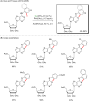
Scheme 76: (A and B) Synthesis of purine nucleoside analogues using copper-mediated C(sp2)–H activation.

Scheme 77: (A) Copper-mediated annulation of acrylamide; (B) achieved scope, including the synthesis of the co...
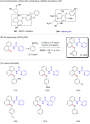
Scheme 78: (A) Known bioactive compounds containing a naphthyl aryl ether motif; (B and C) copper-mediated eth...

Scheme 79: (A and B) Cu-mediated alkylation of N-oxide-heteroarenes; (C) late-stage modification.
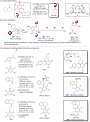
Scheme 80: (A) Cu-mediated cross-dehydrogenative coupling of polyfluoroarenes and alkanes; (B) scope from know...

Scheme 81: (A) Known anticancer acrylonitrile compounds; (B and C) Copper-mediated cyanation of unactivated al...
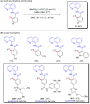
Scheme 82: (A) Cu-mediated radiofluorination of 8-aminoquinoline-derived aryl amides; (B) achieved scope, incl...
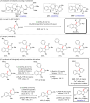
Scheme 83: (A) Examples of natural β-carbolines; (B and C) an example of a zinc-catalyzed C–H functionalizatio...
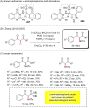
Scheme 84: (A) Examples of anticancer α-aminophosphonic acid derivatives; (B and C) an example of a zinc-catal...
Photosensitized direct C–H fluorination and trifluoromethylation in organic synthesis
- Shahboz Yakubov and
- Joshua P. Barham
Beilstein J. Org. Chem. 2020, 16, 2151–2192, doi:10.3762/bjoc.16.183
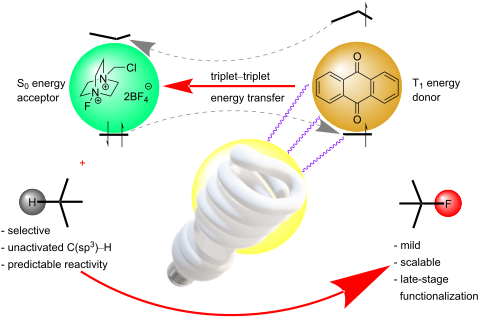
- fluorination methods, of which direct C–H fluorination is among the most powerful. Despite the challenges and limitations associated with the direct fluorination of unactivated C–H bonds, appreciable advancements in manipulating the selectivity and reactivity have been made, especially via transition metal
- fluorine (I = 1/2) allows the coupling with nearby carbon and hydrogen atoms to be resolved [27]. 1.1.2 Relevance of direct C–H fluorination methods: Remarkable developments in synthetic chemistry over the last several decades have allowed the transformation of almost every organic functional group into
- (especially C(sp3)–H) bonds into other functional groups would not only enormously expand the synthetic maneuverability but would also intensify the use of hydrocarbon feedstocks in organic synthesis. In this context, the advantage of direct C–H fluorination over traditional fluorination methods is that it

Graphical Abstract

Figure 1: Fluorine-containing drugs.

Figure 2: Fluorinated agrochemicals.

Scheme 1: Selectivity of fluorination reactions.

Scheme 2: Different mechanisms of photocatalytic activation. Sub = substrate.

Figure 3: Jablonski diagram showing visible-light-induced energy transfer pathways: a) absorption, b) IC, c) ...

Figure 4: Schematic illustration of TTET.
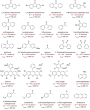
Figure 5: Organic triplet PSCats.
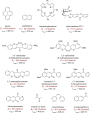
Figure 6: Additional organic triplet PSCats.

Figure 7: A) Further organic triplet PSCats and B) transition metal triplet PSCats.

Figure 8: Different fluorination reagents grouped by generation.

Scheme 3: Synthesis of Selectfluor®.

Scheme 4: General mechanism of PS TTET C(sp3)–H fluorination.

Scheme 5: Selective benzylic mono- and difluorination using 9-fluorenone and xanthone PSCats, respectively.

Scheme 6: Chen’s photosensitized monofluorination: reaction scope.

Scheme 7: Chen’s photosensitized benzylic difluorination reaction scope.

Scheme 8: Photosensitized monofluorination of ethylbenzene on a gram scale.

Scheme 9: Substrate scope of Tan’s AQN-photosensitized C(sp3)–H fluorination.

Scheme 10: AQN-photosensitized C–H fluorination reaction on a gram scale.

Scheme 11: Reaction mechanism of the AQN-assisted fluorination.

Figure 9: 3D structures of the singlet ground and triplet excited states of Selectfluor®.

Scheme 12: Associated transitions for the activation of acetophenone by violet light.

Scheme 13: Ethylbenzene C–H fluorination with various PSCats and conditions.

Scheme 14: Effect of different PSCats on the C(sp3)–H fluorination of cyclohexane (39).

Scheme 15: Reaction scope of Chen’s acetophenone-photosensitized C(sp3)–H fluorination reaction.

Figure 10: a) Site-selectivity of Chen’s acetophenone-photosensitized C–H fluorination reaction [201]. b) Site-sele...

Scheme 16: Formation of the AQN–Selectfluor® exciplex Int1.

Scheme 17: Generation of the C3 2° pentane radical and the Selectfluor® N-radical cation from the exciplex.

Scheme 18: Hydrogen atom abstraction by the Selectfluor® N-radical cation from pentane to give the C3 2° penta...

Scheme 19: Fluorine atom transfer from Selectfluor® to the C3 2° pentane radical to yield 3-fluoropentane and ...

Scheme 20: Barrierless fluorine atom transfer from Int1 to the C3 2° pentane radical to yield 3-fluoropentane,...

Scheme 21: Ketone-directed C(sp3)–H fluorination.

Scheme 22: Ketone-directed fluorination through a 5- and a 6-membered transition state, respectively.

Scheme 23: Effect of different PSCats on the photosensitized C(sp3)–H fluorination of 47.

Scheme 24: Substrate scope of benzil-photoassisted C(sp3)–H fluorinations.

Scheme 25: A) Benzil-photoassisted enone-directed C(sp3)–H fluorination. B) Classification of the reaction mod...

Scheme 26: A) Xanthone-photoassisted ketal-directed C(sp3)–H fluorination. B) Substrate scope. C) C–H fluorina...

Scheme 27: Rationale for the selective HAT at the C2 C–H bond of galactose acetonide.

Scheme 28: Photosensitized C(sp3)–H benzylic fluorination of a peptide using different PSCats.

Scheme 29: Peptide scope of 5-benzosuberenone-photoassisted C(sp3)–H fluorinations.

Scheme 30: Continuous flow PS TTET monofluorination of 72.

Scheme 31: Photosensitized C–H fluorination of N-butylphthalimide as a PSX.

Scheme 32: Substrate scope and limitations of the PSX C(sp3)–H monofluorination.

Scheme 33: Substrate crossover monofluorination experiment.

Scheme 34: PS TTET mechanism proposed by Hamashima and co-workers.

Scheme 35: Photosensitized TFM of 78 to afford α-trifluoromethylated ketone 80.

Scheme 36: Substrate scope for photosensitized styrene TFM to give α-trifluoromethylated ketones.

Scheme 37: Control reactions for photosensitized TFM of styrenes.

Scheme 38: Reaction mechanism for photosensitized TFM of styrenes to afford α-trifluoromethylated ketones.

Scheme 39: Reaction conditions for TFMs to yield the cis- and the trans-product, respectively.

Scheme 40: Substrate scope of trifluoromethylated (E)-styrenes.

Scheme 41: Strategies toward trifluoromethylated (Z)-styrenes.

Scheme 42: Substrate scope of trifluoromethylated (Z)-styrenes.

Scheme 43: Reaction mechanism for photosensitized TFM of styrenes to afford E- or Z-products.
Recent advances in transition-metal-catalyzed incorporation of fluorine-containing groups
- Xiaowei Li,
- Xiaolin Shi,
- Xiangqian Li and
- Dayong Shi
Beilstein J. Org. Chem. 2019, 15, 2213–2270, doi:10.3762/bjoc.15.218
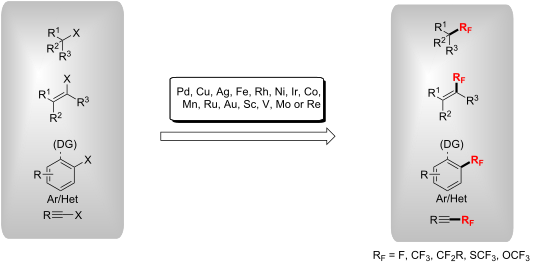
- fluorination methods to these building blocks, such as Friedel–Crafts-type electrophilic halogenation [10][11], Sandmeyer-type reactions of diazonium salts [12], and halogenations of preformed organometallic reagents [13], commonly involve multiple steps, harsh reaction conditions, and the use of

Graphical Abstract

Scheme 1: The main three strategies of fluorination: nucleophilic, electrophilic and radical fluorination.

Scheme 2: Doyle’s Pd-catalyzed fluorination of allylic chlorides.

Scheme 3: Allylic fluorination of 2- and 3-substituted propenyl esters.

Scheme 4: Regioselective allylic fluorination of cinnamyl phosphorothioate esters.

Scheme 5: Palladium-catalyzed aliphatic C–H fluorination reported by Doyle.

Scheme 6: Pd-catalyzed enantioselective fluorination of α-ketoesters followed by stereoselective reduction to...

Scheme 7: Pd-catalyzed C(sp3)–H fluorination of oxindoles.

Scheme 8: C–H fluorination of 8-methylquinoline derivatives with F− reagents.

Scheme 9: Fluorination of α-cyano acetates reported by van Leeuwen.

Scheme 10: The catalytic enantioselective electrophilic C–H fluorination of α-chloro-β-keto phosphonates.

Scheme 11: Fluorination of unactivated C(sp3)–H bonds directed by the bidentate PIP auxiliary.

Scheme 12: Fluorination of C(sp3)–H bonds at the β-position of carboxylic acids.

Scheme 13: Enantioselective benzylic C–H fluorination with a chiral transient directing group.

Scheme 14: Microwave-heated Pd-catalyzed fluorination of aryl alcohols.

Scheme 15: Fluorination of aryl potassium trifluoroborates.

Scheme 16: C(sp2)–F bond formation using precatalyst [L·Pd]2(cod).

Scheme 17: Pd-catalyzed fluorination of (hetero)aryl triflates and bromides.

Scheme 18: The Pd-catalyzed C–H fluorination of arenes with Selectfluor/NFSI.

Scheme 19: Pd(II)-catalyzed ortho-monofluorination protocol for benzoic acids.

Scheme 20: Pd-catalyzed C(sp2)–H bond fluorination of 2-arylbenzothiazoles.

Scheme 21: Nitrate-promoted fluorination of aromatic and olefinic C(sp2)–H bonds and proposed mechanism.

Scheme 22: Fluorination of oxalyl amide-protected benzylamine derivatives.

Scheme 23: C–H fluorination of benzaldehydes with orthanilic acids as transient directing group.

Scheme 24: Pd(II)-catalyzed aryl C–H fluorination with various directing groups.

Scheme 25: Cu-catalyzed aliphatic, allylic, and benzylic fluorination.

Scheme 26: Cu-catalyzed SN2 fluorination of primary and secondary alkyl bromides.

Scheme 27: Copper-catalyzed fluorination of alkyl triflates.

Scheme 28: Cu-catalyzed fluorination of allylic bromides and chlorides.

Scheme 29: Synthetic strategy for the fluorination of active methylene compounds.

Scheme 30: Fluorination of β-ketoesters using a tartrate-derived bidentate bisoxazoline-Cu(II) complex.

Scheme 31: Highly enantioselective fluorination of β-ketoesters and N-Boc-oxindoles.

Scheme 32: Amide group-assisted site-selective fluorination of α-bromocarbonyl compounds.

Scheme 33: Cu-mediated aryl fluorination reported by Sanford [77].

Scheme 34: Mono- or difluorination reactions of benzoic acid derivatives.

Scheme 35: Cu-catalyzed fluorination of diaryliodonium salts with KF.
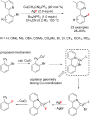
Scheme 36: Copper(I)-catalyzed cross-coupling of 2-pyridylaryl bromides.

Scheme 37: AgNO3-catalyzed decarboxylative fluorination of aliphatic carboxylic acids.

Scheme 38: The Mn-catalyzed aliphatic and benzylic C–H fluorination.

Scheme 39: Iron(II)-promoted C–H fluorination of benzylic substrates.

Scheme 40: Ag-catalyzed fluorodecarboxylation of carboxylic acids.

Scheme 41: Vanadium-catalyzed C(sp3)–H fluorination.

Scheme 42: AgNO3-catalyzed radical deboronofluorination of alkylboronates and boronic acids.

Scheme 43: Selective heterobenzylic C–H fluorination with Selectfluor reported by Van Humbeck.

Scheme 44: Fe(II)-catalyzed site-selective fluorination guided by an alkoxyl radical.

Scheme 45: Fluorination of allylic trichloroacetimidates reported by Nguyen et al.

Scheme 46: Iridium-catalyzed fluorination of allylic carbonates with TBAF(t-BuOH)4.

Scheme 47: Iridium-catalyzed asymmetric fluorination of allylic trichloroacetimidates.

Scheme 48: Cobalt-catalyzed α-fluorination of β-ketoesters.

Scheme 49: Nickel-catalyzed α-fluorination of various α-chloro-β-ketoesters.

Scheme 50: Ni(II)-catalyzed enantioselective fluorination of oxindoles and β-ketoesters.

Scheme 51: Scandium(III)-catalyzed asymmetric C–H fluorination of unprotected 3-substituted oxindoles.

Scheme 52: Iron-catalyzed directed C–H fluorination.

Scheme 53: Electrophilic silver-catalyzed Ar–F bond-forming reaction from arylstannanes.

Figure 1: Nucleophilic, electrophilic and radical CF3 sources.

Scheme 54: Cu(I)-catalyzed allylic trifluoromethylation of unactivated terminal olefins.

Scheme 55: Direct copper-catalyzed trifluoromethylation of allylsilanes.

Scheme 56: Cupper-catalyzed enantioselective trifluoromethylation of five and six-membered ring β-ketoesters.

Scheme 57: Cu-catalyzed highly stereoselective trifluoromethylation of secondary propargyl sulfonates.

Scheme 58: Remote C(sp3)–H trifluoromethylation of carboxamides and sulfonamides.

Scheme 59: Trifluoromethylation of allylsilanes with photoredox catalysis.

Scheme 60: Ag-catalyzed decarboxylative trifluoromethylation of aliphatic carboxylic acids in aqueous CH3CN.
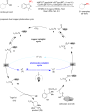
Scheme 61: Decarboxylative trifluoromethylation of aliphatic carboxylic acids via combined photoredox and copp...

Scheme 62: Palladium-catalyzed Ar–CF3 bond-forming reaction.

Scheme 63: Palladium-catalyzed trifluoromethylation of arenes with diverse heterocyclic directing groups.

Scheme 64: Pd-catalyzed trifluoromethylation of indoles as reported by Liu.

Scheme 65: Pd-catalyzed trifluoromethylation of vinyl triflates and vinyl nonaflates.

Scheme 66: Pd(II)-catalyzed ortho-trifluoromethylation of aromatic C–H bonds.

Scheme 67: Visible-light-induced Pd(OAc)2-catalyzed ortho-trifluoromethylation of acetanilides with CF3SO2Na.

Scheme 68: CuI-catalyzed trifluoromethylation of aryl- and alkenylboronic acids.

Scheme 69: Cu-catalyzed trifluoromethylation of aryl- and vinylboronic acids.

Scheme 70: Copper-catalyzed trifluoromethylation of α,β-unsaturated carboxylic acids.

Scheme 71: Formation of C(sp2)–CF3 bond catalyzed by copper(I) complex.

Scheme 72: Loh’s Cu(I)-catalyzed trifluoromethylation of enamides and electron-deficient alkenes.

Scheme 73: Copper and iron-catalyzed decarboxylative tri- and difluoromethylation.

Scheme 74: Cu-catalyzed trifluoromethylation of hydrazones developed by Bouyssi.

Scheme 75: Cu(I)-catalyzed trifluoromethylation of terminal alkenes.

Scheme 76: Cu/Ag-catalyzed decarboxylative trifluoromethylation of cinnamic acids.

Scheme 77: Copper-catalyzed direct alkenyl C–H trifluoromethylation.

Scheme 78: Copper(I/II)-catalyzed direct trifluoromethylation of styrene derivatives.

Scheme 79: Regioselective trifluoromethylation of pivalamido arenes and heteroarenes.

Scheme 80: Synthesis of trifluoromethylquinones in the presence of copper(I).
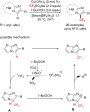
Scheme 81: Oxidative trifluoromethylation of imidazoheterocycles in ionic liquid/water.

Scheme 82: A mild and fast continuous-flow trifluoromethylation of coumarins using a CuI/CF3SO2Na/TBHP system.

Scheme 83: Copper-catalyzed oxidative trifluoromethylation of various 8-aminoquinolines.

Scheme 84: PA-directed copper-catalyzed trifluoromethylation of anilines.

Scheme 85: Trifluoromethylation of potassium vinyltrifluoroborates catalyzed by Fe(II).

Scheme 86: Alkenyl trifluoromethylation catalyzed by Ru(phen)3Cl2 as photocatalyst.

Scheme 87: Ru-catalyzed trifluoromethylation of alkenes by Akita’s group.

Scheme 88: Ir-catalyzed Cvinyl–CF3 bond formation of α,β-unsaturated carboxylic acids.

Scheme 89: Ag(I)-catalyzed denitrative trifluoromethylation of β-nitrostyrenes.

Scheme 90: Photocatalyzed direct trifluoromethylation of aryl and heteroaryl C–H bonds.

Scheme 91: Rhenium (MTO)-catalyzed direct trifluoromethylation of aromatic substrates.

Scheme 92: Trifluoromethylation of unprotected anilines under [Ir(ppy)3] catalyst.

Scheme 93: Oxidative trifluoromethylation of imidazopyridines and imidazoheterocycles.

Scheme 94: Ruthenium-catalyzed trifluoromethylation of (hetero)arenes with trifluoroacetic anhydride.

Scheme 95: Phosphovanadomolybdic acid-catalyzed direct C–H trifluoromethylation.

Scheme 96: Picolinamide-assisted ortho-trifluoromethylation of arylamines.

Scheme 97: A nickel-catalyzed C–H trifluoromethylation of free anilines.

Scheme 98: Cu-mediated trifluoromethylation of terminal alkynes reported by Qing.

Scheme 99: Huang’s C(sp)–H trifluoromethylation using Togni’s reagent.

Scheme 100: Cu-catalyzed methods for trifluoromethylation with Umemoto’s reagent.

Scheme 101: The synthesis of alkynyl-CF3 compounds in the presence of fac-[Ir(ppy)3] under visible-light irradi...

Scheme 102: Pd-catalyzed Heck reaction reported by Reutrakul.

Scheme 103: Difluoromethylation of enamides and ene-carbamates.

Scheme 104: Difluoromethylation of α,β-unsaturated carboxylic acids.

Scheme 105: Copper-catalyzed direct C(sp2)–H difluoroacetylation reported by Pannecoucke and co-workers.

Scheme 106: Difluoroalkylation of aldehyde-derived hydrazones with functionalized difluoromethyl bromides.

Scheme 107: Photoredox-catalyzed C–H difluoroalkylation of aldehyde-derived hydrazones.

Scheme 108: Synergistic ruthenium(II)-catalyzed C–H difluoromethylation reported by Ackermann.

Scheme 109: Visible-light photocatalytic decarboxylation of α,β-unsaturated carboxylic acids.

Scheme 110: Synthesis of difluorinated ketones via S-alkyl dithiocarbamates obtained from acyl chlorides and po...

Scheme 111: Synthesis of aryl and heteroaryl difluoromethylated phosphonates.

Scheme 112: Difluoroalkylation of secondary propargyl sulfonates using Cu as the catalyst.

Scheme 113: Ru(II)-mediated para-selective difluoromethylation of anilides and their derivatives.

Scheme 114: Bulky diamine ligand promoted cross-coupling of difluoroalkyl bromides.

Scheme 115: Copper-catalyzed C3–H difluoroacetylation of quinoxalinones.

Scheme 116: Copper(I) chloride-catalyzed trifluoromethylthiolation of enamines, indoles and β-ketoesters.

Scheme 117: Copper-boxmi-catalyzed asymmetric trifluoromethylthiolation of β-ketoesters.

Scheme 118: Direct Cu-catalyzed trifluoromethylthiolation of boronic acids and alkynes.

Scheme 119: Cu-catalyzed synthesis of α-trifluoromethylthio-substituted ketones.

Scheme 120: Trifluoromethylthiolation reactions promoted by diazotriflone and copper.

Scheme 121: Halide activation of N-(trifluoromethylthio)phthalimide.

Scheme 122: The visible light-promoted trifluoromethylthiolation reported by Glorius.

Scheme 123: Synthesis of α-trifluoromethylthioesters via Goossen’s approach.

Scheme 124: Photoinduced trifluoromethylthiolation of diazonium salts.

Scheme 125: Ag-mediated trifluoromethoxylation of aryl stannanes and arylboronic acids.

Scheme 126: Catalytic (hetero)aryl C–H trifluoromethoxylation under visible light.

Scheme 127: Photoinduced C–H-bond trifluromethoxylation of (hetero)arenes.
Highly selective electrochemical fluorination of dithioacetal derivatives bearing electron-withdrawing substituents at the position α to the sulfur atom using poly(HF) salts
- Bin Yin,
- Shinsuke Inagi and
- Toshio Fuchigami
Beilstein J. Org. Chem. 2015, 11, 85–91, doi:10.3762/bjoc.11.12
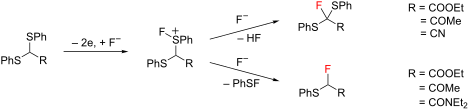
- , selective fluorination of organic compounds is becoming significantly important. Although the selective fluorination has been extensively studied, highly efficient and safe fluorination methods are still demanded [7][8]. With these facts in mind, we have developed a selective electrochemical fluorination

Graphical Abstract

Scheme 1: Anodic fluorination of sulfides having an electron-withdrawing group.

Scheme 2: Anodic fluorination of dithioacetals.

Figure 1: Dependency of fluorinated product selectivity on a series of fluoride salts (a) Et3N·nHF (n = 3–5) ...

Scheme 3: Plausible reaction mechanism for anodic fluorination of 1b, 1d, and 1f.

Scheme 4: Mechanism for suppression of the elimination of HF (deprotonation) and preferable desulfurization o...
Stereoselectively fluorinated N-heterocycles: a brief survey
- Xiang-Guo Hu and
- Luke Hunter
Beilstein J. Org. Chem. 2013, 9, 2696–2708, doi:10.3762/bjoc.9.306
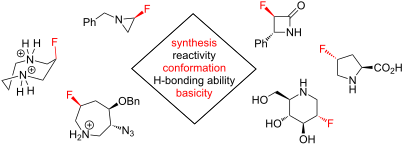
- ]. However, with the advent of stereoselective fluorination methods [10][11] it seems clear that the subset of stereoselectively fluorinated N-heterocycles [12] offers particularly rich possibilities. We therefore felt that it would be worthwhile to examine in a brief review some of the unique features of
- cost and ready availability of perfluorinated building blocks. It should be noted, however, that access to enantiopure targets is not straightforward via the building block approach. Such targets may be better obtained through diastereoselective or enantioselective fluorination methods, and examples of

Graphical Abstract

Figure 1: Fluorination alters the reactivity of aziridines.

Scheme 1: Fluorination makes β-lactam derivatives more reactive towards lipase-catalysed methanolysis.

Figure 2: The ring pucker in azetidine derivatives can be influenced by a C–F…N+ charge–dipole interaction.

Figure 3: Fluorination ridifies the pyrrolidine rings of ligand 10, with several consequences for its G-quadr...

Figure 4: Proline 11 readily undergoes a ring-flip process, but (4R)-fluoroproline 12 is more rigid because o...

Scheme 2: Hyperconjugation rigidifies the ring pucker of a fluorinated organocatalyst 14, leading to higher e...

Figure 5: Fluorinated piperidines prefer the axial conformation, due to stabilising C–F…N+ interactions.

Figure 6: Fluorination can rigidify a substituted azepane, but only if it acts in synergy with the other subs...

Figure 7: The eight-membered N-heterocycle 24 prefers an axial orientation of the fluorine substituent, givin...

Figure 8: Some iminosugars are “privileged structures” that serve as valuable drug leads.

Figure 9: Fluorinated iminosugar analogues 32–34 illuminate the binding interactions of the α-glycosidase inh...

Figure 10: Fluorinated miglitol analogues, and their inhibitory activity towards yeast α-glycosidase.

Figure 11: Analogues of isofagomine (31) have different pKaH values, and therefore exhibit maximal β-glucosida...

Scheme 3: General strategy for the synthesis of fluorinated N-heterocycles via deoxyfluorination.

Figure 12: Late stage deoxyfluorination in the synthesis of multifunctional N-heterocycles.

Scheme 4: During the deoxyfluorination of N-heterocycles, neighbouring group participation can sometimes lead...

Scheme 5: A building block approach for the synthesis of fluorinated aziridines 2 and 3.

Scheme 6: Building block approach for the synthesis of a difluorinated analogue of calystegine B (63).

Scheme 7: Synthesis of fluorinated analogues of brevianamide E (65) and gypsetin (68) via electrophilic fluor...

Scheme 8: Organocatalysed enantioselective fluorocyclisation.

Scheme 9: Synthesis of 3-fluoroazetidine 73 via radical fluorination.

Scheme 10: Synthesis of 3,3-difluoropyrrolidine 78 via a radical cyclisation.

Scheme 11: Chemoenzymatic synthesis of fluorinated β-lactam 4b.



