


Search results
Search for "heterocyclic compounds" in Full Text gives 267 result(s) in Beilstein Journal of Organic Chemistry. Showing first 200.
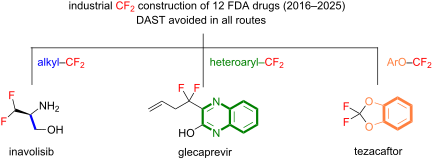
Construction of CF2 moieties in FDA-approved drugs (2016–2025): industrial routes, mechanisms, and scale-up considerations
- Wenyan Yao,
- Huanhuan Zhang,
- Xiaolong Yang and
- Feng Liu
Beilstein J. Org. Chem. 2026, 22, 1122–1150, doi:10.3762/bjoc.22.91
- critically important research area. The supply chain of fluorinated organic molecular raw materials has attracted increasing attention [3]. In particular, the construction of CF2 moieties remains a research hotspot. Recent advances in this area include the synthesis of aza-heterocyclic compounds bearing in

Graphical Abstract

Figure 1: FDA-approved drugs containing CF2 groups (2016–2025). a) For tezacaftor (4), the 2018 approval year...

Figure 2: Synthesis of the alkyl–CF2 side chain in glecaprevir (1) and voxilaprevir (2).

Figure 3: Synthesis of the difluorinated intermediate 38 for ivosidenib (3).
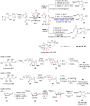
Figure 4: Synthesis of the difluorinated intermediate for cedazuridine (5).

Figure 5: Synthesis of the difluorinated intermediate for omaveloxolone (10).

Figure 6: Synthesis of the difluorinated intermediate for 1-(perfluorohexyl)octane (11).

Figure 7: Synthetic routes towards difluorinated intermediates for the synthesis of inavolisib.
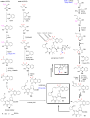
Figure 8: Synthesis of the difluorinated intermediate for glecaprevir.

Figure 9: Synthesis of the difluorinated intermediate for voxilaprevir.

Figure 10: Synthesis of the difluorinated intermediate for lenacapavir.

Figure 11: Synthesis of the difluorinated intermediate for oteseconazole.

Figure 12: Synthesis of the difluorinated intermediate for tezacaftor.

Figure 13: Synthesis of the difluorinated intermediate for difamilas (6).

Figure 14: Synthesis of the difluorinated intermediate for asciminib.

Figure 15: Mechanism of the deoxyfluorination of carbonyl groups using DAST.

Figure 16: Mechanism of the deoxyfluorination of carbonyl groups using SF4.

Figure 17: Mechanism of the fluorination of dithioketals using Olah’s reagent.

Figure 18: Mechanism of the fluorination of xanthates using AgF.

Figure 19: Mechanism of electrophilic fluorination using NFSI.

Figure 20: Mechanism of the Ni-catalyzed conversion of Ar–X to Ar–CF2H using Hu’s reagent.

Figure 21: Mechanism of the (Me3Si)3SiH-mediated intermolecular perfluoroalkylation of alkenes in water.

Figure 22: Mechanism of the formation of ArO–CF2H from ClF2COONa and ArOH.

Figure 23: Mechanism of the formation of ArO–CF2X from TMSCF2X and ArOH.
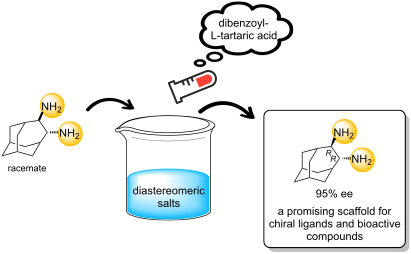
Synthesis and optical resolution of 4,5-diaminohomoadamantane: a promising scaffold for chiral ligands and bioactive compounds
- Polina A. Man’kova,
- Vadim A. Shiryaev,
- Olga S. Podlipnova,
- Marat M. Khisyamov,
- Dmitry S. Nikerov,
- Alexander N. Reznikov and
- Yuri N. Klimochkin
Beilstein J. Org. Chem. 2026, 22, 1013–1022, doi:10.3762/bjoc.22.80
- high analgesic activity in a mouse model of cystitis (Figure 1) [63]. Vicinal diamines are of interest to chemists not only as precursors for the synthesis of heterocyclic compounds, but also because of their wide range of practical applications. Structures with a 1,2-diamine fragment are widely used

Graphical Abstract

Figure 1: Examples of bioactive homoadamantanes.

Figure 2: Examples of cage vicinal diamines.

Scheme 1: Synthetic route to homoadamantane oximes 3–5.

Scheme 2: Reduction of azidoxime 4.

Scheme 3: Synthesis of N-substituted aziridines 10–12.

Scheme 4: Aziridine 11 ring-opening reaction with NaN3.

Scheme 5: Aziridine 12 ring-opening and reduction.

Scheme 6: Resolution of racemic diamine 8a′.

Figure 3: The results of C4–C5–N–H dihedrals scan for staggered conformations with C5–C4–N–H dihedrals 50.66,...

Scheme 7: Synthesis of ligands 18 and 19′.

Scheme 8: Enantiodivergent Henry reaction when using ligands 8a′ and 18.

Scheme 9: Catalysis of the Michael reaction using the complex (4R,5R)-19′−NiBr2.
Cascade transformation of 2-(diazoacetyl)-2H-azirines to 2-aroyl-3-hydroxy-1H-pyrroles via condensation with aromatic aldehydes
- Timur O. Zanakhov,
- Ekaterina E. Galenko,
- Mikhail S. Novikov and
- Alexander F. Khlebnikov
Beilstein J. Org. Chem. 2026, 22, 897–904, doi:10.3762/bjoc.22.70
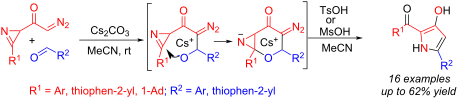
- [4.1.0]heptan-5-one derivative. The acid-catalyzed transformation of which leads to 2-aroyl-3-hydroxy-1H-pyrroles. Keywords: azirines; condensation; cyclization; diazo compounds; pyrroles; Introduction Diazo compounds play a significant role in the synthesis of heterocyclic compounds, which explains

Graphical Abstract

Scheme 1: Reaction of 2-(diazoacetyl)-2H-azirines 1 with aldehydes 2.

Scheme 2: Reaction of 2-(diazoacetyl)-2H-azirine 1b with aldehyde 2b and the result of 2D NOESY experiment fo...

Scheme 3: Relative Gibbs free energies for the condensation of diazoacetylazirine 1a and benzaldehyde (2c) in...

Scheme 4: Plausible mechanism and relative Gibbs free energies for the acid-catalyzed transformation of the b...

Scheme 5: Synthesis of pyrroles 5. Isolated yield calculated for two synthetic steps based on azirine 1.

Scheme 6: Alkylation and triflation reactions of pyrrole 5a.
Synthesis of tricyclic fused pyrrolidine nitroxides from 2-alkynylpyrrolidine-1-oxyls
- Mark M. Gulman,
- Yuliya F. Polienko,
- Sofia Yu. Trakhininа,
- Yuri V. Gatilov,
- Tatyana V. Rybalova,
- Sergey A. Dobrynin and
- Igor A. Kirilyuk
Beilstein J. Org. Chem. 2026, 22, 344–351, doi:10.3762/bjoc.22.22

- -2-ethynylpyrrolidine-1-oxyls with nucleophilic agents can lead to the formation of condensed systems involving the substituent at position 3 of the pyrrolidine ring [16]. Alkynes are broadly used in the synthesis of various heterocyclic compounds, and participation of neighboring functional groups

Graphical Abstract

Scheme 1: Synthesis of nitroxides 2a–f.
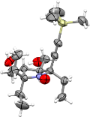
Figure 1: X-ray structure of nitroxide 2d.

Scheme 2: Synthesis of mesyl 3a–f and triazole 4a–f derivatives.

Figure 2: X-ray structures of nitroxides 4a–c.

Scheme 3: Synthesis of alkynones 6a,b.

Scheme 4: Synthesis of vinyl ether 8.

Figure 3: X-ray structures of nitroxides 8 and 9a.

Scheme 5: Synthesis of pyrazole derivatives 9a–c.

Figure 4: Spin–spin coupling constants for reduced nitroxides 9a–c.
Sustainable electrochemical synthesis of aliphatic nitro-NNO-azoxy compounds employing ammonium dinitramide and their in vitro evaluation as potential nitric oxide donors and fungicides
- Alexander S. Budnikov,
- Nikita E. Leonov,
- Michael S. Klenov,
- Andrey A. Kulikov,
- Igor B. Krylov,
- Timofey A. Kudryashev,
- Aleksandr M. Churakov,
- Alexander O. Terent’ev and
- Vladimir A. Tartakovsky
Beilstein J. Org. Chem. 2025, 21, 2739–2754, doi:10.3762/bjoc.21.211
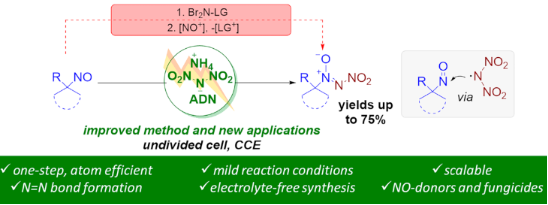
- particular interest for the regioselective synthesis of azoxy compounds [5][71][72]. Unique and understudied representatives of the latter are nitro-NNO-azoxy compounds [R–N(O)=N–NO2], first synthesized at ZIOC RAS [73][74][75]. Nowadays, aromatic and heterocyclic compounds of this class have been studied in

Graphical Abstract
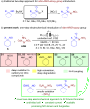
Scheme 1: Current synthetic approaches to aliphatic nitro-NNO-azoxy compounds and the summary of the present ...

Scheme 2: Scope of the discovered electrochemical nitro-NNO-azoxylation of nitrosoalkanes containing electron...

Scheme 3: Synthetic utility and derivatization of synthesized coupling product 2f.

Figure 1: CV-curves of 0.01 M solutions of a) 1a (blue), b) 1f (azure), c) 1c (pink), d) 1i (yellow), e) S4 (...

Figure 2: CV-curves of 0.01 M solutions of a) 1a (blue), b) ADN (red), c) the mixture of 1a and ADN (green), ...

Scheme 4: Control experiments.
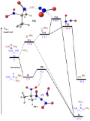
Figure 3: Free energy diagram of possible interaction pathways between 1a and dinitramide-derived radical A a...

Scheme 5: Proposed mechanism for electrochemical nitro-NNO-azoxylation of 1-nitro-1-nitroso compounds 1. Free...

Figure 4: Assessment of the NO release from compounds 2a–i, 3f, and 4f.
Thiazolidinones: novel insights from microwave synthesis, computational studies, and potentially bioactive hybrids
- Luan A. Martinho,
- Victor H. J. G. Praciano,
- Guilherme D. R. Matos,
- Claudia C. Gatto and
- Carlos Kleber Z. Andrade
Beilstein J. Org. Chem. 2025, 21, 2618–2636, doi:10.3762/bjoc.21.203
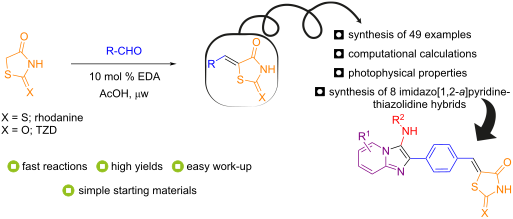
- condensation reactions involving rhodanine derivatives (26 examples). In addition, it requires a lower catalyst loading (10 mol %) and eliminates the need for further purification steps. EDDA has also been employed in reactions for the synthesis of heterocyclic compounds such as tetrahydroquinolines [67

Graphical Abstract

Figure 1: Structure of thiazolidinone derivatives.

Figure 2: Selected examples of commercial drugs containing the thiazolidinone core.

Scheme 1: Multicomponent reaction of benzaldehyde, rhodanine, and piperidine in ethanol leading directly to a...
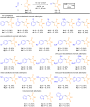
Scheme 2: Substrate scope of the EDA-catalyzed Knoevenagel condensation reactions using a range of aromatic/h...

Scheme 3: Limitations of the EDA-catalyzed Knoevenagel reactions for the synthesis of rhodanine or thiazolidi...

Scheme 4: Plausible reaction mechanism for the EDA-catalyzed Knoevenagel condensation reactions.

Scheme 5: Substrate scope of the HPW-catalyzed GBB reactions.

Scheme 6: Synthesis of imidazo[1,2-a]pyridine-thiazolidinone hybrids by EDA-catalyzed Knoevenagel condensatio...
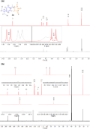
Figure 3: Overlay of predicted (red) and experimental (black) NMR spectra for compound 3n: a) 1H NMR spectra ...

Figure 4: a) Molecular structure of 3n with crystallographic labeling (50% probability displacement). b) Pers...

Scheme 7: a) Tautomeric forms of thiazolidinones and b) resonance structures for compounds 3n and 4n.

Figure 5: Molecular energy as a function of the torsion angle obtained from a relaxed dihedral scan at the M0...

Figure 6: Identification of the carbon atoms used in the theoretical study of chemical shifts. In red, easily...

Figure 7: a) Visual impressions of the solvatochromic study in various solvents (10−5 M) after excitation wit...

Scheme 8: Proposed ICT-type mechanism for the fluorescence process, adapted from ref. [89].

Figure 8: Photophysical study in aqueous solution under different pH values for compound 3n (10−5 M) at room ...

Scheme 9: Two equilibria of compound 3n in aqueous solutions, adapted from ref. [92,93].

Figure 9: Molecular fragments associated with intramolecular charge transfer states.

Figure 10: Frontier molecular orbitals of compounds 3n and 4n in three different states: protonated, deprotona...
The high potential of methyl laurate as a recyclable competitor to conventional toxic solvents in [3 + 2] cycloaddition reactions
- Ayhan Yıldırım and
- Mustafa Göker
Beilstein J. Org. Chem. 2025, 21, 2389–2415, doi:10.3762/bjoc.21.184
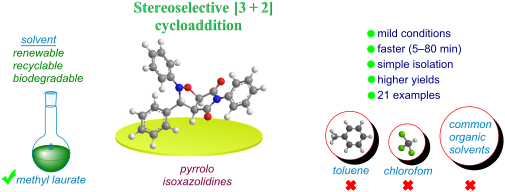
- formation of the five-membered isoxazolidine ring motif, which displays a range of biologically active properties [26][27][28][29][30]. It is notable that the fused pyrrolo-isoxazolidines represent a particularly versatile class of heterocyclic compounds and intermediates, which have been demonstrated to
- -based nitrone with some maleimides via a mechanochemical route in a solvent-free medium [67][68]. The development of environmentally friendly green methodologies for the preparation of heterocyclic compounds via such cycloaddition reactions is a significant and ongoing research area that should not be

Graphical Abstract

Figure 1: Versatile compounds via cycloaddition reactions.
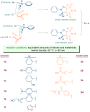
Scheme 1: Molecular structures of parent compounds 1a–f, 2a–d and cycloadducts 3a–u.

Figure 2: a) Radar view of the physical properties of methyl laurate. b) Oral toxicity values of methyl laura...

Figure 3: The oral toxicity values of all the solvents utilized in the present study obtained with ProTox 3.0....

Figure 4: Ecological, environmental risk assessments, pesticide similarity and biodegradability assessments o...

Figure 5: Ecological, environmental risk assessments, pesticide similarity and biodegradability assessments o...

Figure 6: Ecological, environmental risk assessments, pesticide similarity and biodegradability assessments o...

Figure 7: Various toxicity parameters of methyl laurate and a series of other solvents calculated by ADMETLab...

Figure 8: a) Visualization of the localization of conventional organic and bio-based solvents in the Hansen s...
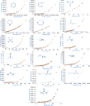
Figure 9: Vapour pressures of the solvents used (values retrieved from the Chemeo molecular database).

Scheme 2: Endo and exo stereoisomeric approaches of nitrone 1a and maleimide 2a in [3 + 2] cycloaddition reac...

Figure 10: Signals of protons used in the calculation of the diastereomeric ratios (cis/trans) of cycloadditio...

Figure 11: Results of studies on the recovery of solvents used in the reaction.

Figure 12: Simplified scheme describing the reaction monitoring and solvent recovery.
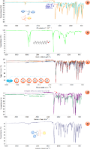
Figure 13: a) The superimposed spectra of C,N-diphenylnitrone and N-phenylmaleimide. b) The spectrum of methyl...
C2 to C6 biobased carbonyl platforms for fine chemistry
- Jingjing Jiang,
- Muhammad Noman Haider Tariq,
- Florence Popowycz,
- Yanlong Gu and
- Yves Queneau
Beilstein J. Org. Chem. 2025, 21, 2103–2172, doi:10.3762/bjoc.21.165

Graphical Abstract

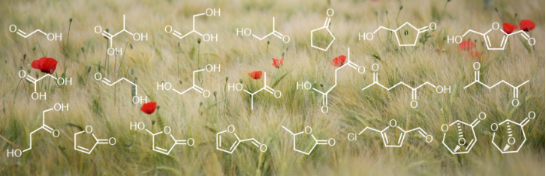
Figure 1: C2–C6 biobased carbonyl building blocks.

Scheme 1: Proposed (2 + 2) route to glycolaldehyde and glycolic acid from erythritol by Cu/AC catalyst (AC = ...

Scheme 2: Reductive amination of GCA.

Scheme 3: N-Formylation of secondary amines by reaction with GCA.

Scheme 4: Synthesis and conversion of hydroxy acetals to cyclic acetals.

Scheme 5: Synthesis of 3-(indol-3-yl)-2,3-dihydrofurans via three-component reaction of glycolaldehyde, indol...

Scheme 6: BiCl3-catalyzed synthesis of benzo[a]carbazoles from 2-arylindoles and α-bromoacetaldehyde ethylene...

Scheme 7: Cu/NCNSs-based conversion of glycerol to glycolic acid and other short biobased acids.

Scheme 8: E. coli-based biotransformation of C1 source molecules (CH4, CO2 and CO) towards C2 glycolic acid.

Scheme 9: N-Formylation of amines with C2 (a) or C3 (b) biomass-based feedstocks.

Scheme 10: Methods for the formation of propanoic acid (PA) from lactic acid (LA).

Scheme 11: Co-polymerization of biobased lactic acid and glycolic acid via a bicatalytic process.

Scheme 12: Oxidation of α-hydroxy acids by tetrachloroaurate(III) in acetic acid–sodium acetate buffer medium.

Figure 2: Selective catalytic pathways for the conversion of lactic acid (LA).

Scheme 13: Synthesis of 1,3-PDO via cross-aldol reaction between formaldehyde and acetaldehyde to 3-hydroxypro...

Scheme 14: Hydrothermal conversion of 1,3-dihydroxy-2-propane and 2,3-dihydroxypropanal to methylglyoxal.

Scheme 15: FLS-catalyzed formose reaction to synthesize GA and DHA.

Scheme 16: GCA and DHA oxidation products of glycerol and isomerization of GCA to DHA under flow conditions us...

Scheme 17: Acid-catalyzed reactions of DHA with alcohols.

Scheme 18: Synthesis of dihydroxyacetone phosphate from dihydroxyacetone.

Scheme 19: Bifunctional acid–base catalyst DHA conversion into lactic acid via pyruvaldehyde or fructose forma...

Scheme 20: Catalytic one-pot synthesis of GA and co-synthesis of formamides and formates from DHA.

Scheme 21: (a) Synthesis of furan derivatives and (b) synthesis of thiophene derivative by cascade [3 + 2] ann...

Scheme 22: Brønsted acidic ionic liquid catalyzed synthesis of benzo[a]carbazole from renewable acetol and 2-p...

Scheme 23: Asymmetric hydrogenation of α-hydroxy ketones to 1,2-diols.

Scheme 24: Synthesis of novel 6-(substituted benzylidene)-2-methylthiazolo [2,3-b]oxazol-5(6H)-one from 1-hydr...

Scheme 25: ʟ-Proline-catalyzed synthesis of anti-diols from hydroxyacetone and aldehydes.

Scheme 26: C–C-bond-formation reactions of a biomass-based feedstock aromatic aldehyde (C5) and hydroxyacetone...

Scheme 27: Ethanol upgrading to C4 bulk chemicals via the thiamine (VB1)-catalyzed acetoin condensation.

Scheme 28: One-pot sequential chemoenzymatic synthesis of 2-aminobutane-1,4-diol and 1,2,4-butanetriol via 1,4...

Scheme 29: Synthesis of 1,4-dihydroxybutan-2-one by microbial transformation.

Scheme 30: Conversion of polyols by [neocuproine)Pd(OAc)]2(OTf)2] to α-hydroxy ketones.

Scheme 31: Chemoselective oxidation of alcohols with chiral palladium-based catalyst 2.

Scheme 32: Electrochemical transformation of furfural to 5-hydroxy-2(5H)-furanone (HFO).

Scheme 33: Selective hydrodeoxygenation of HFO and oxidation to γ-butyrolactone (GBL).

Scheme 34: Photosensitized oxygenation of furan towards HFO via ozonide intermediates.

Scheme 35: Conversion of furfural to HFO and MAN by using mesoporous carbon nitride (SGCN) as photocatalyst.

Scheme 36: Synthesis of HFO from furan derivatives.

Scheme 37: Photooxidation of furfural to 5-hydroxy-2(5H)-furanone (HFO).

Scheme 38: Synthesis of Friedel–Crafts indole adduct from HFO.

Scheme 39: Conversion of HFO to α,γ-substituted chiral γ-lactones.

Scheme 40: Tautomeric transformation of HFO to formylacrylic acid.

Scheme 41: Hydrolysis of HFO to succinic acid in aqueous solution.

Scheme 42: Substitution and condensation reactions of 5-hydroxy-2(5H)-furanone (HFO).

Scheme 43: (a) Conversion of HFO towards valuable C4 chemicals and (b) anodic oxidation of 5-hydroxy-2(5H)-fur...

Figure 3: Conversion of HFO towards other natural and synthetic substances.

Scheme 44: Conversion of furfural to maleic anhydride (reaction a: VOx/Al2O3; reaction b: VPO).

Scheme 45: Conversion of furfural into succinic acid.

Scheme 46: Electro‑, photo‑, and biocatalysis for one-pot selective conversions of furfural into C4 chemicals.

Scheme 47: Production route of furfural from hemicellulose.

Scheme 48: Mechanism for xylose dehydration to furfural through a choline xyloside intermediate.

Scheme 49: Conversion of furfural to furfuryl alcohol and its derivatives.

Scheme 50: Conversion of furfural to furfuryl alcohol and 3-(2-furyl)acrolein.

Scheme 51: The aerobic oxidative condensation of biomass-derived furfural and linear alcohols.

Scheme 52: The single-step synthesis of 2-pentanone from furfural.

Scheme 53: Electrocatalytic coupling reaction of furfural and levulinic acid.

Scheme 54: Conversion of furfural to m-xylylenediamine.

Scheme 55: Conversion of furfural to tetrahydrofuran-derived amines.

Scheme 56: Formation of trans-4,5-diamino-cyclopent-2-enones from furfural.

Scheme 57: Production of pyrrole and proline from furfural.

Scheme 58: Synthesis of 1‑(trifluoromethyl)-8-oxabicyclo[3.2.1]oct-3-en-2-ones from furfural.

Scheme 59: Conversion of furfural to furfural-derived diacids.

Scheme 60: A telescope protocol derived from furfural and glycerol.

Scheme 61: A tandem cyclization of furfural and 5,5-dimethyl-1,3-cyclohexanedione.

Scheme 62: A Ugi four-component reaction to construct furfural-based polyamides.

Scheme 63: One-pot synthesis of γ-acyloxy-Cy7 from furfural.

Scheme 64: Dimerization–Piancatelli sequence toward humins precursors from furfural.

Scheme 65: Conversion of furfural to CPN.

Scheme 66: Synthesis of jet fuels range cycloalkanes from CPN and lignin-derived vanillin.

Scheme 67: Solar-energy-driven synthesis of high-density biofuels from CPN.

Scheme 68: Reductive amination of CPN to cyclopentylamine.

Scheme 69: Asymmetric hydrogenation of C=O bonds of exocyclic α,β-unsaturated cyclopentanones.

Scheme 70: Preparation of levulinic acid via the C5 route (route a) or C6 route (routes b1 and b2).

Scheme 71: Mechanism of the rehydration of HMF to levulinic acid and formic acid.

Scheme 72: Important levulinic acid-derived chemicals.

Scheme 73: Direct conversion of levulinic acid to pentanoic acid.

Scheme 74: Catalytic aerobic oxidation of levulinic acid to citramalic acid.

Scheme 75: Conversion of levulinic acid to 1,4-pentanediol (a) see ref. [236]; b) see ref. [237]; c) see ref. [238]; d) see r...

Scheme 76: Selective production of 2-butanol through hydrogenolysis of levulinic acid.

Scheme 77: General reaction pathways proposed for the formation of 5MPs from levulinic acid.

Scheme 78: Selective reductive amination of levulinic acid to N-substituted pyrroles.

Scheme 79: Reductive amination of levulinic acid to chiral pyrrolidinone.

Scheme 80: Reductive amination of levulinic acid to non-natural chiral γ-amino acid.

Scheme 81: Nitrogen-containing chemicals derived from levulinic acid.

Scheme 82: Preparation of GVL from levulinic acid by dehydration and hydrogenation.

Scheme 83: Ruthenium-catalyzed levulinic acid to chiral γ-valerolactone.

Scheme 84: Catalytic asymmetric hydrogenation of levulinic acid to chiral GVL.

Scheme 85: Three steps synthesis of ε-caprolactam from GVL.

Scheme 86: Multistep synthesis of nylon 6,6 from GVL.

Scheme 87: Preparation of MeGVL by α-alkylation of GVL.

Scheme 88: Ring-opening polymerization of five-membered lactones.

Scheme 89: Synthesis of GVL-based ionic liquids.

Scheme 90: Preparation of butene isomers from GVL under Lewis acid conditions.

Scheme 91: Construction of C5–C12 fuels from GVL over nano-HZSM-5 catalysts.

Scheme 92: Preparation of alkyl valerate from GVL via ring opening/reduction/esterification sequence.

Scheme 93: Construction of 4-acyloxypentanoic acids from GVL.

Scheme 94: Synthesis of 1,4-pentanediol (PDO) from GVL.

Scheme 95: Construction of novel cyclic hemiketal platforms via self-Claisen condensation of GVL.

Scheme 96: Copper-catalyzed lactamization of GVL.

Figure 4: Main scaffolds obtained from HMF.

Scheme 97: Biginelli reactions towards HMF-containing dihydropyrimidinones.

Scheme 98: Hantzsch dihydropyridine synthesis involving HMF.

Scheme 99: The Kabachnik–Fields reaction involving HMF.

Scheme 100: Construction of oxazolidinone from HMF.

Scheme 101: Construction of rhodamine-furan hybrids from HMF.

Scheme 102: A Groebke–Blackburn–Bienaymé reaction involving HMF.

Scheme 103: HMF-containing benzodiazepines by [4 + 2 + 1] cycloadditions.

Scheme 104: Synthesis of fluorinated analogues of α-aryl ketones.

Scheme 105: Synthesis of HMF derived disubstituted γ-butyrolactone.

Scheme 106: Functionalized aromatics from furfural and HMF.

Scheme 107: Diels–Alder adducts from HMF or furfural with N-methylmaleimide.

Scheme 108: Pathway of the one-pot conversion of HMF into phthalic anhydride.

Scheme 109: Photocatalyzed preparation of humins (L-H) from HMF mixed with spoiled HMF residues (LMW-H) and fur...

Scheme 110: Asymmetric dipolar cycloadditions on HMF.

Scheme 111: Dipolar cycloadditions of HMF based nitrones to 3,4- and 3,5-substituted isoxazolidines.

Scheme 112: Production of δ-lactone-fused cyclopenten-2-ones from HMF.

Scheme 113: Aza-Piancatelli access to aza-spirocycles from HMF-derived intermediates.

Scheme 114: Cross-condensation of furfural, acetone and HMF into C13, C14 and C15 products.

Scheme 115: Base-catalyzed aldol condensation/dehydration sequences from HMF.

Scheme 116: Condensation of HMF and active methylene nitrile.

Scheme 117: MBH reactions involving HMF.

Scheme 118: Synthesis of HMF-derived ionic liquids.

Scheme 119: Reductive amination/enzymatic acylation sequence towards HMF-based surfactants.

Scheme 120: The formation of 5-chloromethylfurfural (CMF).

Scheme 121: Conversion of CMF to HMF, levulinic acid, and alkyl levulinates.

Scheme 122: Conversion of CMF to CMFCC and FDCC.

Scheme 123: Conversion of CMF to BHMF.

Scheme 124: Conversion of CMF to DMF.

Scheme 125: CMF chlorine atom substitutions toward HMF ethers and esters.

Scheme 126: Introduction of carbon nucleophiles in CMF.

Scheme 127: NHC-catalyzed remote enantioselective Mannich-type reactions of CMF.

Scheme 128: Conversion of CMF to promising biomass-derived dyes.

Scheme 129: Radical transformation of CMF with styrenes.

Scheme 130: Synthesis of natural herbicide δ-aminolevulinic acid from CMF.

Scheme 131: Four step synthesis of the drug ranitidine from CMF.

Scheme 132: Pd/CO2 cooperative catalysis for the production of HHD and HXD.

Scheme 133: Different ruthenium (Ru) catalysts for the ring-opening of 5-HMF to HHD.

Scheme 134: Proposed pathways for preparing HXD from HMF.

Scheme 135: MCP formation and uses.

Scheme 136: Cu(I)-catalyzed highly selective oxidation of HHD to 2,5-dioxohexanal.

Scheme 137: Synthesis of N‑substituted 3‑hydroxypyridinium salts from 2,5-dioxohexanal.

Scheme 138: Ru catalyzed hydrogenations of HHD to 1,2,5-hexanetriol (a) see ref. [396]; b) see ref. [397]).

Scheme 139: Aviation fuel range quadricyclanes produced by HXD.

Scheme 140: Synthesis of HDGK from HXD and glycerol as a chain extender.

Scheme 141: Synthesis of serinol pyrrole from HXD and serinol.

Scheme 142: Synthesis of pyrroles from HXD and nitroarenes.

Scheme 143: Two-step production of PX from cellulose via HXD.

Scheme 144: Preparation of HCPN from HMF via hydrogenation and ring rearrangement.

Scheme 145: Suggested pathways from HMF to HCPN.

Scheme 146: α-Alkylation of HCPN with ethylene gas.

Scheme 147: Synthesis of 3-(hydroxymethyl)cyclopentylamine from HMF via reductive amination of HCPN.

Scheme 148: Production of LGO and Cyrene® from biomass.

Scheme 149: Synthesis of HBO from LGO and other applications.

Scheme 150: Construction of m-Cyrene® homopolymer.

Scheme 151: Conversion of Cyrene® to THFDM and 1,6-hexanediol.

Scheme 152: RAFT co-polymerization of LGO and butadienes.

Scheme 153: Polycondensation of HO-LGOL and diols with dimethyl adipate.

Scheme 154: Self-condensation of Cyrene® and Claisen–Schmidt reactions.

Scheme 155: Synthesis of 5-amino-2-(hydroxymethyl)tetrahydropyran from Cyrene®.
Switchable pathways of multicomponent heterocyclizations of 5-amino-1,2,4-triazoles with salicylaldehydes and pyruvic acid
- Yana I. Sakhno,
- Oleksander V. Buravov,
- Kostyantyn Yu. Yurkov,
- Anastasia Yu. Andryushchenko,
- Svitlana V. Shishkina and
- Valentyn A. Chebanov
Beilstein J. Org. Chem. 2025, 21, 2030–2035, doi:10.3762/bjoc.21.158
- -1,2,4-triazoles, is important because the formation of different chemotypes of final heterocyclic compounds are possible depending on the structure of the reagents, the solvents and the catalysts, and type of activation methods [7][8][9]. MCRs of aminotriazoles, methylene-active compounds, and

Graphical Abstract

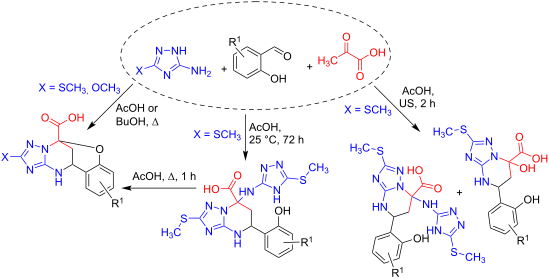
Scheme 1: Diversity of heterocyclization products from reaction of aminoazoles with salicylaldehydes, and pyr...

Scheme 2: MCRs of 3-amino-5-methylthio-1,2,4-triazole (1a) and 3-amino-5-methoxy-1,2,4-triazole (1b) with sal...

Scheme 3: MCRs of 3-amino-5-methylthio-1,2,4-triazole (1a), salicylaldehydes 2a–c,f, and pyruvic acid (3) und...

Figure 1: Molecular structure of compound 4c according to X-ray diffraction data. Thermal ellipsoids are show...
α-Ketoglutaric acid in Ugi reactions and Ugi/aza-Wittig tandem reactions
- Vladyslav O. Honcharov,
- Yana I. Sakhno,
- Olena H. Shvets,
- Vyacheslav E. Saraev,
- Svitlana V. Shishkina,
- Tetyana V. Shcherbakova and
- Valentyn A. Chebanov
Beilstein J. Org. Chem. 2025, 21, 2021–2029, doi:10.3762/bjoc.21.157
- nitrogen-containing heterocyclic compounds using various modifications of this sequence [32][33][34][35][36]. Among others, Yan et al. [31] described a facile way to quinoxalinone derivatives using an Ugi/Staudinger/aza-Wittig tandem combination with pyruvic acid or phenylglyoxylic acid. Quinoxalinones are

Graphical Abstract

Figure 1: Some biologically active quinoxalinone derivatives.

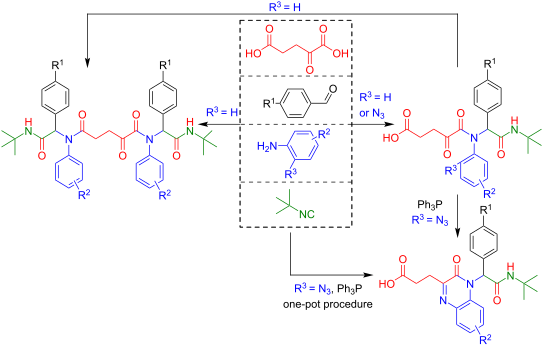
Scheme 1: Known multicomponent reactions of KGA.

Scheme 2: Ugi reaction involving KGA.

Scheme 3: Tandem Ugi/aza-Wittig combination involving KGA.
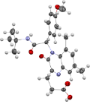
Figure 2: Molecular structure of 3-(4-(2-(tert-butylamino)-1-(4-methoxyphenyl)-2-oxoethyl)-5,7-dimethyl-3-oxo...
Fe-catalyzed efficient synthesis of 2,4- and 4-substituted quinolines via C(sp2)–C(sp2) bond scission of styrenes
- Prafull A. Jagtap,
- Manish M. Petkar,
- Vaishnavi R. Sawant and
- Bhalchandra M. Bhanage
Beilstein J. Org. Chem. 2025, 21, 1799–1807, doi:10.3762/bjoc.21.142
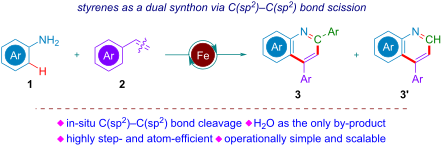
- in active pharmaceutical ingredients, therapeutic agents, and agrochemical formulations [1][2][3][4][5][6][7][8][9]. Around 60% of recently FDA-approved drugs contain heterocyclic compounds, with quinoline recognized as a key structural motif due to its significant anticancer, antifungal

Graphical Abstract

Figure 1: Representative examples of bioactive quinolines.

Scheme 1: C(sp2)–C(sp2) bond-cleavage strategies for quinoline synthesis.
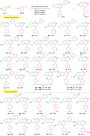
Scheme 2: Substrate scope of various arylamines and styrenes.

Scheme 3: Scale-up studies for the synthesis of antifungal agents.

Scheme 4: Mechanistic investigations.

Scheme 5: Plausible reaction mechanism.
Microwave-enhanced additive-free C–H amination of benzoxazoles catalysed by supported copper
- Andrei Paraschiv,
- Valentina Maruzzo,
- Filippo Pettazzi,
- Stefano Magliocco,
- Paolo Inaudi,
- Daria Brambilla,
- Gloria Berlier,
- Giancarlo Cravotto and
- Katia Martina
Beilstein J. Org. Chem. 2025, 21, 1462–1476, doi:10.3762/bjoc.21.108
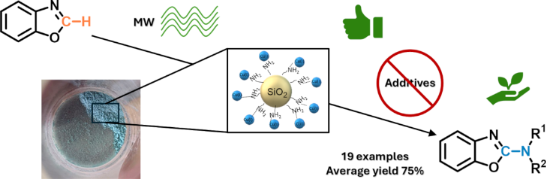
- synthesis of various benzoxazole derivatives, demonstrating its versatility and practical applicability. Keywords: aerobic oxidation; copper; grafted silica; heterogeneous catalysis; microwave; Introduction 2-Aminoazoles are nitrogenous heterocyclic compounds of high relevance due to their biological and

Graphical Abstract
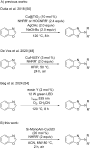
Scheme 1: Representative synthetic routes for the C–H amination of benzoxazole using supported copper catalys...

Figure 1: Reaction of benzimidazole with piperidine. a) Reaction scheme including intermaidates and b) conver...

Figure 2: Reaction rate comparison between conventional (oil bath) and MW heating. Reaction conditions: benzo...

Scheme 2: Graphical representation of Si-MonoAm-Cu(I) and Si-DiAm-Cu(I) preparation.

Figure 3: TGA profiles of SIPERNAT silica and Si-MonoAm and Si-DiAm.

Scheme 3: Scope of the MW-promoted C2-amination of benzoxazole catalysed by Si-MonoAm-Cu(I). Reaction conditi...

Scheme 4: C2-Amination of substituted benzoxazoles. Reaction conditions: benzoxazole (1.0 mmol), piperidine (...

Figure 4: Hot filtration test for the Si-MonoAm-Cu(I)-catalysed C2-amination of benzoxazole with piperidine i...

Figure 5: FTIR spectra of samples on the left 3800–2400 cm−1 wavenumber on the right 1750–1350 cm−1 wavenumbe...

Figure 6: Si-MonoAm-Cu(I) catalyst reuse.

Figure 7: FESEM images of sample a) Si-MonoAm-Cu(I) 5 wt % and c) Si-MonoAm-Cu(I) 5 wt % used.

Figure 8: EDS maps of a) Si-MonoAm-Cu(I) and b) Si-MonoAm-Cu(I) used.
Oxetanes: formation, reactivity and total syntheses of natural products
- Peter Gabko,
- Martin Kalník and
- Maroš Bella
Beilstein J. Org. Chem. 2025, 21, 1324–1373, doi:10.3762/bjoc.21.101
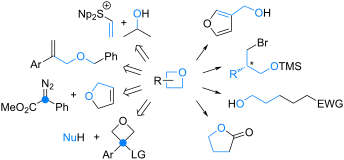
- chemistry; natural products; oxetane; reactivity; synthesis; Introduction Oxetanes are 4-membered heterocyclic compounds containing one oxygen atom whose discovery dates back to the 1870s when the first synthesis of the parent, unsubstituted oxetane was reported by Reboul [1]. Over the next 100 years, it

Graphical Abstract

Figure 1: Bond lengths and bond angles in oxetane at 140 K [2].

Figure 2: Analogy of 3-substituted oxetanes to carbonyl and gem-dimethyl groups [12].

Figure 3: Use of oxetanes in drug design – selected examples.

Figure 4: Examples of oxetane-containing natural products.

Scheme 1: Synthetic strategies towards construction of the oxetane ring.

Scheme 2: Overview of intramolecular Williamson etherification and competing Grob fragmentation.

Scheme 3: Synthesis of spiro-oxetanes via 1,4-C–H insertion and Williamson etherification.

Scheme 4: Use of phenyl vinyl selenone in the synthesis of spirooxindole oxetanes.

Scheme 5: Synthesis of bicyclic 3,5-anhydrofuranoses via double epoxide opening/etherification.

Scheme 6: Preparation of spirooxetanes by cycloisomerisation via MHAT/RPC.

Scheme 7: Oxetane synthesis via alcohol C–H functionalisation.

Scheme 8: Access to oxetanes 38 from α-acetyloxy iodides.

Scheme 9: The kilogram-scale synthesis of oxetane intermediate 41.

Scheme 10: Overview of the intramolecular opening of 3-membered rings.

Scheme 11: Synthesis of 4,7-dioxatricyclo[3.2.1.03,6]octane skeletons.

Scheme 12: Silicon-directed electrophilic cyclisation of homoallylic alcohols.

Scheme 13: Hydrosilylation–iodocyclisation of homopropargylic alcohols.

Scheme 14: Cu-catalysed intramolecular O-vinylation of γ-bromohomoallylic alcohols.

Scheme 15: Cu-catalysed intramolecular cross-coupling of hydroxyvinylstannanes.

Scheme 16: Isomerisation of oxiranyl ethers containing weakly carbanion-stabilising groups.

Scheme 17: Cyclisation of diethyl haloalkoxymalonates.

Scheme 18: Synthesis of oxetanes through a 1,5-HAT/radical recombination sequence.

Scheme 19: General approach to oxetanes via [2 + 2] cycloadditions.

Scheme 20: Synthesis of tricyclic 4:4:4 oxetanes through a photochemical triple cascade reaction.

Scheme 21: Iridium-catalysed Paternò–Büchi reaction between α-ketoesters and simple alkenes.

Scheme 22: Three-step synthesis of spirocyclic oxetanes 83 via Paternò–Büchi reaction, nucleophilic ring openi...

Scheme 23: Enantioselective Paternò–Büchi reaction catalysed by a chiral iridium photocatalyst.

Scheme 24: Synthesis of polysubstituted oxetanes 92 via Cu(II)-mediated formal [2 + 2] cycloadditions.

Scheme 25: Synthesis of alkylideneoxetanes via NHC- and DBU-mediated formal [2 + 2] cycloadditions.

Scheme 26: Use of sulphur-stabilised carbanions in ring expansions.

Scheme 27: Synthesis of α,α-difluoro(arylthio)methyl oxetanes.

Scheme 28: Ring expansion in an industrial synthesis of PF-06878031.

Scheme 29: Ring contraction of triflated 2-hydroxy-γ-lactones.

Scheme 30: Ring contraction in an industrial synthesis of PF-06878031.

Scheme 31: Photochemical ring contraction of 2,5-dihydrofurans by aryldiazoacetic acid esters.

Scheme 32: Synthesis of 3-oxetanones via O-H insertion of carbenes.

Scheme 33: Synthesis of phosphonate oxetanones via gold-mediated alkyne oxidation/O–H insertion.

Scheme 34: Syntheses and common derivatisations of 3-oxetanone.

Scheme 35: SN1 substitution of 3-aryloxetan-3-ols by thiols and alcohols.

Scheme 36: Fe–Ni dual-catalytic olefin hydroarylation towards 3-alkyl-3-(hetero)aryloxetanes.

Scheme 37: Synthesis of 3-aryloxetan-3-carboxylic acids.

Scheme 38: Decarboxylative alkylation of 3-aryloxetan-3-carboxylic acids.

Scheme 39: Synthesis of 3-amino-3-aryloxetanes via photoredox/nickel cross-coupling catalysis.
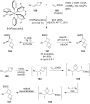
Scheme 40: Intermolecular cross-selective [2 + 2] photocycloaddition towards spirooxetanes.

Scheme 41: Synthesis of 3-aryl-3-aminooxetanes via defluorosulphonylative coupling.

Scheme 42: Two-step synthesis of amide bioisosteres via benzotriazolyl Mannich adducts 170.

Scheme 43: Functionalisation of oxetanyl trichloroacetimidates 172.

Scheme 44: Synthesis of oxetane-amino esters 176.

Scheme 45: Tandem Friedel–Crafts alkylation/intramolecular ring opening of 3-aryloxetan-3-ols.

Scheme 46: Synthesis of polysubstituted furans and pyrroles.

Scheme 47: Synthesis of oxazolines and bisoxazolines.

Scheme 48: Tandem, one-pot syntheses of various polycyclic heterocycles.

Scheme 49: Synthesis of 1,2-dihydroquinolines via skeletal reorganisation of oxetanes.

Scheme 50: Synthesis of benzoindolines and 2,3-dihydrobenzofurans and their derivatisations.

Scheme 51: Synthesis of polysubstituted 1,4-dioxanes.

Scheme 52: Preparation of various lactones via ring opening of oxetane-carboxylic acids 219.

Scheme 53: Tsuji-Trost allylation/ring opening of 3-aminooxetanes.

Scheme 54: Arylative skeletal rearrangement of 3-vinyloxetan-3-ols to 2,5-dihydrofurans.

Scheme 55: Reductive opening of oxetanes using catalytic Mg–H species.

Scheme 56: Opening of oxetanes by silyl ketene acetals.

Scheme 57: Rhodium-catalysed hydroacylation of oxetanes.

Scheme 58: Generation of radicals from oxetanes mediated by a vitamin B12-derived cobalt catalyst.

Scheme 59: Reductive opening of oxetanes by B–Si frustrated Lewis pairs.
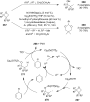
Scheme 60: Zirconocene-mediated reductive opening of oxetanes.

Scheme 61: Enantioselective syntheses of small and medium-size rings using chiral phosphoric acids.

Scheme 62: Asymmetric synthesis of 2,3-dihydrobenzo[b]oxepines catalysed by a chiral scandium complex.

Scheme 63: Enantioselective synthesis of 1,3-bromohydrins under a chiral squaramide catalysis.

Scheme 64: Enantioselective opening of 2-aryl-2-ethynyloxetanes by anilines.

Scheme 65: Ru-catalysed insertion of diazocarbonyls into oxetanes.

Scheme 66: Ring expansion of oxetanes by stabilised carbenes generated under blue light irradiation.

Scheme 67: Expansion of oxetanes via nickel-catalysed insertion of alkynyltrifluoroborates.

Scheme 68: Nickel-catalysed expansion of oxetanes into ε-caprolactones.

Scheme 69: Expansion of oxetanes via cobalt-catalysed carbonyl insertion.

Scheme 70: Gold-catalysed intramolecular 1,1-carboalkoxylation of oxetane-ynamides.

Scheme 71: Expansion of oxetanes by stabilised sulphoxonium ylides.

Scheme 72: Cu-catalysed ring expansion of 2-vinyloxetanes by diazoesters.

Scheme 73: Total synthesis of (+)-oxetin.

Scheme 74: Total synthesis of racemic oxetanocin A.

Scheme 75: Total synthesis of (−)-merrilactone A.
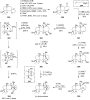
Scheme 76: Total synthesis of (+)-dictyoxetane.

Scheme 77: Total synthesis of ent-dichrocephone B.

Scheme 78: Total synthesis of (−)-mitrephorone A.
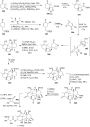
Scheme 79: Total synthesis of (−)-taxol.
Recent advances in oxidative radical difunctionalization of N-arylacrylamides enabled by carbon radical reagents
- Jiangfei Chen,
- Yi-Lin Qu,
- Ming Yuan,
- Xiang-Mei Wu,
- Heng-Pei Jiang,
- Ying Fu and
- Shengrong Guo
Beilstein J. Org. Chem. 2025, 21, 1207–1271, doi:10.3762/bjoc.21.98
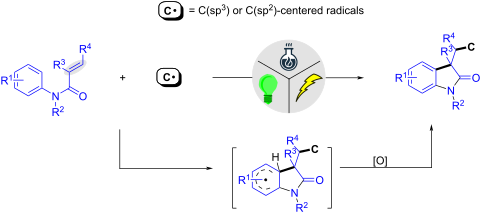

Graphical Abstract

Scheme 1: DTBP-mediated oxidative alkylarylation of activated alkenes.

Scheme 2: Iron-catalyzed oxidative 1,2-alkylarylation.

Scheme 3: Possible mechanism for the iron-catalyzed oxidative 1,2-alkylation of activated alkenes.

Scheme 4: A metal-free strategy for synthesizing 3,3-disubstituted oxindoles.

Scheme 5: Iminoxyl radical-promoted cascade oxyalkylation/alkylarylation of alkenes.

Scheme 6: Proposed mechanism for the iminoxyl radical-promoted cascade oxyalkylation/alkylarylation of alkene...

Scheme 7: Bicyclization of 1,n-enynes with alkyl nitriles.

Scheme 8: Possible reaction mechanism for the bicyclization of 1,n-enynes with alkyl nitriles.

Scheme 9: Radical cyclization of N-arylacrylamides with isocyanides.

Scheme 10: Plausible mechanism for the radical cyclization of N-arylacrylamides with isocyanides.

Scheme 11: Electrochemical dehydrogenative cyclization of 1,3-dicarbonyl compounds.

Scheme 12: Plausible mechanism for the dehydrogenative cyclization of 1,3-dicarbonyl compounds.

Scheme 13: Photocatalyzed cyclization of N-arylacrylamide and N,N-dimethylaniline.

Scheme 14: Proposed mechanism for the photocatalyzed cyclization of N-arylacrylamides and N,N-dimethylanilines....

Scheme 15: Electrochemical monofluoroalkylation cyclization of N-arylacrylamides with dimethyl 2-fluoromalonat...
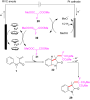
Scheme 16: Proposed mechanism for the electrochemical radical cyclization of N-arylacrylamides with dimethyl 2...

Scheme 17: Photoelectrocatalytic carbocyclization of unactivated alkenes using simple malonates.

Scheme 18: Plausible mechanism for the photoelectrocatalytic carbocyclization of unactivated alkenes with simp...

Scheme 19: Bromide-catalyzed electrochemical trifluoromethylation/cyclization of N-arylacrylamides.

Scheme 20: Proposed mechanism for the electrochemical trifluoromethylation/cyclization of N-arylacrylamides.

Scheme 21: Visible light-mediated trifluoromethylarylation of N-arylacrylamides.

Scheme 22: Plausible reaction mechanism for the visible light-mediated trifluoromethylarylation of N-arylacryl...

Scheme 23: Electrochemical difluoroethylation cyclization of N-arylacrylamides with sodium difluoroethylsulfin...

Scheme 24: Electrochemical difluoroethylation cyclization of N-methyacryloyl-N-alkylbenzamides with sodium dif...

Scheme 25: Photoredox-catalyzed radical aryldifluoromethylation of N-arylacrylamides with S-(difluoromethyl)su...

Scheme 26: Proposed mechanism for the photoredox-catalyzed radical aryldifluoromethylation of N-arylacrylamide...

Scheme 27: Visible-light-induced domino difluoroalkylation/cyclization of N-cyanamide alkenes.

Scheme 28: Proposed mechanism of photoredox-catalyzed radical domino difluoroalkylation/cyclization of N-cyana...

Scheme 29: Palladium-catalyzed oxidative difunctionalization of alkenes.

Scheme 30: Two possible mechanisms of palladium-catalyzed oxidative difunctionalization.

Scheme 31: Silver-catalyzed oxidative 1,2-alkyletherification of unactivated alkenes with α-bromoalkylcarbonyl...

Scheme 32: Photochemical radical cascade cyclization of dienes.

Scheme 33: Proposed mechanism for the photochemical radical cascade 6-endo cyclization of dienes with α-carbon...

Scheme 34: Photocatalyzed radical coupling/cyclization of N-arylacrylamides and.

Scheme 35: Photocatalyzed radical-type couplings/cyclization of N-arylacrylamides with sulfoxonium ylides.

Scheme 36: Possible mechanism of visible-light-induced radical-type couplings/cyclization of N-arylacrylamides...
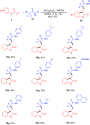
Scheme 37: Visible-light-promoted difluoroalkylated oxindoles systhesis via EDA complexes.

Scheme 38: Possible mechanism for the visible-light-promoted radical cyclization of N-arylacrylamides with bro...

Scheme 39: A dicumyl peroxide-initiated radical cascade reaction of N-arylacrylamide with DCM.

Scheme 40: Possible mechanism of radical cyclization of N-arylacrylamides with DCM.

Scheme 41: An AIBN-mediated radical cascade reaction of N-arylacrylamides with perfluoroalkyl iodides.

Scheme 42: Possible mechanism for the reaction with perfluoroalkyl iodides.

Scheme 43: Photoinduced palladium-catalyzed radical annulation of N-arylacrylamides with alkyl halides.

Scheme 44: Radical alkylation/cyclization of N-Alkyl-N-methacryloylbenzamides with alkyl halides.

Scheme 45: Possible mechanism for the alkylation/cyclization with unactivated alkyl chlorides.
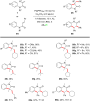
Scheme 46: Visible-light-driven palladium-catalyzed radical cascade cyclization of N-arylacrylamides with unac...

Scheme 47: NHC-catalyzed radical cascade cyclization of N-arylacrylamides with alkyl bromides.

Scheme 48: Possible mechanism of NHC-catalyzed radical cascade cyclization.

Scheme 49: Electrochemically mediated radical cyclization reaction of N-arylacrylamides with freon-type methan...

Scheme 50: Proposed mechanistic pathway of electrochemically induced radical cyclization reaction.

Scheme 51: Redox-neutral photoinduced radical cascade cylization of N-arylacrylamides with unactivated alkyl c...
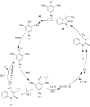
Scheme 52: Proposed mechanistic hypothesis of redox-neutral radical cascade cyclization.

Scheme 53: Thiol-mediated photochemical radical cascade cylization of N-arylacrylamides with aryl halides.

Scheme 54: Proposed possible mechanism of thiol-mediated photochemical radical cascade cyclization.

Scheme 55: Visible-light-induced radical cascade bromocyclization of N-arylacrylamides with NBS.

Scheme 56: Possible mechanism of visible-light-induced radical cascade cyclization.

Scheme 57: Decarboxylation/radical C–H functionalization by visible-light photoredox catalysis.

Scheme 58: Plausible mechanism of visible-light photoredox-catalyzed radical cascade cyclization.

Scheme 59: Visible-light-promoted tandem radical cyclization of N-arylacrylamides with N-(acyloxy)phthalimides....

Scheme 60: Plausible mechanism for the tandem radical cyclization reaction.

Scheme 61: Visible-light-induced aerobic radical cascade alkylation/cyclization of N-arylacrylamides with alde...

Scheme 62: Plausible mechanism for the aerobic radical alkylarylation of electron-deficient amides.

Scheme 63: Oxidative decarbonylative [3 + 2]/[5 + 2] annulation of N-arylacrylamide with vinyl acids.

Scheme 64: Plausible mechanism for the decarboxylative (3 + 2)/(5 + 2) annulation between N-arylacrylamides an...

Scheme 65: Rhenium-catalyzed alkylarylation of alkenes with PhI(O2CR)2.

Scheme 66: Plausible mechanism for the rhenium-catalyzed decarboxylative annulation of N-arylacrylamides with ...

Scheme 67: Visible-light-induced one-pot tandem reaction of N-arylacrylamides.

Scheme 68: Plausible mechanism for the visible-light-initiated tandem synthesis of difluoromethylated oxindole...

Scheme 69: Copper-catalyzed redox-neutral cyanoalkylarylation of activated alkenes with cyclobutanone oxime es...

Scheme 70: Plausible mechanism for the copper-catalyzed cyanoalkylarylation of activated alkenes.

Scheme 71: Photoinduced alkyl/aryl radical cascade for the synthesis of quaternary CF3-attached oxindoles.

Scheme 72: Plausible photoinduced electron-transfer (PET) mechanism.

Scheme 73: Photoinduced cerium-mediated decarboxylative alkylation cascade cyclization.

Scheme 74: Plausible reaction mechanism for the decarboxylative radical-cascade alkylation/cyclization.

Scheme 75: Metal-free oxidative tandem coupling of activated alkenes.

Scheme 76: Control experiments and possible mechanism for 1,2-carbonylarylation of alkenes with carbonyl C(sp2...

Scheme 77: Silver-catalyzed acyl-arylation of activated alkenes with α-oxocarboxylic acids.

Scheme 78: Proposed mechanism for the decarboxylative acylarylation of acrylamides.

Scheme 79: Visible-light-mediated tandem acylarylation of olefines with carboxylic acids.

Scheme 80: Proposed mechanism for the radical cascade cyclization with acyl radical via visible-light photored...

Scheme 81: Erythrosine B-catalyzed visible-light photoredox arylation-cyclization of N-arylacrylamides with ar...

Scheme 82: Electrochemical cobalt-catalyzed radical cyclization of N-arylacrylamides with arylhydrazines or po...

Scheme 83: Proposed mechanism of radical cascade cyclization via electrochemical cobalt catalysis.

Scheme 84: Copper-catalyzed oxidative tandem carbamoylation/cyclization of N-arylacrylamides with hydrazinecar...

Scheme 85: Proposed reaction mechanism for the radical cascade cyclization by copper catalysis.

Scheme 86: Visible-light-driven radical cascade cyclization reaction of N-arylacrylamides with α-keto acids.

Scheme 87: Proposed mechanism of visible-light-driven cascade cyclization reaction.

Scheme 88: Peroxide-induced radical carbonylation of N-(2-methylallyl)benzamides with methyl formate.

Scheme 89: Proposed cyclization mechanism of peroxide-induced radical carbonylation with N-(2-methylallyl)benz...

Scheme 90: Persulfate promoted carbamoylation of N-arylacrylamides and N-arylcinnamamides.

Scheme 91: Proposed mechanism for the persulfate promoted radical cascade cyclization reaction of N-arylacryla...
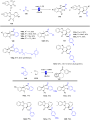
Scheme 92: Photocatalyzed carboacylation with N-arylpropiolamides/N-alkyl acrylamides.

Scheme 93: Plausible mechanism for the photoinduced carboacylation of N-arylpropiolamides/N-alkyl acrylamides.

Scheme 94: Electrochemical Fe-catalyzed radical cyclization with N-arylacrylamides.

Scheme 95: Plausible mechanism for the electrochemical Fe-catalysed radical cyclization of N-phenylacrylamide.

Scheme 96: Substrate scope of the selective functionalization of various α-ketoalkylsilyl peroxides with metha...

Scheme 97: Proposed reaction mechanism for the Fe-catalyzed reaction of alkylsilyl peroxides with methacrylami...

Scheme 98: EDA-complex mediated C(sp2)–C(sp3) cross-coupling of TTs and N-methyl-N-phenylmethacrylamides.

Scheme 99: Proposed mechanism for the synthesis of oxindoles via EDA complex.
A multicomponent reaction-initiated synthesis of imidazopyridine-fused isoquinolinones
- Ashutosh Nath,
- John Mark Awad and
- Wei Zhang
Beilstein J. Org. Chem. 2025, 21, 1161–1169, doi:10.3762/bjoc.21.92
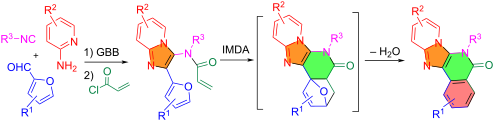
- reaction followed by the cleavage of the alkyl group to give intermediate II as a free amine. Annulation of II with CDI gave product B which is an HIV reverse transcriptase inhibitor (Scheme 1B) [17]. We have reported a three-component [3 + 2] cycloaddition followed by IMDA reaction for making heterocyclic
- compounds [18]. Presented in this paper is a new synthetic route involving GBB, N-acylation and IMDA reactions for making intermediate III followed by dehydrative re-aromatization to give imidazopyridine-fused isoquinolinones C (Scheme 1C). Results and Discussion Following the reported procedures [10], the

Graphical Abstract

Figure 1: Bioactive compounds bearing imidazopyridine (red) and isoquinolinone-kind (blue) rings.

Scheme 1: GBB-initiated synthesis of imidazopyridine-fused isoquinolinones.

Scheme 2: GBB reaction and N-acylation for the preparation of imidazo[1,2-a]pyridines 6.
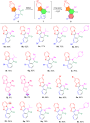
Scheme 3: Substrate scope for IMDA and dehydrative aromatization in making 8. Reaction conditions: 6 and AlCl3...
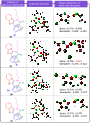
Figure 2: Transition state analysis of IMDA reactions for 6a, 6j, 6h and 6r.

Figure 3: Relative energy diagram for the synthesis of 8a from 6a.

Scheme 4: Using thiophene-2-carbaldehyde for the synthesis of 8t.

Scheme 5: Proposed mechanisms for IMDA reaction and dehydration re-aromatization.
Synthesis of pyrrolo[3,2-d]pyrimidine-2,4(3H)-diones by domino C–N coupling/hydroamination reactions
- Ruben Manuel Figueira de Abreu,
- Robin Tiedemann,
- Peter Ehlers and
- Peter Langer
Beilstein J. Org. Chem. 2025, 21, 1010–1017, doi:10.3762/bjoc.21.82
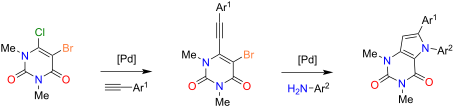
- . Keywords: alkynes; catalysis; cyclizations; domino reactions; heterocycles; Introduction Pyrimidines and purines are one of the most important heterocyclic compounds with prevalent biological functions. Both are found in nucleosides and their corresponding polymeric DNA and RNA, and hence are vital for

Graphical Abstract

Figure 1: Development of drugs based on pyrrolopyrimidines: A: Cadeguomycin. B: Tubercidin. C: Toyocamycin. D...

Scheme 1: Synthesis of 3a–h. Conditions: i) Br2 (1.0 equiv), Ac2O (1.5 equiv), AcOH, 25 °C, 1 h [25]; ii) aryl ac...

Scheme 2: C–N cross-coupling/hydroamination reaction.
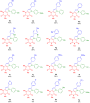
Scheme 3: Synthesis of 4a–m. Conditions: Pd(OAc)2 (5 mol %), DPEphos (5 mol %), K3PO4 (3 equiv), DMA, 100 °C,...

Figure 2: UV–vis absorption (left) and emission (right, λex = 300 nm) spectra of compounds 4a, 4j, 4k, 4l, an...
Chitosan-supported CuI-catalyzed cascade reaction of 2-halobenzoic acids and amidines for the synthesis of quinazolinones
- Xuhong Zhao,
- Weishuang Li,
- Mengli Yang,
- Bojie Li,
- Yaoyao Zhang,
- Lizhen Huang and
- Lei Zhu
Beilstein J. Org. Chem. 2025, 21, 839–844, doi:10.3762/bjoc.21.67
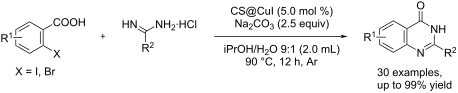
- catalytic efficiency (up to 99% yield). Keywords: chitosan-supported CuI catalyst; cyclization reaction; mild conditions; quinazolinone; Introduction Quinazolinones are not only a key core of nitrogen-containing benzo heterocyclic compounds found in many natural products and bioactive molecules [1][2][3

Graphical Abstract

Scheme 1: Copper-catalyzed cascade reaction of 2-halobenzoic acids and amidines for the synthesis of quinazol...

Scheme 2: Substrate scope. Reaction conditions: 1 (0.5 mmol, 1.0 equiv), amidines hydrochloride 2 (0.75 mmol,...

Scheme 3: Proposed mechanism for the CS@CuI-catalyzed synthesis of quinazolinones.

Scheme 4: Scaling-up experiment (a) and recyclability of CS@CuI (b).
Recent advances in the electrochemical synthesis of organophosphorus compounds
- Babak Kaboudin,
- Milad Behroozi,
- Sepideh Sadighi and
- Fatemeh Asgharzadeh
Beilstein J. Org. Chem. 2025, 21, 770–797, doi:10.3762/bjoc.21.61
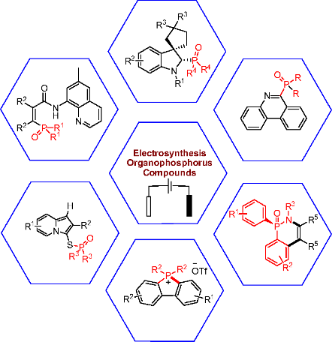
- have a low oxidation potential and can be oxidized quickly to act as a catalyst (Scheme 5). Acridines are important nitrogen-containing heterocyclic compounds used as the building block for preparing medicinally active compounds. The conjunction of phosphorus with acridine increases its biological

Graphical Abstract

Scheme 1: Electrosynthesis of phenanthridine phosphine oxides.

Scheme 2: Electrosynthesis of 1-aminoalkylphosphine oxides.

Scheme 3: Various electrochemical C–P coupling reactions.

Scheme 4: Electrochemical C–P coupling reaction of indolines.

Scheme 5: Electrochemical C–P coupling reaction of ferrocene.

Scheme 6: Electrochemical C–P coupling reaction of acridines with phosphites.

Scheme 7: Electrochemical C–P coupling reaction of alkenes.

Scheme 8: Electrochemical C–P coupling reaction of arenes in a flow system.

Scheme 9: Electrochemical C–P coupling reaction of heteroarenes.

Scheme 10: Electrochemical C–P coupling reaction of thiazoles.

Scheme 11: Electrochemical C–P coupling reaction of indole derivatives.

Scheme 12: Electrosynthesis of 1-amino phosphonates.

Scheme 13: Electrochemical C–P coupling reaction of aryl and vinyl bromides.

Scheme 14: Electrochemical C–P coupling reaction of phenylpyridine with dialkyl phosphonates in the presence o...

Scheme 15: Electrochemical P–C bond formation of amides.

Scheme 16: Electrochemical synthesis of α-hydroxy phosphine oxides.

Scheme 17: Electrochemical synthesis of π-conjugated phosphonium salts.

Scheme 18: Electrochemical phosphorylation of indoles.

Scheme 19: Electrochemical synthesis of phosphorylated propargyl alcohols.

Scheme 20: Electrochemical synthesis of phosphoramidates.

Scheme 21: Electrochemical reaction of carbazole with diphenylphosphine.

Scheme 22: Electrochemical P–N coupling of carbazole with phosphine oxides.

Scheme 23: Electrochemical P–N coupling of indoles with a trialkyl phosphite.

Scheme 24: Electrochemical synthesis of iminophosphoranes.

Scheme 25: Electrochemical P–O coupling of phenols with dialkyl phosphonate.

Scheme 26: Electrochemical P–O coupling of alcohols with diphenylphosphine.

Scheme 27: Electrochemical P–S coupling of thiols with dialkylphosphines.

Scheme 28: Electrochemical thiophosphorylation of indolizines.

Scheme 29: Electrosynthesis of S-heteroaryl phosphorothioates.

Scheme 30: Electrochemical phosphorylation reactions.

Scheme 31: Electrochemical P–Se formation.

Scheme 32: Electrochemical selenation/halogenation of alkynyl phosphonates.

Scheme 33: Electrochemical enantioselective aryl C–H bond activation.
Formaldehyde surrogates in multicomponent reactions
- Cecilia I. Attorresi,
- Javier A. Ramírez and
- Bernhard Westermann
Beilstein J. Org. Chem. 2025, 21, 564–595, doi:10.3762/bjoc.21.45
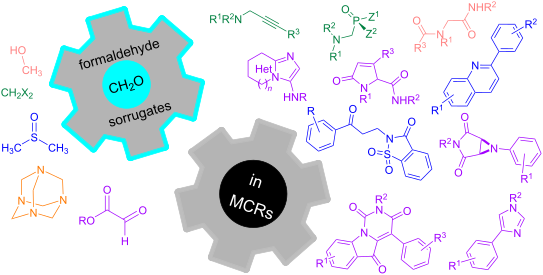
- . Synthesis of heteroaromatic systems One of the most powerful applications of MCRs is the synthesis of heterocyclic compounds and several reports in recent years showed the advantages of using this tool as a synthetic strategy to generate complex molecular scaffolds with medicinal relevance [25][26][27]. In

Graphical Abstract

Scheme 1: Features of the ideal reaction (redrawn from P. A. Wender et al. [1]).

Scheme 2: Some of the most popular MCRs with formaldehyde as the carbonyl component.

Scheme 3: Ugi reaction under a catalyzed electro-oxidation process using TEMPO (2,2,6,6-tetramethyl-1-piperid...

Scheme 4: Examples of different products obtained by MCRs in which DMSO serves as -SCH3 source.

Scheme 5: Mechanism of the decomposition of DMSO under acidic or thermal conditions. a) In situ generation of...

Scheme 6: Povarov multicomponent reaction to quinolines.

Scheme 7: Example of the Povarov reaction with formaldehyde with a julolidine derivative as main product.

Scheme 8: Povarov multicomponent reaction to quinoline derivatives I and II using DMSO as formaldehyde surrog...

Scheme 9: Example of a Povarov three-component reaction with change of catalyst, yielding regioisomer III. In...

Scheme 10: The Povarov three-component reactions carried out under acidic catalysis to afford quinoline regios...

Scheme 11: Different MCR routes involving DMSO to synthesize complex heterocycles such as diarylpyridines and ...

Scheme 12: Pyrazole synthesis by a three-component reaction using DMSO as a source of a C-1 unit.

Scheme 13: Three-component reactions for the synthesis of aliphatic heterocycles 13 and 14 using DMSO as a for...

Scheme 14: Proposed mechanism for the 3CR between homoallylic amines, disulfides, and DMSO.

Scheme 15: Mannich-type reaction using DMSO as formaldehyde surrogate.

Scheme 16: Mechanism for the 3CR-Mannich-type reaction between aryl ketone 18, saccharine (19), and DMSO. The ...

Scheme 17: Mannich-type reaction using DMSO as formaldehyde surrogate and under oxidative activation.

Scheme 18: Three-component reaction between an indazole, a carboxylic acid, and DMSO.

Scheme 19: Amine–aldehyde–alkyne (AAA) coupling reaction and plausible mechanism.

Scheme 20: AHA coupling for the synthesis of propargylamines using dihalomethanes as C1 building blocks.

Scheme 21: AHA coupling using CH2Cl2 as both solvent and methylene source.

Scheme 22: Examples of propargylamines synthesized under catalytic AHA protocols.

Scheme 23: Proposed mechanism for the synthesis of propargylamines using dichloromethane as a C1 source.

Scheme 24: Mechanism proposed for the generation of the aminal intermediate E by Buckley et al. [68].

Scheme 25: Pudovic and Kabachnik–Fields reactions for the synthesis of α-aminophosphonates.

Scheme 26: a) Abramov side reaction that generates α-hydroxy phosphonate as a byproduct during the Kabachnik-F...

Scheme 27: Catalyst-free three component reaction to afford α-amino phosphorus product 35 using 1,1-dihaloalka...

Scheme 28: a) Proposed mechanism for the three-component reaction of dichloromethane, amine and phosphorus com...

Scheme 29: Ugi-ammonia strategy using HMTA as a formaldehyde surrogate.

Scheme 30: Glyoxylate and its derivatives as C1 building blocks.

Scheme 31: The Groebke–Blackburn–Bienaymé multicomponent reaction (GBB) and its mechanism.

Scheme 32: a) Byproducts in the GBB multicomponent reaction (GBB) when formaldehyde is used as the carbonyl co...

Scheme 33: Possible regioisomers in the GBB multicomponent reaction when formaldehyde is used as the carbonyl ...

Scheme 34: The multicomponent GBB reaction yields 2-unsubstituted 3-aminoimidazo heterocycles 42a using MP-gly...

Scheme 35: GBB multicomponent reaction to 2-unsubstituted 3-amino imidazo heterocycles 42a using glyoxylic aci...

Scheme 36: GBB reaction using glyoxylic acid immobilized on silica as formaldehyde surrogate.

Scheme 37: Bioactive products synthesized by the GBB reaction using glyoxylic acid.

Scheme 38: van Leusen three-component reaction to imidazoles.

Scheme 39: Side reaction during the synthesis of imidazoles with formaldehyde as the carbonyl compound.

Scheme 40: Optimization of the van Leusen three component reaction to 1,4-disubstituted imidazoles 43 using gl...

Scheme 41: Application of the Sisko strategy [96] for the synthesis of CB1 receptor antagonist compounds [97].

Scheme 42: Side reaction, when NH4OH is used as amine component.

Scheme 43: Ugi-type adducts with the ester moiety and the acidic CH to be used for post-cyclization sequences.

Scheme 44: Ugi/cycloisomerization process to pyrrolones 51, butenolides 52, and pyrroline 53.

Scheme 45: Radical cyclization reactions from Ugi adducts promoted by TEMPO.

Scheme 46: Hydrolysis and decarboxylation reactions to products with incorporation of a C1 unit of ethyl glyox...

Scheme 47: One-step synthetic route to pyrrolones 60 using phenylglyoxal.

Scheme 48: Ugi-pseudo-Knoevenagel-pseudo-Dieckmann cascade sequence for the synthesis of fused heterocycles.

Scheme 49: Ugi-pseudo-Knoevenagel reaction from ethyl glyoxylate.
Study of the interaction of 2H-furo[3,2-b]pyran-2-ones with nitrogen-containing nucleophiles
- Constantine V. Milyutin,
- Andrey N. Komogortsev and
- Boris V. Lichitsky
Beilstein J. Org. Chem. 2025, 21, 556–563, doi:10.3762/bjoc.21.44
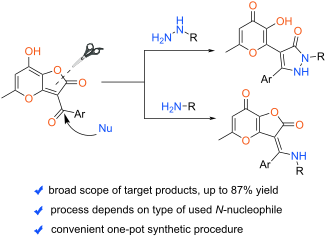
- unambiguously confirmed by X-ray diffraction. Keywords: allomaltol; enamines; 2H-furo[3,2-b]pyran-2-ones; pyrazol-3-ones; recyclization; Introduction Substituted furan-2(5H)-ones (butenolides) are widely used as precursors for the preparation of diverse types of heterocyclic compounds possessing various

Graphical Abstract

Scheme 1: Various examples of transformations of furanones.

Scheme 2: Interaction of starting 2H-furo[3,2-b]pyran-2-ones with diverse amines.

Scheme 3: Synthesis of enamines 4. Reaction conditions: 1a (1 mmol, 0.38 g), amine 2 (1.2 mmol), AcOH (3 mL).

Scheme 4: Synthesis of pyrazol-3-ones 8. Reaction conditions: 1 (1 mmol), hydrazine 7 (1.1 mmol), EtOH (5 mL)....

Scheme 5: Synthesis of pyrazol-3-one 10a.

Scheme 6: Synthesis of unsubstituted pyrazol-3-ones 10. Reaction conditions: 1 (1 mmol), hydrazine hydrate (2...

Scheme 7: Synthesis of isoxazolone 11. Reaction conditions: 1c (1 mmol, 0.30 g), hydroxylamine hydrochloride ...

Scheme 8: Proposed reaction mechanism.

Scheme 9: Synthesis of product 13. Reaction conditions: 8o (1 mmol, 0.37 g), pivaloyl chloride (3 mmol, 0.36 ...
Unraveling aromaticity: the dual worlds of pyrazole, pyrazoline, and 3D carborane
- Zahra Noori,
- Miquel Solà,
- Clara Viñas,
- Francesc Teixidor and
- Jordi Poater
Beilstein J. Org. Chem. 2025, 21, 412–420, doi:10.3762/bjoc.21.29
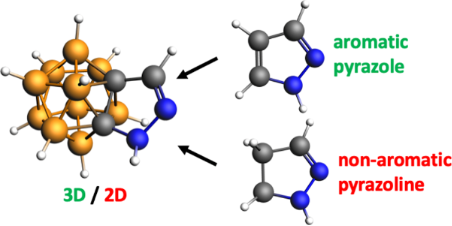
- ; Introduction Pyrazoles and 1,2-diazoles are five-membered aromatic heterocyclic compounds that have garnered significant attention in recent years [1][2][3]. While these compounds are rarely found in nature, they exhibit a wide range of biological activities, making them highly useful in pharmaceutical

Graphical Abstract

Figure 1: Series o-carborane-fused pyrazoles under analysis.

Figure 2: Bond lengths (in Å) of systems under analysis (top row) and reference systems (second and third row...

Figure 3: Series of reference systems for the o-carborane-fused pyrazoles under analysis.

Figure 4: NICS (in ppm) of the boron cages (computed for the top 5-membered ring, center and bottom 5-membere...

Figure 5: AICD plots of systems under analysis from the fusion of o-carborane and pyrazole/pyrazoline and ref...

Figure 6: Current density maps (all-electron contributions) for a perpendicular magnetic field over a plane 1...
Synthesis, structure, ionochromic and cytotoxic properties of new 2-(indolin-2-yl)-1,3-tropolones
- Yurii A. Sayapin,
- Eugeny A. Gusakov,
- Inna O. Tupaeva,
- Alexander D. Dubonosov,
- Igor V. Dorogan,
- Valery V. Tkachev,
- Anna S. Goncharova,
- Gennady V. Shilov,
- Natalia S. Kuznetsova,
- Svetlana Y. Filippova,
- Tatyana A. Krasnikova,
- Yanis A. Boumber,
- Alexey Y. Maksimov,
- Sergey M. Aldoshin and
- Vladimir I. Minkin
Beilstein J. Org. Chem. 2025, 21, 358–368, doi:10.3762/bjoc.21.26
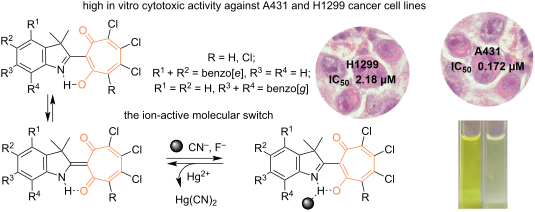
- 2-(indolin-2-yl)-1,3-tropolones [5]. Unlike the cross-aldol reaction of o-chloranil with methyl ketones [13][14][15], which is always accompanied by the removal of one of the chlorine atoms from the seven-membered ring, the acid-catalyzed reaction between methylene-active heterocyclic compounds and

Graphical Abstract

Scheme 1: Synthesis of 2-hetaryl-substituted 1,3-tropolones 1.

Scheme 2: Synthesis of 1,3-tropolones 7a,b and 8a,b. Reagents and conditions: method A: dioxane, reflux; meth...
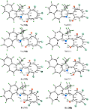
Figure 1: Structural characteristics of (NH) and (OH) tautomeric forms of compounds 7 and 8 in the gas phase ...

Figure 2: Scheme of HMBC correlations of compound 7a in DMSO-d6.

Figure 3: Molecular structure of 2-(3,3-dimethyl-3H-benzo[g]indolin-2-yl)-5,6,7-trichloro-1,3-tropolone (7b).

Figure 4: Result of matching structures of 7b (solid lines) and 2-(3,3-dimethylindolin-2-yl)-5,6,7-trichloro-...

Figure 5: Absorption and emission spectra of compound 8b in acetonitrile before (1,1’) (c 2.5 × 10⁻⁵ mol L–1)...

Scheme 3: Possible binding mode of 7 and 8 with CN− and F−.

Figure 6: Dose–response curves for H1299 and A431 cells treated with compound 7a for 24 h. *Significant diffe...
Synthesis, characterization, antimicrobial, cytotoxic and carbonic anhydrase inhibition activities of multifunctional pyrazolo-1,2-benzothiazine acetamides
- Ayesha Saeed,
- Shahana Ehsan,
- Muhammad Zia-ur-Rehman,
- Erin M. Marshall,
- Sandra Loesgen,
- Abdus Saleem,
- Simone Giovannuzzi and
- Claudiu T. Supuran
Beilstein J. Org. Chem. 2025, 21, 348–357, doi:10.3762/bjoc.21.25
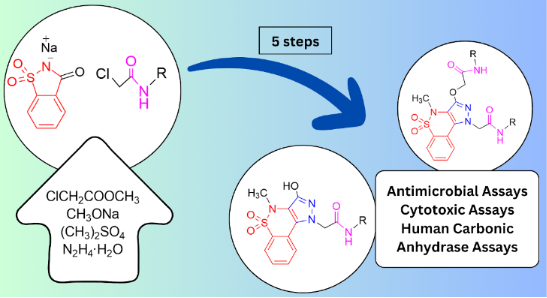
- Klebe’s research group in 2007 [40]. A literature survey revealed that various heterocyclic compounds especially benzenesulfonamides can be best CAIs [41][42][43]. These CAIs are used to treat different pathological conditions like epilepsy [44], glaucoma [45], diabesity [46], obesity [47], neuropathic

Graphical Abstract
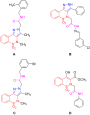
Figure 1: An overview of previously synthesized 1,2-benzothiazines [36-39].
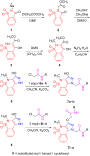
Scheme 1: General scheme for the synthesis of pyrazolo-1,2-benzothiazine-N-aryl/benzyl/cyclohexylacetamide.

Figure 2: An example of contrasting 1H NMR signals for monoalkylated (7a) and dialkylated (7l) derivatives, (...
Synthesis of new condensed naphthoquinone, pyran and pyrimidine furancarboxylates
- Kirill A. Gomonov,
- Vasilii V. Pelipko,
- Igor A. Litvinov,
- Ilya A. Pilipenko,
- Anna M. Stepanova,
- Nikolai A. Lapatin,
- Ruslan I. Baichurin and
- Sergei V. Makarenko
Beilstein J. Org. Chem. 2025, 21, 340–347, doi:10.3762/bjoc.21.24
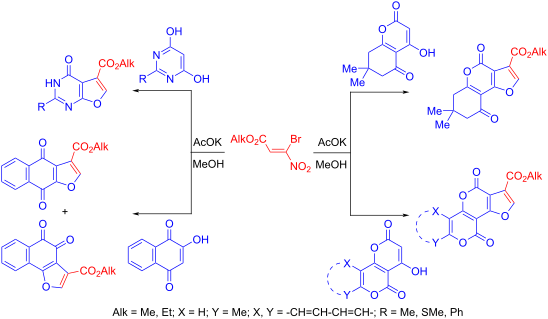
- heterocyclic structures leads to the production of new types of heterocyclic compounds with practical useful properties [1][2][3][4][5][6]. Representatives of the naphthofuran series exhibit anticancer [7] and antiinfectious activity [8]. Anticancer properties have also been found in representatives of the

Graphical Abstract

Scheme 1: Approaches to the synthesis of naphtho[2,3-b]furan-4,9-diones.

Scheme 2: Approaches to the synthesis of furo[2,3-d]pyrimidin-4(3H)-ones.

Scheme 3: Approaches to the synthesis of furan-containing pyranopyrans and pyranochromenes.

Scheme 4: Reaction of alkyl 3-bromo-3-nitroacrylates 1a,b with 2-hydroxynaphthalene-1,4-dione (2a).

Scheme 5: Reaction of alkyl 3-bromo-3-nitroacrylates 1a,b with 4-hydroxy-7,7-dimethyl-7,8-dihydro-2H-1-benzop...

Scheme 6: Reaction of alkyl 3-bromo-3-nitroacrylates 1a,b with 4-hydroxy-7-methyl-2H,5H-pyrano[4,3-b]pyran-2,...

Scheme 7: Reaction of alkyl 3-bromo-3-nitroacrylates 1a,b with pyrimidine-4,6-diols 2e–g.
Synthesis of disulfides and 3-sulfenylchromones from sodium sulfinates catalyzed by TBAI
- Zhenlei Zhang,
- Ying Wang,
- Xingxing Pan,
- Manqi Zhang,
- Wei Zhao,
- Meng Li and
- Hao Zhang
Beilstein J. Org. Chem. 2025, 21, 253–261, doi:10.3762/bjoc.21.17
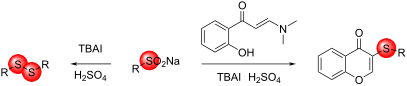
- disulfides from sodium sulfinate without the use of additional redox reagents remains a challenging task. 3-Sulfenylchromones are an important class of heterocyclic compounds with unique skeletons in nature that play an essential role in drug synthesis and development. To synthesize these compounds, direct C

Graphical Abstract

Scheme 1: Different strategies for the synthesis of disulfides and 3-sulfenylchromones.
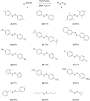
Scheme 2: Substrate scope for the synthesis of disulfides. Reaction conditions: 1 (1 mmol), TBAI (0.2 mmol), H...
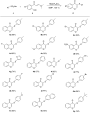
Scheme 3: Substrate scope for the synthesis of 3-sulfenylchromones. Reaction conditions: 1 (1 mmol), 3 (0.5 m...

Scheme 4: Gram-scale synthesis of 2a and 4a and one-pot synthesis of 4a.

Scheme 5: Control experiments.

Scheme 6: Plausible reaction mechanism.



