


Search results
Search for "intermolecular proton transfer" in Full Text gives 9 result(s) in Beilstein Journal of Organic Chemistry.
Photoswitches beyond azobenzene: a beginner’s guide
- Michela Marcon,
- Christoph Haag and
- Burkhard König
Beilstein J. Org. Chem. 2025, 21, 1808–1853, doi:10.3762/bjoc.21.143
- concentration of the photoswitch in solution: when MeOH or water are present, the lifetimes drop significantly, and particularly at pH 4, as consequence of more favourable intermolecular proton transfer. Calculations show that water molecules bridging between two Z-isomers favour the formation of hydrazone and

Graphical Abstract

Figure 1: Energy diagram of a two-state photoswitch. Figure 1 was redrawn from [2].

Figure 2: Example of the absorption spectra of the isomers of a photoswitch with most efficient irradiation w...

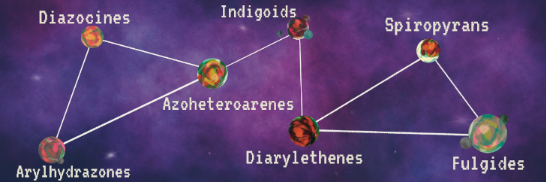
Scheme 1: Photoswitch classes described in this review.

Figure 3: Azoheteroarenes.

Scheme 2: E–Z Isomerisation (top) and mechanisms of thermal Z–E isomerisation (bottom).

Scheme 3: Rotation mechanism favoured by the electron displacement in push–pull systems. Selected examples of...

Figure 4: A) T-shaped and twisted Z-isomers determine the thermal stability and the Z–E-PSS (selected example...

Figure 5: Effect of di-ortho-substitution on thermal half-life and PSS.

Figure 6: Selected thermal lifetimes of azoindoles in different solvents and concentrations. aConcentration o...

Figure 7: Aryliminopyrazoles: N-pyrazoles (top) and N-phenyl (bottom).

Scheme 4: Synthesis of symmetrical heteroarenes through oxidation (A), reduction (B), and the Bayer–Mills rea...

Scheme 5: Synthesis of diazonium salt (A); different strategies of azo-coupling: with a nucleophilic ring (B)...

Scheme 6: Synthesis of arylazothiazoles 25 (A) and heteroaryltriazoles 28 (B).

Scheme 7: Synthesis of heteroarylimines 31a,b [36-38].

Figure 8: Push–pull non-ionic azo dye developed by Velasco and co-workers [45].

Scheme 8: Azopyridine reported by Herges and co-workers [46].

Scheme 9: Photoinduced phase transitioning azobispyrazoles [47].

Figure 9: Diazocines.

Scheme 10: Isomers, conformers and enantiomers of diazocine.

Scheme 11: Partial overlap of the ππ* band with electron-donating substituents and effect on the PSS. Scheme 11 was ada...

Figure 10: Main properties of diazocines with different bridges. aMeasured in n-hexane [56]. bMeasured in THF. cMe...

Scheme 12: Synthesis of symmetric diazocines.

Scheme 13: Synthesis of asymmetric diazocines.

Scheme 14: Synthesis of O- and S-heterodiazocines.

Scheme 15: Synthesis of N-heterodiazocines.

Scheme 16: Puromycin diazocine photoswitch [60].

Figure 11: Indigoids.

Figure 12: The main representatives of the indigoid photoswitch class.

Scheme 17: Deactivation process that prevents Z-isomerisation of indigo.

Figure 13: Stable Z-indigo derivative synthesised by Wyman and Zenhäusern [67].

Figure 14: Selected examples of indigos with aliphatic and aromatic substituents [68]. Dashed box: proposed π–π in...

Scheme 18: Resonance structures of indigo and thioindigo involving the phenyl ring.

Scheme 19: Possible deactivation mechanism for 4,4'-dihydroxythioindigo [76].

Scheme 20: Effect of different heteroaryl rings on the stability and the photophysical properties of hemiindig...

Figure 15: Thermal half-lives of red-shifted hemithioindigos in toluene [79]. aMeasured in toluene-d8.

Scheme 21: Structures of pyrrole [81] and imidazole hemithioindigo [64].

Figure 16: Examples of fully substituted double bond hemithioindigo (left), oxidised hemithioindigos (centre),...

Scheme 22: Structure of iminothioindoxyl 72 (top) and acylated phenyliminoindolinone photoswitch 73 (bottom). ...

Scheme 23: (top) Transition states of iminothioindoxyl 72. The planar transition state is associated with a lo...

Scheme 24: Baeyer–Drewsen synthesis of indigo (top) and N-functionalisation strategies (bottom).

Scheme 25: Synthesis of hemiindigo.

Scheme 26: Synthesis of hemithioindigo and iminothioindoxyl.

Scheme 27: Synthesis of double-bond-substituted hemithioindigos.

Scheme 28: Synthesis of phenyliminoindolinone.

Scheme 29: Hemithioindigo molecular motor [85].

Figure 17: Arylhydrazones.

Scheme 30: Switching of arylhydrazones. Note: The definitions of stator and rotor are arbitrary.

Scheme 31: Photo- and acidochromism of pyridine-based phenylhydrazones.

Scheme 32: A) E–Z thermal inversion of a thermally stable push–pull hydrazone [109]. B) Rotation mechanism favoured...

Scheme 33: Effect of planarisation on the half-life.

Scheme 34: The longest thermally stable hydrazone switches reported so far (left). Modulation of thermal half-...

Figure 18: Dependency of t1/2 on concentration and hypothesised aggregation-induced isomerisation.

Figure 19: Structure–property relationship of acylhydrazones.

Scheme 35: Synthesis of arylhydrazones.

Scheme 36: Synthesis of acylhydrazones.

Scheme 37: Photoswitchable fluorophore by Aprahamian et al. [115].

Scheme 38: The four-state photoswitch synthesised by the Cigáň group [116].

Figure 20: Diarylethenes.

Scheme 39: Isomerisation and oxidation pathway of E-stilbene to phenanthrene.

Scheme 40: Strategies adapted to avoid E–Z isomerisation and oxidation.
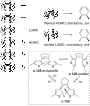
Scheme 41: Molecular orbitals and mechanism of electrocyclisation for a 6π system.

Figure 21: Aromatic stabilisation energy correlated with the thermal stability of the diarylethenes [127,129].

Figure 22: Half-lives of diarylethenes with increasing electron-withdrawing groups [128,129].

Scheme 42: Photochemical degradation pathway promoted by electron-donating groups [130].

Figure 23: The diarylethenes studied by Hanazawa et al. [134]. Increased rigidity leads to bathochromic shift.

Scheme 43: The dithienylethene synthesised by Nakatani's group [135].

Scheme 44: Synthesis of perfluoroalkylated diarylethenes.

Scheme 45: Synthesis of 139 and 142 via McMurry coupling.

Scheme 46: Synthesis of symmetrical derivatives 145 via Suzuki–Miyaura coupling.

Scheme 47: Synthesis of acyclic 148, malonic anhydride 149, and maleimide derivatives 154.

Figure 24: Gramicidin S (top left) and two of the modified diarylethene derivatives: first generation (bottom ...

Scheme 48: Pyridoxal 5'-phosphate and its reaction with an amino acid (top). The analogous dithienylethene der...

Figure 25: Fulgides.

Scheme 49: The three isomers of fulgides.

Scheme 50: Thermal and photochemical side products of unsubstituted fulgide [150].

Figure 26: Maximum absorption λc of the closed isomer compared with the nature of the aromatic ring and the su...

Scheme 51: Possible rearrangement of the excited state of 5-dimethylaminoindolylfulgide [153].

Figure 27: Quantum yields of ring closure (ΦE→C) and E–Z isomerisation (ΦE→Z) correlated with the increasing s...

Scheme 52: Active (Eα) and inactive (Eβ) conformers (left) and the bicyclic sterically blocked fulgide 169 (ri...

Scheme 53: Quantum yield of ring-opening (ΦC→E) and E–Z isomerisation (ΦE→Z) for different substitution patter...

Scheme 54: Stobbe condensation pathway for the synthesis of fulgides 179, fulgimides 181 and fulgenates 178.

Scheme 55: Alternative synthesis of fulgides through Pd-catalysed carbonylation.

Scheme 56: Optimised synthesis of fulgimides [166].

Scheme 57: Photoswitchable FRET with a fulgimide photoswitch [167].

Scheme 58: Three-state fulgimide strategy by Slanina's group.

Figure 28: Spiropyrans.

Scheme 59: Photochemical (left) and thermal (right) ring-opening mechanisms for an exemplary spiropyran with a...

Figure 29: Eight possible isomers of the open merocyanine according to the E/Z configurations of the bonds hig...

Scheme 60: pH-Controlled photoisomerisation between the closed spiropyran 191-SP and the open E-merocyanine 19...

Scheme 61: Behaviour of spiropyran in water buffer according to Andréasson and co-workers [180]. 192-SP in an aqueo...

Scheme 62: (left box) Proposed mechanism of basic hydrolysis of MC [184]. (right box) Introduction of electron-dona...

Scheme 63: Photochemical interconversion of naphthopyran 194 (top) and spirooxazine 195 (bottom) photoswitches...

Scheme 64: Synthesis of spiropyrans and spirooxazines 198 and the dicondensation by-product 199.

Scheme 65: Alternative synthesis of spiropyrans and spirooxazines with indolenylium salt 200.

Scheme 66: Synthesis of 4’-substituted spiropyrans 203 by condensation of an acylated methylene indoline 201 w...

Scheme 67: Synthesis of spironaphthopyrans 210 by acid-catalysed condensation of naphthols and diarylpropargyl...

Scheme 68: Photoswitchable surface wettability [194].

Figure 30: Some guiding principles for the choice of the most suitable photoswitch. Note that this guide is ve...
Using the phospha-Michael reaction for making phosphonium phenolate zwitterions
- Matthias R. Steiner,
- Max Schmallegger,
- Larissa Donner,
- Johann A. Hlina,
- Christoph Marschner,
- Judith Baumgartner and
- Christian Slugovc
Beilstein J. Org. Chem. 2024, 20, 41–51, doi:10.3762/bjoc.20.6
- intramolecular proton transfer and the methanol-mediated proton transfer, can occur. It has been described that intermediate B is more stable with enolizable electron-withdrawing groups such as esters [50] when compared to, e.g., a nitrile [49]. Accordingly, the intermolecular proton transfer pathway should be
- carbonyl moiety and for the intermolecular proton transfer in the presence of the hydrogen-donor solvent methanol. Yields and characteristic 1H, 13C, and 31P NMR shifts of compounds 2a–i. Supporting Information Accession codes CCDC 2287962 and 2287963 contain the supplementary crystallographic data for 2a

Graphical Abstract

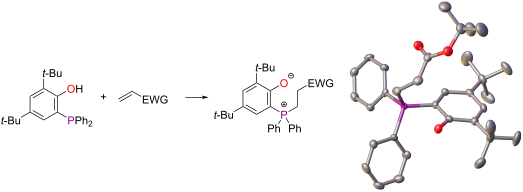
Scheme 1: Reaction of 1 with various Michael acceptors (EWG = electron-withdrawing group) forming the zwitter...

Figure 1: 1H NMR spectrum of 2a recorded on a 300 MHz spectrometer in CDCl3 at 23 °C; the inset shows a 3D-mo...

Figure 2: a) Molecular structure of 2a, hydrogen atoms omitted for clarity, thermal ellipsoids drawn at 30% p...

Figure 3: Left: UV–vis spectra of 2a, 2b and 2d in chloroform (straight lines) and in methanol (dotted lines)...

Figure 4: Conversion of 1 (initial c = 0.25 mM) toward 2a, 2b, or 2d in the presence of the respective Michae...

Scheme 2: Proposed mechanism for intramolecular proton transfer in zwitterion formation with Michael acceptor...
Photoredox catalysis harvesting multiple photon or electrochemical energies
- Mattia Lepori,
- Simon Schmid and
- Joshua P. Barham
Beilstein J. Org. Chem. 2023, 19, 1055–1145, doi:10.3762/bjoc.19.81
- ). Nucleophilic addition of the amine to the acyl radical and amine-assisted intermolecular proton transfer [84] generates the α-hydroxy radical 24 from which formation of the amide 25 proceeds either via i) oxidation by [Ir2]+ and deprotonation or ii) radical chain propagation [85]. Electron-deficient, electron

Graphical Abstract

Figure 1: Oxidative and reductive activations of organic compounds harvesting photoredox catalysis.

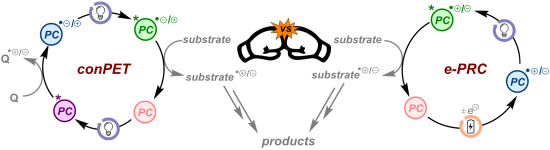
Figure 2: General catalytic cycles of radical ion conPET (left) and radical ion e-PRC (right).
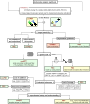
Figure 3: “Beginner’s guide”: comparison between advantages, capacities, and prospectives of conPET and PEC.
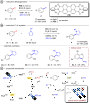
Figure 4: A) conPET reductive dehalogenation of aryl halides with PDI. B) Reductive C–H arylation with pyrrol...
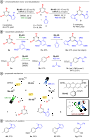
Figure 5: A) Chromoselective mono- and disubstitution or polybrominated pyrimidines with pyrroles. B) Sequent...

Figure 6: A) Synthesis of pyrrolo[1,2-a]quinolines. B) Synthesis of ullazines.

Figure 7: A) Reductive phosphorylation of aryl halides via conPET. B) Selected examples from the substrate sc...
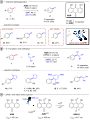
Figure 8: A) Reductive dehalogenation of aryl halides via conPET and selected examples from the substrate sco...
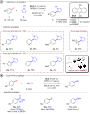
Figure 9: A) Reductive C–H arylation of aryl halides via conPET (top) and selected examples from the substrat...
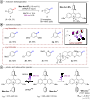
Figure 10: A) Reductive hydrodehalogenation of aryl halides with Mes-Acr-BF4. B) Selected examples from the su...
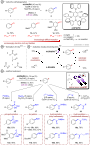
Figure 11: A) Reductive hydrodechlorination of aryl chlorides with 4-DPAIPN. B) Proposed formation of CO2•−. C...
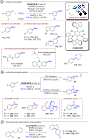
Figure 12: A) Reductive conPET borylation with 3CzEPAIPN (top) and selected examples from the substrate scope ...

Figure 13: Scale-up of conPET phosphorylation with 3CzEPAIPN.
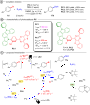
Figure 14: A) Borylation of 1d. B) Characteristics and structure of PC1 with green and red parts showing the l...
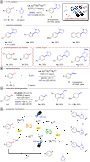
Figure 15: A) Reductive C–H arylation scope with polysulfide conPET (top) and selected examples from the subst...

Figure 16: Scale-up of A) C–H arylation and B) dehaloborylation with polysulfide photocatalysis in continuous-...

Figure 17: A) Formation of [Ir1]0 and [Ir2]0 upon PET between [Ir1]+ and Et3N. B) Mechanism of multi-photon ta...

Figure 18: A) Reductive hydrodehalogenation of aryl halides via multi-photon tandem photocatalysis. B) Selecte...

Figure 19: A) Carbonylative amidation of aryl halides in continuous flow. B) Selected examples from the substr...
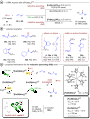
Figure 20: A) General scheme for reductive (RQ) and oxidative quenching (OQ) protocols using [FeIII(btz)3](PF6)...
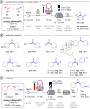
Figure 21: A) Carbonylative amidation of alkyl iodides with [IrIII(ppy)2(dtbbpy)]PF6. B) Selected examples fro...
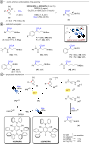
Figure 22: A) Carboxylative C–N bond cleavage in cyclic amines. B) Selected examples from the substrate scope....
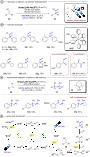
Figure 23: A) Formal reduction of alkenes to alkanes via transfer hydrogenation. B) Selected examples from the...
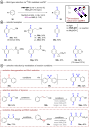
Figure 24: A) Birch-type reduction of benzenes with PMP-BPI. B) Selected examples from the substrate scope (sc...

Figure 25: Proposed mechanism of the OH− mediated conPET Birch-type reduction of benzene via generation of sol...

Figure 26: Reductive detosylation of N-tosylated amides with Mes-Acr-BF4. B) Selected examples from the substr...
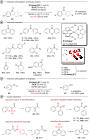
Figure 27: A) Reductive detosylation of N-tosyl amides by dual PRC. B) Selected examples from the substrate sc...

Figure 28: A) Mechanism of the dual PRC based on PET between [Cu(dap)2]+ and DCA. B) Mechanism of the dual PRC...
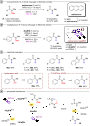
Figure 29: A) N–O bond cleavage in Weinreb amides with anthracene. B) N–O bond cleavage in Weinreb amides rely...
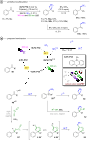
Figure 30: A) Pentafluorosulfanylation and fluoride elimination. B) Mechanism of the pentafluorosulfanylation ...
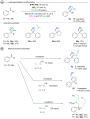
Figure 31: A) α-Alkoxypentafluorosulfanylation (top) and selected examples from the substrate scope (bottom). ...
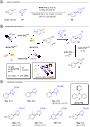
Figure 32: A) Oxidative amination of arenes with azoles catalyzed by N-Ph PTZ. B) Selected examples from the s...

Figure 33: A) C(sp3)–H bond activation by HAT via chloride oxidation by *N-Ph PTZ•+. B) Proposed mechanism for...

Figure 34: A) Recycling e-PRC C–H azolation of electron-rich arenes with pyrazoles using Mes-Acr+ as a photoca...

Figure 35: A) Radical ion e-PRC direct oxidation of unactivated arenes using TAC+ as an electro-activated phot...

Figure 36: A) Radical ion e-PRC direct oxidation of unactivated arenes using TPA as an electro-activated photo...

Figure 37: Proposed mechanism (top) and mode of preassembly (bottom).

Figure 38: A) Possible preassemblies of reactive (left) vs unreactive (right) arenes. B) Calculated spin densi...
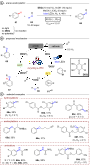
Figure 39: A) Recycling e-PRC C(sp2 )–H acetoxylation of arenes using DDQ as a photocatalyst. B) Proposed cata...

Figure 40: Gram scale hydroxylation of benzene in a recirculated flow setup.
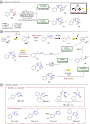
Figure 41: A) Radical ion e-PRC vicinal diamination of alkylarenes using TAC+ as an electro-activated photocat...
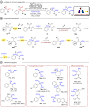
Figure 42: A) Sequential oxygenation of multiple adjacent C–H bonds under radical ion e-PRC using TAC+ as an e...

Figure 43: A) Enantioselective recycling e-PRC cyanation of benzylic C–H bonds using ADQS as photocatalyst. B)...

Figure 44: Proposed tandem mechanism by Xu and co-workers.
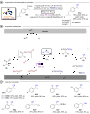
Figure 45: A) Enantioselective recycling e-PRC decarboxylative cyanation using Cu(acac)2, Ce(OTf)3 and a box l...

Figure 46: A) Enantioselective recycling e-PRC benzylic cyanation using Cu(MeCN)4BF4, box ligand and anthraqui...

Figure 47: A) Radical ion e-PRC acetoxyhydroxylation of aryl olefins using TAC+ as an electro-activated photoc...

Figure 48: Selected examples from the substrate scope.

Figure 49: Photoelectrochemical acetoxyhydroxylation in a recirculated flow setup.
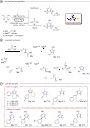
Figure 50: A) Radical ion e-PRC aminooxygenation of aryl olefins using TAC+ as an electro-activated photocatal...
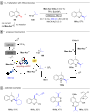
Figure 51: A) Recycling e-PRC C–H alkylation of heteroarenes with organic trifluoroborates using Mes-Acr+ as p...

Figure 52: A) Recycling e-PRC decarboxylative C–H alkylation of heteroarenes using CeCl3·7H2O as catalyst. B) ...

Figure 53: A) Recycling e-PRC decarboxylative C–H alkylation of heteroarenes using Fe(NH4)2(SO4)2·6H2O as cata...
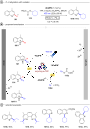
Figure 54: A) Recycling e-PRC C–H alkylation of heteroarenes with alkyl oxalates and 4CzIPN as photocatalyst. ...
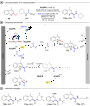
Figure 55: A) Recycling e-PRC decarboxylative C–H carbamoylation of heteroarenes using 4CzIPN as photocatalyst...
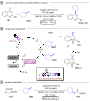
Figure 56: A) Photoelectrochemical HAT-mediated hydrocarbon activation via the chlorine radical. B) Proposed m...

Figure 57: A) Selected examples from the substrate scope. B) Gram and decagram scale semi-continuous flow PEC ...

Figure 58: A) Photoelectrochemical HAT-mediated dehydrogenative coupling of benzothiazoles with aliphatic C–H ...

Figure 59: A) Photoelectrochemical HAT activation of ethers using electro-activated TAC+ as photocatalyst. B) ...

Figure 60: Selected examples from the substrate scope.
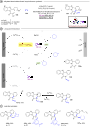
Figure 61: A) Photoelectrochemical HAT-mediated synthesis of alkylated benzimidazo-fused isoquinolinones using...

Figure 62: A) Decoupled photoelectrochemical cerium-catalyzed oxydichlorination of alkynes using CeCl3 as cata...

Figure 63: Proposed decoupled photoelectrochemical mechanism.

Figure 64: A) Decoupled photoelectrochemical ring-opening bromination of tertiary cycloalkanols using MgBr2 as...

Figure 65: A) Recycling e-PRC ring-opening functionalization of cycloalkanols using CeCl3 as catalyst. B) Prop...

Figure 66: Selected examples from the substrate scope of the PEC ring-opening functionalization.

Figure 67: A) Radical ion e-PRC reduction of chloro- and bromoarenes using DCA as catalyst and various accepto...
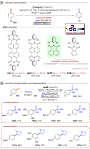
Figure 68: A) Screening of different phthalimide derivatives as catalyst for the e-PRC reduction of aryl halid...

Figure 69: Screening of different organic catalysts for the e-PRC reduction of trialkylanilium salts.

Figure 70: A) e-PRC reduction of phosphonated phenols and anilinium salts. B) Selected examples from the subst...

Figure 71: A) ConPET and e-PRC reduction of 4-bromobenzonitrile using a naphthalene diimide (NDI) precatalyst ...

Figure 72: A) Radical ion e-PRC reduction of phosphinated aliphatic alcohols with n-BuO-NpMI as catalyst. B) C...

Figure 73: Selected examples from the substrate scope.

Figure 74: A) Recycling e-PRC reductive dimerization of benzylic chlorides using a [Cu2] catalyst. B) Proposed...

Figure 75: A) Decoupled photoelectrochemical C–H alkylation of heteroarenes through deamination of Katritzky s...

Figure 76: Proposed mechanism by Chen and co-workers.
Synthetic reactions driven by electron-donor–acceptor (EDA) complexes
- Zhonglie Yang,
- Yutong Liu,
- Kun Cao,
- Xiaobin Zhang,
- Hezhong Jiang and
- Jiahong Li
Beilstein J. Org. Chem. 2021, 17, 771–799, doi:10.3762/bjoc.17.67

- -alkyl moiety in 31 or N,N-dimethylaniline (30). This approach utilizes N,N-dimethylaniline (30) as electron donor and N-methylmaleimide (31) as electron acceptor to form an EDA complex, so that single-electron transfer occurs under ultraviolet-light irradiation. Subsequently, intermolecular proton
- transfer takes place, giving radicals 33 and 34. Radical 34 is quenched by oxygen, and radical 33 attacks 31 in order to form radical 35. Intermediate 36 is achieved by cyclization of radical 35, followed by hydrogen-atom removal, providing the cis-tetrahydroquinoline 32 (Scheme 11). It is worth noting

Graphical Abstract

Scheme 1: The electron transfer process in EDA complexes.

Scheme 2: Synthesis of benzo[b]phosphorus oxide 3 initiated by an EDA complex.

Scheme 3: Mechanism of the synthesis of quinoxaline derivative 7.

Scheme 4: Synthesis of imidazole derivative 10 initiated by an EDA complex.

Scheme 5: Synthesis of sulfamoylation product 12 initiated by an EDA complex.

Scheme 6: Mechanism of the synthesis of sulfamoylation product 12.

Scheme 7: Synthesis of indole derivative 22 initiated by an EDA complex.

Scheme 8: Synthesis of perfluoroalkylated pyrimidines 26 initiated by an EDA complex.

Scheme 9: Synthesis of phenanthridine derivative 29 initiated by an EDA complex.

Scheme 10: Synthesis of cis-tetrahydroquinoline derivative 32 initiated by an EDA complex.

Scheme 11: Mechanism of the synthesis of cis-tetrahydroquinoline derivative 32.

Scheme 12: Synthesis of phenanthridine derivative 38 initiated by an EDA complex.

Scheme 13: Synthesis of spiropyrroline derivative 40 initiated by an EDA complex.

Scheme 14: Synthesis of benzothiazole derivative 43 initiated by an EDA complex.

Scheme 15: Synthesis of perfluoroalkyl-s-triazine derivative 45 initiated by an EDA complex.

Scheme 16: Synthesis of indoline derivative 47 initiated by an EDA complex.

Scheme 17: Mechanism of the synthesis of spirocyclic indoline derivative 47.

Scheme 18: Synthesis of cyclobutane product 50 initiated by an EDA complex.

Scheme 19: Mechanism of the synthesis of spirocyclic indoline derivative 50.

Scheme 20: Synthesis of 1,3-oxazolidine compound 59 initiated by an EDA complex.

Scheme 21: Synthesis of trifluoromethylated product 61 initiated by an EDA complex.

Scheme 22: Synthesis of indole alkylation product 64 initiated by an EDA complex.

Scheme 23: Synthesis of perfluoroalkylation product 67 initiated by an EDA complex.

Scheme 24: Synthesis of hydrotrifluoromethylated product 70 initiated by an EDA complex.

Scheme 25: Synthesis of β-trifluoromethylated alkyne product 71 initiated by an EDA complex.

Scheme 26: Mechanism of the synthesis of 2-phenylthiophene derivative 74.

Scheme 27: Synthesis of allylated product 80 initiated by an EDA complex.

Scheme 28: Synthesis of trifluoromethyl-substituted alkynyl product 84 initiated by an EDA complex.

Scheme 29: Synthesis of dearomatized fluoroalkylation product 86 initiated by an EDA complex.

Scheme 30: Mechanism of the synthesis of dearomatized fluoroalkylation product 86.

Scheme 31: Synthesis of C(sp3)–H allylation product 91 initiated by an EDA complex.

Scheme 32: Synthesis of perfluoroalkylation product 93 initiated by an EDA complex.

Scheme 33: Synthesis of spirocyclic indolene derivative 95 initiated by an EDA complex.

Scheme 34: Synthesis of perfluoroalkylation product 97 initiated by an EDA complex.

Scheme 35: Synthesis of alkylated indole derivative 100 initiated by an EDA complex.

Scheme 36: Mechanism of the synthesis of alkylated indole derivative 100.

Scheme 37: Synthesis of arylated oxidized indole derivative 108 initiated by an EDA complex.

Scheme 38: Synthesis of 4-ketoaldehyde derivative 111 initiated by an EDA complex.

Scheme 39: Mechanism of the synthesis of 4-ketoaldehyde derivative 111.

Scheme 40: Synthesis of perfluoroalkylated olefin 118 initiated by an EDA complex.

Scheme 41: Synthesis of alkylation product 121 initiated by an EDA complex.

Scheme 42: Synthesis of acylation product 123 initiated by an EDA complex.

Scheme 43: Mechanism of the synthesis of acylation product 123.

Scheme 44: Synthesis of trifluoromethylation product 126 initiated by an EDA complex.

Scheme 45: Synthesis of unnatural α-amino acid 129 initiated by an EDA complex.

Scheme 46: Synthesis of thioether derivative 132 initiated by an EDA complex.

Scheme 47: Synthesis of S-aryl dithiocarbamate product 135 initiated by an EDA complex.

Scheme 48: Mechanism of the synthesis of S-aryl dithiocarbamate product 135.

Scheme 49: Synthesis of thioether product 141 initiated by an EDA complex.

Scheme 50: Mechanism of the synthesis of borate product 144.

Scheme 51: Synthesis of boronation product 148 initiated by an EDA complex.

Scheme 52: Synthesis of boration product 151 initiated by an EDA complex.

Scheme 53: Synthesis of boronic acid ester derivative 154 initiated by an EDA complex.

Scheme 54: Synthesis of β-azide product 157 initiated by an EDA complex.

Scheme 55: Decarboxylation reaction initiated by an EDA complex.

Scheme 56: Synthesis of amidated product 162 initiated by an EDA complex.

Scheme 57: Synthesis of diethyl phenylphosphonate 165 initiated by an EDA complex.

Scheme 58: Mechanism of the synthesis of diethyl phenylphosphonate derivative 165.

Scheme 59: Synthesis of (Z)-2-iodovinyl phenyl ether 168 initiated by an EDA complex.

Scheme 60: Mechanism of the synthesis of (Z)-2-iodovinyl phenyl ether derivative 168.

Scheme 61: Dehalogenation reaction initiated by an EDA complex.
An uracil-linked hydroxyflavone probe for the recognition of ATP
- Márton Bojtár,
- Péter Zoltán Janzsó-Berend,
- Dávid Mester,
- Dóra Hessz,
- Mihály Kállay,
- Miklós Kubinyi and
- István Bitter
Beilstein J. Org. Chem. 2018, 14, 747–755, doi:10.3762/bjoc.14.63
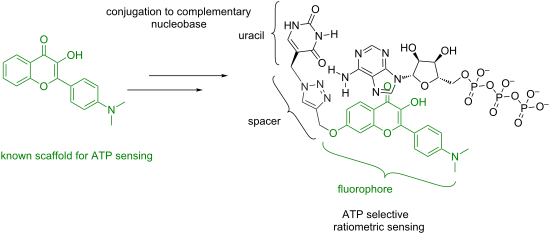
- different concentrations are shown in Figure 3. Upon addition of ATP, a new band appears at 440 nm in the excitation spectra. This feature can be attributed to the specific intermolecular proton transfer from the hydroxy group of the flavone to the phosphate moiety of the ATP [34]. The fluorescence
- -based probes exploit the ESIPT nature of these fluorophores to generate multiple emission bands [39][41][42][43]. In this case, however, a new fluorescence band appears in the excitation spectra due to an intermolecular proton transfer from the flavone to the phosphate chain of the nucleotide. Therefore

Graphical Abstract

Figure 1: Structures of the studied hydroxyflavone derivatives.
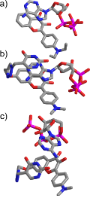
Figure 2: Optimized geometries for (a) DEHF∙ATP, (b) UHF∙ATP with the adenine of ATP “sandwiched” between the...

Scheme 1: Synthesis of UHF. (i) 4-Dimethylaminobenzaldehyde, DMF, NaOMe, rt, 17 h, (ii) hydrogen peroxide, Na...

Figure 3: Variation of fluorescence spectra of UHF (1.0 μM) upon addition of increasing amounts of ATP in 0.0...

Figure 4: Excitation spectra of UHF (dark green line, 1 μM) and UHF + 300 equiv ATP (red line), measured at d...

Figure 5: Fluorescence enhancement (F/F0) values of UHF (1.0 μM) upon addition of different nucleotides at 54...

Figure 6: Ratio of the fluorescence intensities at 540 nm, the samples were excited at 470 and 400 nm. The re...
Spectral and DFT studies of anion bound organic receptors: Time dependent studies and logic gate applications
- Srikala Pangannaya,
- Neethu Padinchare Purayil,
- Shweta Dabhi,
- Venu Mankad,
- Prafulla K. Jha,
- Satyam Shinde and
- Darshak R. Trivedi
Beilstein J. Org. Chem. 2017, 13, 222–238, doi:10.3762/bjoc.13.25
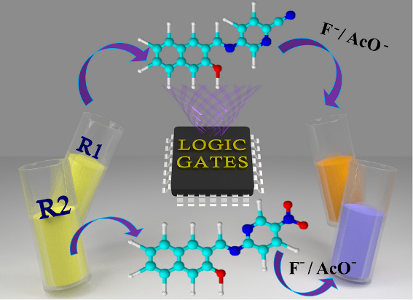
- 492 nm, respectively, and are represented in Figure 3 and Figure 4. The hydrogen-bond interaction between the OH group in R1 and the guest anion is assisted through an intermolecular proton transfer (IPT) suggesting a proton abstraction from a OH group and introduction of a negative charge on the
- F− and AcO− ions to receptor R2, the absorption band at 459 nm red shifted to 560 nm indicative of the strong influence of –R and the −I effect of the NO2 substituent on the intermolecular proton-transfer process. A substantial enhancement of the ICT in R2 in comparison with R1 indicates a more

Graphical Abstract

Figure 1: Color change observed for R1 (4.5 × 10⁻⁵ Min DMSO) in the presence of 1 equiv of different anions (...

Figure 2: Color change observed for R2 (4.5 × 10⁻⁵ M in DMSO) in the presence of 1 equiv of different anions ...

Figure 3: UV–vis titration spectra of receptor R1 (4.5 × 10⁻⁵ M in DMSO) obtained by the incremental addition...

Figure 4: UV–vis titration spectra of receptor R1 (4.5 × 10⁻⁵ M in DMSO) obtained by the incremental addition...

Figure 5: B–H plot of the R1–F− complex at a selected wavelength of 477 nm.

Figure 6: B–H plot of the R1–AcO− complex at a selected wavelength of 492 nm.

Figure 7: UV–vis titration spectra of receptor R2 (4.5 × 10⁻⁵ M in DMSO) obtained by the incremental addition...

Figure 8: UV–vis titration spectra of receptor R2 (4.5 × 10⁻⁵ M in DMSO) obtained by the incremental addition...

Figure 9: B–H plot of the R2–F− complex at a selected wavelength of 560 nm.

Figure 10: B–H plot of the R2–AcO− complex at a selected wavelength of 560 nm.

Figure 11: Color change of receptor R1 upon the addition of NaF and mouthwash.

Figure 12: Color change of receptor R2 upon the addition of NaF and mouthwash.

Figure 13: Time dependent plot of first order rate equation to determine the rate constant from the UV–vis spe...

Figure 14: Time dependent plot of first order rate equation to determine the rate constant from the UV–vis spe...

Figure 15: 1H NMR titration spectra of R1 upon incremental addition of AcO− ion.

Figure 16: 1H NMR titration spectra of R2 upon incremental addition of AcO− ion.

Figure 17: Optimized structure of receptor R1; (a) HOMO, (b) LUMO.

Figure 18: Optimized structure of the receptor R2; (a) HOMO, (b) LUMO.

Figure 19: Optimized structure of the R1-F− complex; (a) HOMO, (b) LUMO.

Figure 20: Optimized structure of the R1-AcO− complex; (a) HOMO, (b) LUMO.

Figure 21: Optimized structure of the R2-F− complex; (a) HOMO, (b) LUMO.

Figure 22: Optimized structure of the R2-AcO− complex; (a) HOMO, (b) LUMO.

Scheme 1: Proposed binding mechanism of R1 with fluoride ion.

Scheme 2: Proposed binding mechanism of R1 with acetate ion.

Scheme 3: Possible binding mechanism of R2 with acetate ion.

Scheme 4: Proposed binding mechanism of R2 with fluoride ion.

Figure 23: Logic circuit for the “INHIBIT” gate of receptor R1.

Scheme 5: General scheme for the synthesis of receptors R1 and R2.
Fluoride-driven ‘turn on’ ESPT in the binding with a novel benzimidazole-based sensor
- Kai Liu,
- Xiaojun Zhao,
- Qingxiang Liu,
- Jianzhong Huo,
- Bolin Zhu and
- Shihua Diao
Beilstein J. Org. Chem. 2015, 11, 563–567, doi:10.3762/bjoc.11.61
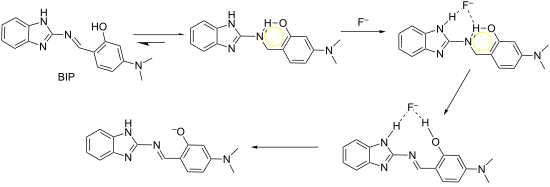
- proton transfer (ESPT), as an extensively exploited mechanism in many biological and chemical processes, has been employed poorly in anion recognition and sensing [2][11][12][13][14][15][16]. In the ESPT molecules, a five or six-membered intramolecular hydrogen-bonded ring formed, and a proton/hydrogen
- is important to human health (for example, dental care, osteoporosis and osteosarcoma). To realize the high selectivity and sensitivity to fluoride, many anion fluorescent sensors have been designed based upon numerous signal mechanisms [4][8][9][10]. However, excited-state intra/intermolecular

Graphical Abstract

Scheme 1: Synthesis of sensor BIP.

Figure 1: Spectral changes of BIP (4 × 10⁻⁵ M) in CH3CN after the addition of 50 equiv of anions (as their te...

Figure 2: UV−vis absorption spectra of BIP (4 × 10⁻⁵ M) in CH3CN after the addition of 0–50 equiv of TBAF. In...

Figure 3: Emission spectral changes of BIP (4 × 10⁻⁷ M) in CH3CN upon addition of 0–20 equiv TBAF. Insert: Li...

Figure 4: Emission spectral changes of BIP (4 × 10⁻⁷ M) in CH3CN after the addition of 20 equiv of anions (ad...

Scheme 2: Possible binding mode between BIP and fluoride.
Intramolecular carbolithiation cascades as a route to a highly strained carbocyclic framework: competition between 5-exo-trig ring closure and proton transfer
- William F. Bailey and
- Justin D. Fair
Beilstein J. Org. Chem. 2013, 9, 537–543, doi:10.3762/bjoc.9.59
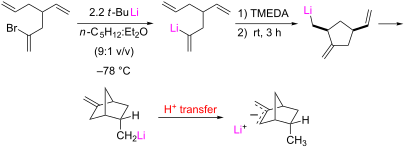
- temperature. Keywords: carbolithiation cascade; carbometallation; intramolecular carbolithiation; intermolecular proton transfer; lithium–halogen exchange; strained hydrocarbons; Introduction The first publication describing an intramolecular carbolithiation appeared in 1968: Drozd and co-workers reported

Graphical Abstract

Scheme 1: Retrosynthetic plan.

Scheme 2: Preparation of 2.

Scheme 3: Generation of 3 by lithium–bromine exchange.

Scheme 4: Cascade products.

Figure 1: Reaction progress of the attempted triple-cyclization cascade.

Scheme 5: Proton transfer that foils final cyclization.

Scheme 6: Preparation of iodide 7 and an authentic sample of 5.

Scheme 7: Evidence for the intermolecular nature of the formal [1,4]-proton transfer.
N-Heterocyclic carbene-catalyzed direct cross-aza-benzoin reaction: Efficient synthesis of α-amino-β-keto esters
- Takuya Uno,
- Yusuke Kobayashi and
- Yoshiji Takemoto
Beilstein J. Org. Chem. 2012, 8, 1499–1504, doi:10.3762/bjoc.8.169
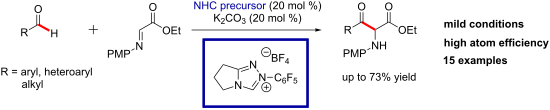
- -imino ester 4. Intermolecular proton transfer from III gives intermediate IV, which could release the product 5 and the carbene I to complete the catalytic system. We speculated that the desired product 5 is thermodynamically more stable than 6 and the formation of 5 is the irreversible step, from the

Graphical Abstract

Figure 1: Synthetic methods for α-amino-β-keto esters.

Figure 2: Structures of several NHC precatalysts.

Scheme 1: Scope of aliphatic aldehydes.

Scheme 2: Cross-over experiments.

Scheme 3: Proposed reaction mechanism.



