


Search results
Search for "symbiosis" in Full Text gives 13 result(s) in Beilstein Journal of Organic Chemistry.
A new glance at the chemosphere of macroalgal–bacterial interactions: In situ profiling of metabolites in symbiosis by mass spectrometry
- Marine Vallet,
- Filip Kaftan,
- Veit Grabe,
- Fatemeh Ghaderiardakani,
- Simona Fenizia,
- Aleš Svatoš,
- Georg Pohnert and
- Thomas Wichard
Beilstein J. Org. Chem. 2021, 17, 1313–1322, doi:10.3762/bjoc.17.91
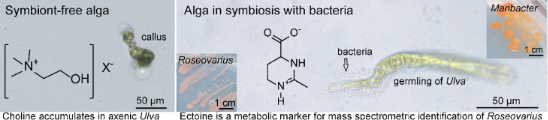
- , Germany Microverse Cluster, Friedrich Schiller University Jena, Germany 10.3762/bjoc.17.91 Abstract Symbiosis is a dominant form of life that has been observed numerous times in marine ecosystems. For example, macroalgae coexist with bacteria that produce factors that promote algal growth and
- reveal any information on the metabolically active bacteria and the spatial distribution of substances exchanged. While the study of bacterial symbiosis is often limited to either chemistry or microscopy work, recent functional and metabolomics methods are available to enable chemical imaging of
- in axenic algae and those present during macroalgal–bacterial symbiosis Axenic gametes of U. mutabilis (phenotype slender) were allowed to settle onto glass plates in Petri dishes filled with growth medium. In the absence of the symbionts, the axenic gametes developed into undifferentiated cells

Graphical Abstract

Figure 1: Untargeted comparative metabolomics using AP-SMALDI-HRMS highlighted metabolites involved in Ulva–b...
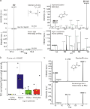
Figure 2: Identification of significant features associated with axenic or bacterial symbiont-associated alga ...
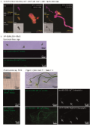
Figure 3: Visualisation of algae Ulva mutabilis grown under axenic conditions or with bacterial symbionts Ros...
Fabclavine diversity in Xenorhabdus bacteria
- Sebastian L. Wenski,
- Harun Cimen,
- Natalie Berghaus,
- Sebastian W. Fuchs,
- Selcuk Hazir and
- Helge B. Bode
Beilstein J. Org. Chem. 2020, 16, 956–965, doi:10.3762/bjoc.16.84
- [7][8][9][10][11]. Naturally, Photorhabdus and Xenorhabdus are living in mutualistic symbiosis with nematodes of the genera Steinernema or Heterorhabditis, respectively [5][12]. Together, they infect and kill soil-living insects to use the cadaver as a food source and shelter [5]. After the infection

Graphical Abstract

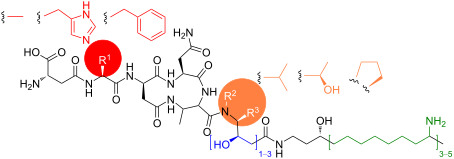
Figure 1: General biosynthesis of fabclavine Ia (1) in X. budapestensis (A) and representation of a shortened...

Figure 2: Comparison of the fcl BGCs in Xenorhabdus and Photorhabdus strains responsible for the fabclavine b...
Recent advances on the transition-metal-catalyzed synthesis of imidazopyridines: an updated coverage
- Gagandeep Kour Reen,
- Ashok Kumar and
- Pratibha Sharma
Beilstein J. Org. Chem. 2019, 15, 1612–1704, doi:10.3762/bjoc.15.165
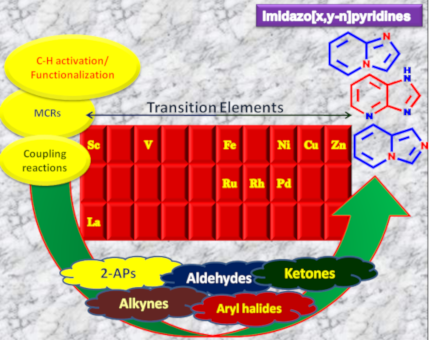
- bonds to prepare functionalized imidazo[1,2-a]pyridines. Screening of the reaction conditions has proven the CuI–bipyridine (bipy) combination as the best catalyst–ligand symbiosis for this transformation at room temperature. In this synthesis, temperature and atmosphere both played the decisive role in

Graphical Abstract

Figure 1: Various drugs having IP nucleus.

Figure 2: Participation percentage of various TMs for the syntheses of IPs.

Scheme 1: CuI–NaHSO4·SiO2-catalyzed synthesis of imidazo[1,2-a]pyridines.

Scheme 2: Experimental examination of reaction conditions.

Scheme 3: One-pot tandem reaction for the synthesis of 2-haloimidazopyridines.

Scheme 4: Mechanistic scheme for the synthesis of 2-haloimidazopyridine.

Scheme 5: Copper-MOF-catalyzed three-component reaction (3-CR) for imidazo[1,2-a]pyridines.

Scheme 6: Mechanism for copper-MOF-driven synthesis.

Scheme 7: Heterogeneous synthesis via titania-supported CuCl2.

Scheme 8: Mechanism involving oxidative C–H functionalization.

Scheme 9: Heterogeneous synthesis of IPs.

Scheme 10: One-pot regiospecific synthesis of imidazo[1,2-a]pyridines.

Scheme 11: Vinyl azide as an unprecedented substrate for imidazo[1,2-a]pyridines.

Scheme 12: Radical pathway.

Scheme 13: Cu(I)-catalyzed transannulation approach for imidazo[1,5-a]pyridines.

Scheme 14: Plausible radical pathway for the synthesis of imidazo[1,5-a]pyridines.

Scheme 15: A solvent-free domino reaction for imidazo[1,2-a]pyridines.

Scheme 16: Cu-NPs-mediated synthesis of imidazo[1,2-a]pyridines.

Scheme 17: CuI-catalyzed synthesis of isoxazolylimidazo[1,2-a]pyridines.

Scheme 18: Functionalization of 4-bromo derivative via Sonogashira coupling reaction.

Scheme 19: A plausible reaction pathway.

Scheme 20: Cu(I)-catalyzed intramolecular oxidative C–H amidation reaction.

Scheme 21: One-pot synthetic reaction for imidazo[1,2-a]pyridine.

Scheme 22: Plausible reaction mechanism.

Scheme 23: Cu(OAc)2-promoted synthesis of imidazo[1,2-a]pyridines.

Scheme 24: Mechanism for aminomethylation/cycloisomerization of propiolates with imines.

Scheme 25: Three-component synthesis of imidazo[1,2-a]pyridines.

Figure 3: Scope of pyridin-2(1H)-ones and acetophenones.

Scheme 26: CuO NPS-promoted A3 coupling reaction.

Scheme 27: Cu(II)-catalyzed C–N bond formation reaction.

Scheme 28: Mechanism involving Chan–Lam/Ullmann coupling.

Scheme 29: Synthesis of formyl-substituted imidazo[1,2-a]pyridines.

Scheme 30: A tandem sp3 C–H amination reaction.

Scheme 31: Probable mechanistic approach.

Scheme 32: Dual catalytic system for imidazo[1,2-a]pyridines.

Scheme 33: Tentative mechanism.

Scheme 34: CuO/CuAl2O4/ᴅ-glucose-promoted 3-CCR.

Scheme 35: A tandem CuOx/OMS-2-based synthetic strategy.

Figure 4: Biomimetic catalytic oxidation in the presence of electron-transfer mediators (ETMs).

Scheme 36: Control experiment.

Scheme 37: Copper-catalyzed C(sp3)–H aminatin reaction.

Scheme 38: Reaction of secondary amines.

Scheme 39: Probable mechanistic pathway.

Scheme 40: Coupling reaction of α-azidoketones.

Scheme 41: Probable pathway.

Scheme 42: Probable mechanism with free energy calculations.

Scheme 43: MCR for cyanated IP synthesis.

Scheme 44: Substrate scope for the reaction.

Scheme 45: Reaction mechanism.

Scheme 46: Probable mechanistic pathway for Cu/ZnAl2O4-catalyzed reaction.

Scheme 47: Copper-catalyzed double oxidative C–H amination reaction.

Scheme 48: Application towards different coupling reactions.

Scheme 49: Reaction mechanism.

Scheme 50: Condensation–cyclization approach for the synthesis of 1,3-diarylated imidazo[1,5-a]pyridines.

Scheme 51: Optimized reaction conditions.

Scheme 52: One-pot 2-CR.

Scheme 53: One-pot 3-CR without the isolation of chalcone.

Scheme 54: Copper–Pybox-catalyzed cyclization reaction.

Scheme 55: Mechanistic pathway catalyzed by Cu–Pybox complex.

Scheme 56: Cu(II)-promoted C(sp3)-H amination reaction.

Scheme 57: Wider substrate applicability for the reaction.

Scheme 58: Plausible reaction mechanism.

Scheme 59: CuI assisted C–N cross-coupling reaction.

Scheme 60: Probable reaction mechanism involving sp3 C–H amination.

Scheme 61: One-pot MCR-catalyzed by CoFe2O4/CNT-Cu.

Scheme 62: Mechanistic pathway.

Scheme 63: Synthetic scheme for 3-nitroimidazo[1,2-a]pyridines.

Scheme 64: Plausible mechanism for CuBr-catalyzed reaction.

Scheme 65: Regioselective synthesis of halo-substituted imidazo[1,2-a]pyridines.

Scheme 66: Synthesis of 2-phenylimidazo[1,2-a]pyridines.

Scheme 67: Synthesis of diarylated compounds.

Scheme 68: CuBr2-mediated one-pot two-component oxidative coupling reaction.

Scheme 69: Decarboxylative cyclization route to synthesize 1,3-diarylimidazo[1,5-a]pyridines.

Scheme 70: Mechanistic pathway.

Scheme 71: C–H functionalization reaction of enamines to produce diversified heterocycles.

Scheme 72: A plausible mechanism.

Scheme 73: CuI-promoted aerobic oxidative cyclization reaction of ketoxime acetates and pyridines.

Scheme 74: CuI-catalyzed pathway for the formation of imidazo[1,2-a]pyridine.

Scheme 75: Mechanistic pathway.

Scheme 76: Mechanistic rationale for the synthesis of products.

Scheme 77: Copper-catalyzed synthesis of vinyloxy-IP.

Scheme 78: Regioselective product formation with propiolates.

Scheme 79: Proposed mechanism for vinyloxy-IP formation.

Scheme 80: Regioselective synthesis of 3-hetero-substituted imidazo[1,2-a]pyridines with different reaction su...

Scheme 81: Mechanistic pathway.

Scheme 82: CuI-mediated synthesis of 3-formylimidazo[1,2-a]pyridines.

Scheme 83: Radical pathway for 3-formylated IP synthesis.

Scheme 84: Pd-catalyzed urea-cyclization reaction for IPs.

Scheme 85: Pd-catalyzed one-pot-tandem amination and intramolecular amidation reaction.

Figure 5: Scope of aniline nucleophiles.

Scheme 86: Pd–Cu-catalyzed Sonogashira coupling reaction.

Scheme 87: One-pot amide coupling reaction for the synthesis of imidazo[4,5-b]pyridines.

Scheme 88: Urea cyclization reaction for the synthesis of two series of pyridines.

Scheme 89: Amidation reaction for the synthesis of imidazo[4,5-b]pyridines.

Figure 6: Amide scope.

Scheme 90: Pd NPs-catalyzed 3-component reaction for the synthesis of 2,3-diarylated IPs.

Scheme 91: Plausible mechanistic pathway for Pd NPs-catalyzed MCR.

Scheme 92: Synthesis of chromenoannulated imidazo[1,2-a]pyridines.

Scheme 93: Mechanism for the synthesis of chromeno-annulated IPs.

Scheme 94: Zinc oxide NRs-catalyzed synthesis of imidazo[1,2-a]azines/diazines.

Scheme 95: Zinc oxide-catalyzed isocyanide based GBB reaction.

Scheme 96: Reaction pathway for ZnO-catalyzed GBB reaction.

Scheme 97: Mechanistic pathway.

Scheme 98: ZnO NRs-catalyzed MCR for the synthesis of imidazo[1,2-a]azines.

Scheme 99: Ugi type GBB three-component reaction.

Scheme 100: Magnetic NPs-catalyzed synthesis of imidazo[1,2-a]pyridines.

Scheme 101: Regioselective synthesis of 2-alkoxyimidazo[1,2-a]pyridines catalyzed by Fe-SBA-15.

Scheme 102: Plausible mechanistic pathway for the synthesis of 2-alkoxyimidazopyridine.

Scheme 103: Iron-catalyzed synthetic approach.

Scheme 104: Iron-catalyzed aminooxygenation reaction.

Scheme 105: Mechanistic pathway.

Scheme 106: Rh(III)-catalyzed double C–H activation of 2-substituted imidazoles and alkynes.

Scheme 107: Plausible reaction mechanism.

Scheme 108: Rh(III)-catalyzed non-aromatic C(sp2)–H bond activation–functionalization for the synthesis of imid...

Scheme 109: Reactivity and selectivity of different substrates.

Scheme 110: Rh-catalyzed direct C–H alkynylation by Li et al.

Scheme 111: Suggested radical mechanism.

Scheme 112: Scandium(III)triflate-catalyzed one-pot reaction and its mechanism for the synthesis of benzimidazo...

Scheme 113: RuCl3-assisted Ugi-type Groebke–Blackburn condensation reaction.

Scheme 114: C-3 aroylation via Ru-catalyzed two-component reaction.

Scheme 115: Regioselective synthetic mechanism.

Scheme 116: La(III)-catalyzed one-pot GBB reaction.

Scheme 117: Mechanistic approach for the synthesis of imidazo[1,2-a]pyridines.

Scheme 118: Synthesis of imidazo[1,2-a]pyridine using LaMnO3 NPs under neat conditions.

Scheme 119: Mechanistic approach.

Scheme 120: One-pot 3-CR for regioselective synthesis of 2-alkoxy-3-arylimidazo[1,2-a]pyridines.

Scheme 121: Formation of two possible products under optimization of the catalysts.

Scheme 122: Mechanistic strategy for NiFe2O4-catalyzed reaction.

Scheme 123: Two-component reaction for synthesizing imidazodipyridiniums.

Scheme 124: Mechanistic scheme for the synthesis of imidazodipyridiniums.

Scheme 125: CuI-catalyzed arylation of imidazo[1,2-a]pyridines.

Scheme 126: Mechanism for arylation reaction.

Scheme 127: Cupric acetate-catalyzed double carbonylation approach.

Scheme 128: Radical mechanism for double carbonylation of IP.

Scheme 129: C–S bond formation reaction catalyzed by cupric acetate.

Scheme 130: Cupric acetate-catalyzed C-3 formylation approach.

Scheme 131: Control experiments for signifying the role of DMSO and oxygen.

Scheme 132: Mechanism pathway.

Scheme 133: Copper bromide-catalyzed CDC reaction.

Scheme 134: Extension of the substrate scope.

Scheme 135: Plausible radical pathway.

Scheme 136: Transannulation reaction for the synthesis of imidazo[1,5-a]pyridines.

Scheme 137: Plausible reaction pathway for denitrogenative transannulation.

Scheme 138: Cupric acetate-catalyzed C-3 carbonylation reaction.

Scheme 139: Plausible mechanism for regioselective C-3 carbonylation.

Scheme 140: Alkynylation reaction at C-2 of 3H-imidazo[4,5-b]pyridines.

Scheme 141: Two-way mechanism for C-2 alkynylation of 3H-imidazo[4,5-b]pyridines.

Scheme 142: Palladium-catalyzed SCCR approach.

Scheme 143: Palladium-catalyzed Suzuki coupling reaction.

Scheme 144: Reaction mechanism.

Scheme 145: A phosphine free palladium-catalyzed synthesis of C-3 arylated imidazopyridines.

Scheme 146: Palladium-mediated Buchwald–Hartwig cross-coupling reaction.

Figure 7: Structure of the ligands optimized.

Scheme 147: Palladium acetate-catalyzed direct arylation of imidazo[1,2-a]pyridines.

Scheme 148: Palladium acetate-catalyzed mechanistic pathway.

Scheme 149: Palladium acetate-catalyzed regioselective arylation reported by Liu and Zhan.

Scheme 150: Mechanism for selective C-3 arylation of IP.

Scheme 151: Pd(II)-catalyzed alkenylation reaction with styrenes.

Scheme 152: Pd(II)-catalyzed alkenylation reaction with acrylates.

Scheme 153: A two way mechanism.

Scheme 154: Double C–H activation reaction catalyzed by Pd(OAc)2.

Scheme 155: Probable mechanism.

Scheme 156: Palladium-catalyzed decarboxylative coupling.

Scheme 157: Mechanistic cycle for decarboxylative arylation reaction.

Scheme 158: Ligand-free approach for arylation of imidazo[1,2-a]pyridine-3-carboxylic acids.

Scheme 159: Mechanism for ligandless arylation reaction.

Scheme 160: NHC-Pd(II) complex assisted arylation reaction.

Scheme 161: C-3 arylation of imidazo[1,2-a]pyridines with aryl bromides catalyzed by Pd(OAc)2.

Scheme 162: Pd(II)-catalyzed C-3 arylations with aryl tosylates and mesylates.

Scheme 163: CDC reaction for the synthesis of imidazo[1,2-a]pyridines.

Scheme 164: Plausible reaction mechanism for Pd(OAc)2-catalyzed synthesis of imidazo[1,2-a]pyridines.

Scheme 165: Pd-catalyzed C–H amination reaction.

Scheme 166: Mechanism for C–H amination reaction.

Scheme 167: One-pot synthesis for 3,6-di- or 2,3,6-tri(hetero)arylimidazo[1,2-a]pyridines.

Scheme 168: C–H/C–H cross-coupling reaction of IPs and azoles catalyzed by Pd(II).

Scheme 169: Mechanistic cycle.

Scheme 170: Rh-catalyzed C–H arylation reaction.

Scheme 171: Mechanistic pathway for C–H arylation of imidazo[1,2-a]pyridine.

Scheme 172: Rh(III)-catalyzed double C–H activation of 2-phenylimidazo[1,2-a]pyridines and alkynes.

Scheme 173: Rh(III)-catalyzed mechanistic pathway.

Scheme 174: Rh(III)-mediated oxidative coupling reaction.

Scheme 175: Reactions showing functionalization of the product obtained by the group of Kotla.

Scheme 176: Mechanism for Rh(III)-catalyzed oxidative coupling reaction.

Scheme 177: Rh(III)-catalyzed C–H activation reaction.

Scheme 178: Mechanistic cycle.

Scheme 179: Annulation reactions of 2-arylimidazo[1,2-a]pyridines and alkynes.

Scheme 180: Two-way reaction mechanism for annulations reaction.

Scheme 181: [RuCl2(p-cymene)]2-catalyzed C–C bond formation reaction.

Scheme 182: Reported reaction mechanism.

Scheme 183: Fe(III) catalyzed C-3 formylation approach.

Scheme 184: SET mechanism-catalyzed by Fe(III).

Scheme 185: Ni(dpp)Cl2-catalyzed KTC coupling.

Scheme 186: Pd-catalyzed SM coupling.

Scheme 187: Vanadium-catalyzed coupling of IP and NMO.

Scheme 188: Mechanistic cycle.

Scheme 189: Selective C3/C5–H bond functionalizations by mono and bimetallic systems.

Scheme 190: rGO-Ni@Pd-catalyzed C–H bond arylation of imidazo[1,2-a]pyridine.

Scheme 191: Mechanistic pathway for heterogeneously catalyzed arylation reaction.

Scheme 192: Zinc triflate-catalyzed coupling reaction of substituted propargyl alcohols.
Synthesis and SAR of the antistaphylococcal natural product nematophin from Xenorhabdus nematophila
- Frank Wesche,
- Hélène Adihou,
- Thomas A. Wichelhaus and
- Helge B. Bode
Beilstein J. Org. Chem. 2019, 15, 535–541, doi:10.3762/bjoc.15.47
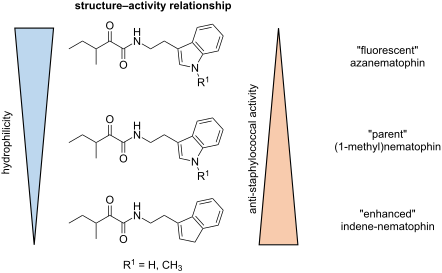
- ; nematophin; Staphylococcus aureus; Introduction Microorganisms present a rich source of bioactive natural products of pharmacological importance against an emerging number of multiresistant bacteria [1]. Such examples are Xenorhabdus sp., Gram-negative entomopathogenic bacteria which live in symbiosis with
- nevaltophines act as prophenoloxidase activators, it is suggested that they have a specific role in the bacteria/nematode/insect symbiosis. Little or nothing is known about the mode of action of this simple amide against S. aureus. Structure–bioactivity studies revealed that the α-keto moiety and the amide

Graphical Abstract

Scheme 1: General procedure for the synthesis of nematophin and related derivatives. i) 1.5 equiv α-keto carb...

Scheme 2: Synthesis of azatryptamines (4-azatryptamine (4ATRA) and 1-methyl-4-azatryptamine (1M4ATRA)). i) 5....

Scheme 3: Synthesis of azatryptamines (7-azatryptamine (7ATRA) and 1-methyl-7-azatryptamine (1M7ATRA)). i) 5....
Aminosugar-based immunomodulator lipid A: synthetic approaches
- Alla Zamyatina
Beilstein J. Org. Chem. 2018, 14, 25–53, doi:10.3762/bjoc.14.3
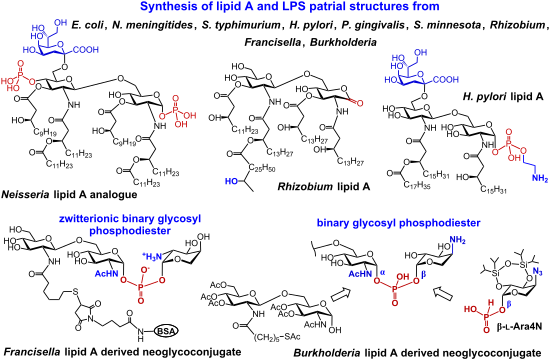
- response in plants during symbiosis in root cells. Additionally, certain Rhizobium sin-1 lipid A isolates were shown to inhibit the LPS induced toxic effects in human immune cells [115]. To determine the structural features which are responsible for the LPS antagonizing properties of the heterogeneous

Graphical Abstract

Figure 1: (A) Gram-negative bacterial membrane with LPS as major component of the outer membrane; (B) structu...
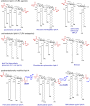
Figure 2: Structures of representative TLR4 ligands: TLR4 agonists (E. coli lipid A, N. meningitidis lipid A ...

Figure 3: (A) Co-crystal structure of the homodimeric E. coli Ra-LPS·hMD-2∙TLR4 complex (PDB code: 3FXI); (B)...

Figure 4: Co-crystal structures of (A) hybrid TLR4·hMD-2 with the bound antagonist eritoran (PDB: 2Z65, TLR4 ...

Scheme 1: Synthesis of E. coli and S. typhimurium lipid A and analogues with shorter acyl chains.

Scheme 2: Synthesis of N. meningitidis Kdo-lipid A.

Scheme 3: Synthesis of fluorescently labeled E. coli lipid A.

Scheme 4: Synthesis of H. pylori lipid A and Kdo-lipid A.

Scheme 5: Synthesis of tetraacylated lipid A corresponding to P. gingivalis LPS.

Scheme 6: Synthesis of pentaacylated P. gingivalis lipid A.

Scheme 7: Synthesis of monophosphoryl lipid A (MPLA) and analogues.

Scheme 8: Synthesis of tetraacylated Rhizobium lipid A containing aminogluconate moiety.

Scheme 9: Synthesis of pentaacylated Rhizobium lipid A and its analogue containing ether chain.

Scheme 10: Synthesis of pentaacylated Rhizobium lipid A containing 27-hydroxyoctacosanoate lipid chain.

Scheme 11: Synthesis of zwitterionic 1,1′-glycosyl phosphodiester: a partial structure of GalN-modified Franci...

Scheme 12: Synthesis of a binary 1,1′-glycosyl phosphodiester: a partial structure of β-L-Ara4N-modified Burkh...
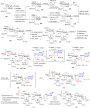
Scheme 13: Synthesis of Burkholderia lipid A containing binary glycosyl phosphodiester linked β-L-Ara4N.
Secondary metabolome and its defensive role in the aeolidoidean Phyllodesmium longicirrum, (Gastropoda, Heterobranchia, Nudibranchia)
- Alexander Bogdanov,
- Cora Hertzer,
- Stefan Kehraus,
- Samuel Nietzer,
- Sven Rohde,
- Peter J. Schupp,
- Heike Wägele and
- Gabriele M. König
Beilstein J. Org. Chem. 2017, 13, 502–519, doi:10.3762/bjoc.13.50
- coral Plexaura flexuosa [43]. Later on, the so-called gorgosterols were isolated from marine sediments, diatoms and most importantly from dinoflagellate cultures [44][45][46]. Besides inhabiting the water column, dinoflagellates of the genus Symbiodinium live in symbiosis as the so named zooxanthellae

Graphical Abstract
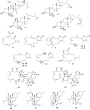
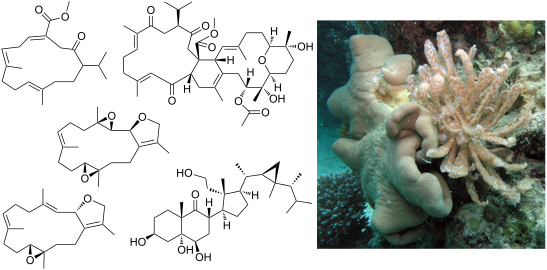
Figure 1: Secondary metabolites isolated in this study from P. longicirrum.

Figure 2: Structures of secondary metabolites from P. longicirrum as described by Coll et al. in 1985 [13].

Figure 3: Significant 1H,1H COSY correlations as found in compound 1.

Figure 4: Secosterols [22,24] related to 3β,5α,6β-trihydroxy-9-oxo-9,11-secogorgostan-11-ol (1) from P. longicirrum.

Figure 5: Conformational structure of 1 (key NOESY correlations are indicated with blue arrows; coupling cons...

Figure 6: Structure of cembranoid 5. 1H,1H spin systems (A, B and C) are indicated in bold, arrows show key H...

Figure 7: Compound 5 and the most closely related cembranoids from soft corals.

Figure 8: Proposed configuration and selected NOE correlations of bisepoxide 12 (key NOE correlations are ind...

Figure 9: Structures of bisglaucumlids A–C (23–25).

Figure 10: Proposed configuration of the eastern part (rings B, C and D) of isobisglaucumlides B and C (14 and ...

Figure 11: Effect of Phyllodesmium metabolites in different concentrations on predation by Canthigaster soland...

Figure 12: Phylogenetic tree of octocorals relevant as putative food sources for Phyllodesmium spp. Phylogram ...
Elucidation of a masked repeating structure of the O-specific polysaccharide of the halotolerant soil bacteria Azospirillum halopraeferens Au4
- Elena N. Sigida,
- Yuliya P. Fedonenko,
- Alexander S. Shashkov,
- Nikolay P. Arbatsky,
- Evelina L. Zdorovenko,
- Svetlana A. Konnova,
- Vladimir V. Ignatov and
- Yuriy A. Knirel
Beilstein J. Org. Chem. 2016, 12, 636–642, doi:10.3762/bjoc.12.62
- environments. Their ubiquitous distribution in nature is evidently due to the extraordinary plasticity of their genomes and the ability to form beneficial associations with plants owing to plant-growth promoting activities [1]. The plant–microbe symbiosis increases the tolerance of both partners to various

Graphical Abstract

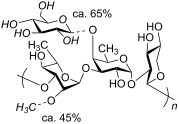
Scheme 1: Structures of the OPS from A. halopraeferens Au4 and oligosaccharides obtained from the OPS by Smit...
Natural products from microbes associated with insects
- Christine Beemelmanns,
- Huijuan Guo,
- Maja Rischer and
- Michael Poulsen
Beilstein J. Org. Chem. 2016, 12, 314–327, doi:10.3762/bjoc.12.34
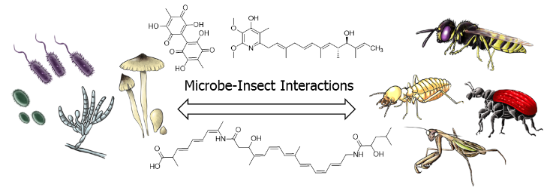
- light on the ecology and evolution of defensive associations. Keywords: biosynthesis; chemical ecology; natural products; secondary metabolism; structure elucidation; symbiosis; Introduction Although natural products represent the most consistently successful drug leads [1][2], many pharmaceutical
- interaction and regulation mechanisms are likely to be more complex than previously expected. Defensive bacterial symbionts of insects Kaltenpoth and co-workers described one of the most intriguing examples of an insect–bacteria symbiosis and symbiont conferred protection [42][43][44]. Predatory females of
- cluster analysis also revealed that pederin is formed by an enzyme belonging to a functionally and evolutionarily novel group termed trans-acyltransferase PKSs (trans-AT PKSs) [24][52]. The structurally related compound diaphorin (4) was later found in a study of the defensive symbiosis between the Asian

Graphical Abstract

Figure 1: Flow chart of the typical characterization of chemical signals from microbial interactions. (1) Che...

Figure 2: Multilateral microbe–insect interactions. (1) Insect–symbiont interactions with both partners benef...
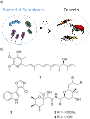
Figure 3: a) Interactions between bacterial (endo)symbionts and insects with both partners benefiting from th...

Figure 4: Multilateral microbial interactions in fungus-growing insects. (1) Insect cultivar: protects and sh...
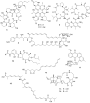
Figure 5: Small molecules (chemical mediators) play key roles in maintaining garden homeostasis in fungus-gro...

Figure 6: Secondary metabolites isolated from Actinobacteria from fungus-growing termites. Microtermolide A (...

Figure 7: Secondary metabolites from bacterial mutualists of solitary insects. Bafilomycin A1 (21), bafilomyc...

Figure 8: Beneficial interactions (1) between fungal symbionts and insects.

Figure 9: Secondary metabolites isolated from fungal symbionts. Cerulenin (30), helvolic acid (31), lepiochlo...

Figure 10: Predatory interactions, (1) entomopathogenic fungi use insect as prey.
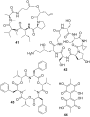
Figure 11: Entomopathogenic fungi use secondary metabolites as insecticidal compounds to kill their prey. Dest...
Recent highlights in biosynthesis research using stable isotopes
- Jan Rinkel and
- Jeroen S. Dickschat
Beilstein J. Org. Chem. 2015, 11, 2493–2508, doi:10.3762/bjoc.11.271
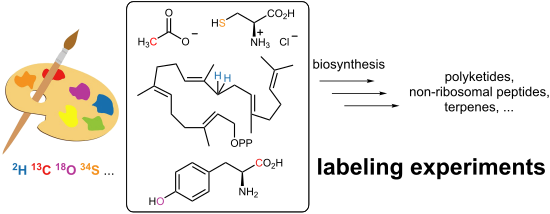
- [20]. It was investigated in the biosynthesis of the phytotoxin rhizoxin (4, Scheme 1), a potent antimitotic agent binding to β-tubulin from the bacterium Burkholderia rhizoxinica, which lives in symbiosis with the fungus Rhizopus microsporus [23]. The mechanism includes a Michael addition of a

Graphical Abstract

Figure 1: Structures of lovastatin (1), aflatoxin B1 (2) and amphotericin B (3).

Scheme 1: a) Structure of rhizoxin (4). b) Two possible mechanisms of chain branching catalysed by a branchin...
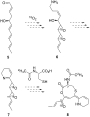
Scheme 2: Structure of coelimycin P1 (8) and proposed biosynthetic formation from the putative PKS produced a...
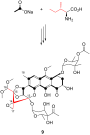
Scheme 3: Structure of trioxacarcin A (9) with highlighted carbon origins of the polyketide core from acetate...

Scheme 4: Proposed biosynthetic assembly of clostrubin A (12). Bold bonds show intact acetate units.

Figure 2: Structure of forazoline A (13).

Figure 3: Structures of tyrocidine A (14) and teixobactin (15).

Figure 4: Top: Structure of the NRPS product kollosin A (16) with the sequence N-formyl-D-Leu-L-Ala-D-Leu-L-V...

Scheme 5: Proposed biosynthesis of aspirochlorine (20) via 18 and 19.
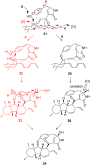
Scheme 6: Two different macrocyclization mechanisms in the biosynthesis of pyrrocidine A (24).

Figure 5: Structure of thiomarinol A (27). Bold bonds indicate carbon atoms derived from 4-hydroxybutyrate.
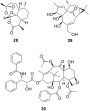
Figure 6: Structures of artemisinin (28), ingenol (29) and paclitaxel (30).

Figure 7: The revised (31) and the previously suggested (32) structure of hypodoratoxide and the structure of...

Figure 8: Structure of the two interconvertible conformers of (1(10)E,4E)-germacradien-6-ol (34) studied with...
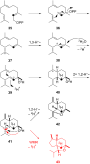
Scheme 7: Proposed cyclization mechanism of corvol ethers A (42) and B (43) with the investigated reprotonati...

Scheme 8: Predicted (top) and observed (bottom) 13C-labeling pattern in cyclooctatin (45) after feeding of [U-...

Scheme 9: Proposed mechanism of the cyclooctat-9-en-7-ol (52) biosynthesis catalysed by CotB2. Annotated hydr...

Scheme 10: Cyclization mechanism of sesterfisherol (59). Bold lines indicate acetate units; black circles repr...
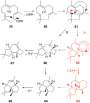
Scheme 11: Cyclization mechanisms to pentalenene (65) and protoillud-6-ene (67).

Scheme 12: Reactions of chorismate catalyzed by three different enzyme subfamilies. Oxygen atoms originating f...

Scheme 13: Incorporation of sulfur into tropodithietic acid (72) via cysteine.

Scheme 14: Biosynthetic proposal for the starter unit of antimycin biosynthesis. The hydrogens at positions R1...
Algicidal lactones from the marine Roseobacter clade bacterium Ruegeria pomeroyi
- Ramona Riclea,
- Julia Gleitzmann,
- Hilke Bruns,
- Corina Junker,
- Barbara Schulz and
- Jeroen S. Dickschat
Beilstein J. Org. Chem. 2012, 8, 941–950, doi:10.3762/bjoc.8.106
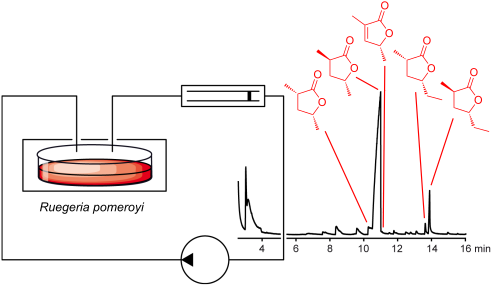
- investigate their activity against several bacteria, fungi, and algae. A specific algicidal activity was observed that may be important in the interaction between the bacteria and their algal hosts in fading algal blooms. Keywords: bacteria-algae symbiosis; lactones; Roseobacter; synthesis; volatiles
- an attractant for Ruegeria sp. TM1040 and causes flagella-mediated chemotactic behaviour [9], suggesting an important role of DMSP in the symbiosis between the algae and bacteria. Upon lysis of ageing blooms by viruses, or cell disruption by grazing, the intracellular DMSP is released, making the

Graphical Abstract

Figure 1: Important metabolites in the interaction of bacteria from the Roseobacter clade with marine algae.

Figure 2: (A) Total ion chromatogram of a headspace extract from R. pomeroyi, (B) structures of lactones rele...

Figure 3: Mass spectra of the compounds 7–11 emitted by R. pomeroyi.

Scheme 1: Synthesis of compounds 7–11. For these target structures the relative configurations are shown.

Scheme 2: Enantioselective synthesis of (2R,4S)-7 and (2S,4S)-8.
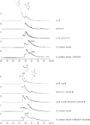
Figure 4: Enantioselective GC analyses for the assignment of the enantiomeric compositions of natural (2S,4R)-...
Synthesis of szentiamide, a depsipeptide from entomopathogenic Xenorhabdus szentirmaii with activity against Plasmodium falciparum
- Friederike I. Nollmann,
- Andrea Dowling,
- Marcel Kaiser,
- Klaus Deckmann,
- Sabine Grösch,
- Richard ffrench-Constant and
- Helge B. Bode
Beilstein J. Org. Chem. 2012, 8, 528–533, doi:10.3762/bjoc.8.60
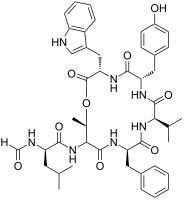
- ; Introduction Bacteria of the genus Xenorhabdus live in symbiosis with nematodes of the genus Steinernema and together they form an entomopathogenic complex that can infect and kill several insect larvae. During this complex life cycle the bacteria produce secondary metabolites, which may be involved in and/or

Graphical Abstract
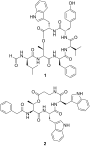
Figure 1: Structure of depsipeptides szentiamide (1) [12] and xenematide (2) [8] identified in Xenorhabdus strains.

Scheme 1: Overview of the synthetic strategy.

Scheme 2: Synthesis of compound 1.
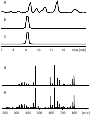
Figure 2: HPLC–MS data of an XAD-extract of X. szentirmaii (a; base-peak chromatogram), the natural 1 (b; ext...
Natural product biosyntheses in cyanobacteria: A treasure trove of unique enzymes
- Jan-Christoph Kehr,
- Douglas Gatte Picchi and
- Elke Dittmann
Beilstein J. Org. Chem. 2011, 7, 1622–1635, doi:10.3762/bjoc.7.191
- enzymes can be utilized for the design of novel compounds and their optimization toward medical targets. Cyanobacteria proliferate in diverse habitats. A) Bloom-forming freshwater cyanobacteria of the genus Microcystis. B) Roots of cyanobacterial symbiosis host Cycas circinalis. C) Terrestrial

Graphical Abstract

Figure 1: Cyanobacteria proliferate in diverse habitats. A) Bloom-forming freshwater cyanobacteria of the gen...

Figure 2: Schematic representation of enzymatic domains in A) nonribosomal peptide synthetases (NRPS); B) pol...

Figure 3: Structures of NRPS and PKS products in freshwater cyanobacteria.

Figure 4: A) Synthesis of the Adda ((2S,3S,8S,9S)-3-amino-9-methoxy-2,6,8-trimethyl-10-phenyl-4,6-decadienoic...

Figure 5: Structures of NRPS and PKS products in marine cyanobacteria.

Figure 6: A) Formation of the trichloroleucyl starter unit of barbamide (7) synthesis through the non-heme ir...

Figure 7: Structures of NRPS and PKS products in terrestrial cyanobacteria.

Figure 8: Synthesis of the (2S,4S)-4-methylproline moiety of nostopeptolides A (13).

Figure 9: Structures of cyanobacterial peptides that are synthesized ribosomally and post-translationally mod...

Figure 10: Formation of ester linkages and ω-amide linkage in microviridins 17 by the ATP grasp ligases MvdD a...

Figure 11: Structures of cyanobacterial sunscreen compounds.
Application of the diastereoselective photodeconjugation of α,β-unsaturated esters to the synthesis of gymnastatin H
- Ludovic Raffier and
- Olivier Piva
Beilstein J. Org. Chem. 2011, 7, 151–155, doi:10.3762/bjoc.7.21
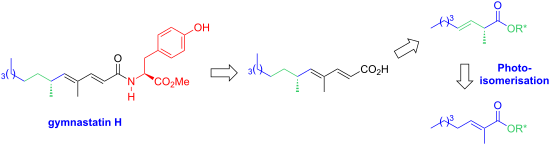
- , gymnastatins 10 constitute a family of compounds isolated from Gymnascella dankaliensis which grows in symbiosis with the marine sponge Halichondria japonica [10] (Figure 2). Gymnastatins 10 possess a common unsaturated fatty acid residue connected to a tyrosine subunit. These compounds have been reported to

Graphical Abstract

Scheme 1: Principle of the photodeconjugation process.

Scheme 2: Enantio- and diastereoselective photodeconjugation reactions.

Figure 1: Natural products prepared by photodeconjugation.

Figure 2: Natural amides possessing the same (6R)-fatty acid side chain.

Scheme 3: Reagents and conditions: (a) NaH, 13a, THF, 25 °C, 83%. (b) KOH, EtOH/H2O (95/5), Δ, 97% (E/Z: 90/1...



