Search results
Search for "antibacterial" in Full Text gives 136 result(s) in Beilstein Journal of Nanotechnology.
Restorative potential of laser-synthesized silver nanoparticles with Salvia officinalis for periodontal disease treatment: an in vitro study
Beilstein J. Nanotechnol. 2026, 17, 781–795, doi:10.3762/bjnano.17.55
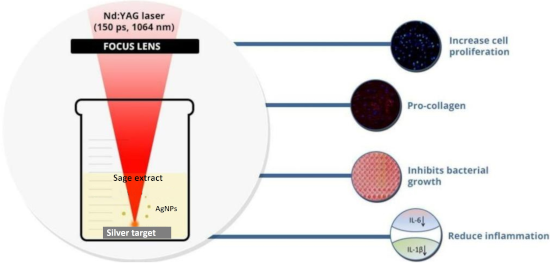
- well-dispersed, spherical nanoparticles (7.98 ± 2.9 nm) at a concentration of 21.6 ± 1.75 mg·L−1. SageAgNPs6mJ exhibited potent antibacterial activity against Aggregatibacter actinomycetemcomitans, Fusobacterium nucleatum, and Porphyromonas gingivalis (MIC = 5.4 mg·L−1), and showed equal or superior
- antibacterial activity compared to 0.2% chlorhexidine. Importantly, at MIC concentration, SageAgNPs6mJ were non-cytotoxic to primary human gingival fibroblasts and enhanced their proliferation by approximately 50% after 24 h. This was shown by increased Ki-67 proliferation index, increased type-I and total
- inflammation. This dual antibacterial and regenerative action demonstrates the high potential of sage-assisted PLAL-synthesized AgNPs as a safe, sustainable strategy for periodontal disease treatment. Keywords: cell proliferation; periodontal disease; pulsed laser ablation in liquid (PLAL); Salvia officinalis



Environmental applications of silver nanoparticles: state-of-the-art review and emerging trends
Beilstein J. Nanotechnol. 2026, 17, 697–736, doi:10.3762/bjnano.17.49
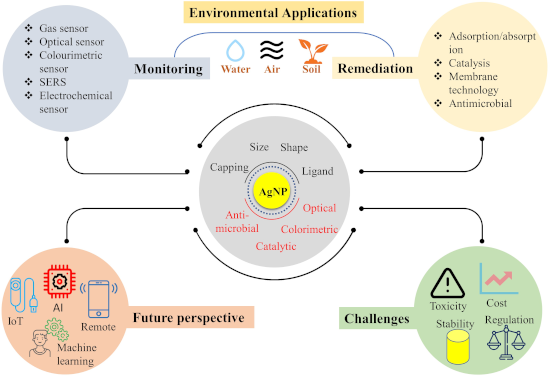
- , colourimetry, and fluorometry [18][19][20][21]. In addition, the enhanced antimicrobial activity of AgNPs can be used for water decontamination and is widely employed in membrane filtration technology [22]. AgNPs exhibited broad-spectrum antibacterial activity, encompassing both Gram-positive and Gram-negative
- highlighted capping agent-mediated size-controlled synthesis of nanoparticles for peroxide detection and antimicrobial activity [38]. PVA-AgNPs were the smallest and showed enhanced antibacterial activity and H2O2 sensing [38]. In addition, incorporating linker molecules enables selective and sensitive
- convenient technique for monitoring the formation of AgNPs via size- and shape-dependent absorption bands arising from LSPR upon light excitation [50]. This study also highlighted that small spherical AgNPs were highly antibacterial against Pseudomonas aeruginosa and Escherichia coli compared to larger and


Cellulose as a photocatalyst support material: extraction, structural features, and environmental applications
Beilstein J. Nanotechnol. 2026, 17, 635–652, doi:10.3762/bjnano.17.44
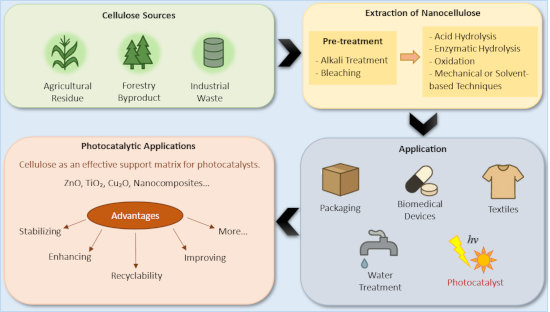
- breaking down organic dyes in wastewater, producing hydrogen, and supporting antibacterial treatments. Its success largely depends on the properties of the semiconductor photocatalyst. An ideal photocatalyst should remain stable against photocorrosion, operate efficiently under a broad range of light


Laser–material interactions in liquids for the synthesis of nanomaterials: current status and perspectives
Beilstein J. Nanotechnol. 2026, 17, 571–575, doi:10.3762/bjnano.17.38

- antibacterial [65] properties produced by additive manufacturing. A major bottleneck for the broader adoption of LSPC remains productivity. In contrast to chemical synthesis routes, nanoparticle yields in LAL have traditionally been limited to the mg/h range. Advances in high-repetition-rate laser systems, fast
Upcycling agroindustrial waste into graphene oxide supports for gold nanoparticles: toward sustainable nanomaterials
Beilstein J. Nanotechnol. 2026, 17, 489–504, doi:10.3762/bjnano.17.32
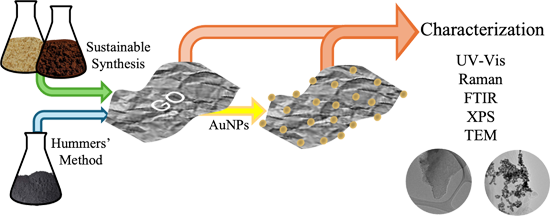
- platforms have shown promise in electrochemical and colorimetric sensing of environmental contaminants, allowing for sensitive and rapid detection of toxic species in water [60][61][62]. Beyond catalysis and sensing, the well-documented antibacterial activity of AuNPs, combined with the large surface area
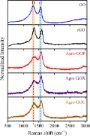
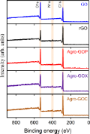
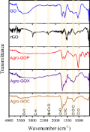
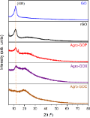
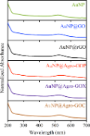
- alternative to conventional graphite sources, while maintaining functional properties suitable for catalytic, sensing, and antibacterial applications. Finally, while AuNP@GO composites are widely reported, most studies rely on conventionally sourced GO, for example obtained by the Hummers' method. In contrast



Beam shaping techniques for pulsed laser ablation in liquids: Unlocking tunable control of nanoparticle synthesis in liquids
Beilstein J. Nanotechnol. 2026, 17, 309–342, doi:10.3762/bjnano.17.22
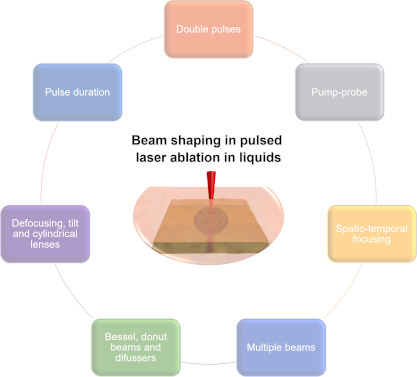
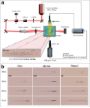
- neutron capture therapy [62][63], viral [64][65] and microbial growth inhibition [42][66], antibacterial agents [67][68], anticancer treatments [67][69], magnetic resonance imaging contrast agent [70], photothermal therapy [71][72], cell imaging [73], proton therapy enhancement [74][75], fluorescence [76







Durable antimicrobial activity of fabrics functionalized with zeolite ion-exchanged nanomaterials against Staphylococcus aureus and Escherichia coli
Beilstein J. Nanotechnol. 2026, 17, 262–274, doi:10.3762/bjnano.17.18
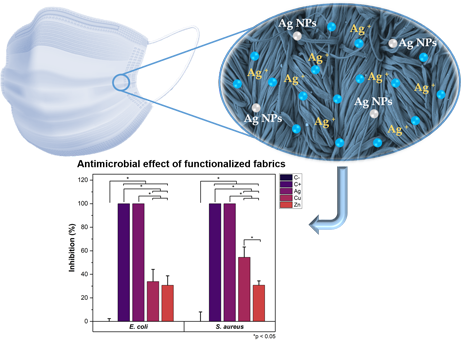
- antimicrobial properties. It was officially recognized in 2008 by the United States Environmental Protection Agency (EPA) as the first metallic antimicrobial agent, highlighting its potential for broad-spectrum antibacterial applications [12]. Since then, copper has been extensively studied for its ability to
- ]. The antimicrobial activity of copper alloys (61–95% Cu) against E. coli O157 was tested at different temperatures (4 and 22 °C) [14]. The highest antibacterial effect was observed at 22 °C, but only alloys containing 95% of Cu completely killed E. coli. Chitosan–copper nanoparticles exhibited high
- antibacterial activity against various bacterial strains, including methicillin-resistant Staphylococcus aureus (S. aureus), Bacillus subtilis, Pseudomonas aeruginosa, and Salmonella choleraesuis [15]. Some studies have shown that the size of Cu NPs plays a crucial role in their antimicrobial activity. For




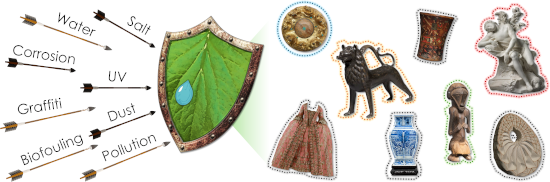
Functional surface engineering for cultural heritage protection: the role of superhydrophobic and superoleophobic coatings – a comprehensive review
Beilstein J. Nanotechnol. 2026, 17, 63–96, doi:10.3762/bjnano.17.6


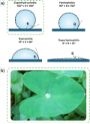


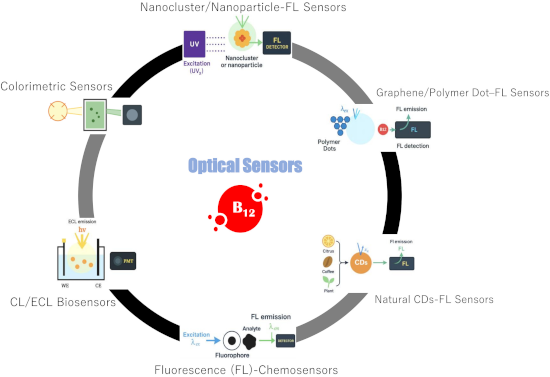
Optical bio/chemical sensors for vitamin B12 analysis in food and pharmaceuticals: state of the art, challenges, and future outlooks
Beilstein J. Nanotechnol. 2025, 16, 2207–2244, doi:10.3762/bjnano.16.153


Microplastic pollution in Himalayan lakes: assessment, risks, and sustainable remediation strategies
Beilstein J. Nanotechnol. 2025, 16, 2144–2167, doi:10.3762/bjnano.16.148
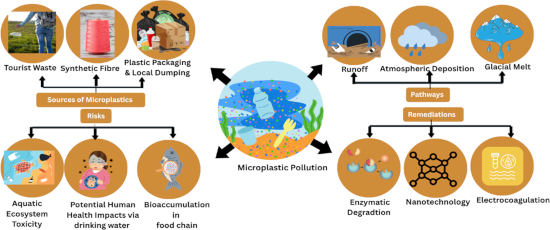
- support matrix for these composites, stabilizing the photocatalyst and enhancing its interaction with MPs [78]. Another novel strategy is the use of multifunctional nanomaterials, such as ZnO–CuO composites, which have both antibacterial and strong photocatalytic activity. These substances provide long


Rapid synthesis of highly monodisperse AgSbS2 nanocrystals: unveiling multifaceted activities in cancer therapy, antibacterial strategies, and antioxidant defense
Beilstein J. Nanotechnol. 2025, 16, 2105–2115, doi:10.3762/bjnano.16.145
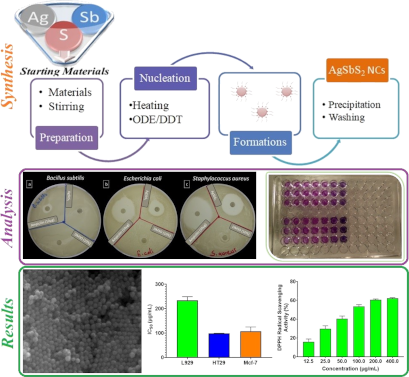
- study is the first to investigate the cytotoxic effects of these NCs on human breast adenocarcinoma (MCF-7), colon cancer cell lines (HT-29), and fibroblast cell lines (L929). Additionally, the antibacterial properties of the NCs against gram-positive (Staphylococcus aureus and Bacillus subtilis) and
- , particularly on cancer cell lines (MCF-7 and HT-29), in a dose-dependent manner over a 24 h period. These findings highlight the potential of the NCs as anticancer agents. Furthermore, the synthesized NCs demonstrated potent antibacterial properties against the tested microorganisms and notable antioxidant
- ; antibacterial activity; antioxidant activity; cytotoxic activity; Introduction Nanoscience serves as a unique platform to reveal new properties of substances through collaborative efforts with other fields (e.g., molecular chemistry, pharmaceutical science, applied health sciences, and engineering). In recent


On the road to sustainability – application of metallic nanoparticles obtained by green synthesis in dentistry: a scoping review
Beilstein J. Nanotechnol. 2025, 16, 1851–1862, doi:10.3762/bjnano.16.128
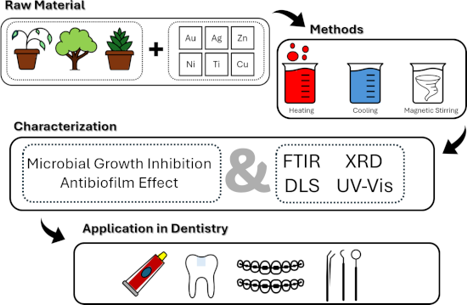
- -mediated AgNPs and ZnO-NPs demonstrated significant antibacterial activity against Streptococcus mutans biofilms [8][9][43], whereas in endodontics, their integration into irrigants and sealers improved disinfection efficiency against Enterococcus faecalis [44]. These findings underscore the translational
- [45][46]. Besides silver, zinc, copper, and nickel, other metals have been used to a lesser extent. The significant representation of ZnO-NPs, known for their biocompatibility, UV-blocking capacity, and antibacterial efficacy, aligns with their growing use in restorative and preventive dentistry
- development of antimicrobial compounds such as oral antiseptics and toothpastes with prolonged antimicrobial action, restorative materials (including composite resins and cements) with antibacterial properties, nanoparticle-reinforced sealants and fluoride varnishes for caries prevention, and antibiofilm


Prospects of nanotechnology and natural products for cancer and immunotherapy
Beilstein J. Nanotechnol. 2025, 16, 1644–1667, doi:10.3762/bjnano.16.116
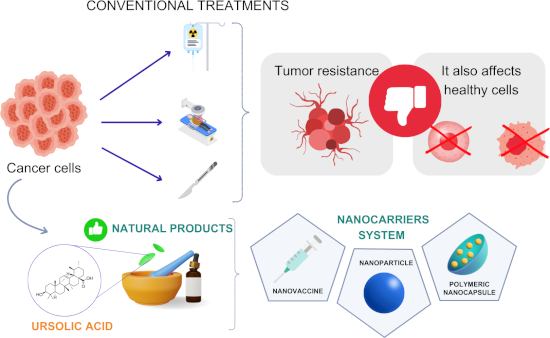
- primarily natural sources [160]. The compound and its derivatives have shown antimalarial, trypanocidal, antibacterial, antileishmanial, anti-inflammatory, antioxidant, analgesic, and anticancer activities [161]. BER acts against cancer by inhibiting cell proliferation, inducing apoptosis, suppressing


Nanotechnology-based approaches for the removal of microplastics from wastewater: a comprehensive review
Beilstein J. Nanotechnol. 2025, 16, 1607–1632, doi:10.3762/bjnano.16.114
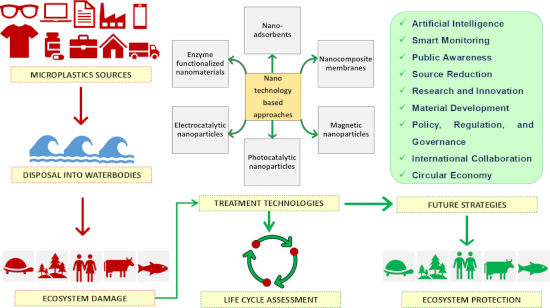
- from aquatic systems. MXenes have emerged as promising materials for antibacterial applications and have shown strong potential for the use in water purification membranes due to their excellent film-forming ability and enhanced mechanical strength. These properties also support their application in
- emerged as a promising approach. Materials such as silver, ZnO, TiO2, and iron oxide are frequently used in membrane construction due to their high reactivity and effective catalytic behaviour. These membranes are not only simple to engineer but also exhibit strong antibacterial activity. Additionally


Nanomaterials for biomedical applications
Beilstein J. Nanotechnol. 2025, 16, 1499–1503, doi:10.3762/bjnano.16.105
- well-suited for orthopedic implants. Likewise, the addition of silver nanoparticles provides antibacterial properties for the material. This action is helping to prevent infection during the recovery time [28][29]. One of the major advantages of using nanomaterials in tissue engineering is that they
Laser processing in liquids: insights into nanocolloid generation and thin film integration for energy, photonic, and sensing applications
Beilstein J. Nanotechnol. 2025, 16, 1428–1498, doi:10.3762/bjnano.16.104






Synthesis and antibacterial properties of nanosilver-modified cellulose triacetate membranes for seawater desalination
Beilstein J. Nanotechnol. 2025, 16, 1380–1391, doi:10.3762/bjnano.16.100
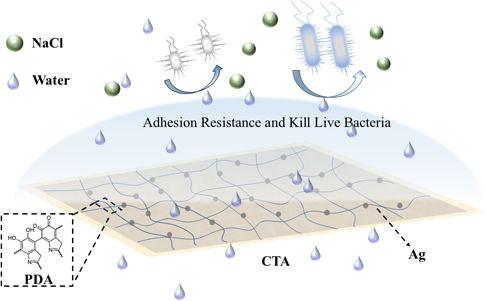
- for Ag nanoparticles. Various characterizations confirm the successful introduction of Ag nanoparticles onto the surface of the PDA-modified CTA (PCTA) membrane and the preservation of CTA microstructures. Antibacterial testing demonstrates that the Ag@PCTA membrane exhibited excellent antibacterial
- properties. Antibacterial ring experiments revealed significant bactericidal activity against five different bacterial strains, namely, Bacillus cereus, Bacillus thuringiensis, Lysinibacillus xylanilyticus, Lysinibacillus lparviboronicapiens and Burkholderia ambifaria. Moreover, water flux and salt rejection
- rates of the Ag@PCTA membrane were comparable to those of the parent CTA membrane. Keywords: antibacterial properties; cellulose triacetate; nanosilver; seawater desalination; Introduction As the global population continues to grow at a rapid pace, the demand for freshwater resources is escalating


Enhancing the therapeutical potential of metalloantibiotics using nano-based delivery systems
Beilstein J. Nanotechnol. 2025, 16, 1350–1366, doi:10.3762/bjnano.16.98
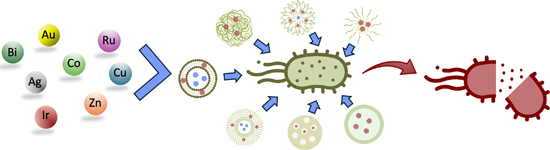
- as a strategy to discover new antibiotic drugs [13]. In this context, the gold(I) antirheumatic drug Auranofin (RidauraTM) [14] was evaluated for its antibacterial activity, exerting potent antimicrobial effect against multiresistant strains [15]. The promising antibacterial profile of auranofin
- interact with upregulated mannose receptors on macrophage surfaces during inflammation. Mannosylated polymeric ligands have been developed for targeted delivery of antibacterial drugs to macrophages, leveraging the high-affinity interaction with mannose receptors on these immune cells [52]. Additionally
- instance, liposomal formulations of antibiotics such as polymyxin B, cefepime, and vancomycin have demonstrated superior antibacterial effects compared to their free drug counterparts [64][65][66]. Liposomes enhance drug stability, increase drug concentration at the target site, and facilitate drug uptake


Functional bio-packaging enhanced with nanocellulose from rice straw and cinnamon essential oil Pickering emulsion for fruit preservation
Beilstein J. Nanotechnol. 2025, 16, 1234–1245, doi:10.3762/bjnano.16.91
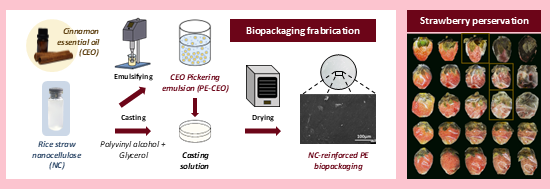
- exhibits good heat-resistance, mechanical, and water-barrier properties. At an emulsion concentration as low as 10% (v/w) in the casting solution, high UV absorbance capacity (up to 100% UVC), high antibacterial activity (92.4% Escherichia coli inhibition), and good antioxidative properties (up to 43% DPPH
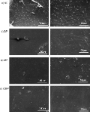
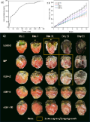
- %): This can be due to the presence of hydroxy groups in PVA, which can disrupt hydrogen bonds and dissolve the peptidoglycan membranes of the bacteria [51]. CBP showed a drastic time-kill effect of more than 90% for both types of bacteria, attributed to the potent antibacterial functional groups in CEO



Hydrogels and nanogels: effectiveness in dermal applications
Beilstein J. Nanotechnol. 2025, 16, 1216–1233, doi:10.3762/bjnano.16.90
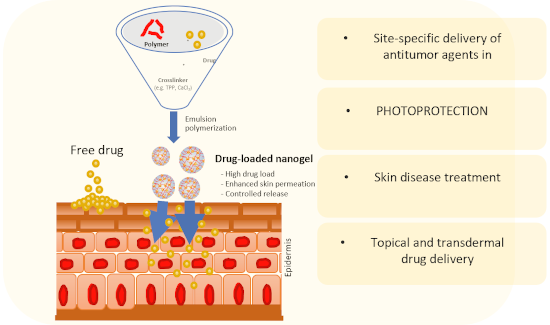
- . (2017), the authors developed an innovative hydrogel that can be directly injected into the injured skin. The benefits associated with wound healing stand out: self-regeneration potential, antibacterial activity, neutralization of free radicals, high adhesion to the skin, and biocompatibility. These


Soft materials nanoarchitectonics: liquid crystals, polymers, gels, biomaterials, and others
Beilstein J. Nanotechnol. 2025, 16, 1025–1067, doi:10.3762/bjnano.16.77
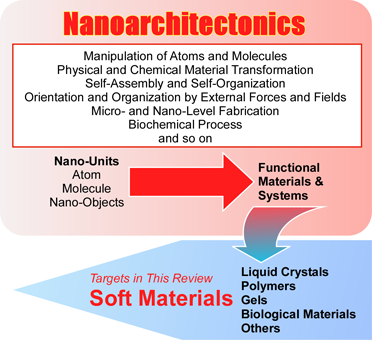
- substrate prepared by sulfonation (Figure 16). The material, which exhibits a bifunctional system of antioxidants and antibacterial properties on its surface, was employed as a model implant to effectively treat diabetic bone defects and restore the integration and remodeling of the implant and surrounding
- gentamicin sulfate through electrostatic interaction and hydrogen bonding in a mixture of gentamicin sulfate and Pluronic F127. The prepared material demonstrated sustained antibacterial activity and facilitated osteoblast (MC3T3-E1) differentiation, which is essential for bone formation. Moreover, the






Supramolecular hydration structure of graphene-based hydrogels: density functional theory, green chemistry and interface application
Beilstein J. Nanotechnol. 2025, 16, 806–822, doi:10.3762/bjnano.16.61
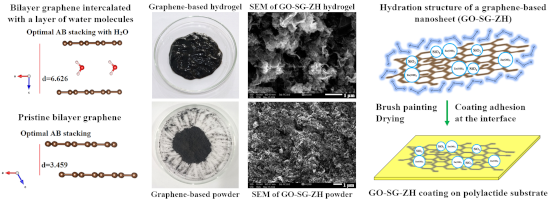
- structures, elemental compositions, aqueous dispersibility, and antibacterial activities. Hydration shells on graphene-based nanosheets in the hydrogel increase intersheet distances to prevent the stacking of the nanostructures. Hydration layers in the GO-SG-ZH hydrogel was also lubricative for direct brush
- coating on polymer substrates, typically polylactide films. Interfacial adhesion of graphene-based nanosheets on polylactide substrates made the antibacterial coating stable for several application purposes. In general, supramolecular graphene-based hydrogels are bioinspired hydration structures to
- advance nanoscale properties and nanotechnology applications. Keywords: antibacterial coating; bioinspired hydration; density functional theory; graphene-based hydrogel; supramolecular structure; Introduction Biological cells are assemblies of biomolecules that are hydrated with water molecules. The


Efficiency of single-pulse laser fragmentation of organic nutraceutical dispersions in a circular jet flow-through reactor
Beilstein J. Nanotechnol. 2025, 16, 711–727, doi:10.3762/bjnano.16.55
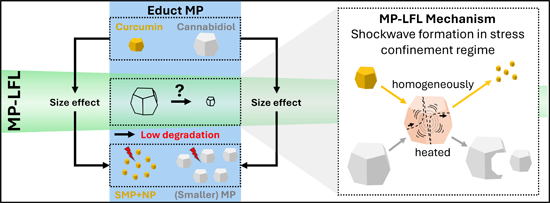
- greater intracellular uptake and increased cytotoxicity on rat C6 glioma cells [36]. Laser-generated nanoscale cinnamon was also synthesized and showed enhanced antibacterial activity against Gram-negative and Gram-positive bacteria after particle size reduction compared to the unirradiated educt [37


Polyurethane/silk fibroin-based electrospun membranes for wound healing and skin substitute applications
Beilstein J. Nanotechnol. 2025, 16, 591–612, doi:10.3762/bjnano.16.46
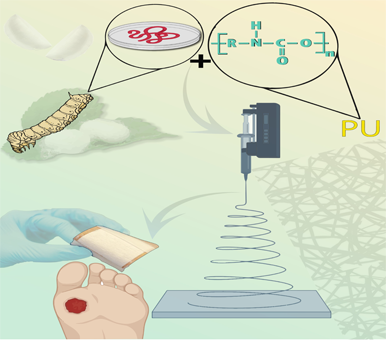
- applications without affecting the structure or bioactivity. The effective encapsulation of STZ was confirmed by FTIR, and the nanofibers showed high cytocompatibility in cell viability tests. STZ was released from nanofibers over 6 h, and its antibacterial activity was demonstrated through the formation of a
- . developed a micro–nanofiber dressing by electrospinning a blend of SF, chitosan, and halloysite nanotubes (HNTs) loaded with the antibacterial agent chlorhexidine digluconate (CHD). The addition of HNTs considerably altered the nanofiber structure, and increased the material’s thermal stability and
- neuronal development and embryonic stem cell culturing [161]. For biological applications, electrospun PU nanofibers including antibacterial substances such as silver nanoparticles, 4-vinylpyridine, or streptomycin sulfate were also created. These researches combined the use of wound dressings with the



Fabrication and evaluation of BerNPs regarding the growth and development of Streptococcus mutans
Beilstein J. Nanotechnol. 2025, 16, 308–315, doi:10.3762/bjnano.16.23
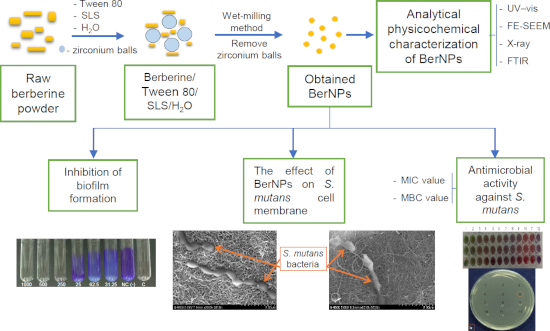
- formation of S. mutans. In summary, BerNPs demonstrated a potent inhibitory effect on the activities of S. mutans at selectively applied concentrations. Keywords: antibacterial; berberine nanoparticles; BerNPs; biofilm; FE-SEM; Streptococcus mutans; Introduction According to the Global Burden of Disease
- -resistant bacteria and the associated adverse effects, such as allergies, have increased the prevalence of using natural compounds to treat bacterial diseases. Among these, berberine, a plant-based alkaloid traditionally used in medicine, has been recognized for its antibacterial, antiviral, and anti
- -inflammatory properties [9]. With its antibacterial activity, berberine can accumulate in bacterial cells and bind to single- and double-stranded DNA, causing DNA damage. According to evaluations, berberine has a stronger antibacterial effect against gram-positive bacteria than against gram-negative bacteria