


Search results
Search for "current" in Full Text gives 1463 result(s) in Beilstein Journal of Nanotechnology. Showing first 200.
Nanocarrier strategies to overcome P-glycoprotein-mediated drug resistance in cancer therapy
Beilstein J. Nanotechnol. 2026, 17, 882–921, doi:10.3762/bjnano.17.64
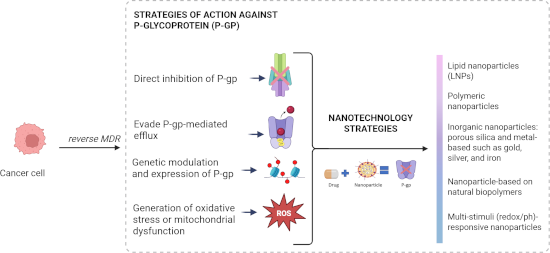
- . Keywords: cancer chemotherapy; efflux transporters; multidrug resistance (MDR); nanoparticles; siRNA nanocarriers; tumor-targeted therapy; Review 1 Introduction 1.1 Cancer and current challenges in chemotherapy Cancer remains one of the leading causes of mortality worldwide, with millions of new cases
- Eligard® (a PLGA-based in situ forming implant), and Genexol-PM® (a PEG–PLA polymeric micelle for cancer treatment) are already available, many current designs still face challenges, especially in understanding biological barriers, patient response variability, and the translation of preclinical findings


Supramolecular one-dimensional conducting nanofibers from a C3-symmetric tetrathiafulvalene derivative
Beilstein J. Nanotechnol. 2026, 17, 872–881, doi:10.3762/bjnano.17.63
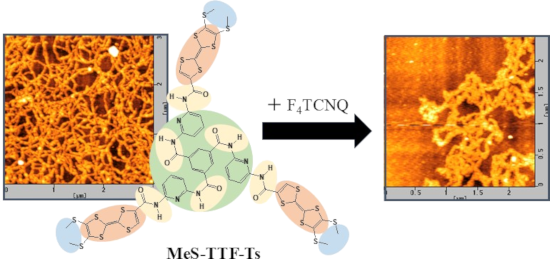
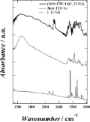
- method or from cast films deposited on quartz substrates, depending on the sample form. Conductivity measurements Electrical conductivity was measured by a direct current (DC) two-probe method. Gold electrodes with a thickness of 100 nm were deposited on mica substrates by vacuum evaporation. Electrical
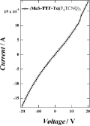
- the current–voltage (I–V) characteristics of nanofibers composed of the (MeS-TTF-Ts)(F4TCNQ)3 charge-transfer complex deposited on a mica substrate. The sample solution was prepared by mixing DMSO solution of MeS-TTF-Ts with an acetonitrile solution of F4TCNQ at a molar ratio of 1:3, with a final
- clear current response, indicating good electrical conduction behavior. The electrical conductivity (σ) of the nanofibers composed of the (MeS-TTF-Ts)(F4TCNQ)3 complex was determined to be 1.24 × 10⁻² S·cm−1. This result suggests that the one-dimensional stacked structure formed through donor–acceptor


He+ FIBID-fabricated 3D AFM tip architectures: an exploratory study of hollow pillars, helices, and spirals
Beilstein J. Nanotechnol. 2026, 17, 863–871, doi:10.3762/bjnano.17.62
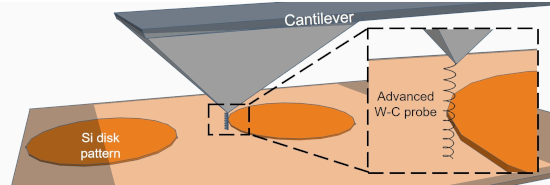
- during the initial approach or early scanning stages, highlighting current limitations in robustness and reproducibility. These results show that complex He+ FIBID-grown nanoarchitectures can operate as AFM probes under basic test conditions, while also making clear that substantial optimization is still
- is framed as an exploratory and limitations-aware study that combines fabrication, basic operation, and post-operation structural auditing to identify both the current shortcomings and the design lessons that can inform future 3D nanofabricated AFM probes. Results and Discussion 3D nanoprinting of
- diameter ≈ 500 μm; GISz ≈ 500 μm; GISx,y ≈ 60 μm; Pbase ≈ 1.5 × 10⁻⁷ mbar; Pprocess ≈ 5.2 × 10⁻⁶ mbar; acceleration voltage = 30 kV; ion beam current ranging from 0.96 pA to 1.07 pA. Each type of nanoarchitecture was fabricated following distinct patterning protocols tailored to its geometry: (1


Light-driven ammonia electrooxidation via carbon nitride–ruthenium molecular interfaces
Beilstein J. Nanotechnol. 2026, 17, 854–862, doi:10.3762/bjnano.17.61
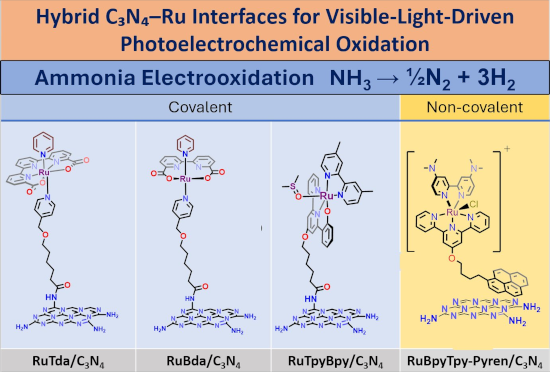
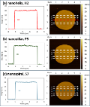
- to the proposed hybrid strategy (Figure 2d). RuBda (Ru coordinated by 2,2′-bipyridine-6,6′-dicarboxylic acid [22][23]) is the current state-of-the-art catalyst for WOC and AOC [24][25]. Its carboxylate arms provide both strong coordination to the metal and axial or equatorial ligands, which can be


Nanoparticle delivery systems for HIV pre-exposure prophylaxis (PrEP): advances and challenges
Beilstein J. Nanotechnol. 2026, 17, 839–853, doi:10.3762/bjnano.17.60
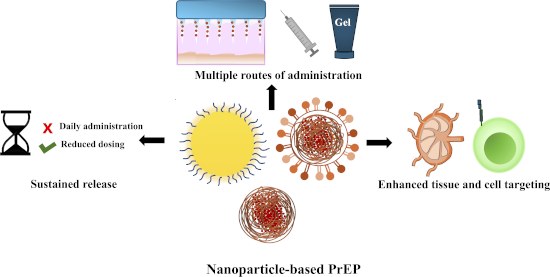
- , budding, and maturation of newly formed viruses (Figure 2) [37][38]. The ARV drugs used for PrEP work by blocking a critical step in the HIV life cycle, such as reverse transcription or integration, thereby stopping an infection before it can take hold. Current ARVs used for this purpose often include a
- -acting PrEP with potential for limiting the spread of HIV. Conclusion Eradicating HIV remains a major global challenge. While current oral ART has proven effective in prevention and treatment, they are often limited by poor adherence, which leads to reduced treatment effectiveness. LA nanosuspensions
- have significantly improved adherence and prevention outcomes in PrEP, but current strategies are currently limited to a few selected compounds, lack targeting functionalities, and require high doses. Nanoparticle delivery platforms provide opportunities for tissue and even cell-specific targeting as


Sustainable fabrication of 2D-based devices through reuse of substrates with microfabricated electrodes
Beilstein J. Nanotechnol. 2026, 17, 818–827, doi:10.3762/bjnano.17.58
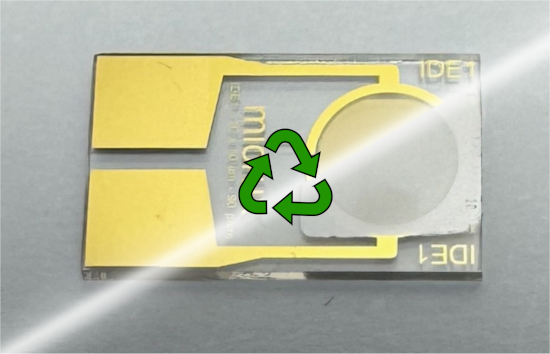
- electrodes to fabricate three FETs [32][37]. After each fabrication, the drain–source current versus bias voltage (I–V) characteristics were measured at different gate voltages, as shown in Figure 3a–c. Following the electrical characterization, the samples underwent the cleaning process, and the substrates
- station [42]. Figure 5a (bottom) presents representative output and transfer characteristics of the single-layer MoS2 FET, displaying an on/off current ratio of 3.4 × 10⁶ and a field-effect mobility of 43.2 cm2·V−1·s−1. Following characterization, the device underwent the deep cleaning protocol. The
- 5c), with an on/off current ratio of 8.5 × 10⁵ and a field-effect mobility of 22.0 cm2·V−1·s−1. Finally, the device underwent an additional cleaning cycle, restoring the substrate for further reuse (Figure 5d), thus completing the full reusability cycle. Conclusion The reuse of microelectronic


Glycerol photoelectrochemical oxidation reaction at carbon nitrides/BiVO4 materials
Beilstein J. Nanotechnol. 2026, 17, 806–817, doi:10.3762/bjnano.17.57
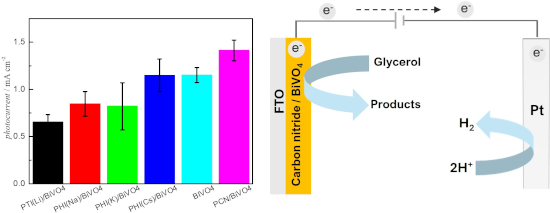
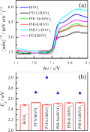
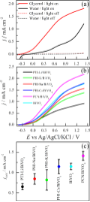
- illumination. In contrast, under water oxidation conditions (i.e., in the absence of glycerol), a sharp current peak appears within fractions of a second upon illumination. These transient current peaks are related to the accumulation of holes (h+) at the surface of the semiconductor, caused by the sluggish
- simulated solar illumination. (b) Photocurrent mean values obtained in (b) at E = 0.6 V. (c) The error bars represent the standard deviations from three distinct independently produced films. Other conditions: electrolyte: Na2SO4 (0.5 mol·L−1, pH 6.8) + glycerol (1.0 mol·L−1)v = 0.05 V·s−1. a) Current




Tuning the electronic properties of defect-rich MoS2
Beilstein J. Nanotechnol. 2026, 17, 796–805, doi:10.3762/bjnano.17.56
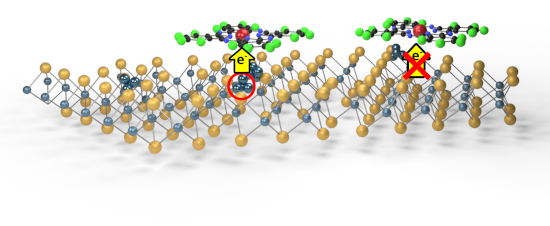
- investigated by XAS and (angle-resolved) PES using an angle-resolved time-of-flight detector (ARTOF). For XAS, the total electron yield of the sample current was measured. The energy resolution for the Co L edges was 263 meV at a photon energy of 790 eV. For photoemission at excitation energies of 900, 500


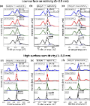
Restorative potential of laser-synthesized silver nanoparticles with Salvia officinalis for periodontal disease treatment: an in vitro study
Beilstein J. Nanotechnol. 2026, 17, 781–795, doi:10.3762/bjnano.17.55
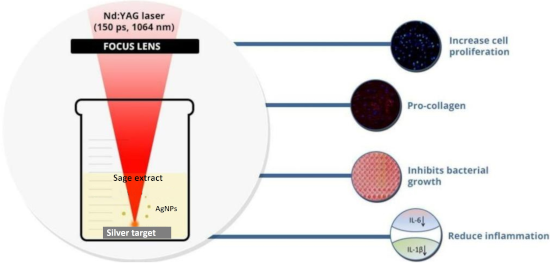
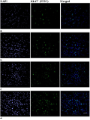
- irreversible damage to the periodontal ligament. Current strategies for the prevention and the treatment of periodontitis are oriented towards improved dental hygiene, scaling and root planning, but also restrictive or regenerative surgical approaches [19][20]. Optimal treatment should be oriented towards the


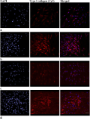

Oxidative atmosphere-driven formation of single-phase spinel CuRh2O4 nanofibers for alkaline water oxidation
Beilstein J. Nanotechnol. 2026, 17, 737–743, doi:10.3762/bjnano.17.50
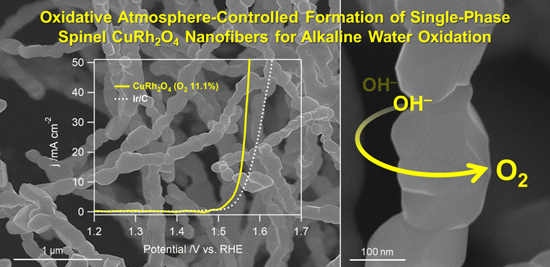
- to IrO2 (1.53 V vs RHE). Furthermore, the accelerated reaction kinetics of the Cu–Rh–O series, which contribute to its enhanced intrinsic OER activity, were confirmed by Tafel analysis (η vs log j, where η represents the overpotential and j is the GSA-normalized current density) derived from the
- polarization curves (Figure 6b) [1]. The smaller Tafel slope observed for the sample prepared under 22.2% O2 (42.9 mV·dec−1) indicates a more favorable OER process, suggesting that the catalyst-modified electrode requires a lower overpotential to achieve higher current densities. Additionally, the
- electrocatalyst demonstrates excellent durability, as shown in Figure 6c, maintaining a nearly stable potential during 10,000 s of continuous OER operation at a constant current density of 10 mA·cm−2. Conclusion In summary, Cu–Rh bimetallic single-phase spinel oxide nanofibers were successfully synthesized via




Environmental applications of silver nanoparticles: state-of-the-art review and emerging trends
Beilstein J. Nanotechnol. 2026, 17, 697–736, doi:10.3762/bjnano.17.49
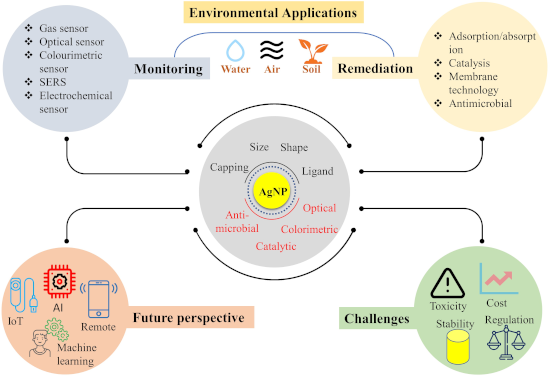
- irreproducibility, ecotoxicological risks arising from Ag+ ion release and environmental persistence, and the current absence of harmonised regulatory frameworks for AgNP deployment, are critically discussed. This review provides a structured, evidence-based foundation for researchers and engineers working toward


Molecular engineering of individual dye-based nanoparticle photostability for ultrabright two-photon fluorescence
Beilstein J. Nanotechnol. 2026, 17, 688–696, doi:10.3762/bjnano.17.48
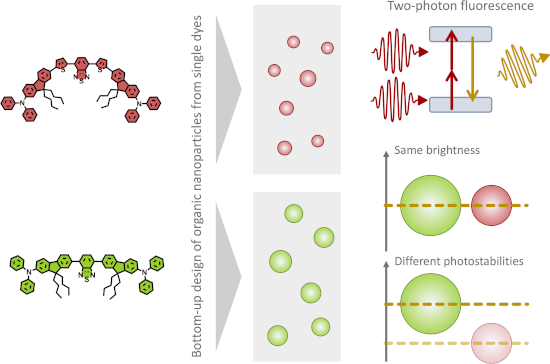
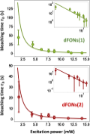
- -field correction, that is, the electric field experienced by a single molecule into the nanoparticle). This local field is not only different from the incident field, but also from the one experienced by the NP under other conditions (when in water or in air, as in the current experiment). The following


Protein-based custom-designed molecular nanotraps for biomedical applications
Beilstein J. Nanotechnol. 2026, 17, 683–687, doi:10.3762/bjnano.17.47

- recognized as functionally active, often undergoing partial folding upon interaction with molecular partners [12]. These observations are reshaping the current understanding of protein structure–function relationships, opening the possibility of employing unfolded or disordered proteins as functional

Decontamination from water pollutants and pathogens by electrospun nanofibers doped with heavy-atom-free borafluorene-BODIPY photosensitizers
Beilstein J. Nanotechnol. 2026, 17, 668–682, doi:10.3762/bjnano.17.46
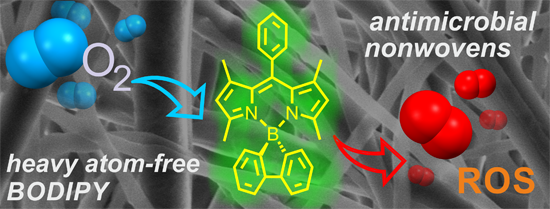
- between perpendicularly oriented donor and acceptor units [36][37][38][39]. In the current study, we investigate the borafluorene-based BODIPY 1 (Figure 1a) as a model heavy-atom-free photosensitizer for deactivating water pollutants and pathogens. Our major goal was to develop a suitable polymeric
- Beam microscope (ThermoFisher) equipped with a focused electron beam and a Xe ion beam. The EDS experiments were performed with a working distance of 4 mm, an accelerating voltage of 15 kV, a probe current of 0.2 nA, a magnification of 15000×, and a collection time of 30 min. Prior to ToF SIMS
- measurements, the samples were sputtered with 10 nm of gold using a CCU-010 Compact Coating Unit (Safematic). The ToF SIMS maps were acquired in the positive ion mode spectrum using 8 kV accelerating voltage and 10 nA beam current. X-ray photoelectron spectroscopy X-ray photoelectron spectroscopy (XPS



afspm: A framework for manufacturer-agnostic automation in scanning probe microscopy
Beilstein J. Nanotechnol. 2026, 17, 653–667, doi:10.3762/bjnano.17.45
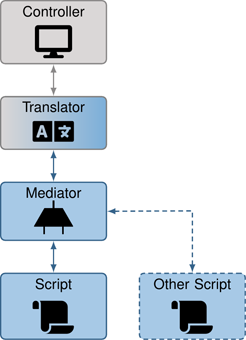
- “background” scripts that monitor and fix issues in an intermittent fashion. Tied to mediation is the concept of experiment problems, predefined issues that may be flagged or removed throughout an experiment. The mediator maintains a list of currently logged experiment problems and a record of the current
- vertical transitions, any script may flag a problem and transition the mediator from “No Problem, No Control” to “Problem, No Control”; transitioning back requires all flagged problems to be removed. In the current implementation, there is no hierarchy between experiment problems. Race conditions may thus
- source (i.e., where a translator obtains them). Here, the scan parameters, probe position, and z-control parameters match what is settable and described above. The scope state indicates the current state the microscope is in (e.g., scanning, moving, or free). The 2D scans structure holds the one or more




Cellulose as a photocatalyst support material: extraction, structural features, and environmental applications
Beilstein J. Nanotechnol. 2026, 17, 635–652, doi:10.3762/bjnano.17.44
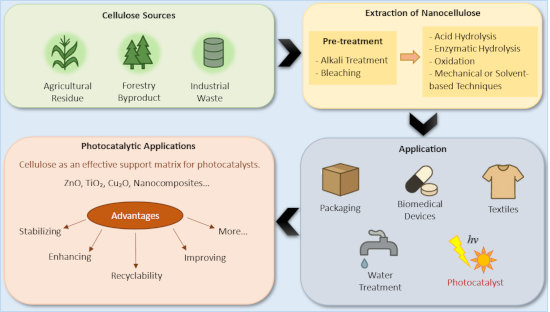
- photodegradation of organic pollutants by photocatalyst. This review aims to summarize current methods for extracting cellulose-based materials, focusing on their technical, economic, and environmental aspects. Key considerations include yield, purity, energy use, and scalability. The discussion includes


Two-step laser synthesis of Ag@TiO2 nanomaterials for the photocatalytic degradation of rhodamine B
Beilstein J. Nanotechnol. 2026, 17, 622–634, doi:10.3762/bjnano.17.43
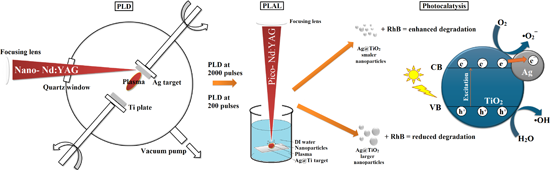
- evidence of distinct mechanisms [30]. Similar trends, where particle size and silver loading influence the kinetic model of the reaction, have also been reported for Ag-TiO2 composites in recent studies [16]. Comparation of current research with literature data The photocatalytic efficiency of the


Recent progress in enhancing built-in electric fields of perovskite solar cells via junction engineering
Beilstein J. Nanotechnol. 2026, 17, 602–621, doi:10.3762/bjnano.17.42
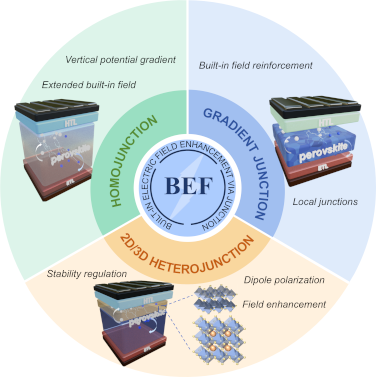
- aligning energy levels [16]. These advantages have established heterojunctions as a major research hotspot, with current efforts shifting from simple passivation to deliberate interfacial potential design [17]. Nevertheless, the impact of phase penetration depth, residual strain, and bulk inhomogeneity on
- distortions, create defects, and promote ion migration. To address these challenges, recent research has focused on precisely tuning the local potential via surface or near-surface doping and functionalization while preserving lattice continuity. Current efforts are also directed toward extending these
- from 0.92 to 0.98 V, the carrier lifetime nearly doubled, the short-circuit current density rose to 19.34 mA·cm−2, and the power conversion efficiency reached 16.46%, confirming the pivotal role of enhanced BEF in promoting carrier separation and collection. Fluorinated ammonium salts can induce



Towards targeted drugs and next generation of nanomedicines
Beilstein J. Nanotechnol. 2026, 17, 598–601, doi:10.3762/bjnano.17.41
- strategies are emerging and are being investigated to be able to overcome their current limits. One strategy to achieve targeting which is attracting extensive attention is that of using materials responsive to endogenous or exogenous stimuli [26]. By designing materials that respond to stimuli, treatments
- several reviews on the current development of specific classes of nanomaterials, nanomedicines applied to specific diseases, and fundamental understanding of how nanomedicines are processed by cells and in the body. As a conclusion one can say that nanomedicine is in its infancy steps, where first
Impacts of annealing on structural and photophysical properties of zinc phthalocyanine adsorbed on graphene
Beilstein J. Nanotechnol. 2026, 17, 576–585, doi:10.3762/bjnano.17.39
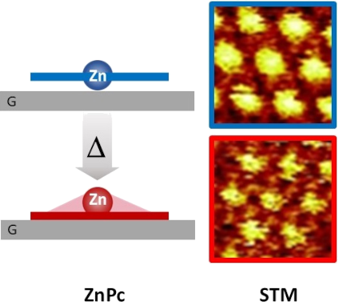
- images were systematically recorded at different locations of the sample. The images were acquired in quasi-constant current mode (i.e., variable height mode). The setpoint tunneling current was ≈3 pA and the sample bias voltage was −0.9 V. The images are not corrected for thermal drift. Incidence-angle
- crossing both ZnPc and TSB molecules are also represented (c and f), together with enlarged details of high-resolution images (b and e). The current setpoint was ≈3 pA and the sample bias was −0.9 V. The images are not corrected for thermal drift. Incidence-angle dependence, as measured every 5° from 0


Laser–material interactions in liquids for the synthesis of nanomaterials: current status and perspectives
Beilstein J. Nanotechnol. 2026, 17, 571–575, doi:10.3762/bjnano.17.38
Electrochemical determination of ciprofloxacin using a MIL-101/reduced graphene oxide-modified electrode
Beilstein J. Nanotechnol. 2026, 17, 541–554, doi:10.3762/bjnano.17.35
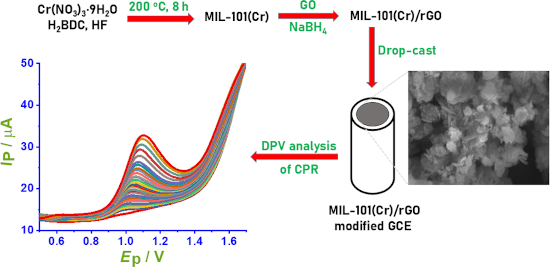
- oxidation peak is observed at the bare GCE, indicating sluggish electron-transfer kinetics. Upon modification with MIL-101 or rGO, the anodic peak current increases noticeably, reflecting improved adsorption and conductivity. The obtained peak potentials (Ep) for GCE, GO/GCE, rGO/GCE, MIL-101/GCE, MIL-101
- shifted to lower potentials compared with bare GCE (1.203 V), accompanied by a significant increase in peak current. This behavior indicates that the modified materials can effectively enhance the electrocatalytic activity toward CPR oxidation. Notably, the MIL-101/rGO composite electrodes exhibit a much
- highest and most reproducible peak current (Figure 5b), and was therefore selected for subsequent experiments. Effect of pH The impact of solution pH on the electrochemical oxidation of CPR was studied over a pH range of 2–9 (Figure 6). The oxidation peak current rises with pH up to 4, then gradually


Fractional shot noise of an SU(N) Kondo system
Beilstein J. Nanotechnol. 2026, 17, 515–540, doi:10.3762/bjnano.17.34
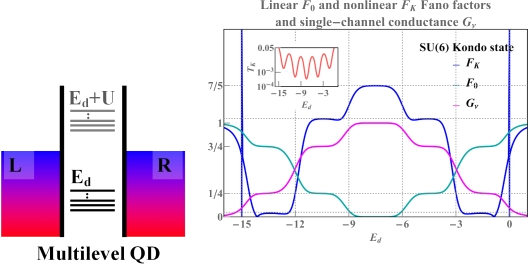
- need of separating shot noise from background 1/f noise caused by fluctuations in the physical environment [66]. The shot noise is a purely nonequilibrium property that results from the fact that current is not a continuous flow but a sum of discrete pulses in time. Shot noise is a zero-frequency
- current noise out of equilibrium. Current and shot noise, corresponding to the average and variance of the number of electrons passing through a dot per unit time, respectively, provide different information on a transport phenomenon. Equilibrium (thermal) fluctuations can be related via the fluctuation
- shift, one must also deal with two particle scattering off the singlet. At finite degeneracy, fluctuations of slave bosons about their mean-field coherent states determine the size of current fluctuations. Motions of the quasiparticles generate fluctuations that create interactions between


![[Graphic 127]](/bjnano/content/inline/2190-4286-17-34-i187.svg?max-width=637&scale=1.18182)

Defects and defect-mediated engineering of two-dimensional materials: challenges and open questions
Beilstein J. Nanotechnol. 2026, 17, 454–488, doi:10.3762/bjnano.17.31





Nanocarrier-integrated multilayer films produced by 3D printing for improved skin adhesion and curcumin photostability
Beilstein J. Nanotechnol. 2026, 17, 440–453, doi:10.3762/bjnano.17.30
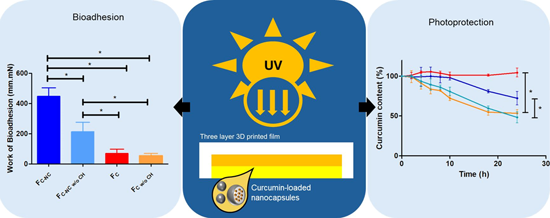
- may vary depending on the wound type, such as venous ulcers or burns [9][10][11][12]. An ideal dressing should exhibit suitable bioadhesive properties, prevent bacterial growth, minimise pain, and control odour, while also being cost-effective and easy to replace. Current research therefore focuses on





