


Search results
Search for "degradation" in Full Text gives 563 result(s) in Beilstein Journal of Nanotechnology. Showing first 200.
Vibration-induced dynamic structural superlubricity on MoS2/Au(111) under ultrahigh vacuum
Beilstein J. Nanotechnol. 2026, 17, 1039–1046, doi:10.3762/bjnano.17.71
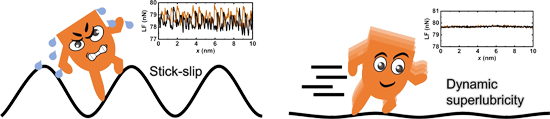
- expected to vanish at infinitely slow relative speeds due to thermal activation [3][7]. It works only within specific low-speed regimes, and elevated temperatures can lead to local material softening or accelerated degradation and oxidation of the sliding interface. By leveraging structural engineering
- scale. By using mechanical vibration rather than electrical or thermal methods, this approach avoids the inherent limitations of Joule heating, material degradation, or the requirement for interfacial conductivity discussed earlier. Numerical simulations using a modified phononic friction model


Synthesis and characterization of RF-sputtered ZnTe/Cu2−xTe thin films for solar cell applications
Beilstein J. Nanotechnol. 2026, 17, 1016–1027, doi:10.3762/bjnano.17.69
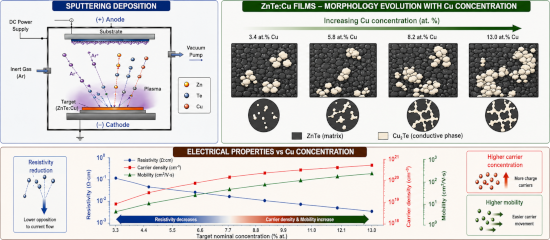
- conventional metals. As a consequence, Schottky barrier formation at the CdTe/metal interface may occur, leading to rollover effects and device degradation [1]. Copper-containing compounds have been widely employed to mitigate this issue as Cu acts as an acceptor dopant and promotes the formation of a hole
- region at the CdTe surface, reducing the barrier height. However, uncontrolled Cu diffusion through grain boundaries and toward the CdS/CdTe junction has been associated with long-term instability and performance degradation. Therefore, controlling Cu incorporation while minimizing its diffusion remains



Ultrasonic irradiation in the synthesis of nanohydroxyapatite: a chemically friendly technique for improving hemocompatibility and antibiofilm applications
Beilstein J. Nanotechnol. 2026, 17, 991–1015, doi:10.3762/bjnano.17.68
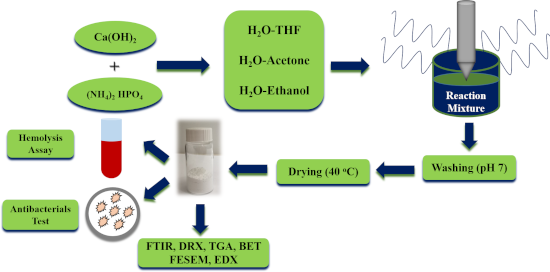
- hydroxyapatite decarbonation [69]. W/THF mixture: The sample that was synthesized using 15 min of ultrasonic irradiation had the highest total mass loss (12.62%). The curves for the 30 min and 45 min samples are completely overlapping, which suggests that there are no significant changes in degradation behavior




Development of Protium heptaphyllum essential oil-loaded nanocapsules: experimental design and biological activity
Beilstein J. Nanotechnol. 2026, 17, 974–990, doi:10.3762/bjnano.17.67
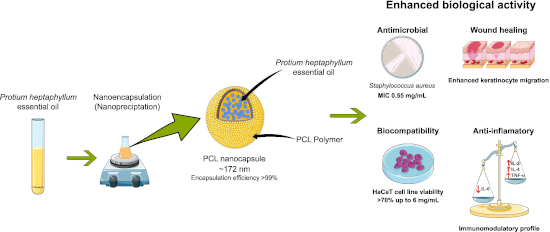
- essential oil (EO) a promising candidate for therapeutic and cosmetic formulations. However, its practical use in industry is limited by physicochemical issues such as high volatility, poor solubility, and susceptibility to oxidative degradation [8]. Overcoming these limitations requires innovative
- tea tree have been widely studied, demonstrating improved physicochemical stability, enhanced antimicrobial activity, and controlled release profiles [2][9][10]. This approach protects the active constituents from degradation and enhances bioavailability [11][12]. Polymeric nanocapsules are especially
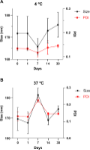
- the nanocapsules, including their colloidal organization and the properties of the polymeric shell. Additionally, the unchanged particle size over time, even under thermal stress, indicate that no phase separation, leakage of the encapsulated compound, or interfacial degradation occurred during




Materials challenges in solid-state sensors for continuous monitoring of ions in water
Beilstein J. Nanotechnol. 2026, 17, 935–973, doi:10.3762/bjnano.17.66
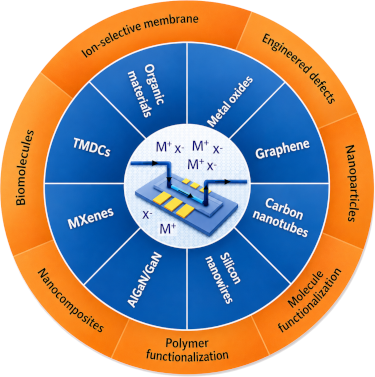
- active edge sites, and susceptibility to chemical and mechanical degradation often lead to signal instability in liquid-phase sensing. In contrast, FLG, typically comprising two to five stacked graphene layers, provides improved structural robustness and reduced noise while retaining high electrical



Enhanced erosion resistance and radiation stability of WC–WO3 nanocomposite films under 100 keV Kr+ ion irradiation
Beilstein J. Nanotechnol. 2026, 17, 922–934, doi:10.3762/bjnano.17.65
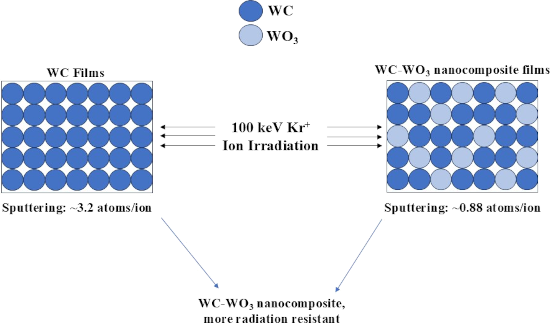
- /bjnano.17.65 Abstract Plasma-facing components (PFCs) in fusion reactors are exposed to extreme radiation and thermal environments, leading to material degradation processes such as sputtering erosion and amorphization. This study investigates and compares the erosion behaviour of tungsten (W) in
- causes degradation of the PFC material, and the sputtered atoms contaminate the plasma of tokamaks, which is undesirable. The erosion (sputtering) of films is known to be dependent on several factors such as ion energy [55], composition of material and its properties [56][57], film thickness [58], and
- in revealing the microstructural evolution of WC–WO3 nanocomposite films under ion irradiation. SEM images indicate progressive surface roughening, nanocluster formation, and morphological degradation with increasing fluence, particularly evident at 3 × 10¹⁶ ions/cm2. The grain coarsening seen in XRD



Nanocarrier strategies to overcome P-glycoprotein-mediated drug resistance in cancer therapy
Beilstein J. Nanotechnol. 2026, 17, 882–921, doi:10.3762/bjnano.17.64
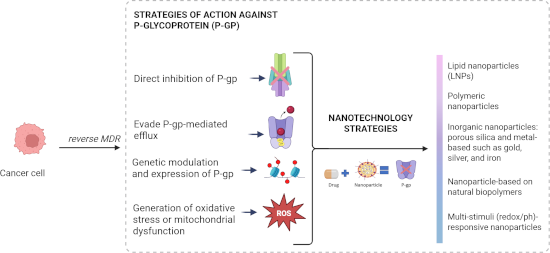
- premature degradation, and release them in a controlled and targeted manner. Furthermore, numerous nanocarriers are specifically engineered to inhibit or bypass efflux mechanisms facilitated by P-gp and other transporters, thereby enhancing intracellular drug accumulation and cytotoxic efficacy in tumor
- effects on MDR reversal. It increases therapeutic efficacy and intracellular drug concentrations while at the same time reducing systemic toxicity and premature drug degradation. For example, aiming to overcome the resistance developed by erlotinib (Ertb) in non-small cell lung cancer, Ganthala et al
- ) in individual nanoparticles (NPDOX+CQ). In A549 and A549/Taxol cells, this co-delivery strategy enabled chloroquine to inhibit autophagy and protect doxorubicin from degradation, thereby increasing its accumulation in cancer cells. The fact that the drugs are encapsulated in NPDOX+CQ prevents them


He+ FIBID-fabricated 3D AFM tip architectures: an exploratory study of hollow pillars, helices, and spirals
Beilstein J. Nanotechnol. 2026, 17, 863–871, doi:10.3762/bjnano.17.62
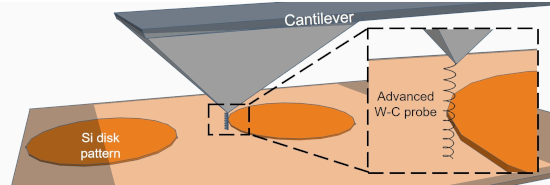
- examined by electron microscopy before and after AFM use. The main degradation modes were geometric deformation of the apex or shaft and mechanical fracture, most frequently at the tip–cantilever interface. While a few structures remained operational through repeated measurement cycles, others failed
- measurements from commercial reference probes serving as a step height baseline. Importantly, each printed structure was also inspected by electron microscopy before and after AFM use in order to document morphology changes, degradation pathways and architecture-dependent failure modes. In this way, the work
- exhibited distinct degradation behaviours. Hollow nanopillars showed a higher tendency to fracture during the initial approach, consistent with the larger bending moments expected for slender vertical structures. Nanospiral tips were more susceptible to progressive geometric deformation. Nanohelices showed


Light-driven ammonia electrooxidation via carbon nitride–ruthenium molecular interfaces
Beilstein J. Nanotechnol. 2026, 17, 854–862, doi:10.3762/bjnano.17.61
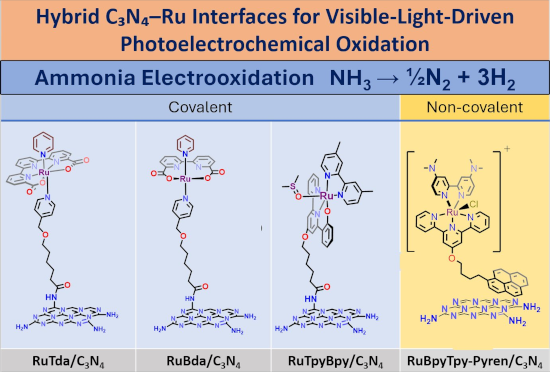
- not expected to degrade under visible-light irradiation [15][16][33] The more likely degradation pathways are oxidative cleavage of the amide linker in covalently anchored systems, or displacement of the pyrene anchor by photogenerated reactive oxygen species in non-covalently adsorbed ones, both of


Nanoparticle delivery systems for HIV pre-exposure prophylaxis (PrEP): advances and challenges
Beilstein J. Nanotechnol. 2026, 17, 839–853, doi:10.3762/bjnano.17.60
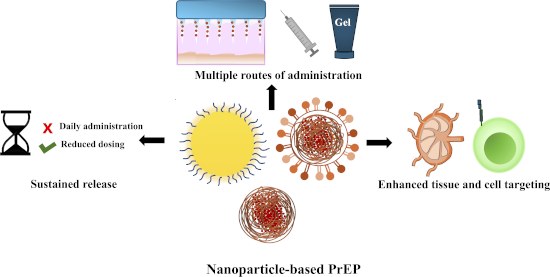
- -PrEP. They can be designed to encapsulate both hydrophobic or hydrophilic drugs, protect drugs from enzymatic degradation, and control release kinetics. Nanoparticle platforms that combine the capacity to hold a high payload of ARVs with the ability to carry it to specific sites and release it locally
- ), polycaprolactone (PCL), or cellulose acetate phthalate (CAP). These systems are known for their controlled degradation and tunable drug release profiles. Their ability to sustain therapeutic levels over extended periods of time makes them particularly suitable for both systemic and topical LA-PrEP. (2) Lipid-based
- requirements of nanosuspensions [39][40][41][42][43][44]. Moreover, the increased biocompatibility and controlled degradation ability of polymers, such as PLGA, reduce the long-term toxicity concerns that are associated with some inorganic particles that exhibit no or slow biodegradation such as gold or silica


Sustainable fabrication of 2D-based devices through reuse of substrates with microfabricated electrodes
Beilstein J. Nanotechnol. 2026, 17, 818–827, doi:10.3762/bjnano.17.58
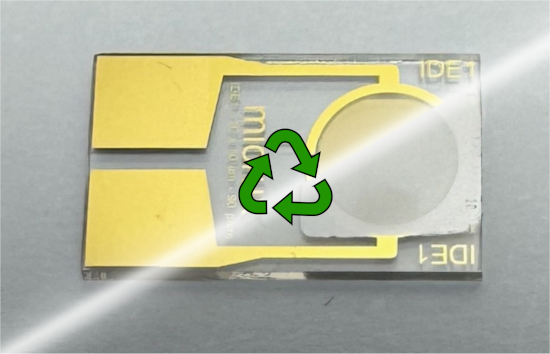
- . This cleaning protocol enables substrates to be reused without pronounced degradation in device performance. By extending the usable lifetime of expensive microelectronic substrates, the approach reduces substrate consumption and provides a more cost-effective route for prototyping 2D material-based
- degradation of the electrode performance. Overall, the same pre-patterned SiO2/Si chip can be reliably reused for at least six consecutive fabrication/cleaning cycles, while maintaining electrical isolation after each cleaning step and preserving the functionality of the electrodes for subsequent device
- , with no visible residues. Additionally, the ITO electrodes did not show clear electrical degradation after repeated use, indicating that the process is also compatible with this electrode platform. Raman mapping of the active region was performed to further assess the cleanliness of the electrode


Glycerol photoelectrochemical oxidation reaction at carbon nitrides/BiVO4 materials
Beilstein J. Nanotechnol. 2026, 17, 806–817, doi:10.3762/bjnano.17.57
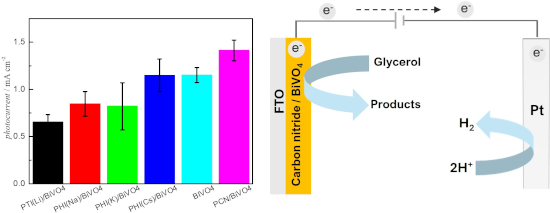
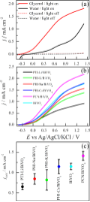
- likely connected with the CN degradation, which happens at considerably lower temperatures than those observed for PCN. Interestingly, even at T = 800 °C in an oxidizing atmosphere, the materials still maintain 20–35% of their initial mass. To shed some light on CN structure degradation and the residual
- films deposited onto FTO at 500 °C without the Bi overlayer leads to the complete thermal degradation of the CN layer. Furthermore, we also confirmed that the PTI-Li powder retains its original bandgap energy (Eg = 3.0 eV) after the thermal treatment at 500 °C for 2 h (Supporting Information File 1




Tuning the electronic properties of defect-rich MoS2
Beilstein J. Nanotechnol. 2026, 17, 796–805, doi:10.3762/bjnano.17.56
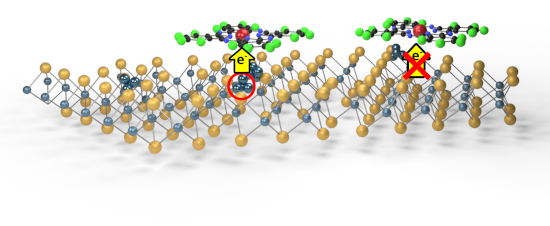
- the same sputtering time. These results indicate a severe degradation of the topmost layer of sulfur atoms during sputtering. It is noted that, based on the mean free path, one would expect similar surface sensitivities for the valence band spectra in Figure 1 (λ = 5–10 Å) [44][45][46] and the core


Restorative potential of laser-synthesized silver nanoparticles with Salvia officinalis for periodontal disease treatment: an in vitro study
Beilstein J. Nanotechnol. 2026, 17, 781–795, doi:10.3762/bjnano.17.55
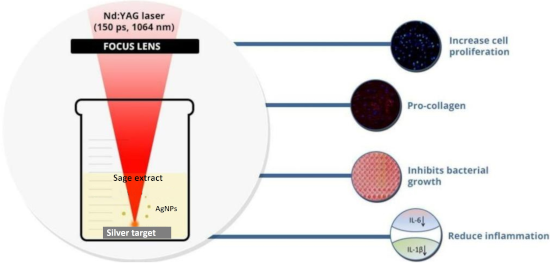
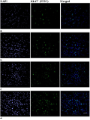
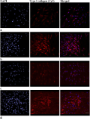
- the anti-inflammatory effects of the silver nanoparticles [68]. It was previously demonstrated that high levels of IL-6 upregulate the expression of certain matrix metalloproteinases, enzymes involved in the degradation of the extracellular matrix, causing collagen degradation and disturbed tissue



Environmental applications of silver nanoparticles: state-of-the-art review and emerging trends
Beilstein J. Nanotechnol. 2026, 17, 697–736, doi:10.3762/bjnano.17.49
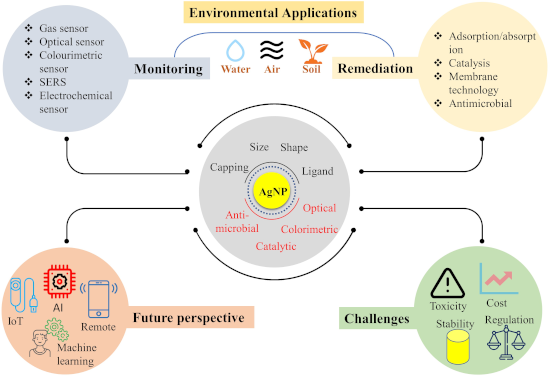
- applications for heavy metal immobilisation, organic pollutant degradation, plant disease management, and growth promotion are assessed alongside their ecotoxicological implications. Besides remediation, environmental monitoring capabilities of AgNP-based sensing platforms are systematically reviewed across
- , and photocatalytic degradation, in isolation. However, no single review has provided an integrated cross-domain treatment spanning sensing, photocatalysis, adsorption, membrane filtration, disinfection, and soil/agricultural applications within a unified mechanistic framework. The present review
- , respectively [84]. The above studies, along with those in Table 1, confirmed the potential of AgNPs as disinfectants for water treatment applications. However, the environmental remediation perspective of AgNPs needs to be discussed to assess their full potential. 3.1.2 Pollutant removal or degradation. The


Molecular engineering of individual dye-based nanoparticle photostability for ultrabright two-photon fluorescence
Beilstein J. Nanotechnol. 2026, 17, 688–696, doi:10.3762/bjnano.17.48
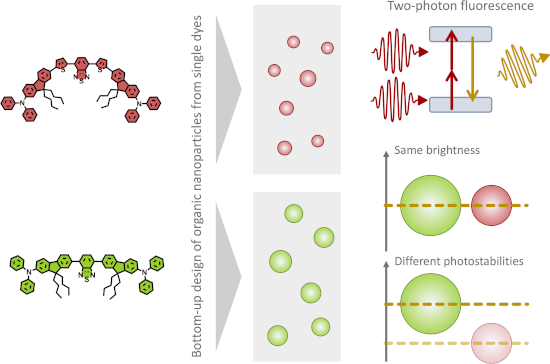
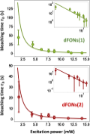
- illumination and high repetition rates). This leads to thermal degradation of the dyes. Despite the smaller size of dFONs(2), their heat dissipation capacity may be insufficient to compensate for this intense excitation cycling. Consequently, we propose that two-photon-induced thermal effects represent the


Protein-based custom-designed molecular nanotraps for biomedical applications
Beilstein J. Nanotechnol. 2026, 17, 683–687, doi:10.3762/bjnano.17.47

- stability, but raise concerns when intended for therapeutic uses and systemic administration. Overcoming adverse effects, allergic reactions, and toxic degradation by-products led us to conceptualize nanoMIPs in a radically new way. Recently, the original use of natural polymers, in particular of proteins

Decontamination from water pollutants and pathogens by electrospun nanofibers doped with heavy-atom-free borafluorene-BODIPY photosensitizers
Beilstein J. Nanotechnol. 2026, 17, 668–682, doi:10.3762/bjnano.17.46
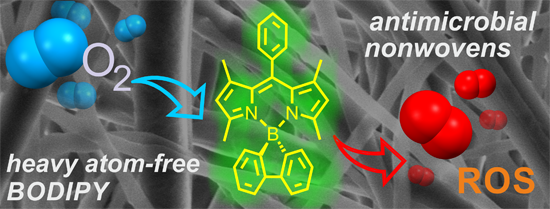
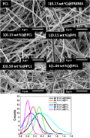
- photocatalyst for the degradation of the pharmaceutical agents ranitidine, propranolol, and cimetidine, selected as model water pollutants. The obtained nanofibers showed smooth and uniform morphology along with very high durability and resistance toward oxidation, remaining active even after 20 reaction cycles
- emission was measured using a thermoelectrically cooled NIR-PMP unit (Hamamatsy, wavelength range 950–1650 nm) integrated in the FS5 spectrofluorometer. Photocatalytic degradation of API Vials containing 1.5 mL of aqueous solutions of APIs (c = 1.05 mg·mL−1), tetrabutylammonium bromide (TBAB, c = 0.64
- does not proceed for pure PCL material nor in the absence of light, underscoring the key role of the BODIPY complex in the photogeneration of ROS. The degradation of APIs with ROS is non-selective, involving multiple parallel pathways where intermediates may undergo further oxidation. Singlet oxygen is



Cellulose as a photocatalyst support material: extraction, structural features, and environmental applications
Beilstein J. Nanotechnol. 2026, 17, 635–652, doi:10.3762/bjnano.17.44
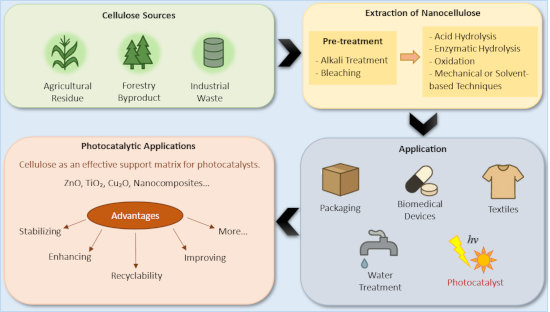
- through leaching while simultaneously expanding the range of practical applications. These combined benefits make photocatalytic polymer membranes highly promising, as they enhance both membrane filtration and photocatalytic degradation, creating a dual-action approach that significantly improves overall
- water treatment performance as shown in Figure 2 [14]. Photocatalytic degradation is an advanced oxidation process (AOP) in which a catalyst is used to accelerate the degradation or breakdown of organic pollutants in water or air using light energy. This AOP relies on the ability of the catalyst to
- absorb photons from light, typically ultraviolet (UV) radiation or visible light, and generate reactive oxygen species (ROS) such as hydroxyl radicals (•OH) or superoxide radicals (O2•−) through photoexcitation [16][17]. In photocatalytic degradation, the catalysts typically used are semiconductor


Two-step laser synthesis of Ag@TiO2 nanomaterials for the photocatalytic degradation of rhodamine B
Beilstein J. Nanotechnol. 2026, 17, 622–634, doi:10.3762/bjnano.17.43
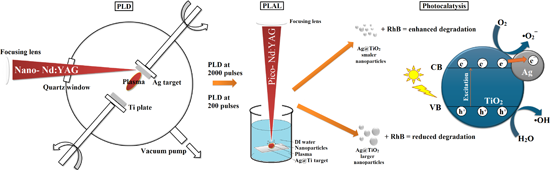
- evaluated using rhodamine B (RhB) under UV irradiation; while RhB showed minimal self-degradation, the Ag@TiO2 200p and 2000p NPs samples achieved degradation rates of 75.8% and 88.4%, respectively. The main novelty of this work is the combination of two laser techniques in a chemical-free process, which
- provides an efficient and environmentally friendly route for the fabrication of Ag@TiO2 photocatalysts. Keywords: Ag@TiO2 nanomaterials; photocatalytic degradation; pulsed laser ablation in liquids; pulsed laser deposition; rhodamine B; Introduction Titanium dioxide has long been recognized as perhaps
- photodegradation. In practice, TiO2 is widely used in photocatalytic systems for pollutant degradation (e.g., dyes, pharmaceuticals, including drugs, supplements and cosmetics, phenols, and poly(alkyl)acrylates), water purification, CO2 reduction, and hydrogen production [2][3][4][5][6][7][8]. However, pristine


Recent progress in enhancing built-in electric fields of perovskite solar cells via junction engineering
Beilstein J. Nanotechnol. 2026, 17, 602–621, doi:10.3762/bjnano.17.42
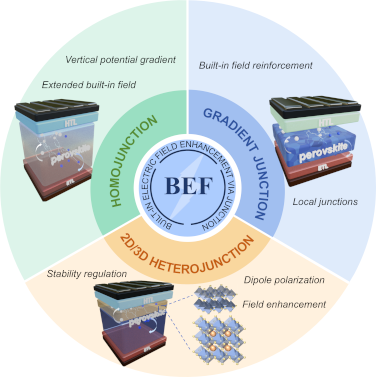
- days, followed by 260 h of light exposure in a nitrogen atmosphere, Ag+ doping in sol–gel NiOx p/p+ homojunctions mitigated iodine vacancy formation and Pb2+ migration, preventing degradation pathways and reducing PCE loss from 40% to 10%. In sequential molecular doping systems, a common problem is
- iodine vacancy (PbI2) accumulation at grain boundary cracks, slowing efficiency degradation from 55% to 19%. Thus, BEF-induced directional charge transport is the critical mechanism behind the improved performance and stability. Although HTL-based strategies for enhancing the BEF can, to varying degrees
- and surface modification, they enhance the BEF, reduce interfacial defects, and prevent degradation. For example, Ag-doped NiOx/NiOx p/p+ homojunctions have been shown to reduce defect clusters and prevent halide ion migration, improving stability. However, challenges like phase separation and ion




Synthesis of Cu–Mo/TiO2 and Co–Mo/TiO2 photocatalysts for the efficient degradation of organic pollutants in water
Beilstein J. Nanotechnol. 2026, 17, 559–570, doi:10.3762/bjnano.17.37
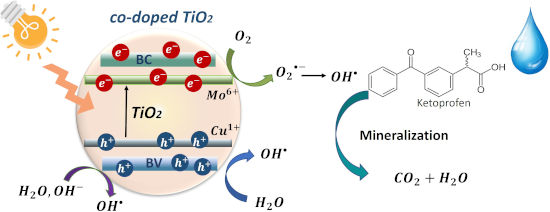
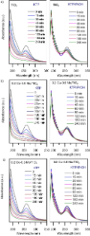
- the complete degradation of ketoprofen and 90% of mineralization. It was determined that HO· radicals play an important role in the oxidation reactions. Keywords: co-doping; photocatalysis; titanium dioxide; water remediation; Introduction Water is an essential part of every living entity
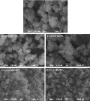
- properties were determined. Finally, the photocatalytic behavior of the materials was studied in the photocatalytic oxidation of ketoprofen (KTP) under UV irradiation, with the aim of studying the charge-transfer improvement. Ketoprofen degradation, adsorption, kinetics, and reaction pathways have been
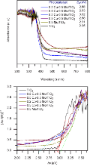
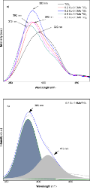
- species. The bandgap energy values of the photocatalysts are reported in Figure 3. The improvement of light absorption by the photocatalysts can increase the production of photogenerated charges, which subsequently migrate to the catalyst’s surface, contributing to the efficient degradation of organic



Advances in nanotechnology applied to natural products
Beilstein J. Nanotechnol. 2026, 17, 555–558, doi:10.3762/bjnano.17.36
- photochemical instability, (c) rapid metabolic degradation, (d) reduced permeability, (e) volatility, and (f) unpleasant organoleptic characteristics. These attributes have compromised the potential of natural products towards their extensive application in diverse fields [1]. In this context, nanotechnology
- formulations in anti-inflammatory, antiparasitic, and vector-control contexts. By protecting sensitive constituents from physicochemical degradation and promoting delivery to sites of action, nanoemulsions can enhance the functional performance of natural bioactives [4]. Their organization into nanodroplets
Upcycling agroindustrial waste into graphene oxide supports for gold nanoparticles: toward sustainable nanomaterials
Beilstein J. Nanotechnol. 2026, 17, 489–504, doi:10.3762/bjnano.17.32
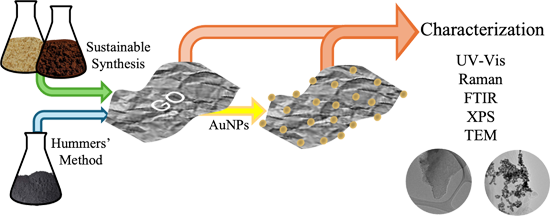
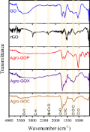
- functional groups, whereas rGO shows a less intense and more gradual mass loss, consistent with partial reduction and decreased oxygen content. The Agro-GOP, Agro-GOX, and Agro-GOC samples exhibit intermediate behavior, with moderate weight loss between 150 and 300 °C followed by gradual degradation up to



Nanocarrier-integrated multilayer films produced by 3D printing for improved skin adhesion and curcumin photostability
Beilstein J. Nanotechnol. 2026, 17, 440–453, doi:10.3762/bjnano.17.30
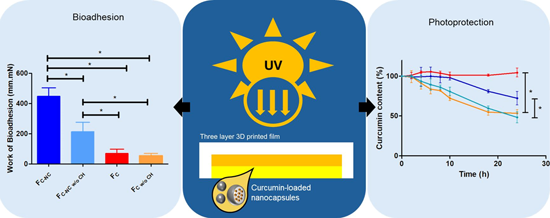
- functional components enabled by multilayer 3D printing, nor the incorporation of a photoprotective top layer to shield curcumin from UV-induced degradation. Thus, the innovation of the present work lies not in the individual materials themselves, but in their integration into a rationally designed, layer-by
- -layer system produced through additive manufacturing. At present, specific strategies to protect curcumin in topical films from UV-induced degradation have not been extensively investigated, and studies focusing on improving the skin-adhesion properties of curcumin-containing topical films remain
- forced degradation photostability challenge, in line with accelerated conditions commonly employed to quantify intrinsic photolability of highly photosensitive compounds such as curcumin. This approach provides an exaggerated but controlled environment to compare the relative protective effects of the





