Search results
Search for "flow" in Full Text gives 950 result(s) in Beilstein Journal of Nanotechnology. Showing first 200.
Influence of an external electric field on the catalytic CO oxidation of nanoscaled CeO2 and its La3+ and Gd3+ congeners
Beilstein J. Nanotechnol. 2026, 17, 1028–1038, doi:10.3762/bjnano.17.70
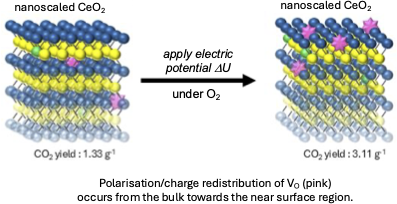
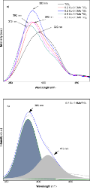
- recorded after 10, 30, 60, 90, and 120 min of exposure to the CO/O2 gas mixture. The circulation pump was switched off during spectral acquisition. After the final spectrum was collected, the system was evacuated again. A process-flow diagram summarizing the evacuation, gas dosing, equilibration, CO/O2


Synthesis and characterization of RF-sputtered ZnTe/Cu2−xTe thin films for solar cell applications
Beilstein J. Nanotechnol. 2026, 17, 1016–1027, doi:10.3762/bjnano.17.69
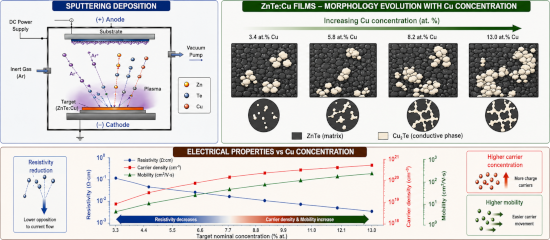
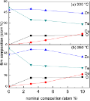
- cold pressing at room temperature using a mixture of ZnTe (Aldrich, 99.99%) and CuO (Plasma Science 99.99%) powders. The powder mixtures were homogenized prior to pressing. The targets were prepared with nominal Cu and O concentrations of 0, 3, 8, 10, and 13 atom %. During film growth, the Ar flow in



Development of Protium heptaphyllum essential oil-loaded nanocapsules: experimental design and biological activity
Beilstein J. Nanotechnol. 2026, 17, 974–990, doi:10.3762/bjnano.17.67
- ), following the manufacturer’s instructions. Briefly, 50 µL of each sample supernatant was incubated with bead populations coated with cytokine-specific capture antibodies and PE-labeled detection reagent. Data acquisition was performed on a BD FACSCanto II flow cytometer (BD Biosciences), configured




Materials challenges in solid-state sensors for continuous monitoring of ions in water
Beilstein J. Nanotechnol. 2026, 17, 935–973, doi:10.3762/bjnano.17.66
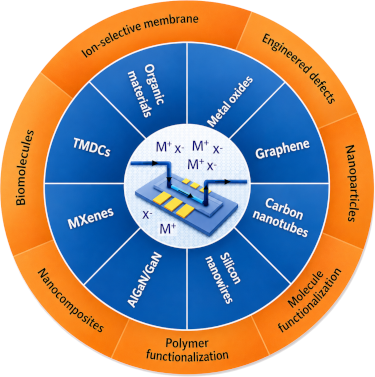
- and with temperature fluctuations is required because real samples (biological fluids, environmental solutions, or industrial streams) differ widely in composition and operating conditions. In practice, this means the device must tolerate variations in ionic strength, pH, temperature, and fluid flow
- amperometric devices share a three-electrode geometry, comprising a working, reference, and counter electrode, often implemented as planar screen-printed electrodes suitable for integration in flow systems. In voltammetry, the applied potential is scanned, and the resulting current response indicates the redox
- approach allows for detection at nanomolar levels and is widely applied for Pb2+, Cd2+, and Cu2+ monitoring in natural waters. The geometry is typically planar and flow-through compatible, but periodic electrode renewal and electrolyte control are necessary for consistent field use [82]. Pb2+ and Cd2


Enhanced erosion resistance and radiation stability of WC–WO3 nanocomposite films under 100 keV Kr+ ion irradiation
Beilstein J. Nanotechnol. 2026, 17, 922–934, doi:10.3762/bjnano.17.65
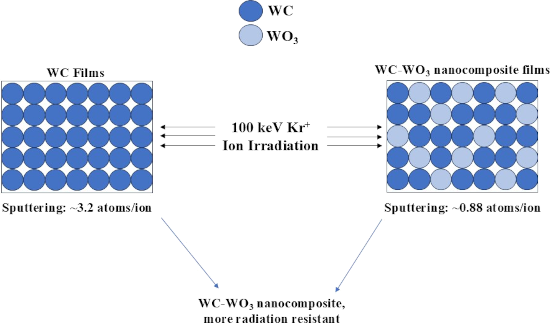
- backed by a rotary pump. The deposition was done under 3 × 10⁻² mbar pressure with a power of 150 W RF for 30 min in the presence of argon gas having flow rate of 30 sccm. The WC–WO3 nanocomposite films were synthesized using sputter deposition of WC films at room temperature (RT) and its subsequent



Restorative potential of laser-synthesized silver nanoparticles with Salvia officinalis for periodontal disease treatment: an in vitro study
Beilstein J. Nanotechnol. 2026, 17, 781–795, doi:10.3762/bjnano.17.55
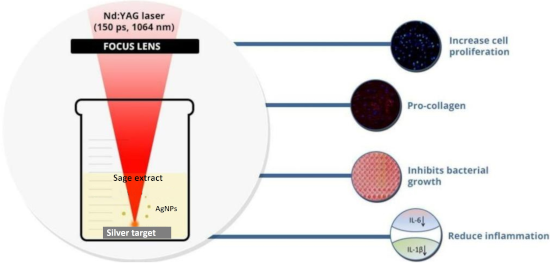
- methanol (B), at a flow rate of 1.0 mL·min−1, in gradient mode: 0 min 10% B, 10 min 10% B, 20 min 20% B, 30 min 70% B, 40 min 100% B. The UV–vis signal was monitored in the range of 200–600 nm. To determine the content of phenolic acids, chromatograms were recorded at 220, 260, 290, and 325 nm. To
- -inflammatory effects, it limited direct biological comparisons among all synthesized nanoparticle formulations. Moreover, under clinical conditions, maintaining a precise intrapocket concentration under continuous gingival crevicular fluid flow is a key challenge. However, this can be addressed by



Substrate-dependent pore formation in molybdenum disulfide monolayers under ion irradiation
Beilstein J. Nanotechnol. 2026, 17, 769–780, doi:10.3762/bjnano.17.54
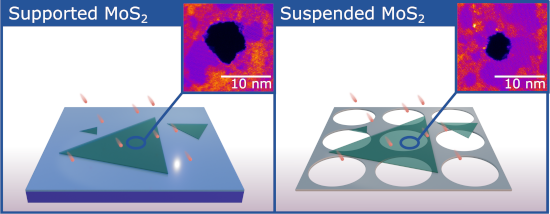
- . In the first zone ≈60 mg of sulfur is placed. An argon flow of 500 sccm is used to purge the quartz tube containing the reagents and as a means to transport the precursors. During the 30 min process, the first zone reaches 150 °C, while the second zone reaches 750 °C. After the process has finished


Interface-engineered Caco-2 cell culture on a collagen-coated liquid–liquid interface in a microfluidic device
Beilstein J. Nanotechnol. 2026, 17, 760–768, doi:10.3762/bjnano.17.53
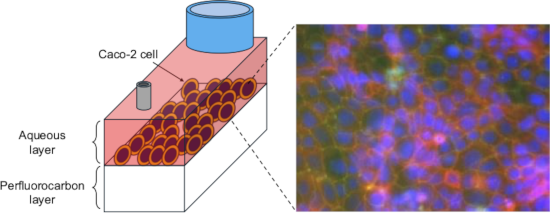
- tissues [2][3][4]. The microfluidic culture system known as gut-on-a-chip enables the cultivation of Caco-2 cells under conditions that more closely recapitulate the in vivo intestinal environment. By precisely controlling fluid flow and inducing mechanical stimuli, this platform provides physiologically
- as a cell-adhesion substrate for epithelial cells (Figure 1A). The rectangular cuboid-shaped microfluidic device allows for stable formation of the liquid–liquid interface for cell culture by sequential flow manipulation (Figure 1B). Using Caco-2 cells, a well-known epithelial cell line, we
- varying both the channel size and the flow rate of the collagen solution (Figure 2, Supporting Information File 1, Figures S1–S3). Our results suggest that interface formation is largely insensitive to the flow rate of the collagen solution, whereas the channel size significantly governs the interfacial


Oxidative atmosphere-driven formation of single-phase spinel CuRh2O4 nanofibers for alkaline water oxidation
Beilstein J. Nanotechnol. 2026, 17, 737–743, doi:10.3762/bjnano.17.50
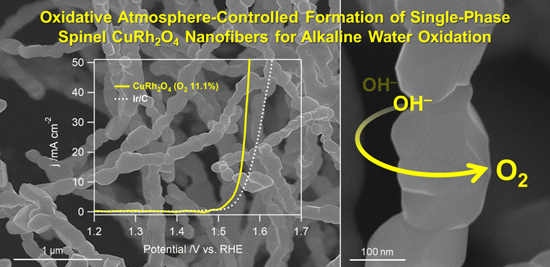
- concentration in the He carrier gas flow during the annealing process, the optimal atmosphere was identified to produce phase-pure CuRh2O4. The as-prepared CuRh2O4 nanofibers exhibited excellent electrocatalytic performance toward the oxygen evolution reaction in 1.0 M NaOH (aq), highlighting the importance of
- oxide nanofibers via electrospinning followed by post-annealing under precisely controlled oxidative environments. By deliberately controlling the annealing atmosphere under the continuous O2/He flow, optimized conditions were identified to obtain single-phase CuRh2O4 nanofibers. The resulting spinel
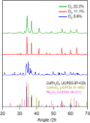
- subsequent annealing process under continuous O2/He flow, as illustrated in Figure 1 (see Experimental section for details). As shown in Figure 2, X-ray diffraction (XRD) analysis was employed to investigate the phase evolution of Cu–Rh oxide nanofibers annealed under different oxidative environments (i.e




Environmental applications of silver nanoparticles: state-of-the-art review and emerging trends
Beilstein J. Nanotechnol. 2026, 17, 697–736, doi:10.3762/bjnano.17.49
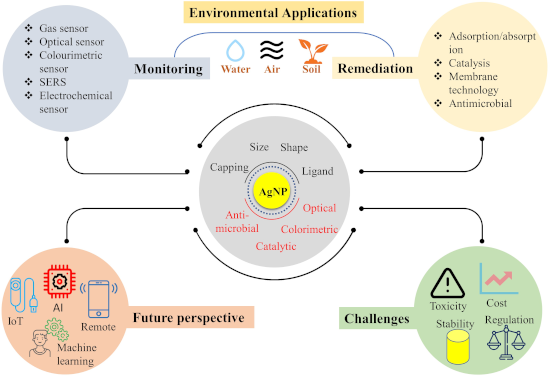
- technologies incorporating AgNPs. The advent of technological advancements aimed at providing safe water for individuals led to the incorporation of AgNPs into membrane technology, enabling sustained Ag release to remove pathogens and biofouling microorganisms in a continuous-flow system [22]. Nanosilver


Laser–material interactions in liquids for the synthesis of nanomaterials: current status and perspectives
Beilstein J. Nanotechnol. 2026, 17, 571–575, doi:10.3762/bjnano.17.38

- beam scanning, and flow-cell designs have enabled scaling to g/h production rates [66][67]. Even a higher 10 g/h productivity has recently been demonstrated in microparticle LFL using high pulse energy (>20 mJ) nanosecond laser systems [68]. While these advances represent an important step toward
Synthesis of Cu–Mo/TiO2 and Co–Mo/TiO2 photocatalysts for the efficient degradation of organic pollutants in water
Beilstein J. Nanotechnol. 2026, 17, 559–570, doi:10.3762/bjnano.17.37
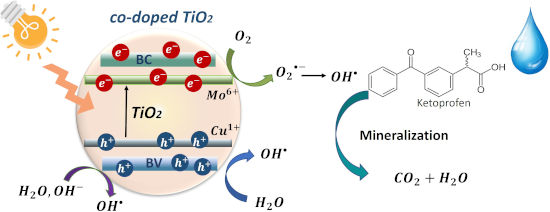
- several aromatic organic compounds, such as phenol, acetaminophen, metoprolol, and diclofenac, using TiO2 Evonik P25 illuminated with UV light under a continuous flow of oxygen [41][44][45]. For each experiment, 200 mL of the ketoprofen aqueous solution was placed inside the Pyrex glass reactor and mixed
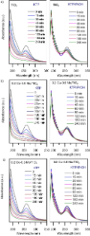
- concentration = 10 ppm, catalyst weight = 2 g·L−1, V = 200 mL, four UV lamps λmax = 365 nm, O2 flow = 100 mL·min−1, analysis of reaction samples by HPLC). Ketoprofen degradation using (a) TiO2, (b) 0.2 Cu–0.5 Mo/TiO2, and (c) 0.2 Co–0.5 Mo/TiO2 as photocatalysts. KTP = without the addition of isopropanol and
- KTP/iPrOH = with added isopropanol. (KTP initial concentration = 10 ppm, isopropanol = 0.1 M, catalyst weight = 2 g·L−1, V = 200 mL, four UV lamps λmax = 365 nm, O2 flow = 100 mL·min−1, analysis of reaction samples by UV–vis spectroscopy). Cell parameters and crystallite sizes calculated for the co



Fractional shot noise of an SU(N) Kondo system
Beilstein J. Nanotechnol. 2026, 17, 515–540, doi:10.3762/bjnano.17.34
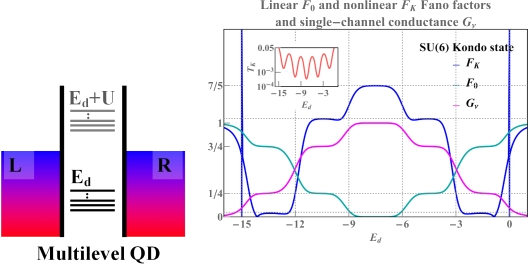
- need of separating shot noise from background 1/f noise caused by fluctuations in the physical environment [66]. The shot noise is a purely nonequilibrium property that results from the fact that current is not a continuous flow but a sum of discrete pulses in time. Shot noise is a zero-frequency
- backscattering. The flow of single quasiparticles and pairs can be viewed as a current carried by two different charges e and 2e, and they are backscattered with different probabilities [93][103]. Simultaneous presence of one- and two-particle scattering can be interpreted in the language of the universal


![[Graphic 127]](/bjnano/content/inline/2190-4286-17-34-i187.svg?max-width=637&scale=1.18182)

Upcycling agroindustrial waste into graphene oxide supports for gold nanoparticles: toward sustainable nanomaterials
Beilstein J. Nanotechnol. 2026, 17, 489–504, doi:10.3762/bjnano.17.32
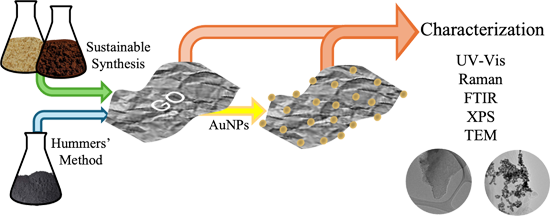
- , and measurements were carried out under a nitrogen atmosphere with a flow rate of 50 mL·min−1. 3 mg of each sample were used for the analysis. X-ray diffraction (XRD) measurements were carried out using a SmartLab RIGAKU diffractometer operating with a Cu anode X-ray source (Cu Kα radiation, λ
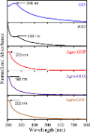
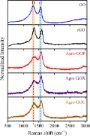
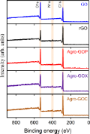

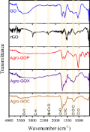


Nanocarrier-integrated multilayer films produced by 3D printing for improved skin adhesion and curcumin photostability
Beilstein J. Nanotechnol. 2026, 17, 440–453, doi:10.3762/bjnano.17.30
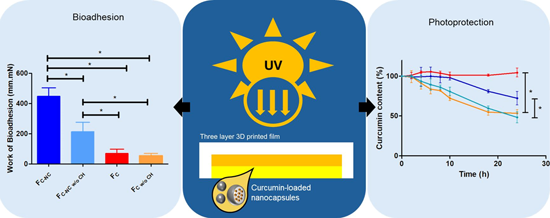
- pH was adjusted to 3.0 using triethanolamine. Chromatography was conducted at a flow rate of 1.0 mL/min, with an injection volume of 20 µL, and curcumin was detected at a wavelength of 427 nm. The method was linear over the concentration range of 2.5–50.0 µg/mL of curcumin (y = 126634x − 12894; r
- tangent (tan δ), were measured using an oscillatory frequency sweep over an angular frequency range of 1–600 rad/s at a constant strain of 0.5%. Flow behaviour was assessed using a shear rate ramp from 0.1 to 1.0 s−1 and subsequently from 1.0 to 0.1 s−1, in order to determine the best-fit flow model for
- calorimeter (Shimadzu DSC-60), at a heating rate of 10 °C/min, from room temperature to 300 °C. N2 gas was used at a flow rate of 50 mL/min. All film components (chitosan, CMC and alginate), as well as the resulting films (FC-NC and FC) were analysed separately. Skin adhesion measurements Bioadhesion tests of


First-principles study on elastic properties of Cu, (Cu1−x,Nix)3Sn and interfacial mechanical properties of (Cu1−x,Nix)3Sn/Cu in the lead-free solder joint
Beilstein J. Nanotechnol. 2026, 17, 428–439, doi:10.3762/bjnano.17.29
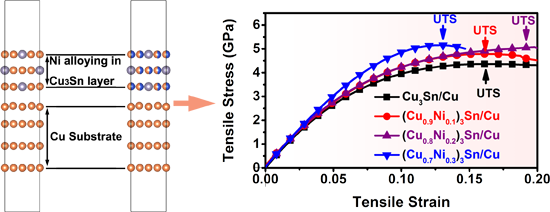
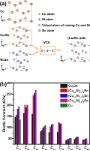
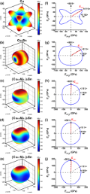
- is a measure of the plastic flow at the crack tip; low B/G values will lead to difficulties of plastic flow and, correspondingly, result in brittle behavior. In contrast, high B/G values give rise to an ease of the plastic flow and result in ductile behavior [32]. In terms of B/G, the boundary of DTB


Biomimetic nanoparticles in cancer photodynamic therapy: a review of targeted delivery systems and therapeutic outcomes
Beilstein J. Nanotechnol. 2026, 17, 396–422, doi:10.3762/bjnano.17.27
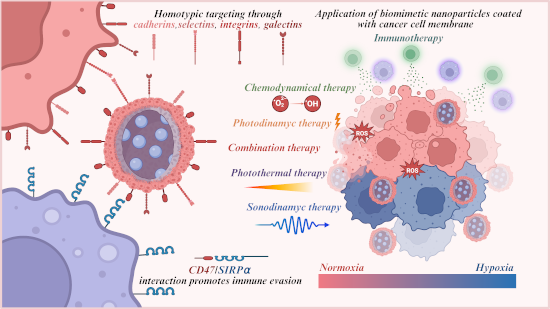
- PEG-PLGA NPs via microfluidic flow, covered with RBC membrane and modified with folic acid. The loading efficiency was 20%, and coating with the biomimetic membrane reduced the initial burst release during the first 4 h while sustaining gradual release over 48 h. The biomimetic coating increased the


Beam shaping techniques for pulsed laser ablation in liquids: Unlocking tunable control of nanoparticle synthesis in liquids
Beilstein J. Nanotechnol. 2026, 17, 309–342, doi:10.3762/bjnano.17.22
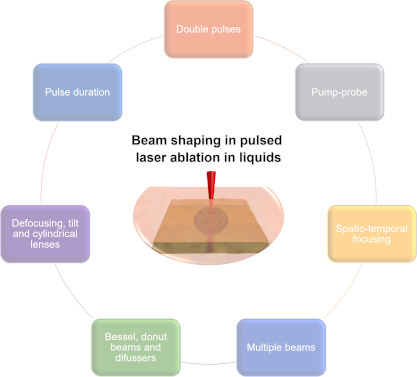
- tuning NP size, crystallinity, defects, and optical properties. Conventional batch PLAL setups often exhibit lower productivity than large-scale chemical or gas-phase syntheses; however, recent advances using megahertz-repetition-rate lasers and continuous-flow configurations have significantly increased
- efficiency, throughput, and colloid stability. Therefore, optimising ablation conditions (e.g., using high-repetition-rate lasers, flow-through cells, and improved cavitation management) will be critical for enabling commercially viable production [94]. One promising strategy to overcome these limitations







Fast vortex dynamics and relaxation times in NbRe-based heterostructures
Beilstein J. Nanotechnol. 2026, 17, 292–302, doi:10.3762/bjnano.17.20
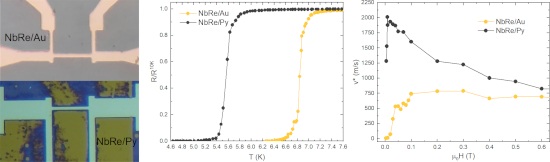
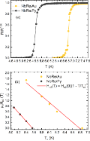
- analysis of Abrikosov vortex dynamics and flux-flow instabilities was performed in NbRe/Au and NbRe/Py bilayers to compare superconducting/normal metal (S/N) and superconducting/ferromagnetic (S/F) heterostructures based on the same superconducting layer. The heterostructures, fabricated by sputtering
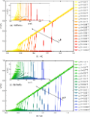
- , were characterized through electrical transport measurements. The I–V characteristics show that, in the NbRe/Py bilayer, vortices reach higher critical velocities than those observed in the NbRe/Au structure. The analysis of the flux-flow instability within the Larkin–Ovchinnikov framework allows one
- bilayers, having a relaxation time one order of magnitude smaller than values reported in NbRe microbridges, have great potential for the realization of devices where fast relaxation processes are required. Keywords: flux-flow instability; quasiparticle relaxation time; superconducting heterostructures


Comparative study on 3D morphologies of delignified, single tracheids and fibers of five wood species
Beilstein J. Nanotechnol. 2026, 17, 239–250, doi:10.3762/bjnano.17.16
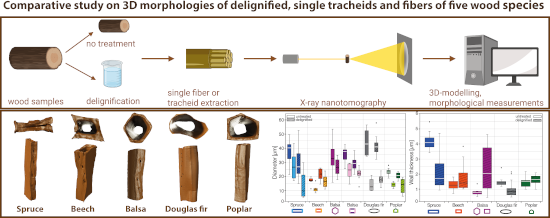
- fibers and tracheids, paving the way for more effective modeling applications, such as finite element modeling or computational simulations of fluid flow or heat transfer, aiding in development of various industrial applications of delignified wood. Accurate 3D models provide valuable insights into


Time of flight secondary ion mass spectrometry imaging of contaminant species in chemical vapour deposited graphene on copper
Beilstein J. Nanotechnol. 2026, 17, 200–213, doi:10.3762/bjnano.17.13
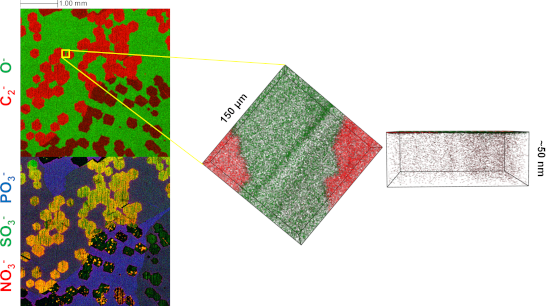
- precursor was introduced for 30 min. The graphene growth atmosphere consisted of 250 SCCM Ar, 26 SCCM H2 and 9 SCCM CH4 (0.1% diluted in Ar) for all samples except the BO sample where a flow rate of 30 SCCM CH4 (0.1% diluted in Ar) was used due to the very low nucleation density. After the growth step the





Influence of surface characteristics on the in vitro stability and cell uptake of nanoliposomes for brain delivery
Beilstein J. Nanotechnol. 2026, 17, 139–158, doi:10.3762/bjnano.17.9
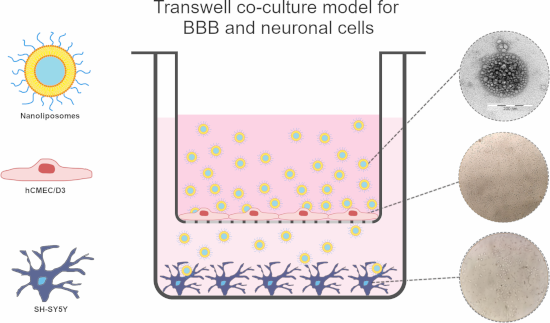
- for asymmetric flow field-flow fractionation analysis (AF4 analysis). Experiments were carried out by in-line coupling the AF4 system with UV–vis, multi-angle light scattering (MALS), and dynamic light scattering (DLS) detectors. The AF4 system used was composed of an Eclipse Dualtec separation system
- nm. In the Eclipse SC separation channel, regenerated cellulose membranes (10 kDa) and a spacer height of 350 μm were used. Phosphate buffer was used as the eluent. The detector flow rate was set to 0.5 mL/min and the injection volume was 50 µL. The separation settings were: a) elution 0–3 min; b
- ) focus: 3–5 min (focus flow: 1.0 mL/min); c) focus + injection: 5–10 min (focus flow: 1.0 mL/min); d) elution: 10–50 min (cross-flow: 1.0–0.1 mL/min); e) elution: 50–55 min (cross-flow: 0.1 mL/min); f) elution: 55–60 min (cross-flow: 0.1–0.0 mL/min); g) elution: 60–70 min (cross flow: 0.0 mL/min). The




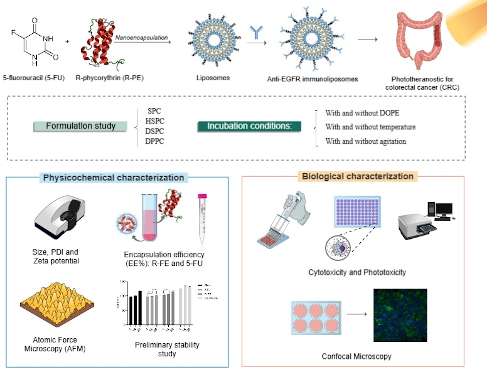
Development and in vitro evaluation of liposomes and immunoliposomes containing 5-fluorouracil and R-phycoerythrin as a potential phototheranostic system for colorectal cancer
Beilstein J. Nanotechnol. 2026, 17, 97–121, doi:10.3762/bjnano.17.7
- nm on a plate spectrophotometer (Nivo-Perkinelmer). The cellular viability was calculated as the percentage of viable cells compared to the control group and half maximum inhibitory concentration (IC50). 2.6.1 Competitive EGFR-binding of anti-EGFR immunoliposome and EGF in HCT-116 cells using flow
- μM) for viable cell selection. Flow cytometry analyses were conducted on a CytoFLEX (Beckman Coulter) using 405 nm and 488 nm lasers to detect DAPI and Alexa Fluor™ 488 signals, respectively. Competitive binding to EGFR was quantified by measuring the cellular fluorescence intensity of Alexa Fluor



Reduced graphene oxide paper electrode for lithium-ion cells – towards optimized thermal reduction
Beilstein J. Nanotechnol. 2026, 17, 24–37, doi:10.3762/bjnano.17.3
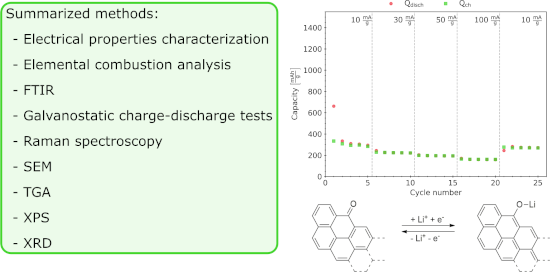
- applied for thermogravimetric analysis. The measurement was performed in an inert gas flow. The heating rate in this experiment was set to 3 °C/min with a final temperature of 800 °C. The sample was cut to fit the platinum pan. Elemental combustion analysis A LECO O836 analyzer was utilized to determine



Quantitative estimation of nanoparticle/substrate adhesion by atomic force microscopy
Beilstein J. Nanotechnol. 2026, 17, 1–14, doi:10.3762/bjnano.17.1

- × 10−7 mbar. Ar was introduced as a sputtering gas, keeping a constant flow rate of 40 sccm. Sputtering was carried out at a constant current of 200 mA (≈70 W) applied to the target. The sputtered atoms start to form NPs and to grow in the aggregation zone, where the aggregation length was adjusted to