


Search results
Search for "gold" in Full Text gives 867 result(s) in Beilstein Journal of Nanotechnology. Showing first 200.
Sustainable fabrication of 2D-based devices through reuse of substrates with microfabricated electrodes
Beilstein J. Nanotechnol. 2026, 17, 818–827, doi:10.3762/bjnano.17.58
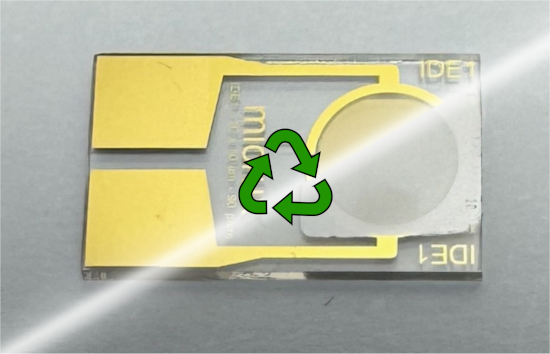
- example, Bhalla et al. investigated various cleaning and regeneration techniques for electrochemical sensor chips, comparing piranha solution, plasma, oxidative, and reductive electrochemical cleaning methods [19]. Similarly, Stan et al. showed different cleaning methods for screen-printed gold electrodes
- and identified optimal techniques that allow for their reuse in electrochemical applications, preserving electrode performance [20]. Furthermore, Fakhr et al. explored cleaning methods for gold electrodes on diverse substrates and found that chemical treatments such as KOH and H2O2 effectively restore
- confirmed via differential reflectance spectroscopy [38][39][40]. A selected flake was then transferred using an all-dry deterministic method to bridge a pair of gold electrodes (Figure 5a, top) [41]. After high-vacuum annealing, the device was electrically characterized in a custom high-vacuum probe


Tuning the electronic properties of defect-rich MoS2
Beilstein J. Nanotechnol. 2026, 17, 796–805, doi:10.3762/bjnano.17.56
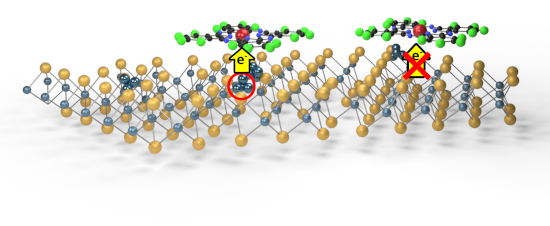
- , 370, 300, 230, and 75 eV, the energy resolutions were 592, 230, 156, 114, 118, and 66 meV, respectively. A sputtered gold crystal was used for energy calibration. After every change of energy, X-ray photoelectron spectra (XPS) of Au 4f, calibrated to 84.00 eV, or the Au Fermi edge, calibrated to 0.00
- Fermi edge of a sputtered gold foil was measured prior to each experiment to calibrate the Fermi level to 0.00 eV. The exact position of the valence band maximum was determined utilizing the integrated band maps at the located Gamma point as shown in Figure 1j–l. In general, energetic shifts of core


Substrate-dependent pore formation in molybdenum disulfide monolayers under ion irradiation
Beilstein J. Nanotechnol. 2026, 17, 769–780, doi:10.3762/bjnano.17.54
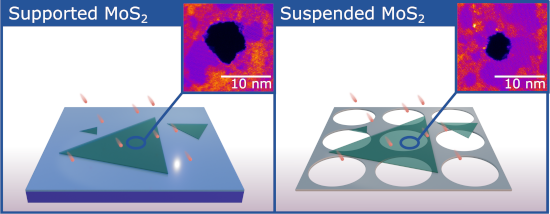
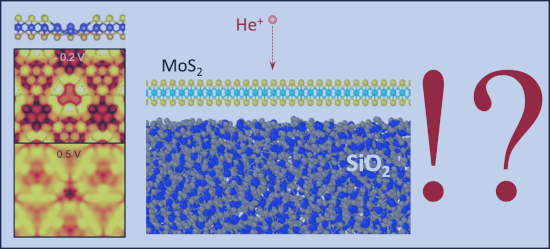
- suspended MoS2, MoS2 on SiO2, bilayer MoS2, and MoS2 on gold. Both pore size and pore formation efficiency exhibit a pronounced dependence on the type of substrate. Pores are largest and most frequent in MoS2 on SiO2, while the gold substrate massively quenches pore formation. The observed pore dimensions
- irradiation using only water, transfer from Au substrates to TEM grids requires chemical removal of the gold support using an iodine/iodide etchant (KI/I2). Consequently, unlike in the previous case, the ion-induced pores cannot be assumed to remain unaffected during transfer [62], as they were in the


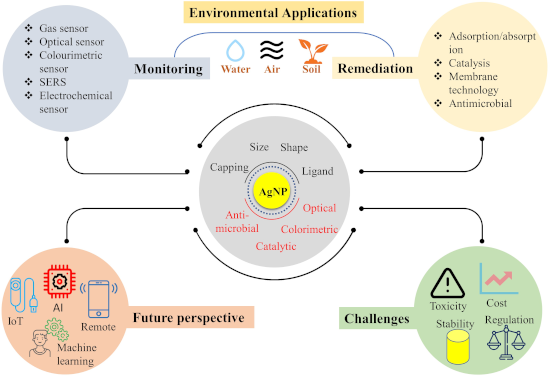
Environmental applications of silver nanoparticles: state-of-the-art review and emerging trends
Beilstein J. Nanotechnol. 2026, 17, 697–736, doi:10.3762/bjnano.17.49


Molecular engineering of individual dye-based nanoparticle photostability for ultrabright two-photon fluorescence
Beilstein J. Nanotechnol. 2026, 17, 688–696, doi:10.3762/bjnano.17.48
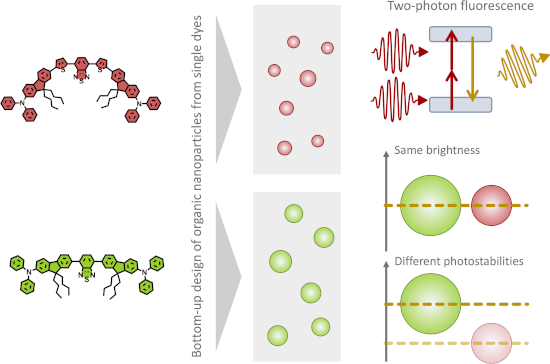
- . This effect can be explained by a local-field correction factor in the nanoparticle. However, one of the main challenges of using organic probes such as dFONs in SPT experiments, compared to inorganic probes like gold nanoparticles [23], fluorescent nanodiamonds [24][25], quantum dots [26], or


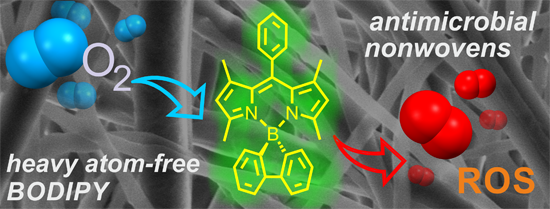
Decontamination from water pollutants and pathogens by electrospun nanofibers doped with heavy-atom-free borafluorene-BODIPY photosensitizers
Beilstein J. Nanotechnol. 2026, 17, 668–682, doi:10.3762/bjnano.17.46
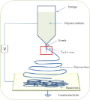
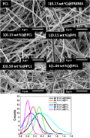
- microscopy (SEM) using a JSM-6010PLUS/LV InTouchScope™ system from JEOL (Tokyo, Japan), operating at an accelerating voltage of 11 kV. Prior to imaging, each nonwoven sample underwent a double-coating process with a thin gold layer (2–3 nm). Microstructural analysis was subsequently performed utilizing
- measurements, the samples were sputtered with 10 nm of gold using a CCU-010 Compact Coating Unit (Safematic). The ToF SIMS maps were acquired in the positive ion mode spectrum using 8 kV accelerating voltage and 10 nA beam current. X-ray photoelectron spectroscopy X-ray photoelectron spectroscopy (XPS



Synthesis of Cu–Mo/TiO2 and Co–Mo/TiO2 photocatalysts for the efficient degradation of organic pollutants in water
Beilstein J. Nanotechnol. 2026, 17, 559–570, doi:10.3762/bjnano.17.37
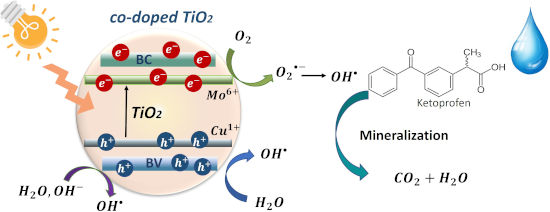
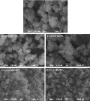
- microscope JEOL 6490LV equipped with an energy dispersive X-ray (EDX) spectroscopy analyzer for chemical microanalysis using 20 kV of voltage. The samples were placed on a carbon slab and covered with gold to improve the conductivity. The surface area was measured by N2 physisorption through the BET method

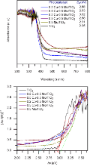
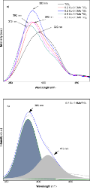


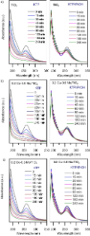
Upcycling agroindustrial waste into graphene oxide supports for gold nanoparticles: toward sustainable nanomaterials
Beilstein J. Nanotechnol. 2026, 17, 489–504, doi:10.3762/bjnano.17.32
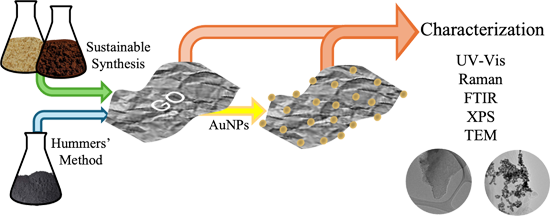
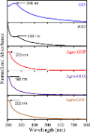
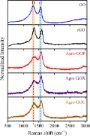
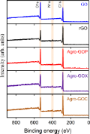
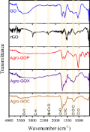
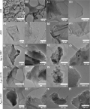
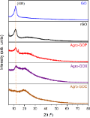
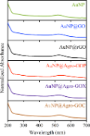
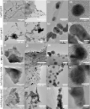
- UV–vis, ATR-FTIR, XPS, XRD, and Raman measurements, complemented by TGA and TEM to assess optical properties, surface chemistry, and structural and morphological features. Additionally, gold nanoparticles (AuNPs) were photochemically deposited onto Agro-GO to evaluate its potential for nanotechnology
- of transforming agroindustrial waste into high-value graphene-based nanomaterials and highlight the potential of sustainable synthesis routes for advancing environmentally responsible carbon-based technologies. Keywords: agroindustrial waste; gold nanoparticles; graphene oxide; green synthesis
- becomes essential to investigate the functionalization potential of Agro-GO materials as viable alternatives to conventionally produced GO [29]. The integration of gold nanoparticles (AuNPs) onto GO yields hybrid materials with synergistic enhancements, such as improved conductivity, plasmonic activity



Defects and defect-mediated engineering of two-dimensional materials: challenges and open questions
Beilstein J. Nanotechnol. 2026, 17, 454–488, doi:10.3762/bjnano.17.31
- MoSe2 on a gold substrate to the Janus MoSeS structure [77]. Also, a facile low-temperature thiol chemistry route was suggested to remove sulfur vacancies in 2D MoS2 [78], which resulted in a significant drop in the number of the charged impurities and traps and increased the mobility. Qualitatively





Nanoinformatics: spanning scales, systems and solutions
Beilstein J. Nanotechnol. 2026, 17, 423–427, doi:10.3762/bjnano.17.28

- nanomaterial’s behaviour, preparation, or test conditions) [2]. Voyiatzis et al. computationally studied, using atomistic molecular dynamics simulations, the morphological transformations (from molten/amorphous to crystalline) during rapid cooling of 1–8 nm spherical gold and platinum nanoparticles (NPs), which

Biomimetic nanoparticles in cancer photodynamic therapy: a review of targeted delivery systems and therapeutic outcomes
Beilstein J. Nanotechnol. 2026, 17, 396–422, doi:10.3762/bjnano.17.27
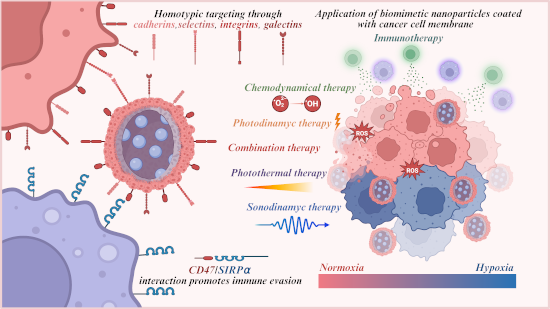
- this biomimetic shell increased more than two times the circulation time of the carriers in the bloodstream compared to uncoated PEGylated (polyethylene glycol-coated) nanoparticles, representing the gold standard approach to nanoparticle circulation time. Since then, a wide variety of cell phenotypes
- to cancer cells; this resulted in a threefold increase in the accumulation of PLGA nanoparticles within the tumor [106]. A notable study aimed to evaluate the translational potential of biomimetic delivery systems for precise tumor therapy. Gold@carbon nanoparticles were coated with proteins derived


Eco-efficient materials for agricultural crops based on a mineral rich in MOR- and HEU-type zeolites
Beilstein J. Nanotechnol. 2026, 17, 381–395, doi:10.3762/bjnano.17.26
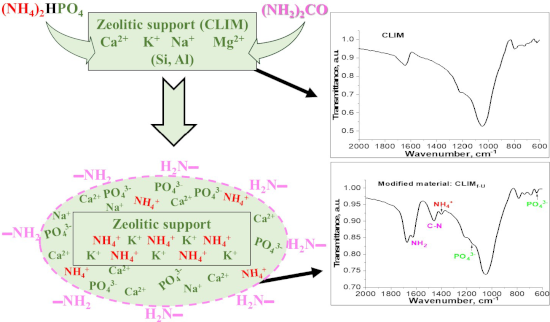
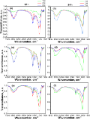
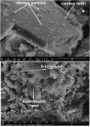
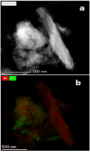
- electron microscope was used; prior to measurements, samples were adhered to supports to coat them with a gold layer. For TEM analysis, samples were deposited on a 200-mesh copper grid with carbon membrane. Images were observed on a Talos F200X ThermoScientific microscope at 44000× magnification in S-MET




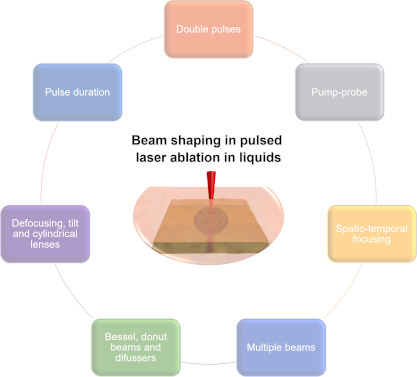
Beam shaping techniques for pulsed laser ablation in liquids: Unlocking tunable control of nanoparticle synthesis in liquids
Beilstein J. Nanotechnol. 2026, 17, 309–342, doi:10.3762/bjnano.17.22





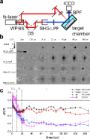


Multilayered hyperbolic Au/TiO2 nanostructures for enhancing the nonlinear response around the epsilon-near-zero point
Beilstein J. Nanotechnol. 2026, 17, 251–261, doi:10.3762/bjnano.17.17
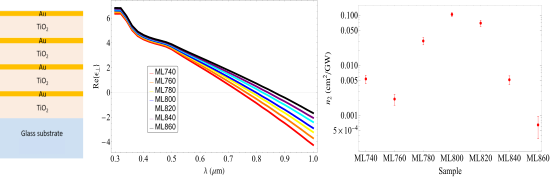
- –dielectric Au/TiO2 structures. The samples were fabricated using Joule effect evaporation for gold and electron beam evaporation for titanium dioxide. Their structure was designed to have an epsilon-near-zero (ENZ) point at different wavelengths around 800 nm, in order to study their nonlinear response as a
- ], Ag/MgF2 [11], and Ag/Ti3O5 [12]. Gold-based systems have also been prominent, such as Au/Al2O3 [13][14][15], Au/SiO2 [16], Au/TiO2 [17], and optical filters based on Au/TiO2 multilayers [18]. Beyond classic metal–dielectric structures, research has explored ZnO/Al:ZnO [19] and doped semiconductors
- . Considering our previous findings, in this work, we decided to change the fabrication methods and the metal used to avoid possible contamination due to oxidation. We chose to use gold instead of ruthenium because it is easier to deposit and has the correct permittivity to create a HMM. Gold also has a low


Comparative study on 3D morphologies of delignified, single tracheids and fibers of five wood species
Beilstein J. Nanotechnol. 2026, 17, 239–250, doi:10.3762/bjnano.17.16
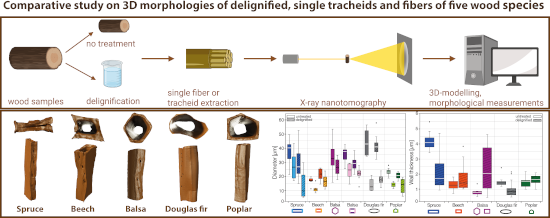
- gold–palladium (Leica Bal-TEC SCD500, Leica, Wetzlar, Germany). The samples were then visualized using a scanning electron microscope (SEM) Hitachi S-4800 (Hitachi, Tokyo, Japan) at an accelerating voltage of 1.5 kV. Nanotomography and 3D reconstruction Single fibers and tracheids were easily
- , Pdet = 6.5 µm pixel size, 2048 × 2048 pixel, 16 bit image depth) with a 10 µm Gadox scintillator was used as the detector. For high-contrast and low-dose imaging, holotomography was applied as the phase contrast technique. Here, a gold Fresnel zone plate with a diameter of 300 µm was used [30]. By


Gold nanoparticle-decorated reduced graphene oxide as a highly effective catalyst for the selective α,β-dehydrogenation of N-alkyl-4-piperidones
Beilstein J. Nanotechnol. 2026, 17, 218–238, doi:10.3762/bjnano.17.15
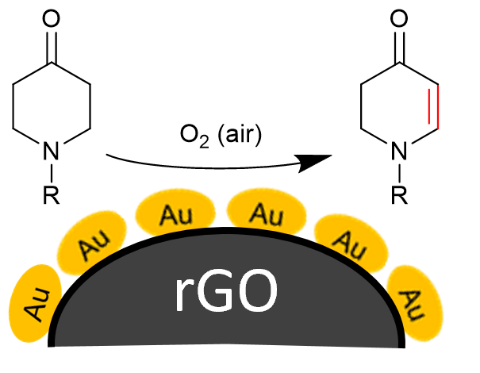
- Brenda Flore Kenyim Mihir Tzalis Marilyn Kaul Robert Oestreich Aysenur Limon Chancellin Pecheu Nkepdep Christoph Janiak Institut für Anorganische Chemie und Strukturchemie, Heinrich-Heine-Universität, 40204 Düsseldorf, Germany 10.3762/bjnano.17.15 Abstract Gold nanoparticles (AuNPs) supported on
- Au@SiW9/rGO exhibited the highest catalytic activity for the selective oxidation reaction despite containing the lowest gold loading. These findings highlight the exceptional performance of rGO as a support for AuNP catalysts and provide valuable insights for designing efficient Au-based systems for
- the dehydrogenation of β-N-substituted saturated ketones and other fine chemical applications. Keywords: oxidative dehydrogenation; reduced graphene oxide; supported gold nanoparticles; β-N-substituted ketones; Introduction The properties related to the high surface area of matter at the nanometric


Micro- and nanoscale effects in biological and bioinspired materials and surfaces
Beilstein J. Nanotechnol. 2026, 17, 214–217, doi:10.3762/bjnano.17.14
- ]. For instance, Farran et al. [21] characterized orientation-dependent photonic bandgaps in scales of gold-dust weevils and titania-based artificial mimics of these scales obtained from sol–gel replication, aiding in the production of customizable photonic bandgaps for novel optical materials. On the
Safe and sustainable by design with ML/AI: A transformative approach to advancing nanotechnology
Beilstein J. Nanotechnol. 2026, 17, 176–185, doi:10.3762/bjnano.17.11
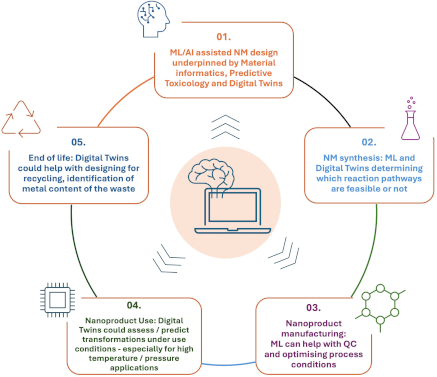
- enhance public confidence, fostering an innovation ecosystem where safety and sustainability are fundamental to technological progress. While ML models are often referred to as being a black box, a recent paper up-ended this conception, suggesting that the current gold-standard of in vivo apical end-point


From shield to spear: Charge-reversible nanocarriers in overcoming cancer therapy barriers
Beilstein J. Nanotechnol. 2026, 17, 159–175, doi:10.3762/bjnano.17.10
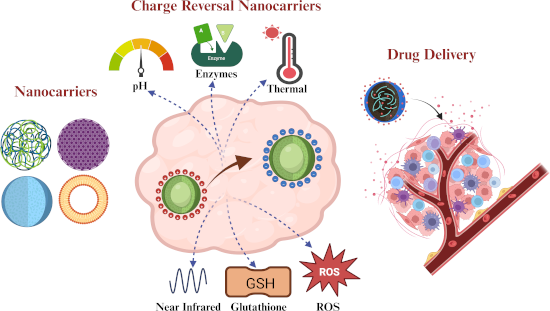
- , nanocarriers encompass diverse types including polymeric nanoparticles, liposomes, micelles, dendrimers, lipid-based carriers, carbon-based nanomaterials, and gold nanoparticles. They exhibit versatile structures (1–100 nm) with diverse morphologies (e.g., spherical, tubular, or conical shapes [14]). With
- materials such as graphene, azobenzene, and gold nanorods [54]. Upon exposure to UV–vis or near-infrared (NIR) light, these materials undergo structural changes or generate ROS, triggering controlled release of their therapeutic cargo. This precise spatiotemporal control over drug release and therapeutic
- tumour photodynamic therapy. The study highlights the excellent light absorption and ROS generation capacity of the material, allowing targeted tumour cell damage while sparing healthy tissues [56]. Similarly, a study reports thermo-responsive gold nanorod vesicles (USGRV-17-AAG) integrate NIR-II


Subdigital integumentary microstructure in Cyrtodactylus (Squamata: Gekkota): do those lineages with incipiently expressed toepads exclusively exhibit adhesive setae?
Beilstein J. Nanotechnol. 2026, 17, 38–56, doi:10.3762/bjnano.17.4



Chiral plasmonic nanostructures fabricated with circularly polarized light
Beilstein J. Nanotechnol. 2025, 16, 2245–2264, doi:10.3762/bjnano.16.154
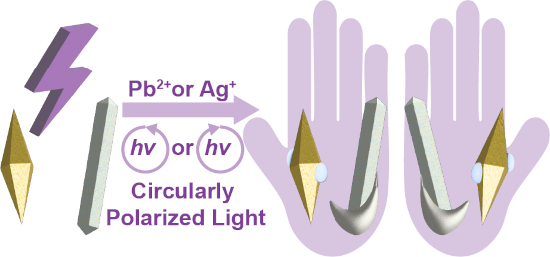
- of achiral PNSs to a more efficient seeded-growth approach in a colloidal phase. The Nam group achieved a significant breakthrough in 2018 with the large-scale synthesis of highly homogenous chiral gold nanostructures using amino acids and peptides [19]. The Tatasuma group developed the first CPL
- plasmonic nanostructures Studies of chirality (both geometrical and optical) on plasmonic nanostructures date back to the 2000s. The early studies were primarily enabled by lithographically fabricated [24] and self-assembled plasmonic nanostructures [25]. Quasi-two-dimensional planar gold propellers [26
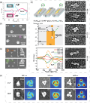
- ] and three-dimensional gold helices [27] (Figure 1a) are two representative cPNSs fabricated by nanolithography. Using arrays of plasmonic seeds patterned by nanolithography, versatile cPNSs were also constructed with glancing angle deposition [28] (Figure 1b). Up to now, nanofabrication has produced





Optical bio/chemical sensors for vitamin B12 analysis in food and pharmaceuticals: state of the art, challenges, and future outlooks
Beilstein J. Nanotechnol. 2025, 16, 2207–2244, doi:10.3762/bjnano.16.153
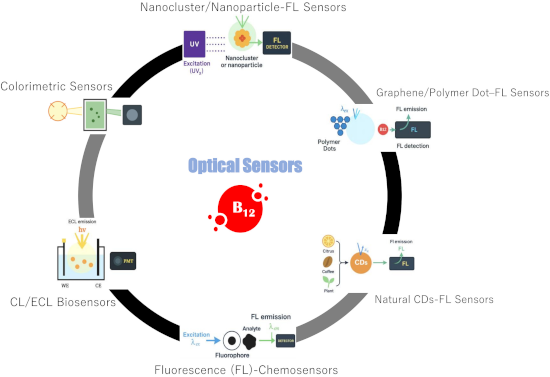
- biosensing platforms in detecting Co2+ ions and VB12 using RNA aptamer–gold nanoparticles colorimetric sensors, surface plasmon resonance sensors, chemiluminescence and electrochemiluminescence biosensors, and fluorescence biosensors (i.e., chemosensors, nanoclusters/nanoparticles-based sensors, and carbon
- -based AuNP colorimetric biosensors In this sensing system, the recognition material is the RNA aptamer, the indicator material is the gold nanoparticle (AuNP), and the sensing signal is colorimetric. The excellent optical-electronic characteristics of AuNPs have been recently considered in point-of-care
- (NaYF4) upconversion nanoparticles (UCNPs) on gold nanotriangle arrays acted as the indicator system, and the enhanced near-infrared (NIR)-excited UV luminescence was the sensing signal. This approach relied on the synergistic effects of Tm3+-doped NaYF4 UCNPs on gold nanotriangle arrays created via


Ultrathin water layers on mannosylated gold nanoparticles
Beilstein J. Nanotechnol. 2025, 16, 2183–2198, doi:10.3762/bjnano.16.151
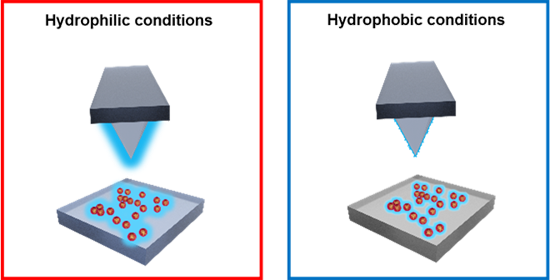
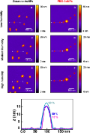
- Physics Center (DIPC), Donostia, Spain Fritz-Haber-Institut der Max-Planck-Gesellschaft, Berlin, Germany Fakultät für Physik, Universität Duisburg, Germany Ikerbasque Basque Foundation for Science, Bilbao, Spain 10.3762/bjnano.16.151 Abstract We investigated the effect of air humidity on two gold
- transmission of airborne viruses, such as influenza. Keywords: AFM; humidity; hydrophilicity; hydrophobicity; nanoparticles; sum frequency generation spectroscopy; viruses; water; wetting; Introduction Gold nanoparticles (AuNPs) have been a staple in biomedical and biophysical research [1][2] for almost a
- carbohydrates to AuNPs provides particle stability and biocompatibility and allows for studying carbohydrate-mediated interactions and designing novel carbohydrate-based antiviral agents [8][9]. From a molecular point of view, glyconanoparticles are water-soluble gold nanoclusters with a three-dimensional



Electron transport through nanoscale multilayer graphene and hexagonal boron nitride junctions
Beilstein J. Nanotechnol. 2025, 16, 2132–2143, doi:10.3762/bjnano.16.147
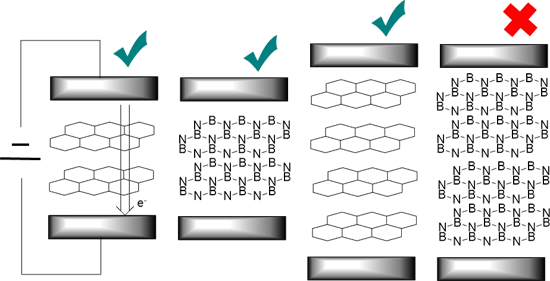
- sandwiched between conductive materials such as graphene, graphite, and gold. The authors fabricated vertical tunnel junctions with h-BN barriers ranging from one to four atomic layers and demonstrated that the tunneling current decreases exponentially with barrier thickness, confirming quantum mechanical


Quality by design optimization of microemulsions for topical delivery of Passiflora setacea seed oil
Beilstein J. Nanotechnol. 2025, 16, 2116–2131, doi:10.3762/bjnano.16.146
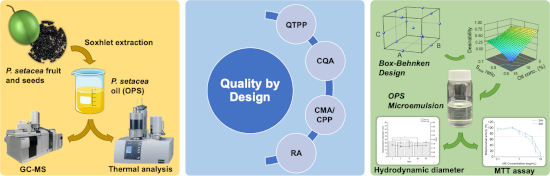
- assays that capture these dimensions. Ultimately, in vivo models remain the gold standard for assessing wound healing efficacy, as they replicate the dynamic, multicellular, and inflammatory nature of living tissue, providing crucial translational insights that cannot be obtained through in vitro testing





