


Search results
Search for "nanocomposites" in Full Text gives 248 result(s) in Beilstein Journal of Nanotechnology. Showing first 200.
Room-temperature NO2 sensing performance of ZnO/Ti3C2Tx heterojunctions
Beilstein J. Nanotechnol. 2026, 17, 1159–1169, doi:10.3762/bjnano.17.79
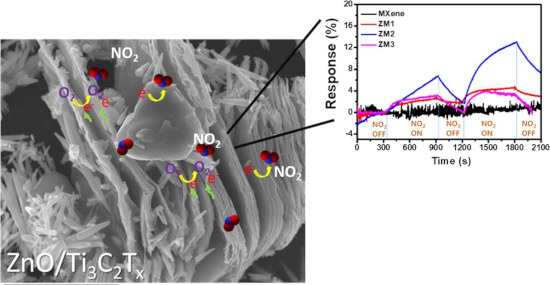
- groups. Nonetheless, Ti3C2Tx-based sensing composites encounter challenges related to response/recovery time and low sensitivity, thereby limiting their applicability across diverse environmental conditions. Addressing these limitations, we present the synthesis of ZnO/Ti3C2Tx nanocomposites via a facile
- gas sensing performance is attributed to the abundance of oxygen vacancies and surface functional groups within the ZnO/Ti3C2Tx composites, which facilitate robust interactions with NO2 molecules. These findings underscore the efficacy of ZnO/Ti3C2Tx nanocomposites as a viable strategy for enhancing
- applications. Experimental Synthesis of pure Ti3C2Tx MXene and ZnO/Ti3C2Tx nanocomposites Typically, 0.4 g of LiF (Sigma) was dissolved in 5 mL of 9 M HCl (China chem, 36 wt %) aqueous solution under vigorous stirring for 30 min. Then, a certain amount of Ti3AlC2 MAX phase (100 mesh, purchased from Sigma) was






Biosynthesis, characterization, and biofunctional assessment of niobium oxide nanostructures obtained using lactic acid bacteria-derived supernatants
Beilstein J. Nanotechnol. 2026, 17, 1128–1141, doi:10.3762/bjnano.17.77
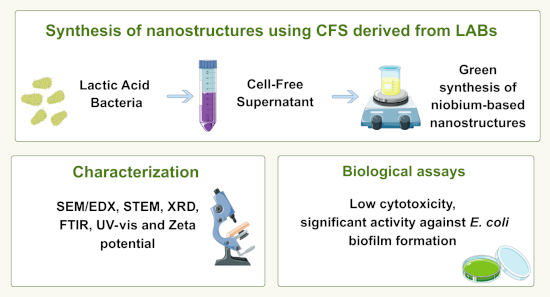
- range of 100–1000 µg·mL−1 as moderately cytotoxic [46]. Studies involving silver-doped nanoparticles have reported CC50 values around 100 µg·mL−1 [47]. Considering these references, the niobium-based nanocomposites investigated in this study, particularly Nb-Lcp-CFS, which exhibited the highest CC50


Synthesis of carbon dot-mediated gold nanostructures: experimental and quantum chemical insights into turn-on fluorescence sensing of N-acetylcysteine
Beilstein J. Nanotechnol. 2026, 17, 1103–1116, doi:10.3762/bjnano.17.75
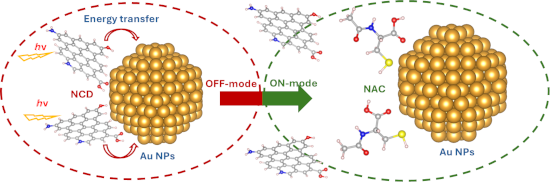
- structural and electronic properties of Au@NCD nanocomposites and their fluorescence sensing behavior has not been fully understood. Therefore, the novelty of this study lies not only in using a natural source for synthesis of Au@NCD nanostructures but also in the combination of experimental and theoretical
- studies have reported that gold nanocomposites exhibit good selectivity toward NAC, suggesting that the proposed CD@Au nanocomposite is also likely to be selective for NAC [11]. Additional evidence supporting the proposed sensing mechanism can be obtained from Raman spectroscopy (Figure S3 in Supporting


Electrochemical sensing of sildenafil in pharmaceutical formulations using an (S,N)-doped reduced graphene oxide-modified electrode
Beilstein J. Nanotechnol. 2026, 17, 1087–1102, doi:10.3762/bjnano.17.74
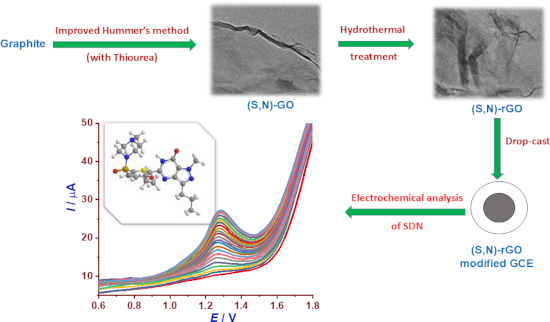
- analytical performance. Although various electrochemical sensors have been reported for SDN determination, many of them rely on multicomponent nanocomposites, noble-metal nanoparticles, or relatively complicated fabrication procedures. In contrast, the proposed (S,N)-rGO-modified electrode is prepared



Nanoglasses: a trail towards uncharted regions of vitreous materials and their properties?
Beilstein J. Nanotechnol. 2026, 17, 1047–1062, doi:10.3762/bjnano.17.72

- -existing phases need to be considered as well. Following our earlier work on the thermodynamic description of two-phase nanocrystalline systems [24], Figure 2 depicts schematically the thermodynamics of nanoglasses that are considered as nanocomposites of glass grains separated by the conditional glass


Materials challenges in solid-state sensors for continuous monitoring of ions in water
Beilstein J. Nanotechnol. 2026, 17, 935–973, doi:10.3762/bjnano.17.66
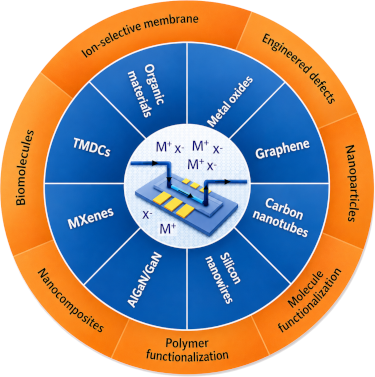
- through strategies such as defect engineering, nanoparticle doping, surface functionalization with organic molecules, or incorporation of advanced recognition elements like metal–organic frameworks, covalent organic frameworks, ion-imprinted polymers, and biomaterials. Hybrid nanocomposites and ion



Enhanced erosion resistance and radiation stability of WC–WO3 nanocomposite films under 100 keV Kr+ ion irradiation
Beilstein J. Nanotechnol. 2026, 17, 922–934, doi:10.3762/bjnano.17.65
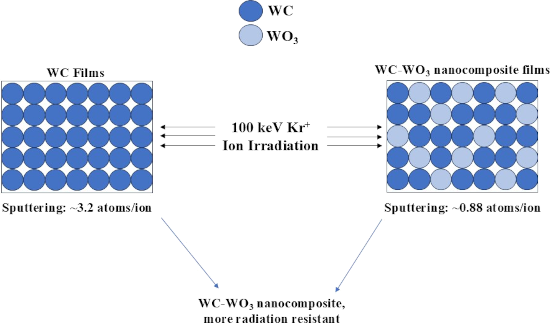
- , indicating dynamic microstructural evolution rather than amorphization under irradiation. These results highlight the potential of WC–WO3 nanocomposites as erosion-resistant and structurally resilient candidates for future plasma-facing applications in fusion reactors. Keywords: low energy ions; plasma
- -facing materials; sputtering erosion; WC–WO3 nanocomposites; Introduction Tungsten carbide (WC) and tungsten trioxide (WO3) are two hard and high-temperature-stable compounds that have individually demonstrated exceptional properties, including high melting points, mechanical strength, and chemical
- , studies on this hypothesis are very limited, and further research is needed to draw a definite conclusion on the role of heterointerfaces in lowering the erosion of the nanocomposite films by taking different nanocomposites. From the above discussion it is clear that erosion in nanocomposite samples is



Tailoring Ag–Pt nanoalloys through solid-state dewetting: structural and optical insights
Beilstein J. Nanotechnol. 2026, 17, 748–759, doi:10.3762/bjnano.17.52

- disintegration can be used to fabricate single-metal nanostructures, nanoalloys, and nanocomposites on various substrates [23][24][25][26]. In this paper, we present a method for manufacturing Ag–Pt nanoalloys by thermal disintegration of thin metallic films. This nanoalloy system is particularly significant due
- boundary between these two classes is not always clearly defined. Examination properties, such as optical properties, can provide a valuable criterion for differentiation. In plasmonic materials, in most cases, nanocomposites exhibit two distinct resonance peaks, each corresponding to one of the




Environmental applications of silver nanoparticles: state-of-the-art review and emerging trends
Beilstein J. Nanotechnol. 2026, 17, 697–736, doi:10.3762/bjnano.17.49
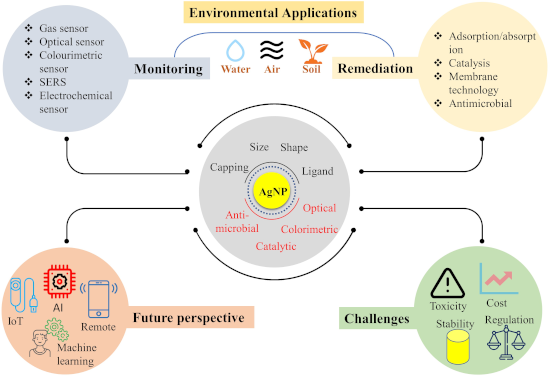
- removal of PAHs with 100% efficiency [30]. AgNPs and AgNP-based nanocomposites provide an efficient system for pollutant removal, with good reusability, as evident from the above studies. However, despite their benefits, the escalating production and utilisation of AgNPs also raise concerns about their
- addresses most of the pollutants (emerging and conventional) by providing a comprehensive assessment of AgNPs and AgNP-based nanocomposites in environmental applications. It incorporates emerging topics including green synthesis reproducibility, nanozyme activity, the environmental fate of silver, and
- spectroscopy (SERS) using AgNP nanocomposites could selectively detect polystyrene nanoparticles with a detection limit of 14 μg/mL [55]. X-ray photoelectron spectroscopy (XPS) provides information on the elemental composition, surface oxidation states, and electronic configuration of AgNPs [56]. This


Cellulose as a photocatalyst support material: extraction, structural features, and environmental applications
Beilstein J. Nanotechnol. 2026, 17, 635–652, doi:10.3762/bjnano.17.44
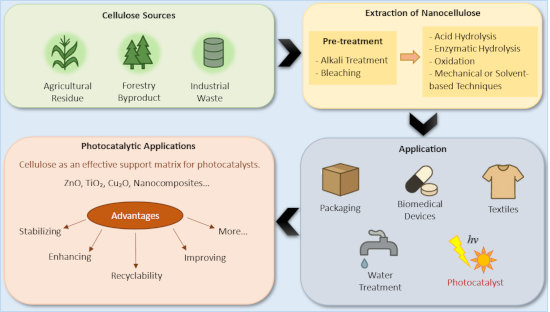
- of functional groups enable it to act as an effective support matrix for photocatalysts such as ZnO, TiO2, Cu2O, and various hybrid nanocomposites. Through stabilizing nanoparticles, preventing their aggregation and contributing to pollutant adsorption, cellulose enhances the overall efficiency of
- on significant amounts of alcohols and the hydrolysis–calcination method, which has already been commercialized but requires high energy input and the use of hydrochloric acid as a solvent [86]. CNCs possess several valuable features that make them excellent candidates for conductive nanocomposites


Upcycling agroindustrial waste into graphene oxide supports for gold nanoparticles: toward sustainable nanomaterials
Beilstein J. Nanotechnol. 2026, 17, 489–504, doi:10.3762/bjnano.17.32
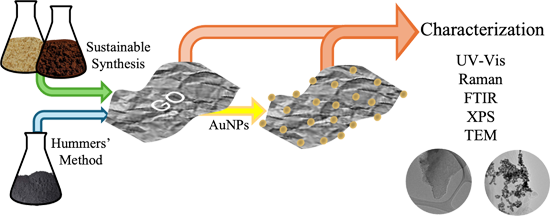
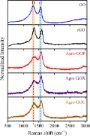
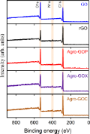
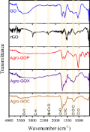
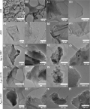
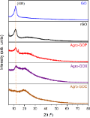
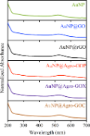
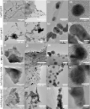
- ; hybrid nanocomposites; plasmonic nanomaterials; surface functionalization; Introduction Graphene oxide (GO), due to its unique physicochemical properties, is widely explored regarding a range of applications, including sensors, water purification, and energy storage and conversion [1][2][3][4][5]. GO is



Beam shaping techniques for pulsed laser ablation in liquids: Unlocking tunable control of nanoparticle synthesis in liquids
Beilstein J. Nanotechnol. 2026, 17, 309–342, doi:10.3762/bjnano.17.22







Durable antimicrobial activity of fabrics functionalized with zeolite ion-exchanged nanomaterials against Staphylococcus aureus and Escherichia coli
Beilstein J. Nanotechnol. 2026, 17, 262–274, doi:10.3762/bjnano.17.18
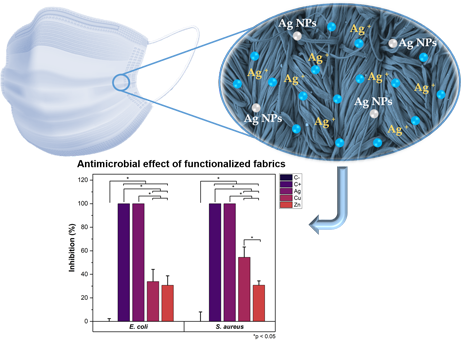
- nanotechnology has expanded into different areas of science, including physics, chemistry, biology, and medicine, over the past few decades [1][2]. Recently, nanoparticles (NPs), nanomaterials, and nanocomposites have been applied in various fields, including medicine and biotechnology, to reduce the recurrence




Time of flight secondary ion mass spectrometry imaging of contaminant species in chemical vapour deposited graphene on copper
Beilstein J. Nanotechnol. 2026, 17, 200–213, doi:10.3762/bjnano.17.13
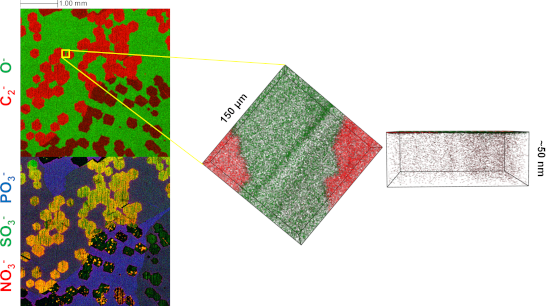
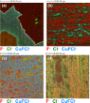
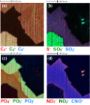
- ]. While nanocomposites incorporating graphene are expected to be disruptive in their own right [5][6], it is the potential for large area, single crystal graphene sheets, which CVD growth can realise [7][8][9][10] which may have the greatest impact. Such sheets are expected to harness the full potential






Safe and sustainable by design with ML/AI: A transformative approach to advancing nanotechnology
Beilstein J. Nanotechnol. 2026, 17, 176–185, doi:10.3762/bjnano.17.11
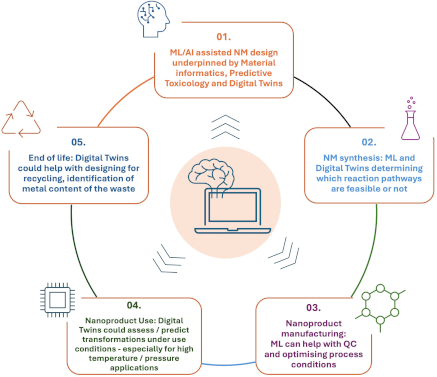
- , high-strength materials for advanced armour systems and protective gear. For example, nanostructured ceramics and nanocomposites enhance ballistic protection while reducing weight, improving mobility for soldiers [7]. Additionally, nanosensors can detect chemical and biological threats in real time


Internal 3D temperature mapping in biological systems using ratiometric light-sheet imaging and lipid-coated upconversion nanothermometers
Beilstein J. Nanotechnol. 2025, 16, 2306–2316, doi:10.3762/bjnano.16.159
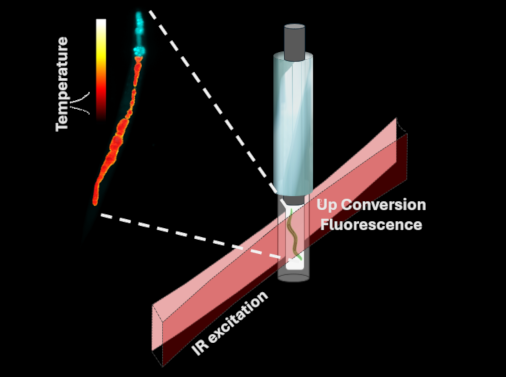
- essential step for advancing non-invasive thermal imaging in living biological systems. We recently demonstrated the feasibility of combining light-sheet fluorescence microscopy (LSFM) with UC micro- and nanocomposites for volumetric temperature mapping across scales ranging from tens of micrometers to


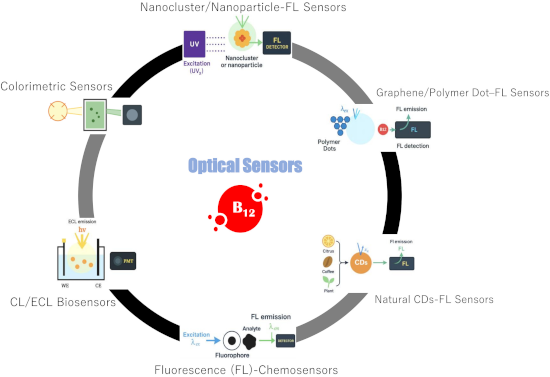
Optical bio/chemical sensors for vitamin B12 analysis in food and pharmaceuticals: state of the art, challenges, and future outlooks
Beilstein J. Nanotechnol. 2025, 16, 2207–2244, doi:10.3762/bjnano.16.153


Microplastic pollution in Himalayan lakes: assessment, risks, and sustainable remediation strategies
Beilstein J. Nanotechnol. 2025, 16, 2144–2167, doi:10.3762/bjnano.16.148
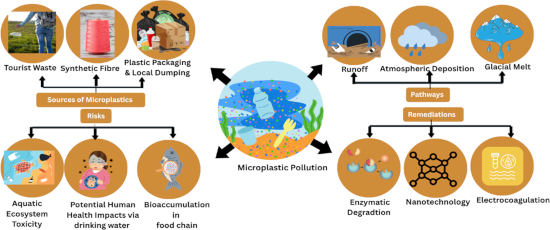
- effect [77]. Despite their high efficiency, nanotechnology-based remediation solutions may face deployment challenges in remote Himalayan regions due to high initial cost, maintenance needs, and lack of infrastructure. Scalable, low-cost nanocomposites or hybrid bionanotechnology systems adapted for cold


Rapid synthesis of highly monodisperse AgSbS2 nanocrystals: unveiling multifaceted activities in cancer therapy, antibacterial strategies, and antioxidant defense
Beilstein J. Nanotechnol. 2025, 16, 2105–2115, doi:10.3762/bjnano.16.145
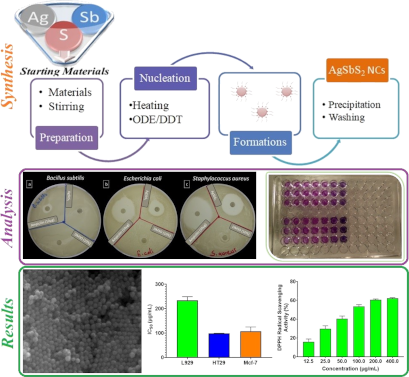
- diffusion assay findings, the strong inhibitory and bactericidal effect against S. aureus (MIC: 0.5 mg/mL; MBC: 1.0 mg/mL) of AgSbS2 NCs aligns well with previous reports that show that gram-positive organisms are often more susceptible to metal-based nanoparticles or nanocomposites [40], likely due to


Current status of using adsorbent nanomaterials for removing microplastics from water supply systems: a mini review
Beilstein J. Nanotechnol. 2025, 16, 1837–1850, doi:10.3762/bjnano.16.127
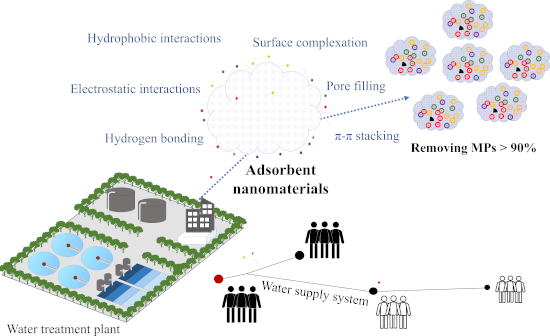
- functionality can be adjusted by changing the metal oxides and linkers, enabling easy synthesis and modification for diverse applications, including MP adsorption [59]. By using ZIF-8 nanocomposite, Pasanen et al. removed 99% of MPs after 1 h. The properties of nanocomposites showed highly porous structures


Exploring the potential of polymers: advancements in oral nanocarrier technology
Beilstein J. Nanotechnol. 2025, 16, 1751–1793, doi:10.3762/bjnano.16.122

- administration [32]. The ionic interaction between alginate and chitosan, forming smart, pH-sensitive polyelectrolytic nanocomposites [147], recently led Silvestre et al. [99] to encapsulate curcumin within alginate–chitosan NPs. Curcumin, a hydrophobic molecule that degrades rapidly under alkaline conditions


Nanotechnology-based approaches for the removal of microplastics from wastewater: a comprehensive review
Beilstein J. Nanotechnol. 2025, 16, 1607–1632, doi:10.3762/bjnano.16.114
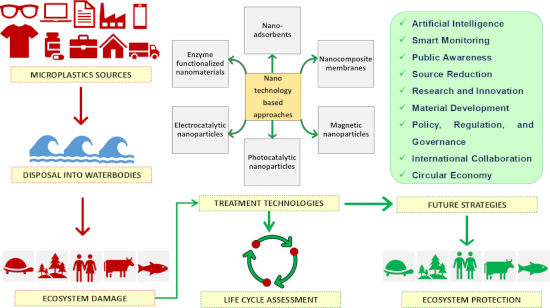
- contaminated with MPs. Meanwhile, a higher cost of these adsorbents limit their use for the removal of MPs [82]. Research is actively exploring alternative adsorbents, with a particular focus on nanomaterial-based options. Among these, carbon nanotubes (CNTs), nanoscale metals, nanocomposites, and metal oxides



Bioinspired polypropylene-based functionally graded materials and metamaterials modeling the mistletoe–host interface
Beilstein J. Nanotechnol. 2025, 16, 1592–1606, doi:10.3762/bjnano.16.113
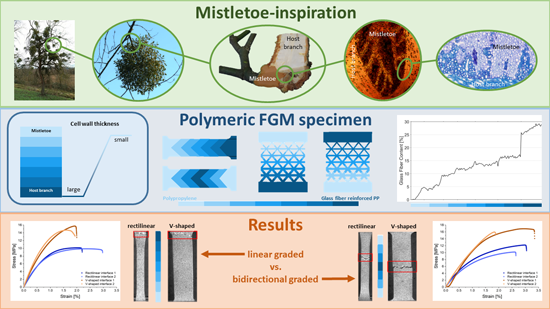
- softer mistletoe and the stiffer host tissue, preventing catastrophic failure of the mistletoe attachment. The strong structural and mechanical similarity of multihierarchical biological systems and functionally graded (meta-)materials [31] has recently been exploited to create bioinspired nanocomposites


Influence of laser beam profile on morphology and optical properties of silicon nanoparticles formed by laser ablation in liquid
Beilstein J. Nanotechnol. 2025, 16, 1533–1544, doi:10.3762/bjnano.16.108
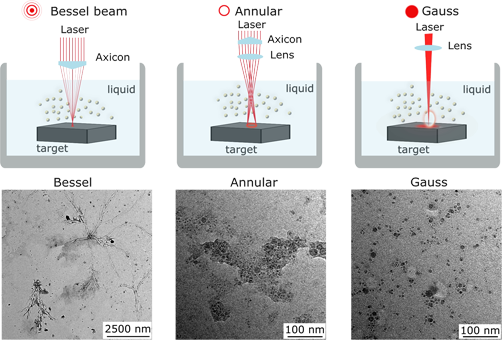
- that the obtained results are important for the preparation of silicon-based nanocomposites as electrode materials with enhanced performance. Materials and Methods The laser ablation experiments were performed using a nanosecond Nd:YAG laser (LS2131D, LOTIS TII, Belarus) as an excitation source
- compared with the vibrational modes of the unablated bulk Si target. Figure 5 presents the obtained Raman spectra. In general, when bulk crystalline Si is transformed into Si NPs, an amorphous phase in Si nanocomposites can be formed [41]. Usually, amorphous Si Raman modes are shifted to lower wavenumbers


Nanomaterials for biomedical applications
Beilstein J. Nanotechnol. 2025, 16, 1499–1503, doi:10.3762/bjnano.16.105
- recent years, the scientific community has started focusing on what nanocomposites potentially offer. Binding nanoparticles along with biomaterials enhances their strength, flexibility, and durability. For example, adding hydroxyapatite nanoparticles to a polymer can improve bone compatibility, making it



