


Search results
Search for "antibacterial activity" in Full Text gives 81 result(s) in Beilstein Journal of Nanotechnology.
New application of bimetallic Ag/Pt nanoplates in a colorimetric biosensor for specific detection of E. coli in water
Beilstein J. Nanotechnol. 2024, 15, 95–103, doi:10.3762/bjnano.15.9
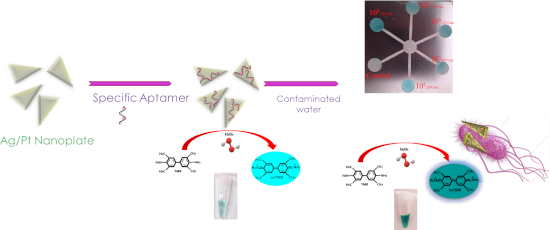
- nanoparticles (i.e., silver nanoplates, Ag NPLs) covered with a layer of Pt atoms to improve the peroxide activity of NPLs, and use them as colorimetric biosensor materials. Metallic NPLs were employed in a variety of applications, including antibacterial activity [17][18][19], hazardous dye removal [20


Berberine-loaded polylactic acid nanofiber scaffold as a drug delivery system: The relationship between chemical characteristics, drug-release behavior, and antibacterial efficiency
Beilstein J. Nanotechnol. 2024, 15, 71–82, doi:10.3762/bjnano.15.7
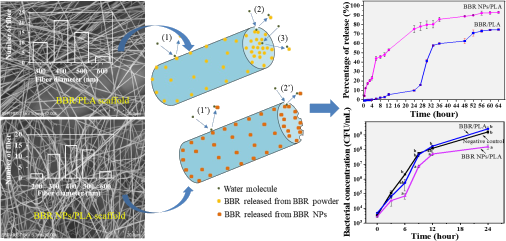
- systems, and tissue engineering, according to the requirement of BBR concentration for the desired therapeutic effects. Keywords: antibacterial activity; berberine; drug-release system; electrospun nanofiber; polylactic acid; Introduction Medicinal plants have various biologically active compounds, such
- prepared by antisolvent precipitation could reach up to 5.0 mg/mL, which notably increased the antibacterial activity of BBR [7]. Electrospinning is a convenient technique that allows one to fabricate nanofiber scaffolds with various compositions and structures. During the electrospinning process, a
- -release behavior of BBR from the electrospun PLA nanofiber scaffold, regarding drug–polymer compatibility and hydrophobicity of the scaffold. Besides, the antibacterial activity of these scaffolds relating to the release of BBR during 24 h was examined against methicillin-resistant Staphylococcus aureus


Fluorescent bioinspired albumin/polydopamine nanoparticles and their interactions with Escherichia coli cells
Beilstein J. Nanotechnol. 2023, 14, 1208–1224, doi:10.3762/bjnano.14.100
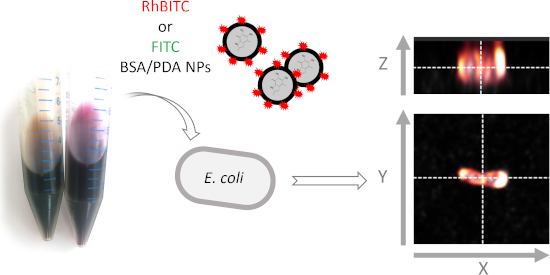
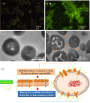
- antibacterial activity is high because of their small size and because any antibacterial natural or synthetic peptide containing KE diads may be used to create such PDA NPs. Fluorescent PDA NPs made with a KE diad-containing protein or peptide have never been reported so far. They may be obtained by labelling
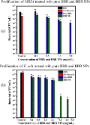
- sterilized by autoclaving at 121 °C for 30 min before use. Bacteria were thawed, diluted, plated on agar plates (LB for E. coli and MH for S. aureus), and incubated under aerobic conditions for 24 h at 37 °C. Evaluation of the antibacterial activity The antibacterial activity of pristine NPs, Ox-, and RhBITC



Silver nanoparticles loaded on lactose/alginate: in situ synthesis, catalytic degradation, and pH-dependent antibacterial activity
Beilstein J. Nanotechnol. 2023, 14, 781–792, doi:10.3762/bjnano.14.64
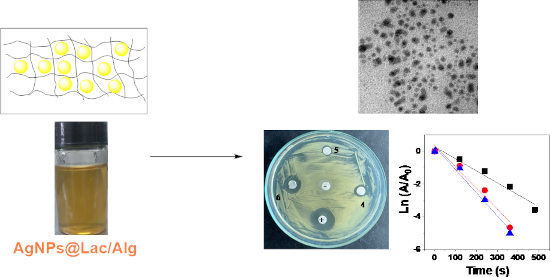
- catalytic performance in degrading the pollutants methyl orange and rhodamine B. The antibacterial activity of the nanocomposite is pH-dependent, related to the alterations in surface properties of the nanocomposite at different pH values. At pH 6, the nanocomposite demonstrated the highest antibacterial
- release of silver ions or electrostatic interaction between AgNPs and microbial cells, have been proposed [21][22]. The AgNPs might release silver ions capable of binding to nucleic acids, thereby, exhibiting antibacterial activity [23][24]. Consequently, any silver-containing composite material with
- antibacterial activity [38]. In this study, we prepared a nanocomposite, Lac/Alg, to stabilize AgNPs without any additives, utilizing lactose as a reducing agent. The resulting nanocomposite AgNPs@Lac/Alg was used for the catalytic degradation of toxic dyes and investigated regarding its pH-dependent


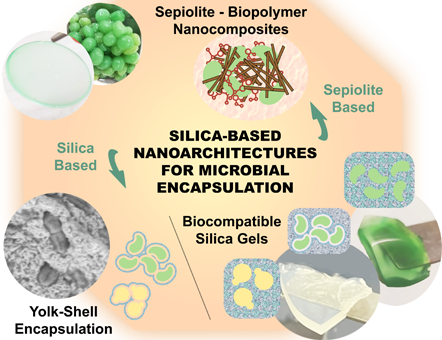
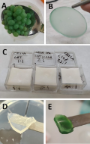
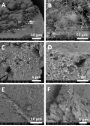
Nanoarchitectonics to entrap living cells in silica-based systems: encapsulations with yolk–shell and sepiolite nanomaterials
Beilstein J. Nanotechnol. 2023, 14, 522–534, doi:10.3762/bjnano.14.43
- demonstrated great biocompatibility, allowing the cells to survive over long periods of time [38]. However, in the present study using chitosan-based biohybrids, we have observed that the cells did not stay alive for long. The current results point out that chitosan may exhibit antibacterial activity


Quercetin- and caffeic acid-functionalized chitosan-capped colloidal silver nanoparticles: one-pot synthesis, characterization, and anticancer and antibacterial activities
Beilstein J. Nanotechnol. 2023, 14, 362–376, doi:10.3762/bjnano.14.31
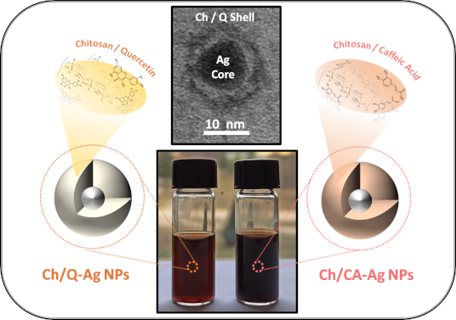
- glioblastoma) and ARPE-19 (human retinal pigment epithelium) cells. Both NPs showed anticancer activity, but Ch/Q-Ag NPs seemed to be more effective on cancer cell lines (U-118 MG) in comparison to healthy ones (ARPE-19). Furthermore, the antibacterial activity of Ch/Q- and Ch/CA-Ag NPs against Gram-negative
- used to investigate the specificity of nanoparticles to the glioblastoma multiforme cancer cells in the current study. ARPE19 cells as a part of the central nervous system were also used as the non-cancer cell (control). In addition, the antibacterial activity of the synthesized Ag NPs was tested
- test was used to compare groups for variables that did not meet the normality assumption. Descriptive statistics were presented as mean and standard deviation, or median (min–max), as appropriate. A p-value of 0.05 was considered a level of statistical significance. Antibacterial activity Standard


Structural, optical, and bioimaging characterization of carbon quantum dots solvothermally synthesized from o-phenylenediamine
Beilstein J. Nanotechnol. 2023, 14, 165–174, doi:10.3762/bjnano.14.17
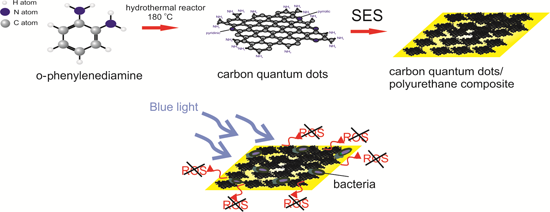
- activity including the usage in wound healing [24]. Different authors prepared CQDs by using various precursors and reported on their excellent antibacterial activity and good biocompatibility [25][26][27][28][29]. In this study o-phenylenediamine dissolved in toluene was used as precursor for CQDs
- species production Singlet oxygen generation The ability to produce reactive oxygen species (ROS) is a very important parameter for the determination of antibacterial activity of certain material. First, we examined the ROS generation of CQDs (Figure S2d, Supporting Information File 1). From this figure
- generate singlet oxygen. Both obtained results related to production of ROS indicate that there are no reactive centers in the structure of the carbon core that could enable the production of ROS. Antibacterial testing The antibacterial activity of CQDs differs from the antibacterial mechanism of


Batch preparation of nanofibers containing nanoparticles by an electrospinning device with multiple air inlets
Beilstein J. Nanotechnol. 2023, 14, 141–150, doi:10.3762/bjnano.14.15
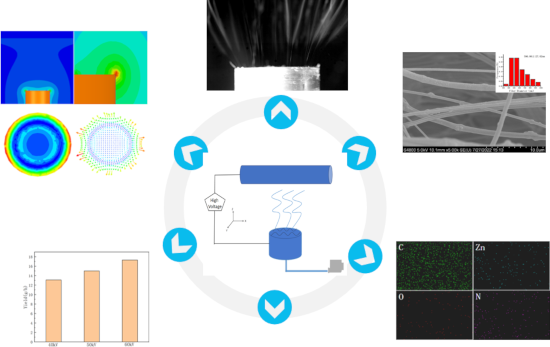
- easily sink down, resulting in an uneven distribution of nanoparticles in the obtained fibers [17]. Due to their stable physical and chemical properties, good biocompatibility, excellent photoelectric properties, non-toxicity, strong antibacterial activity and low price, ZnO nanoparticles can be used in


Antimicrobial and mechanical properties of functionalized textile by nanoarchitectured photoinduced Ag@polymer coating
Beilstein J. Nanotechnol. 2023, 14, 95–109, doi:10.3762/bjnano.14.11
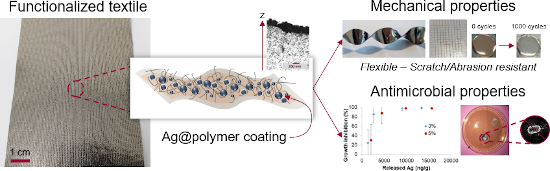
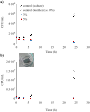
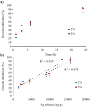
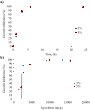
- in Figure 11a for E. coli and remarkably a total inhibition of growth was reached within 24 hours. The silver concentration has no significant impact on antibacterial activity, which indicates that a mere 3 wt % Ag-loaded sample is sufficient to obtain complete elimination of bacteria. The released



Hydroxyapatite–bioglass nanocomposites: Structural, mechanical, and biological aspects
Beilstein J. Nanotechnol. 2022, 13, 1490–1504, doi:10.3762/bjnano.13.123
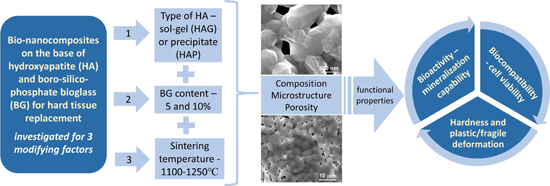
- one hand, it induces antibacterial activity, and, on the other hand, it promotes the formation and mineralization of bone tissue [19][32]. The HA-BG composites investigated in this work contained two types of HA, obtained either by the sol–gel method (HAG) or by the precipitation method (HAP). It was
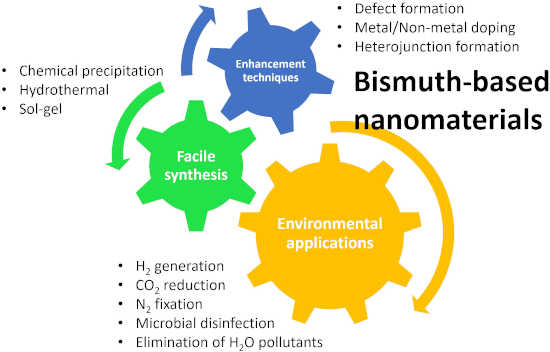
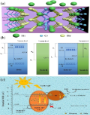
Recent trends in Bi-based nanomaterials: challenges, fabrication, enhancement techniques, and environmental applications
Beilstein J. Nanotechnol. 2022, 13, 1316–1336, doi:10.3762/bjnano.13.109




Green synthesis of zinc oxide nanoparticles toward highly efficient photocatalysis and antibacterial application
Beilstein J. Nanotechnol. 2022, 13, 1108–1119, doi:10.3762/bjnano.13.94
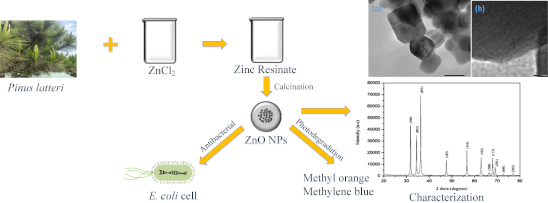
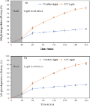
- the same conditions; however, it achieved lower efficiencies. In addition, ZnO NPs were also tested regarding their antibacterial activity, and the results showed that the prepared ZnO samples had the highest (i.e., 100%) antibacterial efficiency against E. coli. Keywords: green synthesis; methylene
- ]. These photogenerated electrons and holes migrate to the surface of ZnO to react with H2O and O2 to generate O2•− and •OH radicals, which oxidize organic substances. In addition, ZnO nanoparticles (NPs) have high antibacterial activity against bacteria, high biocompatibility, and are nontoxic to human
- cells [12][13]. Many studies have proven the antibacterial effect of ZnO [14][15] and also that nanoscale ZnO has a more effective antibacterial activity than that of large ZnO [12][16]. Various approaches for synthesizing nanosized materials have been investigated. Among these approaches, chemical and




Biomimetic chitosan with biocomposite nanomaterials for bone tissue repair and regeneration
Beilstein J. Nanotechnol. 2022, 13, 1051–1067, doi:10.3762/bjnano.13.92
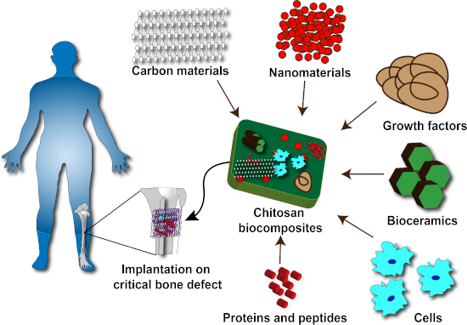
- phosphatase, bone morphogenic protein, runt-related transcription factor-2, bone sialoprotein, and osteocalcin. In vitro and in vivo studies highlight the scientific findings of antibacterial activity, tissue integration, stiffness, mechanical strength, and degradation behaviour of composite materials for
- tissue engineering applications. Keywords: antibacterial activity; biomimetic materials; bone graft substitutes; chitosan; gold; osteoinductive; silver; Introduction Bone-related defects and diseases are a serious concern to the life of patients [1]. Autografts, allografts, and synthetic grafts are
- . Further, the developed material shows apatite formation in SBF and it stimulates the growth of MG-63 osteoblast-like cells. In addition, antibacterial activity was discovered against Staphylococcus aureus [85]. Chitosan–gold nanocomposites Gold nanoparticles (AuNPs) have been extensively studied for
Bioselectivity of silk protein-based materials and their bio-inspired applications
Beilstein J. Nanotechnol. 2022, 13, 902–921, doi:10.3762/bjnano.13.81


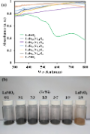
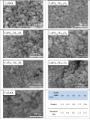
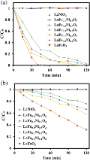
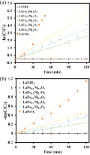
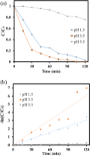
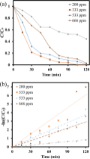
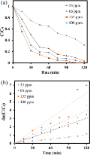
Solar-light-driven LaFexNi1−xO3 perovskite oxides for photocatalytic Fenton-like reaction to degrade organic pollutants
Beilstein J. Nanotechnol. 2022, 13, 882–895, doi:10.3762/bjnano.13.79
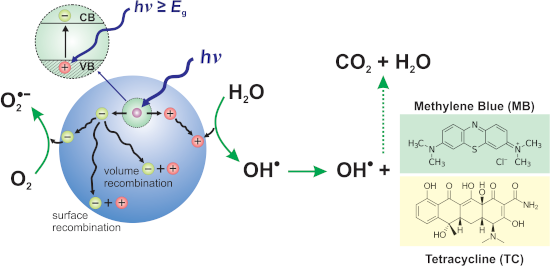
- belong to a sub-category of natural or semi-synthetic polyketides. Tetracycline consists of a linear tetracycline nucleus, exhibiting antibacterial activity, which may affect the biological system after discharging [8]. As the population has become dense, vigorous industrial activities, and the animal



Antibacterial activity of a berberine nanoformulation
Beilstein J. Nanotechnol. 2022, 13, 641–652, doi:10.3762/bjnano.13.56
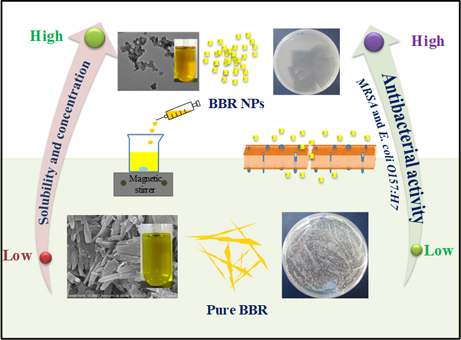
- 156 nm at a concentration of 2.0 mg/mL, measured by dynamic light scattering. After nanoformulation, the concentration of BBR NPs could reach up to 5.0 mg/mL, which is much higher than the saturation concentration without treatment. Results show a strongly enhanced antibacterial activity of BBR NPs
- bacterial cells and severely damaged the cell walls. Therefore, BBR NPs prepared by ASP appear to be a potential candidate for the treatment of bacterial pathogens. Keywords: antibacterial activity; antisolvent precipitation (ASP); berberine nanoparticles (BBR NPs); glycerol; solubility; Introduction
- bacteria, such as Escherichia coli [12], Helicobacter pylori [13], and Staphylococcus aureus, including methicillin-resistant strains and coagulase-negative strains [4][14]. The antibacterial activity of BBR against Streptococcus agalactiae was explained by BBR molecules damaging the structure of the



Ciprofloxacin-loaded dissolving polymeric microneedles as a potential therapeutic for the treatment of S. aureus skin infections
Beilstein J. Nanotechnol. 2022, 13, 517–527, doi:10.3762/bjnano.13.43
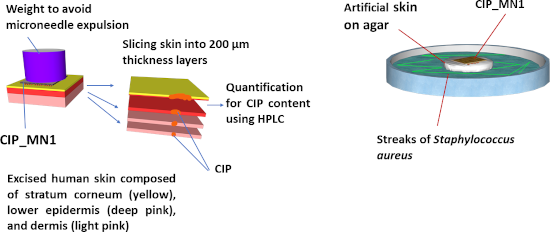
- Staphylococcus aureus to study the antibacterial activity of ciprofloxacin-loaded polymeric microneedles. To assess the distribution of CIP in dermal layers after microneedle application, the cryostatic microtome technique was utilized. This technique is based on freezing excised skin samples and slicing them
- treatment of S. aureus skin infections. The PVA/PVP-based dissolving microneedles were studied regarding drug content, mechanical strength, perforation of Parafilm and an agarose-based skin model, dissolution in excised human skin, and antibacterial activity in the agarose-based skin model infected with S
- that we achieved. In another study showing the efficiency of dissolving microneedles in transdermal delivery, the contraceptive hormone levonorgestrel was released and migrated through the entire skin structure, maintaining a quantifiable plasma concentration for up to 60 days [58]. Antibacterial


Design and characterization of polymeric microneedles containing extracts of Brazilian green propolis
Beilstein J. Nanotechnol. 2022, 13, 503–516, doi:10.3762/bjnano.13.42
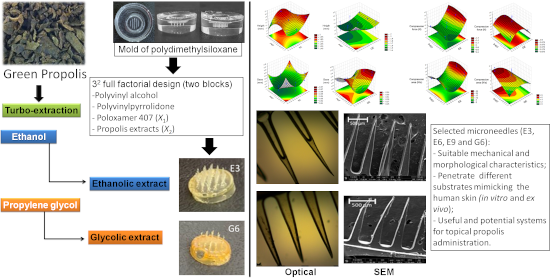
- glycolic extracts. It is a strongly adhesive gum resin, which is collected, processed, and used by honey bees (Apis mellifera L.) [17][22][23]. PRP extracts have been reported to enhance some antibiotic effects, attributing the antibacterial activity of propolis mainly to flavonoids or synergisms among


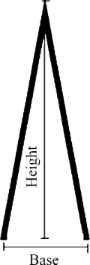
Engineered titania nanomaterials in advanced clinical applications
Beilstein J. Nanotechnol. 2022, 13, 201–218, doi:10.3762/bjnano.13.15
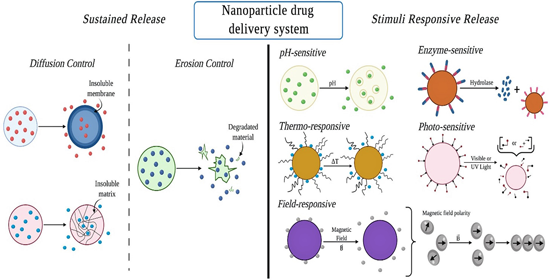
- , were also used to improve the titania implant properties, and the material showed significant antibacterial activity against Staphylococcus aureus with sustained release of vancomycin [64]. Furthermore, the biological activity of TiO2 nanowires, nanofibres, and nanoneedles, was investigated and
- TiO2 nps [83]. TiO2 supported on silica nanospheres was checked for its antibacterial activity against E. coli, and the result demonstrated a more effective growth inhibition than that of commercial TiO2-P25 under ultraviolet and visible light [84]. Copper is well known for its antimicrobial properties


A comprehensive review on electrospun nanohybrid membranes for wastewater treatment
Beilstein J. Nanotechnol. 2022, 13, 137–159, doi:10.3762/bjnano.13.10
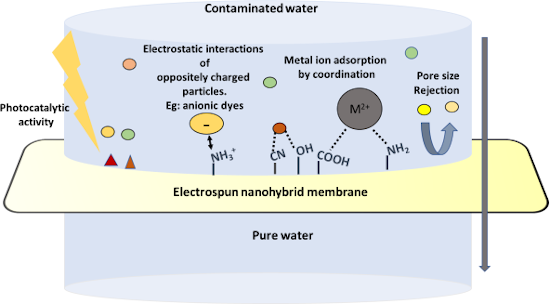




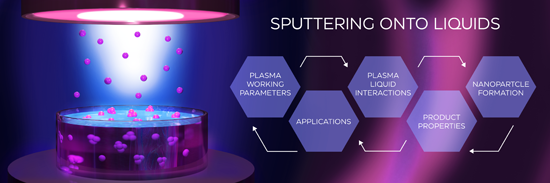
Sputtering onto liquids: a critical review
Beilstein J. Nanotechnol. 2022, 13, 10–53, doi:10.3762/bjnano.13.2






Self-assembly of amino acids toward functional biomaterials
Beilstein J. Nanotechnol. 2021, 12, 1140–1150, doi:10.3762/bjnano.12.85
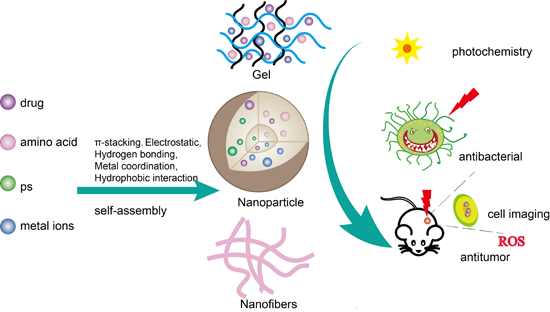
- properties [27] and good antibacterial activity [44]. Hydrogels of other amino acids modified by Fmoc, such as Fmoc-tryptophan, Fmoc-methionine, and Fmoc-tyrosine have also been shown to have antimicrobial activity and to be selectively resistant to Gram-positive bacteria [45]. The combined self-assembly
- -spectrum antimicrobial metallohydrogel based on Ag+-coordinated Fmoc-amino acid self-assembly and local mineralization. The antibacterial activity of the amino acid metallohydrogel against Escherichia coli and Staphylococcus aureus was better than that of Ag+ solution. In addition, Fmoc-amino acid

The role of deep eutectic solvents and carrageenan in synthesizing biocompatible anisotropic metal nanoparticles
Beilstein J. Nanotechnol. 2021, 12, 924–938, doi:10.3762/bjnano.12.69
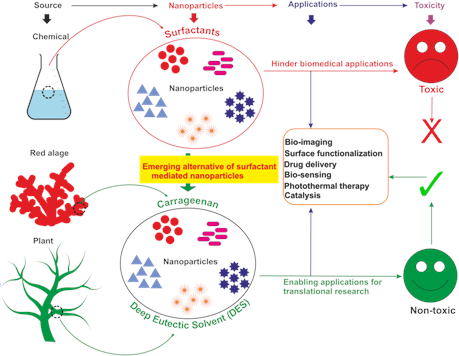
- their antibacterial activity, are used in healthcare and the food industry, especially in manufacturing packaging materials. However, the cytotoxicity due to the release of the silver ions from AgNPs is a matter of concern. The cytotoxicity of micrometer-sized AgNPs was minimized by immobilizing them in


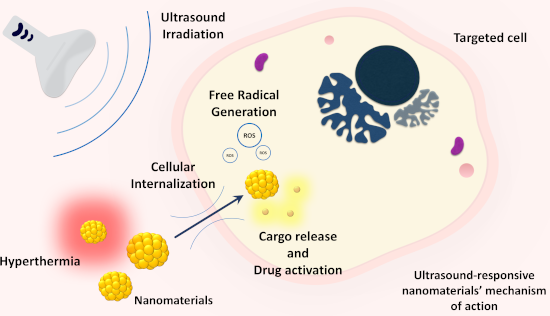
Comprehensive review on ultrasound-responsive theranostic nanomaterials: mechanisms, structures and medical applications
Beilstein J. Nanotechnol. 2021, 12, 808–862, doi:10.3762/bjnano.12.64


A review on nanostructured silver as a basic ingredient in medicine: physicochemical parameters and characterization
Beilstein J. Nanotechnol. 2021, 12, 440–461, doi:10.3762/bjnano.12.36
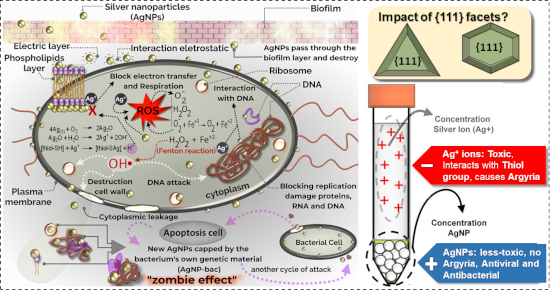
- activity against E. coli, Bacillus subtilis, and Staphylococcus aureus of spherical AgNPs of various sizes and concluded that their effectiveness increased with decreasing size, regardless of the bacterial strains [43]. On the other hand, studies indicate that the reactivity and antibacterial activity of
- -shaped AgNPs regarding their antibacterial activity against various Gram-positive and Gram-negative bacteria. Death kinetics confirmed that the mortality rate of Klebsiella pneumoniae was higher when exposed to spherical AgNPs with larger {111} facets in comparison to rod-shaped AgNPs. Therefore, the
- {111} facets were found to be responsible for the antibacterial activity of AgNPs, a fact that was confirmed by a death study whose kinetics were supported by the arrangement of Ag-resistant genes in the genome of the test organism [46]. Conversely, AgNPs with different sizes exhibit different





