Search results
Search for "carboxyl groups" in Full Text gives 86 result(s) in Beilstein Journal of Nanotechnology.
Antibody-conjugated nanoparticles for target-specific drug delivery of chemotherapeutics
Beilstein J. Nanotechnol. 2023, 14, 912–926, doi:10.3762/bjnano.14.75
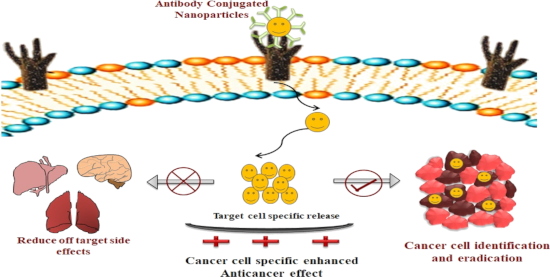
- NP surfaces, such as aldehyde, carboxylic acid, and epoxide groups [46][47]. The carboxyl groups on the NP surfaces are activated in the presence of 1-ethyl-3-(-3-dimethylaminopropyl) carbodiimide (EDC), and a zero-length carboxyl-to-amine crosslinker forms an amide bond through coupling with amine
- . In a two-step reaction, NHS/sulfo-NHS evades the intra- and intermolecular cross-linking of the antibodies as the antibodies have both amine and carboxyl groups [48]. Acharya et al. prepared rapamycin-loaded polymeric PLGA NPs and conjugated them with cetuximab using EDC/NHS cross-linking chemistry
- with these molecules using EDC/NHS and maleimide conjugation techniques for site-specific bioconjugation [60]. This conjugation is highly selective because it does not interfere with organic groups such as amine and carboxyl groups in the antibodies. Additionally, it does not require controlled pH



Carbon nanotube-cellulose ink for rapid solvent identification
Beilstein J. Nanotechnol. 2023, 14, 535–543, doi:10.3762/bjnano.14.44
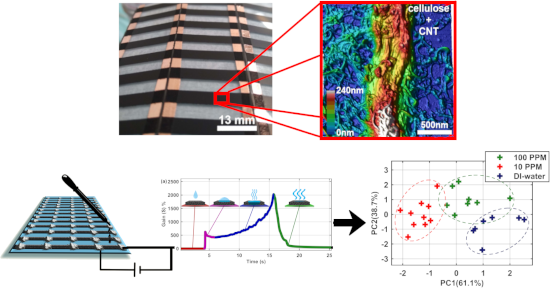
- length was purchased from Maine University (3.0 wt % aqueous gel) [58]. Further characterizations and information about the MFC can be found in [58]. Functionalized multiwalled carbon nanotubes (MWCNTs) with hydroxy and carboxyl groups (–OH and –COOH), outer diameter between 20 and 50 nm and an average


Polymer nanoparticles from low-energy nanoemulsions for biomedical applications
Beilstein J. Nanotechnol. 2023, 14, 339–350, doi:10.3762/bjnano.14.29
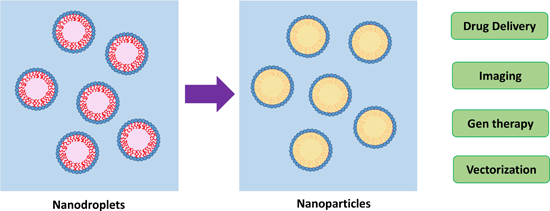
- . These nanoparticles featured a negatively charged surface (zeta potential between −30 and −40 mV) resulting from the terminal carboxyl groups of PLGA. The drug loperamide was solubilized in the nanoemulsion droplets so that loperamide-loaded PLGA nanoparticles with a hydrodynamic diameter of ca. 200 nm
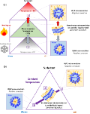


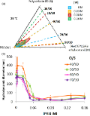


Orally administered docetaxel-loaded chitosan-decorated cationic PLGA nanoparticles for intestinal tumors: formulation, comprehensive in vitro characterization, and release kinetics
Beilstein J. Nanotechnol. 2022, 13, 1393–1407, doi:10.3762/bjnano.13.115
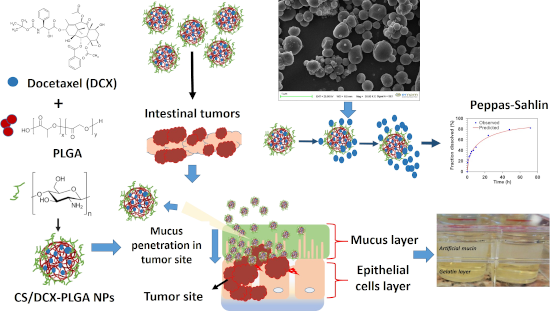
- carboxyl groups of PLGA at the NP surface [43]. CS is a cationic heteropolysaccharide, which promotes cellular uptake, mucoadhesiveness, and tissue penetration [42]. Therefore, CS interacts easily with negatively charged groups at the surface of the NPs and increases the tissue penetration. Morphology of


Design of surface nanostructures for chirality sensing based on quartz crystal microbalance
Beilstein J. Nanotechnol. 2022, 13, 1201–1219, doi:10.3762/bjnano.13.100
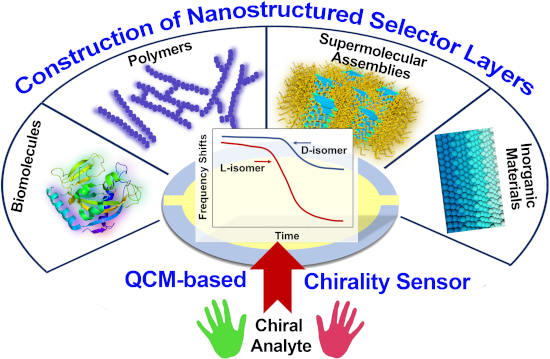
- ) layers on the QCM surface was done through the pretreatment of mercaptoacetic acid on the QCM surface. The free carboxyl groups were then linked to SAs by a coupling agent to form SAMs. The QCM results indicated that BSA- and HSA-modified QCM sensors have a specific recognition ability, especially for


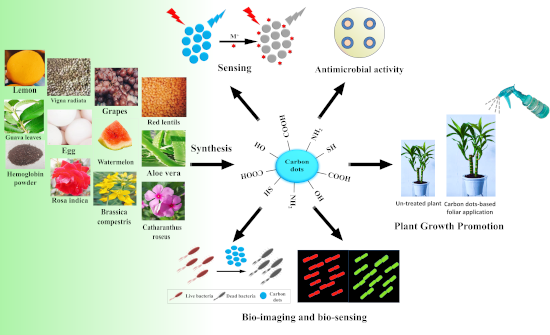
Recent advances in green carbon dots (2015–2022): synthesis, metal ion sensing, and biological applications
Beilstein J. Nanotechnol. 2022, 13, 1068–1107, doi:10.3762/bjnano.13.93




A nonenzymatic reduced graphene oxide-based nanosensor for parathion
Beilstein J. Nanotechnol. 2022, 13, 730–744, doi:10.3762/bjnano.13.65
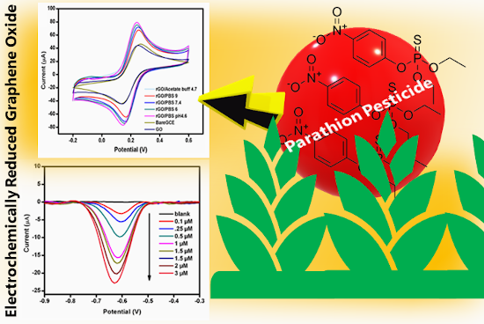
- cm−1 corresponding to the O–H stretching vibration originating from carboxyl groups. Besides, an intense peak at 1641 cm−1 was assigned to the C=O stretching of carboxyl and/or carbonyl groups, a sharp peak at 1387 cm−1 corresponding to a –OH bend, and a strong peak at 1068 cm−1 ascribed to an alkoxy


Detection and imaging of Hg(II) in vivo using glutathione-functionalized gold nanoparticles
Beilstein J. Nanotechnol. 2022, 13, 549–559, doi:10.3762/bjnano.13.46
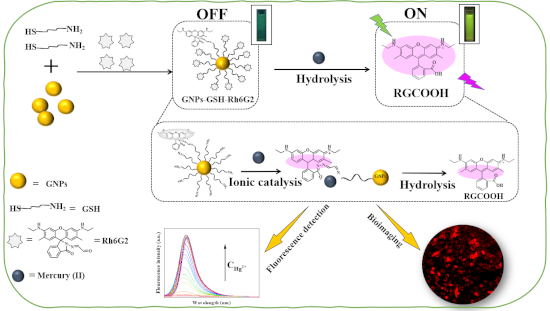
- thiol group in GSH and the aldehyde group in Rh6G2 undergo an addition reaction, followed by the formation of unstable intermediates [41]. Ultimately, the carboxyl groups of GSH will provide an acidic microenvironment so that a hydrolysis reaction will occur resulting in the formation of RGCOOH (Figure


Stimuli-responsive polypeptide nanogels for trypsin inhibition
Beilstein J. Nanotechnol. 2022, 13, 538–548, doi:10.3762/bjnano.13.45
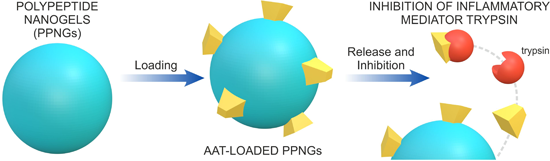
- comparison to PHEG-Tyr nanogel due to the presence of carboxyl groups of lysine in side chains of the zwitterionic Nα-Lys-NG nanogel [25][29]. The zeta potential of Nα-Lys-NG nanogel was not significantly affected by the change of temperature (Figure 3b). However, a slight decrease of zeta potential with


A comprehensive review on electrospun nanohybrid membranes for wastewater treatment
Beilstein J. Nanotechnol. 2022, 13, 137–159, doi:10.3762/bjnano.13.10
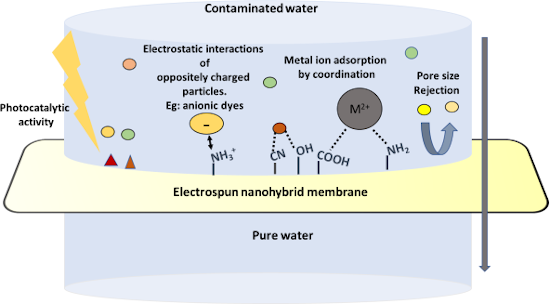
- metals and other cations, electrospun membranes have been recognized as a promising solution. Most metal ion removing membranes interact with the targeted ions through ionic interactions via functional groups, such as hydroxy groups, carboxyl groups, amino groups, and ester groups, on the membrane




Self-assembly of amino acids toward functional biomaterials
Beilstein J. Nanotechnol. 2021, 12, 1140–1150, doi:10.3762/bjnano.12.85
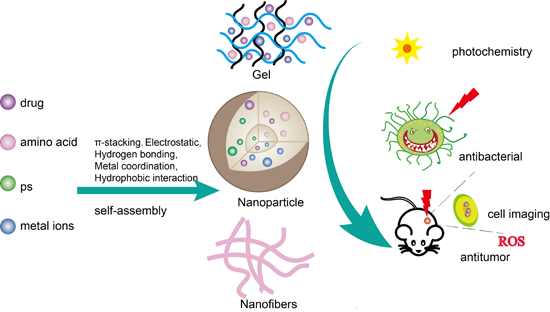
- nanoparticles (PWG) capable of spontaneous assembly under physiological conditions. Interestingly, since glycine provides carboxyl groups and is acid-sensitive, when the nanoparticles reach the tumor site, the acidity increases and the protonation of PWG promotes the formation of intermolecular hydrogen bonds

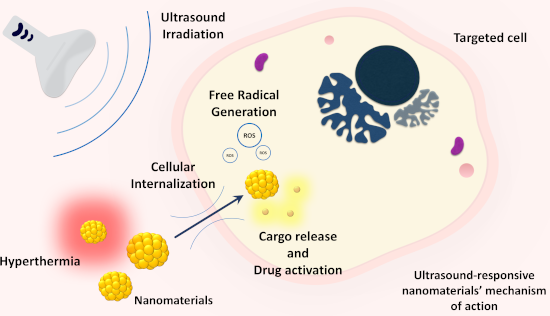
Comprehensive review on ultrasound-responsive theranostic nanomaterials: mechanisms, structures and medical applications
Beilstein J. Nanotechnol. 2021, 12, 808–862, doi:10.3762/bjnano.12.64


Fusion of purple membranes triggered by immobilization on carbon nanomembranes
Beilstein J. Nanotechnol. 2021, 12, 93–101, doi:10.3762/bjnano.12.8
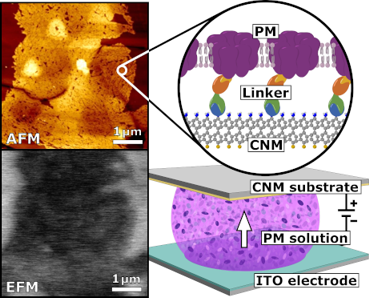
- vacuum [36]. The functionalization (red) is indicated by a carbon shoulder around 289 eV referring to carboxyl groups of the NTA moieties [44]. The increasing signal intensities of the carbon and oxygen peaks indicate a successful functionalization. The nitrogen peak shows a constant intensity


Use of data processing for rapid detection of the prostate-specific antigen biomarker using immunomagnetic sandwich-type sensors
Beilstein J. Nanotechnol. 2019, 10, 2171–2181, doi:10.3762/bjnano.10.210
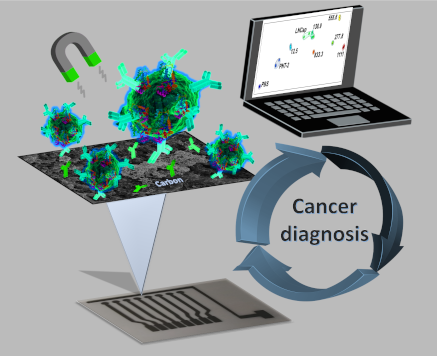
- the carboxyl groups from AuNP-GSH, therefore ensuring a stable covalent binding to the antibodies. The primary monoclonal antibodies (Ab1) were adsorbed on the electrode by adding 5 μL of a 10 μg·mL−1 solution in PBS 7.0, with adsorption occurring overnight. The electrodes were then washed with 1.0 mL
- μg·mL−1 monoclonal antibody (Ab1) using 5 μL of 2 mg·mL−1 PDDA and 5 μL of AuNP-GSH. To activate the carboxyl groups from AuNP-GSH and ensure a stable covalent binding of antibodies, EDC/NHS was used (0.4 mol·L−1 EDC and 0.1 mol·L−1 NHS). The electrodes were washed with 1.0 mL of PBS buffer pH 7.4 and


Processing nanoporous organic polymers in liquid amines
Beilstein J. Nanotechnol. 2019, 10, 1844–1850, doi:10.3762/bjnano.10.179
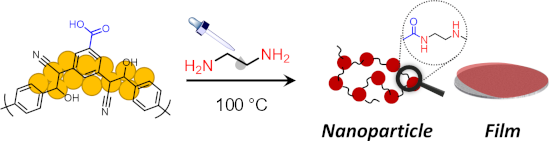
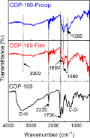
- challenging. Herein, we report that nanoporous polymers made via a Knoevenagel-like condensation can be easily processed into nanoparticles (115.7 ± 40.8 nm) or a flawless film by using liquid amines as a solvent at elevated temperatures. FTIR spectra revealed that the carboxyl groups in the nanoporous



Growth of lithium hydride thin films from solutions: Towards solution atomic layer deposition of lithiated films
Beilstein J. Nanotechnol. 2019, 10, 1443–1451, doi:10.3762/bjnano.10.142
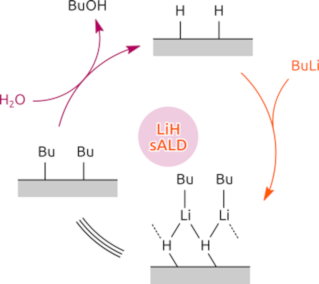
- more pronounced after the removal of the top 2 nm of the sample surface through Ar etching during XPS measurements (Table 1). After etching, also the stoichiometry of CO3 becomes more clear, because signals from surface contaminations overlapping this signal in the C 1s spectrum, such as carboxyl
- groups, were removed. Table 1 shows that Li occurs mostly as Li2CO3. When subtracting the signals of Li2O (ca 2 atom % Li in Li2O, calculated from the O 1s signal) and Li2CO3 (21 atom % Li in Li2CO3, calculated from O 1s signal) from the total Li content calculated from the Li 1s signal, there is a


Glucose-derived carbon materials with tailored properties as electrocatalysts for the oxygen reduction reaction
Beilstein J. Nanotechnol. 2019, 10, 1089–1102, doi:10.3762/bjnano.10.109
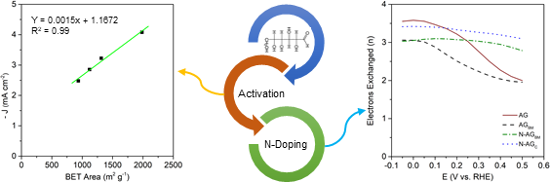
- binding energy: i) carbon sp2 (C=C, peak I) at 284.6 ± 0.1 eV; ii) carbon in phenol, alcohol, ether bonds (C–O, peak II) at 285.8 ± 0.2 eV; iii) carbonyl or quinone groups (C=O, peak III) at 287.2 ± 0.2 eV; iv) carboxyl groups (COOH, peak IV) at 288.9 eV ± 0.3; and v) the shake-up satellite due to π–π


Scavenging of reactive oxygen species by phenolic compound-modified maghemite nanoparticles
Beilstein J. Nanotechnol. 2019, 10, 1073–1088, doi:10.3762/bjnano.10.108
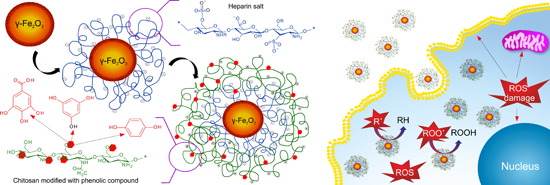
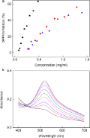
- hydrogen atoms from carboxyl groups and these two mechanisms contribute to the resonance stabilization of the resulting radical. However, the significant qualitative differences between the antioxidant properties of CS-G and other chitosans modified with phenolic compounds according to the FC and DPPH
- , such as pigs and cattle [28]. Unfractionated and low-molecular-weight heparins are used in medicine as indirect anticoagulants for thrombosis prevention and treatment [29]. The presence of sulfate and carboxyl groups in heparin was critical for surface modification of the positively charged γ-Fe2O3
- the γ-Fe2O3@Hep particles, several new peaks were observed at 2922, 2852, 1258, and 1038 cm−1 compared to the γ-Fe2O3 spectrum (Figure 3a). Peaks at 2922, 2852, and 1648 cm−1 were ascribed to C–H and C=O stretching vibrations of carboxyl groups. Peaks at 1258 and 1038 cm−1 corresponded to N–H and C–O





Direct growth of few-layer graphene on AlN-based resonators for high-sensitivity gravimetric biosensors
Beilstein J. Nanotechnol. 2019, 10, 975–984, doi:10.3762/bjnano.10.98
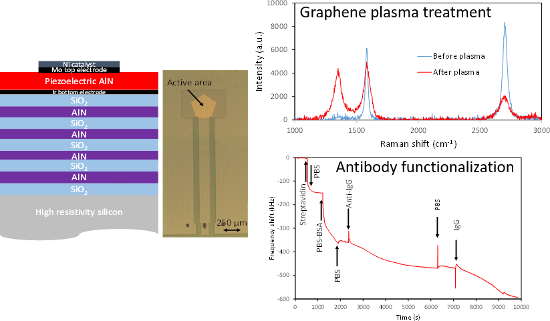
- sample in a solution of 0.2 nM 1-ethyl-3-(3-dimethylaminopropyl)carbodiimide hydrochloride (EDC) with 0.8 mM N-hydroxysuccinimide (NHS) in 10 mM phosphate-buffered saline (PBS). This step requires the generation of carboxyl groups (–COOH) on the surface of the sample capable of binding the NH groups of
- the linker, in our case EDC. Since the as-grown graphene contained very low density of defects, being significantly hydrophobic, a specific treatment was required in order to promote the creation of controlled defects and the necessary carboxyl groups. This was achieved by subjecting the samples to a
- that the O2 plasma treatment of adequately shielded graphene layers successfully promotes the creation of defects without significant damage of the graphene structure. The evidence that these defects are mainly carboxyl groups is the efficient binding of amine groups of the EDC linker, evinced by the


The systemic effect of PEG-nGO-induced oxidative stress in vivo in a rodent model
Beilstein J. Nanotechnol. 2019, 10, 901–911, doi:10.3762/bjnano.10.91
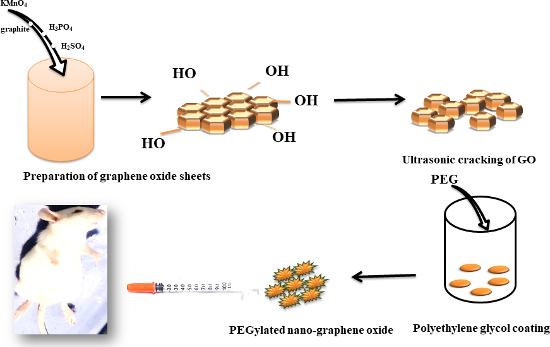
- hydroxy groups, a bending of the aromatic structure, and a reduction in the allene symmetry of nGO. The presence of the methylene groups (=CH2), carboxyl groups (–COOH), and phenol groups (–OH) in PEG-nGO is shown through the absorption peaks at 1465 cm−1, 1410 cm−1, and 1300 cm−1, respectively. The


On the transformation of “zincone”-like into porous ZnO thin films from sub-saturated plasma enhanced atomic layer deposition
Beilstein J. Nanotechnol. 2019, 10, 746–759, doi:10.3762/bjnano.10.74
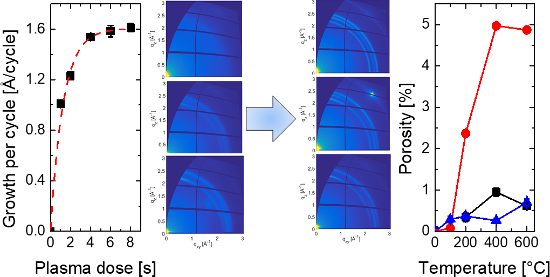
- stretching of carbonate/bidentate/carboxyl groups (νOCO) (1300–1660 cm−1) are highlighted in the image. High-resolution XPS spectra of the pristine (a–c) and annealed (d,e) zincone-like layers acquired after 60 s Ar+ sputtering. Pristine: a) C 1s HR spectrum and b) O 1s HR spectrum as a function of the


Hydrophilicity and carbon chain length effects on the gas sensing properties of chemoresistive, self-assembled monolayer carbon nanotube sensors
Beilstein J. Nanotechnol. 2019, 10, 565–577, doi:10.3762/bjnano.10.58
- nucleation centers for the anchoring the Au NPs) was conducted using XPS. The chemical modification caused by the plasma treatment results in the presence of hydroxy, carbonyl and carboxyl groups [36]. Furthermore, Au nucleation centers occur mainly in the proximity of oxygenated defects created during the
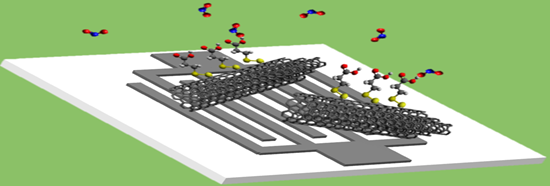
- effect is related to the length of the carbon chain and, in consequence, to the concentration of carboxyl groups that are accessible to nitrogen dioxide molecules. When short length carbon chain thiols are used (see Figure S2a, Supporting Information File 1) a vertically aligned SAM can be easily formed
- . Under this configuration, high sensitivity to nitrogen dioxide is obtained because the molecule can interact not only with the COOH groups in the heads of the SAM, but also nitrogen dioxide can diffuse into the SAM and eventually react with the carboxyl groups present on the surface of MWCNTs. In


Surface plasmon resonance enhancement of photoluminescence intensity and bioimaging application of gold nanorod@CdSe/ZnS quantum dots
Beilstein J. Nanotechnol. 2019, 10, 22–31, doi:10.3762/bjnano.10.3
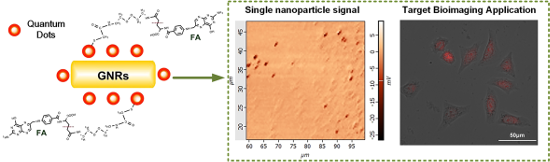
- change during the measurement, but when the pH value changed to 12, the size of GNR@CdSe/ZnS@FA increased. The size increase was caused by aggregation, which was due to the high pH solution being rich in hydroxide ions (OH−), which facilitates the carboxyl groups of the surface of nanoparticles. However


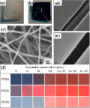
Electrospun one-dimensional nanostructures: a new horizon for gas sensing materials
Beilstein J. Nanotechnol. 2018, 9, 2128–2170, doi:10.3762/bjnano.9.202






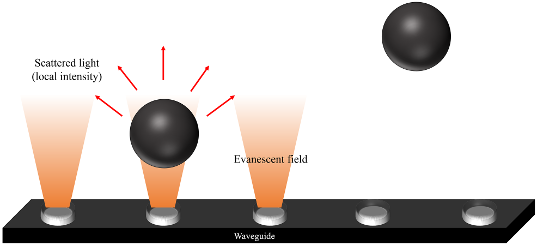
Surface characterization of nanoparticles using near-field light scattering
Beilstein J. Nanotechnol. 2018, 9, 1228–1238, doi:10.3762/bjnano.9.114
- ][49][50][51]. The conjugation of BBAs used an optimized Steglich esterification to bind the carboxyl groups on the BBAs to the free hydroxyl groups on 40 kDa dextran. For this study, tribenzyloxybenzoic acid (TBBA) was used as the phenolic precursor, resulting in a polygallol polymer [35][36][37