Search results
Search for "composite materials" in Full Text gives 130 result(s) in Beilstein Journal of Nanotechnology.
Microneedle-based ocular drug delivery systems – recent advances and challenges
Beilstein J. Nanotechnol. 2022, 13, 1167–1184, doi:10.3762/bjnano.13.98
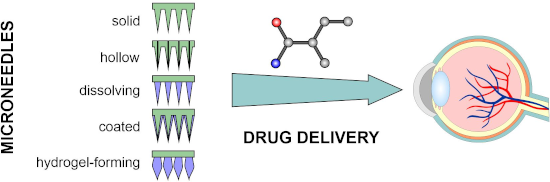
- (PEGDA) [132] and poly(acrylic-co-maleic) acid (PAMA) [133]. It is also important to notice that there are numerous studies describing the use of composite materials containing combinations of various substances, both organic and inorganic. For example, studies involving PLA and carbon nanotubes [134


Biomimetic chitosan with biocomposite nanomaterials for bone tissue repair and regeneration
Beilstein J. Nanotechnol. 2022, 13, 1051–1067, doi:10.3762/bjnano.13.92
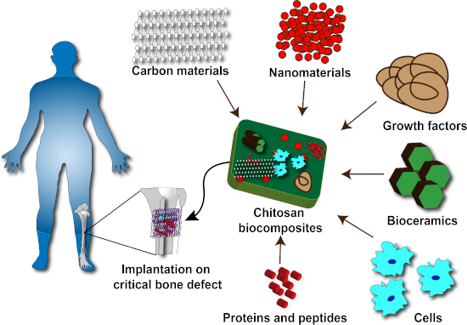
- phosphatase, bone morphogenic protein, runt-related transcription factor-2, bone sialoprotein, and osteocalcin. In vitro and in vivo studies highlight the scientific findings of antibacterial activity, tissue integration, stiffness, mechanical strength, and degradation behaviour of composite materials for
- medicine, the 3D scaffold system was used to imitate bone tissue anatomy. These scaffold systems consist of composite scaffolds of polymeric materials. Among other composite materials, chitosan composites were widely used in bone tissue engineering applications due to their porous nature and
- , the gene RUNX2 upregulates the genes for collagen type I alpha 1 (ColIA1), alkaline phosphatase (ALP), bone sialoprotein (BSP), bone gamma-carboxyglutamate protein (BGLAP), and osteocalcin (OCN), which are important for the regeneration process [34]. To mimic the natural bone function, the composite
Bioselectivity of silk protein-based materials and their bio-inspired applications
Beilstein J. Nanotechnol. 2022, 13, 902–921, doi:10.3762/bjnano.13.81


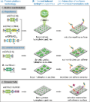
Solar-light-driven LaFexNi1−xO3 perovskite oxides for photocatalytic Fenton-like reaction to degrade organic pollutants
Beilstein J. Nanotechnol. 2022, 13, 882–895, doi:10.3762/bjnano.13.79
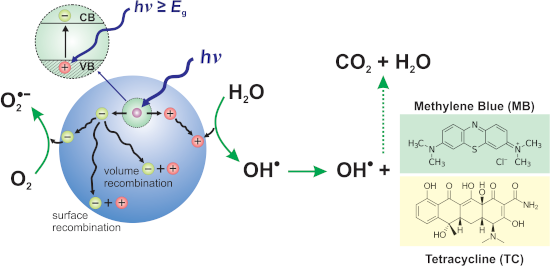
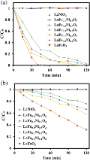
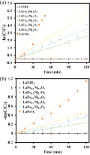
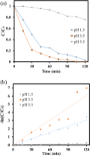
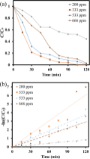
- , respectively. Moreover, the comparison of the prepared LaFe0.7Ni0.3O3 with other materials from the literature was also listed in Table S4. It showed that Fe0.7Ni0.3O3 samples revealed comparable photodegradation performance to other composite materials. Moreover, the degradation of TC using LaFe0.7Ni0.3O3


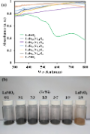

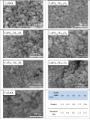
Efficient liquid exfoliation of KP15 nanowires aided by Hansen's empirical theory
Beilstein J. Nanotechnol. 2022, 13, 788–795, doi:10.3762/bjnano.13.69
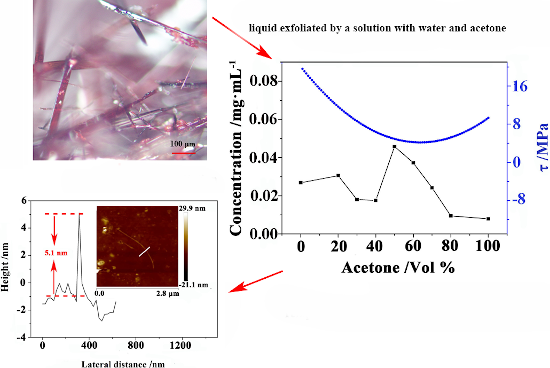
- temperature measurements of KP15 nanodevices. Keywords: Hansen's empirical theory; KP15; liquid exfoliation; nanodevices; nanowires; Raman; semiconductors; Introduction Low-dimensional materials have drawn significant attention in recent years. So far, not only new composite materials with excellent


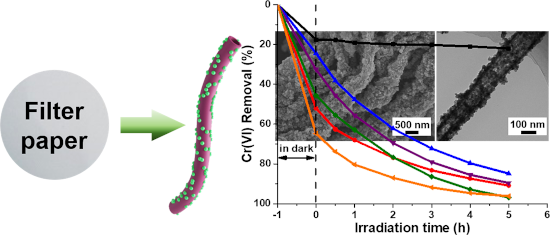
Hierarchical Bi2WO6/TiO2-nanotube composites derived from natural cellulose for visible-light photocatalytic treatment of pollutants
Beilstein J. Nanotechnol. 2022, 13, 745–762, doi:10.3762/bjnano.13.66


Electrostatic pull-in application in flexible devices: A review
Beilstein J. Nanotechnol. 2022, 13, 390–403, doi:10.3762/bjnano.13.32
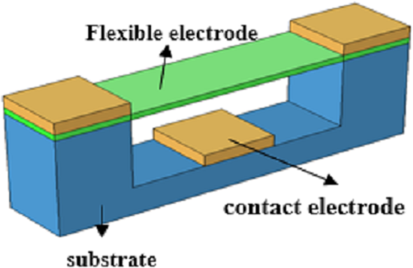
- CVD for analog and digital bandwidth phase shifters. The phase shift was 355°/dB in the analog design at 2.4 GHz and 138°/dB in the digital design. Anjum et al. [60] used GR/MoS2 composite materials as beam to decrease the pull-in voltage below 1 V, which can be used in RF applications requiring low


Nanoscale friction and wear of a polymer coated with graphene
Beilstein J. Nanotechnol. 2022, 13, 63–73, doi:10.3762/bjnano.13.4
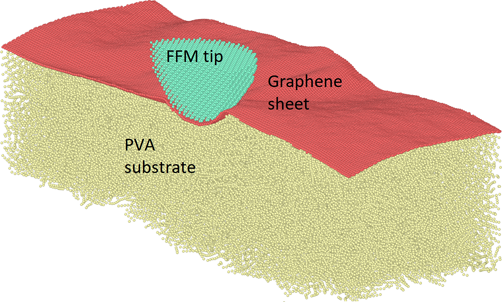
- been studied on the nanoscale due to the added complexity of the polymer, the tribology of which, even without any coatings, is still not well understood [22][23]. In experiments, the tribology of polymer composite materials containing graphene has been studied with the goal of constructing a self


Sputtering onto liquids: a critical review
Beilstein J. Nanotechnol. 2022, 13, 10–53, doi:10.3762/bjnano.13.2







Measurement of polarization effects in dual-phase ceria-based oxygen permeation membranes using Kelvin probe force microscopy
Beilstein J. Nanotechnol. 2021, 12, 1380–1391, doi:10.3762/bjnano.12.102
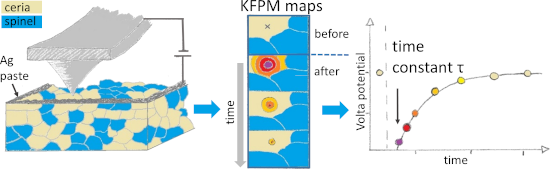
- small contacts are needed, where the electron and ion conducting phase can be addressed separately, making AFM-based electrochemical measurements predestined for detailed analyses of the constituents of composite materials. Theoretical Background Kelvin probe force microscopy The presented measurements
- expected to be in the spinel region rather than on another site of the ceria phase. Another possible explanation would be that enhanced charge transport by electrons occurs along the grain boundary. This has already been confirmed experimentally for similar composite materials [33]. In this case, an
- behavior by means of Kelvin probe force microscopy is a way to work out diffusion coefficients of respective constituents in a composite material. The next step concerning the AFM-based analysis of composite materials is the combination of local chemical analysis methods (e.g., EDX or EELS) with local


Effects of temperature and repeat layer spacing on mechanical properties of graphene/polycrystalline copper nanolaminated composites under shear loading
Beilstein J. Nanotechnol. 2021, 12, 863–877, doi:10.3762/bjnano.12.65
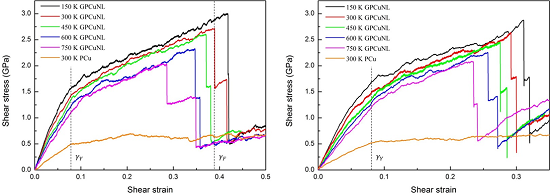
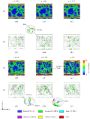
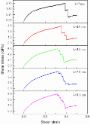
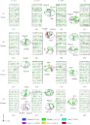
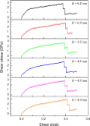
- structure, graphene is limited as a structural material [7][8]. In addition, research on composite materials found that nanocomposites can provide better performance than a single material [9]. Therefore, three-dimensional graphene composites have been developed in recent years, which exhibit excellent











Solution combustion synthesis of a nanometer-scale Co3O4 anode material for Li-ion batteries
Beilstein J. Nanotechnol. 2021, 12, 424–431, doi:10.3762/bjnano.12.34
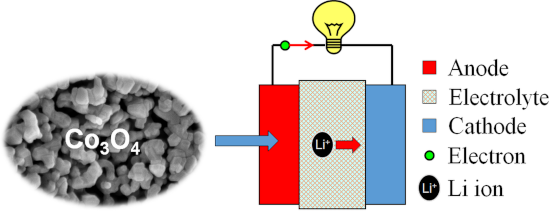
- the formation of composite materials consisting of Co3O4 and different materials, including carbon-based materials, such as graphene [7][8], carbon nanotubes [9], carbon coatings [10], dictyophora indusiata-derived carbon [11], or other transition metal oxides [12]. This approach usually leads to a


Analysis of catalyst surface wetting: the early stage of epitaxial germanium nanowire growth
Beilstein J. Nanotechnol. 2020, 11, 1371–1380, doi:10.3762/bjnano.11.121
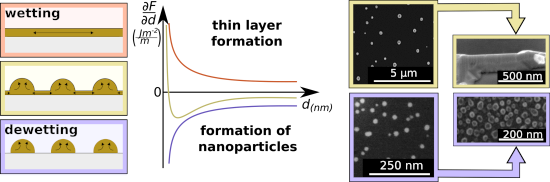
- applications. Surface treatment, for example, modifies the wetting behaviour of active fluids on composite materials or porous media to increase the efficiency and selectivity of catalytic processes [1]. Droplet-based microfluidics, including on-chip and off-chip incubation in immiscible phases, even developed


A 3D-polyphenylalanine network inside porous alumina: Synthesis and characterization of an inorganic–organic composite membrane
Beilstein J. Nanotechnol. 2020, 11, 938–951, doi:10.3762/bjnano.11.78
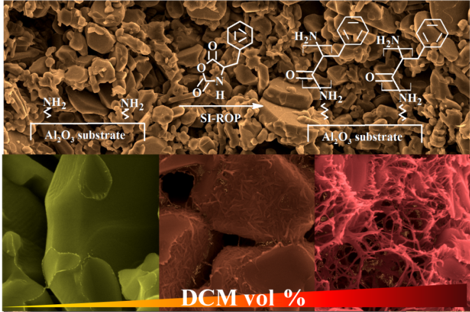
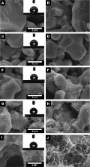
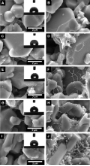
- hydrolyzed monomers or an alternative polymerization mechanism [40][41]. The characterization of these composite materials was performed by NIR-spectroscopy (NIR), water contact angle measurements (CA), scanning electron microscopy (SEM) and thermogravimetric (TG) measurements. Mid- and near-infrared
- rearrangement of the polymer chains after the treatment with the CHCl3/DCA solvent mixture. Adsorption experiments suggest a potential use of such composite materials in reverse solid phase extraction applications. In summary, we have introduced a new approach to synthesize and stabilize hydrophobic xerogels




Nickel nanoparticles supported on a covalent triazine framework as electrocatalyst for oxygen evolution reaction and oxygen reduction reactions
Beilstein J. Nanotechnol. 2020, 11, 770–781, doi:10.3762/bjnano.11.62
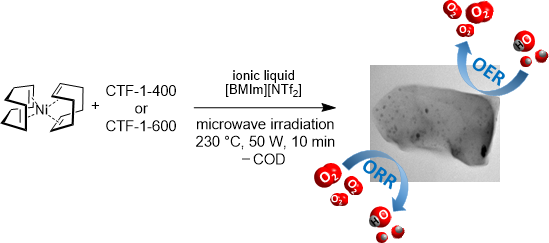
- always shows strong satellites about 6 eV above the main electronic lines [47]. In composite materials, Ni2+ can arise from the combination of nickel coordinated with nitrogen and from the oxidation/hydroxylation of nickel (since the samples need to be briefly handled in air to be introduced into the XPS
- 5 and Supporting Information S15–S18, Supporting Information File 1) we can confirm the presence of Ni species on the surface of the composite materials but it is evident that nickel nanoparticles are already oxidized due to the handling of the sample in air. The materials based on CTF-1-600 show a
- admixture of Ni species with low activity in the composite materials. The better OER performance of CTF-1-600 over the CTF-1-400 materials is attributed to the better conductivity of the former (as given by the Nyquist plot in Figure 7) and its faster ion and charge transfer together with its higher


High-performance asymmetric supercapacitor made of NiMoO4 nanorods@Co3O4 on a cellulose-based carbon aerogel
Beilstein J. Nanotechnol. 2020, 11, 240–251, doi:10.3762/bjnano.11.18
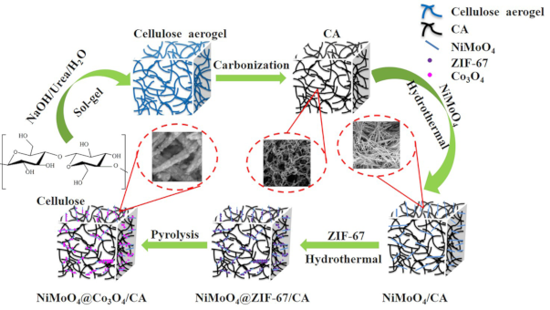
- 2000 cycles), indicating its wide applicability in energy storage. Finally, our results provide a general approach to the construction of CA and MOF-based composite materials with hierarchical porous structure for potential applications in supercapacitors. Keywords: carbon aerogel; hierarchically




Synthesis of amorphous and graphitized porous nitrogen-doped carbon spheres as oxygen reduction reaction catalysts
Beilstein J. Nanotechnol. 2020, 11, 1–15, doi:10.3762/bjnano.11.1
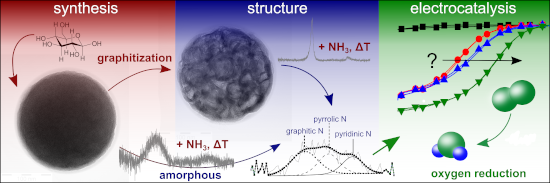
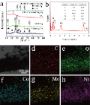
- measurements under controlled electrolyte transport, employing a rotating ring disk electrode (RRDE) setup (section 2 in “Results and Discussion”). We will compare the ORR performance with those of the previously reported TiON@NCS and TaON@NCS composite materials. A more detailed account of the electrochemical
- N-doping as applied in the present work, which resulted not only in doping of the oxide shell, but also of the carbon core. It was not clear, whether the significant ORR activity of these composite materials is due to the oxynitride shell or perhaps predominantly caused by the nitrided carbon cores
- that obtained upon nitriding at 850 °C, with an ORR onset at about 0.8 V, in contrast to the best NCS-1000 catalyst, for which an only slighly lower ORR activity was found after nitriding at 1000 °C (Figure 10). Nitriding at 1000 °C led to lower activities for the composite materials, with an ORR onset




Abrupt elastic-to-plastic transition in pentagonal nanowires under bending
Beilstein J. Nanotechnol. 2019, 10, 2468–2476, doi:10.3762/bjnano.10.237
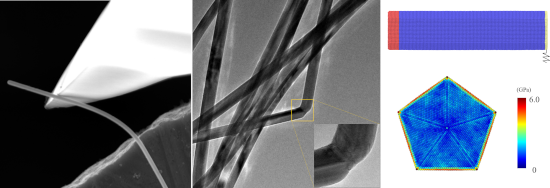
- flexible polymer composite materials. Keywords: finite element method; mechanical properties; molecular dynamics; nanowires; Introduction Nanostructures comprised of noble metals with face centered cubic (FCC) crystal structure (Au, Ag and Cu according to the most common physical definition) prepared via



Nanoarchitectonics meets cell surface engineering: shape recognition of human cells by halloysite-doped silica cell imprints
Beilstein J. Nanotechnol. 2019, 10, 1818–1825, doi:10.3762/bjnano.10.176
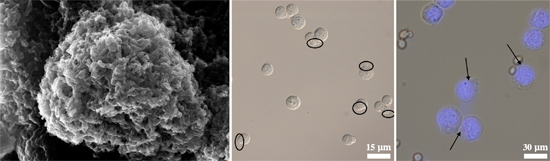
- of various functional composite materials [26]. The anisotropic shape (hollow tubules having lengths from 300 nm to 1–2 µm, 50–70 nm diameter, and 20 nm lumen) and surface chemistry (outer surface of SiO2, inner surface of Al2O3) make these nanotubes ideal carriers for novel catalysts, polymer


High-temperature resistive gas sensors based on ZnO/SiC nanocomposites
Beilstein J. Nanotechnol. 2019, 10, 1537–1547, doi:10.3762/bjnano.10.151
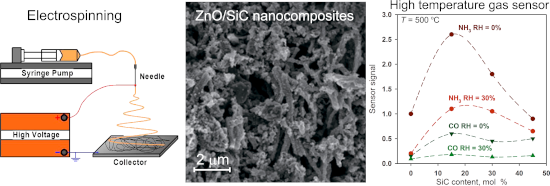
- composite materials with respect to temperature, radiation, chemical and mechanical effects [6][7]. It has been shown that in MO/SiC nanocomposites containing metal oxide (MO) and nanostructured SiC, the presence of silicon carbide inhibits the growth of MO crystallites at high temperatures [8]. The
- difference in the adsorption properties, reactivity and electrical behavior of semiconductor oxides and silicon carbide, as well as possible chemical interactions on their interface, cause changes in the sensor performance of composite materials. The SiC-based materials in the form of planar Pt/MO/SiC
- heterostructures were intensively studied as sensitive elements of field-effect or Schottky diode gas sensors. These materials have a high sensitivity to hydrogen and hydrocarbons in the temperature range of 200–600 °C [9][10][11][12][13][14]. The resistive-type sensors based on MO/SiC composite materials have not



Magnetic segregation effect in liquid crystals doped with carbon nanotubes
Beilstein J. Nanotechnol. 2019, 10, 1464–1474, doi:10.3762/bjnano.10.145
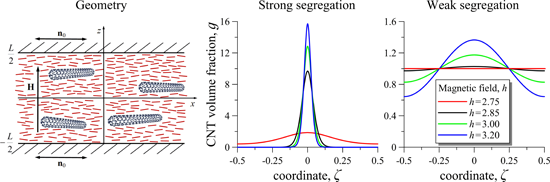
- composite materials capable of spontaneous ordering are interesting due to the fact that their properties are determined by the interactions between the embedded nanoparticles and the carrier matrix. The properties of LC mixtures with nanoparticles substantially depend on the material of the particles
- physics of ferronematics and ferrocholesterics (magnetic suspensions of ferromagnetic nanoparticles in LCs) is called the magnetic segregation effect [12]. It has a significant influence on the type of orientation transitions in LC composite materials [40][41][42][43][44], and, as predicted in [39], must


Nanoscale spatial mapping of mechanical properties through dynamic atomic force microscopy
Beilstein J. Nanotechnol. 2019, 10, 1332–1347, doi:10.3762/bjnano.10.132
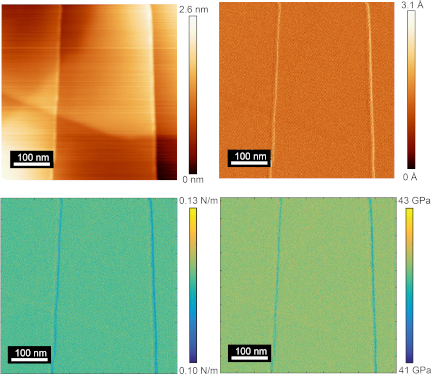
- models of failure, specifically when the failure mode occurs at a nanoscale interface of two different phases, such as those in composite materials [8][9]. Therefore, the study of nanoscale mechanical properties is critical for the development of next-generation materials, advanced mechanical systems




Multicomponent bionanocomposites based on clay nanoarchitectures for electrochemical devices
Beilstein J. Nanotechnol. 2019, 10, 1303–1315, doi:10.3762/bjnano.10.129
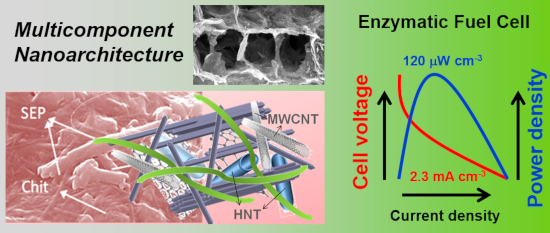
- (Pangel® S9) under ultrasound irradiation. The incorporation of these components into a polymeric CHI matrix results in composite materials that can be processed either as films or as foams. In agreement with previous works [25][26], the ultrasound treatment of this type of sepiolite in aqueous medium
- Young’s modulus of the films (Figure 4A) increases with the clay nanofiller content from 5 GPa for pure chitosan up to 11 GPa for the sample Film-4, which contains 40% of clay components. These findings are in good agreement with the mechanical properties of similar composite materials based on sepiolite



Porous N- and S-doped carbon–carbon composite electrodes by soft-templating for redox flow batteries
Beilstein J. Nanotechnol. 2019, 10, 1131–1139, doi:10.3762/bjnano.10.113
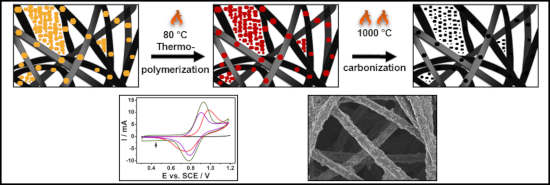
- interactions between phloroglucinol and the surfactant lead to the formation of hydrogen bonds to the polyethylene chains of the polymer. In this fashion the porogen initiates a porous structure. It will be removed during the subsequent carbonization step [25]. The new composite materials have great potential
- additional 2-thiophenecarboxaldehyde was employed as a sulfur source. The carbon–carbon composite materials were synthesized by soaking the felts in a solution containing the aforementioned precursors. After thermopolymerization under air a subsequent carbonization step under protective atmosphere, in which
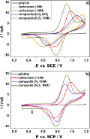
- composite materials in contrast to the reference material (Figure 5). In agreement with recent literature the peaks were fitted to the most probable functional groups. In the C 1s spectrum of the carbonized felt (Figure 5a) five individual peaks could be deconvoluted. There is one dominant peak, which could



Nanoscale optical and structural characterisation of silk
Beilstein J. Nanotechnol. 2019, 10, 922–929, doi:10.3762/bjnano.10.93
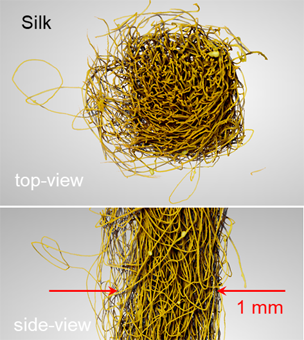
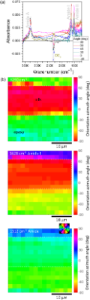
- properties of a material are interrelated. By using a wide spectrum of electromagnetic waves from visible light to terahertz radiation, it is possible to gain insights into complex hierarchical structures of composite materials. For materials with strong structural anisotropy, defined by the molecular