Search results
Search for "cross-linking" in Full Text gives 133 result(s) in Beilstein Journal of Nanotechnology.
Influence of conductive carbon and MnCo2O4 on morphological and electrical properties of hydrogels for electrochemical energy conversion
Beilstein J. Nanotechnol. 2024, 15, 57–70, doi:10.3762/bjnano.15.6
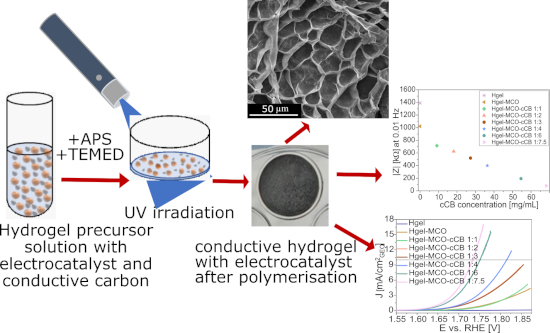
- ][2][3]. The methods of synthesising hydrogels are divided into two basic groups, including physical and chemical cross-linking. Physical cross-linking methods, which are mainly related to the synthesis of natural hydrogels, include changes in intermolecular interactions (e.g., hydrophobic
- interactions, ionic cross-linking, and hydrogen-bonded gels). Chemically synthesised hydrogels are produced by covalent cross-linking pathways such as radical polymerisation, radiation cross-linking, grafting, thermogelation, enzymatic reactions, and click chemistry [4][5]. Hydrogel materials have quite a long


Curcumin-loaded albumin submicron particles with potential as a cancer therapy: an in vitro study
Beilstein J. Nanotechnol. 2023, 14, 1127–1140, doi:10.3762/bjnano.14.93
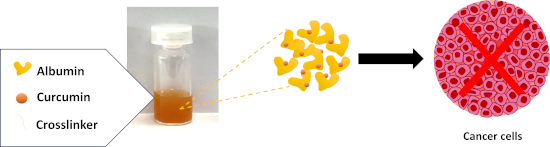
- poorly water-soluble CUR. An effective submicron particle fabrication technique, namely co-precipitation–cross-linking–dissolution (CCD), has been established to produce biopolymer particles [24][25][26]. In this method, biopolymer particles are produced via co-precipitation, by simply mixing MnCl2 and
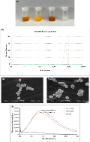
- due to the preparation process, which involves cross-linking of amino acid residues in proteins by glutaraldehyde (GA). As shown in Figure 3B, HSA retained its secondary structure, while both HSA-MPs and CUR-HSA-MPs lost their peptide bonds and secondary structure. The lack of secondary structure of
- both HSA-MPs and CUR-HSA-MPs is attributed to the cross-linking reaction that utilizes amino acid residues, leading to the destruction of the secondary structure [37]. Influence of the CUR concentration in the suspension medium on the CUR-loading capacities The surface chemical properties of MnCO3-HSA




Recognition mechanisms of hemoglobin particles by monocytes – CD163 may just be one
Beilstein J. Nanotechnol. 2023, 14, 1028–1040, doi:10.3762/bjnano.14.85
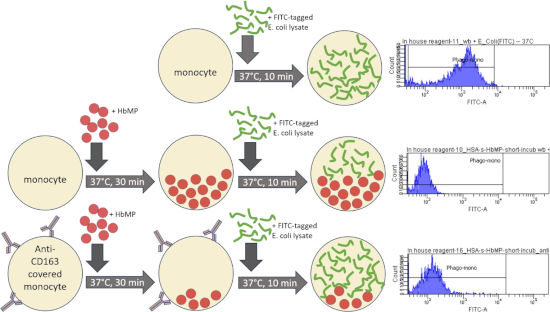
- fractions (32 kDa to >600 kDa) was shown. Also polymerization, cross-linking, and cross-linking sites influenced the receptor’s affinity for individual HBOCs, while the origin of the utilized Hb seemed to be of no relevance [16]. Furthermore size dependence probably exists also in antibody-induced




Antibody-conjugated nanoparticles for target-specific drug delivery of chemotherapeutics
Beilstein J. Nanotechnol. 2023, 14, 912–926, doi:10.3762/bjnano.14.75
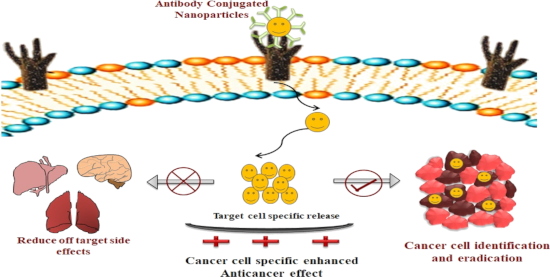
- . In a two-step reaction, NHS/sulfo-NHS evades the intra- and intermolecular cross-linking of the antibodies as the antibodies have both amine and carboxyl groups [48]. Acharya et al. prepared rapamycin-loaded polymeric PLGA NPs and conjugated them with cetuximab using EDC/NHS cross-linking chemistry
- increasing the antigen binding capacity and the conjugation efficiency [61]. These covalent conjugation methods are highly stable but associated with some drawbacks. These include aggregation and polymerization, cross-linking at multiple sites on the antibodies, the need for additional purification steps for



Silver nanoparticles loaded on lactose/alginate: in situ synthesis, catalytic degradation, and pH-dependent antibacterial activity
Beilstein J. Nanotechnol. 2023, 14, 781–792, doi:10.3762/bjnano.14.64
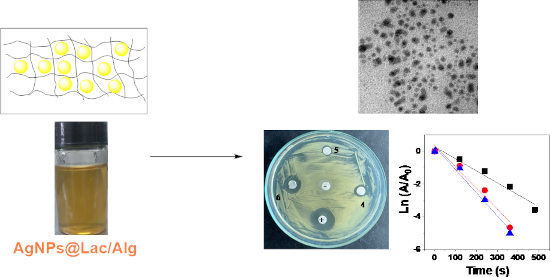
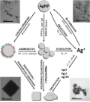
- that disrupts the cross-linking between Ca2+ ions and COO− groups of sugar molecules in the alginate chains, leading to the formation of soluble nanoparticles (Figure 1). To obtain the nanocomposite AgNPs@Lac/Alg, Ag+@Lac/Alg was reduced through a heating process, without the use of additional


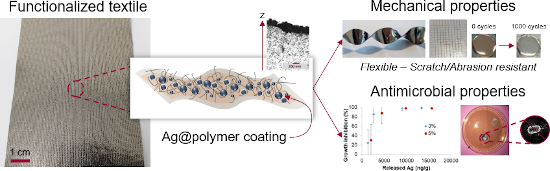
Antimicrobial and mechanical properties of functionalized textile by nanoarchitectured photoinduced Ag@polymer coating
Beilstein J. Nanotechnol. 2023, 14, 95–109, doi:10.3762/bjnano.14.11
- seconds of exposure in the case of the Ag@PEG600DA coating (Figure 2a). As can be seen in Figure 2, AgNP synthesis is much faster in Ag@PEG600DA coatings than in the case of the PEG600DA/PETIA matrix. Indeed, as a diacrylate, PEG600DA offers less cross-linking sites than PETIA, which promotes nanoparticle
- , the use of the PEG600DA/PETIA polymer matrix leads to an increase in rigidity, linked to the trifunctional monomer architecture, which favors polymer chain cross-linking. As such, the Ag@PEG600DA/PETIA coatings are rendered more sensitive to this type of deformation, when pressure is applied to the



Solvent-induced assembly of mono- and divalent silica nanoparticles
Beilstein J. Nanotechnol. 2023, 14, 52–60, doi:10.3762/bjnano.14.6
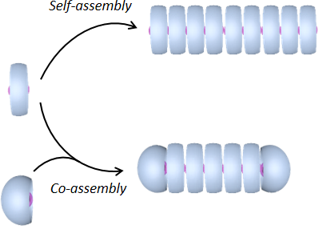
- -assembly ligand photo-cross-linking [26] or by adding monofunctional nanospheres into a suspension of bifunctional gold nanorods [27], it has been shown that the average degree of polymerization of the resulting chains can be controlled. The reduction of solvent quality may also be employed to induce the


Biomimetic chitosan with biocomposite nanomaterials for bone tissue repair and regeneration
Beilstein J. Nanotechnol. 2022, 13, 1051–1067, doi:10.3762/bjnano.13.92
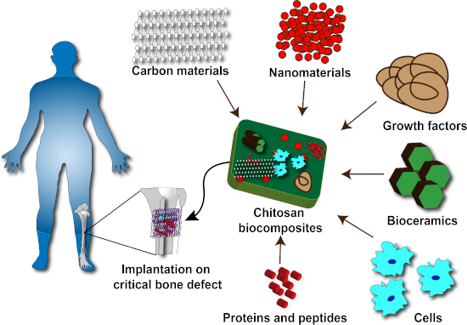
- silsesquioxane, chitosan–nanoSiO2–chondroitin sulphate, chitosan–nanoSiO2–gelatin, and chitosan–bioglass/hydroxyapatite/halloysite nanotubes have remarkable osteogenic characteristics [82][83][84][123]. Chitosan and silica-based microspheres were produced by using sol–gel followed by emulsification and cross
- -linking methods. Next, vancomycin hydrochloride was encapsulated into the microspheres. In vitro biomineralisation tests show apatite formation on the surface of the microspheres. In addition, a sustainable drug release profile was detected. This finding reveals that the produced microspheres have
Solar-light-driven LaFexNi1−xO3 perovskite oxides for photocatalytic Fenton-like reaction to degrade organic pollutants
Beilstein J. Nanotechnol. 2022, 13, 882–895, doi:10.3762/bjnano.13.79
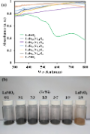
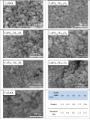
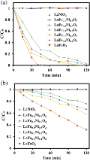
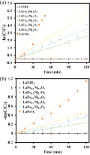
- 0.1/0.9, 0.3/0.7, 0.5/0.5, 0.7/0.3, and 0.9/0.1. Accordingly, the chemical stoichiometric ratios of Fe and Ni were noted as x and 1−x, respectively. Second, 0.1 mol citric acid (C6H8O7) was also dissolved into the mixed solution as the cross-linking agent to gradually form the gel solution with light



Effects of substrate stiffness on the viscoelasticity and migration of prostate cancer cells examined by atomic force microscopy
Beilstein J. Nanotechnol. 2022, 13, 560–569, doi:10.3762/bjnano.13.47
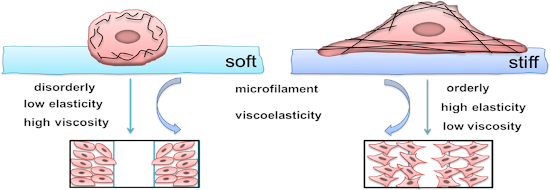
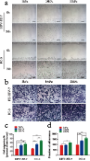
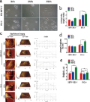
- and disease development. Studies have shown that solid tumorigenesis and metastasis are often accompanied by abnormal ECM cross-linking, remodelling, and increased tissue stiffness [10]. Peng et al. observed that substrate stiffness directly activates integrin β1 and adherent spot kinase, accelerates



Investigation of electron-induced cross-linking of self-assembled monolayers by scanning tunneling microscopy
Beilstein J. Nanotechnol. 2022, 13, 462–471, doi:10.3762/bjnano.13.39
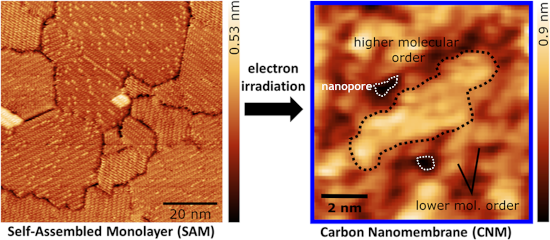
- Abstract Ultrathin membranes with subnanometer pores enabling molecular size-selective separation were generated on surfaces via electron-induced cross-linking of self-assembled monolayers (SAMs). The evolution of p-terphenylthiol (TPT) SAMs on Au(111) surfaces into cross-linked monolayers was observed
- simulations, we propose that these voids may correspond to free volumes inside a cross-linked monolayer. Keywords: carbon nanomembranes; electron-induced cross-linking; scanning tunneling microscopy; self-assembled monolayers; subnanometer pores; Introduction Electron-induced chemistry plays an essential
- between neighboring aromatic molecules. The mechanisms of cross-linking are dependent on the electron energy: below the ionization potential, a two-step resonant dissociative electron attachment (DEA) has been proposed [5][60][61][62]. Based on HREELS data, Amiaud et al. proposed a resonant electron


Bacterial safety study of the production process of hemoglobin-based oxygen carriers
Beilstein J. Nanotechnol. 2022, 13, 114–126, doi:10.3762/bjnano.13.8
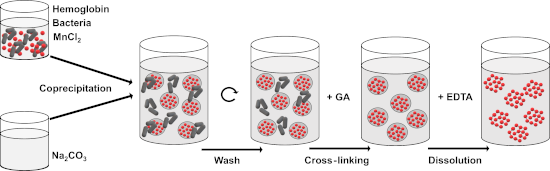
- /bjnano.13.8 Abstract Hemoglobin microparticles (HbMP) produced with a three-step procedure, including coprecipitation of hemoglobin with manganese carbonate, protein cross-linking, and dissolution of the carbonate template were shown to be suitable for application as artificial oxygen carriers. First
- chemically modified, cross-linked, polymerized, or encapsulated by various methods [1][2][3]. We produce biopolymer microparticles as HBOC with the simple coprecipitation–cross-linking–dissolution (CCD) technique while utilizing hemoglobin. Depending on the biopolymer used, there are also various other
- the first step (i.e., coprecipitation) two salt solutions and hemoglobin are mixed. A salt template is created in which hemoglobin is trapped. In the next main step (i.e., cross-linking) the individual hemoglobin molecules are polymerized in the salt template. The third step is dissolution. Dissolving


Comprehensive review on ultrasound-responsive theranostic nanomaterials: mechanisms, structures and medical applications
Beilstein J. Nanotechnol. 2021, 12, 808–862, doi:10.3762/bjnano.12.64


Fate and transformation of silver nanoparticles in different biological conditions
Beilstein J. Nanotechnol. 2021, 12, 665–679, doi:10.3762/bjnano.12.53
- result of other mechanisms, possibly a direct interaction of CYS and PLL or due to a well-established cross-linking property of CYS [50][51]. This effect appeared to be so strong that it counteracted the stabilising power of BSA for PLL-AgNPs in m(CYS+BSA). The DLS results indicated that mGSH did not
- compared to positively charged PLL-AgNPs possibly due to the cross-linking property of CYS. Negatively charged GSH interacted with positively charged PLL-AgNPs leading to their agglomeration, while the GSH complexation power was decreased for PVP- and AOT-coated AgNPs due to unfavourable steric or




A review of defect engineering, ion implantation, and nanofabrication using the helium ion microscope
Beilstein J. Nanotechnol. 2021, 12, 633–664, doi:10.3762/bjnano.12.52
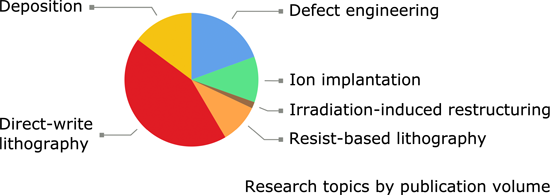
- -induced scission of the polymer chains and subsequent cross-linking and compaction, which can be understood in terms of the dominance of energy losses by electronic scattering in the case of light ions such as helium, compared with the nuclear scattering that dominates energy loss for heavier ions. Yet
- nanoimprint. In another HIBL-related study, helium ion irradiation was used to induce varying degrees of cross-linking of aromatic self-assembled monolayers supported on a gold substrate, followed by removal of the non-cross-linked regions by adhesion to a PMMA film [112]. This leaves the exposed (cross
- -linked) regions behind, presenting an alternative to the conventional methods for carbon nanomembrane production in which cross-linking is induced by electron or UV exposure. Figure 5e shows a carbon nanomembrane from the above reference, fabricated by the HIBL method. Finally


The impact of molecular tumor profiling on the design strategies for targeting myeloid leukemia and EGFR/CD44-positive solid tumors
Beilstein J. Nanotechnol. 2021, 12, 375–401, doi:10.3762/bjnano.12.31
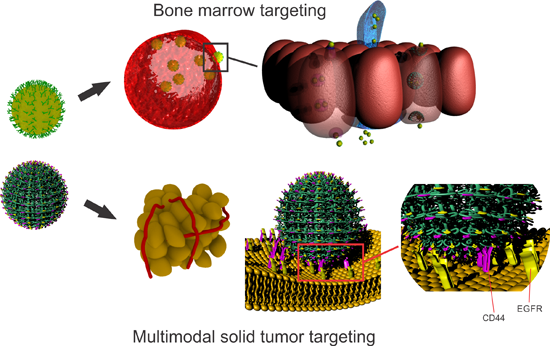
- . Also, in contrast to C225-NPs, free C225 antibody did not induce autophagy in cells [75]. Maya et al. reported the design and evaluation of EGFR-targeted cetuximab–chitosan cross-linked γ-poly(glutamic acid) nanoparticles loaded with docetaxel. The NPs were prepared by cross-linking the NH2 groups of


Exploring the fabrication and transfer mechanism of metallic nanostructures on carbon nanomembranes via focused electron beam induced processing
Beilstein J. Nanotechnol. 2021, 12, 319–329, doi:10.3762/bjnano.12.26
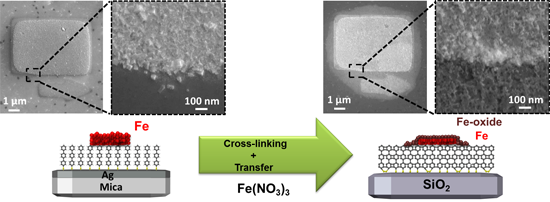
- high purity. Remarkably, the EBISA process exhibits a strong time dependence, which is analyzed in detail for different electron doses. This time dependence is a new phenomenon, which, to the best of our knowledge, was not reported before. The electron-induced cross-linking of the SAM caused by the
- 2D materials used in this approach are ultrathin carbon nanomembranes (CNMs) [21]. CNMs are versatile 2D organic materials with high thermal [22] and mechanical [23] stability that can be produced by electron-induced cross-linking of aromatic self-assembled monolayers (SAMs) [24] and transferred onto
- aromatic molecules, which are chemically bound to a Au or Ag surface via either thiol [26] or carboxylic [28][29] anchor groups. Via FEBIP, the SAM can be functionalized with metallic nanostructures and subsequently be transformed into a CNM by electron-induced cross-linking. Afterwards, the resulting


Scanning transmission helium ion microscopy on carbon nanomembranes
Beilstein J. Nanotechnol. 2021, 12, 222–231, doi:10.3762/bjnano.12.18
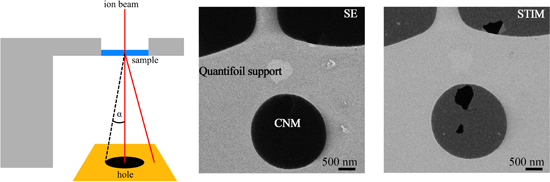
- samples. These membranes are made from aromatic molecules, typically from self-assembled monolayers. Upon electron irradiation, cross-linking of the molecules is induced. A mechanically stable membrane is formed, which can be transferred onto any other substrate, such as TEM grids [22][23]. Since CNMs


Fusion of purple membranes triggered by immobilization on carbon nanomembranes
Beilstein J. Nanotechnol. 2021, 12, 93–101, doi:10.3762/bjnano.12.8
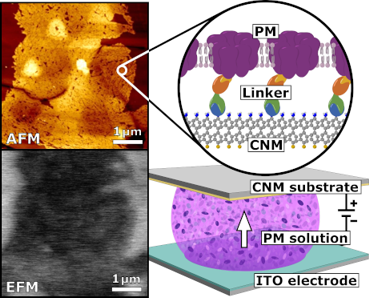
- electron irradiation-induced cross-linking of a self-assembled monolayer (SAM) of 4′-nitro-1,1′-biphenyl-4-thiol (NBPT) and second, purple membrane (PM) containing genetically modified bacteriorhodopsin (BR) carrying a C-terminal His-tag. The NBPT-CNM was further modified to carry nitrilotriacetic acid
- stable freestanding monolayers produced from irradiation-induced cross-linking of self-assembled monolayers (SAMs) [35]. They have a thickness in the range of 1–2 nm and can be made from a variety of carbon precursor molecules [36]. They are well characterized in terms of their permeability [37][38] and
- -thiol in dried and degassed N,N-dimethylformamide (DMF, anhydrous, 99.8%, Sigma-Aldrich) under nitrogen atmosphere in a sealed flask for 72 h, followed by subsequent rinsing with DMF (BioSyn, ≥99.9%, Honeywell) and absolute ethanol. Cross-linking of the SAMs was conducted by exposing the SAM to 100 eV


Out-of-plane surface patterning by subsurface processing of polymer substrates with focused ion beams
Beilstein J. Nanotechnol. 2020, 11, 1693–1703, doi:10.3762/bjnano.11.151
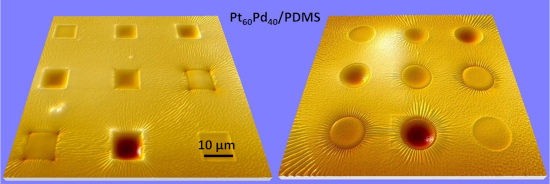
- the PMMA polymer under ion irradiation [5][6][7]. The most important physical and chemical phenomena behind this material modification include scission and cross-linking of polymer chains, which can occur simultaneously, as well as the formation of volatile molecules and their desorption from the
- reduction can be achieved by increasing the ion energy. These results are consistent with previous reports on chain scission, cross-linking, and material compacting under the exposure to different types of electromagnetic and corpuscular radiation [26][27]. Irradiation of PDMS In terms of surface morphology


Structure and electrochemical performance of electrospun-ordered porous carbon/graphene composite nanofibers
Beilstein J. Nanotechnol. 2020, 11, 1280–1290, doi:10.3762/bjnano.11.112
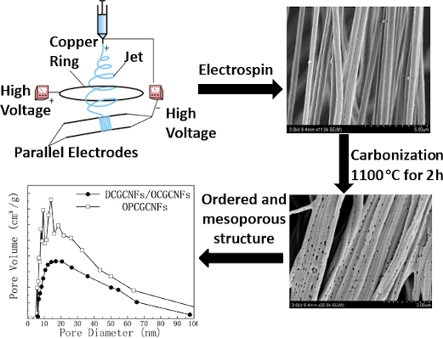
- and DIW and triggered the initiation of cross-linking and cyclization of PAN. Finally, the preoxidation product was further carbonized at 1100 °C for 2 h in a tube furnace (OTF-1200X-II, Hefei Kejing Material Technology Co., Ltd., China) under a N2 atmosphere at a heating rate of 5 °C·min−1
- OPCGCNFs (carbonized OPPGCNFs). Compared with the PGCNFs before carbonization, CGCNFs retained the initial ordering. The pores in the CGCNFs appeared due to the cross-linking and cyclization of PAN during carbonization. In addition, other pores in the OPCGCNFs, in a larger amount and size, were generated


Wet-spinning of magneto-responsive helical chitosan microfibers
Beilstein J. Nanotechnol. 2020, 11, 991–999, doi:10.3762/bjnano.11.83
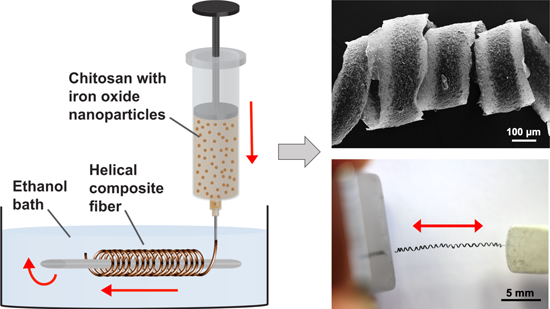
- Young’s modulus values between 3 and 5 GPa. Interestingly, wet-spun fiber blends of chitosan and alginate with a diameter of approximately 100 µm exhibited a Young’s modulus of approximately 0.8 MPa [51]. Besides post-drying, stretching and chemical cross-linking were other factors that changed the


Understanding nanoparticle flow with a new in vitro experimental and computational approach using hydrogel channels
Beilstein J. Nanotechnol. 2020, 11, 296–309, doi:10.3762/bjnano.11.22
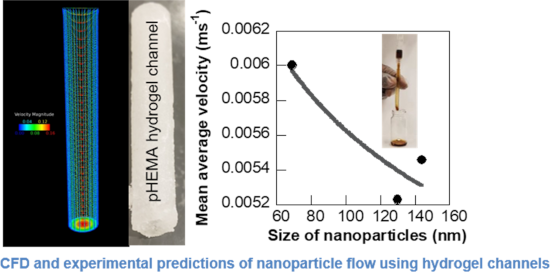
- cross-linking monomer mixture (2-hydroxyethyl methacrylate (HEMA)/1,2-ethanediol dimethacrylate (EGDMA)) under similar reaction conditions. In general, transparency and softness of the gels decreased with increased use of water during the reaction, consistent with other literature reports [40]. Gels
- , 99%), sodium hydroxide (NaOH, Fisher, 99%), hydrochloric acid (HCl, Carolina Biological Supply, 6 M), and deionized water (DI, Fisher) were purchased from Sigma-Aldrich and Fisher and used without further purification. Synthesis of pHEMA hydrogels pHEMA hydrogels were formed via chemical cross
- -linking of two hydrophilic monomers, HEMA and EGDMA in a room temperature synthesis. Six different biocompatible pHEMA hydrogels were synthesized in this study by varying the quantity of DI water used during preparation of the hydrogels, keeping all the other parameters constant. In a typical synthesis


Using gold nanoparticles to detect single-nucleotide polymorphisms: toward liquid biopsy
Beilstein J. Nanotechnol. 2020, 11, 263–284, doi:10.3762/bjnano.11.20
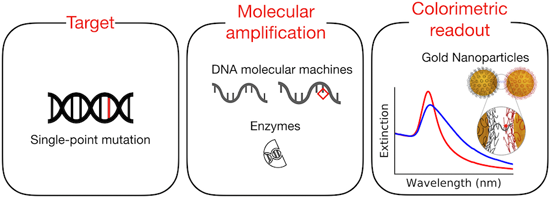
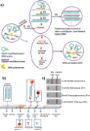
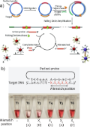
- reaction was initialized by a catalyst (X) binding to the γ domain of S. Thus, releasing a by-product, an intermediate species was produced, which had a single-stranded region complementary to the DNA sequence of the fuel. In the next step, the fuel displaced the catalyst X, resulting in the cross-linking
- genetic mutations that alter single base in DNA, causing sequence modification in amino acids and malfunction of a corresponding protein. Reprinted with permission from [51], copyright 2014 Elsevier. Gold nanoparticle-based colorimetric assays in the colloidal phase. a) Cross-linking hybridization assay




Rational design of block copolymer self-assemblies in photodynamic therapy
Beilstein J. Nanotechnol. 2020, 11, 180–212, doi:10.3762/bjnano.11.15
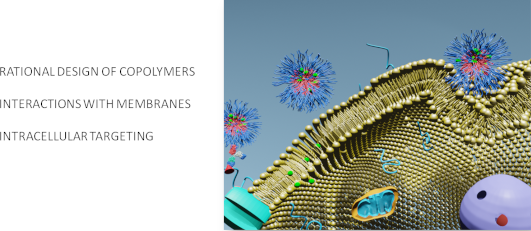
- hydrophobic central block was made of porphyrin molecules linked by disulfide groups; in the intracellular microenvironment the reduction by glutathione could activate the porphyrin molecules for PDT [88]. For self-assembled nanoparticles that are too labile and easily disassemble in vivo, cross-linking with
- frequently suggested solution to avoid any dissociation upon dilution is cross-linking of the vector. For PDT and other therapeutic cases this has been also described [66], showing a strong improvement of the treatment. The PS can be used both as ROS generator and also as cross-linker [101]. Regarding the