Search results
Search for "physiological conditions" in Full Text gives 66 result(s) in Beilstein Journal of Nanotechnology.
Differences in surface chemistry of iron oxide nanoparticles result in different routes of internalization
Beilstein J. Nanotechnol. 2021, 12, 270–281, doi:10.3762/bjnano.12.22
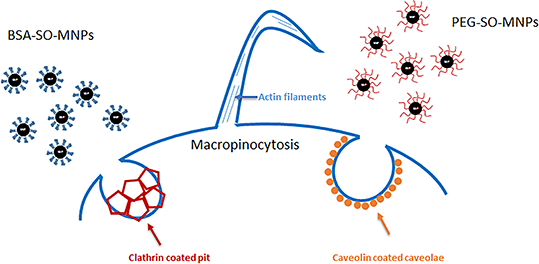
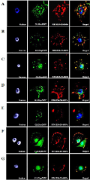
- of CME under different physiological conditions is poorly understood and other studies are required to bridge this gap in our knowledge. Conclusion MNPs coated with bovine serum albumin (BSA-SO-MNPs) and polyethylene glycol (PEG-SO-MNPs), were found to enter the cells by different routes of



Cardiomyocyte uptake mechanism of a hydroxyapatite nanoparticle mediated gene delivery system
Beilstein J. Nanotechnol. 2020, 11, 1685–1692, doi:10.3762/bjnano.11.150
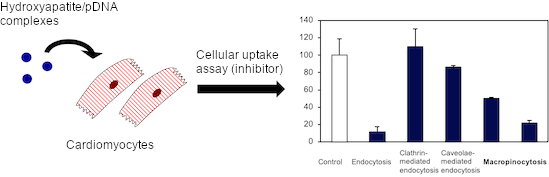
- dose-dependent manner. The amount of 0.75 µg was selected for subsequent cell experiments. The transfection efficiency of the HAp vector in HL-1 cells was three times higher than that of the endothelial cells in our previous study [22]. Endocytic pathway Under physiological conditions, nanoparticles


Transient coating of γ-Fe2O3 nanoparticles with glutamate for its delivery to and removal from brain nerve terminals
Beilstein J. Nanotechnol. 2020, 11, 1381–1393, doi:10.3762/bjnano.11.122
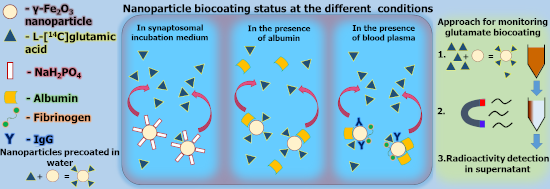
- brain function in a majority of its aspects involves glutamate signaling. The extracellular glutamate level is low between episodes of exocytotic release under normal physiological conditions, thereby preventing continual activation of glutamate receptors and protecting neurons from excitotoxic injury
- [1]. Each synapse presumably has a definite individual glutamate concentration in the synaptic cleft, which varies between 1 and 20 µM under normal physiological conditions depending on the method of measurements [1][2]. Glutamate uptake by the neurons and glial cells via high-affinity plasma


Multilayer capsules made of weak polyelectrolytes: a review on the preparation, functionalization and applications in drug delivery
Beilstein J. Nanotechnol. 2020, 11, 508–532, doi:10.3762/bjnano.11.41
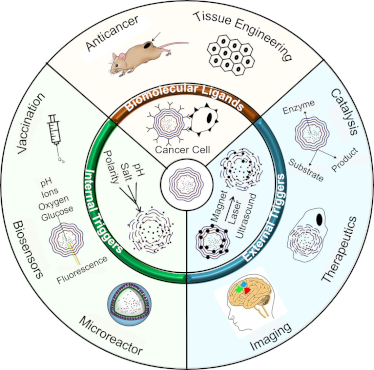
- also been seen in natural biopolymers such as polypeptides, polynucleotides, lipids and polysaccharides as they are biodegradable under common physiological conditions via enzymatic and pH induced degradation [8]. The advantage of LbL-assembled capsules lies in the versatility of interactions (e.g
- lead to the problem of fouling in biological systems and decreased efficiency. Hydrogen bonding Hydrogen bonding can be used with uncharged polymers for the capsule assembly to make it responsive towards stimuli relevant to physiological conditions. The working pH range of the capsule is based on the



Preparation and in vivo evaluation of glyco-gold nanoparticles carrying synthetic mycobacterial hexaarabinofuranoside
Beilstein J. Nanotechnol. 2020, 11, 480–493, doi:10.3762/bjnano.11.39
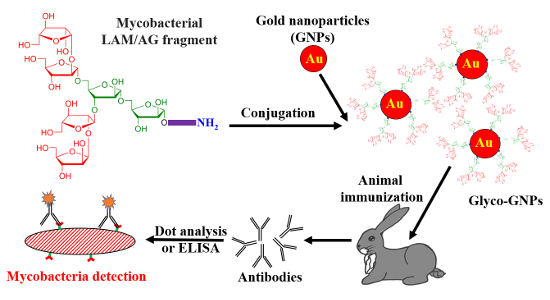
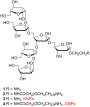
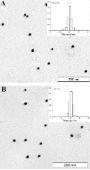
- of the spacers in glycosides 1 and 2 were also expected to affect the stability of the formed Ara6-GNPs 3 and 4. Stability of glyco-GNPs Gold hydrosols are typical lyophobic colloids that are stable only under conditions of low ionic strength. Under physiological conditions, GNPs are


Interactions at the cell membrane and pathways of internalization of nano-sized materials for nanomedicine
Beilstein J. Nanotechnol. 2020, 11, 338–353, doi:10.3762/bjnano.11.25
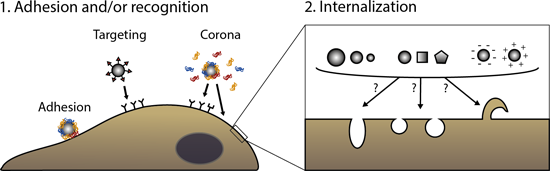
- proteins are instead overexpressed, in order to eventually detect an increase in nanoparticle uptake [17]. Nevertheless, also these methods might lead to artefacts, since the overexpression might induce the activation of a pathway that may not be active under physiological conditions [22][214]. Furthermore


Molecular architectonics of DNA for functional nanoarchitectures
Beilstein J. Nanotechnol. 2020, 11, 124–140, doi:10.3762/bjnano.11.11
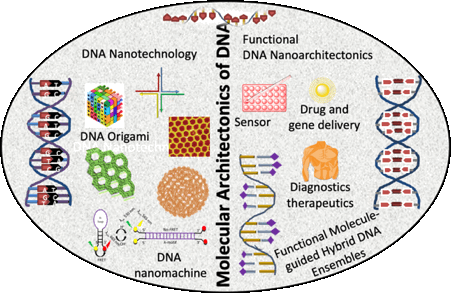
- complementary base pairs. Cy3 and Cy5 dyes acted as donor–acceptor FRET pair systems that were ligated at the 5' and 3' end of the duplex stem structure, respectively. Under normal physiological conditions, the closed hairpin structure of the LMB probe facilitated juxtaposition of the two dyes, followed by


Internalization mechanisms of cell-penetrating peptides
Beilstein J. Nanotechnol. 2020, 11, 101–123, doi:10.3762/bjnano.11.10
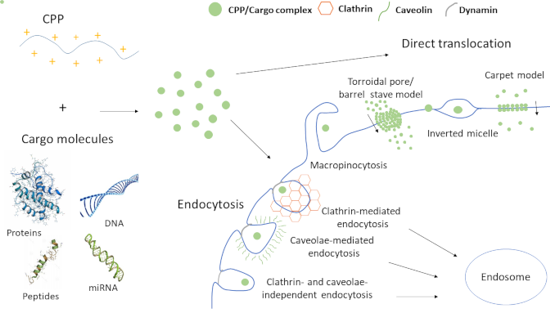
- properties of the peptide and the cargo as well as the concentration applied, in combination with the structural properties of the plasma membrane. As an example, nowadays it is well established that at physiological conditions and low peptide concentration endocytosis prevails, while when a peptide is


The different ways to chitosan/hyaluronic acid nanoparticles: templated vs direct complexation. Influence of particle preparation on morphology, cell uptake and silencing efficiency
Beilstein J. Nanotechnol. 2019, 10, 2594–2608, doi:10.3762/bjnano.10.250
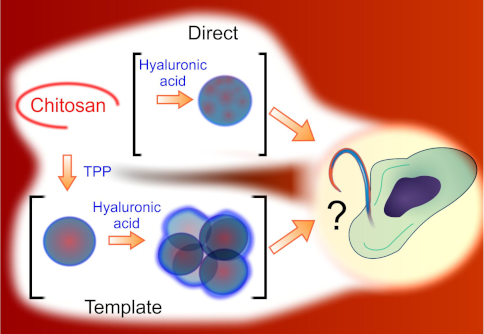
- anions, which effectively act as cross-linkers. Electrostatic complexation allows for very mild preparative processes, carried out in water under mild and almost physiological conditions and without the use of chemical reactions. Additionally, electrostatic interactions may not only be used to hold



Fully amino acid-based hydrogel as potential scaffold for cell culturing and drug delivery
Beilstein J. Nanotechnol. 2019, 10, 2579–2593, doi:10.3762/bjnano.10.249
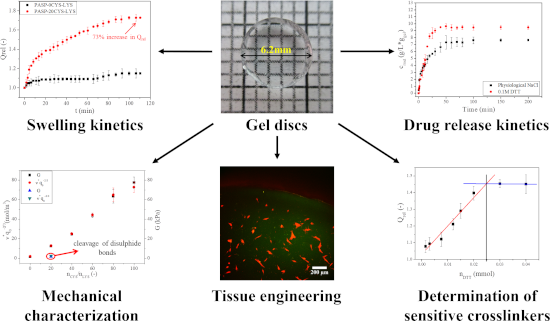
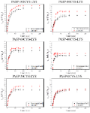
- can happen under physiological conditions or in vitro. In this section, we demonstrate the results of the swelling kinetics in the presence of DTT (Figure 3). Figure 3a and Figure 3b show the changes of the relative volume degree of the swelling (Qrel) of the gels dissolved in 0.1 M DTT at pH 8. The


Nitrogen-vacancy centers in diamond for nanoscale magnetic resonance imaging applications
Beilstein J. Nanotechnol. 2019, 10, 2128–2151, doi:10.3762/bjnano.10.207
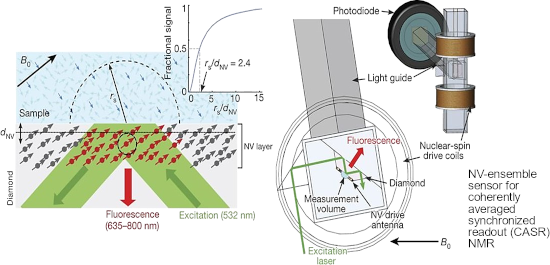
- , which is a traditional and widely used technique for neuronal stimulation. However, due to NDs strains that may affect the dip in the ODMR signal, the accuracy of the mapping is limited. Developing multifunctional sensors is truly relevant for applications under physiological conditions and for


High-tolerance crystalline hydrogels formed from self-assembling cyclic dipeptide
Beilstein J. Nanotechnol. 2019, 10, 1894–1901, doi:10.3762/bjnano.10.184
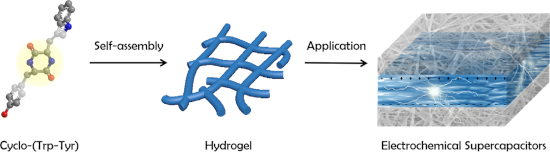
- focused on the amorphous assemblies in organic solvents and ionic liquids [42][43][44][45][46]. Although these CDP gels have good mechanical properties and deceased enzymatic degradation under physiological conditions, they still have some challenging problems such as inflexibility, low biosecurity and


Scavenging of reactive oxygen species by phenolic compound-modified maghemite nanoparticles
Beilstein J. Nanotechnol. 2019, 10, 1073–1088, doi:10.3762/bjnano.10.108
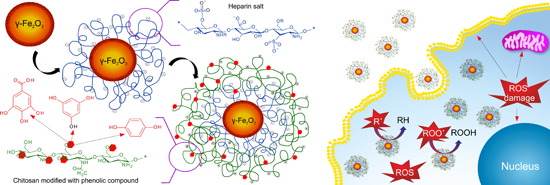
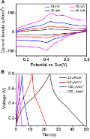
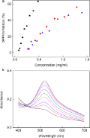
- , targeting tumor sites using an external magnetic field, MRI contrast agents, or magnetic hyperthermia. Under physiological conditions, the nanoparticle surface is exposed to the action of biomolecules, oxygen, peroxides, and radicals, which changes particle properties and behavior. Moreover, Fe2+ ions can





Non-agglomerated silicon–organic nanoparticles and their nanocomplexes with oligonucleotides: synthesis and properties
Beilstein J. Nanotechnol. 2018, 9, 2516–2525, doi:10.3762/bjnano.9.234
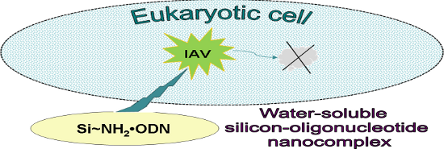
- nanoparticles with a diameter of 20–77 nm can easily penetrate into cellular cytoplasm and nuclei [7]. Polylysine-modified nanoparticles appeared to be nontoxic upon oral administration in mice, which opens the possibility for their wide application [8]. Under physiological conditions, SiO2 nanoparticles are


Enhanced antineoplastic/therapeutic efficacy using 5-fluorouracil-loaded calcium phosphate nanoparticles
Beilstein J. Nanotechnol. 2018, 9, 2499–2515, doi:10.3762/bjnano.9.233
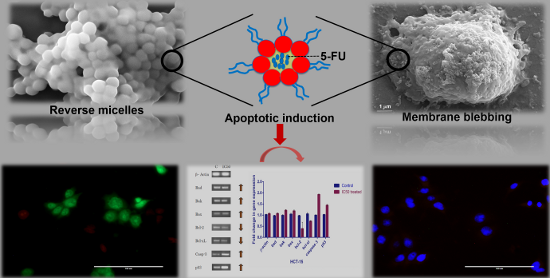
- the rate of 5-FU release from CaP@5-FU NPs, we employed the dialysis bag method. An acidic (in vitro model for the tumour microenvironment) condition correlates with drug release in the acidic tumour regime. On the other hand, physiological conditions at pH 7.4 represent the healthy cell environment
- equation for 5-FU in release medium, were used for the estimation of the amount of drug released from the nanoparticles. The entire drug release study was carried out at 37 °C in order to mimic physiological conditions. The experiments were conducted in triplicate (n = 3) and the data presented as the mean


Nanocomposites comprised of homogeneously dispersed magnetic iron-oxide nanoparticles and poly(methyl methacrylate)
Beilstein J. Nanotechnol. 2018, 9, 1613–1622, doi:10.3762/bjnano.9.153
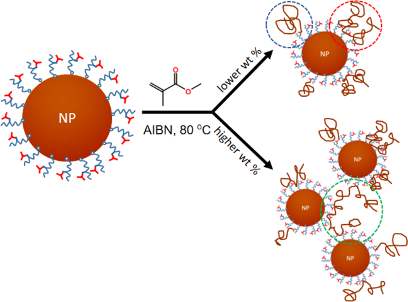
- neighboring nanoparticles. Leaching of the Fe cations from the nanocomposites under physiological conditions can limit their use. We tested the dissolution of NPs from the nanocomposite under much harsher conditions (see Supporting Information File 1). For comparison, we performed experiments on samples NP-RA


Enzymatically promoted release of organic molecules linked to magnetic nanoparticles
Beilstein J. Nanotechnol. 2018, 9, 986–999, doi:10.3762/bjnano.9.92
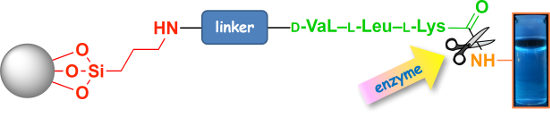
- appropriate spacer is not inserted. Moreover, the linker must be designed in order to be suitably attached to both the drug and the nanoparticle, and the chemistry used must be compatible with the nanoparticle. Finally, the linker must be stable under physiological conditions, avoiding unwanted release of the




Luminescent supramolecular hydrogels from a tripeptide and nitrogen-doped carbon nanodots
Beilstein J. Nanotechnol. 2017, 8, 1553–1562, doi:10.3762/bjnano.8.157
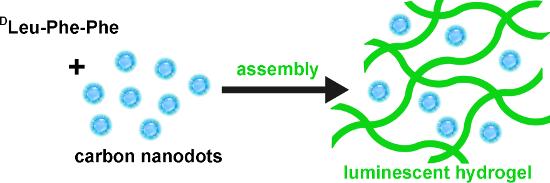
- are formed from unprotected D,L-tripeptides bearing the Phe-Phe motif and nitrogen-doped carbon nanodots (NCNDs) are promising materials for biological use. In this work, they were combined to obtain luminescent, supramolecular hydrogels at physiological conditions. The self-assembly of a tripeptide
- water [24]. In 2012, the first systems of uncapped tripeptides were reported to self-assemble into nanostructured hydrogels at physiological conditions and without the need for organic solvents. These tripeptides were heterochiral, that is, composed of both D- and L-amino acids, and they formed
- systems for the two instruments. Conclusion For the first time we reported herein two convenient protocols for the rapid preparation of luminescent supramolecular hydrogels formed by a tripeptide in the presence of NCNDs at physiological conditions. It was shown that relative amounts of peptide and NCNDs


Calcium fluoride based multifunctional nanoparticles for multimodal imaging
Beilstein J. Nanotechnol. 2017, 8, 1484–1493, doi:10.3762/bjnano.8.148
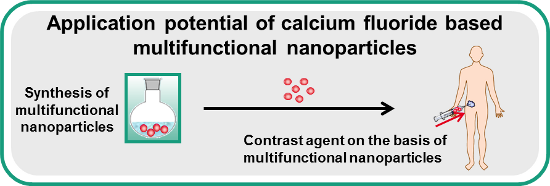
- without appropriate surface modification have a disposition to agglomerate and sediment subsequently under physiological conditions because of their pH value and salt content [39][40][41]. One crucial requirement for the application of NPs in cell-culture experiments or animal testing is the stabilization


Influence of ambient humidity on the attachment ability of ladybird beetles (Coccinella septempunctata)
Beilstein J. Nanotechnol. 2016, 7, 1322–1329, doi:10.3762/bjnano.7.123
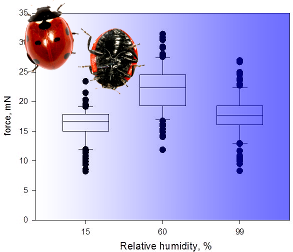
- Experiment 1. To exclude an influence of physiological conditions of individual animals on different experimental days, a second run was executed. In this run, 9 beetles (3 females and 6 males) were tested. Individual beetles were tested on one day at all three levels of relative humidity in a randomized


Single-molecule mechanics of protein-labelled DNA handles
Beilstein J. Nanotechnol. 2016, 7, 138–148, doi:10.3762/bjnano.7.16
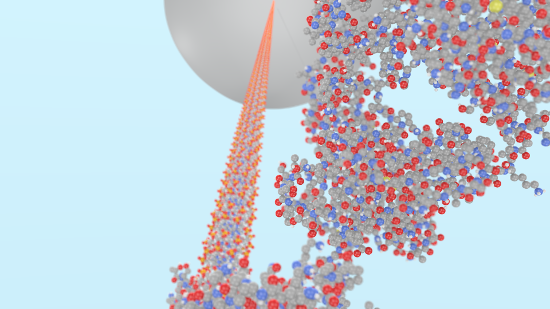
- end-modifications are readily and reliably synthesized en masse, enabling force spectroscopic measurements with well-defined and long-lasting mechanical characteristics under physiological conditions over a large range of applied forces. Although these chemically tagged DNA handles are widely used
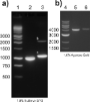
- under varying physiological conditions are lacking in literature. Here, optical tweezers are used to investigate different protein-labelled DNA handles in a microfluidic environment under different physiological conditions. Digoxigenin (DIG)-dsDNA-biotin handles of varying sizes (1000, 3034 and 4056 bp



Green and energy-efficient methods for the production of metallic nanoparticles
Beilstein J. Nanotechnol. 2015, 6, 2354–2376, doi:10.3762/bjnano.6.243
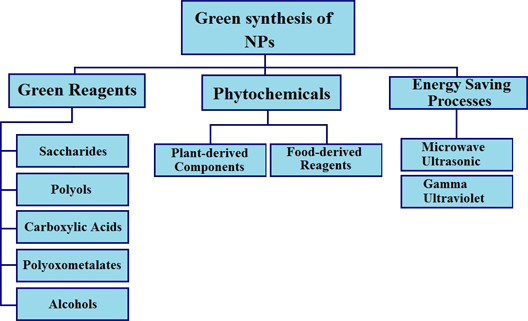
- physiological conditions, though the particles size distribution for heparin was narrower (7 nm for Ag and 10 nm for Au) than that of hyaluronan (5–30 nm for both Au and Ag NPs) since diaminopyridine group in heparin formed stronger bonds with NPs. According to their study, Au– and Ag–heparin NPs show


Synthesis, characterization and in vitro biocompatibility study of Au/TMC/Fe3O4 nanocomposites as a promising, nontoxic system for biomedical applications
Beilstein J. Nanotechnol. 2015, 6, 1677–1689, doi:10.3762/bjnano.6.170
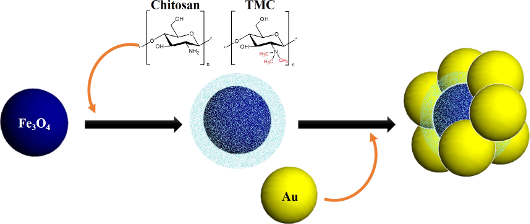
- important that the Fe3O4 nanoparticles are stable under physiological conditions that are necessary for biomedical applications, it is crucial to use controllable synthesis conditions in order to obtain monodisperse, uniform nanoparticles with desired properties [18]. Despite their low toxicity, fine
- . The nanoparticle diameters as evaluated by XRD and DLS analysis are summarized in Table 1. The study of the surface properties of nanoparticles, especially their surface charge in different physicochemical and physiological conditions, is important to understanding their interactions with other




Atomic force microscopy as analytical tool to study physico-mechanical properties of intestinal cells
Beilstein J. Nanotechnol. 2015, 6, 1457–1466, doi:10.3762/bjnano.6.151
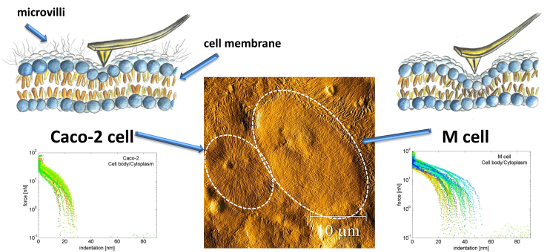
- . Although ESEM presents some additional beneficial features, considerable disadvantages including a high signal-to-noise ratio and/or limited resolution may arise [35]. In contrast, AFM allows high resolution (topographical) imaging of cells under (semi)hydrated, unfixed physiological conditions. Hence
- . However, it has to be added that AFM measurements performed under semi-dried conditions also show limitations, since physiological conditions are not fully reflected but are likely to change the interface between the gut lumen and the brush boarder membrane. Intestinal mucus, for instance, is continuously


Protein corona – from molecular adsorption to physiological complexity
Beilstein J. Nanotechnol. 2015, 6, 857–873, doi:10.3762/bjnano.6.88
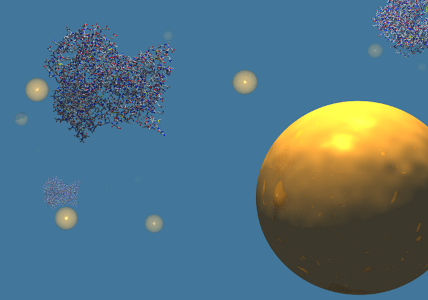
- involvement of Coulomb-type interactions between NPs and charged patches on the protein surface. Moreover, we discuss novel aspects related to the complexity of the protein corona forming under physiological conditions in full serum. Specifically, we address the relation between particle size and corona
- . Focusing on the NP, ligand exchange under physiological conditions is an important point. Many ligands can easily be replaced on NP surfaces in equilibrium exchange-reactions [13]. Such approaches are frequently utilized in NP synthesis, in which specific ligands are often needed to synthesize NPs with
- desired properties, but are subsequently replaced by other ligands, e.g., to alter the solubility or avoid adverse effects related to toxic ligands [13][14][15][16]. Protein adsorption can well lead to the exchange of small monomer-type ligands on NP surfaces under physiological conditions while other