


Search results
Search for "polypropylene" in Full Text gives 63 result(s) in Beilstein Journal of Nanotechnology.
Advanced hybrid nanomaterials
Beilstein J. Nanotechnol. 2019, 10, 2563–2567, doi:10.3762/bjnano.10.247

- as functionalized films with high dielectric constant, or, in the case of optical applications, this consists also in embedding different types of nanoparticles. In the first example, “Co-intercalated layered double hydroxides as thermal and photo-oxidation stabilizers for polypropylene”, the
- concomitant intercalation of both a thermal and a photo-oxidation stabilizer endows polypropylene with remarkable resistance against thermal degradation and photo-oxidation [25]. In the same vein, the protection of the polymer using organo-modified LDH was addressed in “Outstanding chain-extension effect and
Design of a nanostructured mucoadhesive system containing curcumin for buccal application: from physicochemical to biological aspects
Beilstein J. Nanotechnol. 2019, 10, 2304–2328, doi:10.3762/bjnano.10.222
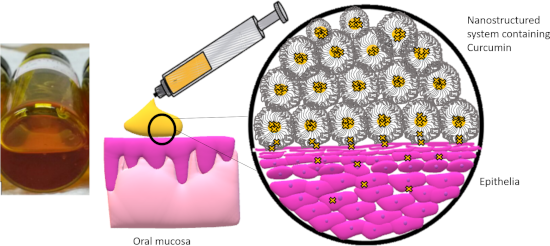
- characteristics beneficial for pharmaceutical and biomedical use [1]. P407 is a non-ionic block copolymer with polypropylene oxide (PPO) and polyethylene oxide (PEO) segments, which can display thermoresponsive properties forming nanometer-sized micelles, hydrogels and lyotropic liquid crystals [2][3]. The


A novel all-fiber-based LiFePO4/Li4Ti5O12 battery with self-standing nanofiber membrane electrodes
Beilstein J. Nanotechnol. 2019, 10, 2229–2237, doi:10.3762/bjnano.10.215
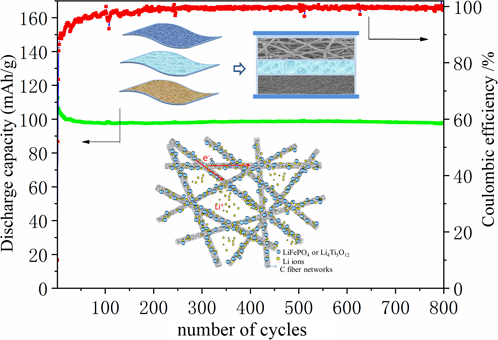
- assembled in an Ar-filled glovebox by using lithium foil as anode and 1 M LiPF6 electrolyte (ethylene carbonate/dimethyl carbonate/ethyl methyl carbonate = 1:1:1). A Celgard 2400 polypropylene membrane was used as separator. The cyclic voltammetry and electrochemical impedance spectroscopy measurements were


Upcycling of polyurethane waste by mechanochemistry: synthesis of N-doped porous carbon materials for supercapacitor applications
Beilstein J. Nanotechnol. 2019, 10, 1618–1627, doi:10.3762/bjnano.10.157
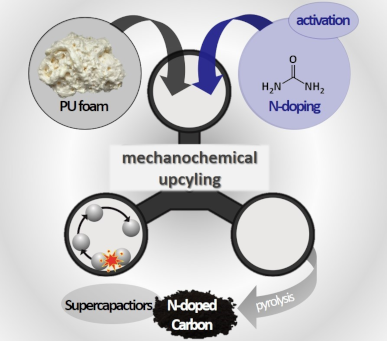
- polyethylene (PE), polypropylene (PP), polyurethane (PU), disposable bottles such as polyethylene terephthalate (PET) and construction materials such as polyvinyl chloride (PVC) and PU. At the same time, more than 300 million tons of new plastic materials are produced every year, with an increasing tendency [3


Porous N- and S-doped carbon–carbon composite electrodes by soft-templating for redox flow batteries
Beilstein J. Nanotechnol. 2019, 10, 1131–1139, doi:10.3762/bjnano.10.113
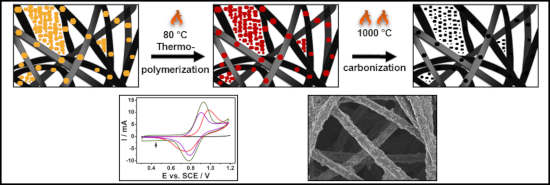
- approach was utilized, following the synthesis route of Martinez de Yuso and co-workers [23]. Phloroglucinol (1,3,5-benzenetriol, C6H6O3; 0.219 g) as carbon source and Pluronic® F-127 ((polyethylene oxide)-(polypropylene oxide)-(polyethylene oxide); 0.437 g) were dissolved in ethanol (40 mL), which was



Rapid, ultraviolet-induced, reversibly switchable wettability of superhydrophobic/superhydrophilic surfaces
Beilstein J. Nanotechnol. 2019, 10, 866–873, doi:10.3762/bjnano.10.87
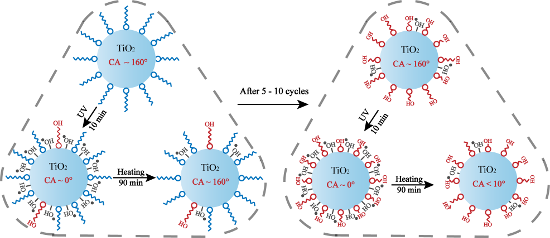
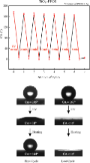
- . [22] modified TiO2 with 7-[4-(trifluoromethoxyphenylazo)phenoxy]pentanoic acid (CF3AZO) which could reversibly switch between hydrophobic (≈145°) and hydrophilic (≈24°) under UV illumination for about 13 h. Chagas et al. [23] fabricated surfaces that were reversibly wettable by dipping polypropylene



An efficient electrode material for high performance solid-state hybrid supercapacitors based on a Cu/CuO/porous carbon nanofiber/TiO2 hybrid composite
Beilstein J. Nanotechnol. 2019, 10, 781–793, doi:10.3762/bjnano.10.78
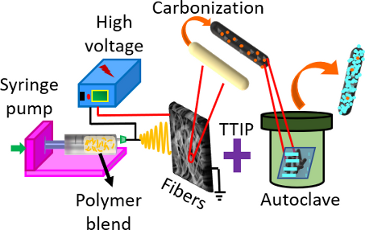
- . For the two-electrode configuration, a symmetric solid-state hybrid supercapacitor (SSHSC) was fabricated using the Cu/CuO/PCNF/TiO2 composite as an active electrode material coated on a carbon cloth (2 × 2 cm2), PVA/H2SO4 polymer gel electrolyte, separator of polypropylene sheet. The preparation of


Ultrathin hydrophobic films based on the metal organic framework UiO-66-COOH(Zr)
Beilstein J. Nanotechnol. 2019, 10, 654–665, doi:10.3762/bjnano.10.65
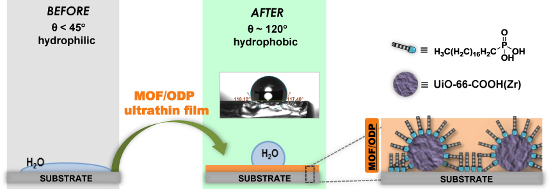
- 100 µm-thick. Ghosh et al. [46] synthesized cross-linked structures formed by the fluorinated UHMOF-100 and the polymer PDMS that were coated onto polypropylene (PP) fabric by a spray coating technique (thickness of the coating not specified). Maji et al. [47] synthesized the three-dimensional


A comparison of tarsal morphology and traction force in the two burying beetles Nicrophorus nepalensis and Nicrophorus vespilloides (Coleoptera, Silphidae)
Beilstein J. Nanotechnol. 2019, 10, 47–61, doi:10.3762/bjnano.10.5
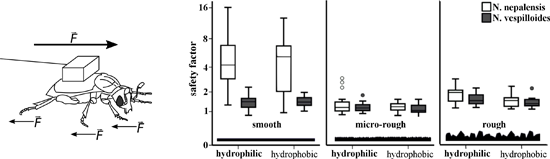
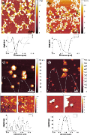
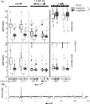
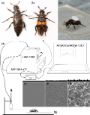
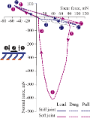
- (pull) sliding directions. One day prior to the experiments, adult N. nepalensis and N. vespilloides beetles were individually kept in clean polypropylene beakers on blotting paper moistened with demineralized water. This tissue was exchanged with a new one 30 min before the start of the experiment. The



Co-intercalated layered double hydroxides as thermal and photo-oxidation stabilizers for polypropylene
Beilstein J. Nanotechnol. 2018, 9, 2980–2988, doi:10.3762/bjnano.9.277
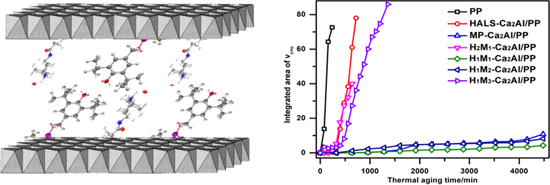
- successively dispersed in polypropylene to form HnMn′-Ca2Al/PP composite films (with H = HALS and M = MP) through a solvent casting method. The corresponding crystalline structure, chemical composition, morphology as well as the resistance against thermal aging and photo-oxidation are carefully investigated by
- -oxidation stability; polypropylene; thermal stability; Introduction Hindered phenols and hindered amines, containing the functional groups 2,6-di-tert-butylphenol and 2,2,6,6-tetramethylpiperidine, respectively, are widely used as functional additives in polymers to prolong the service life [1][2][3
- . Polypropylene (PP) protected with the prepared MP-Ca2Al-LDH exhibited enhanced thermal stability and anti-migration behavior in comparison with MP-Ca/PP composites. Lately, some studies have demonstrated much better performance of multi-component intercalation compounds compared to the corresponding single


Layered calcium phenylphosphonate: a hybrid material for a new generation of nanofillers
Beilstein J. Nanotechnol. 2018, 9, 2906–2915, doi:10.3762/bjnano.9.269
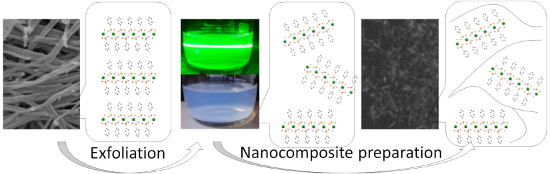
- minutes. Then the free films were prepared on polypropylene plates using a 150 µm gap applicator. The films were cured for one day at a room temperature and then for 1 h at 40 °C, 4 hours at 60 °C and finally 20 h at 80 °C. The cured films were collected from the supporting plates with the help of a razor


The effect of flexible joint-like elements on the adhesive performance of nature-inspired bent mushroom-like fibers
Beilstein J. Nanotechnol. 2018, 9, 2893–2905, doi:10.3762/bjnano.9.268
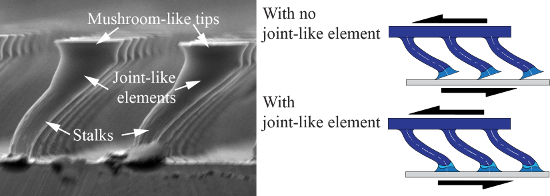
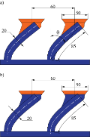
- . Finally, the wet tip fiber array is placed on a polypropylene (PP) substrate to conform the mushroom-like tips, Figure 12e and Figure 12f. Although other materials can be used for the substrate, PP has shown to produce the appropriate shape for the mushroom-like tips. Figure 13 includes the SEM images of
- layer of soft polyurethane. b) After curing from the first dipping step, the fibers are dipped again in a layer of the same polyurethane. c) After curing from the second dipping step, the fibers are dipped into the material that will be used to conform the tips. d) A polypropylene (PP) substrate is used






High-throughput micro-nanostructuring by microdroplet inkjet printing
Beilstein J. Nanotechnol. 2018, 9, 2372–2380, doi:10.3762/bjnano.9.222
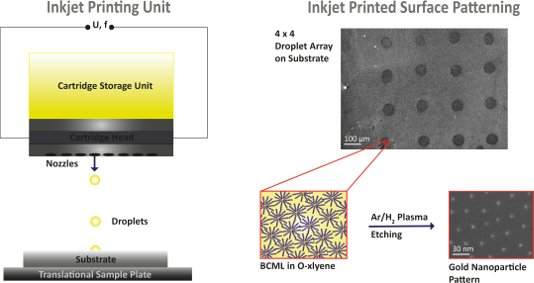
- micelle solution. Here, the same micelle solution was used as for spin-coating the control sample. The inkjet printer employed a disposable cartridge (DMC-11600), which was made of chemically resistant epoxy, polypropylene, silicone and silicon dioxide. The cartridge was composed of two main components: a
- jetting and a storage unit. 4 mL micelle solution were filled into the polypropylene bag in the printer storage unit with the help of a syringe. Then, the two units were combined. Regular cleaning cycles were run before, during and after the printing process on a cleaning pad to maintain and improve the


Preparation of micro/nanopatterned gelatins crosslinked with genipin for biocompatible dental implants
Beilstein J. Nanotechnol. 2018, 9, 1735–1754, doi:10.3762/bjnano.9.165
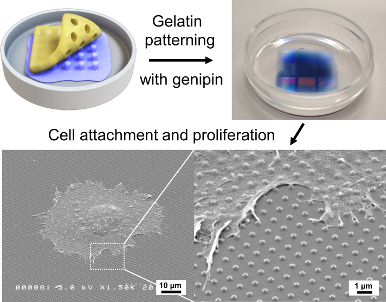
- for cell proliferation on patterned surfaces. The type of surface material used to create the surface patterns is also an important factor in the proliferation of Saos-2 cells. Saos-2 cell proliferation on polypropylene pillars with a diameter of 20 µm has been reported to be increased compared to








Nitrogen-doped carbon nanotubes coated with zinc oxide nanoparticles as sulfur encapsulator for high-performance lithium/sulfur batteries
Beilstein J. Nanotechnol. 2018, 9, 1677–1685, doi:10.3762/bjnano.9.159
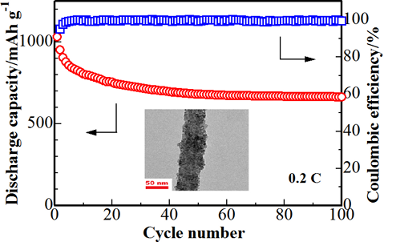
- wt % polyvinylidene fluoride (PVDF) in N-methyl-2-pyrrolidone (NMP). The resulting homogeneous slurry was coated on nickel foam and subsequently dried at 75 °C overnight. Metallic lithium foil served as a counter and reference electrode, and micro-porous polypropylene film (Cellgard 2300) was used as


Comparative study of antibacterial properties of polystyrene films with TiOx and Cu nanoparticles fabricated using cluster beam technique
Beilstein J. Nanotechnol. 2018, 9, 861–869, doi:10.3762/bjnano.9.80
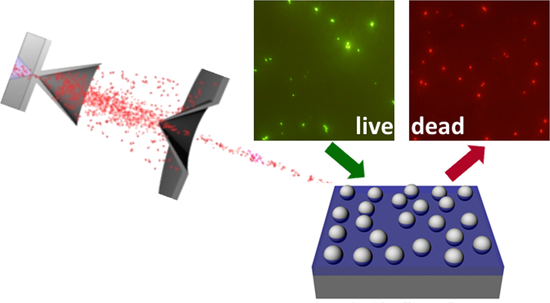
- NPs are mixed into the medium volume, like Cu NPs embedded in polypropylene films [20], the activation requires a twice longer time. However, the efficiency in killing the bacteria was higher in that case. Unfortunately, we are not able to compare the reusability of our PS films with Cu NPs with those




A robust AFM-based method for locally measuring the elasticity of samples
Beilstein J. Nanotechnol. 2018, 9, 1–10, doi:10.3762/bjnano.9.1
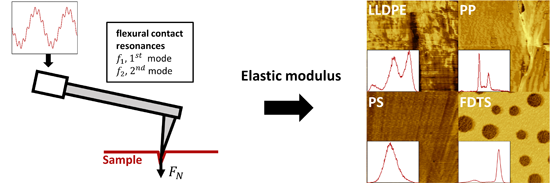
- relation exists when measuring in contact mode with a certain load FN and propose a new method for determining the elastic modulus of samples from this relation. The measurements were performed in non-dry air at ambient temperature on three different polymers (polystyrene, polypropylene and linear low
- first flexural modes of the cantilever in contact were excited with the amplitudes A1 = 22 mV and A2 = 5 mV for all samples. Samples and measurement conditions Three different polymers (polystyrene (PS), polypropylene (PP) and linear low-density polyethylene (LLDPE)) and a self-assembled monolayer (SAM


One-step chemical vapor deposition synthesis and supercapacitor performance of nitrogen-doped porous carbon–carbon nanotube hybrids
Beilstein J. Nanotechnol. 2017, 8, 2669–2679, doi:10.3762/bjnano.8.267
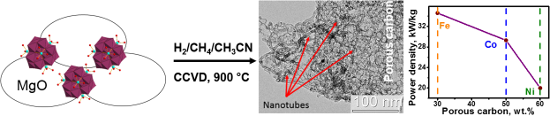
- and the current collector for the working electrode. The working and counter electrodes were separated by a nonwoven 20 μm thick polypropylene cloth, which was impregnated with an excess of 1 M H2SO4 electrolyte. Cyclic voltammetry (CV) curves were recorded on a Elins P–30s potentiostat. The potential


Freestanding graphene/MnO2 cathodes for Li-ion batteries
Beilstein J. Nanotechnol. 2017, 8, 1932–1938, doi:10.3762/bjnano.8.193
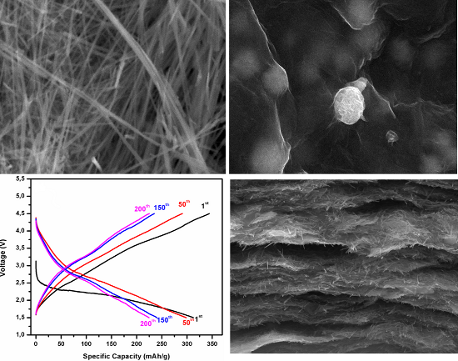
- carbonate (EC) and dimethyl carbonate (DMC) (EC/DMC, 1:1 v/v), which was used as the electrolyte. In order to separate the electrodes, a microporous polypropylene membrane was used. Electrochemical tests of the cathodes were implemented between 1.5 and 4.5 V at a constant current density of 0.1 mA cm−2. The


First examples of organosilica-based ionogels: synthesis and electrochemical behavior
Beilstein J. Nanotechnol. 2017, 8, 736–751, doi:10.3762/bjnano.8.77
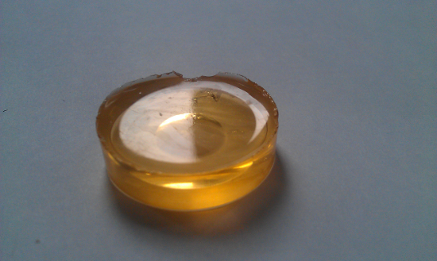
- initial mixing. After mixing, the mixture was allowed to warm to room temperature. Subsequently, water was added. After vigorous shaking, the clear solution was poured into a polypropylene mold, sealed with a septum, and covered with parafilm. After 5 min gelation occurred but all samples were allowed 24








Carbon nanotube-wrapped Fe2O3 anode with improved performance for lithium-ion batteries
Beilstein J. Nanotechnol. 2017, 8, 649–656, doi:10.3762/bjnano.8.69
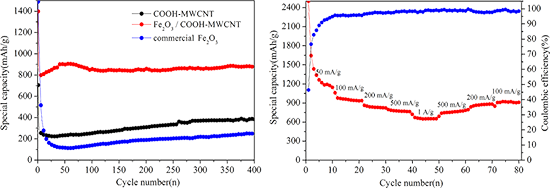
- polypropylene film. Electrolyte was prepared by dissolving 1 M lithium hexafluorophosphate (LiPF6) in a mixed solution of fluoroethylene carbonate/ethyl methyl carbonate/dimethyl carbonate (FEC/EMC/DMC, 1:1:1 by volume). Coin cells (2032 type) were assembled inside an argon filled glove box with a moisture and


Intercalation and structural aspects of macroRAFT agents into MgAl layered double hydroxides
Beilstein J. Nanotechnol. 2016, 7, 2000–2012, doi:10.3762/bjnano.7.191
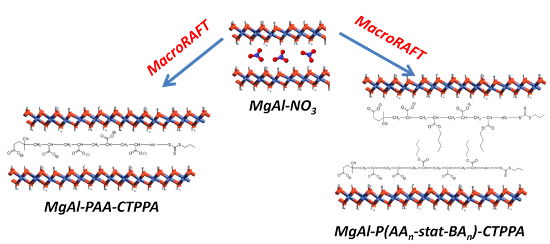
- fabricating polymer nanocomposites [20][21][22][23]. To favor the dispersion of LDH platelets into polymers, hybrid surfactant (usually dodecyl sulphate)-intercalated LDH were prepared and incorporated into polymer matrices such as polyethylene [24], polypropylene [25], poly(methyl methacrylate) [26


Effect of nanostructured carbon coatings on the electrochemical performance of Li1.4Ni0.5Mn0.5O2+x-based cathode materials
Beilstein J. Nanotechnol. 2016, 7, 1960–1970, doi:10.3762/bjnano.7.187
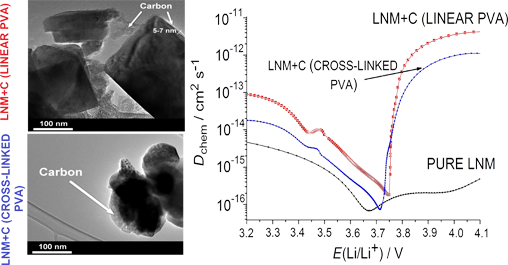
- stainless steel net (0.05 mm thick). After pressing, the electrodes were dried in vacuum (0.5–1.0 mbar) at 120 °C for 8 h. The active electrode, counter electrode (Li) and reference electrode (Li) were placed in a hermetic Teflon cell using a porous polypropylene separator. 1 M LiPF6 solution in ethylene



Prediction of the mechanical properties of zeolite pellets for aerospace molecular decontamination applications
Beilstein J. Nanotechnol. 2016, 7, 1761–1771, doi:10.3762/bjnano.7.169
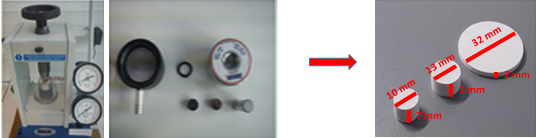
- protocol described below. The gel preparation and hydrothermal synthesis were performed using a polypropylene bottle. First, 1.5 g of hydrofluoric acid (Sigma-Aldrich, 40% in water) was poured on 11 g of tetraethylammonium hydroxide (Sigma-Aldrich, 40% in water) used as structure-directing agent. 0.12 g of


Numerical investigation of depth profiling capabilities of helium and neon ions in ion microscopy
Beilstein J. Nanotechnol. 2016, 7, 1749–1760, doi:10.3762/bjnano.7.168
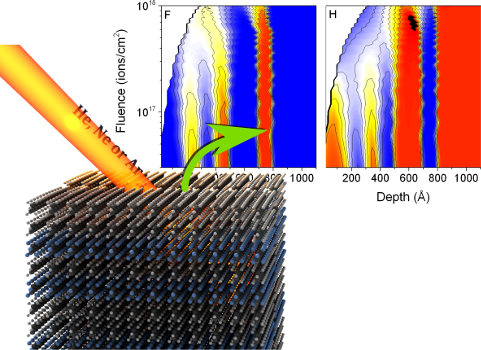
- initial polymer structure and the implanted species. For C4+ and O4+ irradiation of poly(etheretherketone) (PEEK), polypropylene (PP), polyethyleneterephthalate (PET), and PC, PP has the lowest resistance to irradiation damage while the most important compositional changes occur in PC [6]. For sensors, B





