


Search results
Search for "targeted delivery" in Full Text gives 66 result(s) in Beilstein Journal of Nanotechnology.
Unveiling the potential of alginate-based nanomaterials in sensing technology and smart delivery applications
Beilstein J. Nanotechnol. 2024, 15, 1077–1104, doi:10.3762/bjnano.15.88
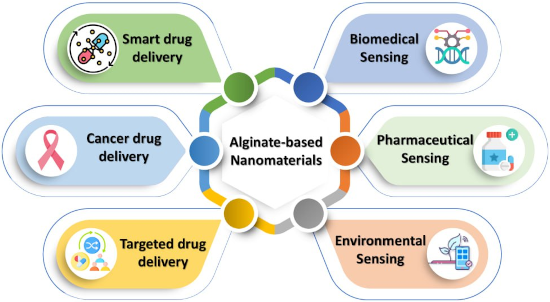
- nanoparticles, the delivery system can specifically target the diseased tissue, ensuring that the highest concentration of the drug reaches the desired location while minimizing systemic exposure. This targeted delivery leads to enhanced therapeutic outcomes and reduced side effects [49]. Another advantage of


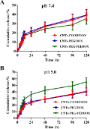
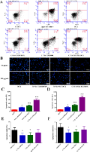
Therapeutic effect of F127-folate@PLGA/CHL/IR780 nanoparticles on folate receptor-expressing cancer cells
Beilstein J. Nanotechnol. 2024, 15, 954–964, doi:10.3762/bjnano.15.78
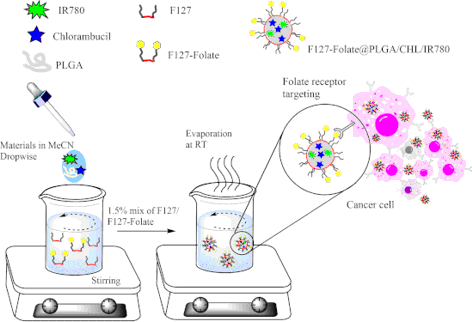
- therapeutic and diagnostic capabilities, have gained significant interest in drug research because of to their potential advantages. This study reports the development of a novel multifunctional nanoparticle carrier system based on poly(ᴅ,ʟ-lactic-co-glycolic acid) (PLGA) for the targeted delivery of the
- chemotherapeutic agent chlorambucil (CHL) and the imaging agent IR780. The approach in this study incorporates Pluronic F127-folate onto the PLGA nanoparticles, which enables targeted delivery to folate receptor-expressing cancer cells. The F127-folate@PLGA/CHL/IR780 nanoparticles were formulated using a



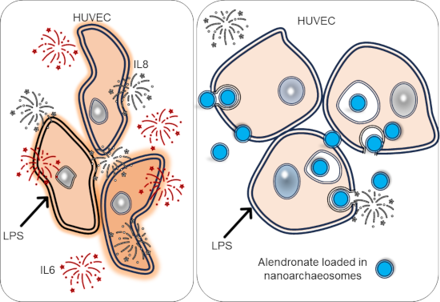
Cholesterol nanoarchaeosomes for alendronate targeted delivery as an anti-endothelial dysfunction agent
Beilstein J. Nanotechnol. 2024, 15, 517–534, doi:10.3762/bjnano.15.46





Fabrication of nanocrystal forms of ᴅ-cycloserine and their application for transdermal and enteric drug delivery systems
Beilstein J. Nanotechnol. 2024, 15, 465–474, doi:10.3762/bjnano.15.42
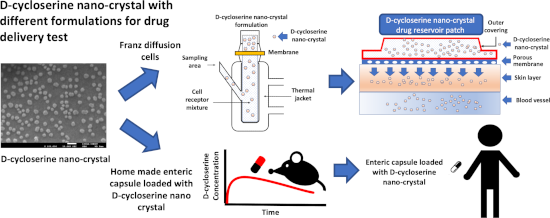
- , matrix, and microneedle systems [24][25][26]. In addition, enteric-coated solid dosage forms for oral administration have shown significant improvement in providing better absorption and targeted delivery [27][28]. In this study, due to high water solubility of DCS (Log P = −1.72) and difficulty to
- hydrolyzed and decomposed into hydroxylamine and ᴅ-serine [17]. Thus, controlling the pH of the formulation is essential for obtaining a stable product. Therefore, an enteric formulation was warranted for DCS nanocrystals in order to achieve targeted delivery and improved bioavailability. In vitro


Nanomedicines against Chagas disease: a critical review
Beilstein J. Nanotechnol. 2024, 15, 333–349, doi:10.3762/bjnano.15.30
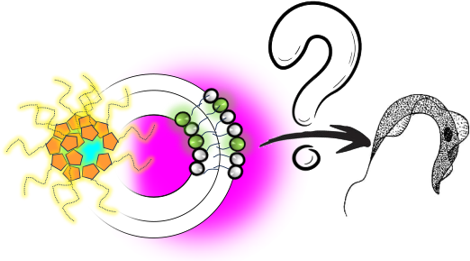
- insufficient incentives if the expected pricing is low [145]. In this scenario, it can be predicted that de novo development of nanomedicines exclusively aimed at increasing bioavailability, reducing toxicity, or for targeted delivery of drugs such as the relatively well-known BNZ is not an impossible, but an

Vinorelbine-loaded multifunctional magnetic nanoparticles as anticancer drug delivery systems: synthesis, characterization, and in vitro release study
Beilstein J. Nanotechnol. 2024, 15, 256–269, doi:10.3762/bjnano.15.24
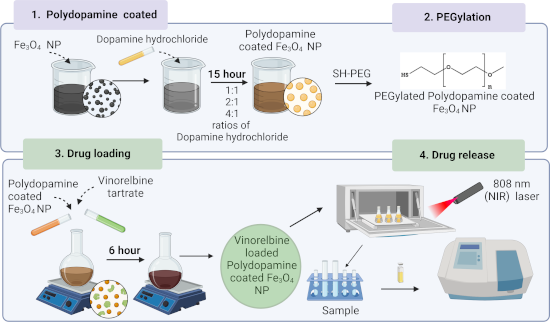
- band structures at 1500 and 1000 cm–1 in the FTIR analysis of SH-PEG provides evidence for the surface modification of PDA/Fe3O4 NPs with SH-PEG. The FTIR analysis results indicate the successful functionalization of PDA/Fe3O4 NPs with SH-PEG molecules. This will enable the passively targeted delivery


Antibody-conjugated nanoparticles for target-specific drug delivery of chemotherapeutics
Beilstein J. Nanotechnol. 2023, 14, 912–926, doi:10.3762/bjnano.14.75
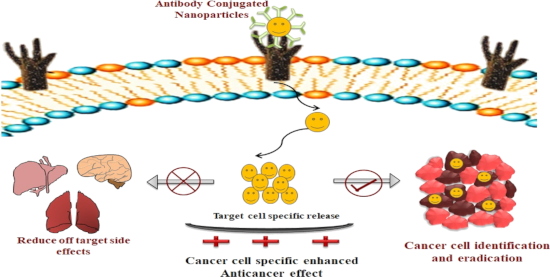
- , India Academy of Scientific & Innovative Research (AcSIR), Ghaziabad-201002, India 10.3762/bjnano.14.75 Abstract Nanotechnology provides effective methods for precisely delivering chemotherapeutics to cancer cells, thereby improving efficacy and reducing off-target side effects. The targeted delivery
- , are the most significant clinical challenge when using conventional chemotherapeutics [1]. To improve therapeutic efficacy and to reduce off-target side effects, strategies such as cancer cell-specific targeted delivery, thermally responsive polymer–drug conjugates, macromolecule drug conjugates, gene
- -directed enzyme prodrug therapy, small molecule drug conjugates, and others are being investigated [2][3]. Targeted delivery with nanoparticles (NPs) has received a lot of attention because it reduces toxicity while also providing good drug compatibility and loadability. Furthermore, NPs increase drug



Recent progress in cancer cell membrane-based nanoparticles for biomedical applications
Beilstein J. Nanotechnol. 2023, 14, 262–279, doi:10.3762/bjnano.14.24
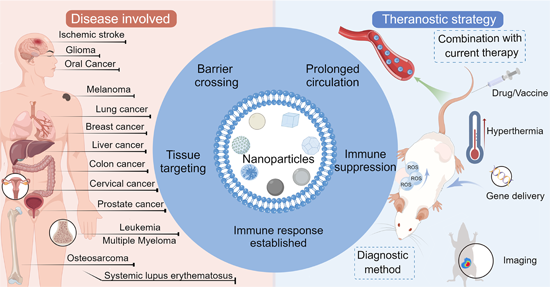
- recognition and targeted delivery to the tumor [31]. The homologous targeting ability of the cancer cell membrane has been further demonstrated in an experimental murine breast metastasis model. Biomimetic NPs can spontaneously selectively accumulate in primary tumors and metastatic nodules after entering the
- cells have also been found to have the ability to penetrate the blood‒brain barrier (BBB) in some special cases [26][27]. As a highly specialized structure, the BBB maintains homeostasis of the central nervous system [48]. The targeted delivery of drugs to the brain is challenging because of the limited
- microenvironment. Guo et al. used the major histocompatibility complex class I (MHC I)-deficient 4T1 breast cancer cell membrane to coat dexamethasone (DXM)-loaded biomimetic NPs, endowing them with lower immunogenicity, thus, preventing stimulation of the immune system [22]. The NPs enabled the targeted delivery


Nanotechnology – a robust tool for fighting the challenges of drug resistance in non-small cell lung cancer
Beilstein J. Nanotechnol. 2023, 14, 240–261, doi:10.3762/bjnano.14.23
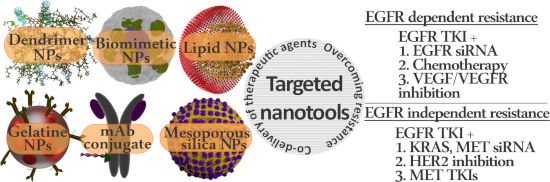
- nanomedicines as tools for the targeted delivery of high concentrations of anticancer drugs at their site of action. Although designated as molecularly targeted therapies, the targeting of receptors by EGFR TKIs and other receptor inhibitors is not absolute. Once the EGFR TKIs are absorbed from the
- targeted delivery may bring improvements in the efficacy of anticancer drugs and may aid in elucidating the beneficial synergistic combinations regarding lung cancer subtype treatment. Nanomedicines have the potential for (i) multivalent targeting and co-delivery of agents to endothelial cells, tumor


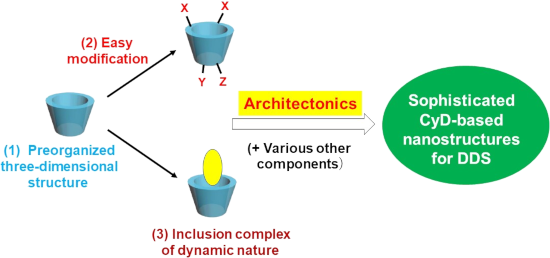
Cyclodextrins as eminent constituents in nanoarchitectonics for drug delivery systems
Beilstein J. Nanotechnol. 2023, 14, 218–232, doi:10.3762/bjnano.14.21
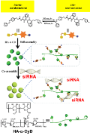
- , azobenzene isomerizes from the trans form to the cis form, decomposing the composite to release the siRNA cargo. Figure 4 was adapted with permission of The Royal Society of Chemistry from [66] (“Highly efficient photocontrolled targeted delivery of siRNA by a cyclodextrin-based supramolecular nanoassembly




Engineered titania nanomaterials in advanced clinical applications
Beilstein J. Nanotechnol. 2022, 13, 201–218, doi:10.3762/bjnano.13.15
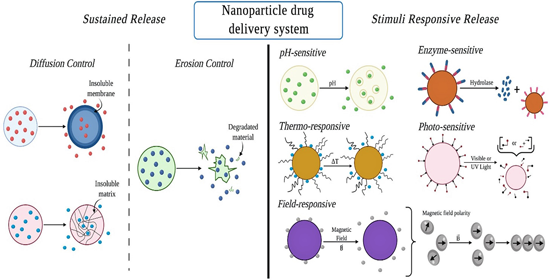
- release rate from nanotubes (up to 21 days) was slower than from nanopores, thus opening a new possibility for the targeted treatment of bones and osteomyelitis [109]. These nanoscale drug delivery systems with targeted delivery are rapidly growing and have the potential to revolutionize the efficacy of


Theranostic potential of self-luminescent branched polyethyleneimine-coated superparamagnetic iron oxide nanoparticles
Beilstein J. Nanotechnol. 2022, 13, 82–95, doi:10.3762/bjnano.13.6
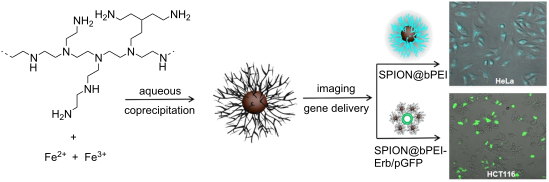
- as well as its targeted delivery to epidermal growth factor receptor (EGFR)-positive cancer cell lines, in vitro. Initially, the dose dependent cytotoxicity of the nanoparticles was determined. Then, using a fluorescence microscope, the ability of these nanoparticles to generate intracellular optical
- therapeutic dose. Next, SPION@bPEI were conjugated with Erbitux (Erb), which is an anti-EGFR antibody for targeting EGFR-overexpressing cancer cell lines. Finally, SPION@bPEI-Erb nanoparticles were used for the targeted delivery of a GFP plasmid, whose transfection can be confirmed with the luminescence of
- (λexc = 358 nm, λem = 485 nm). To demonstrate the targeted delivery of nanoparticles to EGFR-overexpressing cell lines, MCF7 (EGFR-negative), HeLa (poor EGFR expressor) and HCT116 (strong EGFR expressor) cells were treated with SPION@bPEI/pGFP and SPION@bPEI-Erb/pGFP at two different pDNA concentrations




Self-assembly of amino acids toward functional biomaterials
Beilstein J. Nanotechnol. 2021, 12, 1140–1150, doi:10.3762/bjnano.12.85
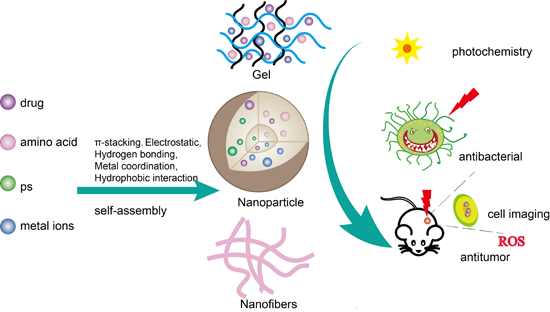
- inherent disadvantages of PS, such as hydrophobicity and easy aggregation under physiological conditions, reduce its therapeutic efficiency [77]. Using nanotechnology to encapsulate PS in nanoparticles can effectively solve this problem, improve the bioavailability of PS, and achieve targeted delivery of

Use of nanosystems to improve the anticancer effects of curcumin
Beilstein J. Nanotechnol. 2021, 12, 1047–1062, doi:10.3762/bjnano.12.78
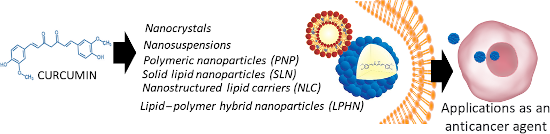
- particle sizes of 800 ng/mL-70 nm, 280 ng/mL-200 nm, and 550 ng/mL-200 nm, respectively). In the brain, the maximum CUR concentration was detected 5 min after administration (20 ng/mL with a particle size of 20 nm). This suggests that targeted delivery via an optimized size can lead to an increased organ


Recent progress in actuation technologies of micro/nanorobots
Beilstein J. Nanotechnol. 2021, 12, 756–765, doi:10.3762/bjnano.12.59
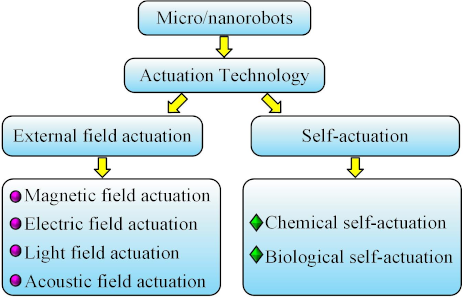
- drug release mode and 10% in the swimming mode. The results of this research quantitatively confirmed the ability of using nanorobots for targeted delivery of medicines. This will promote the use of nanorobots in clinical practice and provide a solid foundation for future research. For the treatment of
- cultured nerve cells to connect disconnected nerve clusters. It can guide the direction of axon growth and selectively reconstruct neural networks in vitro. The micro/nanorobot can be used as a basis for the targeted delivery of nerve cells and the formation of active neural networks in vitro, thereby


The impact of molecular tumor profiling on the design strategies for targeting myeloid leukemia and EGFR/CD44-positive solid tumors
Beilstein J. Nanotechnol. 2021, 12, 375–401, doi:10.3762/bjnano.12.31
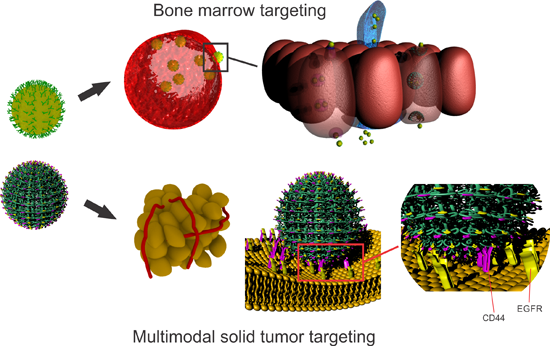
- or T315I for bosutinib. Molecular targeting of myeloid leukemia using surface-engineered nanoparticles Nanomedicines as an efficient tool for bone marrow targeted delivery of drugs: It is known that solid tumors reside in extravascular spaces. In order to reach them, the NDDSs need to extravasate the
- feasibility of the development of FR β-targeted delivery systems [48][49]. Even though the concept of FR β targeting seems conceptually feasible, the heterogenicity of the FR β expression levels in CML and AML presents a confounding issue, which can be usually resolved by co-treatment with all-trans retinoic
- Targeted delivery of anticancer agents using nanoparticles decorated with EGFR ligands: Molecular profiling of solid tumors is already a valuable tool for molecular classification, outcome prognosis, and the prediction of therapy, efficacy, and toxicity of current chemotherapy regimens. The screening of


Differences in surface chemistry of iron oxide nanoparticles result in different routes of internalization
Beilstein J. Nanotechnol. 2021, 12, 270–281, doi:10.3762/bjnano.12.22
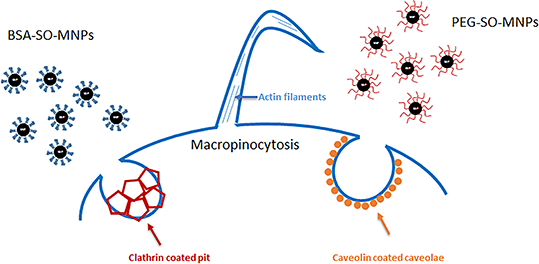
- eligible for the targeted delivery of the drug-loaded particles to the tumor mass via an external magnetic field [2]. Furthermore, MNPs are promising biosensors [3] and antimicrobial tools [4], and they play an important role in the development of multifunctional theranostics to combat cancer [5]. MNPs are



PEG/PEI-functionalized single-walled carbon nanotubes as delivery carriers for doxorubicin: synthesis, characterization, and in vitro evaluation
Beilstein J. Nanotechnol. 2020, 11, 1728–1741, doi:10.3762/bjnano.11.155
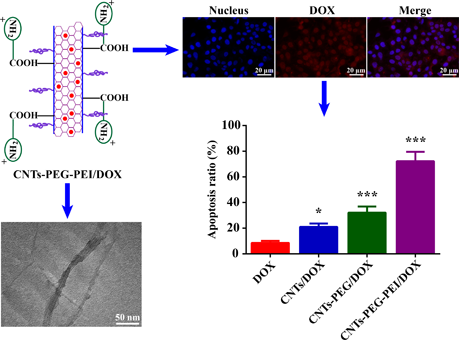
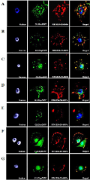
- attachment and interaction of carriers and cells [39]. Moreover, the promoted binding affinity with tumor cells provided by the positively charged surface of nanotubes will lead to enhanced cellular uptake and targeted delivery of CNT carriers [39]. The intracellular co-localization results by CLSM are shown




Luminescent gold nanoclusters for bioimaging applications
Beilstein J. Nanotechnol. 2020, 11, 533–546, doi:10.3762/bjnano.11.42
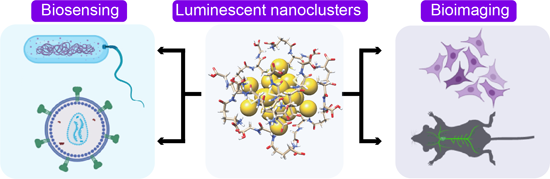
- the rational design of nanocarriers encapsulating poorly soluble drugs for targeted delivery. Cell line-based studies have provided enough evidence that the internalization of AuNCs occurs through endocytosis. However, there are several challenges to utilize AuNCs in bacterial sensing due to their


Multilayer capsules made of weak polyelectrolytes: a review on the preparation, functionalization and applications in drug delivery
Beilstein J. Nanotechnol. 2020, 11, 508–532, doi:10.3762/bjnano.11.41
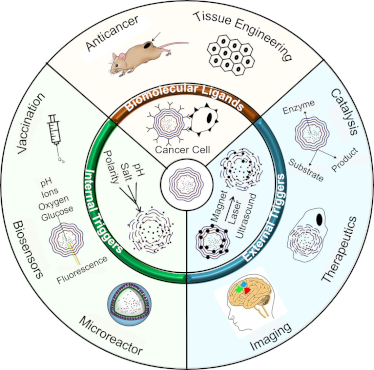
- such as proteins (e.g., antibodies, peptides, receptor molecules, etc.), lipids and carbohydrates have long been used for targeted delivery. The attachment of these ligands to the external multilayers can be achieved by covalent as well as noncovalent interactions. For example, the HuA33 antibody



Molecular architectonics of DNA for functional nanoarchitectures
Beilstein J. Nanotechnol. 2020, 11, 124–140, doi:10.3762/bjnano.11.11
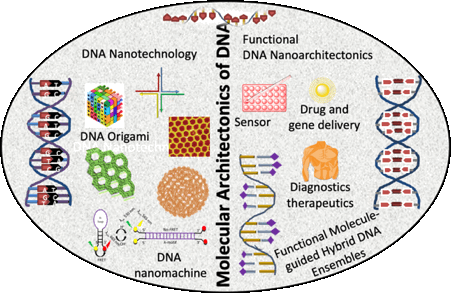
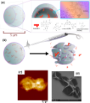
- triggered the mechanical opening of the DNA nanomachine, followed by the release of the cargo protease from the inner cavity to the targeted area. In vivo studies in mice demonstrated that the intravenously injected nanorobot could effectively deliver thrombin to tumor-associated blood vessels. The targeted
- delivery and nonimmunogenicity of the nanorobot made it a promising candidate for drug delivery in cancer therapeutics. The group of Krishnan reported the construction of a DNA nanodevice to quantitatively determine the activity and location of chloride ion channels and transport under pH stimuli [57]. In


The different ways to chitosan/hyaluronic acid nanoparticles: templated vs direct complexation. Influence of particle preparation on morphology, cell uptake and silencing efficiency
Beilstein J. Nanotechnol. 2019, 10, 2594–2608, doi:10.3762/bjnano.10.250
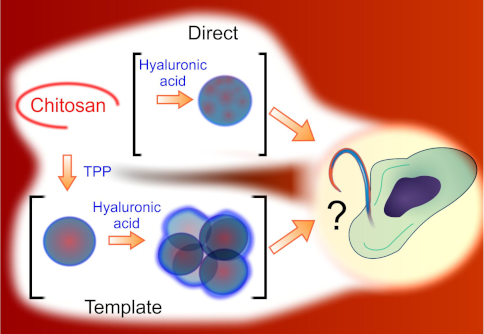
- particles displaying an HA corona are also the least compact, which corroborates the above hypothesis for the corona formation (small compact particles connected by loosely bound HA). Evaluation of CD44-targeted delivery of siRNA One of the most fundamental aspects to a successful intracellular siRNA



Frontiers in pharmaceutical nanotechnology
Beilstein J. Nanotechnol. 2019, 10, 2538–2540, doi:10.3762/bjnano.10.244

- way into the market. Although nanotechnology has gained significant attention in the scientific community, this is one of very few examples where targeted delivery was successfully developed to the stage of clinical translation. Today, a fierce competition between different technologies decides on
- challenges associated with their characterization earned them the name “non-biological complex drugs” (NBCDs) [8]. Nowadays, there is broad acceptance for liposomal drugs as a niche product, but we still do not know much about the attributes that enable targeted delivery in humans [14]. In 2018, Alnylam
Targeted therapeutic effect against the breast cancer cell line MCF-7 with a CuFe2O4/silica/cisplatin nanocomposite formulation
Beilstein J. Nanotechnol. 2019, 10, 2217–2228, doi:10.3762/bjnano.10.214
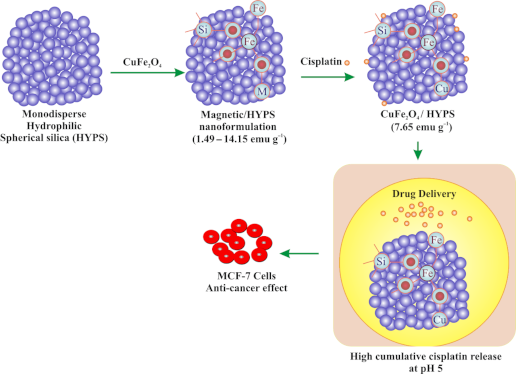
- , while allowing imaging and targeted delivery, outweighs these limitations. Specifically, the functionalized cisplatin is expected to prevent off-target effects, while the CuFe2O4 coating will allow targeted delivery of these nanoparticles. Our results show that cisplatin/CuFe2O4/HYPS nanoparticles can


Cytotoxicity of doxorubicin-conjugated poly[N-(2-hydroxypropyl)methacrylamide]-modified γ-Fe2O3 nanoparticles towards human tumor cells
Beilstein J. Nanotechnol. 2018, 9, 2533–2545, doi:10.3762/bjnano.9.236
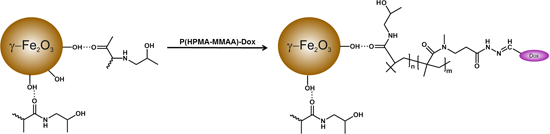
- to the action of these nanoparticles, inducing 20% cell death. Such specific action of Dox-conjugated nanoparticles may be explained by targeted delivery of Dox to tumor cells. It can be supposed that the slow release of Dox from the nanoparticle surface due to the hydrolysis of hydrazone bonds
- using a magnetic field allowing for easy separation and/or targeted delivery in the organism [26]. In this report, citrate-treated maghemite nanoparticles and a novel PHPMA-based surface coating were used to ensure biocompatibility, minimal immunogenicity and to provide reactive functional groups for





