


Search results
Search for "ultrasonication" in Full Text gives 108 result(s) in Beilstein Journal of Nanotechnology.
Facile preparation of Au- and BODIPY-grafted lipid nanoparticles for synergized photothermal therapy
Beilstein J. Nanotechnol. 2022, 13, 1432–1444, doi:10.3762/bjnano.13.118
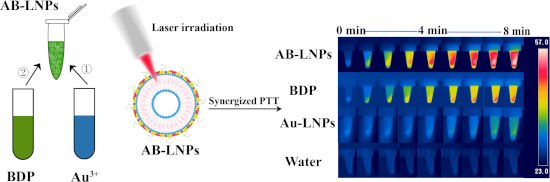
- by addition of Au3+. After the same vortex and ultrasonication, the obtained product, designated as AB-LNPs1, exhibited green color in suspension. However, green precipitates could be collected after centrifugation, suggesting the dissociation of BDP or Au from LNPs. Green precipitates also could be




Recent advances in green carbon dots (2015–2022): synthesis, metal ion sensing, and biological applications
Beilstein J. Nanotechnol. 2022, 13, 1068–1107, doi:10.3762/bjnano.13.93
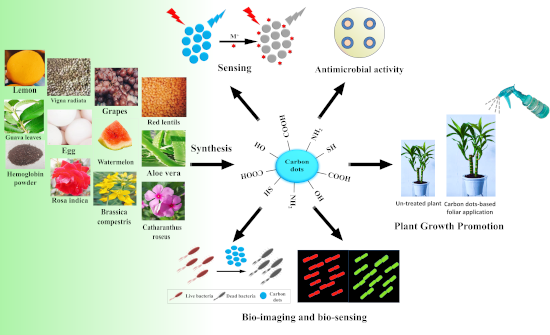
- treatments, ultrasonication, microwave irradiations, and microwave-assisted hydrothermal/pyrolysis are used in the green synthesis of CDs [41]. Hydrothermal methods convert the raw material into carbonized matter. Although relatively simple, the procedure takes several hours. Microwave irradiation, in
- detection of nitrophenol [4]. Varisco et al. reported CDs from wine lees via combustion and used two extraction procedures, namely ultrasonication and microwave-assisted extraction, from the black mass. The wine lees consist of different compounds that can act as reactants for the preparation of CDs, that




Engineered titania nanomaterials in advanced clinical applications
Beilstein J. Nanotechnol. 2022, 13, 201–218, doi:10.3762/bjnano.13.15
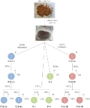
- unique type of self-doped green TiO2 (G-TiO2−x) was irreversibly produced from black titania (B-TiO2−x) applying intense ultrasonication, as shown schematically in Figure 8A. The G-TiO2−x has been conjugated to triphenylphosphonium (TPP), a lipophilic cation that binds to the mitochondria through


Comprehensive review on ultrasound-responsive theranostic nanomaterials: mechanisms, structures and medical applications
Beilstein J. Nanotechnol. 2021, 12, 808–862, doi:10.3762/bjnano.12.64
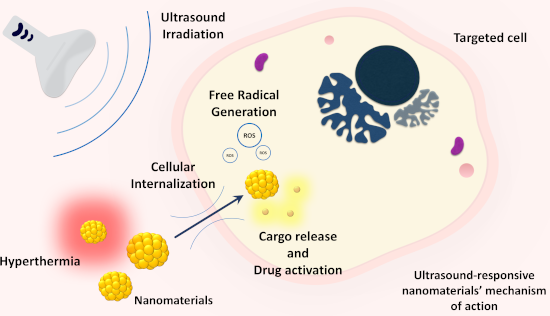
- any leakage before ultrasonication. They should then release the cargo after US stimulation and also, in some cases, have the ability to be monitored via imaging modalities. Many US-responsive NPs have been reported as part of theranostic systems, which can be used for both therapy and imaging at the
- ]. In other cases, disruption and destabilization of the complex nanostructure subsequent to US vibration leads to drug release [28][29][30]. In addition, the ultrasonication of certain complexes can generate free radicals that can cause cell damage or activation of cellular signaling pathways [31
- articles have reviewed the application of MBs in theranostics [172][173][174]. The schematic illustration of the mechanism of action of MBs is presented in Figure 3. Ultrasonication has been the major method used to actually produce MBs in the laboratory. The cavitation phenomena occurring as a result of


On the stability of microwave-fabricated SERS substrates – chemical and morphological considerations
Beilstein J. Nanotechnol. 2021, 12, 541–551, doi:10.3762/bjnano.12.44
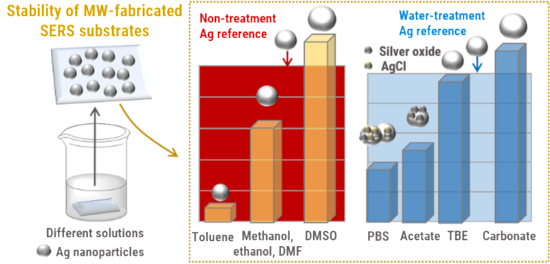
- subjected to ultrasonication to improve and support the cleaning process. Only excessive ultrasonication over longer periods of time leads to a sudden onset of nanoparticle detachment from the surfaces and must be avoided. The substrates treated with different solutions were used for additional SEM


Gold(I) N-heterocyclic carbene precursors for focused electron beam-induced deposition
Beilstein J. Nanotechnol. 2021, 12, 257–269, doi:10.3762/bjnano.12.21
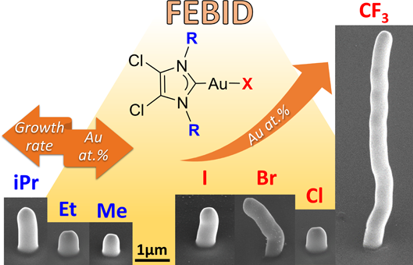
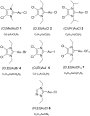
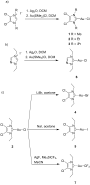
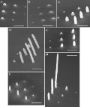
- experiments. The silicon substrates were cleaned by ultrasonication in acetone for 15 min, followed by ultrasonication in isopropanol for 15 min and blow drying with N2, and were kept in a dust free environment. For each precursor a different substrate was used to avoid cross contamination. The substrate was





A review on the green and sustainable synthesis of silver nanoparticles and one-dimensional silver nanostructures
Beilstein J. Nanotechnol. 2021, 12, 102–136, doi:10.3762/bjnano.12.9
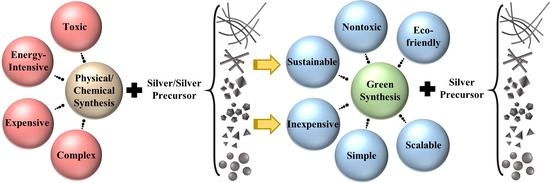
- ” synthesis methods. Several physical methods for top-down synthesis of silver nanostructures including ball milling [105][106][107], laser ablation [108][109][110][111][112], evaporation–condensation [113][114], electromagnetic levitation gas condensation (ELGC) [115], ultrasonication [116][117][118][119


One-step synthesis of carbon-supported electrocatalysts
Beilstein J. Nanotechnol. 2020, 11, 1419–1431, doi:10.3762/bjnano.11.126

- as solvothermal and hydrothermal synthesis [9]. In these processes, long ultrasonication as well as reduction/heating procedures are required [6][10], both of which will impede industrial production. In contrast, physical approaches for the synthesis of electrocatalysts (such as plasma-assisted




High permittivity, breakdown strength, and energy storage density of polythiophene-encapsulated BaTiO3 nanoparticles
Beilstein J. Nanotechnol. 2020, 11, 1190–1197, doi:10.3762/bjnano.11.103
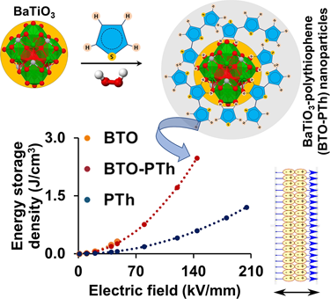
- nanoparticles. BTO nanoparticles are first dispersed in double-distilled water containing sodium dodecyl sulfate (SDS, ACS reagent, ≥99.0%, Sigma Aldrich) and thiophene (Th, synthesis grade 99%, Scharlab, S.L.) monomer through ultrasonication for 1 h. The mass ratio of BTO/Th is adjusted to 9:1. Subsequently




Simple synthesis of nanosheets of rGO and nitrogenated rGO
Beilstein J. Nanotechnol. 2020, 11, 68–75, doi:10.3762/bjnano.11.7
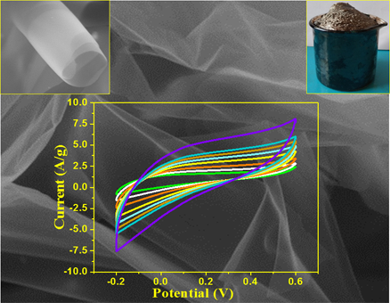
- °C·min−1 using a Mettler-Toledo-TG-850 apparatus. AFM measurements were performed using a CP2 atomic force microscope. Electrode preparation and electrochemical characterization The catalyst inks of as-synthesized rGO and reduced graphene oxide H-rGO were prepared by ultrasonication separately. A mixture


Nanoporous smartPearls for dermal application – Identification of optimal silica types and a scalable production process as prerequisites for marketed products
Beilstein J. Nanotechnol. 2019, 10, 1666–1678, doi:10.3762/bjnano.10.162
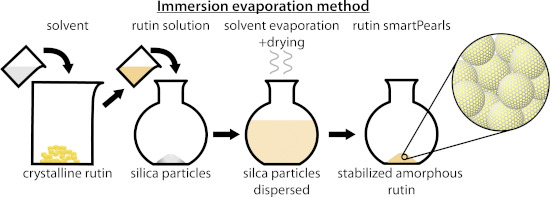
- ultrasonication the suspension was centrifuged at 10,000 rpm for 10 min and an aliquot of the supernatant was diluted in ethanol by a factor of 100. Absorption spectroscopy was performed at 360 nm on a PharmaSpec UV-1700 instrument (Shimadzu, China). The peaks were evaluated using the PharmSpec software “UVprobe




Multicomponent bionanocomposites based on clay nanoarchitectures for electrochemical devices
Beilstein J. Nanotechnol. 2019, 10, 1303–1315, doi:10.3762/bjnano.10.129
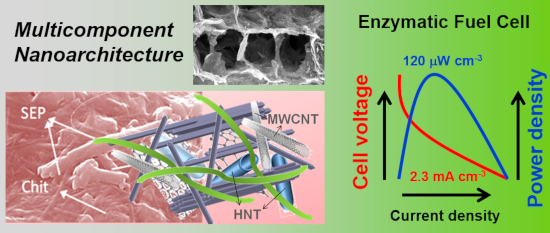
- , Università degli Studi di Palermo, Viale delle Scienze pad 17, 90128 Palermo, Italy 10.3762/bjnano.10.129 Abstract Based on the unique ability of defibrillated sepiolite (SEP) to form stable and homogeneous colloidal dispersions of diverse types of nanoparticles in aqueous media under ultrasonication
- immobilizing GOx directly on bionanocomposite films prepared without the incorporation into halloysite, where the enzyme was directly integrated in the system after the ultrasonication treatment. The CV curves of these films showed no response to glucose (Figure S10, Supporting Information File 1), suggesting
- fibrous clay, together with ultrasonication, is the key to disperse all these components in water. The resulting stable colloids can be processed as films and foams displaying acceptable mechanical properties, good electrical conductivity, and controlled porosity useful for diverse applications at the



Alloyed Pt3M (M = Co, Ni) nanoparticles supported on S- and N-doped carbon nanotubes for the oxygen reduction reaction
Beilstein J. Nanotechnol. 2019, 10, 1251–1269, doi:10.3762/bjnano.10.125
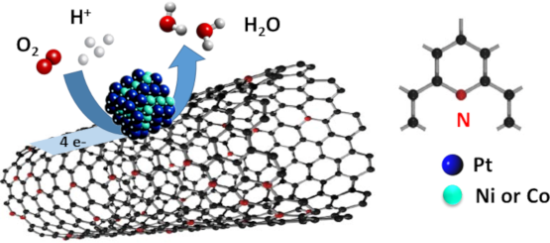
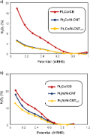
- dispersing the Pt3Co/N-CNT or Pt3Ni/N-CNTHT in a 0.1 M EDTA solution and using ultrasonication. For the Pt3Co/N-CNT catalyst, the solution become purple in a few seconds, indicating the fast and easy dissolution of the Co; while for Pt3Ni/N-CNTHT, the solution become blue after a few hours. One can suppose







Synthesis and characterization of quaternary La(Sr)S–TaS2 misfit-layered nanotubes
Beilstein J. Nanotechnol. 2019, 10, 1112–1124, doi:10.3762/bjnano.10.111
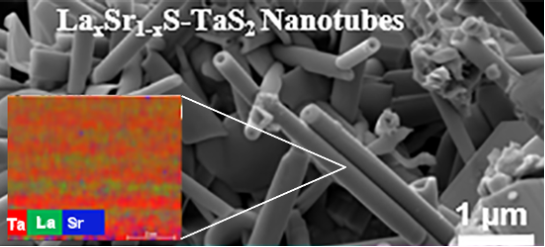
- spectroscopy (EDX) was performed using a SuperX EDX detector attached to this microscope using Bruker Esprit software. The quantification was done using the Cliff–Lorimer method. The samples for electron microscopy were prepared by dispersing the synthesized powder in ethyl alcohol, followed by ultrasonication


Correlation of surface-enhanced Raman scattering (SERS) with the surface density of gold nanoparticles: evaluation of the critical number of SERS tags for a detectable signal
Beilstein J. Nanotechnol. 2019, 10, 1016–1023, doi:10.3762/bjnano.10.102
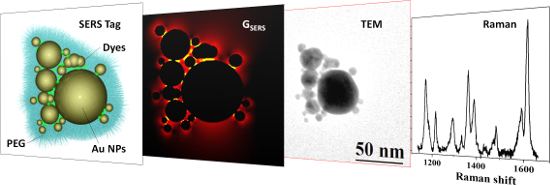
- for the same AuNT but with light polarized along the x-axis. (A) Sketch of sample preparation for combined Raman and TEM analysis: 20 µL of an aqueous dispersion of AuNTs (0.2 mg/mL in Au) is mixed with 100 µL of an aqueous solution of PVA (10 mg/mL); after homogenization by ultrasonication, one drop


Synthesis of novel C-doped g-C3N4 nanosheets coupled with CdIn2S4 for enhanced photocatalytic hydrogen evolution
Beilstein J. Nanotechnol. 2019, 10, 912–921, doi:10.3762/bjnano.10.92
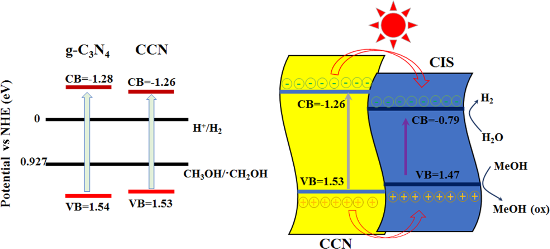
- . Typically, an appropriate amount of Cd(NO3)2·4H2O, In(NO3)3·4.5H2O and thiourea (TU) were added into 60 mL of deionized water, followed by 15 min of ultrasonication. Meanwhile, 0.5 g of as-obtained CCN powder was dispersed in the above solution by ultrasound for 1 h. The suspension was transferred into a


Ultrasonication-assisted synthesis of CsPbBr3 and Cs4PbBr6 perovskite nanocrystals and their reversible transformation
Beilstein J. Nanotechnol. 2019, 10, 666–676, doi:10.3762/bjnano.10.66
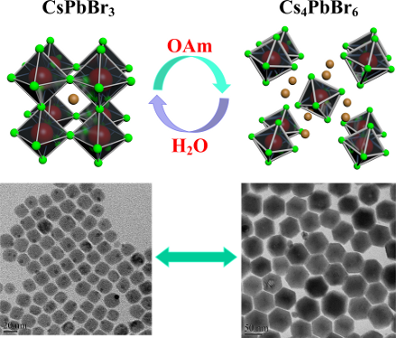
- Department of Chemistry and Biochemistry, University of California, Santa Cruz, CA 95064, USA Mechanical Engineering, Pennsylvania State University, Harrisburg, PA 17057, USA 10.3762/bjnano.10.66 Abstract We demonstrate an ultrasonication-assisted synthesis without polar solvent of CsPbBr3 and Cs4PbBr6
- ; ultrasonication; Introduction Metal halide perovskite nanocrystals (PNCs) are promising candidates for application in the fields of light-emitting diodes (LEDs) [1][2], high-efficiency solar cells [3], low-threshold lasers [4], and photodetectors [5]. Compared to traditional semiconductors, colloidal PNCs
- attempts have been made to synthesize PNCs without the use of polar solvents. Tong’s group demonstrated the single-step and polar-solvent-free synthesis of CsPbX3 PNCs with tunable halide ion composition and thickness through the direct ultrasonication of precursors [29]. Whereas this method has been



Ceria/polymer nanocontainers for high-performance encapsulation of fluorophores
Beilstein J. Nanotechnol. 2019, 10, 522–530, doi:10.3762/bjnano.10.53
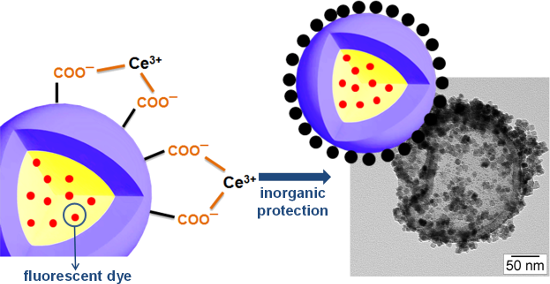
- initiator V59 (100 mg). The two phases were mixed and pre-emulsified by stirring at 1000 rpm for 1 h. The emulsion was prepared by ultrasonication (Branson Digital Sonifier 450-D; 1/2″ tip, 90% intensity, 2 min) while cooling in an ice-water bath to avoid polymerization due to heating. The polymerization


Reduced graphene oxide supported C3N4 nanoflakes and quantum dots as metal-free catalysts for visible light assisted CO2 reduction
Beilstein J. Nanotechnol. 2019, 10, 448–458, doi:10.3762/bjnano.10.44
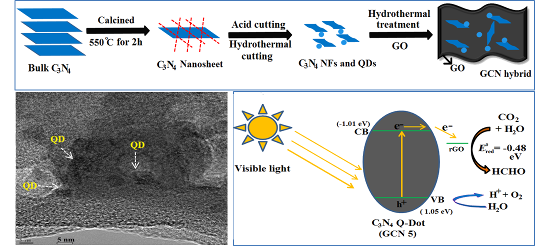
- , we report the synthesis of novel reduced graphene oxide (rGO)-supported C3N4 nanoflake (NF) and quantum dot (QD) hybrid materials (GCN) for visible light induced reduction of CO2. The C3N4 NFs and QDs are prepared by acid treatment of C3N4 nanosheets followed by ultrasonication and hydrothermal
- subjected to acid etching followed by hydrothermal treatment to obtain 0D g-C3N4 QDs [19]. In brief, the g-C3N4 nanosheets (0.5 g) were oxidized with concentrated H2SO4 (50 mL) and HNO3 (100 mL) for 4 h under ultrasonication. A clear solution was formed, which was diluted with deionized (DI) water (100 mL
- ) to produce a cloud-like colloidal suspension of g-C3N4. The products were filtered through a 0.4 μm microporous membrane to remove the acid, carefully redispersed in deionized water under ultrasonication, and then transferred to an autoclave (90 mL) and heated at 130–190 °C for different times (5, 10





Improving control of carbide-derived carbon microstructure by immobilization of a transition-metal catalyst within the shell of carbide/carbon core–shell structures
Beilstein J. Nanotechnol. 2019, 10, 419–427, doi:10.3762/bjnano.10.41
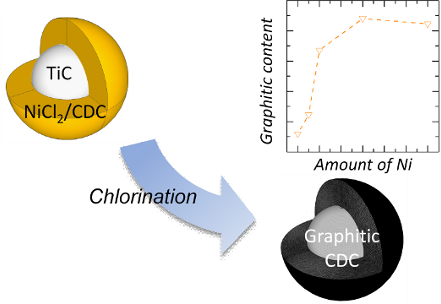
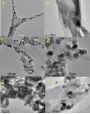
- a defined amount of nickel chloride hexahydrate dissolved in 3 mL ethanol. The solution was homogenized by ultrasonication for 30 min. The solvent was evaporated, and the nickel chloride-loaded CDC-shell was dried in an oven at 60 °C overnight. The loading of nickel on CDC-shell (wt Ni/wt equivalent


Wet chemistry route for the decoration of carbon nanotubes with iron oxide nanoparticles for gas sensing
Beilstein J. Nanotechnol. 2019, 10, 105–118, doi:10.3762/bjnano.10.10
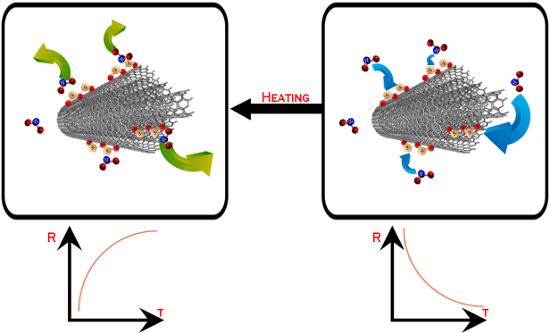
- stirred for one hour at room temperature. The reaction was exothermic and no cooling or water baths were used. During the reaction, ultrasonication was employed for the first 15 minutes only to assure the debundling of CNTs without damaging them. During the remaining 45 minutes, the mixture was stirred




Size-selected Fe3O4–Au hybrid nanoparticles for improved magnetism-based theranostics
Beilstein J. Nanotechnol. 2018, 9, 2684–2699, doi:10.3762/bjnano.9.251
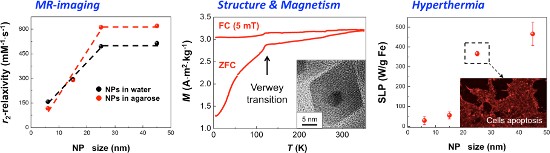
- ] ammonium salt (DSPE–PEG–COOH) [100]. Fe3O4–Au NPs (1 mg) and DSPE–PEG–COOH (2.45 mg) were mixed in 1 mL chloroform via ultrasonication. The mixture was left overnight for the slow evaporation of the solvent. Then DI H2O was added to the precipitate, and the solution was sonicated for 15 min. After that


Nanocellulose: Recent advances and its prospects in environmental remediation
Beilstein J. Nanotechnol. 2018, 9, 2479–2498, doi:10.3762/bjnano.9.232
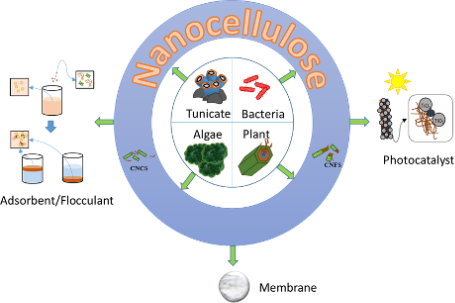
- counter collision, ball milling, blending, cryocrushing, electrospinning, extrusion, grinding, homogenization, refining, steam explosion, ultrasonication, or a combination thereof. Chemical reaction Effective and energy-efficient nanocellulose preparation techniques are being pursued to sustain and meet


Thickness-dependent photoelectrochemical properties of a semitransparent Co3O4 photocathode
Beilstein J. Nanotechnol. 2018, 9, 2432–2442, doi:10.3762/bjnano.9.228
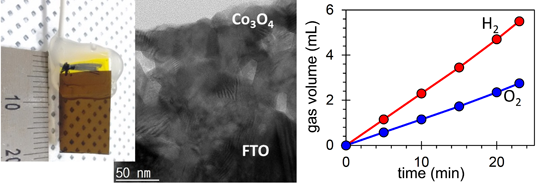
- -Aldrich, sheet resistance of 7 Ω/sq) and a glass microscope slide were used as substrates. These were cleaned using a sequence of isopropyl alcohol, acetone and distilled water using ultrasonication. Then, various thicknesses of Co films were deposited using a dc magnetron sputtering system (dc power ca



ZnO-nanostructure-based electrochemical sensor: Effect of nanostructure morphology on the sensing of heavy metal ions
Beilstein J. Nanotechnol. 2018, 9, 2421–2431, doi:10.3762/bjnano.9.227
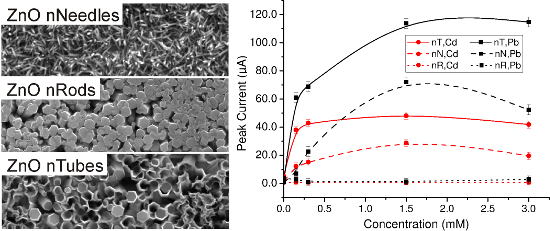
- -dimensional ZnO nanostructures were selected for the experiment: nanorods, nanoneedles and nanotubes. The samples were prepared according to the following description. Glass slides (76 × 26 × 1 mm) were precleaned via ultrasonication in aqueous solutions of KOH and H2SO4, followed by several rinses with





