


Search results
Search for "EDTA" in Full Text gives 104 result(s) in Beilstein Journal of Nanotechnology.
Enhanced inhibition of influenza virus infection by peptide–noble-metal nanoparticle conjugates
Beilstein J. Nanotechnol. 2019, 10, 1038–1047, doi:10.3762/bjnano.10.104
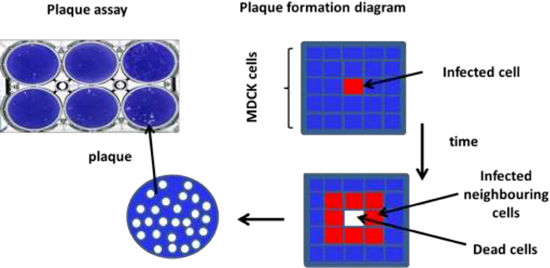
- streptomycin (Gibco, Life Technologies, UK) and incubated in a humidified environment at 37 °C under 5% (v/v) CO2 atmosphere. Cells were detached with 0.05% (w/v) trypsin in the chelating agent, 1× Versene-EDTA (Gibco, Life Technologies, UK) and plated at a dilution of 1:4. Preparation of influenza virus stock




Experimental study of an evanescent-field biosensor based on 1D photonic bandgap structures
Beilstein J. Nanotechnol. 2019, 10, 967–974, doi:10.3762/bjnano.10.97
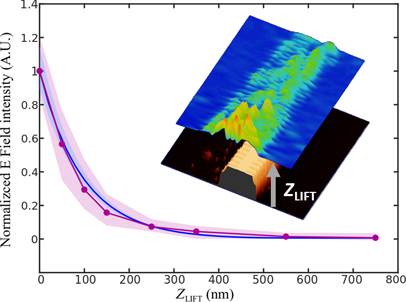
- -antibodies consisted on the incubation (90 min at 37 °C) of the BSA antibodies in acetate buffer (0.15 M sodium acetate, 0.01 M EDTA, 0.1 M sodium chloride, pH 4.5) at 4 mg/mL concentration in the presence of 25 mM tris(2-carboxyethyl)phosphine (TCEP). The reduced haBSA were purified using a 50 kDa


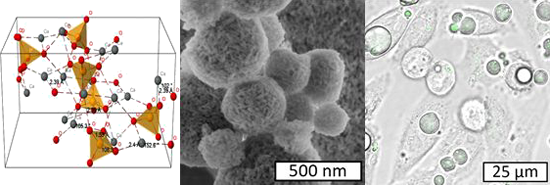
Characterization and influence of hydroxyapatite nanopowders on living cells
Beilstein J. Nanotechnol. 2018, 9, 3079–3094, doi:10.3762/bjnano.9.286
- Corporation). All culture media were supplemented with 10% heat-inactivated fetal bovine serum (FBS, HyClone™), 100 μg/mL streptomycin and 100 μg/mL penicillin. The cells were cultured at 37 °C in an incubator with a humidified atmosphere containing 5% CO2. For the passage procedure, 0.05% Trypsin–EDTA with

![[Graphic 1]](/bjnano/content/inline/2190-4286-9-286-i2.svg?max-width=637&scale=1.18182) .
.



Time-resolved universal temperature measurements using NaYF4:Er3+,Yb3+ upconverting nanoparticles in an electrospray jet
Beilstein J. Nanotechnol. 2018, 9, 2916–2924, doi:10.3762/bjnano.9.270
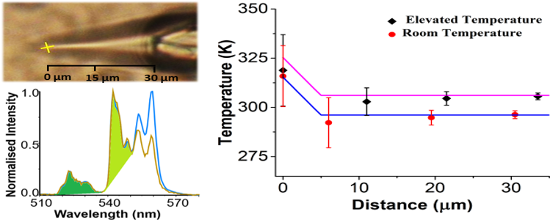
- hydrophobic in nature, due to a presence of oleic acid on its surface, which was removed by adding EDTA. The synthesized particles are of an average size of 300 nm. Experimental setup for temperature measurements in an electrospray jet An experimental setup for temperature measurement in an electrospray


Comparative biological effects of spherical noble metal nanoparticles (Rh, Pd, Ag, Pt, Au) with 4–8 nm diameter
Beilstein J. Nanotechnol. 2018, 9, 2763–2774, doi:10.3762/bjnano.9.258
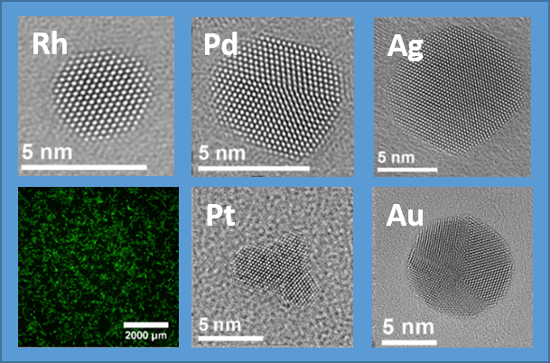
- by the addition of 0.2 mL cm−2 0.25% trypsin/0.05% ethylenediaminetetraacetic acid (EDTA, Sigma-Aldrich, Taufkirchen, Germany) for 5 min at 37 °C. Subsequently, the hMSC cells were collected and washed twice with RPMI1640/10% FCS. Subconfluent hMSC cells were seeded in 24-well cell culture plates


Facile synthesis of a ZnO–BiOI p–n nano-heterojunction with excellent visible-light photocatalytic activity
Beilstein J. Nanotechnol. 2018, 9, 789–800, doi:10.3762/bjnano.9.72
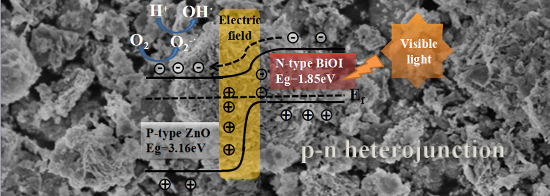
- ethylene diamine tetraacetic acid sodium (EDTA sodium) were adopted as scavengers of O2•− [53], •OH [54] radicals and holes [55], respectively. From the results displayed in Figure 6f, it is obvious that while the addition of BQ significantly inhibits the photocatalytic activity, DMSO has less effect on
- the degradation degree. EDTA sodium has little impact on the photodegradation of RhB solution under visible light. Thus, although produced in the photocatalytic processes, the photoinduced holes do not play an important role in the degradation reaction. Therefore, the decomposition of RhB solution is
- ), ammonium hydrogen carbonate (NH4HCO3), rhodamine B (RhB), benzoquinone (BQ), dimethyl sulfoxide (DMSO) and ethylenediamine teraacetic acid sodium (EDTA sodium) were directly used without any further purification. Synthesis of ZnO–BiOI nanocomposites Generally, 0.05 mol NH4HCO3 were added into 50 mL DI


Green synthesis of fluorescent carbon dots from spices for in vitro imaging and tumour cell growth inhibition
Beilstein J. Nanotechnol. 2018, 9, 530–544, doi:10.3762/bjnano.9.51
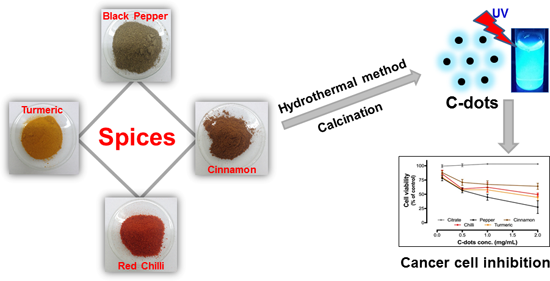
- (DMEM) with high glucose content and all other chemicals were purchased from Sigma-Aldrich (Spain). Ultrapure water (18.2 MΩ·cm at 25 °C, Millipore USA) was used throughout the experiments. Dulbecco’s modified Eagle’s medium with nutrient mixture F-12 (DMEM/F-12) and GlutaMAX-I™, trypsin 0.25%–EDTA


Sugarcane juice derived carbon dot–graphitic carbon nitride composites for bisphenol A degradation under sunlight irradiation
Beilstein J. Nanotechnol. 2018, 9, 353–363, doi:10.3762/bjnano.9.35
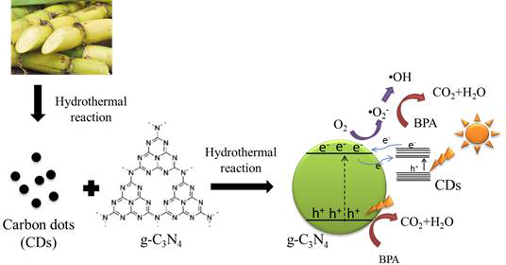
- benzoquinone (BQ). The addition of ethylenediaminetetraacetic acid disodium salt dihydrate (EDTA-2Na+) in BPA solution slightly suppressed the degradation rate, showing that h+ was also one of the active radicals involved in the photoreaction. In contrast, neither •OH nor e− are the main reactive species
- purchased from R&M Chemicals. Distilled water was used throughout the experiment for dilution and washing purpose. In addition, IPA (83.5%) and DMSO (99%) was purchased from Bendosen and Univar, respectively. The EDTA-2Na+ (99%) was obtained from ChemSoln. Preparation of carbon nitride (g-C3N4) and carbon
- investigate the involved free radicals. Scavengers like BQ, DMSO, EDTA-2Na+ and IPA were used to conduct this test. BQ was used to trap O2•− while DMSO functioned as the photoinduced e− catcher. EDTA-2Na+ caught the h+ left by the excited electron. IPA worked to trap •OH that was produced by the CD/g-C3N4


Nanoparticle delivery to metastatic breast cancer cells by nanoengineered mesenchymal stem cells
Beilstein J. Nanotechnol. 2018, 9, 321–332, doi:10.3762/bjnano.9.32
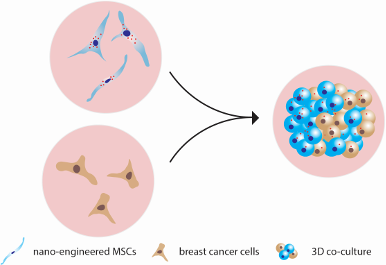
- up to 90% confluence in complete cell culture medium in a humidified chamber at 37 °C with 5% CO2. For passaging, the cells were trypsinised using 0.25% trypsin–EDTA solution. All cell reagents were purchased from Sigma-Aldrich, St. Louis, MO, USA. Establishment of 3D cell culture model A poly(2
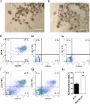
- polyHEMA-coated plates for co-culture with 2.5 × 10⁴ MCF7 or MDA-MB-231 cells (2:1) in complete medium [52][53]. After 24 h, supernatants containing floating spheroids were aspirated and centrifuged at 250 g for 5 min. The pellet was suspended in 0.25% trypsin–EDTA for 5 min at 37 °C to ensure the



Increasing the stability of DNA nanostructure templates by atomic layer deposition of Al2O3 and its application in imprinting lithography
Beilstein J. Nanotechnol. 2017, 8, 2363–2375, doi:10.3762/bjnano.8.236
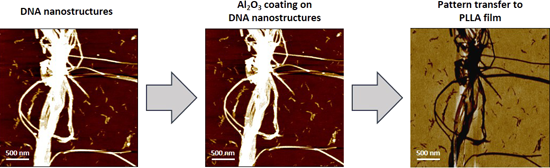
- , USA). 2-Amino-2-(hydroxymethyl)-1,3-propanediol (Tris), ethylenediaminetetraacetic acid (EDTA), magnesium acetate tetrahydrate, sulfuric acid, hydrogen peroxide solution (30% H2O2), and poly(L-lactide) were purchased from Sigma-Aldrich (St. Louis, MO, USA). Acetic acid (glacial), dichloromethane, and
- solution (181 μL). The buffer solution was prepared by dissolving Trizma base (40 mM), EDTA (2 mM), acetic acid (2mM), and magnesium acetate tetrahydrate (150 mM) in deionized water and further diluting the solution to make the final concentration of magnesium ions 12.5 mM. The DNA solution was cooled from



Synthesis and catalytic application of magnetic Co–Cu nanowires
Beilstein J. Nanotechnol. 2017, 8, 1769–1773, doi:10.3762/bjnano.8.178
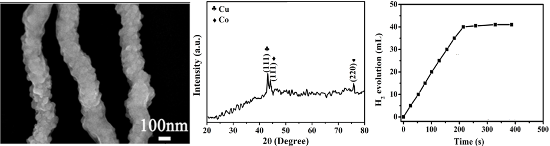
- the foundation for expanding their application to industrial catalysis. All chemicals were of analytical reagent grade and used without any further purification. CoCl2·6H2O, EDTA-2Na, CuSO4·5H2O, PVP, NaOH, N2H4·H2O, H2PtCl6·6H2O and C2H5OH were purchased from Chengdu Kelong Reagent Co., Ltd (China
- measured by a magnetometer. The detailed synthetic process for the Co–Cu nanowires was as follows. First, 0.14 g of CoCl2·6H2O and 0.22 g of EDTA-2Na were dispersed in 60 mL of deionized water in a 100 mL polytetrafluoroethylene (PTFE) beaker. Then 0.18 g of PVP was added to the reaction solution. The pH


A nanocomplex of C60 fullerene with cisplatin: design, characterization and toxicity
Beilstein J. Nanotechnol. 2017, 8, 1494–1501, doi:10.3762/bjnano.8.149
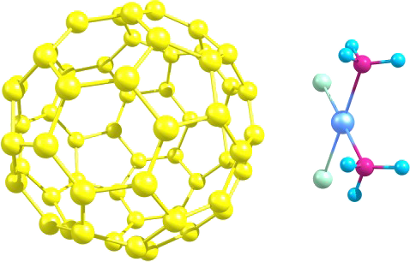
- , Germany), which was added before use. Cells were exposed to lysis solution for 2 h at 4 °C. After the lysis, slides were washed with TBE buffer (89 mM Tris-borate, 2 mM EDTA, рН 7.5) and electrophoresed in the same buffer for 20 min at 4 °C (1 V/cm, 300 mA). After electrophoresis, the slides were stained



Low uptake of silica nanoparticles in Caco-2 intestinal epithelial barriers
Beilstein J. Nanotechnol. 2017, 8, 1396–1406, doi:10.3762/bjnano.8.141
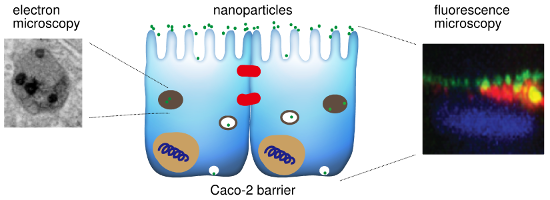
- cytometry. After exposure to 100 µg/mL nanoparticles dispersed in the absence and presence of 10 % FBS, the dispersions were removed from each well and cells were rinsed twice with fresh phosphate buffered saline (PBS). Then, 1 mL 0.1% trypsin-ethylenediaminetetraacetic acid (EDTA) solution was added and



Carbon nanomaterials sensitize prostate cancer cells to docetaxel and mitomycin C via induction of apoptosis and inhibition of proliferation
Beilstein J. Nanotechnol. 2017, 8, 1307–1317, doi:10.3762/bjnano.8.132
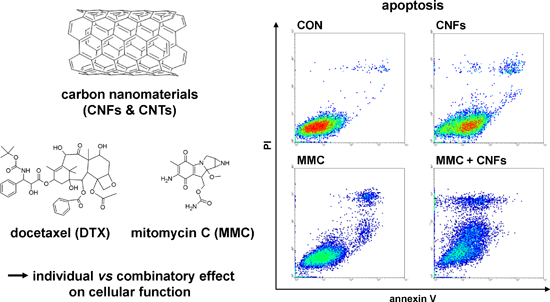
- rate For examination of cell proliferation, cell colony formation and apoptosis cells were seeded into 6-well plates and incubated as indicated above. Seventy two hours after the end of treatment cells were harvested by trypsin/EDTA treatment and submitted to the aforementioned assays. Cell


Evaluation of quantum dot conjugated antibodies for immunofluorescent labelling of cellular targets
Beilstein J. Nanotechnol. 2017, 8, 1238–1249, doi:10.3762/bjnano.8.125
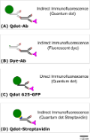
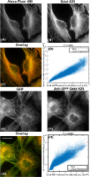
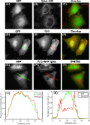
- 75 cm2 flask at 37 °C with 5% CO2, minimum essential media (MEM, Life Technologies, UK) supplemented with 10% (v/v) foetal calf serum (FCS), and 1% non-essential amino acids (NEAA). Cells were split 1,000,000 cells/mL when ≥80% confluent with trypsin-EDTA. Rat mammary (Rama) 27 fibroblasts were
- previously [40]. Cells were split 1:8 when ≥60% confluent with trypsin-EDTA. A stable cell line TC7 3xGFP (expressing tubulin-GFP) was cultured in a 75 cm2 flask at 37 °C with 5% CO2, MEM (Life Technologies, UK) supplemented with 10% (v/v) FCS, 1% NEAA, and genetitin (Sigma-Aldrich, UK), as described
- previously [41]. Cells were split 1:15 when ≥80% confluent with trypsin-EDTA. Transfection HeLa cells were seeded onto 16 mm glass coverslips (100,000 cells/mL) in a 12-well plate and transfected with pG-EGFP-A (soluble GFP) or pG-EGFP-HIF2α (EGFP-HIF2α) using FuGENE6 transfection reagent (Roche Limited, UK




Nano-engineered skin mesenchymal stem cells: potential vehicles for tumour-targeted quantum-dot delivery
Beilstein J. Nanotechnol. 2017, 8, 1218–1230, doi:10.3762/bjnano.8.123
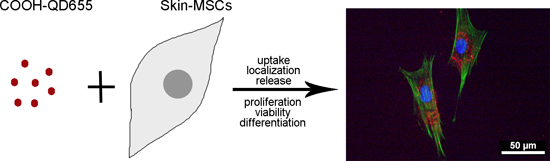
- streptomycin) (all from Sigma-Aldrich, USA). Cell suspensions were transferred into 25 cm2 tissue culture flasks and grown until reaching 80% confluence in a humidified chamber at 37 °C with 5% CO2. Cells were trypsinized with 0.25% trypsin–EDTA solution (Sigma-Aldrich, USA). Cells at passages 2 to 5 were then





Surface-enhanced Raman spectroscopy of cell lysates mixed with silver nanoparticles for tumor classification
Beilstein J. Nanotechnol. 2017, 8, 1183–1190, doi:10.3762/bjnano.8.120
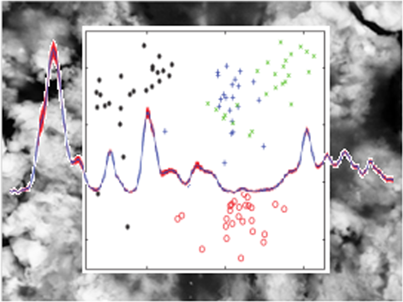
- –EDTA solution (L2143; Biochrom AG, Germany) and fast frozen at −20 °C. The final number of cells in each flask was around 107 cells/mL, which was confirmed by cell counting, using Neubauer Chamber (0.0025 mm2; Marienfied, Germany). In order to prove the reproducibility of our experiments six batches of


Uptake of the proteins HTRA1 and HTRA2 by cells mediated by calcium phosphate nanoparticles
Beilstein J. Nanotechnol. 2017, 8, 381–393, doi:10.3762/bjnano.8.40
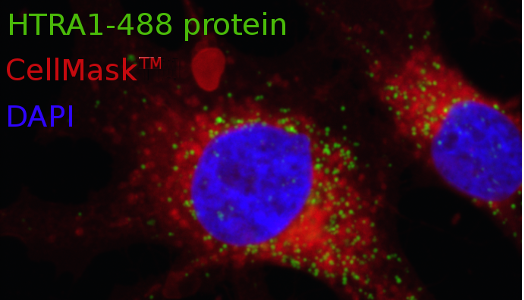
- with protein or the protein alone were added to the corresponding cell samples and incubated for another 3 h. The cells were then harvested for flow cytometry analysis as follows. All samples were washed three times with PBS, detached with trypsin/EDTA (3 min at 37 °C) and transferred into 15 mL Falcon


Comparison of four methods for the biofunctionalization of gold nanorods by the introduction of sulfhydryl groups to antibodies
Beilstein J. Nanotechnol. 2017, 8, 372–380, doi:10.3762/bjnano.8.39
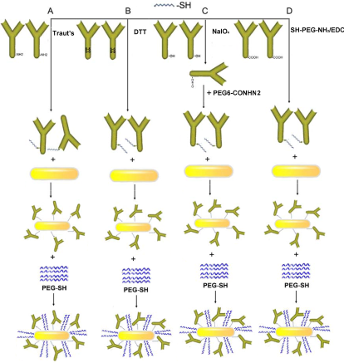
- )trimethoxysilane (MPTMS), ethylenediaminetetraacetic acid (EDTA), poly(ethylene glycol) methyl ether thiol (PEG-SH, Mw ≈ 5000), goat anti-human IgG, dithiotreitol (DTT), thiol-poly(ethylene glycol)amine (SH-PEG-NH2), and human serum IgG were provided by Sigma–Aldrich (St. Louis, MO). Traut’s reagent, ZebaTM spin
- [17]. Thiolation of anti-IgG by Traut’s reagent Thiolation of anti-IgG by Traut’s reagent was performed as previously described [17]. Briefly, 0.1 mL of anti-IgG was resuspended in PBS containing a 10-fold molar excess Traut’s reagent per mole protein and 2 mM EDTA and then mixed and reacted at room
- previously described [19]. Briefly, 0.1 mL of anti-IgG was reconstituted in Buph PBS (0.1 M sodium phosphate, 0.15 M NaCl, pH 7.2) containing 10 mM EDTA. Then, 5 μL DTT (1 M) dissolved in Buph PBS/10 mM EDTA were added to the IgG solution. The samples were mixed and reacted on a rotator at room temperature


Tailoring bifunctional hybrid organic–inorganic nanoadsorbents by the choice of functional layer composition probed by adsorption of Cu2+ ions
Beilstein J. Nanotechnol. 2017, 8, 334–347, doi:10.3762/bjnano.8.36
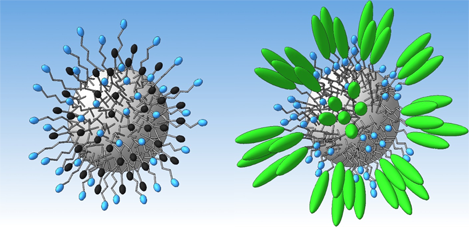
- (reagent grade, Macrochem, Ukraine), NH4Cl, NaNO3, NaCl (chemically pure, Macrochem, Ukraine); HNO3, HCl, NaOH, EDTA - fixanal concentrates (Reahim, Ukraine); murexide (analytical grade, Reahim, Ukraine). Synthesis of nanoparticles The particles were produced by a single-step Stöber approach (for details
- ionic strength was maintained by 1 M NaNO3 solution. The concentration of metal ions in aqueous medium was determined by direct titration of metal ions with 0.0125–0.025 M EDTA (indicator: murexide, buffer: ammonia). Isotherm model evaluation: the Langmuir isotherm is a broadly used model, assuming


A novel electrochemical nanobiosensor for the ultrasensitive and specific detection of femtomolar-level gastric cancer biomarker miRNA-106a
Beilstein J. Nanotechnol. 2016, 7, 2023–2036, doi:10.3762/bjnano.7.193
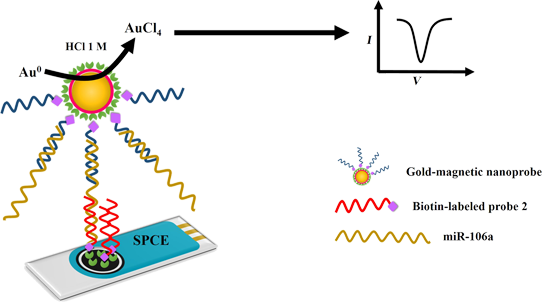
- , Na2HPO4 20 mM, EDTA 0.1 mM at pH 7.4), and the hybridization buffer (NaCl 300 mM, sodium citrate 30 mM at pH 7.4). The SPCEs (3.4 cm length × 1.0 cm width × 0.05 cm height) were purchased from DropSens (Spain). The SPCE consists of a 4 mm diameter disk carbon working electrode, carbon counter electrode


Facile fabrication of luminescent organic dots by thermolysis of citric acid in urea melt, and their use for cell staining and polyelectrolyte microcapsule labelling
Beilstein J. Nanotechnol. 2016, 7, 1905–1917, doi:10.3762/bjnano.7.182
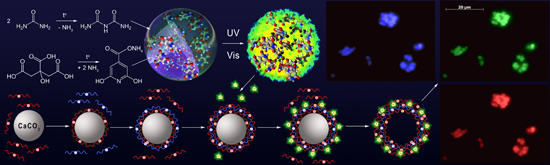
- the following layers: PAH/PSS/PAH/O-dots/PAH/PSS (Figure 8). The core–polyelectrolyte particles were washed three times with deionized water after each adsorption step. Finally, the calcium carbonate cores were dissolved in ethylenediaminetetraacetic acid (EDTA) for 30 min. The microcapsules were
- centrifuged and rinsed three times with EDTA, and then three times with pure water. Cell cultures The effects of O-dots on living cells were studied using reference diploid epithelial swine testicular cell line (ST-cells), from the collection of the Institute of Veterinary Medicine, UAAS, and malignant breast
- , Russia). Cultures were incubated at 37 °C in air containing 5% CO2. Cells growing exponentially were harvested by a brief incubation with 0.25% trypsin–ethylenediaminetetraacetic acid (EDTA) solution (Gibco). The cellular uptake of microcapsules was studied using RAW 264.7 murine macrophage-like cell




Chitosan-based nanoparticles for improved anticancer efficacy and bioavailability of mifepristone
Beilstein J. Nanotechnol. 2016, 7, 1861–1870, doi:10.3762/bjnano.7.178
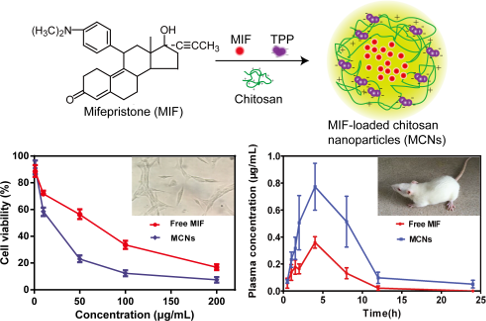
- MIF from the MCNs was performed using the dialysis bag diffusion technique [33]. The dialysis bag was cut into small pieces of appropriate length and boiled for 10 min in a volume (500 mL) of 2% (w/v) sodium bicarbonate and 1 mmol/L EDTA-2Na (pH 8.0) before use. Briefly, 10 mg of dried MCNs were


Synthesis of cobalt nanowires in aqueous solution under an external magnetic field
Beilstein J. Nanotechnol. 2016, 7, 990–994, doi:10.3762/bjnano.7.91
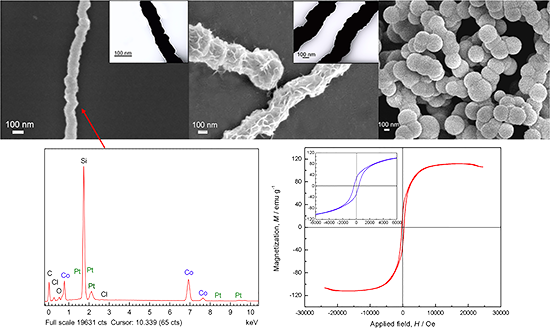
- the chemical reagents used in the experiment were analytical grade. CoCl2·6H2O, EDTA-2Na and PVP acted as Co precursor, chelating agent and surfactant, respectively. N2H4·H2O and H2PtCl6·6H2O worked as reductant and initiator, respectively. The synthesis was performed inside water bath set at 80 °C
- . Firstly, 6 mmol CoCl2·6H2O and 6 mmol EDTA-2Na were dissolved in 60 mL distilled water inside a polytetrafluoroethylene beaker placed between two magnets, with an applied field of 40 mT measured by a HT20 tesla meter. Then NaOH was added to adjust the pH value of the solution to about 14, and 0.18 g PVP


Dielectrophoresis of gold nanoparticles conjugated to DNA origami structures
Beilstein J. Nanotechnol. 2016, 7, 948–956, doi:10.3762/bjnano.7.87
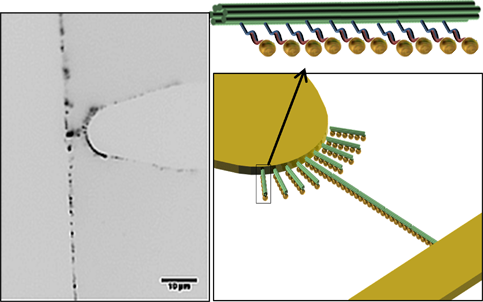
- staple strands were combined with the 10 nM template in a Mg2+ containing 1×TE buffer solution (12.5 mM MgCl2, 40 mM Tris, 2 mM EDTA, pH 8.1). Then, the mixture was heated to 85 °C for 15 min, cooled to 56 °C and further cooled to 4 °C after 1 h. In order to purify the resulting structure from excess
- a thiol functionality at the 3′ end (sequence: 5′TTTTT TTTTT TTTTT TTT–C3H5SH3′, HPLC purified, Biomers.net). For this, 3.2 pmol phosphinated gold nanoparticles were mixed in equivalent ratio with the oligonucleotides in Na+-TBE buffer solution (50 mM NaCl, 89 mM Tris, 89 mM boric acid, 1 mM EDTA pH





