Search results
Search for "Rh" in Full Text gives 140 result(s) in Beilstein Journal of Nanotechnology.
Mo-doped boron nitride monolayer as a promising single-atom electrocatalyst for CO2 conversion
Beilstein J. Nanotechnol. 2019, 10, 540–548, doi:10.3762/bjnano.10.55
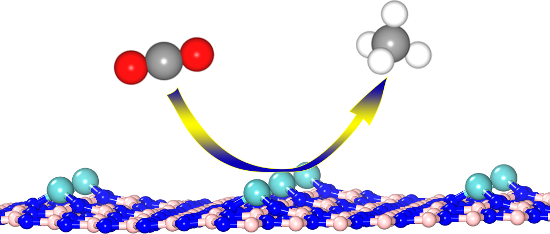
- ), including Sc to Zn, Mo, Ru, Rh, Pd and Ag, supported on a boron nitride (BN) monolayer with boron vacancies, were investigated as electrocatalysts for the CO2 reduction reaction (CRR) using comprehensive density functional theory (DFT) calculations. The results demonstrate that a single-Mo-atom-doped boron
- (TM = Sc to Zn, Mo, Rh, Ru, Pd and Ag) anchored on the boron vacancy in a BN monolayer as electrocatalysts for CO2 conversion through comprehensive density functional theory (DFT) calculations. Based on the calculated results, single Mo doped onto a BN (Mo-doped BN) monolayer was selected as the
- onto BN monolayers (TM-doped BN) as the SACs, the interaction between CO2 and various TM (Sc to Zn, Mo, Ru, Rh, Pd and Ag) doped BN monolayers were considered. Moreover, for efficient reduction of CO2, the interaction between CO2 and the catalyst should be stronger than that between H2O and the


Temperature-dependent Raman spectroscopy and sensor applications of PtSe2 nanosheets synthesized by wet chemistry
Beilstein J. Nanotechnol. 2019, 10, 467–474, doi:10.3762/bjnano.10.46
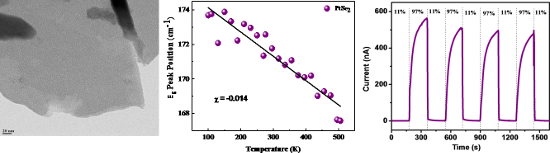
- annealed in a vacuum furnace at 170 °C to improve the contact resistance and adhesion of the nanosheets with the substrate. The humidity sensing performance was investigated by exposing the sensor device to various relative humidity (RH) levels ranging from 11.3–97.3% as described in detail previously [26
- conductivity of the sensor device, similar to that observed for other 2D materials such as SnSe2 [35], MoS2 [36], BP [26], and MoSe2 [37]. Figure 7b shows a typical current–time (I–t) plot where cycles of 11.3% and 97.3% RH levels were used to calculate the response and recovery time. The response and recovery
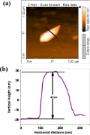
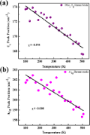
- function of temperature. PtSe2 nanosheet based humidity sensor: (a) Typical resistance versus relative humidity plot and (b) current–time (I–t) plot taken after switching 11% RH and 97% RH. The photodetector application of PtSe2 nanosheets: (c) I–V in dark conditions and with green LED light and (d



Investigation of CVD graphene as-grown on Cu foil using simultaneous scanning tunneling/atomic force microscopy
Beilstein J. Nanotechnol. 2018, 9, 2953–2959, doi:10.3762/bjnano.9.274
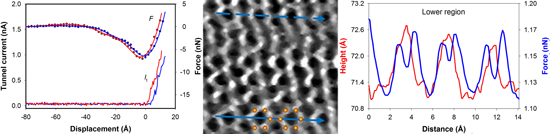
- two main groups, i.e., “strongly bonded” and “weakly bonded”. Graphene–Ni, graphene–Co and graphene–Rh are classified as strongly bonded and others such as graphene–Cu, graphene–Au and graphene–Ir are classified as weakly bonded. Moreover, graphene–metal interaction can result in a lattice-matched


Comparative biological effects of spherical noble metal nanoparticles (Rh, Pd, Ag, Pt, Au) with 4–8 nm diameter
Beilstein J. Nanotechnol. 2018, 9, 2763–2774, doi:10.3762/bjnano.9.258
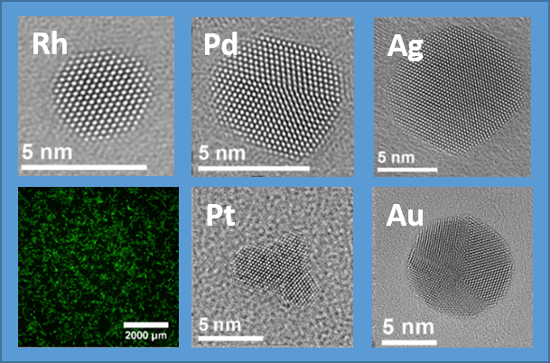
- /bjnano.9.258 Abstract For a comparative cytotoxicity study, nanoparticles of the noble metals Rh, Pd, Ag, Pt, and Au (spherical, average diameter 4 to 8 nm) were prepared by reduction in water and colloidally stabilized with poly(N-vinyl pyrrolidone) (PVP). Thus, their shape, size, and surface
- after unintended exposure [10][11][12][13][14]. Noble metal nanoparticles such as Au, Pt, Pd, and Rh have distinct catalytic properties in biology, and have been reported to show several enzyme-like activities in vitro, including reactive oxygen species scavenger activity [15][16][17][18][19][20][21][22
- ][52]. This previously prompted us to carry out a multicentre study where the same silver nanoparticles were investigated in different laboratories with different biological assays [44]. Following the same approach, we have synthesized and thoroughly characterized nanoparticles of the noble metals Rh


High-temperature magnetism and microstructure of a semiconducting ferromagnetic (GaSb)1−x(MnSb)x alloy
Beilstein J. Nanotechnol. 2018, 9, 2457–2465, doi:10.3762/bjnano.9.230
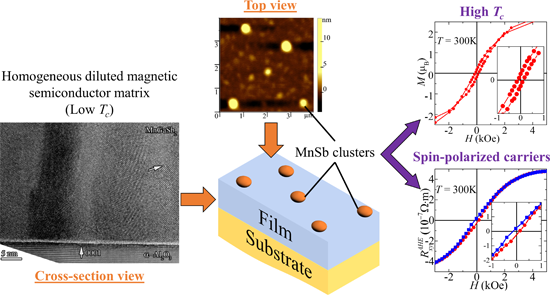
- sample are shown in Figure 3a and Figure 3b. The Hall resistivity in magnetic systems can be divided into two parts: where RH is the Hall constant, used for the determination of Np and μ (see Table 1), and Rs is the anomalous Hall constant, which is defined by several parameters of the system [22]. Thus
- presented curves we used a simple linear fit of the high field region. In this case the fitting function has two variables, the slope (RH) and an offset, which corresponds to the saturated AHE amplitude RAHE. A second sign for the interaction between magnetic and conducting subsystems is the appearance of a
- ], while the total magnetic moment of isolated Mn atoms can be substantially smaller than that of MnSb inclusions. The temperature dependence of ΔRH is more complicated. But in the present case of a large AHE contribution, MR and AHE itself can strongly affect RH through the relations of conductivity and



Electrospun one-dimensional nanostructures: a new horizon for gas sensing materials
Beilstein J. Nanotechnol. 2018, 9, 2128–2170, doi:10.3762/bjnano.9.202
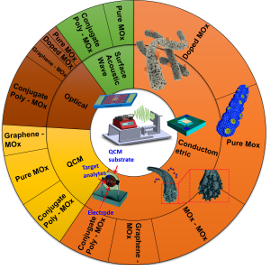
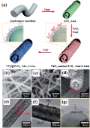
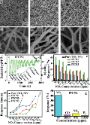
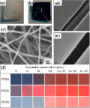
- functionalized MOx NFs with superior sensitivity and fast response in a high humidity environment (95% relative humidity (RH)). WO3 NFs functionalized by RuO2 [189] and Rh2O3 [106] NPs show improved response toward acetone at 350 °C. The fibers have an average diameter in the range 250–300 nm with no significant
- ) exhibited high response (Rair/Rgas = 5.06) toward 1 ppm acetone at 400 °C with high selectivity, and fast response (20 s) and recovery (64 s) time under a highly humid atmosphere (95% RH) [192]. Gas sensing experiments were performed at an optimum temperature of 350 °C for detection of toluene in the






A variable probe pitch micro-Hall effect method
Beilstein J. Nanotechnol. 2018, 9, 2032–2039, doi:10.3762/bjnano.9.192
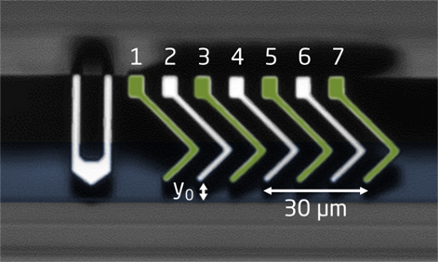
- measurements are the definitions of the resistance difference for the pairs, ΔRXX′ ≡ RX − RX′, as well as their resistance average, , where . For an equidistant four-point probe placed parallel to an insulating boundary, the resistance difference for the (B, B’) pair is where RH is the Hall sheet resistance, s
- multipoint-probes. After y0 has been calculated using either method, the Hall sheet resistance RH and the sheet resistance R0 can be determined by means of respectively, with . Finally, the Hall sheet carrier density, NHS, and the Hall mobility, μH, can be found from [4] and where Z is the sign of the charge
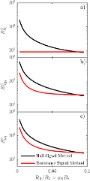
- increased error with increasing distance from the boundary. The largest error is found for NHS and the lowest for R0. Interestingly, the error of μH is lower than that of NHS, indicating a correlation of the errors of R0 and RH. This effect has previously been observed experimentally [9]. For the sheet


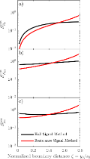
![[Graphic 11]](/bjnano/content/inline/2190-4286-9-192-i25.svg?max-width=637&scale=1.18182) for a) R0, b) NHS and c) μH when in- and off-line errors are present during ...
for a) R0, b) NHS and c) μH when in- and off-line errors are present during ...

![[Graphic 15]](/bjnano/content/inline/2190-4286-9-192-i29.svg?max-width=637&scale=1.18182) for the sheet resistance, Hall mobility and Hall sheet carrier density, due ...
for the sheet resistance, Hall mobility and Hall sheet carrier density, due ...
A differential Hall effect measurement method with sub-nanometre resolution for active dopant concentration profiling in ultrathin doped Si1−xGex and Si layers
Beilstein J. Nanotechnol. 2018, 9, 1926–1939, doi:10.3762/bjnano.9.184
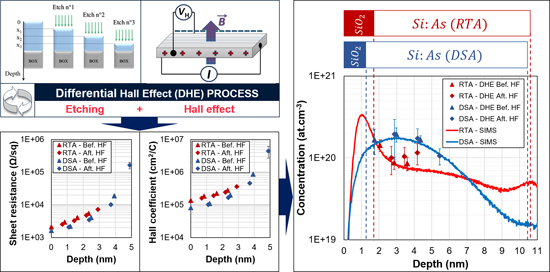
- %. Scattering correction must be accounted for when extracting Hall effect parameters. The measured values of Hall carrier concentration and Hall mobility are therefore corrected by using the Hall scattering factor, rH, [33][34][35] which depends on the studied material, i.e., on Ge content, doping type and
- with the more precise value of 88.60 ± 0.27 cm2·V−1·s−1 that can be extracted from the raw mobility data (cf. Figure 3c, rH = 0.4) obtained from much thicker layers (between 15 and 20 nm thick). Also, these mobility values are perfectly compatible with those predicted by analytical models for a doping
- factor rH = 1 was chosen in this case [20]). The results indicate that both annealing treatments yield high dopant activation, with millisecond-DSA resulting in slightly better parameters, i.e., a higher active dopant density and an overall lower sheet resistance compared to spike-RTA. Indeed, using the


Understanding the performance and mechanism of Mg-containing oxides as support catalysts in the thermal dry reforming of methane
Beilstein J. Nanotechnol. 2018, 9, 1162–1183, doi:10.3762/bjnano.9.108
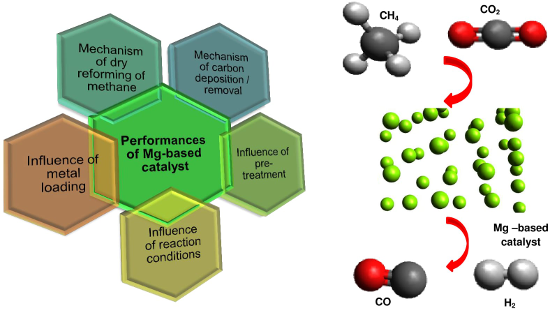
- support and active metal particles [16][17][18]. The loss of catalytic activity or selectivity over time of production affects the cost of catalyst replacement, process shutdown, and product quality and quantity. Numerous researchers have reported that noble metal-based catalysts, such as Pt, Rh, Pd, Ru






Electrostatic force spectroscopy revealing the degree of reduction of individual graphene oxide sheets
Beilstein J. Nanotechnol. 2018, 9, 1146–1155, doi:10.3762/bjnano.9.106
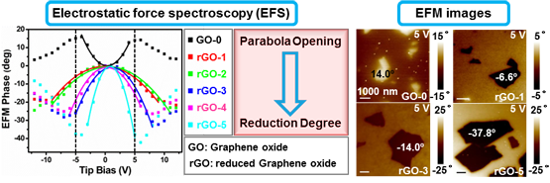
- adiabatic hoses, forming the gas transmission loop. The temperature fluctuations were below 0.2 °C and the error of humidity control was about 2% relative humidity (RH). To avoid influences on EFM or SPFM imaging from the dielectric constant change of the mica substrate, all the SPM-based operations were


Semi-automatic spray pyrolysis deposition of thin, transparent, titania films as blocking layers for dye-sensitized and perovskite solar cells
Beilstein J. Nanotechnol. 2018, 9, 1135–1145, doi:10.3762/bjnano.9.105
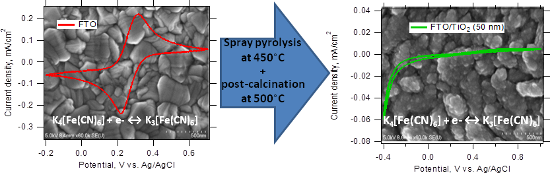
- ) equipped with a Rh anode end window and a 4GN-type X-ray tube fitted with a 50 μm Be window. The obtained data were evaluated by Uniquant 4 software. Photo-electrochemical and electrochemical experiments were carried out in a one-compartment three-electrode cell using an Autolab Pgstat 101 instrument


Scanning speed phenomenon in contact-resonance atomic force microscopy
Beilstein J. Nanotechnol. 2018, 9, 945–952, doi:10.3762/bjnano.9.87
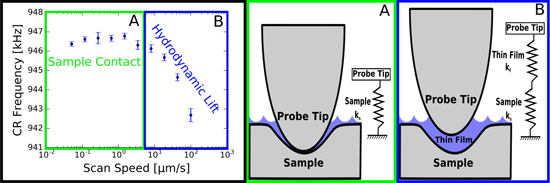
- indented into a mica surface with a force of 100 nN in an environment with a relative humidity (RH) of 41% and scanned in a direction orthogonal to the long axis of the cantilever (scan angle of 90°). The resulting in-contact natural frequencies of the cantilever are measured while the tip is moved across
- believe that the presence of a thin film of water and hydrodynamic lift explains the scan speed-dependent phenomenon observed on our mica sample at 41% RH. Many studies have found that an “ice-like” or “solid-like” layer of structured water is found on hydrophilic surfaces under the right temperature
- be approximately 1 nm in thickness and formed at approximately 40% RH on mica [26][27]. The water film was found to have elastic, viscous, and energy dissipation properties that changed when the driving amplitude was varied [30][33][34]. Hofbauer et al. found that “the mechanical stress exerted by


Nanoscale mapping of dielectric properties based on surface adhesion force measurements
Beilstein J. Nanotechnol. 2018, 9, 900–906, doi:10.3762/bjnano.9.84
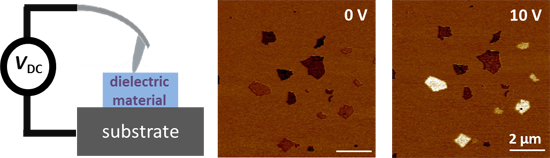
- 18–25 °C, and relative humidity (RH) 35–60%) (Figure 2a,c). However, the contrast of the corresponding adhesion images increases significantly (Figure 2b,d). When the tip bias was lowered back to 0 V, both height and adhesion images returned to the original state before the dc voltage was applied
- AFM tip changed very little, which is quite different from the result in our previous SPFM experiment, in which the apparent height of RGO sheets under a biased tip usually increased sharply when RH was lower than 40% [32]. This is because the set point of the force, which is used as the feedback
- temperature 18–25 °C, RH 35–60%). All of the sheets in the height image have similar contrast (Figure 3a) but are quite different in the adhesion force images (Figure 3b,c). When the tip bias was 0 V, although the contrast of all sheets is darker than that of the mica substrate, the sheets can still be


Optimal fractal tree-like microchannel networks with slip for laminar-flow-modified Murray’s law
Beilstein J. Nanotechnol. 2018, 9, 482–489, doi:10.3762/bjnano.9.46
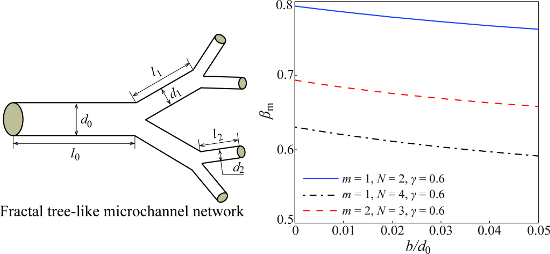
- -like microchannel network with N branches and m levels, the total hydraulic resistance of the fluid flow in the entire network can be obtained using the electric circuit analogy based on the physical similarities between microfluidics and electronics as follows [17][27]. where RH is the total hydraulic


Facile synthesis of ZnFe2O4 photocatalysts for decolourization of organic dyes under solar irradiation
Beilstein J. Nanotechnol. 2018, 9, 436–446, doi:10.3762/bjnano.9.42
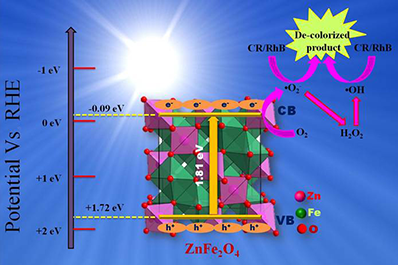
- , FESEM, UV–vis DRS, PL, FTIR and photocurrent measurements. The photocatalytic activity of the prepared material is studied with regard to the degradation of rhodamine B (Rh B) and Congo red under solar irradiation. The kinetic study showed that the material exhibits zeroth and first order reaction
- kinetics for the degradation of Rh B and Congo red, respectively. The photocatalytic behaviour of ZnFe2O4 was systematically studied as a function of the activation temperature. ZnFe2O4 prepared at 500 °C showed the highest activity in degrading Rh B and Congo red. The highest activity of ZnFe2O4-500 °C
- correlates well with the lowest PL intensity, highest photocurrent and lowest particle size. Keywords: Congo red; electrochemical study; phenol; photocatalyst; rhodamine B (Rh B); ZnFe2O4; Introduction Photocatalysis is a “green” technology for the treatment of environmental pollutants with solar energy [1


Review: Electrostatically actuated nanobeam-based nanoelectromechanical switches – materials solutions and operational conditions
Beilstein J. Nanotechnol. 2018, 9, 271–300, doi:10.3762/bjnano.9.29


Synthesis of metal-fluoride nanoparticles supported on thermally reduced graphite oxide
Beilstein J. Nanotechnol. 2017, 8, 2474–2483, doi:10.3762/bjnano.8.247
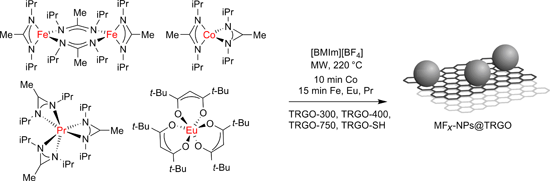
- Suzuki–Miyaura coupling reaction [14]. In 2011, metal carbonyls in dispersion with TRGO and ionic liquid (IL) were exposed to short low-energy microwave irradiation. The resulting Ru@TRGO and Rh@TRGO particles had high catalytic hydrogenation activity [12]. Metallic nanoparticles on graphene have


Strategy to discover full-length amyloid-beta peptide ligands using high-efficiency microarray technology
Beilstein J. Nanotechnol. 2017, 8, 2446–2453, doi:10.3762/bjnano.8.243
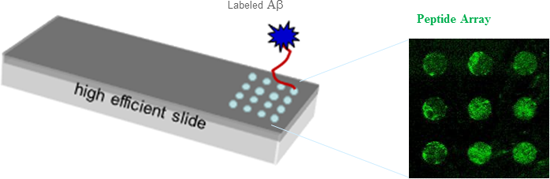
- have been stored in a humidity chamber that was provided with a constant-humidity environment at a controlled temperature (22 °C and 95% relative humidity, RH). The physical state of the amyloid peptides was then tested by TEM. TEM analysis was performed with a Jeol JEM 2010 electron microscope
- volume of the spotted drops was 333 pL ± 5%. After dispensing, all slides were placed in a humidity chamber at 22 °C and 95% RH overnight. Spotted slides were then scanned with a PerkinElmer Scanarray express laser scanner apparatus. The slides were then blocked with 1% (w/v) BSA in phosphate buffer for
- 1 h, washed three times under stirring with phosphate buffer for 2 min, and finally washed with water for 10 min. For the Aβ40 incubation test, the blocked slides were incubated with the 1 μM Cy3-Aβ40 solution in a humidity chamber at 22 °C and 95% RH. After 1 h, the incubation was stopped with the


High-stress study of bioinspired multifunctional PEDOT:PSS/nanoclay nanocomposites using AFM, SEM and numerical simulation
Beilstein J. Nanotechnol. 2017, 8, 2069–2082, doi:10.3762/bjnano.8.207
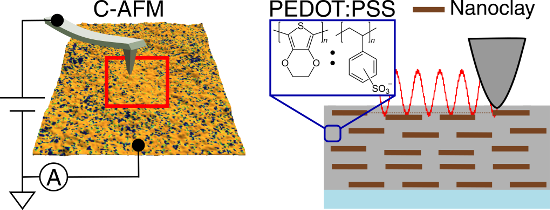
- conditions (≈20 °C and ≈40% RH). The scanning electron microscopy (SEM) images were taken using a FEI Teneo LV. Samples were casted on a glass slide, then cooled down with liquid nitrogen and broken in half. They were then placed at a 45-degree angle with respect to the electron gun, in order to observe the


Application of visible-light photosensitization to form alkyl-radical-derived thin films on gold
Beilstein J. Nanotechnol. 2017, 8, 1863–1877, doi:10.3762/bjnano.8.187
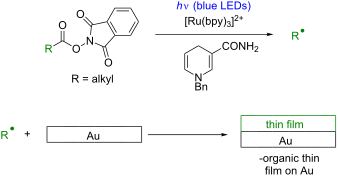
- turns over the photosensitizer (Equation 2) [39]. The fate of 7 is protonation, possibly by BNAH∙+ (4), to generate phthalimide [39]. Alkyl radical R∙ would then be subject to processes including reduction to alkane RH with generation of benzyl nicotinamide radical (BNA∙, 8, Equation 3) or fully
- to generate Au–C bonds at the surface [3][4][5][21][22][23][24][25][26][27][28], adsorption of RH to the surface, and crosslinking of radicals at the surface [42][43][44]. While this approach to alkyl radical formation has been exploited in the synthesis of small organic molecules [35][36][37][38][39



Two-dimensional carbon-based nanocomposites for photocatalytic energy generation and environmental remediation applications
Beilstein J. Nanotechnol. 2017, 8, 1571–1600, doi:10.3762/bjnano.8.159
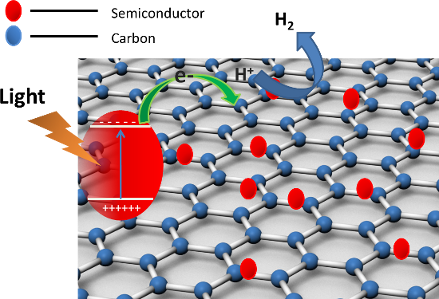
- cocatalysts, such as Pt, Rh, NiO, and RuO2. These cocatalysts are mainly helpful to introduce the active sites on the photocatalyst surface, to facilitate the electron transfer from the CB of excited semiconductor, and hence, to enhance the process of H2 generation [11]. However, the sacrificial agents
- nanoparticles and accelerate the photocatalytic rate by introducing more reaction sites and promoting charge separation in semiconductors [115]. In water splitting reactions, generally noble metals (e.g., Pt, Rh) and some metal oxides (e.g., NiO) act as the cocatalyst and these are loaded on the surface of


Low-temperature CO oxidation over Cu/Pt co-doped ZrO2 nanoparticles synthesized by solution combustion
Beilstein J. Nanotechnol. 2017, 8, 1546–1552, doi:10.3762/bjnano.8.156

- , different types of catalysts including monometallic (e.g., Pt, Pd, Rh, Au, Ni, Co and Sn), bimetallic (e.g., Pd–Au, Pd–Rh, Pt–Co, Cu–Rh, Au–Cu and Au–Ag) along with various types of supports (e.g., CeO2, SiO2, Al2O3, Co3O4, Fe2O3, activated carbon (AC), carbon nanotubes (CNTs) and ZrO2) have been reported
- ZrO2-based composite showed very high catalytic activity [23]. The addition of Pt, Ni, Rh and Cu into the support result in an increase in oxygen vacancies, oxygen storage capacity, smaller particle size, high specific surface area, and better stability of the material [24][25][26][27][28]. Recently




Adsorption and electronic properties of pentacene on thin dielectric decoupling layers
Beilstein J. Nanotechnol. 2017, 8, 1388–1395, doi:10.3762/bjnano.8.140
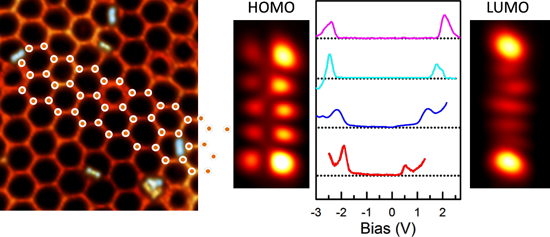
- electronic properties of pentacene deposited onto h-BN/Rh(111) and compare them with those of pentacene deposited onto KCl on various metal surfaces. When deposited onto KCl, the HOMO and LUMO energies of the pentacene molecules scale with the work functions of the combined KCl/metal surface. The magnitude
- individual molecules on thin electronically decoupling layers. Depositing pentacene onto h-BN/Rh(111) results in significantly different adsorption characteristics, due to the topographic corrugation of the surface as well as the lateral electric fields it presents. These properties are reflected in the
- divergence from the aforementioned trend for the orbital energies of pentacene deposited onto h-BN/Rh(111), as well as in the different adsorption geometry. Thus, the highly desirable capacity of h-BN to trap molecules comes at the price of enhanced metal–molecule interaction, which decreases the HOMO–LUMO


Synthesis of [Fe(Leq)(Lax)]n coordination polymer nanoparticles using blockcopolymer micelles
Beilstein J. Nanotechnol. 2017, 8, 1318–1327, doi:10.3762/bjnano.8.133
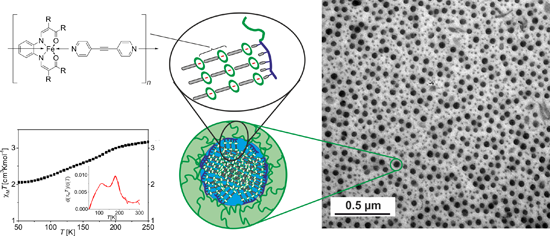
- measurement consisted of three consecutive runs. Mössbauer spectroscopy: 57Fe Mössbauer spectra were recorded in transmission geometry under constant acceleration using a conventional Mössbauer spectrometer with a 50 mCi 57Co(Rh) source. The samples were sealed in the sample holder in an argon atmosphere. The



Treatment of fly ash from power plants using thermal plasma
Beilstein J. Nanotechnol. 2017, 8, 1043–1048, doi:10.3762/bjnano.8.105
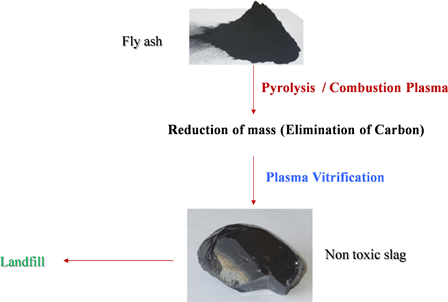
- such as V, Ca, Mg, Na, Fe, Ni, and Rh. The scanning electron microscopy analysis shows that fly ash particles are porous and have very irregular shapes with particle sizes of 20–50 μm. The treatment of fly ash was carried out in a plasma reactor and in two steps. In the first step, fly ash was treated
- were V, Ca, Mg, Na, Fe, Ni, and Rh. The minor constituents (10–100 mg/kg) include Br, Si, and Al. The fly ash contains also toxic elements such as Pb, As, Zn, and Cr but with relatively low concentrations. In addition, the fly ash samples have been analyzed for carbon, sulfur, nitrogen and hydrogen
- disposed in landfill. Conclusion Fly ash collected in exhaust treatment system of power plants using heavy fuel oils is mainly composed of carbon (90.81 wt %), sulfur (6.17 wt %) and residue ash such as V, Ca, Mg, Na, Fe, Ni, and Rh. Fly ash particles are porous, they have very irregular shapes and