Search results
Search for "diagnostics" in Full Text gives 117 result(s) in Beilstein Journal of Nanotechnology.
Applications of superparamagnetic iron oxide nanoparticles in drug and therapeutic delivery, and biotechnological advancements
Beilstein J. Nanotechnol. 2020, 11, 1092–1109, doi:10.3762/bjnano.11.94
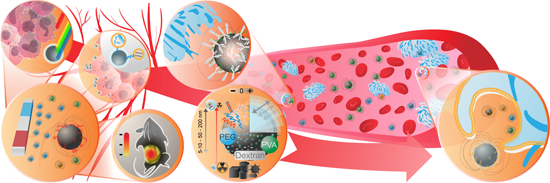
- and dosages for the safe usage of SPIONs [26]. SPIONs have immense potential in diagnostics and treatment of various diseases, and also, in biotechnology and research. However, there is still a lack of understanding about how to synthesize SPIONs that are truly safe for human application and also for
- detection. SPIONs have gained a lot of interest in theranostics, which combines diagnostics and treatment by a single intervention, where they show a lot of promise [64][134][135][136][137][138]. Depending on the dimension of the SPIONs, the heating during hyperthermia is determined by Néel relaxation for


Gas-sensing features of nanostructured tellurium thin films
Beilstein J. Nanotechnol. 2020, 11, 1010–1018, doi:10.3762/bjnano.11.85
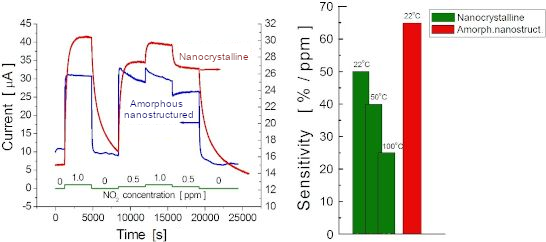
- ] for extended reviews on the topic). In the last decade, Te has also become an attractive element with great biological applicability since it can be used as quantum dots in imaging and diagnostics and has antibiotic properties [3]. Even though Te has a biological relevance, it is largely used in the


Uniform Fe3O4/Gd2O3-DHCA nanocubes for dual-mode magnetic resonance imaging
Beilstein J. Nanotechnol. 2020, 11, 1000–1009, doi:10.3762/bjnano.11.84
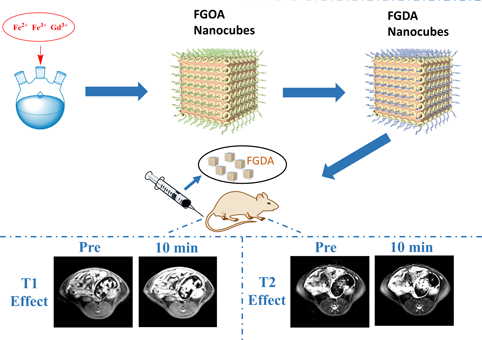
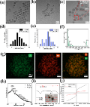
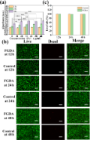
- -weighted images showed that FGDA nanocubes act as a dual-mode contrast agent enhancing MRI quality. Overall, these experimental results suggest that the FGDA nanocubes are interesting tools that can be used to increase MRI quality, enabling accurate clinical diagnostics. Keywords: 3,4
- diagnostics due to its high spatial resolution and capability to differentiate between healthy and unhealthy soft tissues [1][2][3][4][5]. However, due to the substantial increase in the number and complexity of diseases, and also to the fact that MRI has low sensitivity in the absence of contrast, many



Molecular architectonics of DNA for functional nanoarchitectures
Beilstein J. Nanotechnol. 2020, 11, 124–140, doi:10.3762/bjnano.11.11
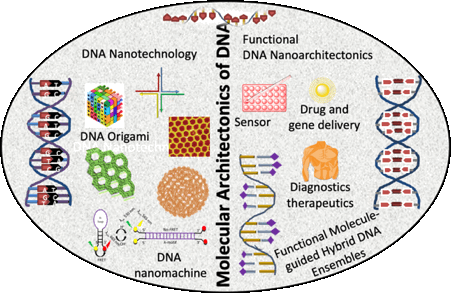
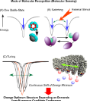
- , sensors, molecular or nanoelectronics, diagnostics, drug delivery, and biomedical sciences. The remarkable molecular fidelity and sequence-specific molecular recognition make DNA the ideal candidate in the scheme of molecular architectonics to design and construct functional DNA nanoarchitectures. In this


Internalization mechanisms of cell-penetrating peptides
Beilstein J. Nanotechnol. 2020, 11, 101–123, doi:10.3762/bjnano.11.10
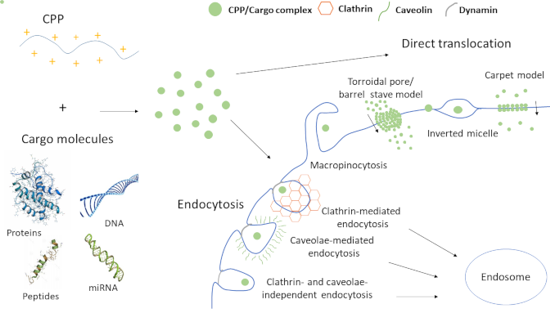
- compounds lies in their ability to target specific molecules and biological pathways, and thus, modulate molecular activities in a positive or negative manner [4]. The outstanding possibilities offered by the use of such molecules (proteins, peptides and nucleic acids) in the diagnostics and treatment of a


Advanced hybrid nanomaterials
Beilstein J. Nanotechnol. 2019, 10, 2563–2567, doi:10.3762/bjnano.10.247

- , including double targeting, are also highlighted in several articles. Among others, nanoparticles are often used as specific agents in dual therapy and diagnostics (i.e., theranostics). In “Size-selected Fe3O4–Au hybrid nanoparticles for improved magnetism-based theranostics”, a Fe3O4–Au hybrid nanomaterial
Use of data processing for rapid detection of the prostate-specific antigen biomarker using immunomagnetic sandwich-type sensors
Beilstein J. Nanotechnol. 2019, 10, 2171–2181, doi:10.3762/bjnano.10.210
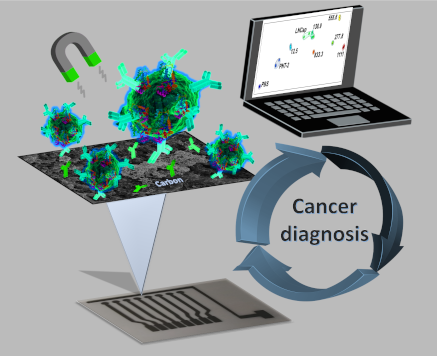
- specificity, PSA screening has contributed to a significant decline (45–70%) in prostate cancer mortality since the early 1990s [1]. To identify cancer biomarkers and to develop methodologies to quantify them at low cost is critical for early cancer diagnostics, while it also helps to understand cancer


Review of advanced sensor devices employing nanoarchitectonics concepts
Beilstein J. Nanotechnol. 2019, 10, 2014–2030, doi:10.3762/bjnano.10.198
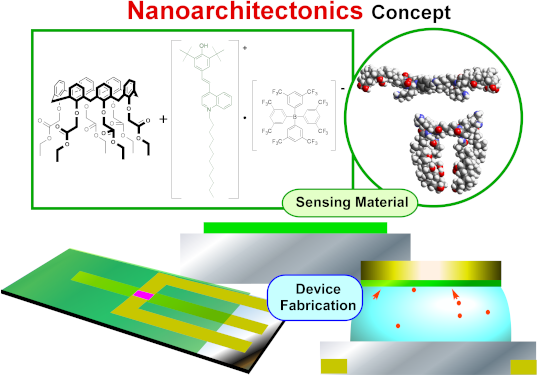
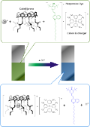
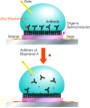
- nanoarchitectonics strategy could be applied for the sensing of various bio-related substances and may become useful for diagnostics of diseases such as cancer. Sensors that are used to detect environmental risks mostly require detection of metal ions and toxic ions. Akamatsu et al. developed an optode-type sensor





Magnetic properties of biofunctionalized iron oxide nanoparticles as magnetic resonance imaging contrast agents
Beilstein J. Nanotechnol. 2019, 10, 1964–1972, doi:10.3762/bjnano.10.193
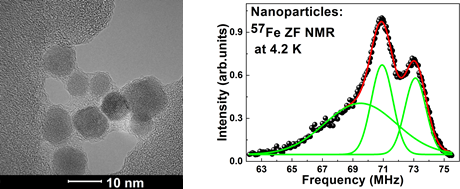
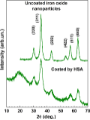
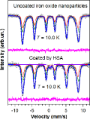
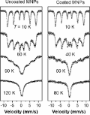
- Background: One of the future applications of magnetic nanoparticles is the development of new iron-oxide-based magnetic resonance imaging (MRI) negative contrast agents, which are intended to improve the results of diagnostics and complement existing Gd-based contrast media. Results: Iron oxide




Growth dynamics and light scattering of gold nanoparticles in situ synthesized at high concentration in thin polymer films
Beilstein J. Nanotechnol. 2019, 10, 1768–1777, doi:10.3762/bjnano.10.172
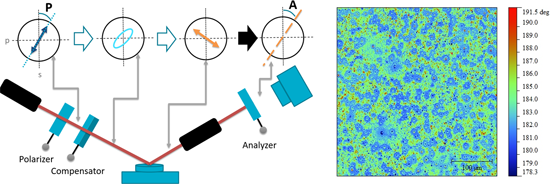
- solar infrared radiation [3][4], in random lasers [5][6], in non-linear optical applications [7][8][9] and in sensors or bio-medical diagnostics [10][11][12]. More recently, nanocomposites containing AuNPs received even more attention due to their saturable absorption. Indeed, plasmonic nanocomposites


Effects of gold and PCL- or PLLA-coated silica nanoparticles on brain endothelial cells and the blood–brain barrier
Beilstein J. Nanotechnol. 2019, 10, 941–954, doi:10.3762/bjnano.10.95
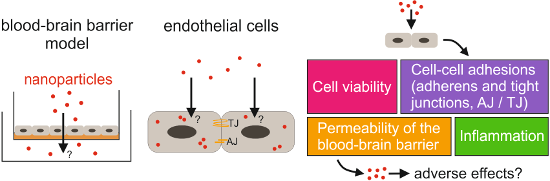
- , and has gained further importance over the past few decades [1]. This technology also offers promising possibilities for medical applications such as tumor diagnostics and therapy, as drug carriers or in biodegradable implants, e.g., in laser tissue soldering (LTS) [2]. LTS provides a promising



Features and advantages of flexible silicon nanowires for SERS applications
Beilstein J. Nanotechnol. 2019, 10, 725–734, doi:10.3762/bjnano.10.72
- SAFU, project 263 KK.01.1.1.01.0001., Croatian Science Foundation under the project (IP-2014-09-7046) and COST action BM1401 - Raman-based applications for clinical diagnostics (Raman4Clinics). The authors would like to thank Silmeco, SERSitive and AtoID companies for SERS substrates providing.


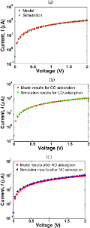
A carrier velocity model for electrical detection of gas molecules
Beilstein J. Nanotechnol. 2019, 10, 644–653, doi:10.3762/bjnano.10.64
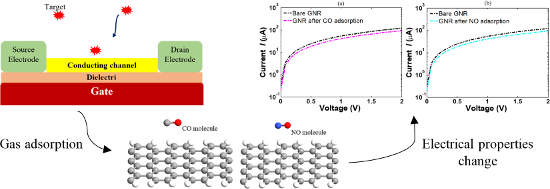
- . Graphene nanoribbons (GNRs) which have exceptional electrical, physical, and chemical properties can fulfil all of these requirements. The detection of gas molecules using gas sensors, particularly in medical diagnostics and safety applications, is receiving particularly high demand. GNRs exhibit




Surface plasmon resonance enhancement of photoluminescence intensity and bioimaging application of gold nanorod@CdSe/ZnS quantum dots
Beilstein J. Nanotechnol. 2019, 10, 22–31, doi:10.3762/bjnano.10.3
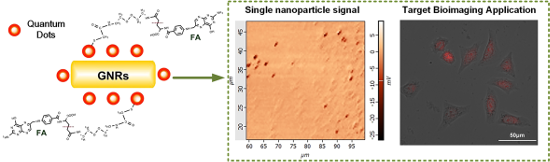
- Siyi Hu Yu Ren Yue Wang Jinhua Li Junle Qu Liwei Liu Hanbin Ma Yuguo Tang CAS Key Laboratory of Bio-Medical Diagnostics, Suzhou Institute of Biomedical Engineering and Technology, Chinese Academy of Sciences, Suzhou 215163, P. R. China School of Science, Changchun University of Science and


Contactless photomagnetoelectric investigations of 2D semiconductors
Beilstein J. Nanotechnol. 2018, 9, 2741–2749, doi:10.3762/bjnano.9.256
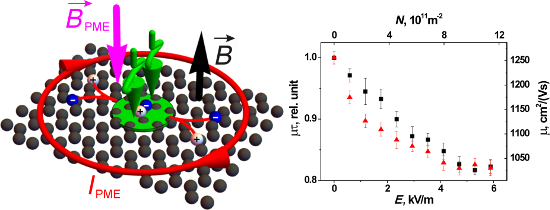
- illumination was determined using a Rigol Technologies DS1202CA oscilloscope. The spatial distribution of illumination (Figure 4b,c) was controlled using a beam diagnostics digital CCD camera LaserCam-HR II and BeamView version 4.8.1 software (Coherent). From this measurement, an effective diameter of 52 μm

![[Graphic 1]](/bjnano/content/inline/2190-4286-9-256-i2.svg?max-width=637&scale=1.18182) evoked by the PME circulating current in a point-illuminated 2D...
evoked by the PME circulating current in a point-illuminated 2D...

![[Graphic 7]](/bjnano/content/inline/2190-4286-9-256-i8.svg?max-width=637&scale=1.18182) vs the illumination intensity for differe...
vs the illumination intensity for differe...

![[Graphic 15]](/bjnano/content/inline/2190-4286-9-256-i16.svg?max-width=637&scale=1.18182) vs the carrier lifetime for different values ...
vs the carrier lifetime for different values ...


Size-selected Fe3O4–Au hybrid nanoparticles for improved magnetism-based theranostics
Beilstein J. Nanotechnol. 2018, 9, 2684–2699, doi:10.3762/bjnano.9.251
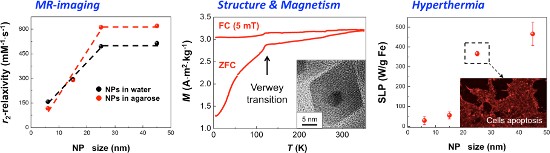
- hyperthermia; magnetic resonance imaging; nanomagnetism; theranostics; Introduction Biocompatible magnetite nanoparticles (NPs) are anticipated to provide new noninvasive therapies and early diagnostics for previously incurable diseases using a single, so-called “theranostics” platform [1][2][3]. The magnetic


Non-agglomerated silicon–organic nanoparticles and their nanocomplexes with oligonucleotides: synthesis and properties
Beilstein J. Nanotechnol. 2018, 9, 2516–2525, doi:10.3762/bjnano.9.234
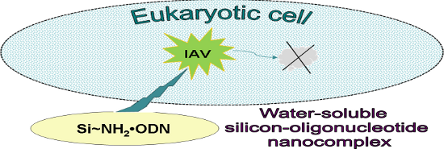
- series of works describes the synthesis of amino-containing silicon nanoparticles, so-called ORMOSIL, and their use for diagnostics and therapy [15][18]. Most often, these methods lead to the formation of nanoparticles with a diameter of 20–100 nm. Silica is particularly attractive as a functional


Optimization of the optical coupling in nanowire-based integrated photonic platforms by FDTD simulation
Beilstein J. Nanotechnol. 2018, 9, 2248–2254, doi:10.3762/bjnano.9.209
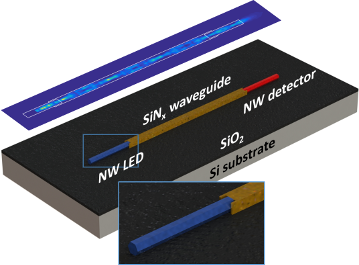
- communication; Introduction Today, infrared (IR) photonic integrated circuits (PICs) represent a well-established technology with numerous applications in optical telecommunications [1][2][3][4]. However, for life science applications (biosensors, molecular diagnostics, food inspection, etc.) visible light


High-throughput synthesis of modified Fresnel zone plate arrays via ion beam lithography
Beilstein J. Nanotechnol. 2018, 9, 2049–2056, doi:10.3762/bjnano.9.194
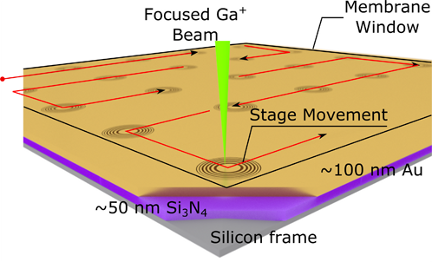
- that relatively large areas can be decorated with nanostructured devices via IBL by using multipurpose SEM/FIB instruments with potential applications in FEL focusing, extreme UV and soft X-ray lithography and as wavefront sensing devices for beam diagnostics. Keywords: extreme ultraviolet (EUV


Synthesis of carbon nanowalls from a single-source metal-organic precursor
Beilstein J. Nanotechnol. 2018, 9, 1895–1905, doi:10.3762/bjnano.9.181
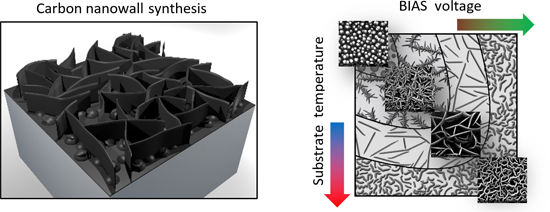
- superhydrophilic properties, which has a significant effect on cell growth, making CNWs an interesting material for biotechnology (bio-sensors) and medical technology (implants, diagnostics) [13][17]. The growth of CNWs is often referred to as a three-stage process that was originally proposed by Kondo and co


Surface characterization of nanoparticles using near-field light scattering
Beilstein J. Nanotechnol. 2018, 9, 1228–1238, doi:10.3762/bjnano.9.114
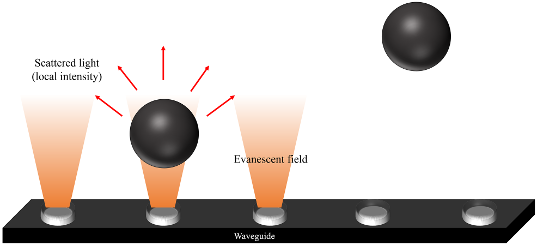
- . Acknowledgements Funding for this work was provided by the NIH (1R21EB017504-01) and the Analytics and Diagnostics Laboratory at Binghamton University. We would like to thank Abbey Weith for her assistance with nanophotonic force microscopy experiments and initial data gathering.




Review on nanoparticles and nanostructured materials: history, sources, toxicity and regulations
Beilstein J. Nanotechnol. 2018, 9, 1050–1074, doi:10.3762/bjnano.9.98



Nanoparticle delivery to metastatic breast cancer cells by nanoengineered mesenchymal stem cells
Beilstein J. Nanotechnol. 2018, 9, 321–332, doi:10.3762/bjnano.9.32
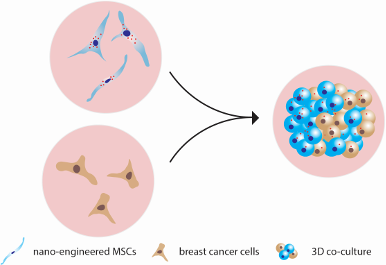
- ; mesenchymal stem cells; quantum dots; spheroids; 3D cell culture; Introduction The recent progress in the development of nanoscale agents opens up new perspectives for targeted drug delivery in cancer diagnostics, imaging and therapy. However, once administered into the body, nanoparticles (NPs) are rapidly
- origin, such as adipogenic, osteogenic and chondrogenic cells [6]. MSC-based therapies are being increasingly investigated for their promising potential in cancer diagnostics and treatment [5][7][8]. In vivo studies have demonstrated that MSCs can effectively deliver nanorattle-encapsulated doxorubicin



Advances in nanocarbon composite materials
Beilstein J. Nanotechnol. 2018, 9, 20–21, doi:10.3762/bjnano.9.3
- then expanded to the area of two-dimensional materials. This Thematic Series contains reviews and articles spanning diverse areas of research and highlights promising applications for energy transfer composites, coatings, biosensors, diagnostics, biomedicine and advanced nanocarbon materials. Many of
- newer areas of nanocarbon materials for use in biomedicine and diagnostics. Energy transfer materials are also well represented with articles and reviews covering aspects of engineering, thermo-mechanical properties, photovoltaics and Li-ion battery materials. Last but not least, we would like to thank
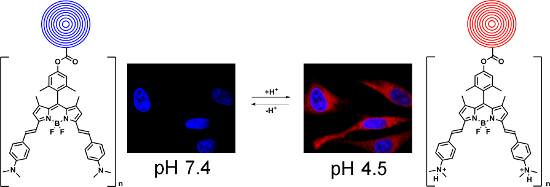
Carbon nano-onions as fluorescent on/off modulated nanoprobes for diagnostics
Beilstein J. Nanotechnol. 2017, 8, 1878–1888, doi:10.3762/bjnano.8.188