Search results
Search for "dispersion" in Full Text gives 709 result(s) in Beilstein Journal of Nanotechnology. Showing first 200.
Supramolecular hydration structure of graphene-based hydrogels: density functional theory, green chemistry and interface application
Beilstein J. Nanotechnol. 2025, 16, 806–822, doi:10.3762/bjnano.16.61
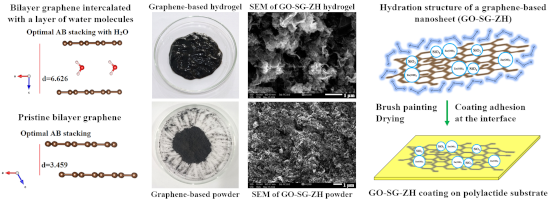
- theory modeling (DFT) and dispersion energy correction functional (DFT-D3). The theoretical work aimed to elucidate the relationship between water intercalation and intersheet binding energy in quantum mechanical level. The computational calculations quantified intersheet distance, van der Waals force
- implemented in electronic structure calculations. Generalized gradient approximation of Perdew–Burke–Ernzerhof (GGA-PBE) was used for describing exchange-correlation energy of electron–electron interactions. The correction of van der Waals dispersion energy was applied using the DFT-D3 method proposed by
- dispersed in water and sonicated for 1 h. After natural sedimentation overnight, the suspension was decanted to collect the supernatant dispersion of GO nanosheets. Preparation of nanosilica from rice husk ash waste Rice husk ash that was discarded from industrial boilers was collected for recycling


Synthesis of a multicomponent cellulose-based adsorbent for tetracycline removal from aquaculture water
Beilstein J. Nanotechnol. 2025, 16, 728–739, doi:10.3762/bjnano.16.56
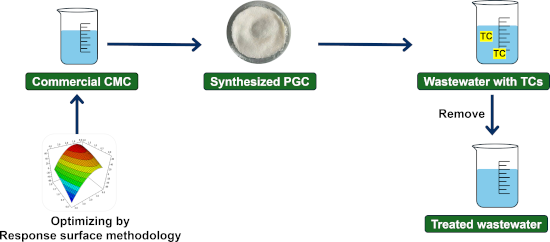
- , enabling CH–π dispersion interactions [30] (Figure 6d). Removal of antibiotics from water sample via PGC material As shown in Table 5, approximately 70% and 60% of antibiotics content (including tetracyline (TC), oxytetracycline (OTC), chlortetracycline (CTC), and doxycycline (DOX)) in standard solution


Efficiency of single-pulse laser fragmentation of organic nutraceutical dispersions in a circular jet flow-through reactor
Beilstein J. Nanotechnol. 2025, 16, 711–727, doi:10.3762/bjnano.16.55
- often are hydrophobic, is their increased solubilization or aqueous dispersion, relevant for pharmacological, photochemical, and photomedical applications. For example, metal complex phthalocyanines (Pc) [18] such as vanadium (VOPc) [19][20][21][22], copper (CuPc) [23][24], aluminum (AlPc) [24], and
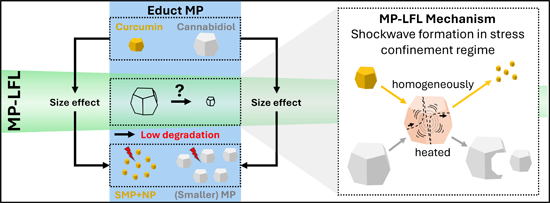
- stirrers containing the NP or microparticle (MP) dispersions, which are irradiated with a laser beam. However, as dispersion volumes in batch setups are only partially illuminated and there is constant back-diffusion, no uniform fluence and number of pulses-per-particle can be guaranteed. This prohibits
- perpendicularly irradiated by a focused laser beam (Figure 1). By matching the flow rate of the dispersion in the jet, which defines the residence time of the particles in the laser-excited volume, with the repetition rate of the laser, precise process control over the pulses per particle is possible [43]. Hence


Colloidal few layered graphene–tannic acid preserves the biocompatibility of periodontal ligament cells
Beilstein J. Nanotechnol. 2025, 16, 664–677, doi:10.3762/bjnano.16.51
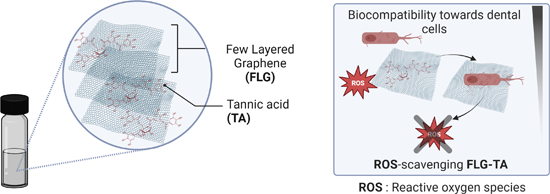
- , characterized by numerous hydroxy groups, is proposed to potentially form non-covalent interactions, such as π–π stacking, with the carbon network and oxygen atoms of graphite [16][20]. This interaction could exfoliate graphite, resulting in a stable colloidal dispersion of functionalized graphene sheets. The




Aprepitant-loaded solid lipid nanoparticles: a novel approach to enhance oral bioavailability
Beilstein J. Nanotechnol. 2025, 16, 652–663, doi:10.3762/bjnano.16.50
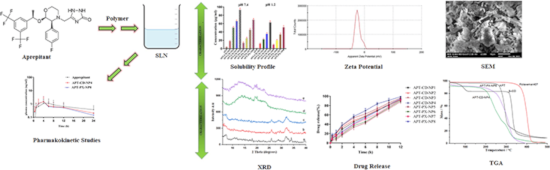
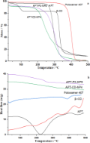
- dispersion. SEM studies Scanning electron micrographs of APT-CD-NP4 and APT-PX-NP8 shown in Figure 3 illustrate that polymeric content was deposited on the SLN surface because of organic solvents. After evaporation of the organic solvent, colloidal particles are closely packed. Dispersions in organic
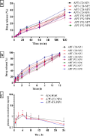
- solubilized. The Tmax values of APT, APT-CD-NP4, and APT-PX-NP8 were 6.0 ± 0.3, 4.0 ± 0.2 and 4.0 ± 0.3 h, respectively. The Tmax values of APT-CD-NP4 and APT-PX-NP8 were lower than that of APT; thus, absorption of APT from SLNs was faster, indicating that the dispersion of pure APT from the intestinal lumen



Polyurethane/silk fibroin-based electrospun membranes for wound healing and skin substitute applications
Beilstein J. Nanotechnol. 2025, 16, 591–612, doi:10.3762/bjnano.16.46
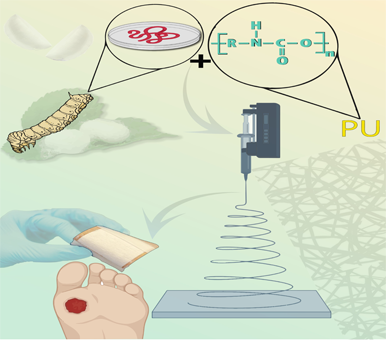
- biodegradable PU has been utilized to develop 3D printing materials with regulated bioactivity for cartilage tissue engineering [148]. The printing ink contains a water-based dispersion of synthetic biodegradable PU nanoparticles, hyaluronan, and bioactive substances. The ink was used at low temperatures to



Nanomaterials in targeting amyloid-β oligomers: current advances and future directions for Alzheimer's disease diagnosis and therapy
Beilstein J. Nanotechnol. 2025, 16, 561–580, doi:10.3762/bjnano.16.44
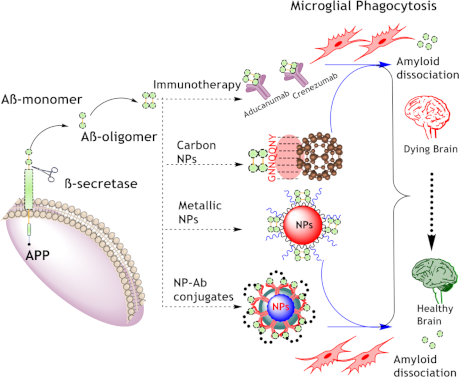
- , Parikh et al. developed a curcumin-loaded self-nanomicellizing solid dispersion system (Cur-SNSDS) to significantly enhance the in vivo bioavailability of curcumin. This novel NP system demonstrated superior safety and efficacy in mitigating Aβ42 oligomer-induced toxicity in SH-SY5Y695 APP human


Zeolite materials with Ni and Co: synthesis and catalytic potential in the selective hydrogenation of citral
Beilstein J. Nanotechnol. 2025, 16, 520–529, doi:10.3762/bjnano.16.40
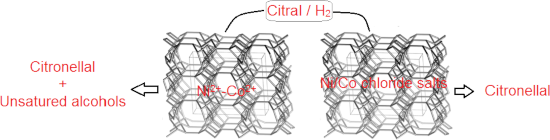
- and cinnamaldehyde [3][14][15]. Zeolites modified with nickel and cobalt have shown promising results in selective hydrogenation reactions, owing to their high dispersion of active sites and tunable acidity. For instance, a zeolite-supported Ni catalyst has demonstrated selectivity in furfural
- hydrogenation by leveraging controlled acidity to prevent overhydrogenation and optimize product yields [15]. Similarly, Co-modified zeolites have been effectively used in cinnamaldehyde hydrogenation, where the balance between acidity and metal dispersion facilitates the selective reduction of the carbonyl


Impact of adsorbate–substrate interaction on nanostructured thin films growth during low-pressure condensation
Beilstein J. Nanotechnol. 2025, 16, 473–483, doi:10.3762/bjnano.16.36

- simulations. We exploit the mean adsorbate concentration (coverage) on the substrate ⟨x⟩ and the dispersion η = ⟨x2⟩ − ⟨x⟩2 to characterize the dynamics of surface morphology change. For spatially extended systems, the dispersion η is an order parameter for pattern formation: η = 0 means that adsorbate


Effect of additives on the synthesis efficiency of nanoparticles by laser-induced reduction
Beilstein J. Nanotechnol. 2025, 16, 464–472, doi:10.3762/bjnano.16.35
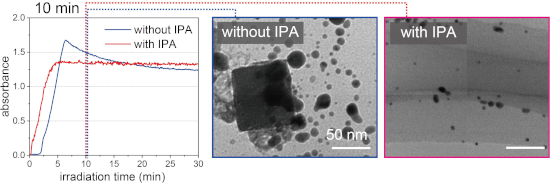
- . However, in the solution with a concentration of 1.0 × 10⁻² mol/dm3, an increase in absorbance was observed in the long wavelength region of the absorption spectrum. Therefore, we evaluated the dispersion state of nanoparticles using dynamic light scattering (DLS) measurements. The obtained particle size
- distribution showed three peaks at 3.4 nm, 25.5 nm, and 154.0 nm with the volume ratios of 99.34 vol %, 0.64 vol %, and 0.02 vol %, respectively. This suggests that the volume ratio of the nanoparticle aggregates is 0.66 vol %. Therefore, it may be necessary to adjust the dispersion state by adding a


Size control of nanoparticles synthesized by pulsed laser ablation in liquids using donut-shaped beams
Beilstein J. Nanotechnol. 2025, 16, 407–417, doi:10.3762/bjnano.16.31
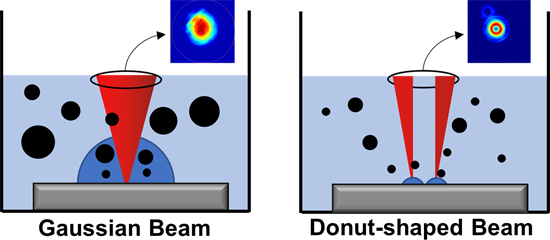
- polygon laser scanner [21]. However, narrowing the NP size distribution remains a challenge for PLAL [22]. Typically, PLAL-generated NPs exhibit broad and/or bimodal size distributions [23][24]. Extensive research has been conducted to reduce NP size dispersion by PLAL, mainly by adding surfactants [25


Development of a mucoadhesive drug delivery system and its interaction with gastric cells
Beilstein J. Nanotechnol. 2025, 16, 371–384, doi:10.3762/bjnano.16.28

- polymer enables drug release by diffusion [21]. Eudragit RS30D is the 30% aqueous dispersion of Eudragit RS100, which is promptly used as coating material [22] or within formulations of drug delivery systems with sustained release characteristics [23]. Although the mucoadhesion of this polymer is known
- mL) were dripped into Eudragit RS 100 suspension (2%, v/v, of Eudragit RS 30D, diluted with ddH2O) by using a syringe pump at a rate of 5 mL/h, and the dispersion was incubated on a magnetic stirrer (700 rpm, 10 min, room temperature). At the end of the incubation, coated NPs were centrifuged (10000g
- nanoparticle suspension (500 µL, 1 mg) was added onto the artificial mucus layer. After 24 h of incubation at room temperature, the mucus layer was discarded, and the gelatin layer was washed and melted. The FI values were recorded from the gelatin layer. As a reference, an aqueous dispersion of F-EudAlg


Tailoring of physical properties of RF-sputtered ZnTe films: role of substrate temperature
Beilstein J. Nanotechnol. 2025, 16, 333–348, doi:10.3762/bjnano.16.25
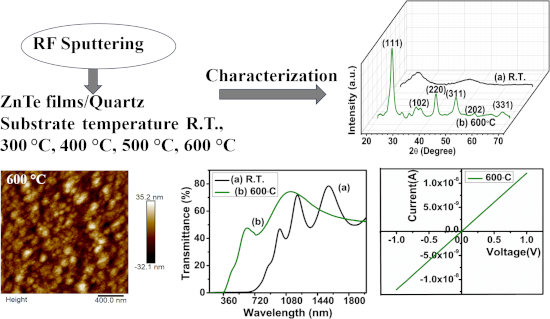
- films through the relation [37] where T represents the transmission in percent. Figure 7 shows the variation in refractive index with wavelength for films fabricated at various substrate temperatures (R.T.–600 °C). The change in the refractive index shows a normal dispersion behaviour. The refractive




Graphene oxide–chloroquine conjugate induces DNA damage in A549 lung cancer cells through autophagy modulation
Beilstein J. Nanotechnol. 2025, 16, 316–332, doi:10.3762/bjnano.16.24
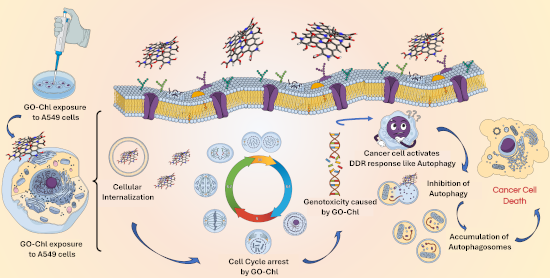
- chloroquine onto graphene oxide nanosheets Chloroquine molecules were bound to GO nanosheets through noncovalent π–π interactions between the quinoline of Chl and the graphitic domain of GO, according to a previously reported procedure [25]. Briefly, 100 mL of an aqueous dispersion of GO (500 μg/mL



Enhancing mechanical properties of chitosan/PVA electrospun nanofibers: a comprehensive review
Beilstein J. Nanotechnol. 2025, 16, 286–307, doi:10.3762/bjnano.16.22

- compared to electrospun fibers without nanoclay. This improvement is due to the dispersion of nanoparticles within the polymer matrices, which plays an important role in enhancing the physical and mechanical properties of electrospun nanofiber [169]. The purpose of surface modification is to increase the


Recent advances in photothermal nanomaterials for ophthalmic applications
Beilstein J. Nanotechnol. 2025, 16, 195–215, doi:10.3762/bjnano.16.16
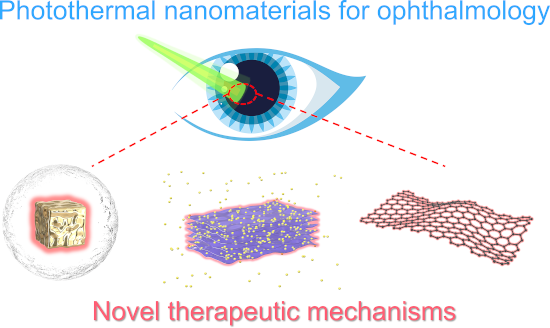
- photothermal conversion of iron oxide minimizes the necessary laser energy. The mechanical force generated by laser-induced VNBs enables the selective destruction of single corneal cells. The PLA films aid in precisely positioning the photothermal therapy, restrain the dispersion of iron oxide nanoclusters


A review of metal-organic frameworks and polymers in mixed matrix membranes for CO2 capture
Beilstein J. Nanotechnol. 2025, 16, 155–186, doi:10.3762/bjnano.16.14
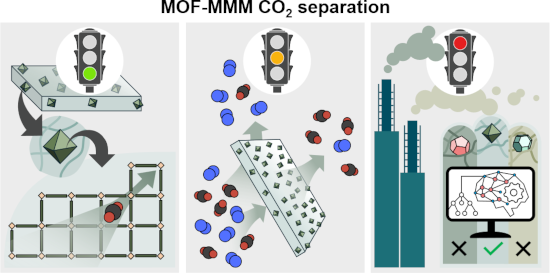
- and non-uniform MOF dispersion formed during casting may strongly impact the functional performance of the MOF-based MMM. Consequently, meticulous preparation of the precursor slurry and precise MMM casting is critical to avoid such issues. Furthermore, the solvents used for the polymer slurry must be
- , MOF dispersion, and MOF stabilization in the suspension. The authors found that dichloromethane and chloroform resulted in homogenous MOF dispersion, whereas MEK gave poor MOF dispersion, and oxolane gave intermediate results. Across all MOF loadings tested, they observed that MMMs produced in MEK
- high-resolution transmission electron microscopy (HRTEM). Utilizing smaller MOF filler sizes is a straightforward approach to improve filler dispersion. The contact area with the polymer matrix increases when the size of MOF particles is decreased, promoting adhesion, and reducing interfacial defects




Clays enhanced with niobium: potential in wastewater treatment and reuse as pigment with antibacterial activity
Beilstein J. Nanotechnol. 2025, 16, 141–154, doi:10.3762/bjnano.16.13
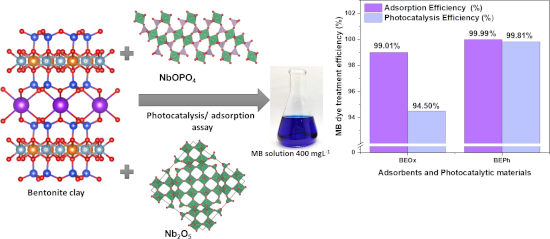
- photocatalysts for treating solutions containing the MB dye (400 mg·L−1) at 25 °C. The results showed adsorption and photocatalysis efficiency above 94% for both samples. The blue-colored BEOx and BEPh samples were then applied as a hybrid pigment. The power pigment and its dispersion in colorless paint were
- experiment. The efficiency of MB photodegradation (X%) was determined by Equation 2: where M0 and Mf are the concentrations of MB at the beginning and at the end of the photocatalytic test, respectively. Dispersion of the pigments clay/Nb and clay/Nb/MB in colorless commercial paint The samples A-BEPh, A
- with 50 μm of diameter and gate delay of 0.5 μs. A static laser scattering (SLS) Horiba LA-960 equipment assessed the powder particle size distribution measurements using a 15 mL cuvette accessory and water as the dispersion medium. The refractive index was set to 1.640 for red and blue lines. Results


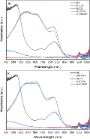

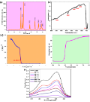
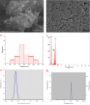
Characterization of ZnO nanoparticles synthesized using probiotic Lactiplantibacillus plantarum GP258
Beilstein J. Nanotechnol. 2025, 16, 78–89, doi:10.3762/bjnano.16.8
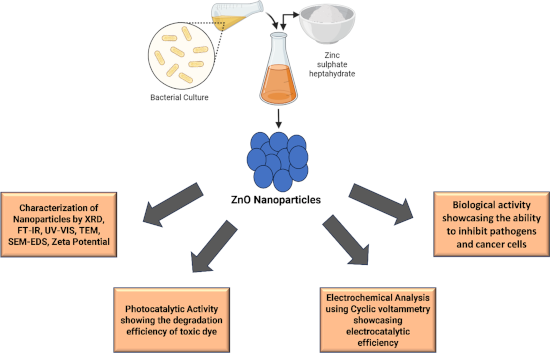
- frequency (ω), Y, and n. The obtained results suggest robust electron transfer and enhanced electrocatalytic efficiency in dextrose oxidation [19][20][21] (Figure 5). Antibacterial activity of ZnO NPs The biogenic ZnO NPs presented a good dispersion and exhibited antibacterial activity against both Gram



Instance maps as an organising concept for complex experimental workflows as demonstrated for (nano)material safety research
Beilstein J. Nanotechnol. 2025, 16, 57–77, doi:10.3762/bjnano.16.7

- coronas, where the documentation of the nanomaterials’ dispersion and corona formation steps was very complete, but the description of the protein isolation and informatics steps was much less complete. This gap in documentation was attributed to the fact that the omics analyses are often performed by
- flexibility in terms of medium, soil, dispersion approach and so forth, meaning that detailed documentation of each step is still required to allow others to reuse the data with confidence. This is especially important for nanomaterials, given that the test guidelines originally developed for soluble
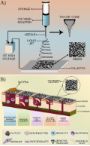
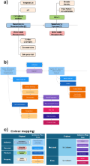
- particular instance. Instances at the top of the map (see Figure 4, “Set up – nanomaterial dispersion and soil spiking”) occur before the exposure of organisms and include the nanomaterial dispersion and their addition to soil, followed by instances detailing the addition of organisms and then the timepoints


Theoretical study of the electronic and optical properties of a composite formed by the zeolite NaA and a magnetite cluster
Beilstein J. Nanotechnol. 2025, 16, 44–53, doi:10.3762/bjnano.16.5
- example, the active centers of the most efficient heterogeneous catalysts commonly fall within this range [23][24][25][26]. The challenge lies in the fact that, because of their pronounced tendency to aggregate, these materials must be deposited with a high level of dispersion to achieve the desired




A nanocarrier containing carboxylic and histamine groups with dual action: acetylcholine hydrolysis and antidote atropine delivery
Beilstein J. Nanotechnol. 2025, 16, 11–24, doi:10.3762/bjnano.16.2

- . Analysis was performed using Malvern dispersion technology software version 5.10. A Perkin-Elmer Lambda 25 UV–visible spectrometer was utilized for UV spectra collection. Fluorescence spectra were recorded on a HITACHI F 7100 spectrofluorometer. Measurements were conducted at 37 °C using a quartz cuvette


Mechanistic insights into endosomal escape by sodium oleate-modified liposomes
Beilstein J. Nanotechnol. 2024, 15, 1667–1685, doi:10.3762/bjnano.15.131
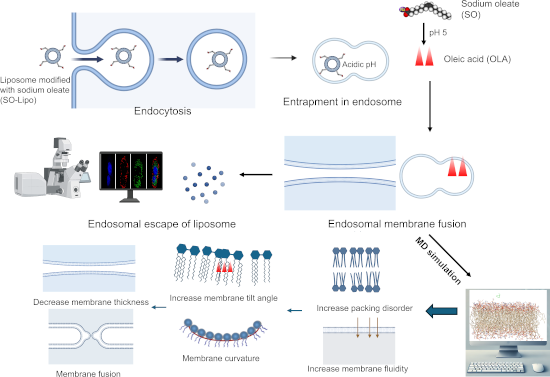
- vesicles. To standardize the size distribution, the sonicated dispersion underwent five cycles of extrusion through a 100 nm polycarbonate membrane using an Avanti Mini-Extruder. The finalized liposomal formations underwent a comprehensive characterization, assessing size, PDI, and zeta potential through




Natural nanofibers embedded in the seed mucilage envelope: composite hydrogels with specific adhesive and frictional properties
Beilstein J. Nanotechnol. 2024, 15, 1603–1618, doi:10.3762/bjnano.15.126
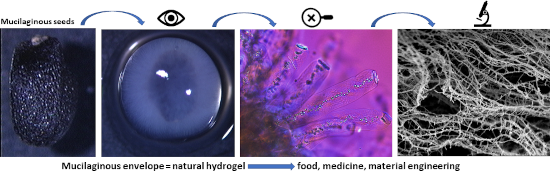
- supposed that the mucilage envelope can support epizoochoric ways of seed dispersal [29][31][32][33]. However, direct experimental support of the mucilage role in epizoochory (e.g., epiornitochory) is only scarcely documented in the literature like, for example, the dispersion of fruits of Adenostemma


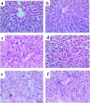
Liver-targeting iron oxide nanoparticles and their complexes with plant extracts for biocompatibility
Beilstein J. Nanotechnol. 2024, 15, 1593–1602, doi:10.3762/bjnano.15.125
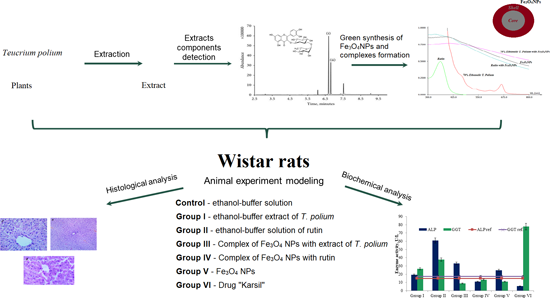
- cell labeling [17][18][19][20][21][22]. Their biocompatibility and stability fill the niche of applications that require properties unattainable by organic materials. Size control, prevention of aggregation through coating, specific interactions and dispersion, and the ability to penetrate cellular and