


Search results
Search for "monolayer" in Full Text gives 503 result(s) in Beilstein Journal of Nanotechnology. Showing first 200.
Multiscale modelling of biomolecular corona formation on metallic surfaces
Beilstein J. Nanotechnol. 2024, 15, 215–229, doi:10.3762/bjnano.15.21
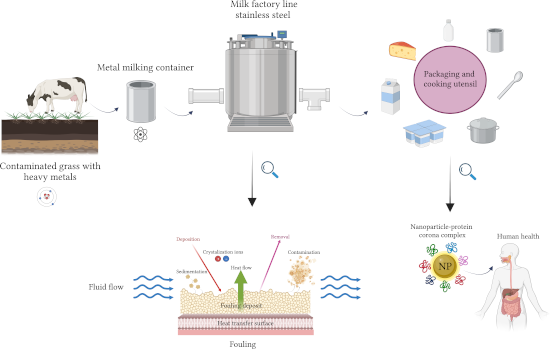
- . Despite the high concentration in the milk, lactose does not exceed the mass abundance of specific proteins such as AS1C due to its small size. In our model, it essentially forms a thin monolayer on the surface. Overall, our freely accessible multiscale computational model [26] allows us to make




Graphene removal by water-assisted focused electron-beam-induced etching – unveiling the dose and dwell time impact on the etch profile and topographical changes in SiO2 substrates
Beilstein J. Nanotechnol. 2024, 15, 190–198, doi:10.3762/bjnano.15.18
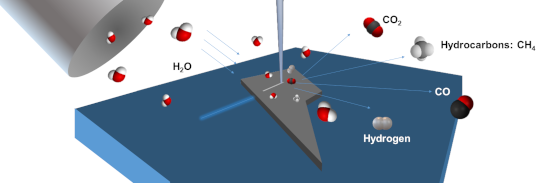
- for a monolayer of graphene onto SiO2) measured using AFM, shown in the insets of Figure 1D, agree with the data obtained in studies presenting femtosecond laser thinning of graphene [28]. In addition to the region located below the baseline, we also observe an elevation in the central part of the
- microscope evaluation allowed us to choose flakes that fitted our requirements the best in terms of lateral sizes and number of graphitic layers (optical contrast abruptly changes from monolayer to the bilayer, triple-layer, or HOPG) [37]. The same substrates of separate studies of topographical changes
- e-beam were taken using the Bruker Dimension ICON XR PeakForce in tapping mode in air with image resolution of 258 × 258 pixels and then post-processed with Gwyddion. Graphene flake composed of monolayer, bilayer, and triple-layer graphene after water-assisted etching processes, analyzed using


Berberine-loaded polylactic acid nanofiber scaffold as a drug delivery system: The relationship between chemical characteristics, drug-release behavior, and antibacterial efficiency
Beilstein J. Nanotechnol. 2024, 15, 71–82, doi:10.3762/bjnano.15.7
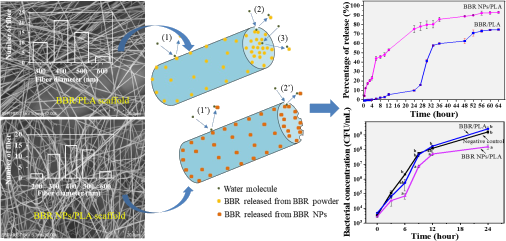
- inhibition concentration for MRSA. The release of BBR from PLA nanofiber scaffolds was best fit with Ritger–Peppas models, suggesting that BBR release was mainly controlled by a diffusion mechanism. Additionally, the BBR NPs/PLA nanofiber scaffold did not exhibit cytotoxic activity against MA-104 monolayer


A combined gas-phase dissociative ionization, dissociative electron attachment and deposition study on the potential FEBID precursor [Au(CH3)2Cl]2
Beilstein J. Nanotechnol. 2023, 14, 1178–1199, doi:10.3762/bjnano.14.98
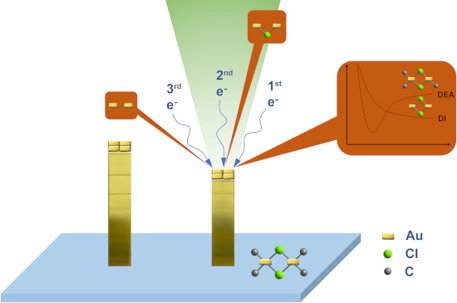
- of electrons that this volume has been exposed to is approx. 8 × 10¹². Respectively, a monolayer consists of 1.5 × 10⁷ molecules that has been exposed to 4 × 10¹¹ electrons. This corresponds to approx. 35,000 electrons per molecule. Assuming a generic cross section of 10−16 cm2, which is on the order
- of magnitude for DI and DEA of the FEBID precursor Co(CO)3(NO) [49][50] and Pt(PF3)4 [51], the reactive area of this monolayer is 0.15 μm2. Statistically, this implies approx. 300 reactive incidents per molecule if the cross section is assumed to stay unchanged. This is clearly not a quantitative
- monolayer is high. This could be probed in a non-steady-state experiment similar to those reported for Pt(CO)2X2 (X = Cl, Br) and several other potential FEBID precursors [57]. Conclusion In the current study, we evaluated the performance of [Au(CH3



Isolation of cubic Si3P4 in the form of nanocrystals
Beilstein J. Nanotechnol. 2023, 14, 971–979, doi:10.3762/bjnano.14.80
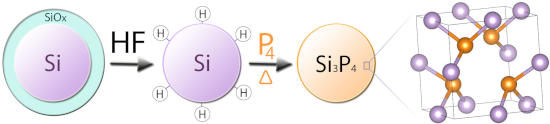
- microcircuits through the introduction of P donors by diffusion doping of wafers with an efficiency comparable to monolayer doping [18] or ion implantation [19]. This paper outlines the successful formation of the cubic Si3P4 phase under mild conditions. The technique developed for this investigation requires


Two-dimensional molecular networks at the solid/liquid interface and the role of alkyl chains in their building blocks
Beilstein J. Nanotechnol. 2023, 14, 872–892, doi:10.3762/bjnano.14.72
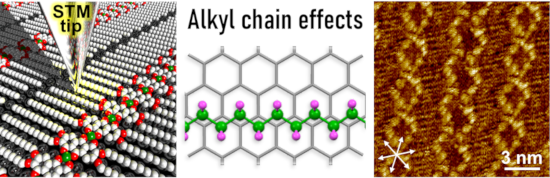
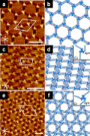
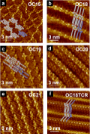
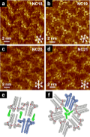
- different, forming parallel and V-shaped arrangements, respectively. A wheat-like structure was observed in the 2-HA-OC15 monolayer (Figure 11a–c), containing three different orientations of anthraquinone head groups (arrows A, A′, and B in Figure 11a,b). Lines A and A′ exhibited a V-shaped orientation of
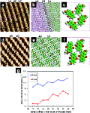
- was observed in the monolayer via self-assembly in (R)-2-octanol (Figure 14b,f). The induction of chirality was greater than 90% of the surface, and the CW and CCW domains were equally created when racemic 2-octanol was used. A pair of chiral solvents and DBA molecules formed upon interaction were
- extension (Figure 16a). However, the meso-alkyne-substituted porphyrin (P-A) could be co-planar (Figure 16b). Therefore, P-A could form fully covered monolayers, even at a lower concentrations than P-N. This result suggests that alkynyl linkers contribute more to the monolayer stabilization of porphyrin









N-Heterocyclic carbene-based gold etchants
Beilstein J. Nanotechnol. 2023, 14, 865–871, doi:10.3762/bjnano.14.71
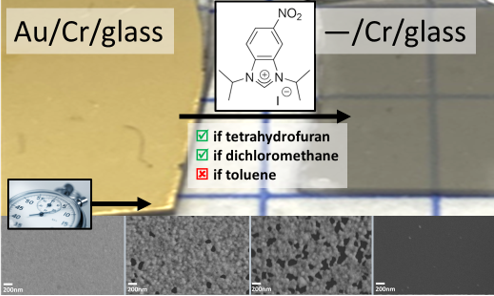
- but also the potential for deliberate etching, with the outcome determined by choice of chemically synthesized organic species and solvent. Keywords: gold etchant; microfabrication; N-heterocyclic carbenes; self-assembled monolayer (SAM); thin films; Introduction Self-assembled monolayers (SAMs) are
- conditions that the thiol-linked monolayer can be exposed to, prompting the development of alternative surface linking chemistry [12]. N-Heterocyclic carbene (NHC)-based monolayers have received increasing attention for their reported stability under a variety of harsh conditions [11][13][14][15][16]. Indeed
- , an NHC-based monolayer has even been shown to protect against thiol displacement on gold surfaces [13]. Thus, in spite of the challenges that can be presented by NHC synthesis [17], they offer appeal even in light of the more general commercial availability of a wide range of thiols. The covalent



Silver-based SERS substrates fabricated using a 3D printed microfluidic device
Beilstein J. Nanotechnol. 2023, 14, 793–803, doi:10.3762/bjnano.14.65
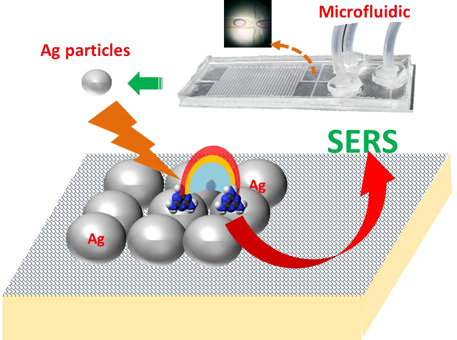
- assembled into a monolayer on a liquid/air interface and deposited onto a porous silicon array prepared through a metal-assisted chemical etching approach. By using the developed microfluidic device, enhancement factors of the Raman signal for rhodamine B (at 10−9 M) and melamine (at 10−7 M) of 8.59 × 10⁶
- monolayer of Ag NPs appeared at the methanol/air interface. The PS@Ag substrates were created by depositing a monolayer of Ag NPs on the substrate surface after allowing the methanol to slowly evaporate under ambient conditions. SERS substrate characterization Raman spectra were obtained using a 24 mW laser
- homogeneous results because of the even deposition of the self-assembled monolayer of Ag NPs on the PS substrate. Detection of melamine using PS@Ag SERS substrate SERS spectra of MLM solutions at different concentrations (10−7 to 10−3 M) on the PS@Ag substrates were recorded, as shown in Figure 6a. The Raman



On the use of Raman spectroscopy to characterize mass-produced graphene nanoplatelets
Beilstein J. Nanotechnol. 2023, 14, 509–521, doi:10.3762/bjnano.14.42
- lateral size of 218 nm. We did not attempt to give a number of layers for these flakes. Yet, we do note that while the natural interlayer spacing for graphite is 0.34 nm, it has been reported previously that for similarly produced flakes, monolayer flakes had a measured thickness of 2 nm, with each
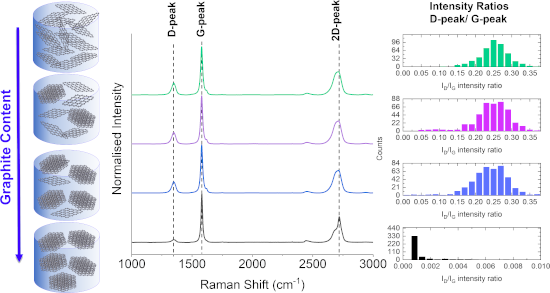
- additional monolayer adding 0.95 nm to the thickness [25]. Graphite addition Raman spectroscopy results Samples of GNPref with different amounts of added graphite were analysed with Raman spectroscopy. As shown in Figure 2, the spectrum measured from pure graphite is distinct from that of the GNPref with a


Molecular nanoarchitectonics: unification of nanotechnology and molecular/materials science
Beilstein J. Nanotechnol. 2023, 14, 434–453, doi:10.3762/bjnano.14.35
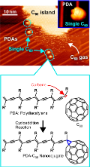
- creating a self-assembled monolayer of a diacetylene compound (10,12-nonacosazinoic acid) adsorbed on a graphite surface and biased with a scanning tunneling microscope probe [111]. By positioning the probe at a specific site, the polymerization of the chains was induced within defined small regions, and





Overview of mechanism and consequences of endothelial leakiness caused by metal and polymeric nanoparticles
Beilstein J. Nanotechnol. 2023, 14, 329–338, doi:10.3762/bjnano.14.28
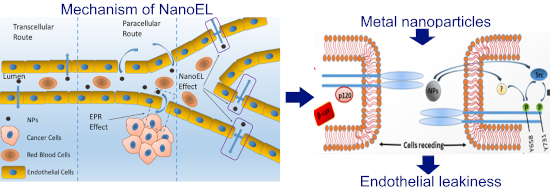
- considered one of the best materials with anticancer properties. Most of the administered NPs that end up in the bloodstream interact with the endothelial layer. The interaction of the NPs with the endothelium widens the existing gaps or induces new ones in the monolayer of vascular endothelial cells, thus
- junctions, which are a cluster of transmembrane channels located throughout the vascular system. The intercellular junctions between endothelial cells play an important role in maintaining the monolayer integrity, but they also connect cells in a dynamic and communicative manner [13][14]. Any change in
- important permeability barrier for NPs, which is of key importance for their medical applications [5][14]. The ability of NPs to cross the endothelial monolayer depends on both the physicochemical properties of the NPs and the biology and physiology of the vessels themselves [20]. Understanding the


Structural, optical, and bioimaging characterization of carbon quantum dots solvothermally synthesized from o-phenylenediamine
Beilstein J. Nanotechnol. 2023, 14, 165–174, doi:10.3762/bjnano.14.17
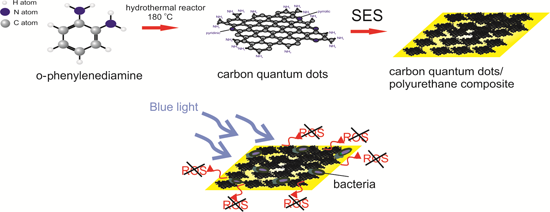
- (obtained from ATCC culture collection) were plated in 96-well flat-bottom plates at a concentration of 1 × 10⁴ cells/well, grown in a humidified atmosphere of 95% air and 5% CO2 at 37 °C, and maintained as monolayer cultures in RPMI-1640 medium supplemented with 100 µg/mL streptomycin, 100 U/mL penicillin
- which MRC5 cells were maintained as monolayer cultures, was replaced with undiluted sample extract (100%), and 50% and 25% sample extracts (prepared by diluting sample extracts with fresh RPMI-1640). After 48 h of treatment with sample extracts, cell proliferation was determined using MTT reduction


Liquid phase exfoliation of talc: effect of the medium on flake size and shape
Beilstein J. Nanotechnol. 2023, 14, 68–78, doi:10.3762/bjnano.14.8
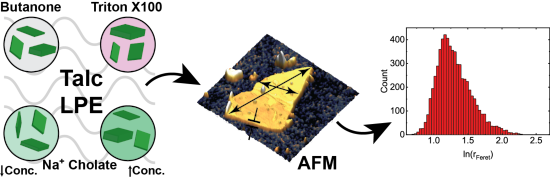
- pharmaceutical and cosmetics uses [17]. It was shown that monolayer talc has outstanding mechanical properties of the same order of magnitude as graphene [12]. The breaking strength for uniaxial deformations ranges from 29 to 33 N·m−1, and the two-dimensional elasticity modulus is E = 181 N·m−1. Also, talc’s
- exfoliation medium on size and shape less evident. Therefore, a single centrifugation step of one hour only at 1000g was employed. Such low acceleration will not produce a monolayer-rich solution [26], which is crucial for the analysis we aim to perform. Atomic force microscopy characterization of flake size



Gap-directed chemical lift-off lithographic nanoarchitectonics for arbitrary sub-micrometer patterning
Beilstein J. Nanotechnol. 2023, 14, 34–44, doi:10.3762/bjnano.14.4
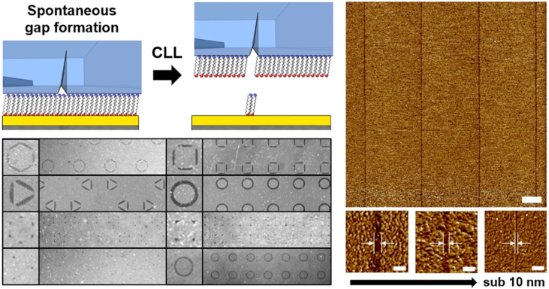
- alkanethiol self-assembled monolayer (SAM) on Au to generate surface patterns that are orders of magnitude smaller than structures on the original elastomer stamp. The smallest achieved feature dimension is 5 nm using a micrometer-scale structured stamp in a chemical lift-off lithography (CLL) process
- -off lithography; gap; self-assembled monolayer; sub-micrometer; surface patterning; Introduction The development of lithographic techniques is crucial to the advancement of the electronics and semiconductor industry, the backbones of modern technology. Advances in photolithography have pushed the
- ][18][19]. Instead of transferring ink molecules from a stamp reservoir, this technique selectively removes alkanethiol molecules from a self-assembled monolayer (SAM) covered flat Au surface. An oxygen-plasma-activated polydimethylsiloxane (PDMS) stamp bearing patterns originating from a silicon


Two-step single-reactor synthesis of oleic acid- or undecylenic acid-stabilized magnetic nanoparticles by thermal decomposition
Beilstein J. Nanotechnol. 2023, 14, 11–22, doi:10.3762/bjnano.14.2
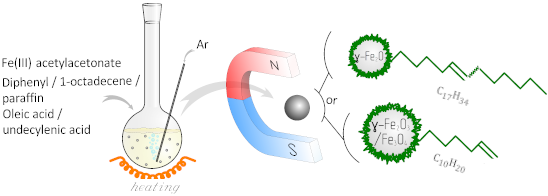
- values of 3.1 nm for the sample TMO-I and 9.1 or 12.0 nm for the samples TMU-IV or TMU-V, respectively, were obtained. Based on the fact that the length of the OA molecule is 1.9–2.1 nm, it can be assumed that the core of the TMO-I particle is a coat with a monolayer of OA. In contrast, the shell


Photoelectrochemical water oxidation over TiO2 nanotubes modified with MoS2 and g-C3N4
Beilstein J. Nanotechnol. 2022, 13, 1541–1550, doi:10.3762/bjnano.13.127
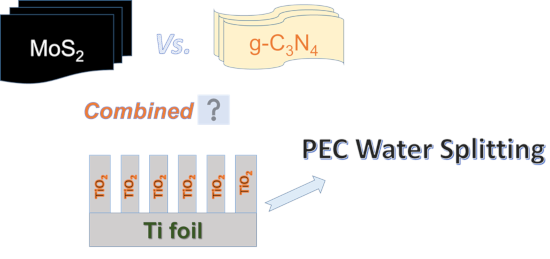
- the MoS2 phase in the composite from the XRD pattern of MoS2/TNAs. The (002) plane indicates the multilayer structure of MoS2 materials, the (001) plane indicates a monolayer structure of MoS2 [37][46]. Therefore, the disappearing (002) reflection and the remaining (001) reflection show that the


Rapid and sensitive detection of box turtles using an electrochemical DNA biosensor based on a gold/graphene nanocomposite
Beilstein J. Nanotechnol. 2022, 13, 1458–1472, doi:10.3762/bjnano.13.120
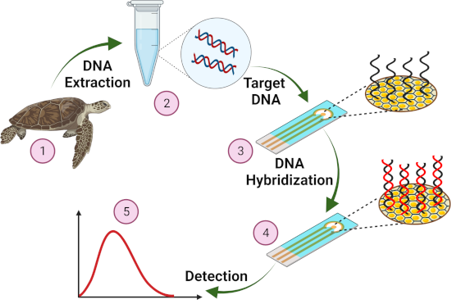
- -based biosensing [65]. The Gooding Group published a method for measuring DNA hybridisation by voltammetry on gold electrodes using methylene blue as an intercalator and a self-assembled alkanethiol monolayer. N-hydroxysulfosuccinimide (NHS) and N-(3-dimethylamino) propyl-N-ethylcarbodiimide
- hydrochloride (EDC) were used to covalently link DNA and oligonucleotides to a carboxylate-terminated alkanethiol self-assembled monolayer (SAM) performed on a gold electrode (AuE) [70]. The Lisdat group described a label-free impedimetric sensor for the detection of hybridisation events which is based on short



Orally administered docetaxel-loaded chitosan-decorated cationic PLGA nanoparticles for intestinal tumors: formulation, comprehensive in vitro characterization, and release kinetics
Beilstein J. Nanotechnol. 2022, 13, 1393–1407, doi:10.3762/bjnano.13.115
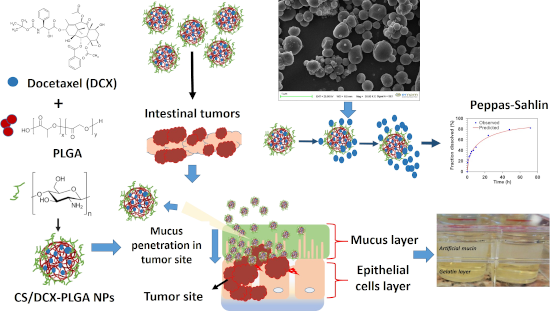
- and free DCX were carried out using the Caco-2 cell line. Drug molecules have to overcome several barriers throughout the GIT, including the mucus layer, intestinal epithelial cells, and the endothelium of the capillaries. Among them, the monolayer of epithelial cells plays an essential role in the
- absorption of drugs. Therefore, the Caco-2 cell line derived from a human colorectal carcinoma was employed to simulate the epithelial cell layer. A monolayer of cells should have a transepithelial electrical resistance of around 500 Ω·cm2 to show similarity with intestinal lumen [70][71][72]. In Table 5
- added to the basolateral region. The cell monolayer was incubated with the formulations at 37 °C for 4 h. At predetermined time intervals, 0.3 mL samples were taken from the basolateral side and replaced with fresh medium. For each sample, the DCX amount was analyzed by validated UV–vis


Design of surface nanostructures for chirality sensing based on quartz crystal microbalance
Beilstein J. Nanotechnol. 2022, 13, 1201–1219, doi:10.3762/bjnano.13.100
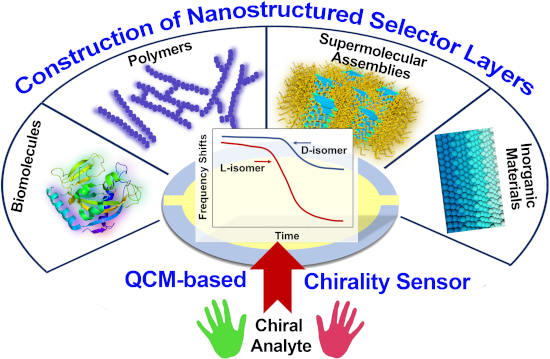
- MA (Figure 1) [26]. The immobilization of ʟ-Phe on QCM sensors was through a two-step assembling process. A 4-aminothiophenol (ATP) monolayer was firstly adsorbed on the QCM surface by chemical Au–S bonding. Then, 4-NH2-ʟ-Phe was bound by a diazo-coupling reaction to form a monolayer with ʟ-Phe. The
- , poly(acryloyl-ʟ(ᴅ)-valine) (ʟ(ᴅ)-PAV), as the chiral recognition layer for detection of ʟ-lecithin [36]. They found that ʟ(ᴅ)-PAV possesses larger chirality than the valine enantiomer-containing monolayer of 2-mercaptoacetyl-ʟ(ᴅ)-valine (ʟ(ᴅ)-MAV). The frequency responses by QCM indicated that ʟ
- were almost forming a monolayer on the surface of the QCM electrode. Compared with the nonimprinted polymer nanoparticle (NIP) film, MIP nanoparticle films displayed higher adsorption ability for ʟ-histidine, which was approx. 5.8 times higher than that for ᴅ-histidine and 2.2 times higher than that


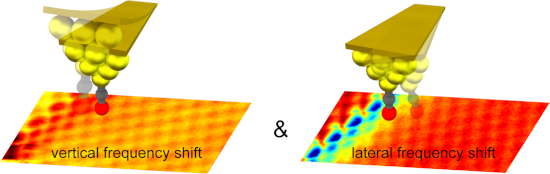
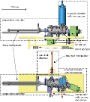
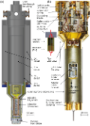
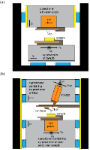
A cantilever-based, ultrahigh-vacuum, low-temperature scanning probe instrument for multidimensional scanning force microscopy
Beilstein J. Nanotechnol. 2022, 13, 1120–1140, doi:10.3762/bjnano.13.95

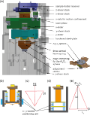
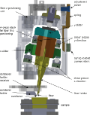


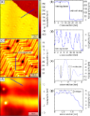


Influence of water contamination on the sputtering of silicon with low-energy argon ions investigated by molecular dynamics simulations
Beilstein J. Nanotechnol. 2022, 13, 986–1003, doi:10.3762/bjnano.13.86
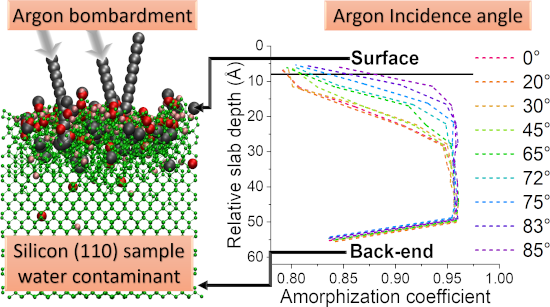
- , for typical vacuum conditions a monolayer of water is formed within minutes. Results and Discussion Sample characteristics and contaminant effects At first, bond length distributions were calculated to observe the effect of the water contaminant on these distributions. The nominal Si–Si bond in a
- 100 eV sputtering processes. We used MD simulations for irradiation with argon, with fluences up to 2.6 × 10¹⁵ ions/cm2 and ions of silicon samples with a clean surface and covered with a monolayer of water molecules. Contaminants adsorbed on the sample surface amplify the damage done by the argon




Bioselectivity of silk protein-based materials and their bio-inspired applications
Beilstein J. Nanotechnol. 2022, 13, 902–921, doi:10.3762/bjnano.13.81
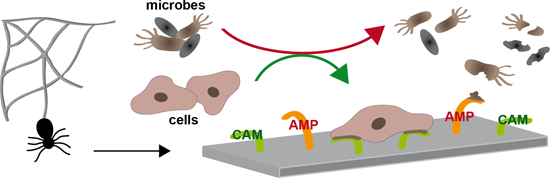
- , antimicrobial, and antibiofouling properties, including the formation of an oriented monolayer of bacterial flagellin proteins on hydrophobic surfaces [73], a reduction of oral bacteria adhesion on dental brackets by more than 95% due to a reduced surface free energy [74], and the fabrication of antifouling


Self-assembly of C60 on a ZnTPP/Fe(001)–p(1 × 1)O substrate: observation of a quasi-freestanding C60 monolayer
Beilstein J. Nanotechnol. 2022, 13, 857–864, doi:10.3762/bjnano.13.76
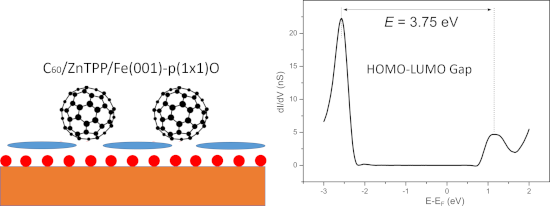
- Fullerene (C60) has been deposited in ultrahigh vacuum on top of a zinc tetraphenylporphyrin (ZnTPP) monolayer self-assembled on a Fe(001)–p(1 × 1)O substrate. The nanoscale morphology and the electronic properties of the C60/ZnTPP/Fe(001)–p(1 × 1)O heterostructure have been investigated by scanning
- fullerene films stabilized directly on metal surfaces. Our results unveil a model system that could be useful in applications in which a quasi-freestanding monolayer of C60 interfaced with a metallic electrode is required. Keywords: fullerene; scanning tunneling microscopy; ultraviolet photoemission
- displayed in Figure 1b, where individual ZnTPP molecules are resolved. Figure 2 focuses on the surface morphology for a sub-monolayer coverage of C60 on the ZnTPP/Fe(001)–p(1 × 1)O substrate. C60 forms a compact film, composed of hexagonal domains extending for hundreds of nanometers. By considering that


Optimizing PMMA solutions to suppress contamination in the transfer of CVD graphene for batch production
Beilstein J. Nanotechnol. 2022, 13, 796–806, doi:10.3762/bjnano.13.70
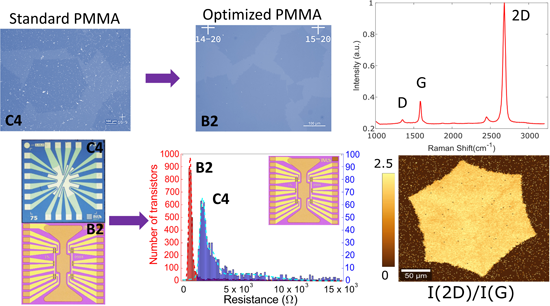
- (ca. 1585 cm−1) and 2D (ca. 2700 cm−1) bands are typical of monolayer graphene [23][24][25][26]. The defect density appears minimal considering the negligible D band intensity at ca. 1350 cm−1 (Figure 2c) [27]. The Raman mapping in Figure 2d–i examines the whole crystal area [28]. The map and the
- ± 3.0 cm−1 (Figure 2f,i), implying high-quality monolayer graphene. Together, the data further support uniformity and crystallinity of the sample. The G phonon band arises from double degeneracy of iTO and iLO phonon modes (E2g symmetry) at the Brillouin zone center, which is an in-plane vibration of
- B2 mixture yields more consistent electric properties of the graphene channel, thanks to a homogenous and reproducible process. Such characteristics ultimately translate into a consistent sensor performance, which is pivotal for industrial fabrication. Conclusion Monolayer graphene films and single




A nonenzymatic reduced graphene oxide-based nanosensor for parathion
Beilstein J. Nanotechnol. 2022, 13, 730–744, doi:10.3762/bjnano.13.65
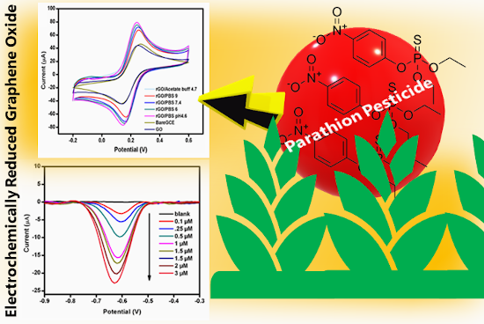
- detection limit and long-term stability at room temperature. Graphene oxide (GO), consisting of a monolayer of sp2-hybridized carbon atom network, has already been used in electrocatalysis, nanoelectronics, bionanosensors, and sustainable energy storage systems due to its larger active surface area





