Search results
Search for "sol–gel" in Full Text gives 201 result(s) in Beilstein Journal of Nanotechnology. Showing first 200.
Nickel nanoparticle-decorated reduced graphene oxide/WO3 nanocomposite – a promising candidate for gas sensing
Beilstein J. Nanotechnol. 2021, 12, 343–353, doi:10.3762/bjnano.12.28
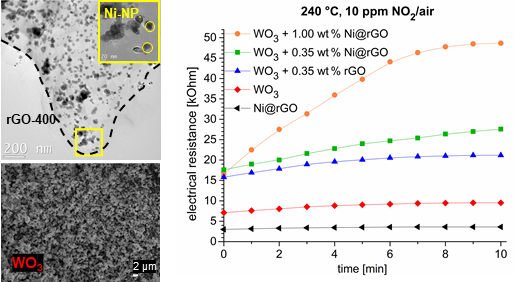
- % nickel. A metal loading between 5% and 20% on graphene oxide is common [49]. WO3 nanopowder synthesis The tungsten oxide nanopowder was prepared by a sol–gel method according to [52]. The phase composition was analyzed using P-XRD. The P-XRD pattern shows reflexes only of monoclinic tungsten oxide
- prepared according to [52] using the sol–gel method. A 1.23 mol/L aqueous solution of sodium tungstate dihydrate (Na2WO3⋅2H2O) was added into a 12 mol/L aqueous solution of nitric acid under constant rapid stirring. The prepared sol of tungstic acid was washed in distilled water using multiple


A review on the green and sustainable synthesis of silver nanoparticles and one-dimensional silver nanostructures
Beilstein J. Nanotechnol. 2021, 12, 102–136, doi:10.3762/bjnano.12.9
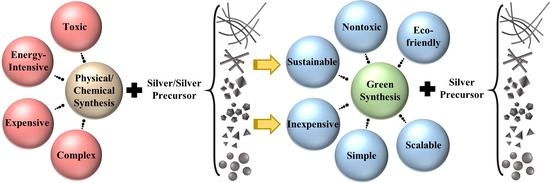
- ” synthesis method. These techniques are usually accompanied by the addition of stabilizers to provide stability, prevent aggregation, control morphology, and provide physiologically compatible properties [140][141][142]. Chemical methods were previously used to produce silver nanoparticles including sol–gel
- the presence of a stabilizer such as polyvinylpyrrolidone (PVP) or polyvinylalcohol (PVA). The chemical synthesis of nanoparticles is one of the bottom-up techniques due to the fact that particles are formed from collective atoms in a nucleus rather than from the bulk [104]. 2.2.1 Sol–gel process. The
- sol–gel method is one of the most common techniques to synthesize AgNPs. The sol–gel process is considered to be a multifaceted approach for the synthesis of nanoparticles in various forms – especially complex compounds – such as metal-complex oxides, inorganic nanocomposites, and chalcogenides [144


High-responsivity hybrid α-Ag2S/Si photodetector prepared by pulsed laser ablation in liquid
Beilstein J. Nanotechnol. 2020, 11, 1596–1607, doi:10.3762/bjnano.11.142
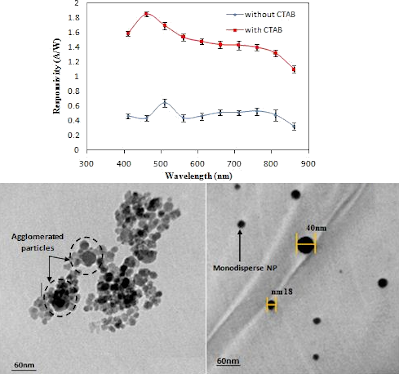
- hydrothermal methods, chemical bath deposition, laser ablation in liquid reverse microemulsion, electrospinning, sol–gel, electrochemical method, template method, sonochemical method, and hydrochemical bath deposition [10][11][12][13]. The size of Ag2S NPs depends on the preparation conditions [14]. Ag2S NPs




Antimicrobial metal-based nanoparticles: a review on their synthesis, types and antimicrobial action
Beilstein J. Nanotechnol. 2020, 11, 1450–1469, doi:10.3762/bjnano.11.129
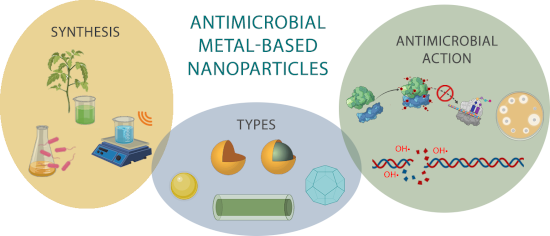
- , chemical vapor deposition, electrochemical anodization method, hydrolysis, hydrothermal method, precipitation–hydrothermal method, reverse micellar route, sol–gel method, solution-based synthesis, solvothermal synthesis, and the sonochemical method. The most relevant ones, along with the typical resulting
- different morphologies and sizes. For example, the technique has been used to obtain ultrafine MgO nanoparticles (8–10 nm) [50], TiO2 nanoparticles (10–20 nm) [51], and even flower-like microstructures (diameter ≈6 µm) and microtubes (diameter ≈1 µm and length ≈4 µm) [52]. The sol–gel technique has been


Magnetic-field-assisted synthesis of anisotropic iron oxide particles: Effect of pH
Beilstein J. Nanotechnol. 2020, 11, 1230–1241, doi:10.3762/bjnano.11.107
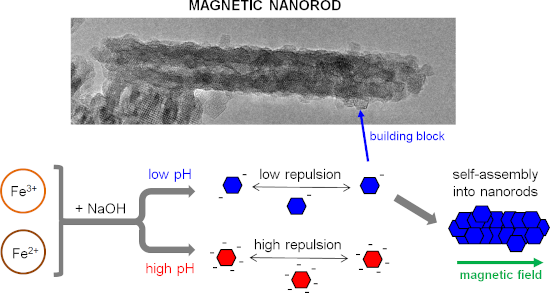
- ][30][31][32], solvothermal [33] and hydrothermal [34] reactions, the polyol method [35], dehydration or reduction of precursor rod-like particles [8][11], sonochemical oxidation [36], thermal decomposition [23][26], sol–gel reactions [37], synthesis in worm-like surfactant micellar solutions [38][39






Gas sorption porosimetry for the evaluation of hard carbons as anodes for Li- and Na-ion batteries
Beilstein J. Nanotechnol. 2020, 11, 1217–1229, doi:10.3762/bjnano.11.106
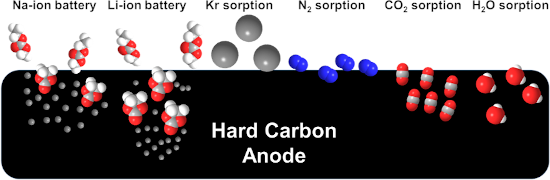
- hydrothermal treatment and carbonization time under argon flow) are listed in Table 2. Preparation of carbons from resorcinol-formaldehyde gels Porous carbon monoliths were obtained by carbonization of resorcinol–formaldehyde (RF) gels obtained via a sol–gel process as previously reported [28][29]. In short


Influence of the magnetic nanoparticle coating on the magnetic relaxation time
Beilstein J. Nanotechnol. 2020, 11, 1207–1216, doi:10.3762/bjnano.11.105
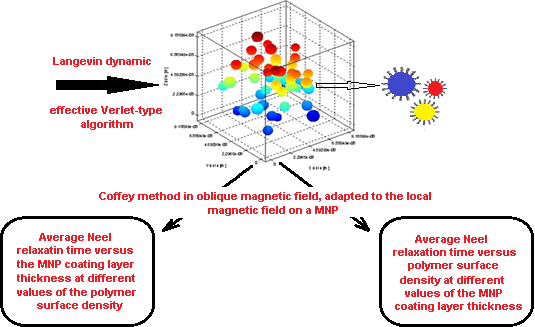
- sol–gel process, yielding metal-oxide nanoparticles dispersed in a mesoporous matrix. [5]. Other methods used for synthesising these nanoparticles include modifications of the sol–gel method. These methods involve supercritical conditions, such as ethyl alcohol and alkaline co-precipitation, and an


Microwave-induced electric discharges on metal particles for the synthesis of inorganic nanomaterials under solvent-free conditions
Beilstein J. Nanotechnol. 2020, 11, 1019–1025, doi:10.3762/bjnano.11.86
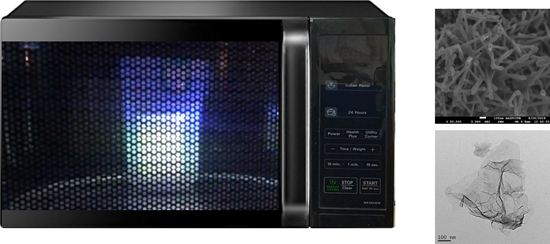
- microscopy; Introduction The synthesis of nanomaterials in short time intervals with fewer chemicals has become increasingly important in materials science. Traditional routes of synthesizing nanomaterials, including sol–gel synthesis, solvothermal synthesis, arc-discharge synthesis, or laser ablation


Band tail state related photoluminescence and photoresponse of ZnMgO solid solution nanostructured films
Beilstein J. Nanotechnol. 2020, 11, 899–910, doi:10.3762/bjnano.11.75
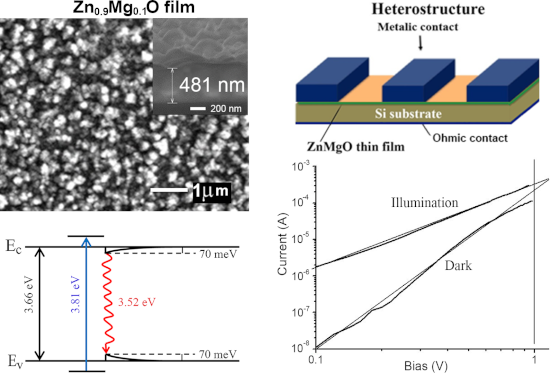
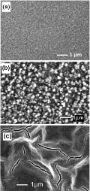
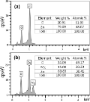
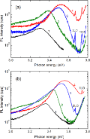
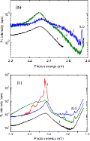
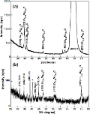
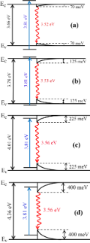
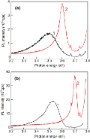
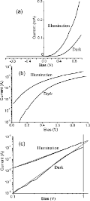
- the composition range x = 0.00–0.40 has been prepared by sol–gel spin coating on Si substrates with a post-deposition thermal treatment in the temperature range of 400–650 °C. The morphology of the films was investigated by scanning electron microscopy and atomic force microscopy while their light
- of the alloy composition. Thin films were also prepared by aerosol spray pyrolysis deposition using the same sol–gel precursors for the purpose of comparison. The prepared films were tested for photodetector applications. Keywords: aerosol spray pyrolysis deposition; energy band tails; photodetector
- (MOCVD) [18][19], hydrothermal [4], chemical bath deposition (CBD) [20], sol–gel spin coating [21][22][23][24][25][26][27][28][29], and spray pyrolysis [28][29][30][31][32][33][34]. Among these techniques, the sol–gel spin coating method has the advantage of ensuring easy control and handling of

A novel dry-blending method to reduce the coefficient of thermal expansion of polymer templates for OTFT electrodes
Beilstein J. Nanotechnol. 2020, 11, 671–677, doi:10.3762/bjnano.11.53
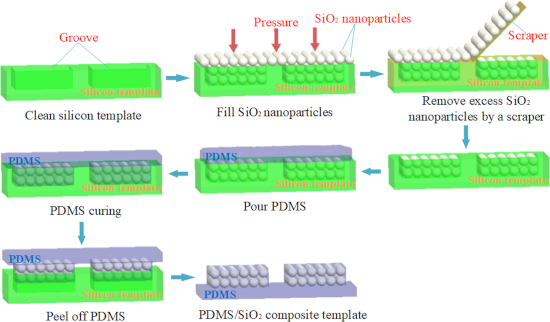
- a sol–gel precursor by adding tetraethyl orthosilicate (TEOS) to polyvinyl pyrrolidone (PVP), and then synthesized a silica/PVP nanofiber composite by electrospinning. The content of silica nanofibers in the composite is 9.1 wt %, and the CTE was decreased by ca. 40%. Jeyranpour et al. [13] studied
- reduce the CTE of the composite. More recently, Wang et al. [16] hydrolyzed various organic compounds to synthesize a solution of APrTEOS-capped poly(amic acid) (EPI) using the sol–gel method, and then added a maximum content of 32.16 wt % tetramethyl orthosilicate (TMOS) and water (as a diluent) into


Identification of physicochemical properties that modulate nanoparticle aggregation in blood
Beilstein J. Nanotechnol. 2020, 11, 550–567, doi:10.3762/bjnano.11.44
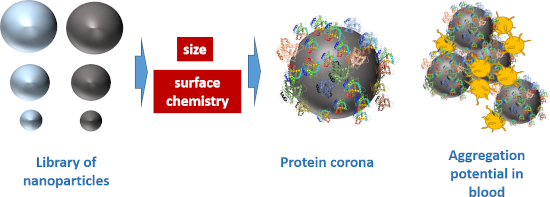
- studies, pyrogenic silica was used. This material is very different to silica produced by sol–gel methods, being formed by large aggregates and having a surface with a lower degree of hydrophilicity [20]. A different arrangement of the fibrinogen molecule at the surface of silica is therefore likely to




Correction: Photocatalytic antibacterial performance of TiO2 and Ag-doped TiO2 against S. aureus. P. aeruginosa and E. coli
Beilstein J. Nanotechnol. 2020, 11, 547–549, doi:10.3762/bjnano.11.43

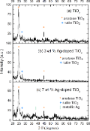
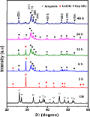
- ., India Department of Biotechnology, Motilal Nehru National Institute of Technology, Allahabad, Prayagraj, 211004, U.P., India 10.3762/bjnano.11.43 Keywords: Ag-doped TiO2; antimicrobial activity; sol–gel; The following is a correction to the section “XRD of TiO2 and Ag-doped TiO2”, which contains a new
Interactions at the cell membrane and pathways of internalization of nano-sized materials for nanomedicine
Beilstein J. Nanotechnol. 2020, 11, 338–353, doi:10.3762/bjnano.11.25
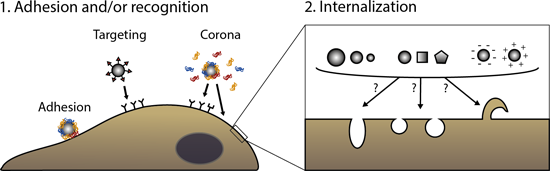
- Section 2.1. Recently, computer simulations and in vitro studies of nanoparticle–membrane interactions have shown that the surface of nanomaterials can in itself induce several changes at the plasma membrane, by determining sol–gel transitions in the lipid bilayer and impairing lipid lateral diffusion


Facile biogenic fabrication of hydroxyapatite nanorods using cuttlefish bone and their bactericidal and biocompatibility study
Beilstein J. Nanotechnol. 2020, 11, 285–295, doi:10.3762/bjnano.11.21
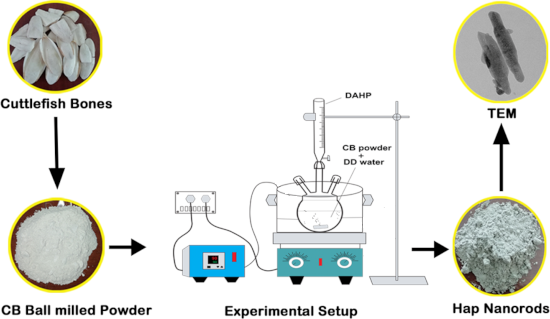
- literature that synthetic and conventional Hap has been prepared by various chemical procedures such as hydrothermal, sol–gel, mechanochemical, reverse microemulsion and precipitation methods, and the resulting material has been proposed to be highly beneficial in hard tissue treatments [3][4][5]. However
- ]. Similarly, Padmanabhan et al. (2009) prepared the Hap NRs using the sol–gel method that had 70–90 nm width and 400–500 nm length [39]. Likewise, Papageorgiou et al. (2014) fabricated Hap NRs with 20 nm width and 400 nm length by the hydrothermal method [40]. Thus, it is evident from the previous studies
- with tissue. Further, Jadalannagari et al. (2011) and Zanotto et al. (2012) synthesized Hap NRs with smaller width and length via sol–gel and precipitation approaches, respectively [43][44], as compared to the present study. However, it is noteworthy that the biogenic fabrication of nanometer-sized Hap


Fabrication of Ag-modified hollow titania spheres via controlled silver diffusion in Ag–TiO2 core–shell nanostructures
Beilstein J. Nanotechnol. 2020, 11, 141–146, doi:10.3762/bjnano.11.12
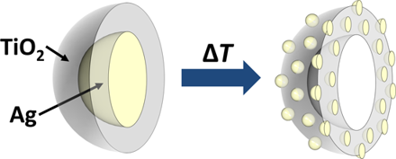
- metal nanoparticles. A simple method employing sol–gel coating of nanoparticles with titania followed by controlled silver diffusion was developed and applied for the synthesis of Ag-modified hollow TiO2 spheres. The morphology of the synthesized structures and their chemical composition was



Advanced hybrid nanomaterials
Beilstein J. Nanotechnol. 2019, 10, 2563–2567, doi:10.3762/bjnano.10.247
- into a broad scientific and technological subject including important fields such as sol–gel chemistry [4][5], polymer nanocomposites [6][7], and hybrid nanomaterials [8][9]. Nowadays, hybrid materials are almost everywhere and provide a wide range of applications from biology and health, to photonic
- the polyol process” [19], the synthetic process was found to be of prime importance to shape the nanoparticles and to optimize their surface/volume ratio in relation to the magnetic behavior. A one-step non-hydrolytic sol–gel synthesis of mesoporous TiO2 phosphonate hybrid materials was applied to
Design of a nanostructured mucoadhesive system containing curcumin for buccal application: from physicochemical to biological aspects
Beilstein J. Nanotechnol. 2019, 10, 2304–2328, doi:10.3762/bjnano.10.222


Targeted therapeutic effect against the breast cancer cell line MCF-7 with a CuFe2O4/silica/cisplatin nanocomposite formulation
Beilstein J. Nanotechnol. 2019, 10, 2217–2228, doi:10.3762/bjnano.10.214
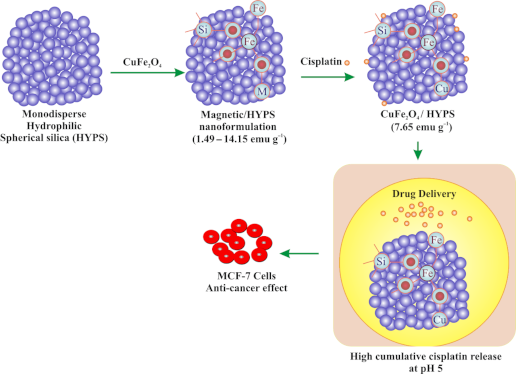
- preparation of a copper nanoferrite using a citrate sol–gel technique [6]. In addition, several metal-based ferrite systems have been recently reported for bioscience applications [7]. Although spinel ferrite nanoparticles are interesting, due to the strong magnetic dipole–dipole interactions, they tend to


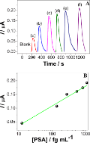
Use of data processing for rapid detection of the prostate-specific antigen biomarker using immunomagnetic sandwich-type sensors
Beilstein J. Nanotechnol. 2019, 10, 2171–2181, doi:10.3762/bjnano.10.210

- magnetism than other iron oxide nanoparticles [17]. These MNPs can be synthesized through various techniques, such as ultrasound irradiation, sol–gel methods, thermal decomposition, and co-precipitation [18][19][20][21]. In addition, they can be modified with biomolecules and other compounds to improve the


Nanostructured and oriented metal–organic framework films enabling extreme surface wetting properties
Beilstein J. Nanotechnol. 2019, 10, 1994–2003, doi:10.3762/bjnano.10.196
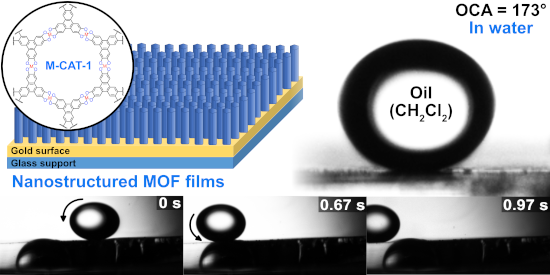
- example, sol–gel synthesis, electrochemical deposition, anodization, electrochemical polymerization, electrospinning, plasma treatment, chemical or hydrothermal methods, vapor deposition, layer-by-layer assembly or laser ablation [19][27][28][29][30][31][32][33][34][35][36][37][38][39]. However, the


Rapid thermal annealing for high-quality ITO thin films deposited by radio-frequency magnetron sputtering
Beilstein J. Nanotechnol. 2019, 10, 1511–1522, doi:10.3762/bjnano.10.149
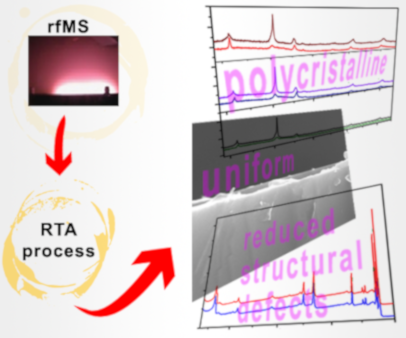
- of ITO in various applications increases when the electrical properties are improved. Various deposition techniques have been used to obtain TCO thin films, such as: vacuum thermal evaporation [15][16], chemical vapor deposition [17], sol–gel [18], pyrolysis spray techniques [5][19], magnetron


BiOCl/TiO2/diatomite composites with enhanced visible-light photocatalytic activity for the degradation of rhodamine B
Beilstein J. Nanotechnol. 2019, 10, 1412–1422, doi:10.3762/bjnano.10.139
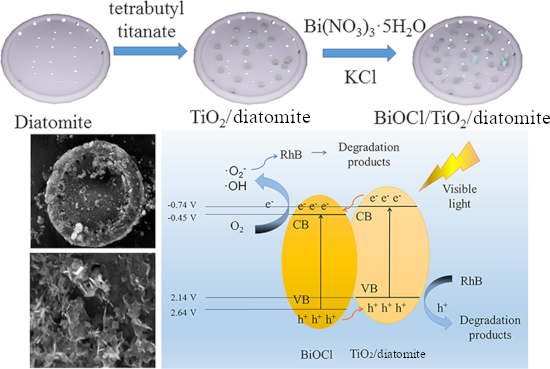
- Abstract A BiOCl/TiO2/diatomite (BTD) composite was synthesized via a modified sol–gel method and precipitation/calcination method for application as a photocatalyst and shows promise for degradation of organic pollutants in wastewater upon visible-light irradiation. In the composite, diatomite was used as
- Yingkou, China, and used after removing impurities by acid leaching. Preparation of TiO2/diatomite composite In a typical synthesis, we prepared the TiO2/diatomite composite via a modified sol–gel method: Firstly, we added 12 mL of tetrabutyl titanate to 20 mL ethanol under stirring, which was recorded as
- −, OH and holes, have strong redox ability, and as a result, RhB can be degraded into small molecules to complete the photocatalytic process. Conclusion In summary, a BiOCl/TiO2/diatomite (BTD) composite was synthesized by a modified sol–gel method and precipitation/calcination method. The prepared BTD


Gas sensing properties of individual SnO2 nanowires and SnO2 sol–gel nanocomposites
Beilstein J. Nanotechnol. 2019, 10, 1380–1390, doi:10.3762/bjnano.10.136
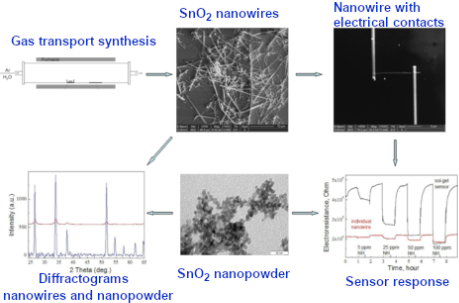
- selectivity to target gases. The aim of this work is the comparison of gas sensing properties of tin dioxide in the form of individual nanowires and nanopowders obtained by sol–gel synthesis. This comparison is necessary because the traditional synthesis procedures of small particle, metal oxide materials
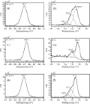
- was used for the fabrication of well-faceted wire-like crystals with diameters ranging between 15–100 nm. The sol–gel method allowed us to obtain fragile gels from powders with grain sizes of about 5 nm. By means of X-ray photoelectron spectroscopy (XPS) it was proven that the nanowires contain
- ; gas transport method; nanowires; quasi-one-dimensional materials; sol–gel synthesis; tin dioxide; X-ray absorption near edge structure (XANES); X-ray photoelectron spectroscopy (XPS); Introduction Semiconductor sensor functionality relies on heterogeneous catalytic chemical processes, which makes the




Highly ordered mesoporous silica film nanocomposites containing gold nanoparticles for the catalytic reduction of 4-nitrophenol
Beilstein J. Nanotechnol. 2019, 10, 1368–1379, doi:10.3762/bjnano.10.135
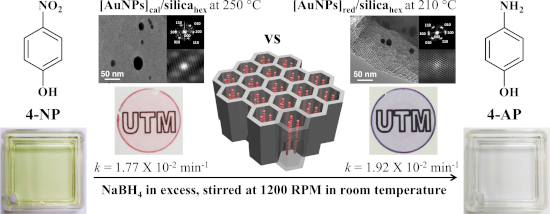
- Institute for Scientific and Industrial Research, Universiti Teknologi Malaysia, 81310 UTM Johor Bahru, Johor, Malaysia 10.3762/bjnano.10.135 Abstract We report that transparent mesostructured silica/gold nanocomposite materials with an interpore distance of 4.1 nm, as-synthesized from a templated sol–gel
- from gold(III) chloride trihydrate (HAuCl4) solution have been used as a precursor for post-synthetic grafting upon mixing with mesoporous silica [20]. Another method is to utilize the co-condensation reaction by the mixing solution of HAuCl4 with surfactants and silica sources during the sol–gel
- external AuNPs was suggested due to the sintering effect as reported by others [29]. As the source of the AuNPs, the organic functional groups are arranged inside the silica channels using a template sol–gel synthesis of mesoporous silica with a functional surfactant [22][23][24][25]. Due to the heat


Multicomponent bionanocomposites based on clay nanoarchitectures for electrochemical devices
Beilstein J. Nanotechnol. 2019, 10, 1303–1315, doi:10.3762/bjnano.10.129
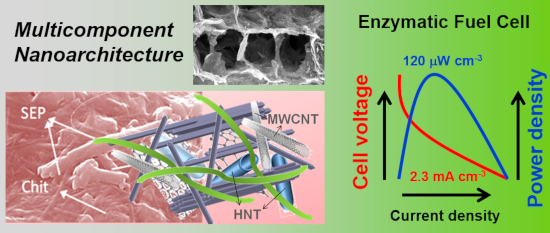
- immobilized in mesopores of Al2O3 membranes (10–30 mM) [63], sol–gel-derived composite films (14 mM) [64], and similar devices based on graphene and carbon nanotubes (4–15 mM) [65][66]. The low Km value is indicative of an excellent performance attributed to strong substrate binding and high enzymatic