Search results
Search for "washing" in Full Text gives 274 result(s) in Beilstein Journal of Nanotechnology. Showing first 200.
Design of surface nanostructures for chirality sensing based on quartz crystal microbalance
Beilstein J. Nanotechnol. 2022, 13, 1201–1219, doi:10.3762/bjnano.13.100
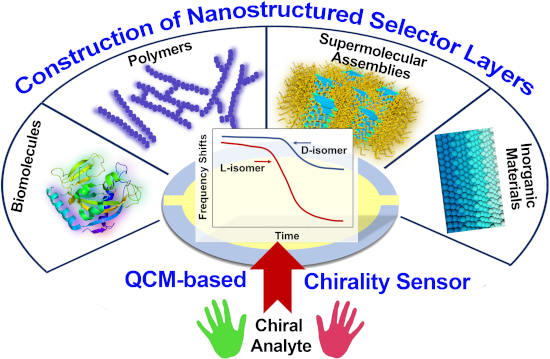
- ) and 4-vinylpyridine- (4-Vpy) based polymer film with dansyl-ʟ-phenylalanine as the chiral template. The template was finally removed by washing with a solution of 0.01 M HCl. The resultant MIP could specifically recognize dansyl-ʟ-phenylalanine in solution and quantitatively measure ʟ- and ᴅ-forms in


Interaction between honeybee mandibles and propolis
Beilstein J. Nanotechnol. 2022, 13, 958–974, doi:10.3762/bjnano.13.84
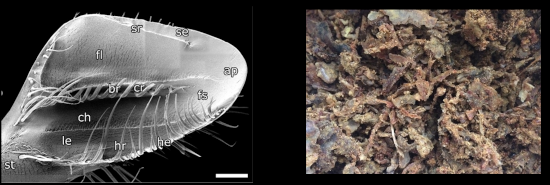
- that was at least partially removed during the washing process. Propolis adhesion on bee mandibles was measured to be 1 J/m2 and was indeed significantly lower compared to five technical materials. Propolis adhesion was higher on mandibles that were washed compared to fresh, unwashed mandibles. Results
- % ethanol, Carl Roth GmbH & Co. KG), or acetone (Rotipuran® ≥99.8%, p. a. ACS ISO, Carl Roth GmbH & Co. KG) for 5 min followed by 5 min washing with distilled water. Distilled water was used as an agent for removing hydrophilic substances from the surface of bee mandibles. Chloroform and acetone are known
- to remove hydrophobic substances and the wax layer from mandibles [27]. The ultrasonic bath facilitates the dissolving procedure and particle removal from the surface. To visualise the effect of washing, dry untreated mandibles and mandibles treated with the different solvents were examined using a


Sodium doping in brookite TiO2 enhances its photocatalytic activity
Beilstein J. Nanotechnol. 2022, 13, 599–609, doi:10.3762/bjnano.13.52
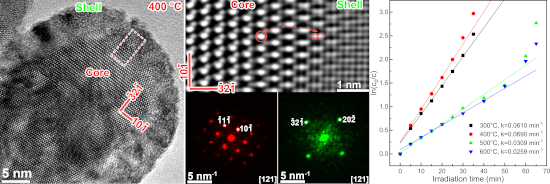
- primitive cell volume was 254.7 Å3 as opposed to 258.9 Å3 for the standard brookite phase. Note that the Na content in the brookite is affected by the process of centrifugation and washing of the samples. When the samples were centrifuged and washed three times (as described in the Experimental section


A new method for obtaining the magnetic shape anisotropy directly from electron tomography images
Beilstein J. Nanotechnol. 2022, 13, 590–598, doi:10.3762/bjnano.13.51
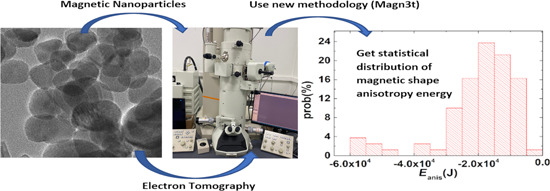
- and washing with water, and it was air-dried at 70 °C overnight in an oven. The experimental tomographic series was acquired with a JEOL 2100 transmission electron microscope (TEM). The instrument was operated at a voltage of 200 kV and the images have been obtained in scanning transmission electron


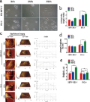
Effects of substrate stiffness on the viscoelasticity and migration of prostate cancer cells examined by atomic force microscopy
Beilstein J. Nanotechnol. 2022, 13, 560–569, doi:10.3762/bjnano.13.47
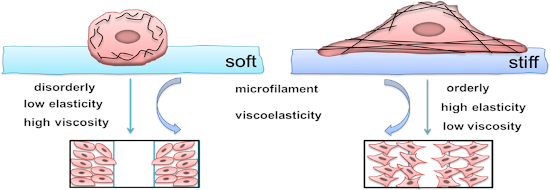
- debris was then removed by washing the cells three times with PBS and then the wells were replenished with 2 mL of fresh medium without serum. Then, the cells were imaged immediately and 24 h after the scratch. For the quantification of the wound-healing assay, three locations in the image scratch were



Influence of thickness and morphology of MoS2 on the performance of counter electrodes in dye-sensitized solar cells
Beilstein J. Nanotechnol. 2022, 13, 528–537, doi:10.3762/bjnano.13.44
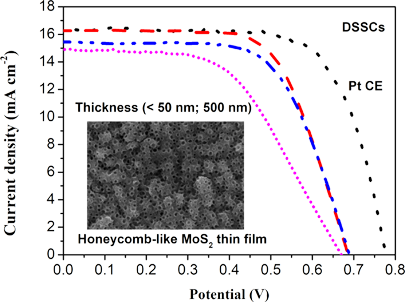
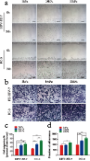
- , a Pt-based CE (Pt/FTO) was fabricated by soaking the cleaned FTO glasses in PVP–platinum suspension at 45 °C for 5 min, followed by washing with distilled water. The PVP–platinum suspension was prepared as follows: First, 1.0 g of H2PtCl6 was dissolved in 150 mL of distilled water, then 0.5 g PVP


Interfacial nanoarchitectonics for ZIF-8 membranes with enhanced gas separation
Beilstein J. Nanotechnol. 2022, 13, 313–324, doi:10.3762/bjnano.13.26
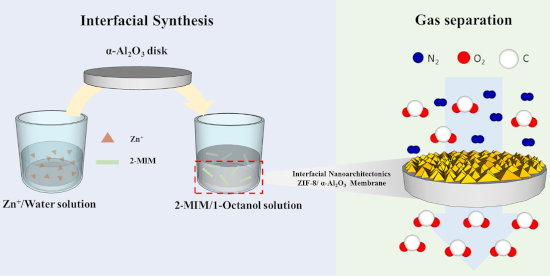
- reactants. Then, these fragments were collected by centrifugation at 25,000 rpm for 10 min. This washing process was repeated for three times. The resultant products were placed in a lyophilizer for at least 12 hours for drying. Synthesis of ZIF-8 membranes via an interfacial synthesis method A porous α


Coordination-assembled myricetin nanoarchitectonics for sustainably scavenging free radicals
Beilstein J. Nanotechnol. 2022, 13, 284–291, doi:10.3762/bjnano.13.23
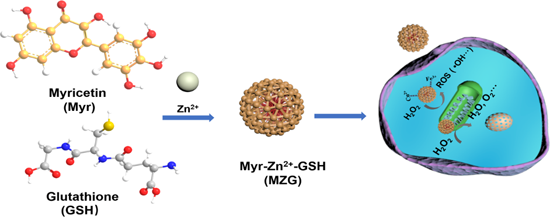
- after centrifuging and washing with water and, subsequently, dissolved in 0.1 M NaOH solution. The concentrations of Myr and GSH were determined by UV–vis spectroscopy. The concentration of Zn2+ was measured by inductively coupled plasma optical emission spectroscopy (ICP-OES). Evaluation of ROS


Impact of device design on the electronic and optoelectronic properties of integrated Ru-terpyridine complexes
Beilstein J. Nanotechnol. 2022, 13, 219–229, doi:10.3762/bjnano.13.16
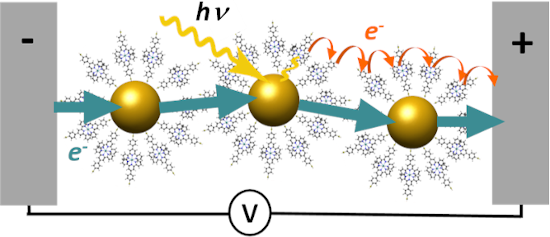
- structure such that an almost complete nanoparticle layer was formed. In a next step, the acetyl-protected thiol groups of MPTP-SAc were hydrolyzed with concentrated ammonium solution yielding mainly Ru(MPTP)2–AuNP devices, followed by a washing procedure [15]. As usual, all nanoelectrode samples have been


Bacterial safety study of the production process of hemoglobin-based oxygen carriers
Beilstein J. Nanotechnol. 2022, 13, 114–126, doi:10.3762/bjnano.13.8
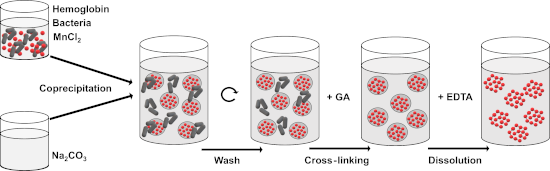
- product. The production process includes several washing steps that could contribute to the depletion of a potential bacterial load. Glutaraldehyde (GA) is used for the inter- and, to a certain extent, intramolecular cross-linking of the hemoglobin molecules at a concentration of 0.02% [20][21]. It is
- washing steps in the particle production process, can contribute to the reduction of a potential contamination with Gram-positive and Gram-negative bacteria. Staphylococcus epidermidis and Escherichia coli were selected as model organisms for this purpose. Both bacteria have been intensively studied. E
- the CCD method after precipitation, as well as after cross-linking, dissolution, and final washing steps are shown in Figure 1. The zeta potential of HbMP in phosphate-buffered saline (PBS), pH 7.4, was −8.51 ± 0.9 mV. The zeta potential in PBS, pH 7.0, of E. coli was −16 mV, that of S. epidermidis


Tin dioxide nanomaterial-based photocatalysts for nitrogen oxide oxidation: a review
Beilstein J. Nanotechnol. 2022, 13, 96–113, doi:10.3762/bjnano.13.7
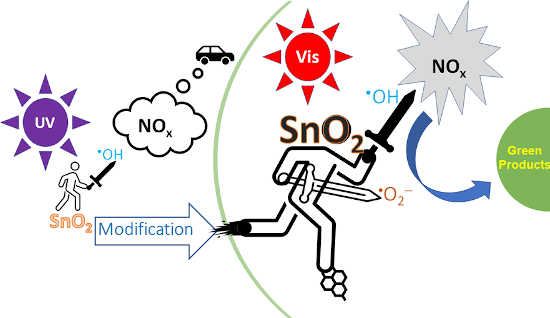
- −, similarly holes react with water to form hydroxyl radicals). Free radicals and strong oxidizing agents react with NOx to produce NO3−, deposited on the photocatalyst surface. The NO3− product formed on the surface of the catalyst can be easily separated for further treatment by washing with water due [11


Theranostic potential of self-luminescent branched polyethyleneimine-coated superparamagnetic iron oxide nanoparticles
Beilstein J. Nanotechnol. 2022, 13, 82–95, doi:10.3762/bjnano.13.6
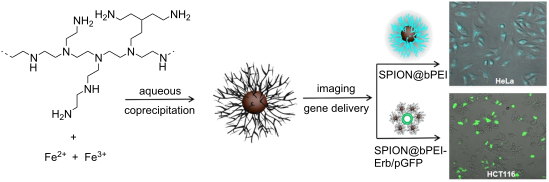
- filter (10 kDa MWCO Amicon). After washing, the concentration of Erb was calculated to be 3 mg/mL using the Bradford assay. An amount of 500 µg of Erb was activated by mixing it with 15 mg of 1-ethyl-3-[3-dimethylaminopropyl]carbodiimide hydrochloride (EDC) (Sigma-Aldrich, USA) and 15.5 mg of N




Biocompatibility and cytotoxicity in vitro of surface-functionalized drug-loaded spinel ferrite nanoparticles
Beilstein J. Nanotechnol. 2021, 12, 1339–1364, doi:10.3762/bjnano.12.99





Revealing the formation mechanism and band gap tuning of Sb2S3 nanoparticles
Beilstein J. Nanotechnol. 2021, 12, 1021–1033, doi:10.3762/bjnano.12.76
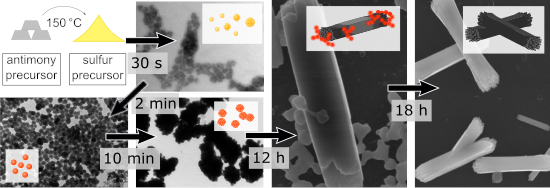
- centrifugation and redispersion and by washing with HAS, a 2:3 volumetric mixture of chlorobenzene and 1,2-dichlorobenzene to remove excess sulfur [22]. The experiments were repeated at least three times to ensure reproducibility. Morphology and structure At first, the as-synthesized products obtained after


Modification of a SERS-active Ag surface to promote adsorption of charged analytes: effect of Cu2+ ions
Beilstein J. Nanotechnol. 2021, 12, 902–912, doi:10.3762/bjnano.12.67
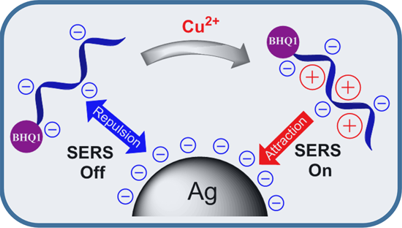
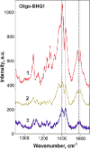
- same conditions, the CuTSPP4 SERS spectrum was absent (Figure 7, number 5). We suggest that Cu2+ ions are weakly adsorbed at the Ag surface and were mostly removed during the washing stage. Copper complexation with PEI and positive charging of the glass surface is expected in this case. This could also
- polymers resulted in a significant increase of the CuTMpyP4 SERS signal, that is, threefold for PEI and fourfold for PHMG. A weak CuTSPP4 spectrum was only observable in the case of PHMG. We suppose that the results are caused by a partial desorption of polymer molecules from the surface by washing. The
- inversion. This is a key factor for the oligonucleotide detection with Cu2+-modified SERS substrates. The spectrum detection after Cu2+ treatment, followed by washing (which was not working for CuTSPP4), supports that and can be explained by a low Cu2+ ion concentration created by a residual PEI–copper


The role of convolutional neural networks in scanning probe microscopy: a review
Beilstein J. Nanotechnol. 2021, 12, 878–901, doi:10.3762/bjnano.12.66





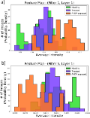


Silver nanoparticles nucleated in NaOH-treated halloysite: a potential antimicrobial material
Beilstein J. Nanotechnol. 2021, 12, 798–807, doi:10.3762/bjnano.12.63
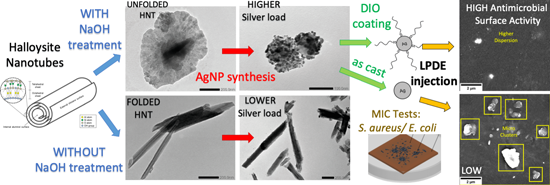
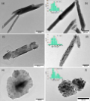
- chemically compatible with LDPE, a non-polar polymer matrix. This coating was performed suspending the to-be-coated sample in 10 mL of ethanol/dodecanethiol mixture (200:1, v/v) for 24 h, followed by filtering, washing with ethanol, and drying at 60 °C for 2 h. The coated sample was labelled Ag/HNT-8/DIO




Silver nanoparticles induce the cardiomyogenic differentiation of bone marrow derived mesenchymal stem cells via telomere length extension
Beilstein J. Nanotechnol. 2021, 12, 786–797, doi:10.3762/bjnano.12.62
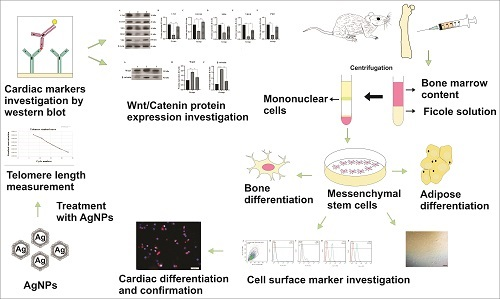
- ]. Briefly, five rats were euthanized using ketamine/xylazine (87/13 mg/kg). After surgery and removal of femur and tibia, BM contents were flushed using washing buffer. Next, the BM contents was layered over Ficoll-Paque (Innotrain, Germany) and mononuclear cells were re-suspended in DMEM supplemented with


High-yield synthesis of silver nanowires for transparent conducting PET films
Beilstein J. Nanotechnol. 2021, 12, 624–632, doi:10.3762/bjnano.12.51
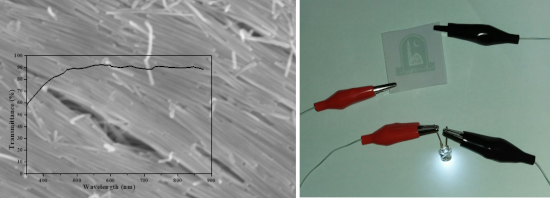
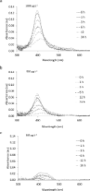
- size [34]. Four samples were examined. First, a sample was taken readily after the addition of AgNO3 to the reaction solution, and the subsequent samples were taken after 10 min and 20 min, and after washing of the final product (after 60 min of the reaction). Figure 3a shows one sharp peak at 401 nm
- alignment and density of AgNWs can be easily adjusted by increasing the number of times of water washing. Water, with a very high surface tension of 72.75 × 10⁻³ N·m−1 at 20 °C, tends to bundle the hydrophilic AgNWs together [55]. The literature has shown the fabrication of conducting PET films using


On the stability of microwave-fabricated SERS substrates – chemical and morphological considerations
Beilstein J. Nanotechnol. 2021, 12, 541–551, doi:10.3762/bjnano.12.44
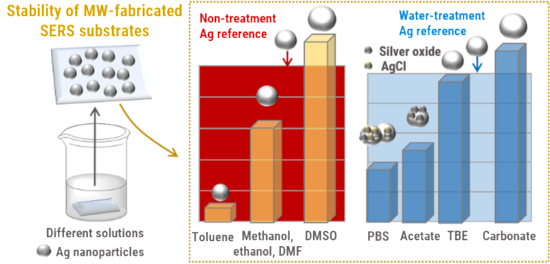
- available microscope glass coverslips, cut into rectangles with a dimension of 20 × 10 mm, were used as substrates. The glass substrates were first cleaned by washing with demineralized water and ethanol followed by plasma cleaning (argon plasma, 5 min, Diener Electronics). For all experiments, a single


Nickel nanoparticle-decorated reduced graphene oxide/WO3 nanocomposite – a promising candidate for gas sensing
Beilstein J. Nanotechnol. 2021, 12, 343–353, doi:10.3762/bjnano.12.28
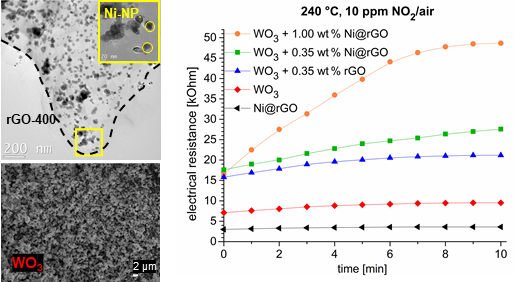
- . TEM samples were prepared by drop casting the with acetonitrile diluted material on 200 µm carbon-coated copper grids, followed by washing the grid several times with acetonitrile to remove the excess ionic liquid. The size distribution was determined manually or with the aid of the Gatan Digital


Characterization, bio-uptake and toxicity of polymer-coated silver nanoparticles and their interaction with human peripheral blood mononuclear cells
Beilstein J. Nanotechnol. 2021, 12, 282–294, doi:10.3762/bjnano.12.23
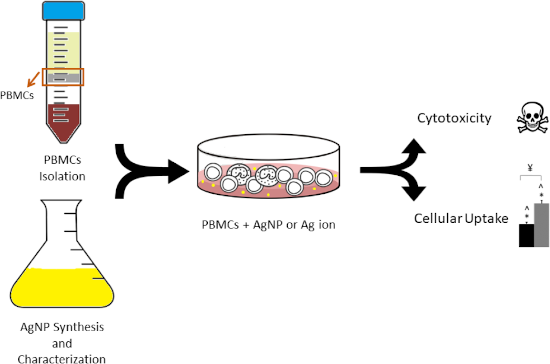
- ICP-MS after washing. For both AgNP and Ag ion exposure, the amount of Ag that was taken up by cells increased as the Ag concentration increased, which is expected and consistent with previous literature [49][50]. There was a significant difference between Ag that was detected in the cells (or bound
- synthesis, the NPs were washed by ultrafiltration (3 kDa cellulose membrane EMD Millipore) using a diafiltration technique to avoid drying and NP aggregation as well as to remove any residual reactants. The washing process was repeated at least three times and after each wash the trisodium citrate solution



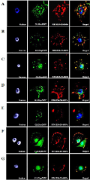
Differences in surface chemistry of iron oxide nanoparticles result in different routes of internalization
Beilstein J. Nanotechnol. 2021, 12, 270–281, doi:10.3762/bjnano.12.22
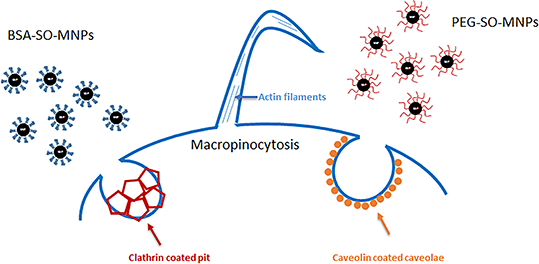
- additional time of 1 h. Cell exposure was finished by sucking off the culture medium and washing the cells twice with phosphate-buffered saline (PBS). An illustration of the treatment is shown in Figure 4. The final concentrations of individual inhibitors of endocytosis or cytoskeleton dynamics were prepared
- . For F-actin staining, the coverslips were incubated with Alexa Fluor 488 Phalloidin or Alexa Fluor 546 Phalloidin (Life Technologies, Thermo Fisher Scientific) (dilution 1:500) at 37 °C for 1 h. After washing with PBS, 4,6-diamide-2-phenylindole (DAPI) (dilution 1: 500) was added for nuclear staining
- (at 37 °C, 15 min). Finally, after washing with PBS and sterile water, the coverslips were mounted on glass slides with mounting medium (Sigma-Aldrich). Images were obtained with a fluorescent microscope (Axio Imager, Zeiss) using ISIS software from the company MetaSystems GmbH (Altlussheim, Germany



Transient coating of γ-Fe2O3 nanoparticles with glutamate for its delivery to and removal from brain nerve terminals
Beilstein J. Nanotechnol. 2020, 11, 1381–1393, doi:10.3762/bjnano.11.122
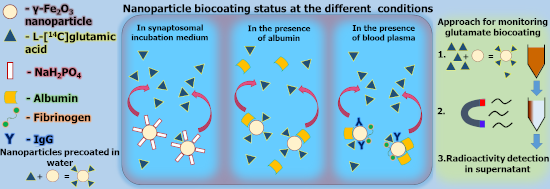
- achieved. In the next step, the magnetite colloid was stabilized with 0.1 M sodium citrate solution under sonication. The formation of maghemite was completed by oxidation of the magnetite colloid with 5% sodium hypochlorite solution and a subsequent sonication for 5 min. The final washing of the maghemite


High permittivity, breakdown strength, and energy storage density of polythiophene-encapsulated BaTiO3 nanoparticles
Beilstein J. Nanotechnol. 2020, 11, 1190–1197, doi:10.3762/bjnano.11.103
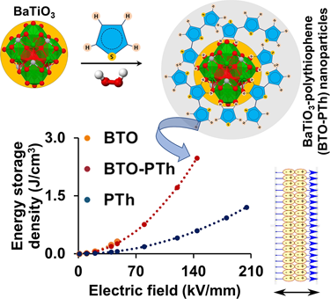
- ) and (200) differentiates tetragonal BTO from cubic BTO [20]. Thus, as-prepared BTO nanoparticles are monocrystalline and exhibit a tetragonal lattice structure. Also, there is no sign of any impurity due to the repeated washing of BTO nanoparticles with dilute formic acid solution, which removes