


Search results
Search for "antibacterial" in Full Text gives 136 result(s) in Beilstein Journal of Nanotechnology.
A review on the green and sustainable synthesis of silver nanoparticles and one-dimensional silver nanostructures
Beilstein J. Nanotechnol. 2021, 12, 102–136, doi:10.3762/bjnano.12.9
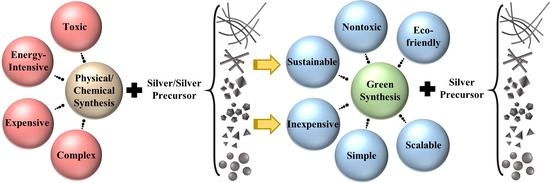
- for blood purification and to inhibit heart palpitations [44]. Silver was used in forms of aqueous solutions, coins, and plates for aseptic and antibacterial applications, as well as in food and dairy preservation up until the 19th century, as it was agreed that food and dairy products kept in silver
- AgNPs allowed effective antibacterial activity against Gram-positive and Gram-negative bacteria. The ball milling method is an inexpensive approach for the synthesis of AgNPs in a solid state [140], and can be used for the synthesis of AgNPs in ambient temperature, with a fair control over particle size
- synthesized AgNPs are typically spherical in shape [192][278][279]; however, varied morphologies were also reported [193]. Among the applications, algae-mediated AgNPs have shown effective antioxidant and antibacterial activity [264][275]. The advantages of the algae-mediated synthesis process are low


Antimicrobial metal-based nanoparticles: a review on their synthesis, types and antimicrobial action
Beilstein J. Nanotechnol. 2020, 11, 1450–1469, doi:10.3762/bjnano.11.129
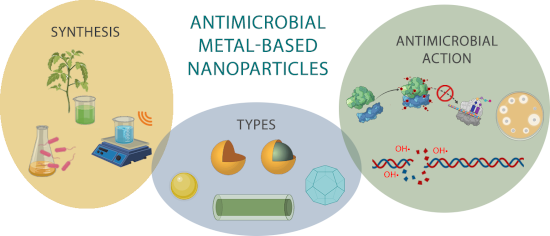
- and private research centers, in order to reduce nosocomial infections and foodborne diseases. The elimination of pathogenic microorganisms, such as bacteria, fungi, and yeast, in order to avoid health issues has been a major goal in these fields. There are two terms that can define the antibacterial
- efficiency of a given compound: An agent is considered “bacteriostatic” if it delays the bacterial growth, maintaining the initial growth phase for a longer period of time. An antibacterial agent can also be “bactericidal” if it completely inhibits and kills the bacteria. However, the bacteriostatic and
- antibacterial properties, since they can exhibit both effects [1]. Furthermore, the antibacterial effectiveness of most compounds differs depending on the type of bacteria exposed to these compounds. Gram-positive and Gram-negative bacteria, for example, are categories widely studied due to their different


Photothermally active nanoparticles as a promising tool for eliminating bacteria and biofilms
Beilstein J. Nanotechnol. 2020, 11, 1134–1146, doi:10.3762/bjnano.11.98
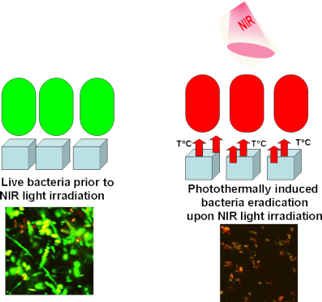
- (e.g., medical devices or implants) they can develop into a biofilm, thereby becoming more resistant to conventional biocides and disinfectants. Nanoparticles can be used as an antibacterial agent in medical instruments or as a protective coating in implantable devices. In particular, attention is
- temperature increase. By using this approach new, protective, antibacterial surfaces and materials can be developed that can be remotely activated on demand. In this review, we summarize the state-of-the art regarding the application of various photothermally active nanoparticles and their corresponding
- nanocomposites for the light-triggered eradication of bacteria and biofilms. Keywords: antibacterial activity; bacteria eradication; nanoparticles; NIR light; photothermal effect; Introduction Bacteria are considered the major source of hospital-acquired nosocomial infections and patients are at a risk higher


Gram-scale synthesis of splat-shaped Ag–TiO2 nanocomposites for enhanced antimicrobial properties
Beilstein J. Nanotechnol. 2020, 11, 1119–1125, doi:10.3762/bjnano.11.96
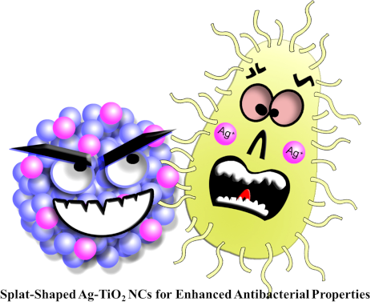
- multidrug-resistant bacterial strains. In this regard, metal-oxide-based antibacterial nanomaterials have received potential research interest due to the efficient prevention of microorganism growth. In this study, splat-shaped Ag–TiO2 nanocomposites (NCs) were synthesized on the gram scale and the enhanced
- antibacterial properties of TiO2 in the presence of silver were examined. The formation of Ag–TiO2 NCs was analyzed through various characterization techniques. The cell viability experimental results demonstrated that the Ag–TiO2 NCs have good biocompatibility. The antibacterial activity of the prepared Ag
- –TiO2 NCs was tested against the Gram-positive Staphylococcus aureus (S. aureus) and Gram-negative Escherichia coli (E. coli) bacterial strains. The Ag–TiO2 NCs exhibited promising and superior antibacterial properties compared to TiO2 nanospheres as confirmed by the bacterial growth and inhibition zone


Wet-spinning of magneto-responsive helical chitosan microfibers
Beilstein J. Nanotechnol. 2020, 11, 991–999, doi:10.3762/bjnano.11.83
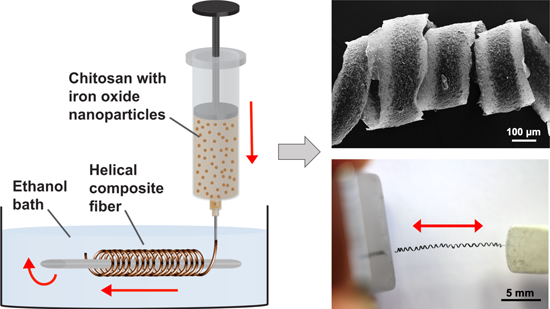
- polysaccharides such as alginate, hyaluronic acid or chitosan, are widely used as biocompatible materials since they are biochemically similar to the native extracellular matrix (ECM) [16]. Chitosan is a biopolymer that combines excellent biocompatibility, low toxicity and antibacterial properties with a low
- ]. Additionally, by using either wet-spinning or electrospinning techniques, nanoparticles can be suspended into the viscous spinning solution and embedded into the fiber matrix. For example, silver nanoparticles have been incorporated into electrospun chitosan fibers enabling antibacterial activity in wound


Silver-decorated gel-shell nanobeads: physicochemical characterization and evaluation of antibacterial properties
Beilstein J. Nanotechnol. 2020, 11, 620–630, doi:10.3762/bjnano.11.49
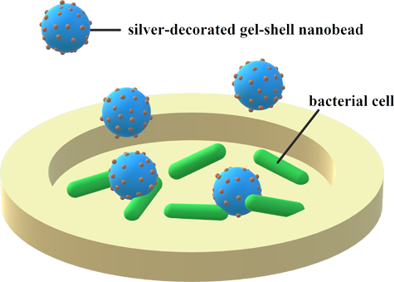
- of composite nanobeads with antibacterial properties. The particles consist of polystyrene cores that are surrounded by sulfonic gel shells with embedded silver nanoparticles. The nanocomposite beads are prepared by sulfonation of polystyrene particles followed by accumulation of silver ions in the
- generate metallic nanoparticles embedded in the shell. Such structures have been demonstrated to reveal antibacterial and antifungal properties. For example, Zhao et al. prepared micrometer-sized hybrid particles in a multi-step preparation involving the sulfonation of polystyrene beads and the
- sulfonate beads modified with polyaniline followed by decoration with silver nanoparticles and demonstrated the considerable antibacterial activity of this material [24]. While the number of works on hybrid polymer/nanoparticle structures and their antibacterial activity is relatively limited, a great


Correction: Photocatalytic antibacterial performance of TiO2 and Ag-doped TiO2 against S. aureus. P. aeruginosa and E. coli
Beilstein J. Nanotechnol. 2020, 11, 547–549, doi:10.3762/bjnano.11.43

Luminescent gold nanoclusters for bioimaging applications
Beilstein J. Nanotechnol. 2020, 11, 533–546, doi:10.3762/bjnano.11.42
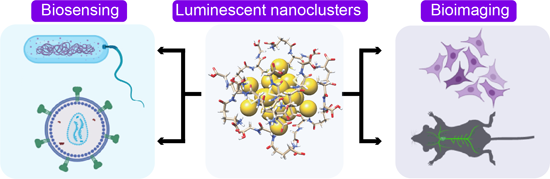
- that assists better binding. Zhu et al. reported a rigid host–guest assembly to improve the PL of AuNCs, their antibacterial activity and bioimaging [84]. In their work, 5-methyl-2-thiouracil (MTU)-capped AuNCs (Au-MTU) were prepared. The Au-MTU NCs were then treated with protamine (Prot), a cationic
- rigidify the surface resulting in a 28-fold increase in the PL of Au-MTU/Prot NCs compared to that of Au-MTU NCs. The resulting Au-MTU/Prot NCs displayed antibacterial properties with abilities to kill both Gram-positive and Gram-negative bacteria, which was shown using E. coli and SA strains. The addition
- rapid detection and the development of new immunoassays. Imaging and labeling mammalian cell lines Beyond their antibacterial effect and pathogen sensing, the surface functionalities of NCs allow for selective labeling for the detection of biomolecules, intracellular metal ion sensing, live-cell imaging


Nanoparticles based on the zwitterionic pillar[5]arene and Ag+: synthesis, self-assembly and cytotoxicity in the human lung cancer cell line A549
Beilstein J. Nanotechnol. 2020, 11, 421–431, doi:10.3762/bjnano.11.33
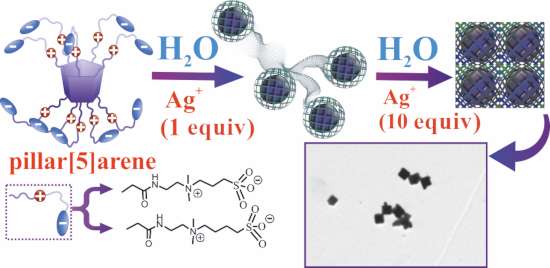
- the presence of pillar[5]arene/Ag+ (1:10) nanoparticles at a concentration of 30 and 40 μM was 76% and 55%, while in the absence of pillar[5]arene, the cell survival for free Ag+ ions at the same concentration was 30% and 10%, respectively. The results can be used to create new antibacterial materials
- and 2D biomedical coatings. Keywords: cytotoxicity; macrocyclic receptors; nanoparticles; pillar[5]arene; self-assembly; silver; Introduction The first use of silver (Ag) as a medicine dates back to Hippocrates, who used it as an antibacterial agent for the treatment of ulcers [1]. Over the past
- concentration of silver ions of 30 μM and 55% for a concentration of silver ions of 40 μM. The results can be used to create new antibacterial materials and 2D biomedical coatings. Experimental 1H NMR, 13C and 2D NOESY NMR spectra were obtained on a Bruker Avance-400 spectrometer (13С{1H} – 100 MHz and 1H and




Facile biogenic fabrication of hydroxyapatite nanorods using cuttlefish bone and their bactericidal and biocompatibility study
Beilstein J. Nanotechnol. 2020, 11, 285–295, doi:10.3762/bjnano.11.21
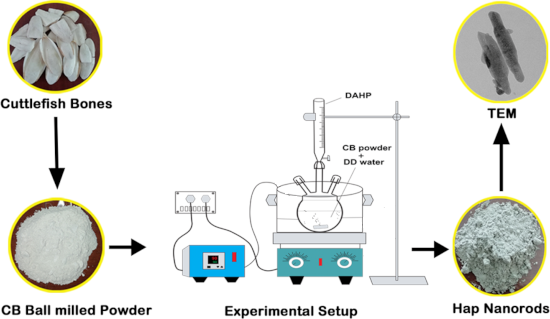
- the TGA data revealed the thermal stability of Hap NRs. In addition, the antibacterial study showed a significant inhibitory effect of CB-Hap NRs against S. aureus (zone of inhibition – 14.5 ± 0.5 mm) and E. coli (13 ± 0.5 mm), whereas the blood compatibility test showed that the CB-Hap NRs exhibited
- a concentration-mediated hemolytic effect. These biogenic CB-Hap NRs with improved physicochemical properties, blood compatibility and antibacterial efficacy could be highly beneficial for orthopedic applications in the future. Keywords: antibacterial activity; biocompatibility; bone implant
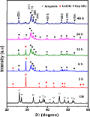
- antibacterial and biocompatible efficacy of the cuttlefish bone powder derived Hap nanorods. Results and Discussion Crystallinity and phase formation analysis The products obtained at various reaction times and the raw cuttlefish bone (CB) powders were characterized using powder XRD, revealing that a prolonged


Novel hollow titanium dioxide nanospheres with antimicrobial activity against resistant bacteria
Beilstein J. Nanotechnol. 2019, 10, 1716–1725, doi:10.3762/bjnano.10.167
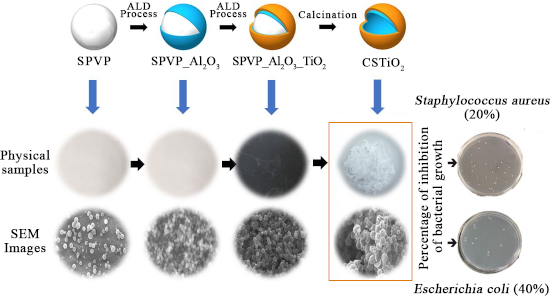
- their high stability, low cost, reusability, and high photocatalytic activity [6][7][8]. These excellent properties have been applied in many products such as foods, catalyst support, air purification, water disinfection, antibacterial, cosmetics and solar cells [9][10]. Photocatalytic TiO2 favors the
- , structural and thermal properties. In addition, the antimicrobial activity against common and multidrug-resistant bacteria were also studied. Crucial factors, such as the size, surface morphology and crystal structure of the NPs, were found to affect their antibacterial mechanism. Thus, the comparison of the
- molecules and proteins of the cellular membrane and a lower amount of substance [2][43][44]. In this work, the evaluation of the antibacterial activity of CSTiO2 with a spherical morphology and nanoscale-thickness of approximately 17 nm was evaluated and compared with traditional TiO2 NPs. The reduction of


Photoactive nanoarchitectures based on clays incorporating TiO2 and ZnO nanoparticles
Beilstein J. Nanotechnol. 2019, 10, 1140–1156, doi:10.3762/bjnano.10.114
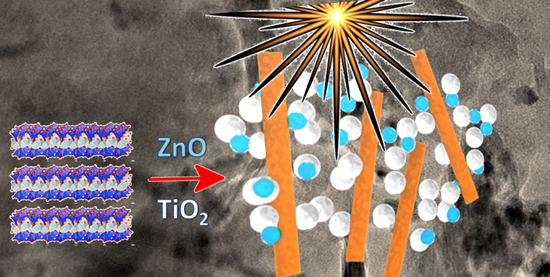
- materials that have been assembled at the nanometer scale with clay silicates and deeply investigated due to their useful properties for various applications, including heterogeneous photocatalysis, antibacterial activity, and water splitting [12][13][14][15][16][17][18][19][20]. Both semiconducting solids
- semiconductors such as ZnO are increasingly investigated for processes concerning environmental remediation, antibacterial activity and chemical technologies for hydrogen production and synthesis of organic compounds [22]. Anyway, according to WoS, in the given period TiO2 NPs appear to be cited ten times more
- challenges are developments regarding applications related to antibacterial activity and uses in the production of fine chemicals through photo-assisted organic syntheses. The use as films and membranes appears as a valuable alternative for industrial processes. Moreover, the clays can be used as substrates



Tailoring the stability/aggregation of one-dimensional TiO2(B)/titanate nanowires using surfactants
Beilstein J. Nanotechnol. 2019, 10, 1024–1037, doi:10.3762/bjnano.10.103
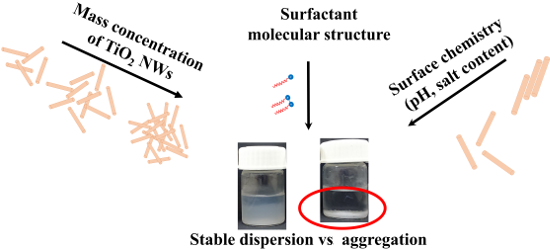
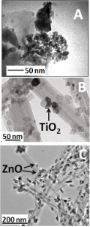
- metal ions [8], as well as antibacterial applications [9]. Their various applications can be divided into “energy” and “environment” related categories. Many of these applications as well as TNM interactions in the environment depend on their properties and modifications [10]. Therefore, increased
- biomedical. On the other hand, quaternary ammonium surfactants are the most commonly encountered cationic surfactants due to their high surface activity, good antibacterial properties as well as availability due to the ease of synthesis. In addition, comparing the effects of monomeric and corresponding


The systemic effect of PEG-nGO-induced oxidative stress in vivo in a rodent model
Beilstein J. Nanotechnol. 2019, 10, 901–911, doi:10.3762/bjnano.10.91
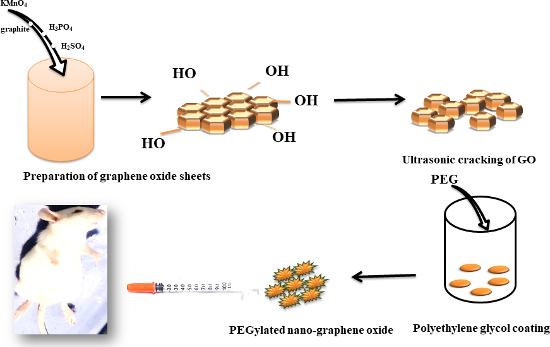
- a chitosan 3D scaffold and enhanced its bioactivity, mechanical properties, and pore formation with GO for optimal bone tissue engineering [15]. Zhang et al. improved the chemotherapy efficacy of anticancer drugs with polyethyleneimine (PEI)-grafted GO [16]. Liu et al. discussed the antibacterial


Mechanism of silica–lysozyme composite formation unravelled by in situ fast SAXS
Beilstein J. Nanotechnol. 2019, 10, 182–197, doi:10.3762/bjnano.10.17
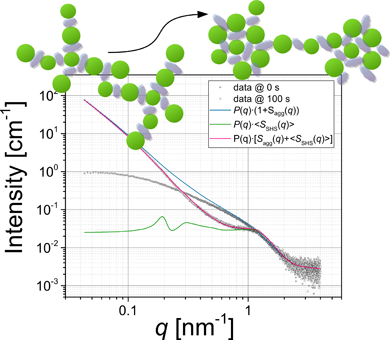
- silica NPs [16][17][18], while at the same time preserving its enzymatic activity, most notably antibacterial properties [19]. Over a wide range of pH values (2 to ca. 10), the surface of silica NPs is negatively charged, whereas the LZM molecule is positively charged [20][21]. This way LZM can act as a



New micro/mesoporous nanocomposite material from low-cost sources for the efficient removal of aromatic and pathogenic pollutants from water
Beilstein J. Nanotechnol. 2019, 10, 119–131, doi:10.3762/bjnano.10.11
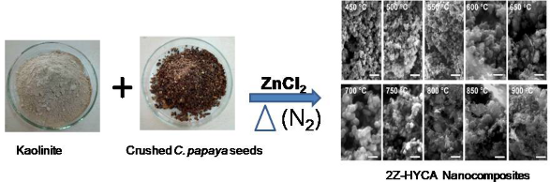
- with a much lower efficiency. This finding suggests that the presence of Zn2+ in the composite material directly affects E. coli removal from solution, likely because zinc has antibacterial properties. Although the precise functional mechanism is unknown, it has been suggested that Zn-doped materials




Nanostructure-induced performance degradation of WO3·nH2O for energy conversion and storage devices
Beilstein J. Nanotechnol. 2018, 9, 2845–2854, doi:10.3762/bjnano.9.265
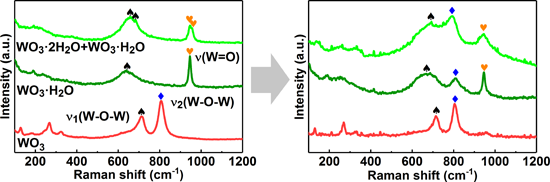
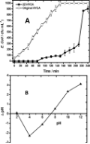
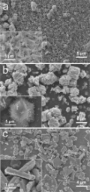
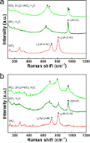
- photocatalytic and antibacterial applications [39]. Unfortunately, despite the great number of 2D WO3 compounds and their hydrates synthesized and utilized for energy conversion and storage applications, their weakness has not yet been investigated thoroughly. In this study, WO3·nH2O (n = 0, 1, 2) was fabricated


Comparative biological effects of spherical noble metal nanoparticles (Rh, Pd, Ag, Pt, Au) with 4–8 nm diameter
Beilstein J. Nanotechnol. 2018, 9, 2763–2774, doi:10.3762/bjnano.9.258
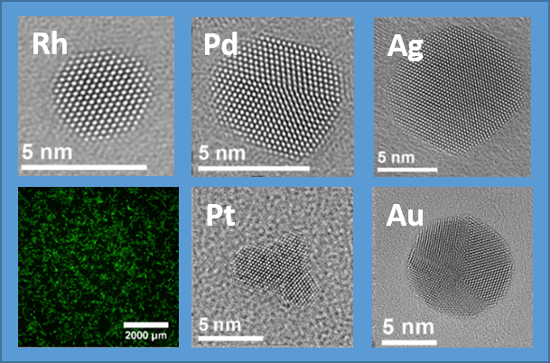
- , and nanomedicine [1][2][3]. Noble metal nanoparticles are of particular importance due to their diverse properties such as surface plasmon resonance, chemical inertness, and antibacterial action (silver) [4][5][6][7][8][9]. However, concerns have been raised with respect to their biological effect


Fabrication of photothermally active poly(vinyl alcohol) films with gold nanostars for antibacterial applications
Beilstein J. Nanotechnol. 2018, 9, 2040–2048, doi:10.3762/bjnano.9.193
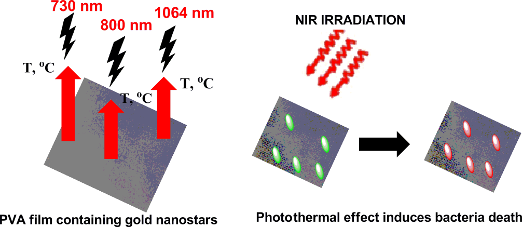
- antibacterial films and coatings. Keywords: antibacterial properties; gold nanostars; photothermal effect; poly(vinyl alcohol) films; Introduction The photothermal properties of non-spherical gold nanoparticles possessing localized surface plasmon resonance (LSPR) located in NIR range has already been
- studies have reported the preparation and the antibacterial efficacy of PVA films containing plant extracts, silver nanoparticles or zinc oxide nanoparticles [17][18][19][20][21][22]. However, when bacteria start to form biofilms they become resistant and conventional antibiotics do not eradicate biofilms
- from the surfaces where they formed [8]. Silver nanoparticles prevent biofilm formation but with a controversial results – Ag nanoparticles are effective towards Gram-negative bacterial strains but much less so towards Gram-positive [8][23]. There is a strong need for novel lightweight antibacterial


Review on nanoparticles and nanostructured materials: history, sources, toxicity and regulations
Beilstein J. Nanotechnol. 2018, 9, 1050–1074, doi:10.3762/bjnano.9.98

- lightness, and they can provide useful properties (e.g., self-healing, self-cleaning, anti-freezing, and antibacterial) and can function as reinforcing materials for construction or sensing components for safety. Notwithstanding the other possible benefits, simply taking advantage of the beneficial size and
- shape effects to improve the appearance of materials is still a major application of NPs. Moreover, the commercial use of NMs is often limited to the bulk use of passive NMs embedded in an inert (polymer or cement) matrix, forming a nanocomposite. In 2003, Samsung introduced an antibacterial technology


Bioinspired self-healing materials: lessons from nature
Beilstein J. Nanotechnol. 2018, 9, 907–935, doi:10.3762/bjnano.9.85
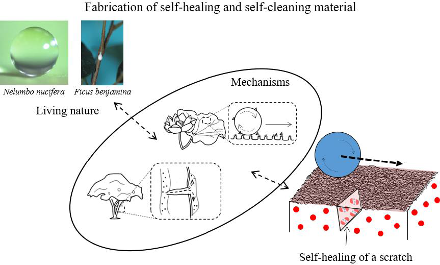
- existing in the extracellular matrix, such as proteins in the complement system, antibacterial agglutinins, and antitoxins. The extracellular matrix is the collection of molecules and secreted materials outside of cells that is tasked with providing support structurally and chemically to the cells in their








Comparative study of antibacterial properties of polystyrene films with TiOx and Cu nanoparticles fabricated using cluster beam technique
Beilstein J. Nanotechnol. 2018, 9, 861–869, doi:10.3762/bjnano.9.80
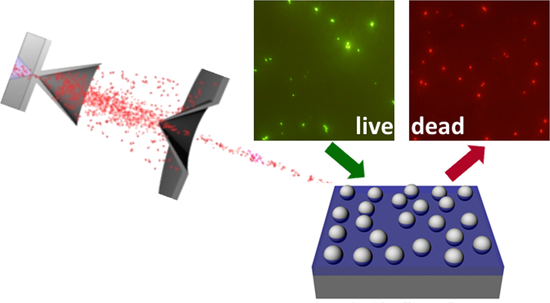
- 10.3762/bjnano.9.80 Abstract Background: Antibacterial materials are of high importance for medicine, and for the production and conservation of food. Among these materials, polymer films with metal nanoparticles (NPs) are of considerable interest for many practical applications. Results: The paper
- same composite films making the suggested approach attractive for the cases requiring reusable polymer-based antibacterial media. Keywords: antibacterial properties; cluster beam technique; nanoparticles; polymers; Introduction Certain metals, when present in excess, become destructive or lethal to
- organic cells. Because of these toxic properties the films and nanostructures of such metals or metal compounds are widely used as antibacterial and antimicrobial agents. Among them are Ag, Cu, Au, CuO, ZnO, Fe3O4, Al2O3 and TiO2, to name just a few [1][2][3]. They all exhibit bactericidal properties


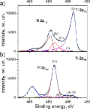


Noble metal-modified titania with visible-light activity for the decomposition of microorganisms
Beilstein J. Nanotechnol. 2018, 9, 829–841, doi:10.3762/bjnano.9.77
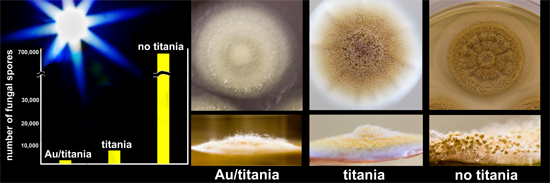
- oxidized (shell) forms, whereas gold was mainly zero valent. The obtained noble metal-modified samples were examined with regard to antibacterial (Escherichia coli (E. coli)) and antifungal (Aspergillus niger (A. niger), Aspergillus melleus (A. melleus), Penicillium chrysogenum (P. chrysogenum), Candida
- albicans (C. albicans)) activity under visible-light irradiation and in the dark using disk diffusion, suspension, colony growth (“poisoned food”) and sporulation methods. It was found that silver-modified titania, besides remarkably high antibacterial activity (inhibition of bacterial proliferation
- found that silver-modified titania showed superior antibacterial activity, whereas gold-modified samples were very active against fungi, suggesting that bimetallic photocatalysts containing both gold and silver should exhibit excellent antimicrobial properties. Keywords: antifungal properties


Green synthesis of fluorescent carbon dots from spices for in vitro imaging and tumour cell growth inhibition
Beilstein J. Nanotechnol. 2018, 9, 530–544, doi:10.3762/bjnano.9.51
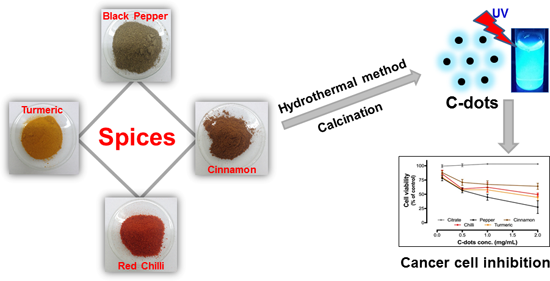
- antioxidant, anti-inflammatory, anticancer, antiviral and antibacterial activities [22]. Red chilli is another common spice the main pungent ingredient of which is capsaicin. It is used to alleviate neuropathic pain and itching in humans. Moreover, its anticancer properties have been reported in the
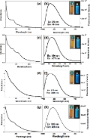


Electron interaction with copper(II) carboxylate compounds
Beilstein J. Nanotechnol. 2018, 9, 384–398, doi:10.3762/bjnano.9.38
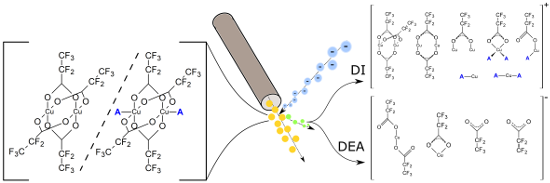
- medical applications because copper exhibits antibacterial and antifungal properties [28]. In FEBID experiments, the deposited Cu–C lines and squares, obtained from the fluorinated copper(II) β-diketonate [Cu(hfac)2], had an atomic ratio of approximately Cu/C/O/F = 10:64:25:1. In materials obtained using





