Search results
Search for "bacteria" in Full Text gives 182 result(s) in Beilstein Journal of Nanotechnology.
Bioselectivity of silk protein-based materials and their bio-inspired applications
Beilstein J. Nanotechnol. 2022, 13, 902–921, doi:10.3762/bjnano.13.81
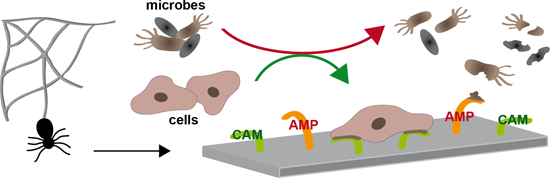
- bioselectivity. Keywords: antifouling; bacteriostatic; biofouling; bioselective cell adhesion; spider silk protein; Review 1 Introduction 1.1 Bioadhesive protein surfaces Biological adhesion is important for all organisms such as plants, animals, bacteria, and fungi, covering a wide range of biological aspects
- composition, surface structuring on the micro-/nanoscale, and the introduction of low-surface-energy compounds [62]. Various studies demonstrated that the adhesion of Staphylococcus aureus, Pseudomonas aeruginosa, and Escherichia coli (E. coli) bacteria was significantly reduced on superhydrophobic coatings
- polymer chains against protein molecules increases, while a tightly bound water layer creates a physical and energetic barrier and renders interactions with approaching proteins or bacteria thermodynamically unfavorable [50]. The concept of steric repulsion based on a hydration layer through hydrogen


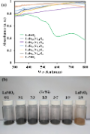
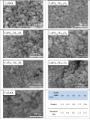
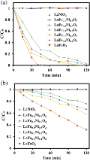
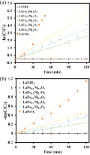
Solar-light-driven LaFexNi1−xO3 perovskite oxides for photocatalytic Fenton-like reaction to degrade organic pollutants
Beilstein J. Nanotechnol. 2022, 13, 882–895, doi:10.3762/bjnano.13.79
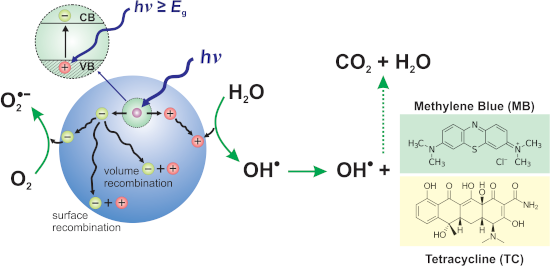
- industry often contains biological drugs, such as antibiotics and pesticides. These drug residues in various industries would enter the drinking water source. It threatens human health and makes bacteria and viruses resistant to drugs, significantly impacting the environment [5]. Notably, wastewater



DNA aptamer selection and construction of an aptasensor based on graphene FETs for Zika virus NS1 protein detection
Beilstein J. Nanotechnol. 2022, 13, 873–881, doi:10.3762/bjnano.13.78
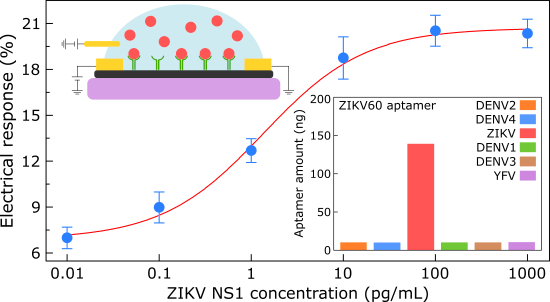
- , high-affinity nucleic acid aptamers have been developed for a wide variety of targets, such as proteins, peptides, viruses, and bacteria [11][12]. Generally, nucleic acid aptamers are developed in vitro by a molecular evolution process based on iterative selection–amplification steps known as



Design and selection of peptides to block the SARS-CoV-2 receptor binding domain by molecular docking
Beilstein J. Nanotechnol. 2022, 13, 699–711, doi:10.3762/bjnano.13.62
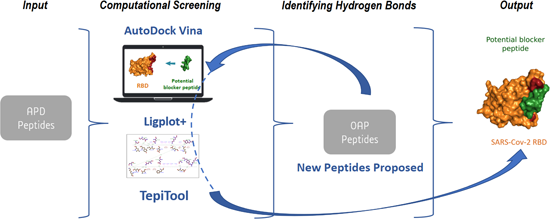
- human body and in targeting specific cells, bacteria, viruses, or proteins. Therefore, the physicochemical parameters of the peptides and the peptide conformation after binding to RBD were obtained by using WinHydroPro software. The results are given in Table 2. The peptide net charge, isoelectric point



Antibacterial activity of a berberine nanoformulation
Beilstein J. Nanotechnol. 2022, 13, 641–652, doi:10.3762/bjnano.13.56
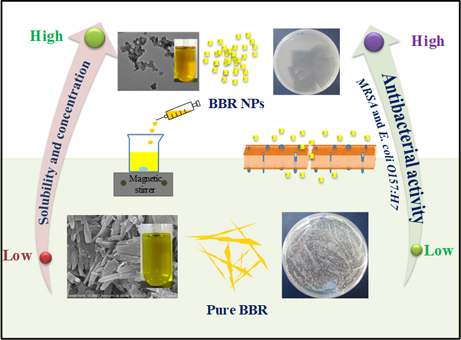
- bacteria, such as Escherichia coli [12], Helicobacter pylori [13], and Staphylococcus aureus, including methicillin-resistant strains and coagulase-negative strains [4][14]. The antibacterial activity of BBR against Streptococcus agalactiae was explained by BBR molecules damaging the structure of the
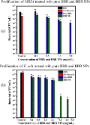
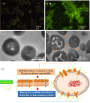
- -negative (Escherichia coli O157:H7) bacteria causing hospital-acquired infections was achieved in comparison with the precursor BBR at the same concentration. In addition, the interaction of BBR NPs with bacteria was also investigated in this study. Results and Discussion Chemical characterization of the
- insufficiently reliable to evaluate the antibacterial activity of BBR and BBR NPs against E. coli O157:H7. However, our study indicated that the antibacterial activity of BBR is more effective against Gram-positive bacteria (MRSA) than against Gram-negative bacteria (E. coli O157:H7). The studies showed that BBR



Photothermal ablation of murine melanomas by Fe3O4 nanoparticle clusters
Beilstein J. Nanotechnol. 2022, 13, 255–264, doi:10.3762/bjnano.13.20
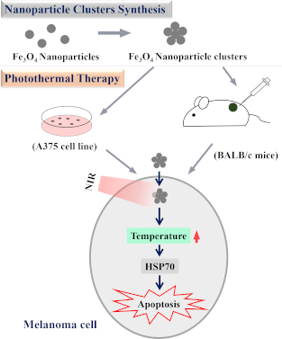
- effects of alumina-coated Fe3O4 nanoparticles against bacteria upon exposure to NIR light [13]. Further studies with esophageal cancer demonstrate that Fe3O4 nanoparticles induce hyperthermia post absorption to suppress tumor growth in a dosage-dependent manner [14]. However, due to very high dosage


Engineered titania nanomaterials in advanced clinical applications
Beilstein J. Nanotechnol. 2022, 13, 201–218, doi:10.3762/bjnano.13.15
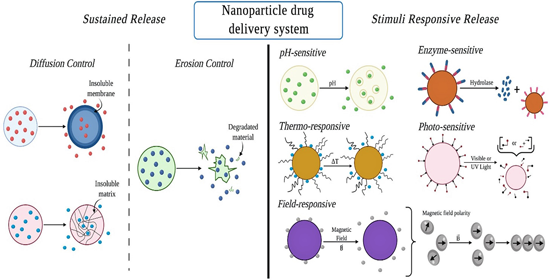
- cells containing TiO2 nps undergo oxidative degeneration upon light irradiation under the influence of generated ROS and, therefore, these nps are considered as a potent photosensitizer in anticancer photodynamic therapy and the photodynamic inactivation of antibiotic-resistant bacteria [15]. TiO2
- TiO2 nps to kill even desiccation-resistant microbes, their value has increased in the food, cosmetic, and drug industries. Recently, glass surfaces coated with silver and TiO2 nps showed promising results against bacteria S. aureus (Gram positive) and E. coli (Gram negative) as compared to the
- standard glass surface [82]. Another recent study stated that hollow, calcined TiO2 nanospheres (CSTiO2), synthesized by the combination of electrospinning and atomic layer deposition, have high antimicrobial activity against multidrug-resistant bacteria such as S. aureus strains compared to commercial


Piezoelectric nanogenerator for bio-mechanical strain measurement
Beilstein J. Nanotechnol. 2022, 13, 192–200, doi:10.3762/bjnano.13.14
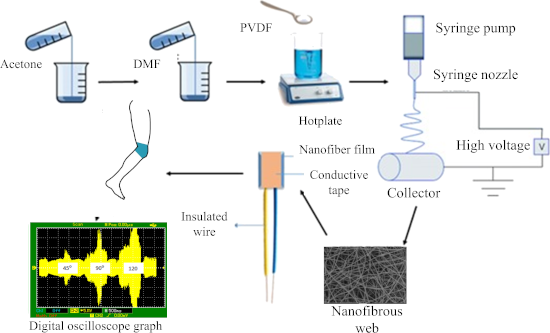
- [28], wound dressings [29], sound adsorption [30], cosmetics [31], and sensor devices [32][33][34]. In filtration processes, electrospun nanofibers can be employed for removing volatile organic compounds (VOCs) from the atmosphere. To protect people from bacteria, viruses, smog, and dust, nanofibers


A comprehensive review on electrospun nanohybrid membranes for wastewater treatment
Beilstein J. Nanotechnol. 2022, 13, 137–159, doi:10.3762/bjnano.13.10
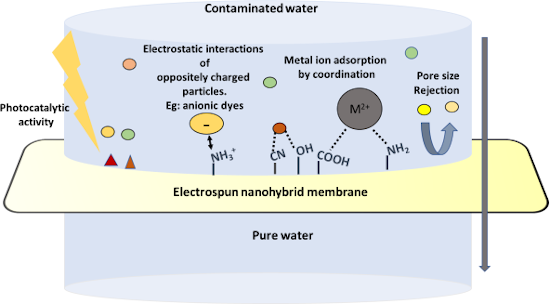
- and require a pressure typically below 1 bar. Particles with dimensions greater than 0.1 μm will be rejected while smaller particles are allowed to permeate through the membrane. MF filters have the potential to filter out suspended particles, major pathogens, large bacteria, proteins, and yeast cells





Bacterial safety study of the production process of hemoglobin-based oxygen carriers
Beilstein J. Nanotechnol. 2022, 13, 114–126, doi:10.3762/bjnano.13.8
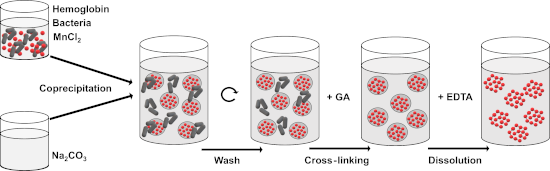
- preclinical safety investigations delivered promising results. Bacterial safety plays a decisive role during the production of HbMP. Therefore, the bioburden and endotoxin content of the starting materials (especially hemoglobin) and the final particle suspension are intensively tested. However, some bacteria
- may not be detected by standard tests due to low concentration. The aim of this study was to investigate how these bacteria would behave in the fabrication process. Biocidal effects are known for glutaraldehyde and for ethylenediaminetetraacetic acid, chemicals that are used in the fabrication process
- of HbMP. It was shown that both chemicals prevent bacterial growth at the concentrations used during HbMP fabrication. In addition, the particle production was carried out with hemoglobin solutions spiked with Escherichia coli or Staphylococcus epidermidis. No living bacteria could be detected in the


Theranostic potential of self-luminescent branched polyethyleneimine-coated superparamagnetic iron oxide nanoparticles
Beilstein J. Nanotechnol. 2022, 13, 82–95, doi:10.3762/bjnano.13.6
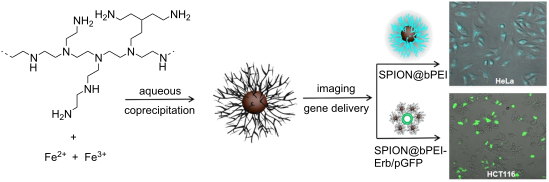
- -stranded PIC, this solution was heated to 55 °C then cooled back to room temperature according to the instructions from the manufacturer. As DNA plasmids, GFP plasmids (16542: pBI-MCS-EGFP) were purchased from Addgen, propagated in DH5α competent E. coli bacteria, and purified using the QIAGEN EndoFree
- Plasmid Maxi kit. For this purpose, first the bacteria were cultured in Luria–Bertani agar for single colony selection. The obtained colonies were then grown in Luria–Bertani broth growth medium. Later, the GFP plasmid DNA was isolated from these cells using the QIAGEN Plasmid DNA isolation kit and





Sputtering onto liquids: a critical review
Beilstein J. Nanotechnol. 2022, 13, 10–53, doi:10.3762/bjnano.13.2
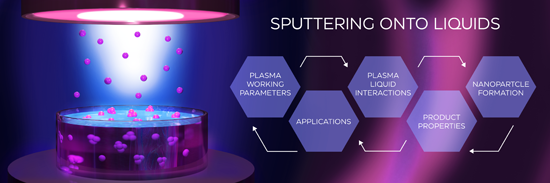
- synthesis also attract the attention of many researchers due to the “environmentally friendly” nature of these processes, promoted by involving biological systems or by being related directly to biological systems [20][23]. These methods use, among others, bacteria, fungi, viruses, yeasts, and plant






Heating ability of elongated magnetic nanoparticles
Beilstein J. Nanotechnol. 2021, 12, 1404–1412, doi:10.3762/bjnano.12.104
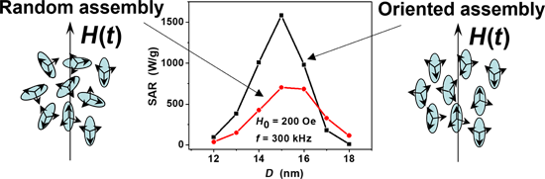
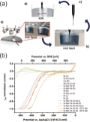
- nanoparticles showed increased SAR [37][38] when the ac magnetic field was applied parallel to the assembly orientation axis. It is worth mentioning that, in nature, some strains of magnetotactic bacteria can synthesize elongated magnetic nanoparticles [39][40][41]. Biogenic magnetic nanoparticles have a


Self-assembly of amino acids toward functional biomaterials
Beilstein J. Nanotechnol. 2021, 12, 1140–1150, doi:10.3762/bjnano.12.85
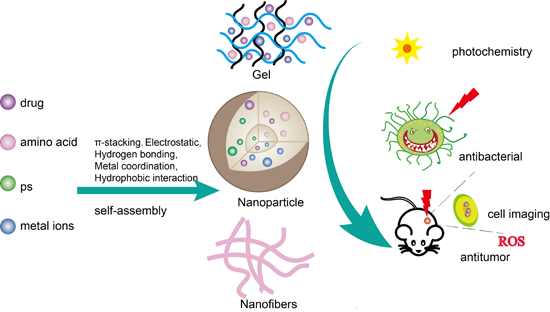
- properties [27] and good antibacterial activity [44]. Hydrogels of other amino acids modified by Fmoc, such as Fmoc-tryptophan, Fmoc-methionine, and Fmoc-tyrosine have also been shown to have antimicrobial activity and to be selectively resistant to Gram-positive bacteria [45]. The combined self-assembly
- effectively capturing model bacteria methicillin-resistant S. aureus and Escherichia coli. When Fmoc-ʟ-Phe/OTE-ᴅ-Phe is coated on the surface, it also exhibits a strong ability to specifically kill methicillin-resistant S. aureus. In addition, Chakraborty et al. [43] designed a gelling agent containing two
- bacteria and aztreonam-encapsulated Fomc-F hydrogels antagonize Pseudomonas aeruginosa and enhance Fomc-F antimicrobial activity. Salicylic acid is loaded in Fmoc-ʟ-phenylalanine hydrogel, which can play a role against Gram-positive bacteria, and the drug release behavior changes at different temperature

pH-driven enhancement of anti-tubercular drug loading on iron oxide nanoparticles for drug delivery in macrophages
Beilstein J. Nanotechnol. 2021, 12, 1127–1139, doi:10.3762/bjnano.12.84
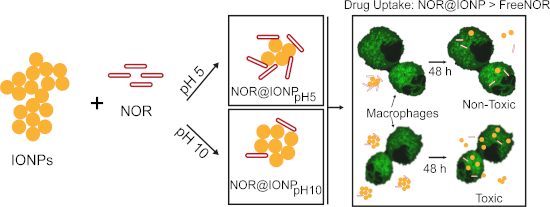
- the center-stage in drug delivery applications, wherein they can improve drug pharmacokinetics and pharmacodynamics and may also increase drug accumulation in both animal cells and bacteria, proving beneficial to overcome drug resistance [1][2]. Iron oxide nanoparticles (IONPs), due to their



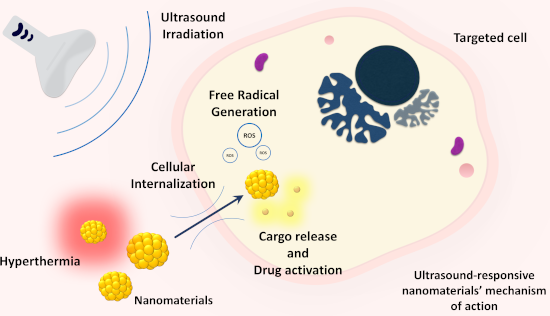
Comprehensive review on ultrasound-responsive theranostic nanomaterials: mechanisms, structures and medical applications
Beilstein J. Nanotechnol. 2021, 12, 808–862, doi:10.3762/bjnano.12.64


Silver nanoparticles nucleated in NaOH-treated halloysite: a potential antimicrobial material
Beilstein J. Nanotechnol. 2021, 12, 798–807, doi:10.3762/bjnano.12.63
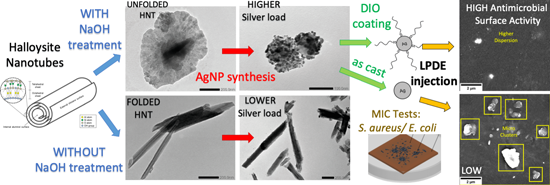
- the emergence of antibiotics, but some bacterial diseases are still amongst the most dangerous to human life. In addition, as antibiotics become more popular, bacteria are evolving to become resistant, a phenomenon known as “antimicrobial resistance” and listed by the World Health Organization as one
- , improving dispersability into polymeric matrices, keeping good biocompatibility with the human body, and immobilizing Ag-NPs on a substrate, which provides better interaction with bacteria and is a more eco-friendly way to obtain antimicrobial agents. Halloysite (HNT) is a natural clay, consisting of an
- 25922) and Staphylococcus aureus (ATCC 29213). This was achieved by inoculating the bacteria in selective culture media (rapid coliform broth agar for E. coli and salted manitol agar for S. aureus), followed by 24 h of incubation at 37 °C. After incubation, five colonies of each bacterial species were




Recent progress in actuation technologies of micro/nanorobots
Beilstein J. Nanotechnol. 2021, 12, 756–765, doi:10.3762/bjnano.12.59
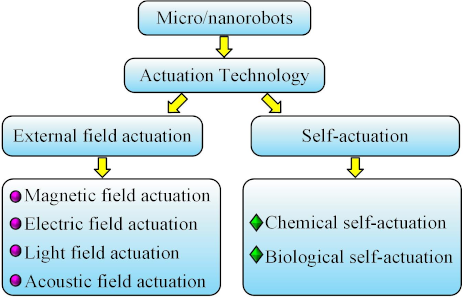
- /nanorobots, for example, the flagella or cilia of swimming microorganisms. Behkam and Sitti [45] suspended droplets of bacteria, such as E. coli, and polystyrene in a solution of water and glucose. After absorbing the glucose nutrient, the rotating flagella of the bacteria pushed the droplets forward, and
- then copper sulfate was added to make the bacterial flagella enter a “paralysis” state. Finally, ethylenediaminetetraacetic acid was used to separate the copper sulfate, so that the bacteria could move again. The success of this research created a theoretical basis for the use of biomaterials for self
- motility and the safety advantages of spermatozoa compared with bacteria and other microorganisms, sperm-driven micro/nanorobots are expected to become a promising device in the field of artificial insemination and other reproductive technologies. Martel [47] found that, in previous studies, there was no


Recent progress in magnetic applications for micro- and nanorobots
Beilstein J. Nanotechnol. 2021, 12, 744–755, doi:10.3762/bjnano.12.58
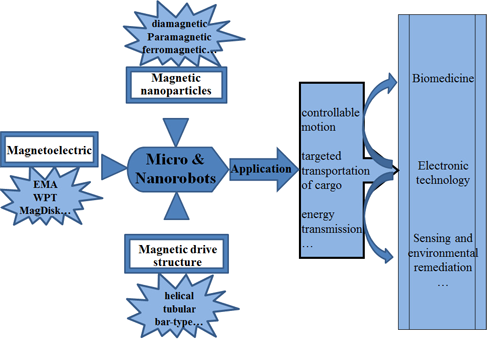
- Ferromagnetic, antiferromagnetic, and other nanomaterials are also used in MNRs. Martel et al. [49] have demonstrated that magnetotactic bacteria embedded in ferromagnetic particles can be used as medical MNRs to control MRI-trackable propulsion and can be used in human microvascular environments. David Folio
- a feasible design solution. As the size of swimming robot enters the microscale/nanoscale, its viscous force began to dominate over the inertial force [42]. In order to deal with such problems, microorganisms in nature, such as bacteria, have evolved elaborate locomotion strategies, which use


A review on nanostructured silver as a basic ingredient in medicine: physicochemical parameters and characterization
Beilstein J. Nanotechnol. 2021, 12, 440–461, doi:10.3762/bjnano.12.36
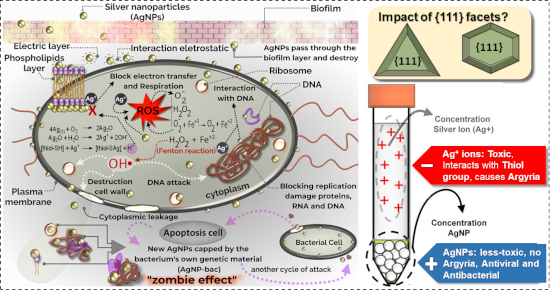
- virucidal agent, places silver as one of the future biocidal candidates in the field of nanomedicine to eliminate bacteria and viruses, especially multidrug resistant ones. In this review, we have described the various morphologies of AgNPs and correlated the enhanced bactericidal activity with their
- various bacteria and viruses including the SARS-CoV-2 was analyzed in order to understand its effectiveness as an antimicrobial agent with therapeutic efficacy and low toxicity. Further, there is the need to characterize AgNPs and quantify the content of free Ag+ for the implementation of new systematic
- the manufacture of pharmaceutical formulations, personal hygiene items, and food products. Emerging pollutants, normally found in domestic and industrial effluents, are able to induce bacterial resistance to drugs and genetic exchange [16][17]. At the same time, the resistance of bacteria to


A review on the biological effects of nanomaterials on silkworm (Bombyx mori)
Beilstein J. Nanotechnol. 2021, 12, 190–202, doi:10.3762/bjnano.12.15
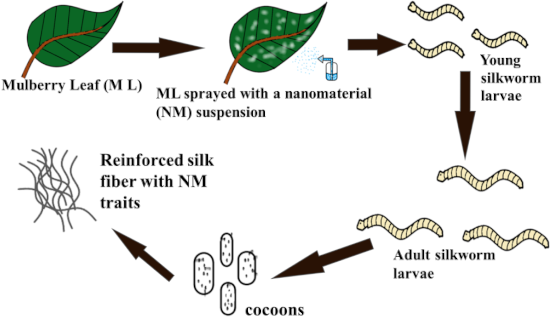
- their attractive physicochemical properties and their antimicrobial applications [142][143], and research reports have indicated that Ag NPs are lethal to bacteria and other pathogens [142][143][144][145]. Aside from the antimicrobial applications of Ag NPs, Govindaraju et al. [146] reported that an


Imaging of SARS-CoV-2 infected Vero E6 cells by helium ion microscopy
Beilstein J. Nanotechnol. 2021, 12, 172–179, doi:10.3762/bjnano.12.13
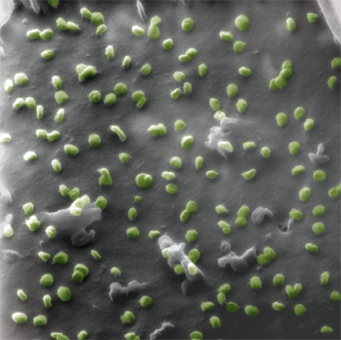
- field of cell biology for imaging various human and animal cells. These include cartilage [2], cancer [3], liver [4], kidney [5] and stem cells [6], as well as fibrin fibers [7]. To visualize viruses and their host organisms, HIM has so far been applied to image T4 phage-infected E. coli bacteria [8


A review on the green and sustainable synthesis of silver nanoparticles and one-dimensional silver nanostructures
Beilstein J. Nanotechnol. 2021, 12, 102–136, doi:10.3762/bjnano.12.9
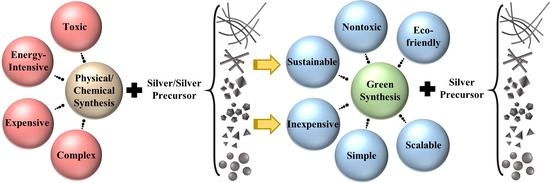
- physicochemical characteristics of AgNPs can be tuned in a way to avoid cellular toxicity [71][74][75], which facilitates their biomedical applications. The small size of AgNPs (<100 nm) allows them to accumulate on the extracellular membrane of the bacteria and penetrate inside, which alters the membrane
- compounds. The term used for addressing these methods is also referred to as “biological” synthesis. Previous studies have used bacteria [167][168][169][170], fungi [171][172][173][174], viruses [175][176], yeasts [177][178][179], plants [180][181][182][183] and plant extracts [166][184][185][186][187][188
- AgNPs allowed effective antibacterial activity against Gram-positive and Gram-negative bacteria. The ball milling method is an inexpensive approach for the synthesis of AgNPs in a solid state [140], and can be used for the synthesis of AgNPs in ambient temperature, with a fair control over particle size


Bio-imaging with the helium-ion microscope: A review
Beilstein J. Nanotechnol. 2021, 12, 1–23, doi:10.3762/bjnano.12.1

- 2017 when Leppänen et al. used the technique to image T4 bacteriophages infecting Escherichia coli bacteria for the first time [17]. Images of a phage-infected bacterium in a sample from the environment was then presented by Sharma et al. in the following year [18]. The possibility to image the
- attachment of bacterial parasites to the outer membranes of bacteria at high resolution in, at least compared to TEM, a relatively natural state makes HIM a very powerful tool for the investigation of living antibiotics. The work on the life cycle of the bacterial predator Bdellovibrio bacteriovorus by Said
- HIM-SIMS was published by Lovric et al., who investigated E.coli bacteria exposed to TiO2 nanoparticles using the sector-field SIMS spectrometer [36]. In this review article, we build upon previous articles by Kim [37] and Gölzhäuser and Hlawacek [38] to present an overview on past discoveries and


Cu2O nanoparticles for the degradation of methyl parathion
Beilstein J. Nanotechnol. 2020, 11, 1546–1555, doi:10.3762/bjnano.11.137
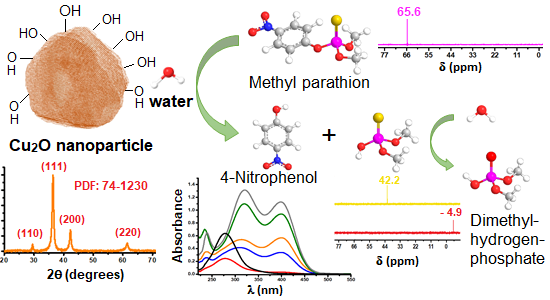
- bacteria are used for the degradation of MP, whereas photocatalytic degradation needs photons in the form of UV light and chemical degradation utilizes chemical species, such as copper(I) oxide (Cu2O) NPs in this work. Cu2O is widely known for its photocatalytic activity [29][30][31][32][33]. However