Search results
Search for "magnetic properties" in Full Text gives 245 result(s) in Beilstein Journal of Nanotechnology. Showing first 200.
Oblique angle deposition of nickel thin films by high-power impulse magnetron sputtering
Beilstein J. Nanotechnol. 2019, 10, 1914–1921, doi:10.3762/bjnano.10.186
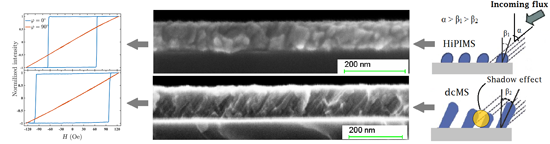
- suppress the inclined columnar growth induced by oblique angle deposition. Thus, the ferromagnetic thin films obliquely deposited by HiPIMS deposition exhibit different magnetic properties than dcMS-deposited films. The results demonstrate the potential of the HiPIMS process to tailor the material
- -based shape memory alloy thin films utilized in micro-actuator applications [9]. It is well known that microstructure, texture and structure of thin films can have significant influence on the magnetic and other functional properties of the films. The magnetic properties of evaporated [10][11
- ], electrodeposited [12][13][14][15], chemical-vapor-deposited [16], and dc [17][18][19] and rf [20][21][22] magnetron sputtered thin nickel films have been studied for almost ten decades. This has included studies of the magnetic properties while varying film thickness [10][20], grain size, substrate material [11


Synthesis of nickel/gallium nanoalloys using a dual-source approach in 1-alkyl-3-methylimidazole ionic liquids
Beilstein J. Nanotechnol. 2019, 10, 1754–1767, doi:10.3762/bjnano.10.171
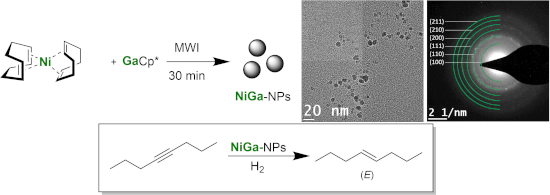
- distinguish between the more stable face-centered cubic (fcc) [12] and the less stable hexagonal close-packed (hcp) [13] Ni phase. The magnetic properties of fcc Ni nanoparticles are similar to the bulk material with saturation magnetization values of 50 emu/gNi at 300 K [14]. Hcp Ni nanoparticles show very




Giant magnetoresistance ratio in a current-perpendicular-to-plane spin valve based on an inverse Heusler alloy Ti2NiAl
Beilstein J. Nanotechnol. 2019, 10, 1658–1665, doi:10.3762/bjnano.10.161
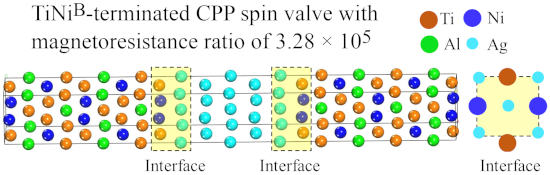
- electronic structure and magnetic properties, and they deserve to be further studied and applied in spintronics devices. In this study, we built a CPP-SV device employing a half-metallic inverse Heusler alloy Ti2NiAl as the electrode and Ag as the spacer. Different atomic-terminated interfaces are considered
- . We performed the first-principles density functional theory combined with nonequilibrium Green’s function to investigate the interfacial electronic structure, magnetic properties and MR ratio of the device. Results and Discussion Our investigated device is a two-probe device, where Ti2NiAl is
- largest MR value and can be regarded as a promising candidate for furture spintronics devices. Conclusion By employing first principles calculations combined with the nonequilibrium Green’s function, we studied the interfacial magnetic properties, interfacial electronic structure and spin transport


Unipolar magnetic field pulses as an advantageous tool for ultrafast operations in superconducting Josephson “atoms”
Beilstein J. Nanotechnol. 2019, 10, 1548–1558, doi:10.3762/bjnano.10.152
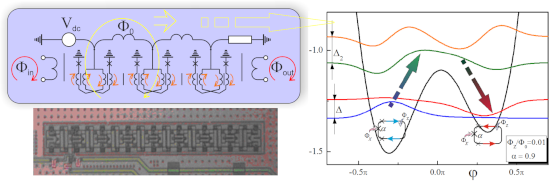
- ultrafast state initialization for algorithmic quantum computers and quantum neural networks as well as in the fast control of the magnetic properties of media from Josephson meta-atoms. (a) The potential energy and the eigenfunctions (with energies E1 ,E2, E3, E4) of the three-junction qubit (described in


The effect of magneto-crystalline anisotropy on the properties of hard and soft magnetic ferrite nanoparticles
Beilstein J. Nanotechnol. 2019, 10, 1348–1359, doi:10.3762/bjnano.10.133
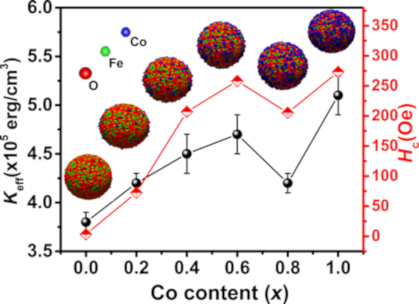
- collective magnetic behavior. Studies show that the magnetic properties are strongly affected by the magnetic anisotropy of NPs and by interparticle interactions that are the result of the collective magnetic behavior of NPs. Here we study these effects in more detail. For this purpose, we prepared CoxFe3
- doping on structure, morphology and magnetic properties of CoxFe3−xO4 samples was investigated. In particular, we examined the interparticle interactions in the samples by δm graphs and Henkel plots that have not been reported before in literature. Finally, we studied the hyperthermia properties and
- affect the magnetic properties and application fields of ferrite nanoparticles [1][4]. For example, NPs to be applied for data storage or magnetic recording must have a high coercivity, which is directly related to their magnetic anisotropy (the high coercivity keeps the recorded bits from being


Molecular attachment to a microscope tip: inelastic tunneling, Kondo screening, and thermopower
Beilstein J. Nanotechnol. 2019, 10, 1243–1250, doi:10.3762/bjnano.10.124
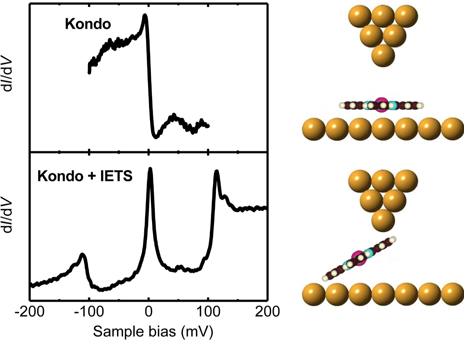
- accessible. This technique allows one to study locally the magnetic properties, as well as other elementary excitations and their mutual interaction. In particular a clear correlation is observed between the Kondo resonance and the vibrations with a strong incidence of the Kondo correlation on the


Pure and mixed ordered monolayers of tetracyano-2,6-naphthoquinodimethane and hexathiapentacene on the Ag(100) surface
Beilstein J. Nanotechnol. 2019, 10, 1188–1199, doi:10.3762/bjnano.10.118
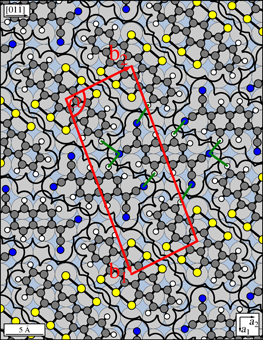
- strong electron donating and accepting properties that have proved to be candidates for the formation of mixed charge-transfer (CT) crystals exhibiting interesting electric or magnetic properties [9][10]. Investigations on mixed ordered monolayers on surfaces of such molecules that are known as


Tailoring the magnetic properties of cobalt ferrite nanoparticles using the polyol process
Beilstein J. Nanotechnol. 2019, 10, 1166–1176, doi:10.3762/bjnano.10.116
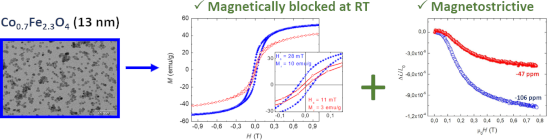
- refluxing (3, 6 and 15 h). The structure, microstructure and composition of the resulting NPs were then investigated by using X-ray diffraction (XRD), transmission electron microscopy (TEM) and X-ray fluorescence spectroscopy (XRF), respectively. The magnetic properties were also evaluated using standard
- key parameters to control the size and the magnetic properties of the resulting nanoparticles. We believe that these results provide relevant insights to the design of efficient magnetic and magnetostrictive nanoparticles that can be further functionalized by coupling agents, to be contacted with
- magnetic properties and there is no literature at all regarding non-stoichiometric NPs. Artus et al. produced stoichiometric NPs of various sizes (from 2.4 to 6.2 nm) depending on the hydrolysis ratio, starting from iron chloride and cobalt acetate in 1,2-propane-diol [22]. The blocking temperature (TB) of


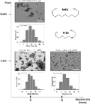


Scavenging of reactive oxygen species by phenolic compound-modified maghemite nanoparticles
Beilstein J. Nanotechnol. 2019, 10, 1073–1088, doi:10.3762/bjnano.10.108
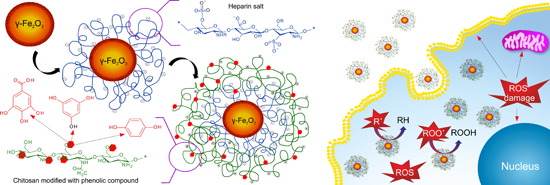
- assays indicated the necessity of using additional methods for the examination of the antioxidant properties. γ-Fe2O3 nanoparticles The advantages of iron oxides in biomedical applications include biocompatibility, excellent magnetic properties, and the possibility to modify the surface with reactive
- arithmetic means of three independent measurements. Thermogravimetric analysis (TGA) was conducted in air flow at a heating rate of 10 °C/min using a PerkinElmer TGA 7 thermogravimetric analyzer (Waltham, MA, USA) operated with Pyris 1 software. Magnetic properties. Magnetization as a function of temperature





Fe3O4 nanoparticles as a saturable absorber for giant chirped pulse generation
Beilstein J. Nanotechnol. 2019, 10, 1065–1072, doi:10.3762/bjnano.10.107
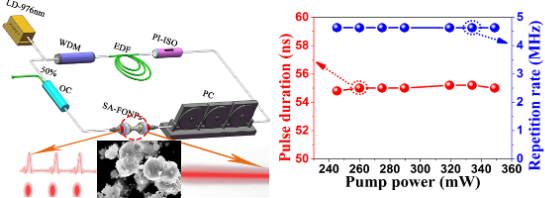
- seen that the diameter of the dispersed nanoparticles is about 100 nm, and the aggregation of the nanoparticles are caused by the magnetic properties of the FNOPs. Figure 4d and 4e show the results observed under a transmission electron microscope (TEM), and the measurement scales are 200 and 100 nm


Influence of dielectric layer thickness and roughness on topographic effects in magnetic force microscopy
Beilstein J. Nanotechnol. 2019, 10, 1056–1064, doi:10.3762/bjnano.10.106
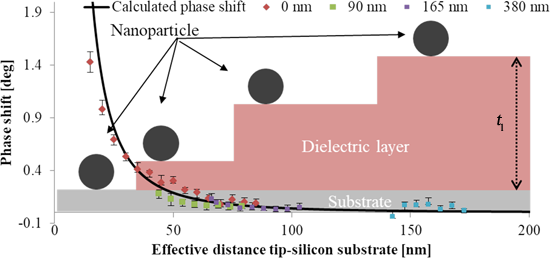
- , Clayton VIC 3800, Australia Institute for Materials Research, Hasselt University, Martelarenlaan 42, 3500 Hasselt, Belgium 10.3762/bjnano.10.106 Abstract Magnetic force microscopy (MFM) has become a widely used tool for the characterization of magnetic properties. However, the magnetic signal can be
- roughness of dielectric films with increasing film thickness. Keywords: capacitive coupling; electrostatic effects; magnetic force microscopy; nanoparticles; superparamagnetic iron oxide nanoparticle (SPION); Introduction MFM has become an important tool for studying magnetic properties of surface
- from different forces. Therefore, the quantitative analysis of magnetic properties is still an issue especially because of contributions from electrostatic forces leading to topographic features in the MFM phase images [7][9][10][11][12][13][14]. Yu et al. [9] explained the topographic artifacts by




![[Graphic 2]](/bjnano/content/inline/2190-4286-10-106-i7.svg?max-width=637&scale=1.18182) ; black line) and measured phase shift for single nanoparticles with 10 ± 2 nm diameter...
; black line) and measured phase shift for single nanoparticles with 10 ± 2 nm diameter...


Electronic and magnetic properties of doped black phosphorene with concentration dependence
Beilstein J. Nanotechnol. 2019, 10, 993–1001, doi:10.3762/bjnano.10.100
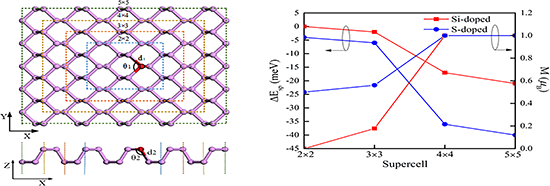
- alternative method to tune the magnetism and electronic structure of black phosphorene, which might be beneficial for its application in future spintronic devices. Keywords: doped black phosphorene; electronic properties; first principles; magnetic properties; Introduction The successful preparation of
- approach to tune the electronic and magnetic properties of low-dimensional materials [14][15][16]. For instance, Bai et al. [17] theoretically tailored the electronic and magnetic properties of arsenene between non-magnetic and dilute magnetic by doping with Ge atoms. More importantly, it was
- the ferromagnetism of the ZnO films. Likewise, substitutional doping can also be used for manipulating the electronic and magnetic properties of phosphorene [20][21][22][23]. Zheng et al. [24] focused on the properties of phosphorene doped with non-metal atoms in a 6 × 6 × 1 supercell, corresponding


Magnetic field-assisted assembly of iron oxide mesocrystals: a matter of nanoparticle shape and magnetic anisotropy
Beilstein J. Nanotechnol. 2019, 10, 894–900, doi:10.3762/bjnano.10.90
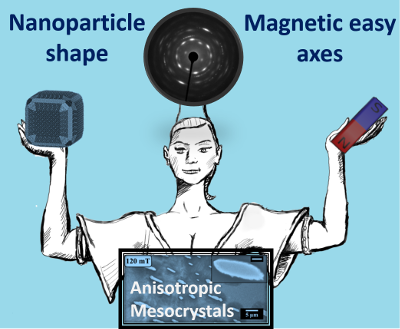
- direction of the external magnetic field. It is also expected that “directed mesocrystals” formed under external magnetic field should demonstrate enhanced anisotropic magnetic properties compared with mesocrystals assembled from the same nanoparticles but without the applied magnetic field. In summary, we
- without the external magnetic field. It is shown that the morphology and magnetic properties of the superparamagnetic nanoparticles are crucial for understanding the packing arrangement and the orientational order in superlattices. Furthermore, the magnetic field restricts the diffusion of nanoparticles
- magnetic properties. Experimental The nanocrystals and the self-assembled mesocrystals were synthesised according to literature [13]. The directed mesocrystals were formed by applying a constant homogeneous magnetic field during the assembly of the nanocrystals by solvent evaporation (toluene). The


Co-doped MnFe2O4 nanoparticles: magnetic anisotropy and interparticle interactions
Beilstein J. Nanotechnol. 2019, 10, 856–865, doi:10.3762/bjnano.10.86
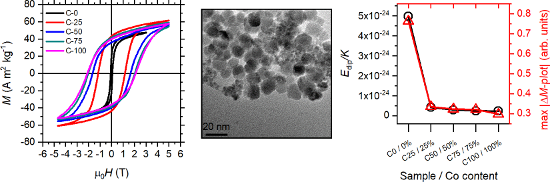
- doping on the magnetic properties of Mn1−xCoxFe2O4 nanoparticles was investigated. All samples consist of ensembles of nanoparticles with a spherical shape and average diameter of about 10 nm, showing small structural changes due to the substitution. Besides having the same morpho-structural properties
- , the effect of the chemical composition, i.e., the amount of Co doping, produces marked differences on the magnetic properties, especially on the magnetic anisotropy, with evident large changes in the coercive field. Moreover, Co substitution has a profound effect on the interparticle interactions, too
- . Keywords: cobalt doping; collective dynamics; ferrite nanoparticles; interparticle interactions; magnetic properties; Introduction A strong scientific interest has driven the fundamental research on magnetic nanoparticles in the last decades [1][2][3][4], with interest constantly fed by their wide range


Electronic properties of several two dimensional halides from ab initio calculations
Beilstein J. Nanotechnol. 2019, 10, 823–832, doi:10.3762/bjnano.10.82
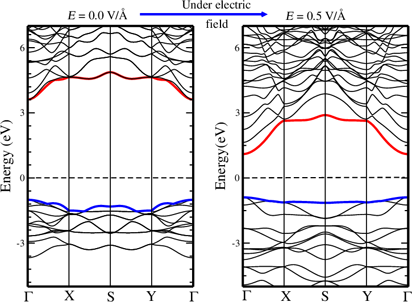
- synthesis and the photocatalytic properties of BiOX compounds under three different exposure conditions. Also, transition-metal oxychlorides MOCl (M = Sc, Ti, V, Cr, Fe) systems possess interesting electronic and magnetic properties [21][22][23][24]. Bismuth oxyhalides have been investigated as catalysts


The effect of translation on the binding energy for transition-metal porphyrines adsorbed on Ag(111) surface
Beilstein J. Nanotechnol. 2019, 10, 706–717, doi:10.3762/bjnano.10.70
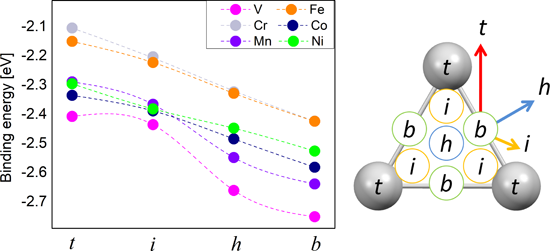
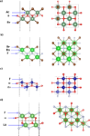
- that is different from the rest. Secondly, for NiPP we note an anomalous behavior at the intermediate point. This is correlated to the anomalous magnetic behavior, to be discussed in the section dedicated to the electronic structure and magnetic properties. Let us comment on the practical importance of
- another, it will play an important role in the dynamics of the adsorbate on the surface. Electronic structure and magnetic properties We start our discussion with the magnetic properties of the adsorbed molecules. We found that the magnetic moments are stable with respect to a change in the position of
- the geometric properties. For example, the magnetic properties of porphyrin on porous graphene-like carbon nitride gives values such 3μB for Fe, 0.91μB for Co and 1.49μB for Ni [67]. The magnetic moments obtained for the adsorbed molecules are close to those of the free molecules, with a single


![[Graphic 1]](/bjnano/content/inline/2190-4286-10-70-i1.svg?max-width=637&scale=1.18182) , for all systems and relative molecule–surface positions. Right: symm...
, for all systems and relative molecule–surface positions. Right: symm...


![[Graphic 7]](/bjnano/content/inline/2190-4286-10-70-i7.svg?max-width=637&scale=1.18182) for selected TMPP systems (M = V, Mn, Co; red: positive values, blue: negative value...
for selected TMPP systems (M = V, Mn, Co; red: positive values, blue: negative value...
Heating ability of magnetic nanoparticles with cubic and combined anisotropy
Beilstein J. Nanotechnol. 2019, 10, 305–314, doi:10.3762/bjnano.10.29
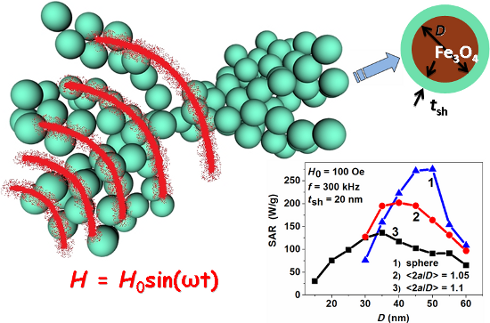
- . Actually, it follows from the Brown–Morrish theorem [36] that a single-domain nanoparticle of cubic shape has equal demagnetizing factors. Therefore, its magnetic properties in the first approximation are equivalent to that of a sphere. It is important to note, however, that the measurement of the angle


Relation between thickness, crystallite size and magnetoresistance of nanostructured La1−xSrxMnyO3±δ films for magnetic field sensors
Beilstein J. Nanotechnol. 2019, 10, 256–261, doi:10.3762/bjnano.10.24
- ) phenomenon [1]. The complex physics of manganite materials provides an opportunity to tune their electric and magnetic properties over a wide range by variation of chemical composition [2][3][4][5], film thickness [6][7] and nanostructure [8][9], as well as induced lattice strain [10][11][12]. The manganite
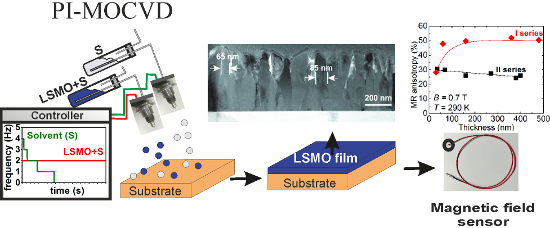
- deposition temperature influences the magnetic properties of the films [17]. The increase of the deposition rate also results in changes in the crystallite dimensions, leading to a higher number of nucleation sites [18]. In our research, the pulsed-injection metal organic chemical vapour deposition (PI-MOCVD


Size limits of magnetic-domain engineering in continuous in-plane exchange-bias prototype films
Beilstein J. Nanotechnol. 2018, 9, 2968–2979, doi:10.3762/bjnano.9.276
- . Keywords: exchange bias; helium ion microscopy; ion bombardment induced magnetic patterning; magnetic domains; magnetic nanostructures; Introduction Engineered magnetic domains with deliberately set magnetic properties and designed shapes in thin-film systems have proven to be useful in memory [1][2] and
- significantly smaller than the domain wall width and a characterization method with sufficient spatial resolution are required to investigate this size limit and its dependence on the magnetization orientation and intrinsic magnetic properties of a layer system. Except for very few attempts for magnetic
- energy transfer causing defects in the atomic lattice structure [35]. These defects do not change the orientation of the local unidirectional anisotropy, but rather influence the local magnetic properties, as already explained in [35][40]. The area modified by an ion beam is defined by the beam diameter




![[Graphic 63]](/bjnano/content/inline/2190-4286-9-276-i63.svg?max-width=637&scale=1.18182) .
. ![[Graphic 64]](/bjnano/content/inline/2190-4286-9-276-i64.svg?max-width=637&scale=1.18182) is the angle between the domain wall (DW) normal vector
is the angle between the domain wall (DW) normal vector ![[Graphic 65]](/bjnano/content/inline/2190-4286-9-276-i65.svg?max-width=637&scale=1.18182) and the local unidirectio...
and the local unidirectio...
In situ characterization of nanoscale contaminations adsorbed in air using atomic force microscopy
Beilstein J. Nanotechnol. 2018, 9, 2925–2935, doi:10.3762/bjnano.9.271
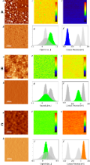
- order to access material properties (“chemical information”, thus the name spectroscopy) [12]. AFM allows not only the measurement of surface topography, but also the determination of other physical characteristics; in particular electrostatic [13][14][15] and magnetic properties [16][17]. For reliable


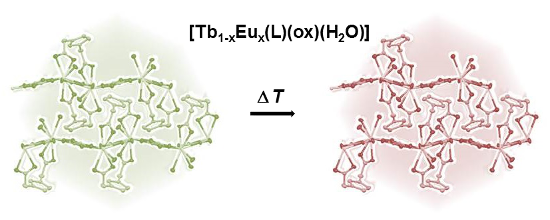
Magnetic and luminescent coordination networks based on imidazolium salts and lanthanides for sensitive ratiometric thermometry
Beilstein J. Nanotechnol. 2018, 9, 2775–2787, doi:10.3762/bjnano.9.259
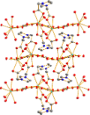
- bridging coordination mode of the oxalate ligand and a bidentate chelate coordination mode of the carboxylate functions of the [L]− ligand, respectively [46][47]. Magnetic properties The magnetic behavior of the six compounds [Ln(L)(ox)(H2O)] have been studied in the temperature range of 1.8–300 K under a



Size-selected Fe3O4–Au hybrid nanoparticles for improved magnetism-based theranostics
Beilstein J. Nanotechnol. 2018, 9, 2684–2699, doi:10.3762/bjnano.9.251
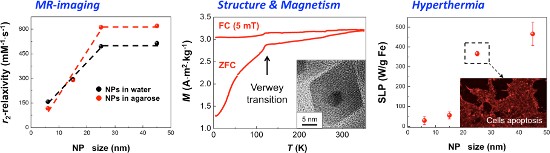
- exposure and after precultivation of the cells for 6 h with 25 nm Fe3O4–Au hybrid nanomaterials, respectively. This confirms that the improved magnetic properties of the bifunctional particles present a next step in magnetic-particle-based theranostics. Keywords: hybrid nanoparticles; magnetic
- properties in biocompatible Fe3O4 NPs is of utmost importance for improved performance in MPH, MRI, or MPI [16][17]. It is essential to obtain Fe3O4 NPs of high crystallinity with bulk-like magnetic properties, which change with the NP size, shape and iron oxidation state [18][19][20]. These parameters can
- -Fe2O3 and magnetite, to high-quality stoichiometric Fe3O4. We find a size-dependent transition from superparamagnetic to a stable ferrimagnetic response, a bulk-like saturation magnetization, and observe the Verwey transition at 123 K – all of which result in the superior magnetic properties for a


Effective sensor properties and sensitivity considerations of a dynamic co-resonantly coupled cantilever sensor
Beilstein J. Nanotechnol. 2018, 9, 2546–2560, doi:10.3762/bjnano.9.237
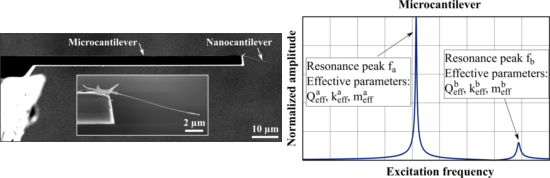
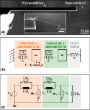
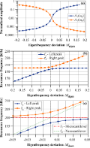
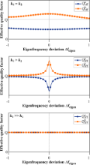
- magnetic properties. This led to the first time observation of magnetic switching of these individual Heusler nanoparticles at room temperature and with a comparatively simple setup (laser-deflection detection) [16]. Other experiments in magnetic force microscopy showed a likewise increase in sensitivity


![[Graphic 7]](/bjnano/content/inline/2190-4286-9-237-i43.svg?max-width=637&scale=1.18182) ...
...


Nanocellulose: Recent advances and its prospects in environmental remediation
Beilstein J. Nanotechnol. 2018, 9, 2479–2498, doi:10.3762/bjnano.9.232
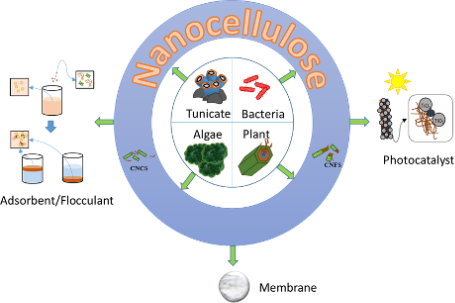
- magnetic field. As a result, magnetic nanomaterials have drawn increasing attention. Nanocellulose incorporated with other magnetic nanomaterials is presented as an excellent composite adsorbent with magnetic properties. For example, a core–shell cellulose magnetite (Fe3O4) polymeric ionic liquid magnetic
- increase its aromatic character, anion exchange capability, and hydrophilic nature of cellulose. Cellulose could also act as a stabilizer for the Fe3O4 nanoparticles to prevent crystal growth and aggregation of particles. In general, magnetic iron oxide is anchored in the polymer matrix to induce magnetic
- properties in nanocomposites such as Fe3O4@SiO2@cellulose nanocomposite and amino-functionalized magnetic cellulose nanocomposite grafted with glycidyl methacrylate followed by reaction with ethylenediamine [89]. Furthermore, a 7 wt % NaOH/12 wt % urea aqueous solvent was found useful for regenerating Cr(VI


High-temperature magnetism and microstructure of a semiconducting ferromagnetic (GaSb)1−x(MnSb)x alloy
Beilstein J. Nanotechnol. 2018, 9, 2457–2465, doi:10.3762/bjnano.9.230
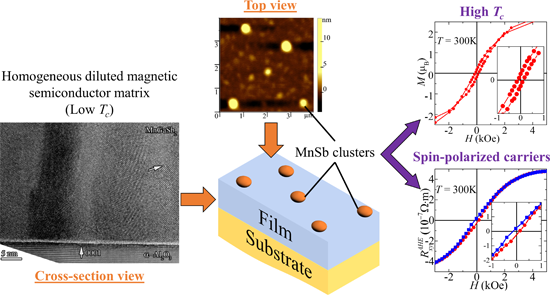
- that inclusions can emerge with two types of crystal structure. The magnetic properties of MnAs inclusions with zinc blende type and hexagonal lattices are substantially different. The actual application of GaAs:MnAs materials is restricted by this fact. A second recently studied nanocomposite system
- (electron transport) properties. Therefore, these samples are more suitable to reveal the nature of magnetic properties and hole spin-polarization in this material, which is the aim of this paper. Main parameters of the studied samples are presented in Table 1. Figure 1a shows typical curves of the