Search results
Search for "precipitation" in Full Text gives 297 result(s) in Beilstein Journal of Nanotechnology. Showing first 200.
A review on the green and sustainable synthesis of silver nanoparticles and one-dimensional silver nanostructures
Beilstein J. Nanotechnol. 2021, 12, 102–136, doi:10.3762/bjnano.12.9
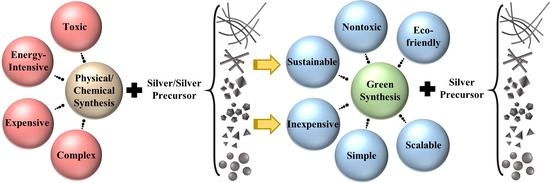
- processes [143][144][145][146], conventional chemical reduction [147][148][149][150][151], reverse micelle [152][153][154], co-precipitation [155], chemical vapor deposition [156][157][158], solvothermal [159][160][161], and electrochemical reduction [162][163][164][165]. Chemical synthesis methods are


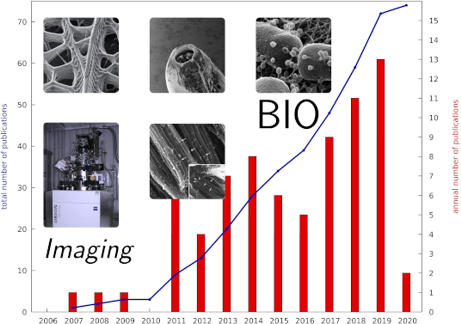
Bio-imaging with the helium-ion microscope: A review
Beilstein J. Nanotechnol. 2021, 12, 1–23, doi:10.3762/bjnano.12.1


Unravelling the interfacial interaction in mesoporous SiO2@nickel phyllosilicate/TiO2 core–shell nanostructures for photocatalytic activity
Beilstein J. Nanotechnol. 2020, 11, 1834–1846, doi:10.3762/bjnano.11.165
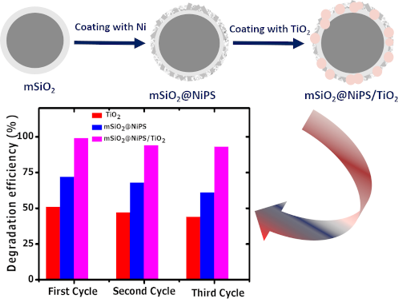
- phyllosilicate can be obtained either by a hydrothermal method or a deposition-precipitation method, the 2:1 nickel phyllosilicate is only formed under hydrothermal conditions [32][33][34]. Recently, several researchers have reported on the generation of nickel phyllosilicate catalysts for hydrogenation
- . Therefore, in this study we report on the growth of mesoporous SiO2@NiPS and titania-coated mSiO2@NiPS (mSiO2@NiPS/TiO2) core–shell nanostructures using a simple deposition-precipitation method. Transmission electron microscopy (TEM), N2 physisorption analysis, diffuse reflectance UV–visible spectroscopy
- NiPS nickel phyllosilicate structure Si2Ni3O5(OH)4 [42][43]. Basically, NiPS is formed upon the precipitation of nickel species onto a silica surface after basification of a nickel(II) solution [44]. Depending on the deposition-precipitation time, the molar ratio between urea and nickel precursor, and


Nanocasting synthesis of BiFeO3 nanoparticles with enhanced visible-light photocatalytic activity
Beilstein J. Nanotechnol. 2020, 11, 1822–1833, doi:10.3762/bjnano.11.164
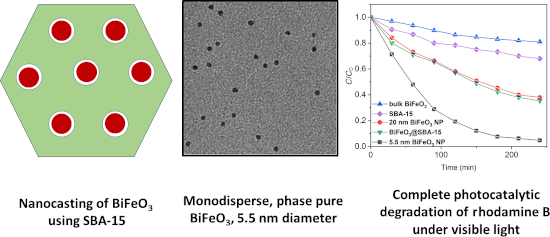
- dyes from wastewater such as precipitation (chemical coagulation, flocculation), membrane and electrochemical processes, as well as biological treatment methods [9]. The main disadvantages of these treatment methods are very often incomplete dye removal, high energy consumption and capital cost, and
- catalytic performance in terms of overall degradation efficiency of the 5.5 nm particles is significantly superior compared to those of similarly sized particles reported. It also much improved when compared with samples free of surface defects synthesized by a previously reported co-precipitation method
- particles (b) particle size analysis (c) particles synthesized by a previously reported co-precipitation method, avg. size 20 nm (d) bulk material. Absorbance spectra and Tauc plot (inset) for 5.5 nm BiFeO3 nanoparticles. Photocatalytic degradation of RhB as a function of irradiation time under visible




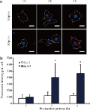
Cardiomyocyte uptake mechanism of a hydroxyapatite nanoparticle mediated gene delivery system
Beilstein J. Nanotechnol. 2020, 11, 1685–1692, doi:10.3762/bjnano.11.150
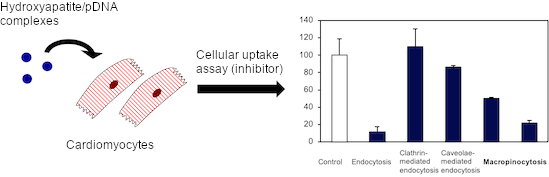
- regarding safety has attracted significant attention [4][5]. The calcium phosphate (CaP) co-precipitation method has been extensively used for gene delivery due to its excellent biocompatibility and simple preparation [6]. CaP is commonly considered as one of the most important inorganic materials for


Cu2O nanoparticles for the degradation of methyl parathion
Beilstein J. Nanotechnol. 2020, 11, 1546–1555, doi:10.3762/bjnano.11.137
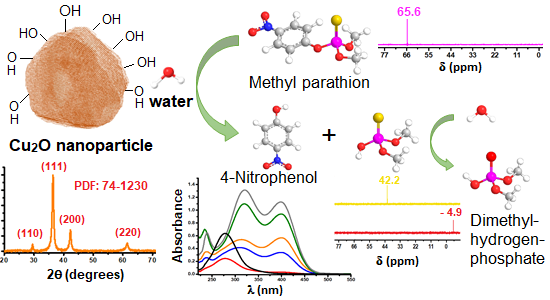
- at 80 °C for 30 min under constant stirring. The end of the reaction can be noted by the precipitation of Cu2O. It is important to point out that cupric sulfate and sodium citrate form a cupper–citrate complex noted by an intense blue color. Sodium carbonate was added in order to maintain an alkaline


Antimicrobial metal-based nanoparticles: a review on their synthesis, types and antimicrobial action
Beilstein J. Nanotechnol. 2020, 11, 1450–1469, doi:10.3762/bjnano.11.129
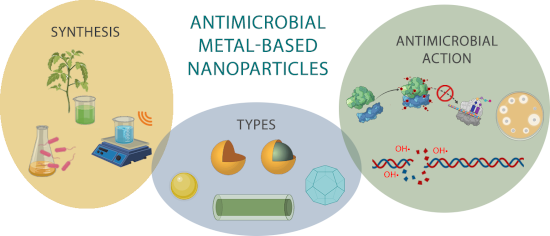
- , chemical vapor deposition, electrochemical anodization method, hydrolysis, hydrothermal method, precipitation–hydrothermal method, reverse micellar route, sol–gel method, solution-based synthesis, solvothermal synthesis, and the sonochemical method. The most relevant ones, along with the typical resulting
- intracellularly or in the extracellular milieu, where the biomolecules released from the cells are located. As an example of the latter, Pseudomonas strutzeri bacteria can successfully generate Ag NPs extracellularly [84]. Conversely, the bioreduction of iron followed by the precipitation of an oxide, which is
- ]. Matsuda et al. (2019) have developed a fluoride-containing ZnO–CuO nanocomposite which inhibited the bacterial growth of Streptococcus mutans, showing a potential use in dental materials [124]. CuO nanorods (110 nm in length and 10 nm in diameter) were obtained by the precipitation process. The


Magnetic-field-assisted synthesis of anisotropic iron oxide particles: Effect of pH
Beilstein J. Nanotechnol. 2020, 11, 1230–1241, doi:10.3762/bjnano.11.107
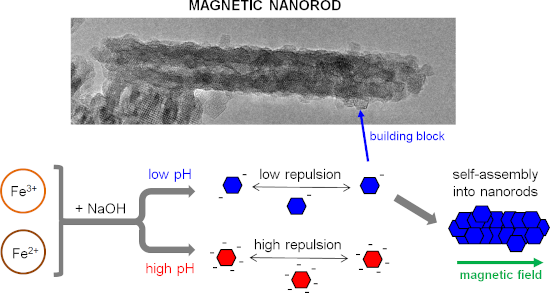
- University, Albert-Einstein-Allee 11, 89069 Ulm, Germany 10.3762/bjnano.11.107 Abstract The synthesis of magnetite (Fe3O4) nanorods using reverse co-precipitation of Fe3+ and Fe2+ ions in the presence of a static magnetic field is reported in this work. The phase composition and crystal structure of the
- cylindrical shape is less favorable due to its higher surface free energy. So far, various methods for the preparation of iron oxide nanorods have been proposed [8][11][23][26][27][28][29][30][31][32][33][34][35][36][37][38][39][40][41][42][43][44][45][46]. These methods include co-precipitation [27][28][29
- properties is the pH during synthesis. This is due to the fact that the OH− ion concentration in the reaction mixture controls the reaction rate and, therefore, the nanocrystal growth mechanism. For instance, Ahn et al. [31] studied the formation of magnetite nanoparticles by performing co-precipitation






Influence of the magnetic nanoparticle coating on the magnetic relaxation time
Beilstein J. Nanotechnol. 2020, 11, 1207–1216, doi:10.3762/bjnano.11.105
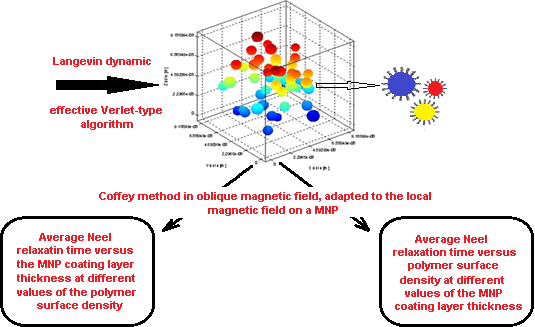
- synthesized in small dimensions, which ensures low toxicity and the possibility for easy surface functionalization. A common method for synthesising iron-oxide nanoparticles includes chemical co-precipitation, which involves the simultaneous precipitation of magnetic nanoparticles and a solid matrix through a
- sol–gel process, yielding metal-oxide nanoparticles dispersed in a mesoporous matrix. [5]. Other methods used for synthesising these nanoparticles include modifications of the sol–gel method. These methods involve supercritical conditions, such as ethyl alcohol and alkaline co-precipitation, and an


Plant growth regulation by seed coating with films of alginate and auxin-intercalated layered double hydroxides
Beilstein J. Nanotechnol. 2020, 11, 1082–1091, doi:10.3762/bjnano.11.93
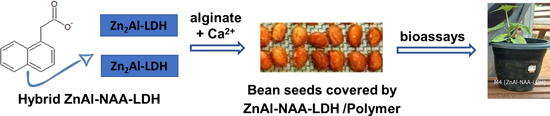
- NAA into ZnAl-LDH (Zn/Al molar ratio = 3.5) by co-precipitation and performed in vitro release studies. The anion release rate depended on the pH value of the medium. From the beginning of the experiment up to 8 h, the release of 23.2% and 22.0% of NAA in solutions of initially pH 1 and pH 7
- new technology to sowing might lead to better a quality of seeds. Conclusion The synthesis of a NAA-intercalated layered double hydroxide with a molar ratio Zn/Al = 2 by co-precipitation at constant pH value yielded a material with good crystallinity and phase purity. The basal spacing value observed
- hybrid was synthesized using a co-precipitation method at constant pH value. For the synthesis, 0.03 L of a solution containing 3.84 × 10⁻³ mol of Zn(NO3)2∙6H2O and 1.92 × 10⁻³ mol of Al(NO3)3∙9H2O were slowly added to 0.15 L of a solution containing 9.60 × 10⁻³ mol of NAA. During the synthesis, the



Highly sensitive detection of estradiol by a SERS sensor based on TiO2 covered with gold nanoparticles
Beilstein J. Nanotechnol. 2020, 11, 1026–1035, doi:10.3762/bjnano.11.87
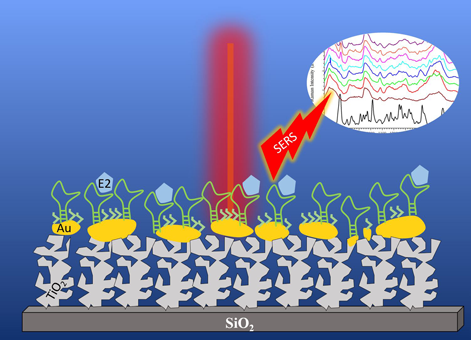
- antireflection abilities [13][14][15]. These composite microstructures have also shown to maximize the path of the Raman excitation laser beam within the substrate, leading to signals with higher intensity. Samransuksamer et al. [16] used TiO2 nanorods decorated with Au NPs, deposited via precipitation by


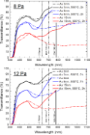
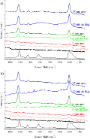

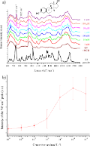
A 3D-polyphenylalanine network inside porous alumina: Synthesis and characterization of an inorganic–organic composite membrane
Beilstein J. Nanotechnol. 2020, 11, 938–951, doi:10.3762/bjnano.11.78
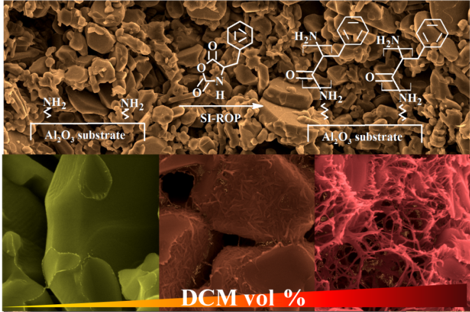
- triphosgene were added every 10 min until a clear solution was formed. After 1 h the solution was poured into anhydrous n-pentane under vigorous stirring. The resulting suspension was stored at −28 °C overnight to complete precipitation followed by filtration and repeated recrystallization from anhydrous THF




Multilayer capsules made of weak polyelectrolytes: a review on the preparation, functionalization and applications in drug delivery
Beilstein J. Nanotechnol. 2020, 11, 508–532, doi:10.3762/bjnano.11.41
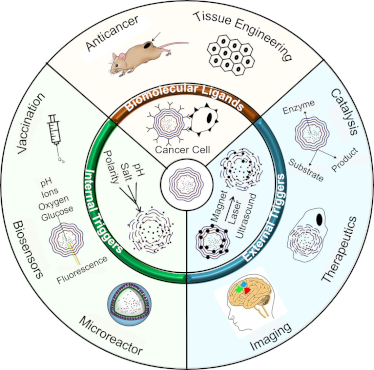
- material itself as a core or co-precipitation of encapsulation material within the core. Very few such studies are reported using a weak PE capsule. An anti-inflammatory drug, ibuprofen crystals of 5–40 µm in size, were encapsulated by chitosan/DS and chitosan/carboxymethyl cellulose multilayers [65]. The
- porous nature. They can encapsulate both hydrophilic as well as hydrophobic compounds. The encapsulation of proteins in such porous structures can be done by either adsorbing model protein into core particles before PE multilayer deposition [77] or co-precipitation of protein molecules during the
- polymeric structure [87]. The pH control helped the self-assembled capsules in precipitation and dissolution by trapping of guest molecules inside. Furthermore, it led to a new strategy involving hydrogen bonding and carbamate chemistry (between carbon dioxide and amines) which resulted in supramolecular



Interfacial charge transfer processes in 2D and 3D semiconducting hybrid perovskites: azobenzene as photoswitchable ligand
Beilstein J. Nanotechnol. 2020, 11, 466–479, doi:10.3762/bjnano.11.38
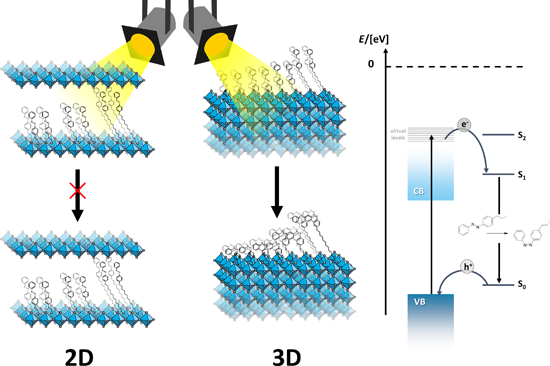
- precipitation was centrifuged, washed three times with 3 mL DCM/acetone and dried under reduced pressure. The samples were kept under nitrogen atmosphere to prevent decomposition. Synthesis of functionalized 3D perovskite particles For the material synthesis of 3D perovskite particles, a 1.0 M PbBr2 stock




Synthesis and enhanced photocatalytic performance of 0D/2D CuO/tourmaline composite photocatalysts
Beilstein J. Nanotechnol. 2020, 11, 407–416, doi:10.3762/bjnano.11.31
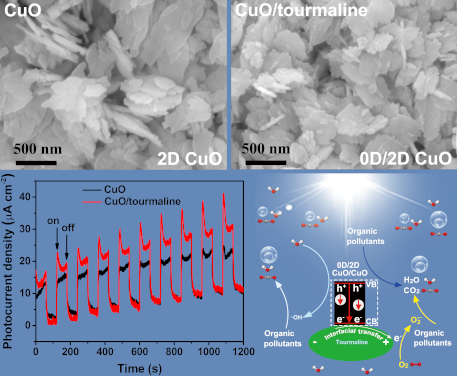
- functional mineral material for accepting the photogenerated e− due to its special electric field. Herein, we report the successful synthesis of the CuO/tourmaline composite photocatalyst with 0D/2D CuO geometric structure by a facile precipitation–hydrothermal process. This work firstly highlights a simple


Facile biogenic fabrication of hydroxyapatite nanorods using cuttlefish bone and their bactericidal and biocompatibility study
Beilstein J. Nanotechnol. 2020, 11, 285–295, doi:10.3762/bjnano.11.21
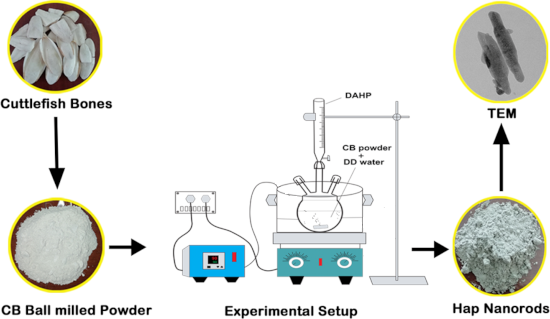
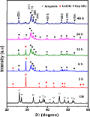
- nontoxicity, worldwide availability and low production cost of cuttlefish bone products makes them an excellent calcium carbonate precursor for the fabrication of hydroxyapatite. In the present study, a novel oil-bath-mediated precipitation method was introduced for the synthesis of hydroxyapatite (Hap
- literature that synthetic and conventional Hap has been prepared by various chemical procedures such as hydrothermal, sol–gel, mechanochemical, reverse microemulsion and precipitation methods, and the resulting material has been proposed to be highly beneficial in hard tissue treatments [3][4][5]. However
- porosity and high surface-to-volume ratio when compared to spherical nanometer-sized Hap particles, which facilitates interconnectivity and improves targeted cell internalization efficiency [22]. Thus, the aim of the present work is to use a simple, facile, unique, safe and cost-effective precipitation


The different ways to chitosan/hyaluronic acid nanoparticles: templated vs direct complexation. Influence of particle preparation on morphology, cell uptake and silencing efficiency
Beilstein J. Nanotechnol. 2019, 10, 2594–2608, doi:10.3762/bjnano.10.250
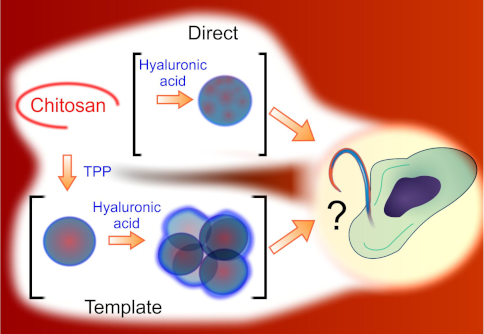
- Sigma-Aldrich (Gillingham, UK) and purified prior to use as previously described (boiling in 2% acetic acid, filtration, precipitation with NaOH, ultrafiltration and freeze drying) [16]. Chitosan with = 36 kDa and a DD = 85% (hereafter referred to as Chit35 or low-MW chitosan) was obtained by oxidative

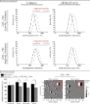


Formation of metal/semiconductor Cu–Si composite nanostructures
Beilstein J. Nanotechnol. 2019, 10, 2497–2504, doi:10.3762/bjnano.10.240
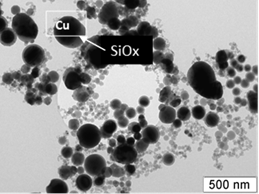
- precipitation of the powder. The composite nanoparticle vapour, passing into the chamber (9) through the pipe (8), is deposited on the filter (10). Simulation Technique For the simulations, we used the molecular dynamics method, in which the matter is considered at the atomic level without explicitly taking


Microfluidics as tool to prepare size-tunable PLGA nanoparticles with high curcumin encapsulation for efficient mucus penetration
Beilstein J. Nanotechnol. 2019, 10, 2280–2293, doi:10.3762/bjnano.10.220
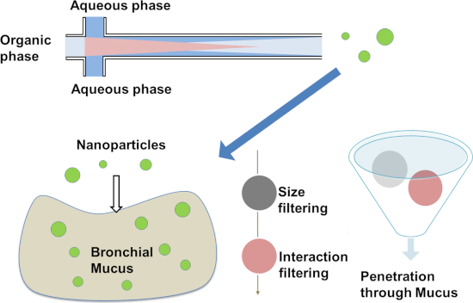
- mix solutions under laminar flow conditions, ensuring controlled precipitation and short mixing times. Moreover, the microfluidic approach revealed a higher encapsulation of the lipophilic curcumin into PLGA. Using microfluidics, ≈67.15% of the curcumin was encapsulated while the average encapsulation


Targeted therapeutic effect against the breast cancer cell line MCF-7 with a CuFe2O4/silica/cisplatin nanocomposite formulation
Beilstein J. Nanotechnol. 2019, 10, 2217–2228, doi:10.3762/bjnano.10.214
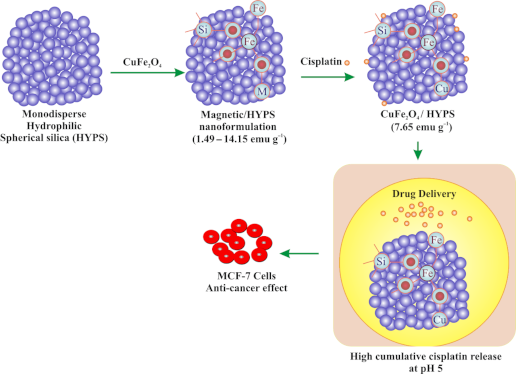
- layers in the mixed metal oxide spinel composite. CuFe2O4 composite formation with activated carbon was reported using the co-precipitation technique [12][13]. Herein, we have prepared a nanocomposite comprised of CuFe2O4 and monodispersed spherical hydrophilic silica (HYPS) particles (Scheme 1) for


Mannosylated brush copolymers based on poly(ethylene glycol) and poly(ε-caprolactone) as multivalent lectin-binding nanomaterials
Beilstein J. Nanotechnol. 2019, 10, 2192–2206, doi:10.3762/bjnano.10.212
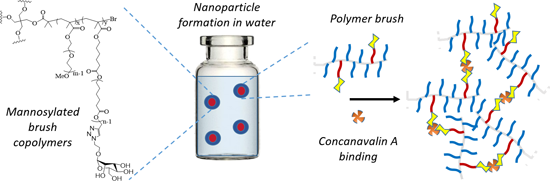
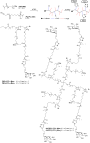
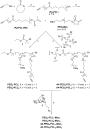
- alumina pad to remove the copper catalyst, followed by precipitation in diethyl ether. Synthesis of the mannosylated polymers The sugar functionalization of the polymeric backbone was performed through CuAAC click reaction (Scheme 1, step d), by combining the triple bonds with 2-azidoethyl α-ᴅ
- were also investigated. In particular, the initial rates of Con A clustering, expressed as arbitrary units per minute (k, AU/min), were derived from the initial slope of the curves; the time to reach half of the maximum turbidity (t1/2) was determined from the endpoint of precipitation (Table 3). The
- . In the case of the divalent compound PEG8-PCL2-Man2, the absorbance quickly reached a plateau and then remained almost constant, although a stepwise variation of the OD indicated a partial precipitation of the aggregates, as shown in Figure 6B. The same happened for the octavalent glycopolymer A4



Use of data processing for rapid detection of the prostate-specific antigen biomarker using immunomagnetic sandwich-type sensors
Beilstein J. Nanotechnol. 2019, 10, 2171–2181, doi:10.3762/bjnano.10.210

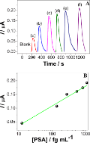
- magnetism than other iron oxide nanoparticles [17]. These MNPs can be synthesized through various techniques, such as ultrasound irradiation, sol–gel methods, thermal decomposition, and co-precipitation [18][19][20][21]. In addition, they can be modified with biomolecules and other compounds to improve the


Preservation of rutin nanosuspensions without the use of preservatives
Beilstein J. Nanotechnol. 2019, 10, 1902–1913, doi:10.3762/bjnano.10.185
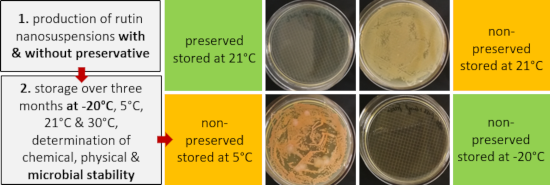
- are precipitation, wet milling, high-pressure homogenization or combinations of these methods [1][2][3][4]. Regardless of the process used, all these methods will yield nanosuspensions, i.e., nanocrystals dispersed in a liquid. As liquid formulations are not always a convenient dosage form for the


High-tolerance crystalline hydrogels formed from self-assembling cyclic dipeptide
Beilstein J. Nanotechnol. 2019, 10, 1894–1901, doi:10.3762/bjnano.10.184
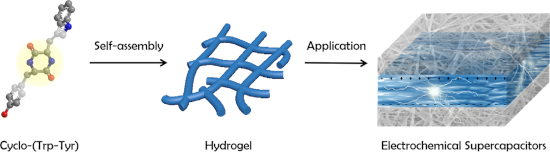
- precipitation formation [47]. Herein, we investigate the self-assembly and application of a CDP, cyclo-(Trp-Tyr) (C-WY) (Scheme 1). C-WY contains a rigid six-member ring as a bridge, which increases the structural rigidity and stability. The abundant hydrogen bonds in C-WY endow a high propensity for self
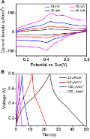
- rheological properties. The crystal structure remained unchanged (Figure 3E) and no obvious aggregation or precipitation was observed. Also, the microtopography of the hydrogel exhibited no obvious changes (Supporting Information File 1, Figure S1). The environmental conditions, such as pH and temperature


Biocatalytic oligomerization-induced self-assembly of crystalline cellulose oligomers into nanoribbon networks assisted by organic solvents
Beilstein J. Nanotechnol. 2019, 10, 1778–1788, doi:10.3762/bjnano.10.173
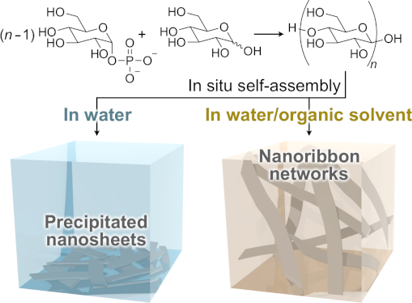
- solution. The addition of appropriate organic solvents to the oligomerization system was found to result in well-grown nanoribbon networks. The organic solvents appeared to prevent irregular aggregation and subsequent precipitation of the nanosheets via solvation for further growth into the well-grown
- oligomerization system in mixtures of an aqueous buffer solution and appropriate organic solvents was found to result in nanoribbon network structures for gel formation (Figure 1). It was suggested that the precipitation of the nanosheets was prevented effectively via solvation with the organic solvents through
- viscosity and depletion repulsion, which prevented the nanosheet-shaped lamellar crystals from aggregation and subsequent precipitation, enabling the formation of well-grown nanoribbon networks. On the other hand, the organic solvents used in this study were small molecules, indicating a different mechanism