


Search results
Search for "purification" in Full Text gives 464 result(s) in Beilstein Journal of Nanotechnology. Showing first 200.
Silver-based SERS substrates fabricated using a 3D printed microfluidic device
Beilstein J. Nanotechnol. 2023, 14, 793–803, doi:10.3762/bjnano.14.65
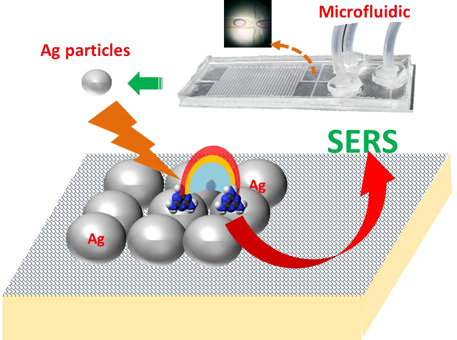
- (USA). Deionized water with a resistivity of 18 MΩ·cm−1, provided by a Milli-Q water purification system (Millipore Corp., MA, USA), was used throughout all the experiments. The morphologies of Ag NPs and SERS substrates were examined using a field-emission scanning electron microscope (FE-SEM, Mira II



Silver nanoparticles loaded on lactose/alginate: in situ synthesis, catalytic degradation, and pH-dependent antibacterial activity
Beilstein J. Nanotechnol. 2023, 14, 781–792, doi:10.3762/bjnano.14.64
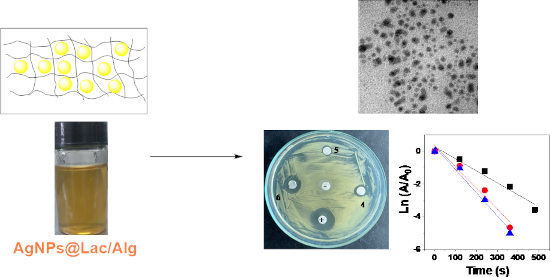
- reagents were purchased from Acros (Belgium): silver nitrate (AgNO3), methyl orange (MO), rhodamine B (RhB), calcium acetate hydrate, sodium alginate, and sodium tetrahydroborate (NaBH4). Lactose was obtained from Yong Da (China). The chemicals were used without additional purification. Distilled water was
- was ultrasonically treated for 30 min and left to reach equilibrium overnight. After purification, the resulting gel was freeze-dried at −80 °C for 24 h using an EYELA FDU-2110 (Japan) instrument. Next, an aqueous solution of AgNO3 (15 mL) with different concentrations in the range of 7.9–55.6 μg·mL−1


In situ magnesiothermic reduction synthesis of a Ge@C composite for high-performance lithium-ion batterie anodes
Beilstein J. Nanotechnol. 2023, 14, 751–761, doi:10.3762/bjnano.14.62
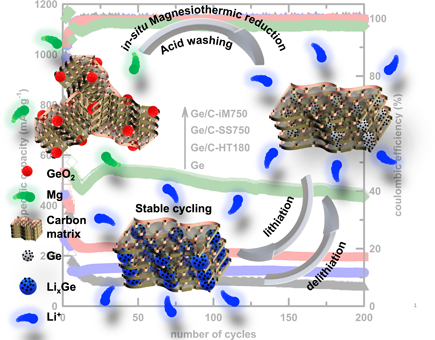
- Chemicals The chemicals, including germanium oxide (GeO2) (99.99%) from Sigma-Aldrich and hydrochloric acid (HCl) (35–37%), magnesium powder (Mg) (99.95%), ethanol (C2H5OH) (99.5%), and potassium hydroxide (KOH) (85%) from Xilong, China, were used without further purification. Banana peels were collected


Mixed oxides with corundum-type structure obtained from recycling can seals as paint pigments: color stability
Beilstein J. Nanotechnol. 2023, 14, 467–477, doi:10.3762/bjnano.14.37
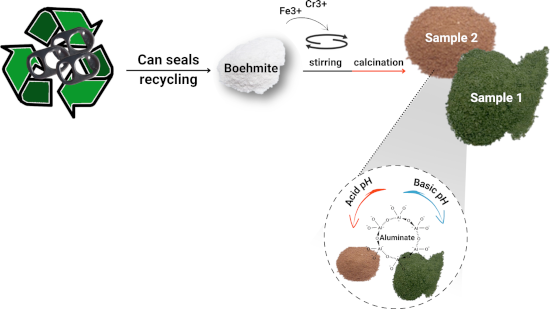
- purification Formation of sodium chloride (NaCl) during the boehmite synthesis is observed. Therefore, it is necessary to purify the obtained boehmite. Purification was performed by washing the synthesized samples with hot water to remove sodium chloride. After this step, the boehmite was filtered and dried at




Quercetin- and caffeic acid-functionalized chitosan-capped colloidal silver nanoparticles: one-pot synthesis, characterization, and anticancer and antibacterial activities
Beilstein J. Nanotechnol. 2023, 14, 362–376, doi:10.3762/bjnano.14.31
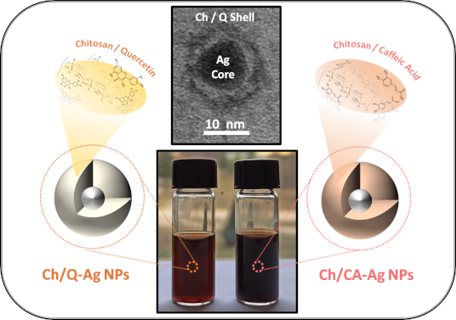
- purified through a Milli-Q water purification system. Figure 1 shows the chemical structures of chitosan, quercetin, and caffeic acid. Synthesis of silver nanoparticles The chitosan-capped colloidal silver nanoparticles (Ch-Ag NPs) were synthesized by reducing AgNO3 with NaBH4 in the presence of chitosan
- for aging at room temperature before the purification step. The Ch-Ag NPs were cleaned with 1% acetic acid solution to remove unreacted chitosan by ultracentrifuging (Hitachi, Himac CP100 wx) at 40,000 rpm for 30 min. The collected Ch-Ag NPs were dispersed in distilled water and filtered through a


Batch preparation of nanofibers containing nanoparticles by an electrospinning device with multiple air inlets
Beilstein J. Nanotechnol. 2023, 14, 141–150, doi:10.3762/bjnano.14.15
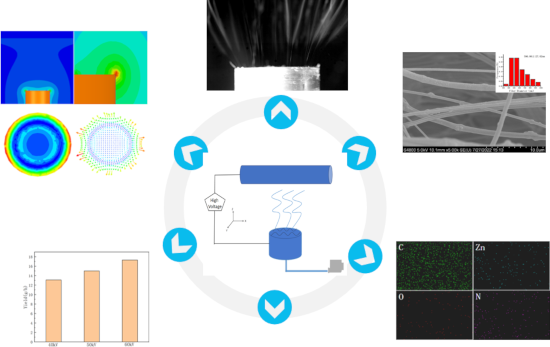
- purification. Preparation of spinning solution Firstly, 4.5 g PAN and 44 g DMF solution were weighed separately by an electronic balance (XJ120A, Shanghai Precisa Co., LTD), mixed and placed on an unheated magnetic stirrer (HJ-6A, Gongyi Yuhua Instrument Co., LTD.) for stirring for 24 h. Then 1.5 g ZnO


Liquid phase exfoliation of talc: effect of the medium on flake size and shape
Beilstein J. Nanotechnol. 2023, 14, 68–78, doi:10.3762/bjnano.14.8
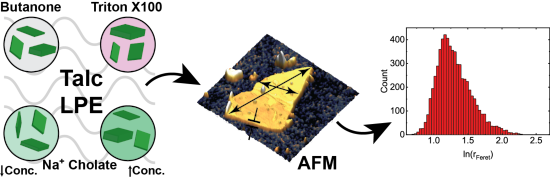
- graphite monochromator using Cu Kα radiation (1.54056 Å) in the Bragg–Brentano geometry (θ/2θ). Talc liquid-phase exfoliation. Before submitting the material to the liquid exfoliation process, a purification step was performed to remove any contaminations [11]. Talc powder was sonicated for 1 h in



Single-step extraction of small-diameter single-walled carbon nanotubes in the presence of riboflavin
Beilstein J. Nanotechnol. 2022, 13, 1564–1571, doi:10.3762/bjnano.13.130
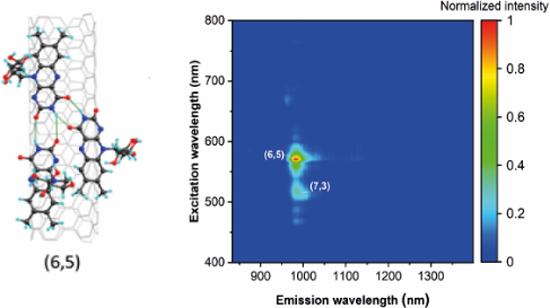
- received from Sigma-Aldrich and OCSiAl, respectively, and used without further purification. Riboflavin (98%) was purchased from Alfa Aesar and used as received. Sephacryl S-200 High Resolution was supplied by Sigma-Aldrich. Preparation of dispersion of riboflavin-wrapped SWCNTs 40 mg of SWCNT powder was


Non-stoichiometric magnetite as catalyst for the photocatalytic degradation of phenol and 2,6-dibromo-4-methylphenol – a new approach in water treatment
Beilstein J. Nanotechnol. 2022, 13, 1531–1540, doi:10.3762/bjnano.13.126
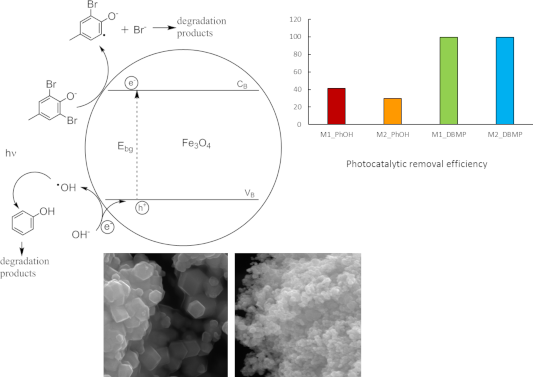
- purification. Characterization of the photocatalysts The PZC of catalysts was measured according to Kocharova and co-workers [41]. For the determination of pHPZC, eleven vials were filled with 0.1 mol·L−1 NaCl solution. The pH of each vial was adjusted with NaOH and HCl solutions to pH 2–12. Next, 10 mg of


Facile preparation of Au- and BODIPY-grafted lipid nanoparticles for synergized photothermal therapy
Beilstein J. Nanotechnol. 2022, 13, 1432–1444, doi:10.3762/bjnano.13.118
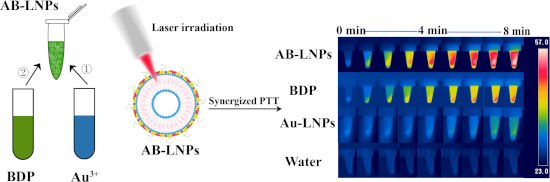
- etherate (BF3·OEt2) and 2,4-dimethylpyrrole were freshly purified by distillation under reduced pressure. Synthesis and characterization of BDP All chemical reagents were obtained from commercial suppliers and used without further purification. 1H nuclear magnetic resonance (NMR) and 13C NMR spectra were


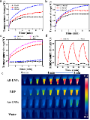

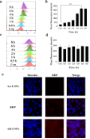

LED-light-activated photocatalytic performance of metal-free carbon-modified hexagonal boron nitride towards degradation of methylene blue and phenol
Beilstein J. Nanotechnol. 2022, 13, 1380–1392, doi:10.3762/bjnano.13.114
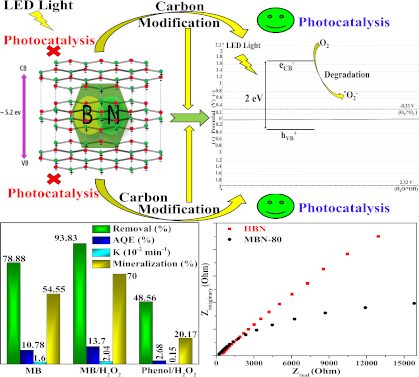
- and utilized without any further purification. Synthesis procedure The modified HBN was synthesized through a solid-state reaction approach with various modifications to the process described in Wang et al. [17]. An equimolar mix (0.1 M) of melamine, boric acid, and glucose was finely grounded in an



Supramolecular assembly of pentamidine and polymeric cyclodextrin bimetallic core–shell nanoarchitectures
Beilstein J. Nanotechnol. 2022, 13, 1361–1369, doi:10.3762/bjnano.13.112
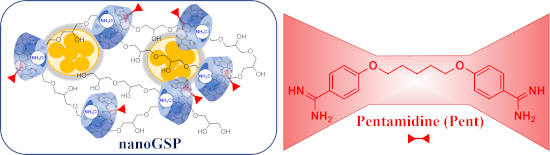
- (AgNO3), ascorbic acid, and pentamidine isethionate were commercially available (Merck). All reagents used (Merck) were used without further purification. Characterization techniques UV–vis spectra were obtained on an Agilent model 8453 diode array spectrophotometer using 1 cm path length quartz cells


Near-infrared photoactive Ag-Zn-Ga-S-Se quantum dots for high-performance quantum dot-sensitized solar cells
Beilstein J. Nanotechnol. 2022, 13, 1337–1344, doi:10.3762/bjnano.13.110
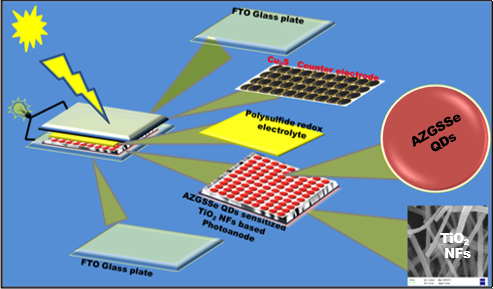
- min and quickly poured into cold methanol to form AZGSSe QDs. After purification purification via centrifugation, the QDs were dispersed in 5 mL chloroform. Preparation of a AZGSSe QD-sensitized TiO2 NF-based photoanode A pre-prepared TiO2 nanofiber (NF) paste was coated on FTO glass via the doctor


Recent trends in Bi-based nanomaterials: challenges, fabrication, enhancement techniques, and environmental applications
Beilstein J. Nanotechnol. 2022, 13, 1316–1336, doi:10.3762/bjnano.13.109
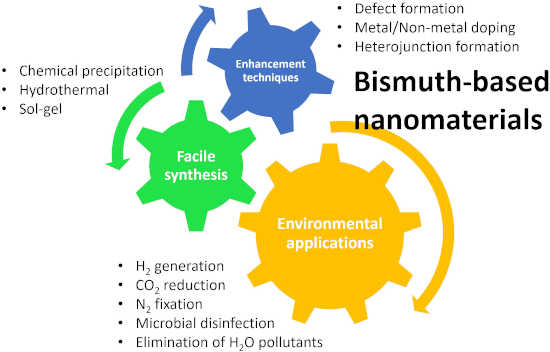
- purification [31][32][33][34][35]. However, the present report focuses on understanding the role of different Bi-based photocatalysts concerning their synthesis method and enhancement. The mechanism of photocatalysts for different applications has been described for the type or nature of the photocatalyst
- . This gap is essential for improving the material’s light-harvesting capabilities [78][79]. Consequently, in an attempt to improve the photocatalytic efficiency for water purification and other environmental applications, a variety of techniques, such as defect formation, metal/non-metal doping




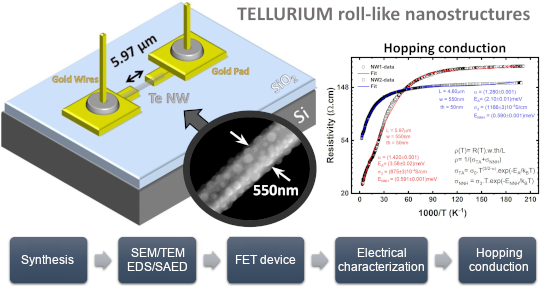
Enhanced electronic transport properties of Te roll-like nanostructures
Beilstein J. Nanotechnol. 2022, 13, 1284–1291, doi:10.3762/bjnano.13.106
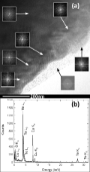
- reagents used were of analytic grade, purchased from Sigma-Aldrich Chemicals Company, and directly used without further purification. Morphology, elemental analysis, and crystal structure Morphology and elemental composition of the as-prepared products were characterized by scanning electron microscopy




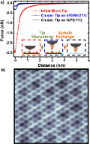
Studies of probe tip materials by atomic force microscopy: a review
Beilstein J. Nanotechnol. 2022, 13, 1256–1267, doi:10.3762/bjnano.13.104
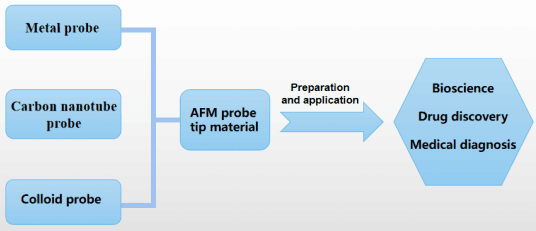
- et al. [39] proposed a multistep assembly method to fabricate carbon nanotube tips by developing a well-controlled procedure to fabricate scanning probe carbon nanotube tip microscopes. The process consists of three steps: purification and alignment of nanotubes using electrophoresis; transfer of
- molecules demonstrates the resolution of these nanotube tips and the potential to elucidate the structural features of biological specimens. The method involves the growth, purification, and movement of carbon nanotubes into a cartridge and, finally, the transfer of the carbon nanotubes to the tip under an
Application of nanoarchitectonics in moist-electric generation
Beilstein J. Nanotechnol. 2022, 13, 1185–1200, doi:10.3762/bjnano.13.99
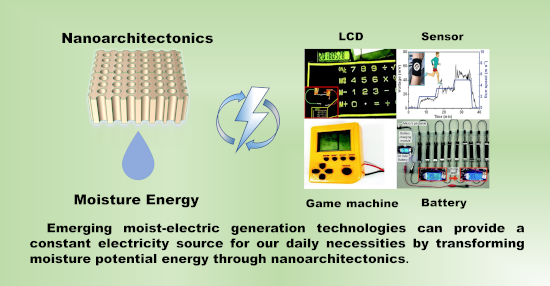
- materials have been developed rapidly in many fields, including optoelectronic devices, actuators, sensors, and water purification films [18][27][29][31][68][69][70][71][72][73][74]. The electrical output of MEG devices with different nanomaterials is listed below in Table 1. A wide range of materials is


Recent advances in green carbon dots (2015–2022): synthesis, metal ion sensing, and biological applications
Beilstein J. Nanotechnol. 2022, 13, 1068–1107, doi:10.3762/bjnano.13.93
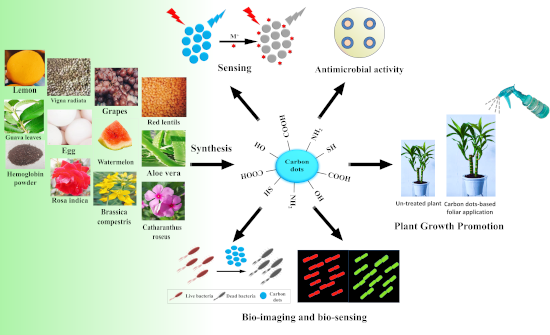
- carbon nanoparticles during electrophoretic purification of single-walled carbon nanotubes [1]. Sun et al. synthesized fluorescent carbon particles smaller than 10 nm, which were named “carbon dots” for the first time in 2006 [2]. Due to its significant fluorescent properties, this class of carbon
- solvent casting process after the ACMCDs were supported by silver nanoparticles, employing them as both a reducing agent and a template. The nanocomposite antibacterial film is anticipated to have a lot of potential applications such as food packaging, water purification, and disinfecting sanitary




DNA aptamer selection and construction of an aptasensor based on graphene FETs for Zika virus NS1 protein detection
Beilstein J. Nanotechnol. 2022, 13, 873–881, doi:10.3762/bjnano.13.78
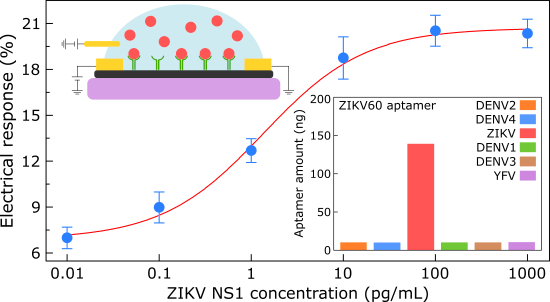
- /ampicillin and incubated overnight at 37 °C, 200 rpm. The plasmids were extracted following the manufacturer protocol of the Wizard® Plus SV Minipreps DNA purification system kit (Promega) and quantified via 260 nm absorbance in a spectrophotometer. The vectors were sequenced by the automated Sanger



Gelatin nanoparticles with tunable mechanical properties: effect of crosslinking time and loading
Beilstein J. Nanotechnol. 2022, 13, 778–787, doi:10.3762/bjnano.13.68
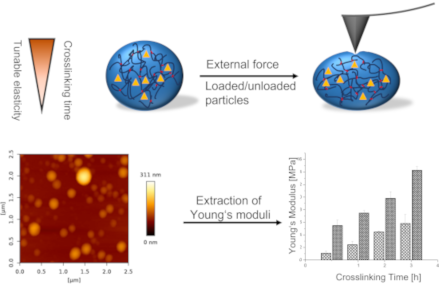
- ] with sodium metabisulfite, which forms a complex with glutaraldehyde, thus, terminating the crosslinking process [23]. The complex, unreacted material, and excess poloxamer 188 were removed by purification via tangential flow filtration (Minimate TFF capsule, 300 kDa, Pall Corporation, Port Washington
- , New York, USA). The remaining poloxamer amount was determined with a colorimetric method [24]. After six purification cycles, all free poloxamer had been removed. For the preparation of FITC-dextran-loaded GNPs, respective amounts of a 5 mg/mL FITC-dextran 70 kDa, 5 mg/mL FITC-dextran 150 kDa, or
- lysozyme stock solution was added to 20 mg gelatin dissolved in Milli-Q® water giving a final concentration of 20 mg gelatin per milliliter containing 1, 2, or 3 mg drug per milliliter. All following preparation, purification, and characterization steps were performed as described for blank gelatin


Recent advances in nanoarchitectures of monocrystalline coordination polymers through confined assembly
Beilstein J. Nanotechnol. 2022, 13, 763–777, doi:10.3762/bjnano.13.67

- attractive for purification of seawater contaminated by 137Cs [112]. Networks can capture discrete molecules or nanoparticles. When networks are encapsulated into single crystals, the captured molecules or nanoparticles can be co-encapsulated to provide additional functions to single crystals [39][40][41





Antibacterial activity of a berberine nanoformulation
Beilstein J. Nanotechnol. 2022, 13, 641–652, doi:10.3762/bjnano.13.56
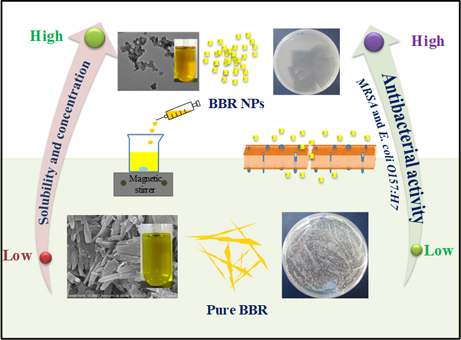
- from Titan Biotech, India. Bi-distilled water from a Milli-Q system (18.2 MΩ·cm at 25 °C) was used. All other chemicals were of analytical grade and used without further purification. Two bacterial strains isolated from clinical samples, namely, methicillin-resistant Staphylococcus aureus (MRSA) and



Sodium doping in brookite TiO2 enhances its photocatalytic activity
Beilstein J. Nanotechnol. 2022, 13, 599–609, doi:10.3762/bjnano.13.52
- ; Introduction Titanium dioxide (TiO2) has been extensively studied for many potential applications in the environmental and energy fields, such as treatment of polluted water [1][2], air purification [3][4], and water splitting [5][6]. In recent years, the interest in the brookite phase of TiO2 has been
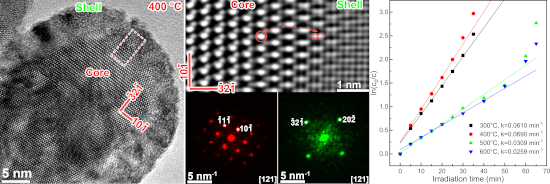
- and solvents were used without further purification. Hydrothermal synthesis of the Na-doping brookite In a typical synthesis procedure, 1.27 g of oxalic acid dihydrate was dissolved into 50 mL of N,N-dimethylformamide (DMF) solvent to obtain a colorless and transparent solution under vigorous stirring


Stimuli-responsive polypeptide nanogels for trypsin inhibition
Beilstein J. Nanotechnol. 2022, 13, 538–548, doi:10.3762/bjnano.13.45
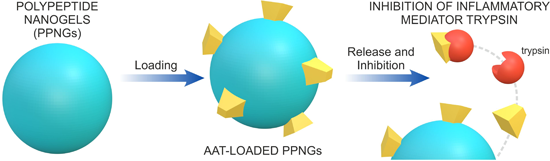
- trioleate (TWEEN 85), sodium methoxide, sorbitan monooleate (SPAN 80), triphosgene, and tyramine were purchased from Sigma-Aldrich (Prague, Czech Republic) and were used without purification. γ-Benzyl-ʟ-glutamate (BLG) 99% was purchased from Emmenar Bio-Tech (Sanathnagar, India) and was recrystallized from


Influence of thickness and morphology of MoS2 on the performance of counter electrodes in dye-sensitized solar cells
Beilstein J. Nanotechnol. 2022, 13, 528–537, doi:10.3762/bjnano.13.44
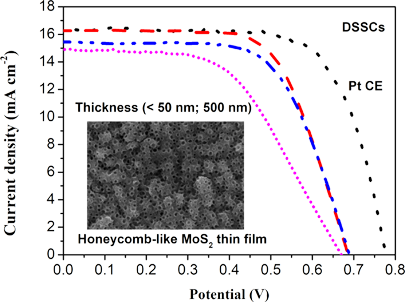
- commercial chemicals were of analytical grade and were used as supplied without further purification. Electrodeposition of MoS2 thin films Thin films of MoS2 with different morphologies were electrodeposited onto FTO substrates by the CV method. MoS2 electrodeposition was carried out using an Autolab 302 N





