


Search results
Search for "selectivity" in Full Text gives 318 result(s) in Beilstein Journal of Nanotechnology. Showing first 200.
Metal-organic framework-based nanomaterials for CO2 storage: A review
Beilstein J. Nanotechnol. 2023, 14, 964–970, doi:10.3762/bjnano.14.79

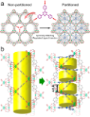
- gas storage. For instance, Zhang et al. used ethylenediamine to functionalize ZIF-8, resulting in enhanced CO2 adsorption and selectivity [36]. A benefit of this approach is that the surface area was improved (nearly 40%), while ED-ZIF-8 yielded a two-fold higher amount of adsorbed CO2 than pure ZIF-8
- global warming. However, despite the considerable research efforts dedicated to MOFs in the context of CO2 adsorption, certain drawbacks still need to be addressed. Primarily, a large number of MOFs have poor CO2 selectivity in the presence of water and acid gases. These species have higher polarities




Antibody-conjugated nanoparticles for target-specific drug delivery of chemotherapeutics
Beilstein J. Nanotechnol. 2023, 14, 912–926, doi:10.3762/bjnano.14.75
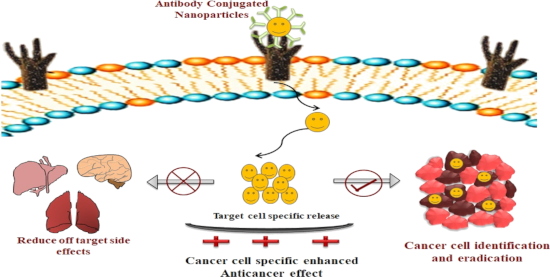
- chemotherapeutics specifically to the targeted cancer cells. ACNPs combine the benefits of NPs and mAbs to provide high drug loads at the tumor site with better selectivity and delivery efficiency. The mAbs on the NP surfaces recognize their specific receptors expressed on the target cells and release the
- receptors and, therefore, provide more selectivity for diseased cells. The available evidence suggest that NPs increase the targeting efficacy by providing multiple copies of targeting ligand on the NP surface. This enhances multiple bindings between receptor–ligand pairs [74][75]. Hence, the multivalent
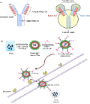
- lack of tumor specificity and selectivity, antibody selection issues, immune reactions against ACNPs, stability of ACNPs, heterogeneity of tumors, regulatory approvals, scale-up and production, and cost considerations. Advantages of antibody-conjugated NPs. Schematic representation of (a) an antibody



Ni, Co, Zn, and Cu metal-organic framework-based nanomaterials for electrochemical reduction of CO2: A review
Beilstein J. Nanotechnol. 2023, 14, 904–911, doi:10.3762/bjnano.14.74
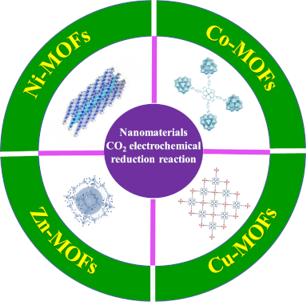
- . Subsequently, multiple electron transfers occur, leading to the generation of diverse products such as ethanol, methanol, and methane [5][6][7]. Therefore, to reduce the activation energy and to improve selectivity, the meticulous consideration of catalysts becomes imperative [8][9][10][11][12][13][14][15][16
- ]. The first work on electrocatalytic CO2 reduction was published in 1870 using a Zn material to produce HCOOH [17][18]. Subsequent investigations have yielded numerous studies focusing on the development of electrocatalysts for CO2RR. In 1994, Hori et al. highlighted that the selectivity of products


Green SPIONs as a novel highly selective treatment for leishmaniasis: an in vitro study against Leishmania amazonensis intracellular amastigotes
Beilstein J. Nanotechnol. 2023, 14, 893–903, doi:10.3762/bjnano.14.73
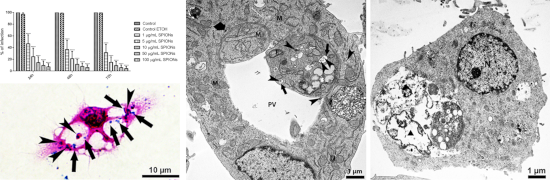
- effects on cell proliferation, infectivity percentage, and ultrastructure. SPIONs were internalized by both parasite stages, randomly distributed in the cytosol and located mainly in membrane-bound compartments. The selectivity index for intracellular amastigotes was more than 240 times higher compared to
- for L. amazonensis intracellular amastigotes (Table 1), presenting values significantly higher when compared with other compounds and drugs used to treat Leishmania sp. (Table 2) [22][23][24][25][26][27]. These data indicate a high selectivity index for SPIONs compared with current treatments
- of drug conjugation with magnetic nanoparticles for treating leishmaniasis. Conclusion The use of SPIONs synthesized with coconut water to treat macrophages infected with Leishmania amazonensis intracellular amastigotes revealed a significant anti-Leishmania effect with a selectivity index more than


Current-induced mechanical torque in chiral molecular rotors
Beilstein J. Nanotechnol. 2023, 14, 711–721, doi:10.3762/bjnano.14.57
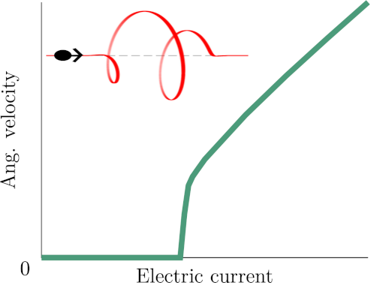
- crossover between both regimes. To exemplify our results, we employ a helical geometry. Helical molecular wires have sparked a lot of attention because of reports of spin-selective transport [16][17][18]. This phenomenon falls under the umbrella term “chirality-induced spin selectivity (CISS)”. The full




![[Graphic 29]](/bjnano/content/inline/2190-4286-14-57-i54.svg?max-width=637&scale=1.18182)


A graphene quantum dots–glassy carbon electrode-based electrochemical sensor for monitoring malathion
Beilstein J. Nanotechnol. 2023, 14, 701–710, doi:10.3762/bjnano.14.56
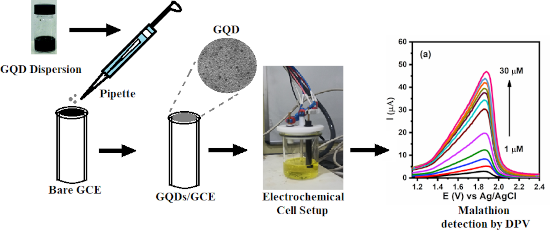
- working electrode has an increased surface area to volume ratio due to the small size of GQDs. In addition, the different functional groups present on the GQDs surfaces provide additional active sites, which increase sensitivity and lower the limit of detection. Interference study The selectivity of the
- to 30 µM, a linear relationship was observed between the peak current and the malathion concentration. A detection limit of 0.62 nM was determined, and an interference study showed that the developed electrochemical sensor is selective for malathion. The sensor’s selectivity for malathion can be
- attributed to its surface composition of different functional groups providing specific sites for pesticide molecules. These results demonstrate that the GQDs/GCE electrochemical sensor is capable of detecting malathion over a wide linear range with low detection limits and high selectivity. The graphene


Metal-organic framework-based nanomaterials as opto-electrochemical sensors for the detection of antibiotics and hormones: A review
Beilstein J. Nanotechnol. 2023, 14, 631–673, doi:10.3762/bjnano.14.52
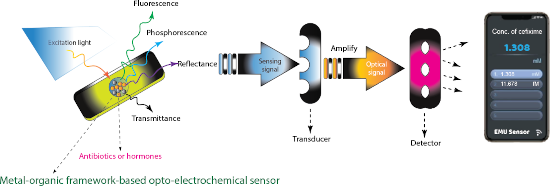
- spectrometry (LC–MS), high-performance liquid chromatography (HPLC), and gas chromatography coupled with mass spectrometry (GC–MS) have demonstrated greater selectivity and lower variability when compared to immunoassays for the measurement of antibiotics and steroid hormones in various complex samples [22][23
- as the necessity for technical experts with the necessary training, the limited selectivity and reusability of substrates, and the degradation of substrates with time, which reduces the signal. Several portable electrochemical and optical (chemiluminescence, fluorescence, and electrochemiluminescence
- and challenges It is crucial to assess the performance of sensors during development using standard metrics such as selectivity, sensitivity, the limit of detection (LOD), and response time. Selectivity refers to a sensor’s capacity to respond to a narrow range of target analytes while resisting


Observation of multiple bulk bound states in the continuum modes in a photonic crystal cavity
Beilstein J. Nanotechnol. 2023, 14, 544–551, doi:10.3762/bjnano.14.45
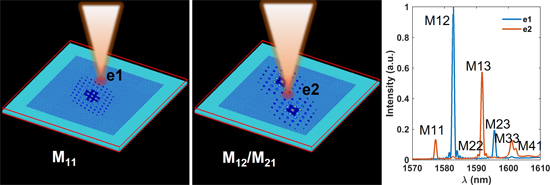
- simulations. Our findings have potential applications regarding the mode selectivity in BIC devices to manipulate the lasing mode in photonic-crystal surface-emitting lasers or the radiation pattern in nonlinear optics. Keywords: bound states in the continuum; bulk modes analysis; photonic crystal
- with the same polarization were analyzed. The existence of multiple bulk modes in our confined BIC cavities and the strong position dependence of the excitation efficiency of those modes provide an efficient way to control radiation pattern and mode selectivity in the BIC devices. Design of the unit


Molecular nanoarchitectonics: unification of nanotechnology and molecular/materials science
Beilstein J. Nanotechnol. 2023, 14, 434–453, doi:10.3762/bjnano.14.35
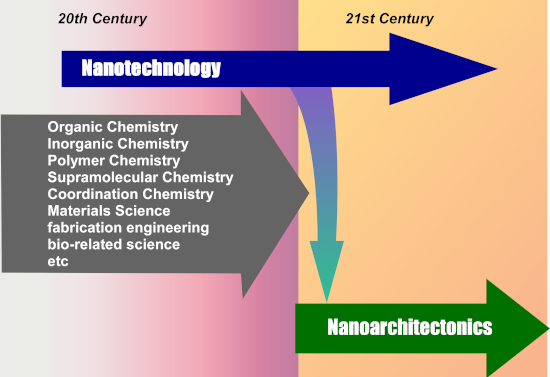
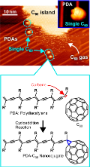
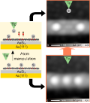
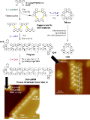
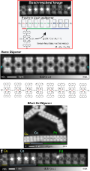
- induce site-specific organic synthesis and alter selectivity, as seen in the example of local probe chemistry. Indeed, it is now possible to pick up specific substrate molecules and make them react at desired molecular sites. This could be the starting point for assembling functional materials from the





Plasmonic nanotechnology for photothermal applications – an evaluation
Beilstein J. Nanotechnol. 2023, 14, 380–419, doi:10.3762/bjnano.14.33
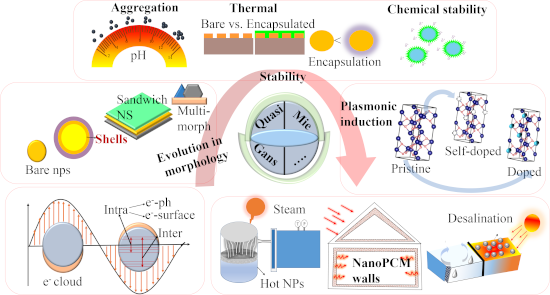
- that have been discussed in preceding sections [85]. PPT heating has subwavelength spatial selectivity, implying that changes to absorption and, hence, heating can be affected by means of changing the lasing power density and/or the wavelength. Indeed, NP morphologies have even been shown to be




New trends in nanobiotechnology
Beilstein J. Nanotechnol. 2023, 14, 377–379, doi:10.3762/bjnano.14.32

- , Selangor, 43900, Malaysia School of Energy and Environment, City University of Hong Kong, Tat Chee Avenue, Kowloon, 999077, Hong Kong 10.3762/bjnano.14.32 Keywords: biocompatible nanoparticles; cancer cells; carrageenan; cytotoxic selectivity; green synthesis methods; nanobiotechnology; SARS-CoV-2; self
- infection caused by SARS-CoV-2. Another important topic covered in this thematic issue is presented in this article: “In search of cytotoxic selectivity on cancer cells with biogenically synthesized Ag/AgCl nanoparticles” [7]. This work explores the use of pineapple waste for the synthesis of silver and
The steep road to nonviral nanomedicines: Frequent challenges and culprits in designing nanoparticles for gene therapy
Beilstein J. Nanotechnol. 2023, 14, 351–361, doi:10.3762/bjnano.14.30
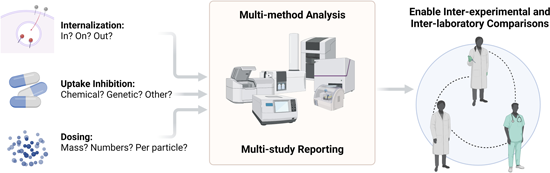
- labor-efficient processing [29][35]. However, it is well known that pharmacological inhibitors have severe limitations. These include varying levels of specificity (Table 2), significant cytotoxicity, low selectivity, and variable efficacy that can change within different cells lines and different

Recent progress in cancer cell membrane-based nanoparticles for biomedical applications
Beilstein J. Nanotechnol. 2023, 14, 262–279, doi:10.3762/bjnano.14.24
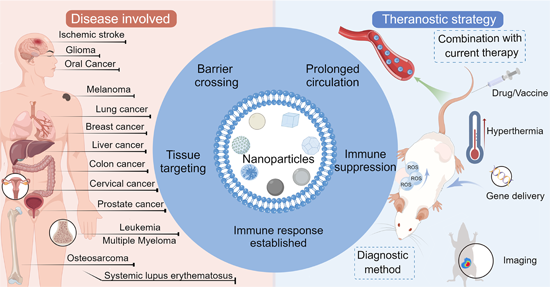
- antigen further induces antitumor immunity in the body through presentation [81]. This tumor treatment strategy has shown promise due to its noninvasiveness and specific selectivity. 4.4 Gene therapy Gene therapy can modulate tumorigenesis and progression by delivering transfection-related components to


Nanotechnology – a robust tool for fighting the challenges of drug resistance in non-small cell lung cancer
Beilstein J. Nanotechnol. 2023, 14, 240–261, doi:10.3762/bjnano.14.23


In search of cytotoxic selectivity on cancer cells with biogenically synthesized Ag/AgCl nanoparticles
Beilstein J. Nanotechnol. 2022, 13, 1505–1519, doi:10.3762/bjnano.13.124
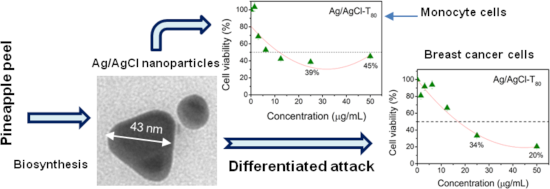
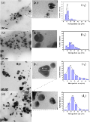
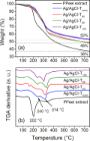
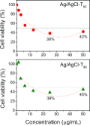
- nanoparticles on breast cancer cells is dependent on the biosynthesis temperature. Consequently, its effect is different in cancer cells in comparison to healthy cells (monocytes). This result may give rise to a new system with cytotoxic selectivity. The goal of this study is to contribute to the generation of
- on the production of NOs. Perhaps this fact is an explanation for the selectivity of the findings. However, a more in-depth study of this mechanism is necessary. These data have never been reported before, so their mechanistic interpretation and understanding requires further investigation. In order
- cytotoxic activity in both PBMC and MCF-7 cells; however, no cytotoxic selectivity was observed. Conclusion This study demonstrates the combined production of Ag and AgCl nanoparticles obtained through a green synthesis method. Pineapple peel was used for the synthesis method, where phenolic compounds were





Rapid and sensitive detection of box turtles using an electrochemical DNA biosensor based on a gold/graphene nanocomposite
Beilstein J. Nanotechnol. 2022, 13, 1458–1472, doi:10.3762/bjnano.13.120
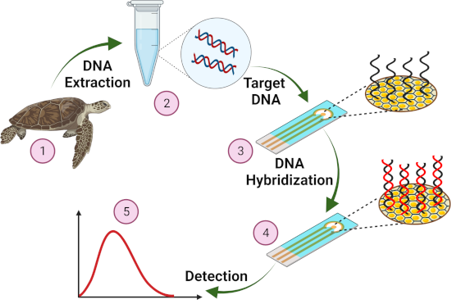
- when different electrodes are modified [57][58][59]. Optimisation of experimental parameters The hybridisation efficiency has a significant impact on the selectivity and sensitivity of biosensors. In order to enhance the hybridisation efficiency, hybridisation conditions of the DNA probe with the
- experiment, pH 7.4 was chosen, which is close to physiological pH, and a similar pH value was reported by Kusnin et al. [57] in hybridisation biosensing experiments. Selectivity of the electrochemical biosensor Electrodes with hybridised DNA were incubated in MB for 30 min, washed with deionised water, and
- DNA probe are close to each other, suggesting the selectivity of the target. From a three-base mismatched DNA to a one-base mismatched DNA, peak currents steadily rose. This trend continued with the reverse complementary target. The highest peak current (20.06 μA) was recorded for the reverse



Supramolecular assembly of pentamidine and polymeric cyclodextrin bimetallic core–shell nanoarchitectures
Beilstein J. Nanotechnol. 2022, 13, 1361–1369, doi:10.3762/bjnano.13.112
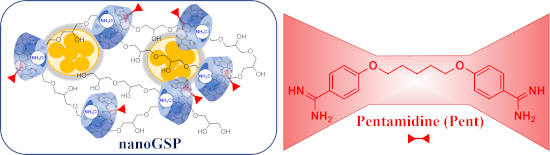
- Pent (Supporting Information File 1, Table S1), in line with previously reported data [19][21]. Cytotoxicity assays were also performed to assess the selectivity of the nanosystems (see hereinafter). The inactivity of nanoG and nanoGS emerged in our work suggested that leishmanicidal effects described
- concentration of Pent was 32 μM. Miltefosine was used as a reference drug. Cytotoxicity assays were performed both on primary peritoneal mouse macrophages (PMM) and human fetal lung fibroblasts (MCR-5) according to procedures previously described to assess selectivity [31]. Tamoxifen was employed as the


Recent trends in Bi-based nanomaterials: challenges, fabrication, enhancement techniques, and environmental applications
Beilstein J. Nanotechnol. 2022, 13, 1316–1336, doi:10.3762/bjnano.13.109




Studies of probe tip materials by atomic force microscopy: a review
Beilstein J. Nanotechnol. 2022, 13, 1256–1267, doi:10.3762/bjnano.13.104
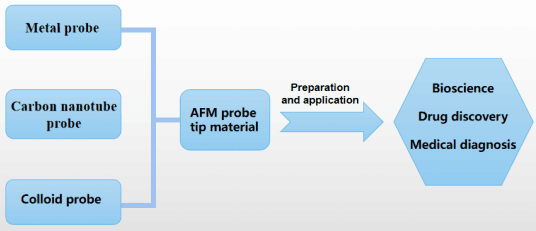
- addition, the method was also used for the determination of glyphosate in tap water samples with good recovery results. The assay has the advantages of high sensitivity and good selectivity. Compared to the above-proposed metal nanoclusters, gold-based bimetallic nanoclusters have the advantages of metal
- highly fluorescent gold-silver bimetallic nanomaterials with stable fluorescence properties by a simple one-pot method using thiol salts as ligands. TPN-AuAgNCs were synthesised using tiopronin (TPN) as ligand, and the clusters emitted strong red fluorescence with good burst selectivity for Fe3+ after Ag
- ) as ligand, and the obtained clusters showed solid red light at 700 nm and sensitive burst selectivity for I−. The fluorescence was recovered to a certain extent by further adding Ag+. A rapid method for detecting I− and Ag+ was established and successfully applied to detect I− and Ag+ in actual
Design of surface nanostructures for chirality sensing based on quartz crystal microbalance
Beilstein J. Nanotechnol. 2022, 13, 1201–1219, doi:10.3762/bjnano.13.100
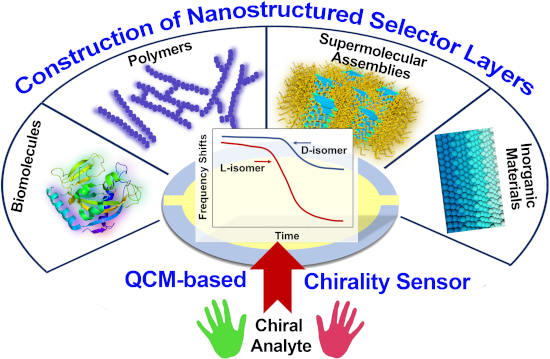
- sensors is always based on aspects of effective chiral host molecules, proper chiral surface functions, and suitable host nanostructures. To achieve high chiral selectivity and sensitivity, it is also essential to understand the basis of the interactions for the formation of transient diastereomeric
- bulk polymerization method to fabricate poly(methacrylic acid) (PMAA) MIP films on QCM electrodes for detecting ʟ-tryptophan. The sensor film was highly selective with a detection limit of 0.73 ng/mL and did not respond to the structural analogous of ᴅ-tryptophan and ascorbic acid. The selectivity
- moiety on the upper rim were deposited on the gold surface of the QCM electrode. The chiral calixarene film exhibited good and more than doubled selectivity towards ʟ-AA. Different factors may affect the sensing performance, including the “lock-and-key principle”, size-fit concept, three-dimensional


Application of nanoarchitectonics in moist-electric generation
Beilstein J. Nanotechnol. 2022, 13, 1185–1200, doi:10.3762/bjnano.13.99
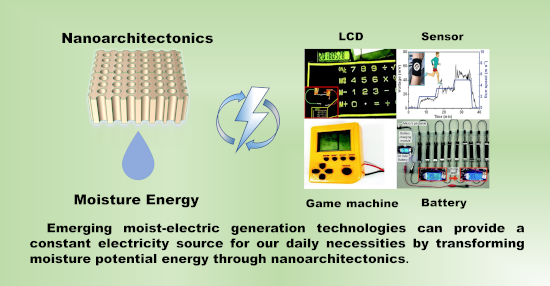
- the device provided an instantaneous electrical output with a maximum open-circuit voltage of 0.3 V and a short-circuit current of 120 μA. After adding a conducting polymer to improve the number of charged ions and the ion selectivity of the diffusion channel, a specific electrolyte fluid was selected


Recent advances in green carbon dots (2015–2022): synthesis, metal ion sensing, and biological applications
Beilstein J. Nanotechnol. 2022, 13, 1068–1107, doi:10.3762/bjnano.13.93
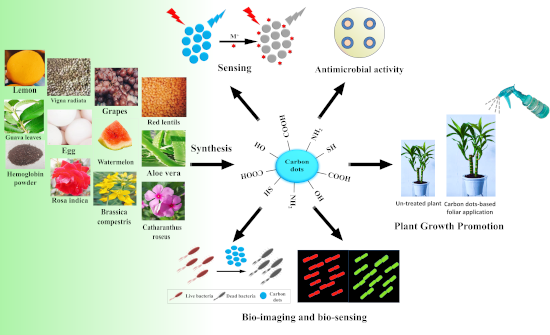
- resulting in different selectivity. CDs-A and CDs-B were utilized to detect ClO− and Hg2+ in tap water and river water, respectively. Using cotton linters as a green source, water-dispersed fluorescent CDs were reported, obtained through a microwave-assisted hydrothermal method. This method provides CDs for
- nm when excited at 325, 417, and 425 nm, respectively. Their selectivity for various metal ions indicated that only Fe3+ ions significantly quenched the emission intensity at 438 nm and the CDs were used as fluorescence sensors to detect Fe3+ ions [85]. Devi et al. adopted an eco-friendly, simple
- to synthesize CDs via hydrothermal route. The reported CDs showed good selectivity for Cd2+ ions with a wide linear range and limit of detection of 0.01–8 μM and 0.29 nM, respectively [72]. Chaudhary et al. reported CDs using roasted gram as a green precursor, which act as a humidity sensor. Two




Solar-light-driven LaFexNi1−xO3 perovskite oxides for photocatalytic Fenton-like reaction to degrade organic pollutants
Beilstein J. Nanotechnol. 2022, 13, 882–895, doi:10.3762/bjnano.13.79
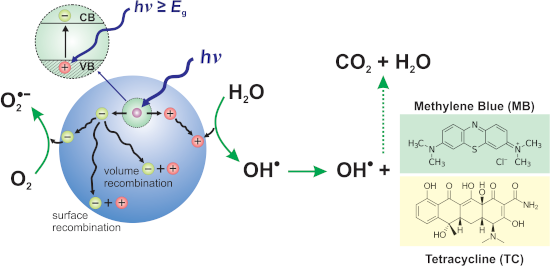
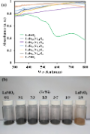
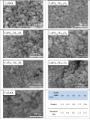
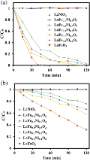
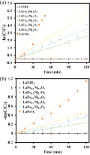
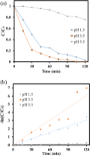
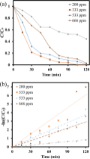
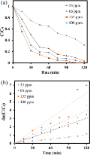
- Fenton method exhibits high oxidation capability and low selectivity for removing most organic substances. It can decompose organic pollutants into smaller organic molecules and generate carbon dioxide, water, and inorganic ions [17]. Generally, the ferrous ion employed in the Fenton reaction is from



DNA aptamer selection and construction of an aptasensor based on graphene FETs for Zika virus NS1 protein detection
Beilstein J. Nanotechnol. 2022, 13, 873–881, doi:10.3762/bjnano.13.78
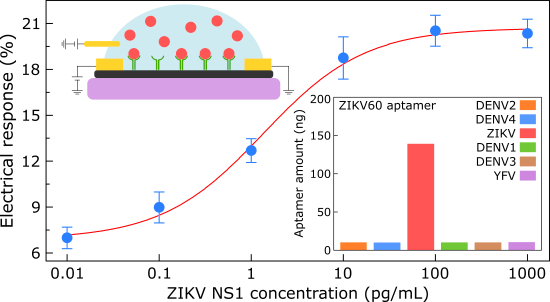
- characterization, the selectivity of this aptamer towards ZIKV NS1 protein diluted in human serum. The functionalized graphene devices exhibit an evident recognition of NS1 ranging from 0.01 to 100 pg/mL. As a result, the efficiency of our functionalization protocol in combination with the distinguished
- ZIKV60 aptamers, while human serum was adopted for ZIKV NS1 protein detection. Human serum (from human male AB plasma) was obtained from Sigma-Aldrich. We stress the fact that by using human serum as the gating electrolyte we can directly address any question about the selectivity of the detection since
- selectivity assay results, the specificity of ZIKV60 to ZIKV NS1 protein is considerably higher than that to NS1 of the other viruses. Concerning the development of aptasensors for ZIKV NS1 protein detection, the results show that the biosensors based on ZIKV60 aptamer would yield improved protein recognition



A nonenzymatic reduced graphene oxide-based nanosensor for parathion
Beilstein J. Nanotechnol. 2022, 13, 730–744, doi:10.3762/bjnano.13.65
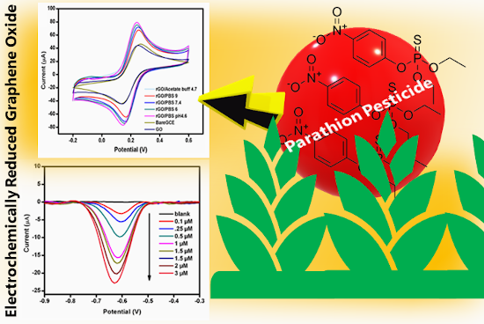
- electrocatalytic reduction peak at −0.58 V (vs Ag/AgCl) for rapid quantification of PT due to the amplified electroactive surface area of the modified electrode. At optimized experimental conditions, square-wave voltammetric analysis exhibits higher sensitivity (50.5 μA·μM−1·cm−2), excellent selectivity, excellent
- and straightforward responsive nature, high sensitivity, and selectivity leading to real-time detection [7]. A combination of a receptor, an analyte, and a transducer is made up to obtain an electrochemical sensor, in which the surface of the electrode induces redox characteristics via selective
- level of PT residues in environmental samples, such as water, soil, crops, and vegetables. A straightforward and economic fabrication process with high sensitivity, selectivity, and stability with the lowest detection limit is the foremost advantage emerging from this study for the rapid on-site





