


Search results
Search for "silica" in Full Text gives 406 result(s) in Beilstein Journal of Nanotechnology. Showing first 200.
A comprehensive review on electrospun nanohybrid membranes for wastewater treatment
Beilstein J. Nanotechnol. 2022, 13, 137–159, doi:10.3762/bjnano.13.10
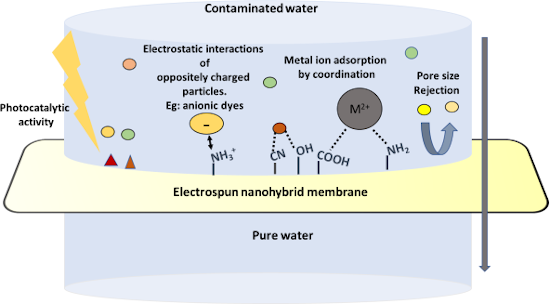
- particulate matter. Ge et al. developed an electrospun nanocomposite with rare earth-fused polyurethane to adsorb volatile organic compounds, which are air pollutants [16]. Al-Attabi et al. fabricated a nanohybrid for the submicrometer aerosol particle size filtration by doping wrinkled silica into PAN via
- . developed a superhydrophilic and underwater superoleophobic nanofibrous membrane of PAN with hierarchically structured skin constructed by electrospraying silica nanoparticles (SiO2 NPs) mixed in a dilute PAN solution on the top surface of an electrospun PAN membrane. The SiO2 NPs have been used to increase





Sputtering onto liquids: a critical review
Beilstein J. Nanotechnol. 2022, 13, 10–53, doi:10.3762/bjnano.13.2






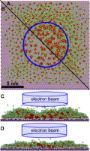
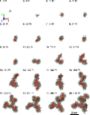
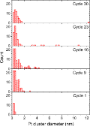
Irradiation-driven molecular dynamics simulation of the FEBID process for Pt(PF3)4
Beilstein J. Nanotechnol. 2021, 12, 1151–1172, doi:10.3762/bjnano.12.86
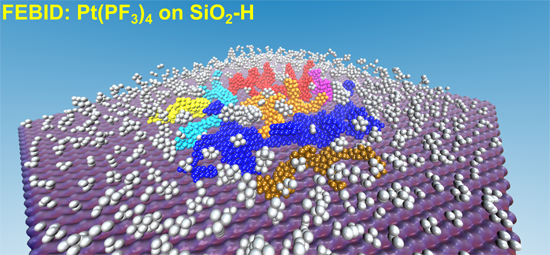
- amorphous substrates, for example, amorphous silica or amorphous carbon, which are commonly used in FEBID and surface science experiments. The structure of precursor molecules, their interaction with a substrate, and the dynamics of nanostructure formation and growth are influenced by interatomic








Use of nanosystems to improve the anticancer effects of curcumin
Beilstein J. Nanotechnol. 2021, 12, 1047–1062, doi:10.3762/bjnano.12.78
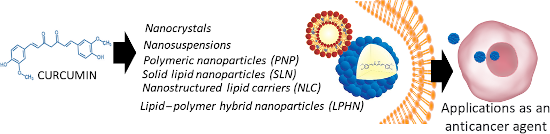
- silica nanoparticles showed a synergistic therapeutic effect in in vivo and in vitro models of liver cancer due to their superior superparamagnetic properties, hyperthermia, high CUR-loading capacity, and sensitivity to the microenvironment of the tumor [137]. Authors argue that the magnetic sensitivity


Comprehensive review on ultrasound-responsive theranostic nanomaterials: mechanisms, structures and medical applications
Beilstein J. Nanotechnol. 2021, 12, 808–862, doi:10.3762/bjnano.12.64
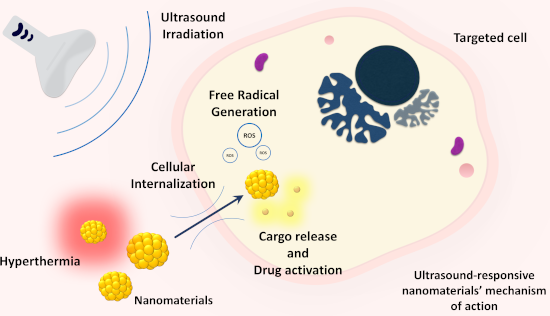
- (conventional and echogenic), niosomes, nanoemulsions, polymeric nanoparticles, chitosan nanocapsules, dendrimers, hydrogels, nanogels, gold nanoparticles, titania nanostructures, carbon nanostructures, mesoporous silica nanoparticles, fuel-free nano/micromotors. Keywords: smart nanomaterials; sonodynamic
- , dendrimers, and capsules), lipid-based carriers (including liposomes and solid lipid NP), and non-polymer-based structures (including nanomachines, gold NPs, titanium, carbon, and silica nanostructures) along with some other novel NPs which can trigger drug release after US activation. A discussion on these
- ]. Various nanostructures have been developed for free radical generation under US irradiation. A novel nanostructure was constructed based on a BNN-type NO-releasing molecule and superparamagnetic iron oxide nanoparticles (SPION)-encapsulated mesoporous silica NPs (MSN) which could generate NO free radicals


Recent progress in magnetic applications for micro- and nanorobots
Beilstein J. Nanotechnol. 2021, 12, 744–755, doi:10.3762/bjnano.12.58
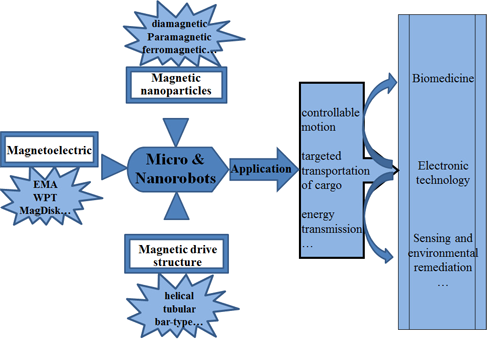
- analyte. The magnetic bead (MaB) architecture is composed of a 15 nm iron oxide (Fe3O4) superparamagnetic core encased in a silica shell. The DNA strands are conjugated to the polymeric brush using a flexible linker. The brush permits passage of the nanoparticles through cell membranes, and prevents


A review of defect engineering, ion implantation, and nanofabrication using the helium ion microscope
Beilstein J. Nanotechnol. 2021, 12, 633–664, doi:10.3762/bjnano.12.52


Boosting of photocatalytic hydrogen evolution via chlorine doping of polymeric carbon nitride
Beilstein J. Nanotechnol. 2021, 12, 473–484, doi:10.3762/bjnano.12.38
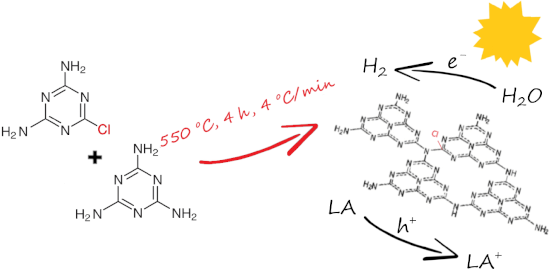
- removal. Then, the reactor was irradiated with a Xe lamp (150 W) with an air mass filter (A.M. 1.5 G) to achieve a simulated solar light. The photocatalytic H2 evolution rate was analyzed by using a Young Lin 6500 gas chromatograph (GC, micro TCD detector, ValcoPLOT Molesieve 5 Å fused-silica column, and


The impact of molecular tumor profiling on the design strategies for targeting myeloid leukemia and EGFR/CD44-positive solid tumors
Beilstein J. Nanotechnol. 2021, 12, 375–401, doi:10.3762/bjnano.12.31
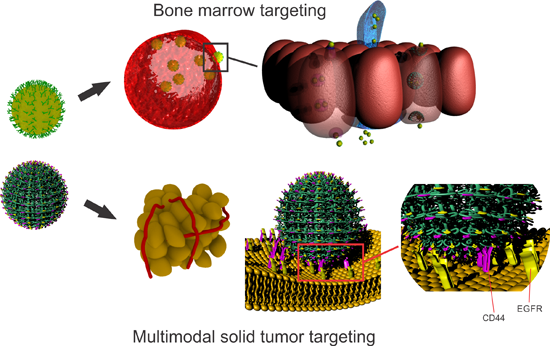
- developed E-selectin-targeted porous silicon particles with capabilities for selective uptake to the BM [35]. The authors formulated a multistage carrier composed of porous silica microparticles that encapsulate nanoscale paclitaxel-loaded liposomes. The porous silica particles were decorated with E
- leukemia cell population, Mandal and co-workers developed mesoporous silica nanoparticles decorated with an anti-B220 antibody intended for B220+LSC targeting [53]. The daunorubicin-loaded targeted nanoparticles demonstrated selective efficacy against B220+/Mac1− cells, relative to B220− AML LSCs. In
- itself proved to be non-toxic to healthy BALB/c mice. The co-delivery strategy has the potential to overcome therapy-induced niche-mediated leukemia resistance in AML. Dong et al. developed a biomimetic NDDS composed of a mesoporous silica nanoparticulate core loaded with daunorubicin and coated with


Structural and optical characteristics determined by the sputtering deposition conditions of oxide thin films
Beilstein J. Nanotechnol. 2021, 12, 354–365, doi:10.3762/bjnano.12.29
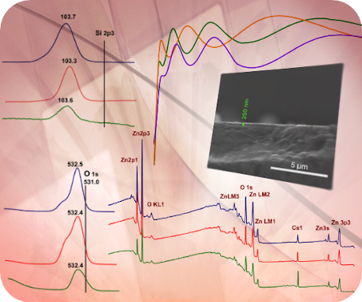
- , respectively), in order to precisely control and regulate the flow of gases into the deposition chamber. Quartz (fused silica, NEGS2) slides with dimensions of 2 cm × 2 cm × 0.1 cm were used as substrates. Initially, all substrates were cleaned in an ultrasonic bath to ensure good reproducibility of the


Doxorubicin-loaded gold nanorods: a multifunctional chemo-photothermal nanoplatform for cancer management
Beilstein J. Nanotechnol. 2021, 12, 295–303, doi:10.3762/bjnano.12.24
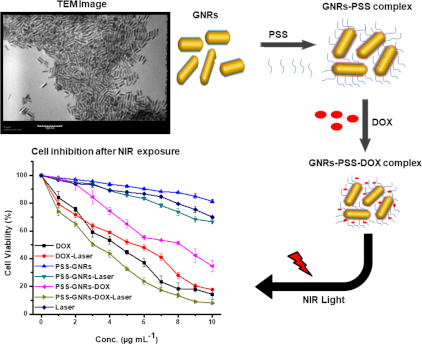
- , such as DOX [18]. Advanced synergistic therapies, such as the combination of chemotherapy and photothermal therapy, have been applied to enhance the overall therapeutic efficacy [19]. This includes magnetic cores capped with gold nanorods, silica nanorattle gold shells, and DNA-based platforms loaded


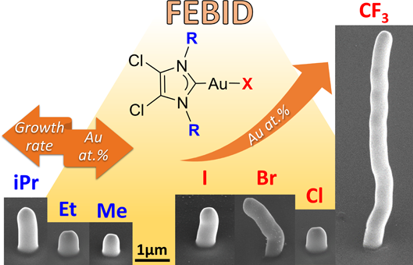
Gold(I) N-heterocyclic carbene precursors for focused electron beam-induced deposition
Beilstein J. Nanotechnol. 2021, 12, 257–269, doi:10.3762/bjnano.12.21
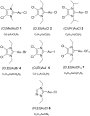
- purified through column chromatography (DCM, silica). The product was obtained as an off-white powder (100.3 mg, 89%). 1H NMR (400 MHz, CD2Cl2) δ 4.29 (q, J = 7.3 Hz, 4H, -CH2-), 1.44 (t, J = 7.3 Hz, 6H, -CH3); 13C NMR (101 MHz, CD2Cl2) δ 174.1 (NHC-C), 116.9 (=C-Cl), 46.3 (-CH2-), 16.0 (-CH3); MS (ESI
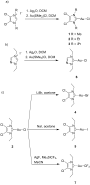
- evapouration and the resulting white solid was partially dissolved in dichloromethane (DCM), filtered, and purified through column chromatography (DCM, silica). The obtained orange powder was precipitated from layering of DCM and pentane. The product was obtained as a white powder (89.2 mg, 72%). 1H NMR (600
- yellow coloration of the suspension was observed. After 4 h of stirring in the dark the yellow suspension was filtered and concentrated to dryness. The solid was purified by column chromatography (silica, DCM) and an orange product was obtained. Upon recrystallization from layered DCM and pentane, white





Scanning transmission helium ion microscopy on carbon nanomembranes
Beilstein J. Nanotechnol. 2021, 12, 222–231, doi:10.3762/bjnano.12.18
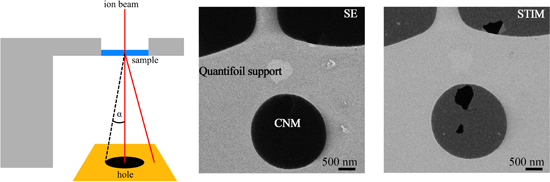
- [18], Hall measured the thickness of a silicon nitride membrane down to 5 nm using the bright-field signal [19]. A different detection method is the use of a microchannel plate (MCP). Woehl et al. were able to resolve the core–shell structure of silica-coated gold nanoparticles with an annular


A review on the biological effects of nanomaterials on silkworm (Bombyx mori)
Beilstein J. Nanotechnol. 2021, 12, 190–202, doi:10.3762/bjnano.12.15
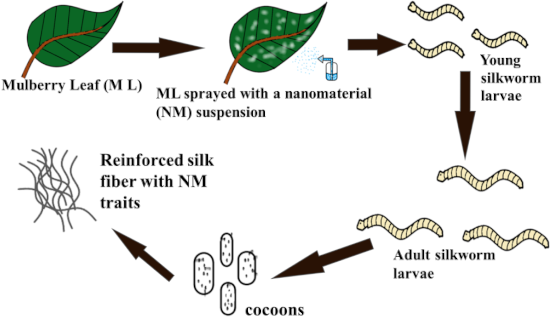
- germination of seeds prove that the incorporation of nanotechnology in agriculture can boost crop production and the use of nanoscale pesticides [35] can improve crop protection. Silica is an example of a nanomaterial used in the formulation of nanoscale pesticides, which are used to control pest incidence
- and Drosophila [129]. Also, liver damage was reported in mice following treatment with silica nanoparticles for three months [130]. Higher concentrations and sublethal doses of some nanomaterials result in higher mortality, poor cocoon quality, and lower body weight when compared to control groups


Effect of different silica coatings on the toxicity of upconversion nanoparticles on RAW 264.7 macrophage cells
Beilstein J. Nanotechnol. 2021, 12, 35–48, doi:10.3762/bjnano.12.3

- of Applied Sciences, Fachbereich Chemie- und Biotechnologie, Stephanstr. 7, D-64295 Darmstadt, Germany 10.3762/bjnano.12.3 Abstract Upconversion nanoparticles (UCNPs), consisting of NaYF4 doped with 18% Yb and 2% Er, were coated with microporous silica shells with thickness values of 7 ± 2 and 21
- course of 24h, particles with thicker shells release fewer lanthanide ions than particles with thinner shells. However, even a 21 ± 3 nm thick silica layer does not entirely block the disintegration process of the UCNPs. 3-(4,5-dimethylthiazol-2-yl)-2,5-diphenyltetrazolium bromide (MTT) assays and cell
- cytometry measurements performed on macrophages (RAW 264.7 cells) indicate that cells treated with amino-functionalized particles with a thicker silica shell have a higher viability than those incubated with UCNPs with a thinner silica shell, even if more particles with a thicker shell are taken up. This


Bio-imaging with the helium-ion microscope: A review
Beilstein J. Nanotechnol. 2021, 12, 1–23, doi:10.3762/bjnano.12.1
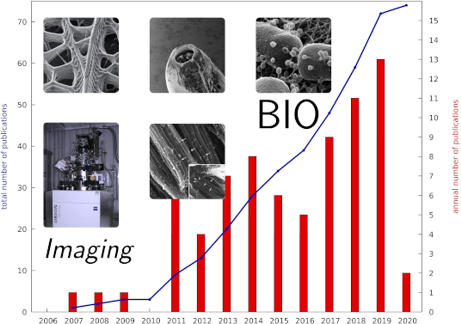
- epithelial cells with silica nanoparticles with HIM at the Microscopy and Microanalytics Conference 2011 [11]. In their abstract, they suggested that Rutherford back-scattering imaging in the HIM enables the distinction of nanoparticles from cell surface structures at nanometre resolution. In a different


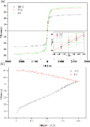
Free and partially encapsulated manganese ferrite nanoparticles in multiwall carbon nanotubes
Beilstein J. Nanotechnol. 2020, 11, 1891–1904, doi:10.3762/bjnano.11.170
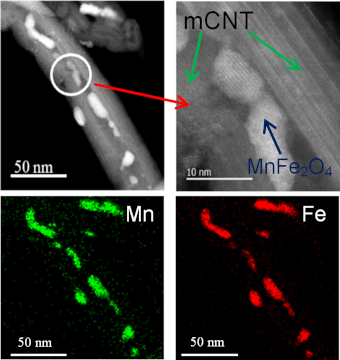
- were attributed to an increase in the dipolar interparticle interactions due to the close packing of nanoparticles within the tubes [7]. There are several potential applications that use metal–metal oxide/CNTs hybrid systems. Carbon nanostructures decorated with titania and silica are used for the




Scanning transmission imaging in the helium ion microscope using a microchannel plate with a delay line detector
Beilstein J. Nanotechnol. 2020, 11, 1854–1864, doi:10.3762/bjnano.11.167
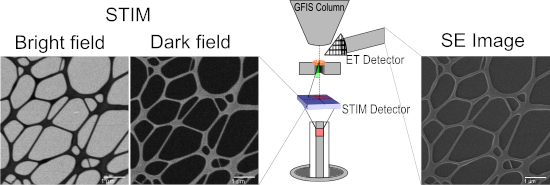
- annular microchannel plate detector was used for investigating gold–silica core–shell nanoparticles in ADF mode [30]. These approaches require a physical aperture to restrict the acceptance angle when performed in BF, and a physical change of the distance between the sample and the annular detector to


Unravelling the interfacial interaction in mesoporous SiO2@nickel phyllosilicate/TiO2 core–shell nanostructures for photocatalytic activity
Beilstein J. Nanotechnol. 2020, 11, 1834–1846, doi:10.3762/bjnano.11.165
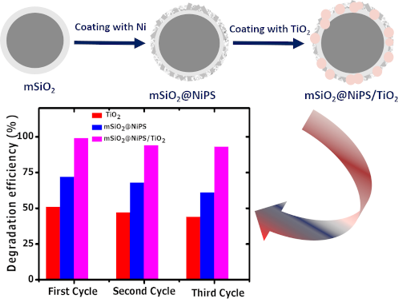
- nanostructures are attractive candidates for photocatalysis owing to their tunable physicochemical properties, their interfacial contact effects, and their efficacy in charge-carrier separation. This study reports, for the first time, on the synthesis of mesoporous silica@nickel phyllosilicate/titania (mSiO2
- [24][25]. One method to maximize the SiO2–TiO2 interaction is via the synthesis of core–shell nanostructures or nanocomposites [18][19][26][27]. Ikeda et al. [26] reported an improved photodecomposition of acetic acid by using a titania core@hollow silica shell nanostructured catalyst. Similarly, Ren
- . Although rattle-type TiO2@void@SiO2 systems could provide high dye adsorption ability, a core–shell architecture (TiO2@SiO2) provides a better separation rate of the photogenerated electrons and holes by restricting the electron–hole recombination through the close interaction of silica with the titania


Nanocasting synthesis of BiFeO3 nanoparticles with enhanced visible-light photocatalytic activity
Beilstein J. Nanotechnol. 2020, 11, 1822–1833, doi:10.3762/bjnano.11.164
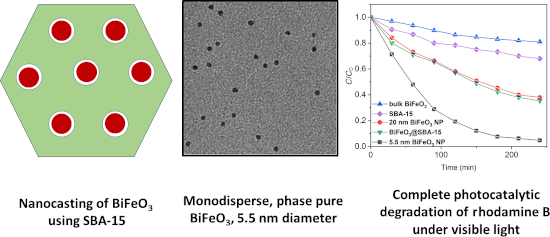
- Fuerzas Armadas ESPE, Av. Gral. Rumiñahui s/n, Sangolquí, PO Box 171-5-231B, Ecuador 10.3762/bjnano.11.164 Abstract In this work, monodisperse BiFeO3 nanoparticles with a particle diameter of 5.5 nm were synthesized by a nanocasting technique using mesoporous silica SBA-15 as a hard template and pre
- diameter corresponding to the pore size of the porous matrix and, consequently, by a high specific surface area. Silica matrices, such as Santa Barbara Amorphous silica (SBA-15) or Korean Advanced Institute of Science and Technology silica (KIT-6), have been used successfully as hard templates to
- sieve. Mesoporous silica SBA-15 with a pore size diameter of approximately 8 nm was prepared according to the procedures describe elsewhere [38][42]. Please find the corresponding small-angle xrd pattern (Figure S3), BET analysis (Figure S4, Table S2) and a TEM image (Figure S5) of the synthesized SBA


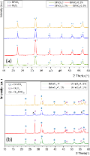


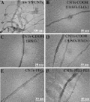
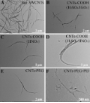
PEG/PEI-functionalized single-walled carbon nanotubes as delivery carriers for doxorubicin: synthesis, characterization, and in vitro evaluation
Beilstein J. Nanotechnol. 2020, 11, 1728–1741, doi:10.3762/bjnano.11.155
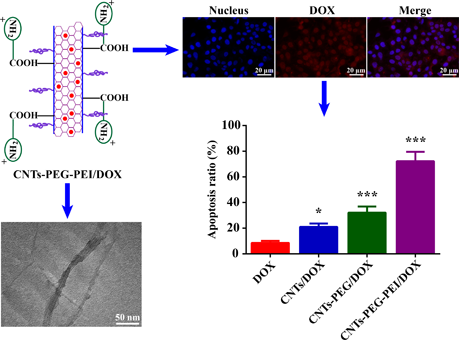
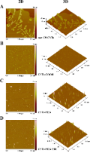
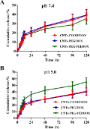
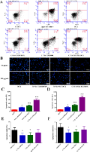
- modification with PEG or PEI [40]. It should be noted that LE and EE of CNT carriers in this study are higher than those of other nanocarriers such as mesoporous silica nanoparticles (MSNs) or liposomes [39]. In vitro drug release Due to the encapsulation in the nanocarriers after drug loading, a premature




Application of contact-resonance AFM methods to polymer samples
Beilstein J. Nanotechnol. 2020, 11, 1714–1727, doi:10.3762/bjnano.11.154
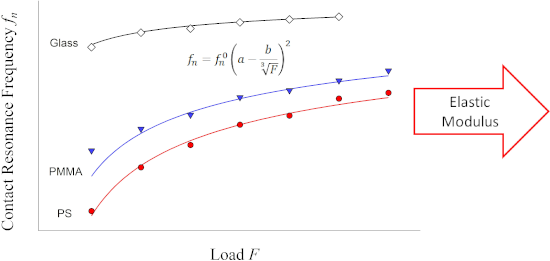
- with a Cypher AFM (Asylum Research, Oxford Instruments, Santa Barbara, USA). Two kinds of silicon AFM tips have been used: PPP-FMAuD (kc ≅ 3 N/m) from Nanosensors (NanoWorld, Neuchatel, Switzerland) and AC240 (kc = 0.775 N/m) from Asylum Research. Additional measurements have been done with a silica


Out-of-plane surface patterning by subsurface processing of polymer substrates with focused ion beams
Beilstein J. Nanotechnol. 2020, 11, 1693–1703, doi:10.3762/bjnano.11.151
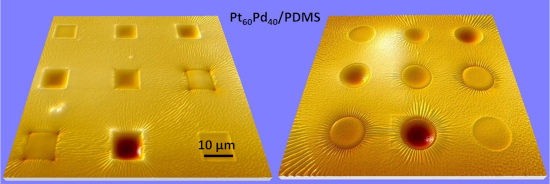
- referred to in the literature as ”wrinkles”) on the irradiated PDMS surface has also been reported. This is attributed to the formation of a silica-like, stiff skin layer that buckles to release the accumulated strain energy [29]. Remarkably, we did not observe any rippling in the irradiated areas within


Helium ion microscope – secondary ion mass spectrometry for geological materials
Beilstein J. Nanotechnol. 2020, 11, 1504–1515, doi:10.3762/bjnano.11.133
- glass matrix with two different densities, 2.2 and 3.3 g·cm−3, that is, respectively, low-density and high-density silica glass. Different matrix materials can also affect the ionization probability of the sputtered material. Thus, it is necessary to properly match the matrix of the samples and



Antimicrobial metal-based nanoparticles: a review on their synthesis, types and antimicrobial action
Beilstein J. Nanotechnol. 2020, 11, 1450–1469, doi:10.3762/bjnano.11.129
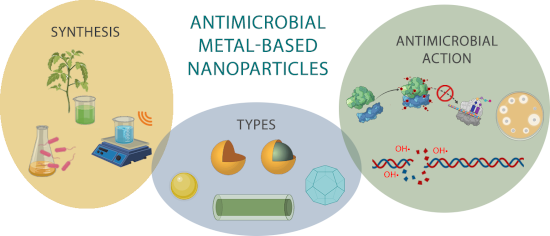
- agents. Although the most studied nanoparticles with antimicrobial properties are metallic or metal-oxide nanoparticles, other types of nanoparticles, such as superparamagnetic iron-oxide nanoparticles and silica-releasing systems also exhibit antimicrobial properties. Finally, since the quantification
- field [19]. An interesting strategy to increase the antimicrobial efficiency of metal-based nanoparticles is the use of silica and carbon compounds as delivery systems [20]. The broad range of metal-based nanoparticles, the types of NP synthesis, and their antimicrobial activity were further explored in
- by using a 60 mg mL−1 SPION solution and applying an alternating current for 8 min. Silica- and carbon-derived nanoparticles Over the last years, several studies have revealed that silica nanoparticles are excellent antimicrobial metal-releasing systems due to their high chemical and thermal





