Search results
Search for "washing" in Full Text gives 274 result(s) in Beilstein Journal of Nanotechnology. Showing first 200.
Applications of superparamagnetic iron oxide nanoparticles in drug and therapeutic delivery, and biotechnological advancements
Beilstein J. Nanotechnol. 2020, 11, 1092–1109, doi:10.3762/bjnano.11.94
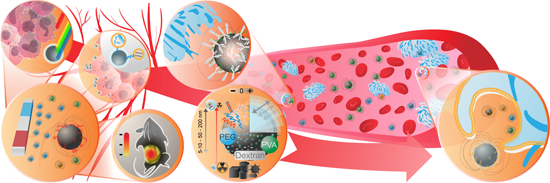
- histidine–proline-rich glycoprotein, kininogen, prekallikrein, mannose-binding lectins, complement factors, clotting factors, immunoglobulins, fibronectin, and fibrinogen. They obtained the equivalent of 1 mg of proteins bound to 1 mg of iron oxide (in the case of extensive washing). This corona of proteins


Plant growth regulation by seed coating with films of alginate and auxin-intercalated layered double hydroxides
Beilstein J. Nanotechnol. 2020, 11, 1082–1091, doi:10.3762/bjnano.11.93
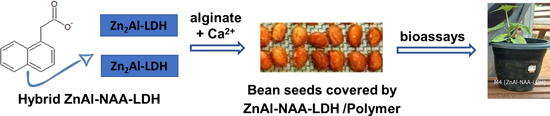
- ; nitric acid (HNO3, 65.0%) was provided by F. Maia; sodium hydroxide (NaOH, 99.0%) was provided by Isofar and sodium hypochlorite (NaClO, 2.5%) was supplied by Merck. Water used for synthesis and washing of LDH was deionized by a Milli-Q® system. Synthesis of the layered double hydroxide The ZnAl-NAA-LDH



A 3D-polyphenylalanine network inside porous alumina: Synthesis and characterization of an inorganic–organic composite membrane
Beilstein J. Nanotechnol. 2020, 11, 938–951, doi:10.3762/bjnano.11.78
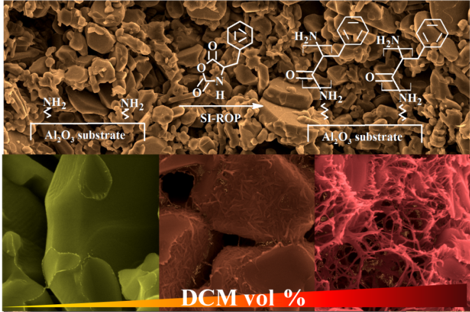
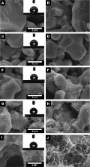
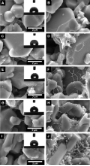
- gas atmosphere followed by three washing steps with fresh toluene followed by drying under argon and under vacuum. Crosslinking of the grafted silanes was performed at 120 °C under vacuum for two hours. Amino-prefunctionalized ALOX-membranes were stored under inert gas atmosphere until use. NH2-ALOX
- connected with a washing bottle filled with 1 M NaOH solution of water. 50 mL of anhydrous THF and the suspension was warmed up to 50 °C. Under a stream of argon, 3 g (10.1 mmol) of triphosgene was added and the suspension was stirred for 20 min. The suspension starts to clear up and portions of 100 mg of




Nickel nanoparticles supported on a covalent triazine framework as electrocatalyst for oxygen evolution reaction and oxygen reduction reactions
Beilstein J. Nanotechnol. 2020, 11, 770–781, doi:10.3762/bjnano.11.62
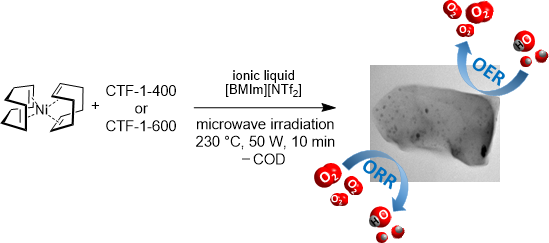
- , it was washed with 200 mL diluted hydrochloric acid (HCl) (2 mol/L) for 24 h. The washing process was further continued with millipore water (3 × 75 mL), tetrahydrofuran (THF) (3 × 75 mL) and acetone (3 × 75 mL). The resulted product was dried under high vacuum at 120 °C overnight. The same procedure


A novel dry-blending method to reduce the coefficient of thermal expansion of polymer templates for OTFT electrodes
Beilstein J. Nanotechnol. 2020, 11, 671–677, doi:10.3762/bjnano.11.53
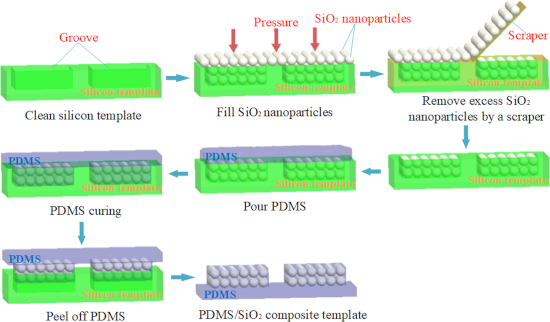
- template, Kalsoom et al. [15] treated non-porous HPHT microdiamond powder with a size of 2–4 μm with sodium hydroxide and nitric acid followed by intensive washing with deionised water to reduce the tendency to agglomerate. Then, 30 wt % of the synthetic microparticles was added to the acrylate polymer to


Examination of the relationship between viscoelastic properties and the invasion of ovarian cancer cells by atomic force microscopy
Beilstein J. Nanotechnol. 2020, 11, 568–582, doi:10.3762/bjnano.11.45
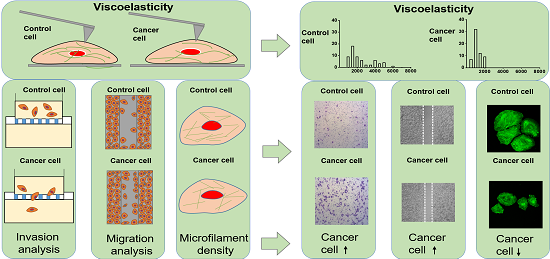
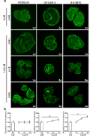
- . Then, the culture medium was removed and 1 mL PBS was added to each culture dish. After washing three times with PBS, the samples with or without echinomycin treatments were fixed by 4% paraformaldehyde (PFA) for 15 min, and 0.1% Triton-X-100 was used for permeabilization. After that, the cells were


Identification of physicochemical properties that modulate nanoparticle aggregation in blood
Beilstein J. Nanotechnol. 2020, 11, 550–567, doi:10.3762/bjnano.11.44
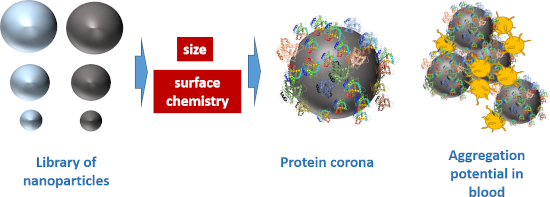
- binding coronas as previously described [26]. After the last washing step, the pelleted samples were suspended in 20 μL PBS and 10 μL of 3X Blue Loading Buffer Reagents (New England biolabs) that contained DTT in a ratio of 1:10 following the manufacturer instructions. The samples were sonicated for 5 min




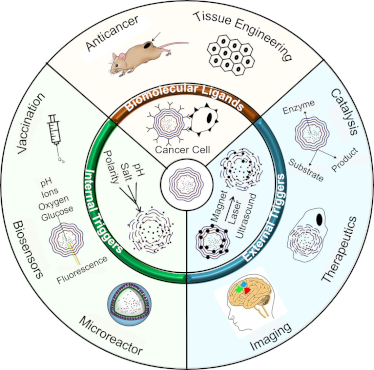
Multilayer capsules made of weak polyelectrolytes: a review on the preparation, functionalization and applications in drug delivery
Beilstein J. Nanotechnol. 2020, 11, 508–532, doi:10.3762/bjnano.11.41



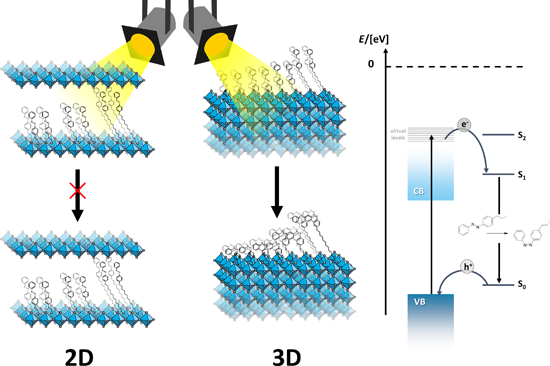
Interfacial charge transfer processes in 2D and 3D semiconducting hybrid perovskites: azobenzene as photoswitchable ligand
Beilstein J. Nanotechnol. 2020, 11, 466–479, doi:10.3762/bjnano.11.38
- nitrosobenzene (1.25 equiv) in glacial acetic acid. After stirring at 80 °C for 24 h a brown precipitate was obtained. The solid was dissolved in DCM and separated from the glacial acetic acid. After washing the organic phase with purified water three times the solvent was removed [62]. Chromatographic




High dynamic resistance elements based on a Josephson junction array
Beilstein J. Nanotechnol. 2020, 11, 417–420, doi:10.3762/bjnano.11.32
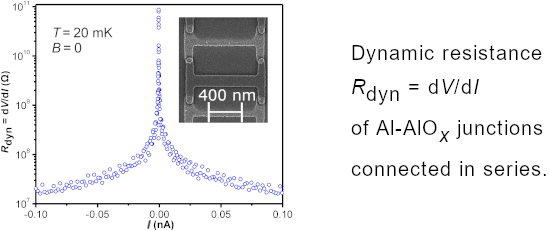
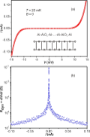
- current values have been detected so far [10]. Later it was understood that the straightforward approach of using a high-Ohmic dissipative environment, Renv > RQ, is far from optimal, as it introduces Johnson noise, washing out the desired current singularities [11]. Various JJ-based systems were

Poly(1-vinylimidazole) polyplexes as novel therapeutic gene carriers for lung cancer therapy
Beilstein J. Nanotechnol. 2020, 11, 354–369, doi:10.3762/bjnano.11.26
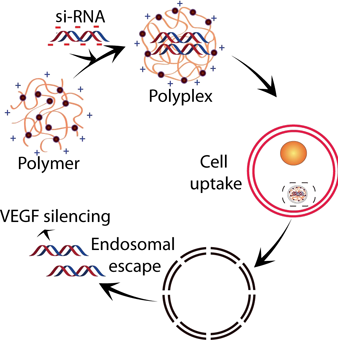
- plate. When the cells reached confluency, medium was removed and non-adherent cells were removed by washing with PBS. The polyplexes containing fluorescent siRNA were added to 100 µL of serum-free media so that the final concentration of siRNA in the system was 100 nM. At pre-determined time points, the


Synthesis of amorphous and graphitized porous nitrogen-doped carbon spheres as oxygen reduction reaction catalysts
Beilstein J. Nanotechnol. 2020, 11, 1–15, doi:10.3762/bjnano.11.1
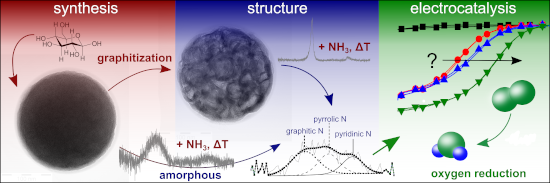
- (HRTEM) images of the resulting particles showed that the graphite layers are arranged along the longitudinal axis of the fibers [37]. After the acidic washing process, neither XPS nor EDX showed, for g-NCS-850 and g-NCS-1000, Fe or Fe3C particles within the spheres, which are commonly found for the Fe
- (similar N-configuration, N content, SSA/ESA, and microporosity), it is not astonishing that these two materials show comparable ORR activities (Figure 8a,d). Additionally, this result also strongly supports our claim that the acidic washing of the graphitized catalysts is able to largely remove the iron
- ). Iron catalyst particles were removed by acid leaching with 2 M hydrochloric acid, followed by filtration, washing with aqua dest. to a neutral pH value and drying [32]. N-doping was realized in the same way as described for the NCS sample series; thereby the N-doping temperature is set to the same

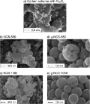
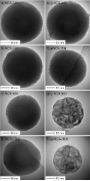

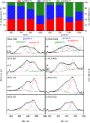


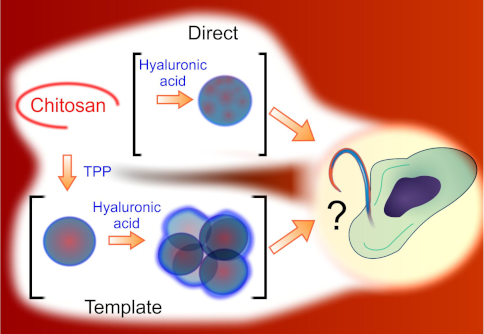
The different ways to chitosan/hyaluronic acid nanoparticles: templated vs direct complexation. Influence of particle preparation on morphology, cell uptake and silencing efficiency
Beilstein J. Nanotechnol. 2019, 10, 2594–2608, doi:10.3762/bjnano.10.250
- manufacturer’s instructions. After subsequent removal of medium and gentle washing with warmed PBS, 0.25 mL of complete medium containing 0.67 µg of anti-Luc siRNA (200 nM) encapsulated in nanoparticles (125 µg/mL) were added to each well, with anti-Luc siRNA/LTX complex used as a positive control for



Long-term stability and scale-up of noncovalently bound gold nanoparticle-siRNA suspensions
Beilstein J. Nanotechnol. 2019, 10, 2568–2578, doi:10.3762/bjnano.10.248
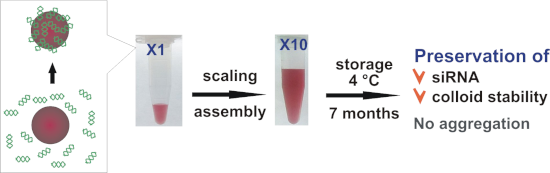
- under stirring at 1000 rpm. Unbound siRNA was washed off with sodium citrate (1 mL, 3.88 mM;), followed by centrifugation for 30 min at 16000g and 25 °С. This procedure was used in all experiments for washing. The supernatant was removed and stored if necessary. The sol was diluted with sodium citrate


Bombesin receptor-targeted liposomes for enhanced delivery to lung cancer cells
Beilstein J. Nanotechnol. 2019, 10, 2553–2562, doi:10.3762/bjnano.10.246
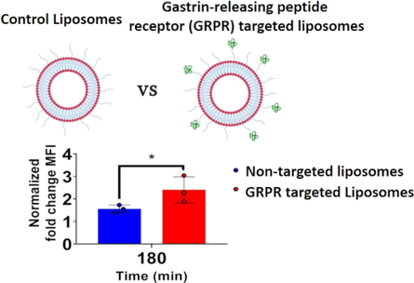
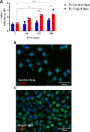
- ) A549-GRPR cells were exposed to 1 μg/mL of control or target liposomes for 15–180 min before washing and analysis of liposomal 1,2-dihexadecanoyl-sn-glycero-3-phosphoethanolamine (DHPE)-fluorescein intensity by flow cytometry. Fold-change median fluorescence intensity (MFI) was determined by correcting

Evaluation of click chemistry microarrays for immunosensing of alpha-fetoprotein (AFP)
Beilstein J. Nanotechnol. 2019, 10, 2505–2515, doi:10.3762/bjnano.10.241
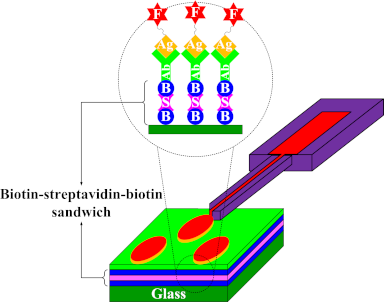
- probably caused by the drying effect that becomes more pronounced at elevated temperatures since the solvent evaporation is enhanced. When the material is dried out (and is thus only physisorbed onto the surface), it is more easily removed in the washing step before the fluorescence measurement. Based on
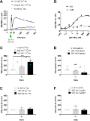
- . Here, the fluorescence remaining after washing of the microarray is highly reduced (Figure S2b). Finally, it should be noted that unlabeled AFP can also be detected in this approach. For demonstration, unlabeled AFP was spotted by µCS and stained via the same type of biotinylated antibodies as


The role of Ag+, Ca2+, Pb2+ and Al3+ adions in the SERS turn-on effect of anionic analytes
Beilstein J. Nanotechnol. 2019, 10, 2338–2345, doi:10.3762/bjnano.10.224
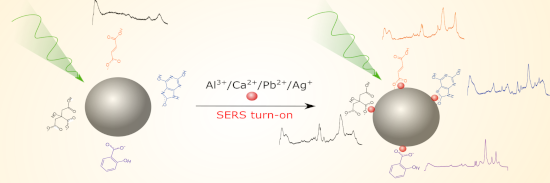
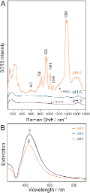
- cationic adions present on the silver surface are responsible for the specific adsorption of the anionic analytes enabling a SERS switch-on effect. For this, we eliminated the excess of free, unadsorbed Ca2+, Pb2+ or Al3+ from the colloidal solution by washing the activated cit-AgNPs as described in the
- Supporting Information File 1, Figure S5. Salicylic acid (50 µM) was added to the washed cit-AgNPs. The SERS spectrum of salicylic acid could be obtained only for the solutions containing cit-AgNPs that were activated with Ca2+, Pb2+ or Al3+ prior to washing (Supporting Information File 1, Figure S5
- ), whereas for the solutions with cit-AgNPs that were not activated with cations prior to washing, we did not obtain any SERS signal of salicylic acid indicating that salicylic acid did not adsorb on the bare cit-AgNPs. These results confirm that only the adsorbed cations facilitate the chemisorption of the


Atomic force acoustic microscopy reveals the influence of substrate stiffness and topography on cell behavior
Beilstein J. Nanotechnol. 2019, 10, 2329–2337, doi:10.3762/bjnano.10.223
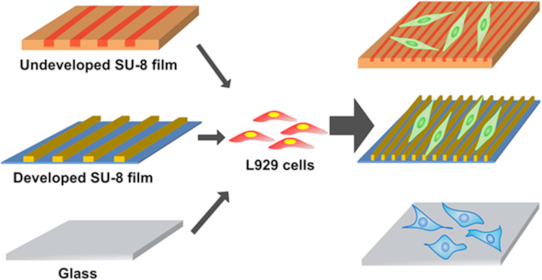
- 488) for 15 min, and the nuclei were stained blue by DAPI for 5 min. Finally, after washing once with PBS, the L929 cells were observed with a fluorescence microscope (Nikon ECLIPSE Ti). The images were captured using a Nikon DS-Ri2 camera, and imaging was repeated at least four times for each group


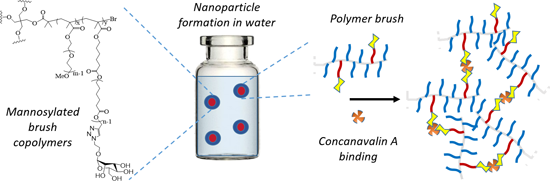
Mannosylated brush copolymers based on poly(ethylene glycol) and poly(ε-caprolactone) as multivalent lectin-binding nanomaterials
Beilstein J. Nanotechnol. 2019, 10, 2192–2206, doi:10.3762/bjnano.10.212
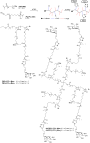
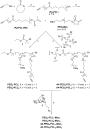
- filtered through a celite pad (h = 6 cm, Φ = 2 cm), washing with toluene, and then the filtrate was evaporated under reduced pressure. The residue was taken up in 112.5 mL of CH2Cl2, washed with brine (3 × 45 mL) and dried over anhydrous sodium sulfate. The solvent was evaporated under vacuum, obtaining
- performed by filtering the reaction mixture through a neutral alumina pad (h = 1.5 cm/mcrude (g), Φ = 2 cm), washing with CH2Cl2. Then the filtrate was dried under reduced pressure and the resulting crude was dissolved in the minimum amount of CH2Cl2 (ca. 1 mg/mL) and dripped in cold diethyl ether (CH2Cl2
- , pentaerythritol tetrakis(2-bromo-isobutyrate, 2) 80 mg/mL in THF) were added to the monomers. The reaction mixture was stirred for 6 h at 50 °C under nitrogen atmosphere. The purification was performed by filtering the reaction mixture through a neutral alumina pad (h = 1.5 cm/mcrude (g), Φ = 2 cm), washing with



Use of data processing for rapid detection of the prostate-specific antigen biomarker using immunomagnetic sandwich-type sensors
Beilstein J. Nanotechnol. 2019, 10, 2171–2181, doi:10.3762/bjnano.10.210
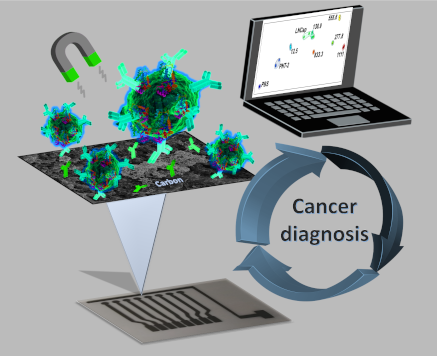
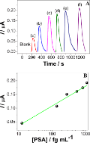
- buffer at pH 5.2 was added to the washed MNPs. It was shaken on a vortex-type stirrer for 5 min and on a rotary shaker for 30 min. Immediately after shaking, the particles were magnetically separated and washed with MES buffer again. The supernatant was then removed, and the washing procedure was
- and 0.1% BSA (four-fold). Later, 1.0 mL of glycine 1.0 mol·L−1 pH 8 was added to the solution. The solution was vortexed and stirred for 30 min at room temperature, followed by washing with 0.05% PBS/Tween-20 buffer, pH 7.4 and 2% BSA; and magnetic separation. Finally, the bioconjugate complex was


BergaCare SmartLipids: commercial lipophilic active concentrates for improved performance of dermal products
Beilstein J. Nanotechnol. 2019, 10, 2152–2162, doi:10.3762/bjnano.10.208
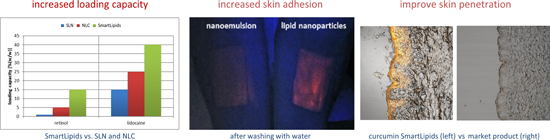
- room temperature (25°C, lower), [10]. Left: Nile red-labeled lipid nanoparticle suspension (right arm) and nanoemulsion (left arm) applied to human forearm directly after application. Right: Both arms after washing under flowing water with rubbing. The lipid nanoparticles are highly adhesive and mostly


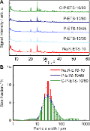
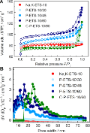
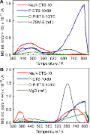
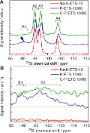
Synthesis of highly active ETS-10-based titanosilicate for heterogeneously catalyzed transesterification of triglycerides
Beilstein J. Nanotechnol. 2019, 10, 2039–2061, doi:10.3762/bjnano.10.200
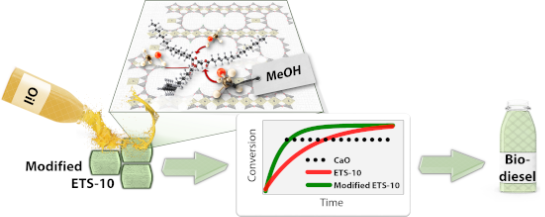
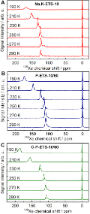
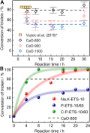
- homogenous transesterification of triglycerides with methanol in the presence of sodium hydroxide (NaOH) or potassium hydroxide (KOH), which is still in use on an industrial scale. Along with the obvious advantages of being highly active and relatively inexpensive (depending however on the number of washing








Pulsed laser synthesis of highly active Ag–Rh and Ag–Pt antenna–reactor-type plasmonic catalysts
Beilstein J. Nanotechnol. 2019, 10, 1958–1963, doi:10.3762/bjnano.10.192
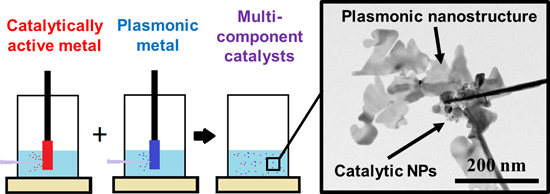
- activity after five cycles that did not persist after a higher number of cycles. The exact cause is presently unclear. Due to the unorthodox nature of the cycling experiments (i.e., no washing or solvent exchange between the cycles), the results are insufficient to conclude that the heterostructures are


Charge-transfer interactions between fullerenes and a mesoporous tetrathiafulvalene-based metal–organic framework
Beilstein J. Nanotechnol. 2019, 10, 1883–1893, doi:10.3762/bjnano.10.183
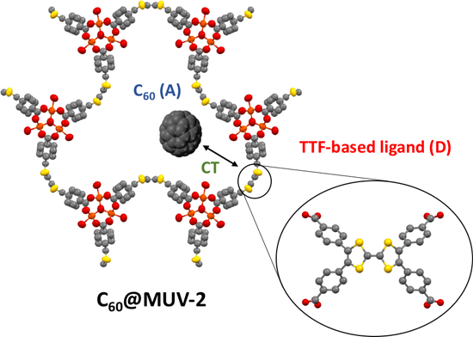
- and the framework, which are not strong enough to keep the C60 retained during the washing procedure. The CO2 isotherm on C60@MUV-2 at 298 K also showed a small decrease in the gas sorption capacity (Figure 4b), especially at high pressures (7.7 and 5.3 mmol CO2/g at 18 bar for MUV-2 and C60@MUV-2




Engineered superparamagnetic iron oxide nanoparticles (SPIONs) for dual-modality imaging of intracranial glioblastoma via EGFRvIII targeting
Beilstein J. Nanotechnol. 2019, 10, 1860–1872, doi:10.3762/bjnano.10.181
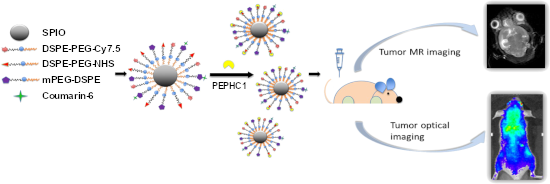
- . Subsequently, the brains of the tumor-bearing mice were separated and the tumor tissue were removed and immersed in 2.5% glutaraldehyde for 2 h at 4 °C, followed by washing with PBS and the remaining steps as previously reported [27]. Primary safety evaluation of PNPs The cytotoxicity of PNPs against U87MG and