


Search results
Search for "aluminum" in Full Text gives 253 result(s) in Beilstein Journal of Nanotechnology. Showing first 200.
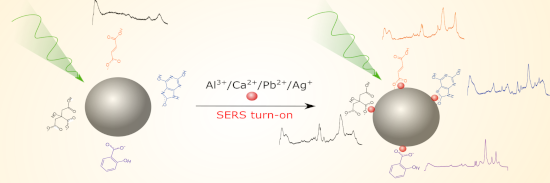
The role of Ag+, Ca2+, Pb2+ and Al3+ adions in the SERS turn-on effect of anionic analytes
Beilstein J. Nanotechnol. 2019, 10, 2338–2345, doi:10.3762/bjnano.10.224
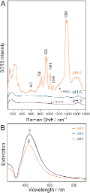
- emitting at 532 nm at a power of ≈20 mW measured on the sample. In form of 10 µL drops, the sample solution was placed on a microscope slide covered with aluminum foil. The laser was focused on the liquid drop using a 5× objective (NA = 0.12). The spectra were recorded by averaging four acquisitions of 4 s


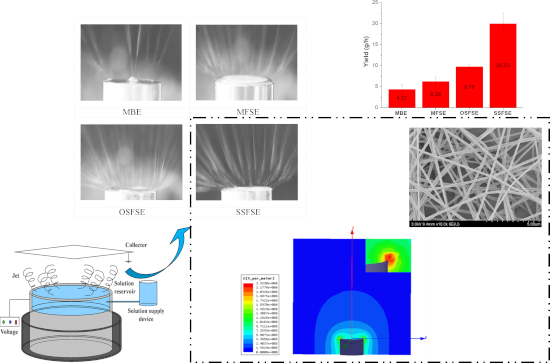
Four self-made free surface electrospinning devices for high-throughput preparation of high-quality nanofibers
Beilstein J. Nanotechnol. 2019, 10, 2261–2274, doi:10.3762/bjnano.10.218
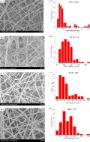
- reservoir to the grounded collector was 18 cm, and the collector surfaces (200 mm × 200 mm) were covered with conductive aluminum foil in order to easily remove the electrospun nanofibers for further measurements. The electrospun nanofibers were dried at room temperature and sputter-coated with a gold film
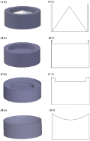
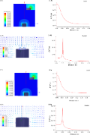
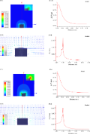
- the yield of nanofibers, W0 and W1 are the weights of the aluminum foils before and after spinning and t is the spinning time. Results and Discussion Modeling the electric field The results of the simulations of the electric field inside the MBE, MFSE, OSFSE and SSFSE devices are illustrated in Figure






Nontoxic pyrite iron sulfide nanocrystals as second electron acceptor in PTB7:PC71BM-based organic photovoltaic cells
Beilstein J. Nanotechnol. 2019, 10, 2238–2250, doi:10.3762/bjnano.10.216
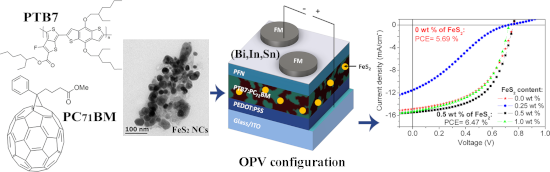
- active layer thickness was measured by AFM (Easyscan2 from Nanosurf) in contact mode employing cantilever tips with the aluminum reflective coating (ContAl-G) from BudgetSensors. The AFM roughness images were acquired in dynamic force mode (using PPP-NCLAu from NanoSensors), because it shows better


Green and scalable synthesis of nanocrystalline kuramite
Beilstein J. Nanotechnol. 2019, 10, 2073–2083, doi:10.3762/bjnano.10.202
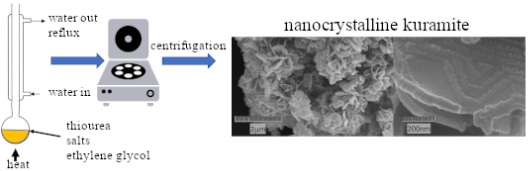
- SEM micrographs of the powders deposited on an aluminum stub after coating the sample with Au. The phase determination of the synthetic products was carried out on the Rietveld refinement of the XRD pattern by using the “GSAS II” software [46]. The instrumental parameters for the Rietveld refinement


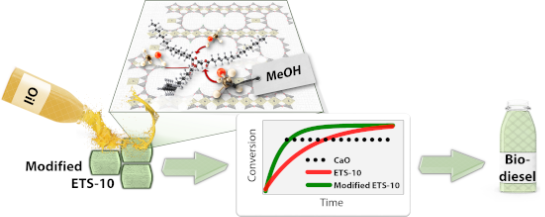
Synthesis of highly active ETS-10-based titanosilicate for heterogeneously catalyzed transesterification of triglycerides
Beilstein J. Nanotechnol. 2019, 10, 2039–2061, doi:10.3762/bjnano.10.200








Optimization and performance of nitrogen-doped carbon dots as a color conversion layer for white-LED applications
Beilstein J. Nanotechnol. 2019, 10, 2004–2013, doi:10.3762/bjnano.10.197
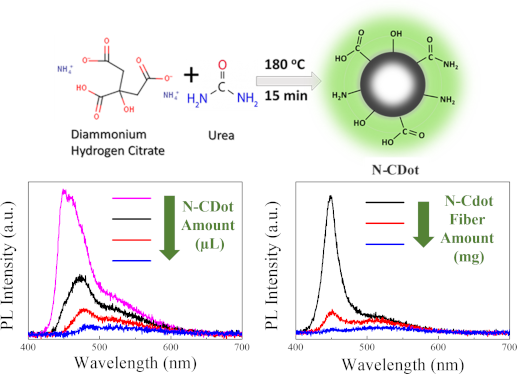
- configuration is the combination of a color conversion layer composed of yellow phosphors (e.g., cerium-doped yttrium aluminum garnet (YAG:Ce3+)) with a blue LED chip [33][34][35][36][37]. However, this configuration exhibits a low color rendering index (CRI) due to its red deficiency. Therefore, red phosphors
- per hour as the operating conditions of the electrospinning process. Owing to the potential difference between the syringe tip and the collector aluminum foil, the N-CDots were confined into sub-micrometer fibers by electrospinning. Results and Discussion Structural characterization of the N-CDots


TiO2/GO-coated functional separator to suppress polysulfide migration in lithium–sulfur batteries
Beilstein J. Nanotechnol. 2019, 10, 1726–1736, doi:10.3762/bjnano.10.168
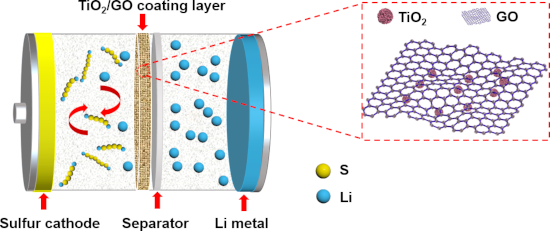
- coated onto an aluminum foil and vacuum-dried at 60 °C for 8 h. Finally, the cathodes were cut into a round shape with a diameter of 9 mm for coin-cell fabrication. Material characterization The crystalline structure of the samples was examined using XRD (Rigaku-TTRIII) with a step rate of 3° min−1. The


Novel hollow titanium dioxide nanospheres with antimicrobial activity against resistant bacteria
Beilstein J. Nanotechnol. 2019, 10, 1716–1725, doi:10.3762/bjnano.10.167
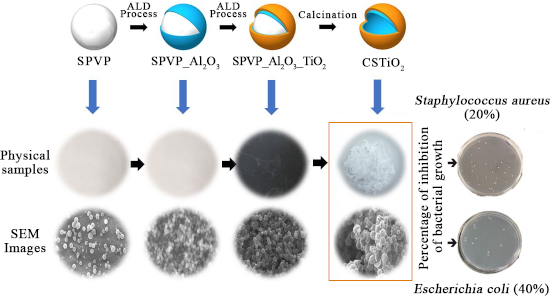
- performed (Figure 3c). Energy dispersive X-ray (EDX) analysis was performed to determine the elemental composition of CSTiO2 and to confirm the presence of both Al2O3 and TiO2 layers. The EDX mapping results are shown in Figure 4a, where red, green and yellow colors correspond to oxygen, aluminum and
- process effectively removed the PVP polymer, since CSTiO2 presented the same TGA curve as the commercial TiO2 NPs. TGA curves of CSTiO2 did not show any PVP degradation process thereby demonstrating that CSTiO2 was PVP-free. ii) The aluminum oxide and titanium dioxide deposited during the ALD processes
- mapping marked with red (oxygen), green (aluminum) and yellow (titanium), (b) EDX spectrum of a CSTiO2 SEM image; and (c) TGA curves of the developed structures. XRD diffraction patterns of: PVP electrosprayed spheres (SPVP), double coated spheres (SPVP_Al2O3_TiO2) and hollow TiO2 nanospheres (CSTiO2


Layered double hydroxide/sepiolite hybrid nanoarchitectures for the controlled release of herbicides
Beilstein J. Nanotechnol. 2019, 10, 1679–1690, doi:10.3762/bjnano.10.163
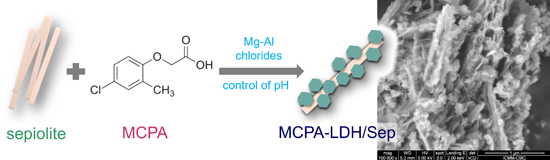
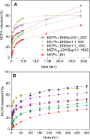
- coprecipitation step by assembling magnesium–aluminum layered double hydroxides (MgAl-LDH) and a sepiolite fibrous clay, with the simultaneous encapsulation of the herbicide 2-methyl-4-chlorophenoxyacetic acid (MCPA) as the MgAl-LDH retains its ion exchange properties. The synthetic procedure was advantageous in


Nanoporous smartPearls for dermal application – Identification of optimal silica types and a scalable production process as prerequisites for marketed products
Beilstein J. Nanotechnol. 2019, 10, 1666–1678, doi:10.3762/bjnano.10.162
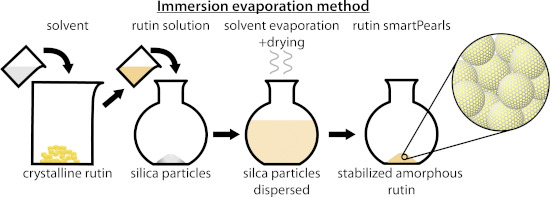
- Toledo GmbH, Germany) and calculated by the provided STARe software (version 12.10b). Exact amounts between 1–5 mg of rutin-loaded silica based on the respective mass of rutin (with a target of 0.5–1 mg) were weighed in a punctured 40 µL aluminum pan and sealed (n = 1). The measurements were performed at




Flexible freestanding MoS2-based composite paper for energy conversion and storage
Beilstein J. Nanotechnol. 2019, 10, 1488–1496, doi:10.3762/bjnano.10.147
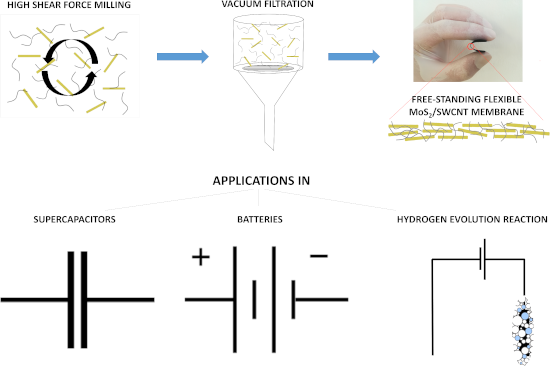
- the measurements. High-resolution X-ray photoelectron spectroscopy (XPS) was performed using an ESCAProbeP spectrometer (Omicron Nanotechnology Ltd, Germany) with a monochromatic aluminum X-ray radiation source (1486.7 eV). Wide-scan surveys of all elements were performed (0–1000 eV, step 0.5 eV) with


Superconducting switching due to a triplet component in the Pb/Cu/Ni/Cu/Co2Cr1−xFexAly spin-valve structure
Beilstein J. Nanotechnol. 2019, 10, 1458–1463, doi:10.3762/bjnano.10.144
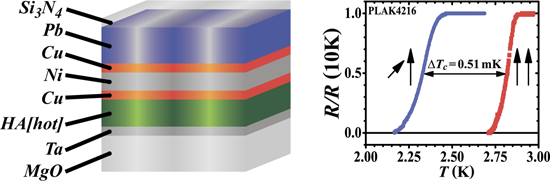
- at Tsub = 700 K to achieve the desired spin polarization of the conduction band of the HA. Indeed, in accordance with our previous work [17] the composition of our alloy, which we call a Heusler alloy, is, in reality, Co2Cr1−xFexAl0.63 with x = 0.48. Obviously, there is deficiency of aluminum in this



Highly ordered mesoporous silica film nanocomposites containing gold nanoparticles for the catalytic reduction of 4-nitrophenol
Beilstein J. Nanotechnol. 2019, 10, 1368–1379, doi:10.3762/bjnano.10.135
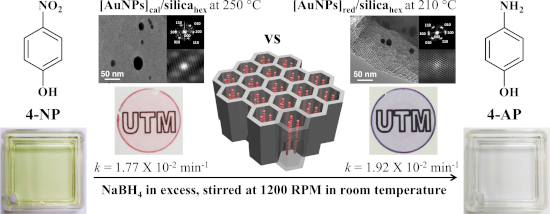
- × 10−3 mmol) was prepared before being added to [Au3Pz3]C10TEG (10.0 mg, 2.5 × 10⁻³ mmol). The mixture was left to dissolve for 20 minutes before tetrabutoxysilane (TBOS, 48 mg, 1.49 × 10⁻¹ mmol) was added into the solution. The sol–gel solution was covered with aluminum foil and aged for 12 hours at


Green fabrication of lanthanide-doped hydroxide-based phosphors: Y(OH)3:Eu3+ nanoparticles for white light generation
Beilstein J. Nanotechnol. 2019, 10, 1200–1210, doi:10.3762/bjnano.10.119
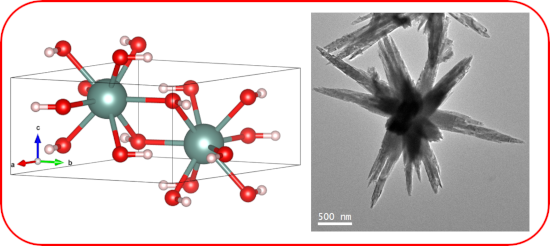
- , cerium-doped yttrium aluminum garnet (YAG:Ce3+) is a well-known yellow phosphor that is employed in an LED package together with a blue LED to create a white light LED (WLED) [14][15][16][17][18][19]. In such a case, the blue light emitted from the blue LED impinges on the phosphor-containing color
- ]. Experimental Materials and methods Yttrium(III) acetate hydrate (Y(Ac)3·xH2O; >99%), europium(III) acetate hydrate (Eu(Ac)3·H2O; >99%), and lithium hydroxide (LiOH; 98%) were purchased from Sigma-Aldrich (St. Louis, MO, USA) and used as-received without any further purification. Cerium-doped yttrium aluminum



Scavenging of reactive oxygen species by phenolic compound-modified maghemite nanoparticles
Beilstein J. Nanotechnol. 2019, 10, 1073–1088, doi:10.3762/bjnano.10.108
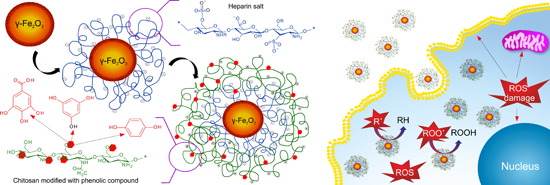
- solution (20 mL) of phenolic compound (0.35 mmol) was added dropwise, and the reaction vessel was wrapped with aluminum foil to protect the reactants from light. The mixture was magnetically stirred at RT for 24 h and dialyzed against water, which was changed at least eight times, for 48 h using a membrane





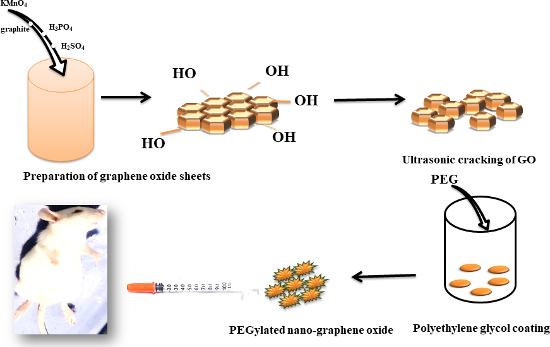
The systemic effect of PEG-nGO-induced oxidative stress in vivo in a rodent model
Beilstein J. Nanotechnol. 2019, 10, 901–911, doi:10.3762/bjnano.10.91
- acid (TCA) in a glass tube covered by aluminum foil. Then, 0.5 mL of an enzyme (diluted tissue homogenate) was added to the mixture and kept in a water bath at 100 °C for 30 min. Afterward, the mixture was allowed to cool at room temperature and was centrifuged at 1000g for 10 min. The absorbance was


An iridescent film of porous anodic aluminum oxide with alternatingly electrodeposited Cu and SiO2 nanoparticles
Beilstein J. Nanotechnol. 2019, 10, 735–745, doi:10.3762/bjnano.10.73
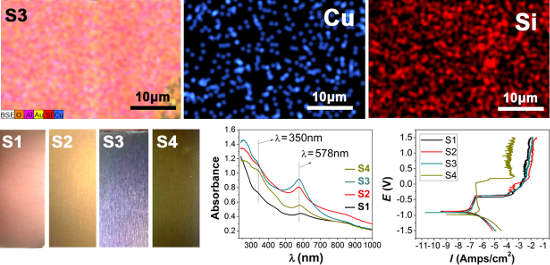
- , Melbourne, VIC, Australia 10.3762/bjnano.10.73 Abstract The structurally colored surface of anodic aluminum oxide (AAO) is highly useful for decoration and anti-counterfeiting applications, which are of significance for both scientific and industrial communities. This study presents the first demonstration
- of the fabrication of an iridescent film of porous AAO on an industrial aluminum alloy substrate, with alternatingly electrodeposited Cu and SiO2 nanoparticles (NPs). A rainbow effect was effectively obtained for the optimized sample with appropriate alternating electrodeposition times. The structure
- film that exhibited a rainbow effect and superior anti-corrosion performance. Keywords: aluminum alloys; anodic aluminum oxidation; interference-enabled color production; rainbow effect; structural color; Introduction Due to the low cost, high mechanical strength and ductility, and well-developed


Choosing a substrate for the ion irradiation of two-dimensional materials
Beilstein J. Nanotechnol. 2019, 10, 531–539, doi:10.3762/bjnano.10.54
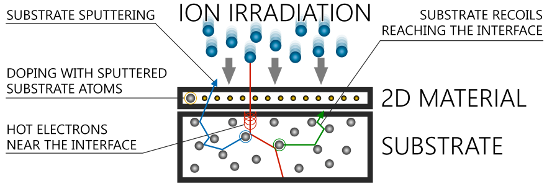
- . In a similar case of Al2O3 irradiation with carbon ions, components at ≈2.5 × 101 keV and ≈1 × 10² keV show maximum participation of sputtered oxygen and aluminum, respectively. The “unsplit” curves for compound targets indicate that for a given pair of components, the yield-energy product maxima
Nanoporous water oxidation electrodes with a low loading of laser-deposited Ru/C exhibit enhanced corrosion stability
Beilstein J. Nanotechnol. 2019, 10, 157–167, doi:10.3762/bjnano.10.15
- cover glasses (borosilicate glass, 18 × 18 mm2, 0.13–0.16 mm thickness) were purchased from Marienfeld-Superior. Aluminum plates (99.99%) for the anodization procedure were supplied by Smart-Membranes. The indium tin oxide sputter target (99.99%) was purchased from AEM. Preparation of planar samples For
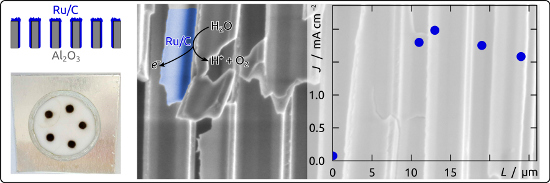
- isopropanol. Preparation of nanostructured samples Nanostructured Ru/C electrodes were prepared in several steps as illustrated in Figure 5. A standard two-step anodization of aluminum (represented as (a) in Figure 5) delivered the nanoporous aluminum oxide membranes further used as templates [35]. Aluminum
- plate connected to a closed-circuit cooler by Haake. The PVC beaker was filled with the electrolyte and closed with a lid equipped with a mechanical stirrer and silver wire mesh as counter-electrode. The whole setup was thermally insulated laterally. Electropolishing of the aluminum plates in a cooled




Scanning probe microscopy for energy-related materials
Beilstein J. Nanotechnol. 2019, 10, 132–134, doi:10.3762/bjnano.10.12

- relationship between Li-ion conductivity and the microstructure of the solid-state electrolyte lithium aluminum titanium phosphate films [10]. Furthermore, dielectric properties play a role for the storage of electrochemical energy. Ying Wang and co-workers report on a novel method for the characterization of
New micro/mesoporous nanocomposite material from low-cost sources for the efficient removal of aromatic and pathogenic pollutants from water
Beilstein J. Nanotechnol. 2019, 10, 119–131, doi:10.3762/bjnano.10.11
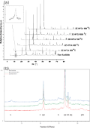
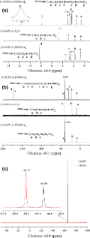
- referenced to a 0.5 M aqueous solution of aluminum nitrate. 13C and 29Si signals were referenced to tetramethylsilane (TMS). Other analysis Thermogravimetric /differential thermal analysis was performed on a Netzsch STA 449F3 from 25 to 1000 °C at 5 °C/min under N2. The point of zero charge (pHpzc) analysis
- , characteristic of tetrahedrally (T) and octahedrally (O) coordinated aluminum centers, respectively, in metakaolin [39][40]. The T/O ratio suggests that the fraction of T-coordinated Al is almost twice that of O-coordinated Al. A broader resonance with low intensity is observed at ≈−68 ppm, perhaps resulting




A comparison of tarsal morphology and traction force in the two burying beetles Nicrophorus nepalensis and Nicrophorus vespilloides (Coleoptera, Silphidae)
Beilstein J. Nanotechnol. 2019, 10, 47–61, doi:10.3762/bjnano.10.5
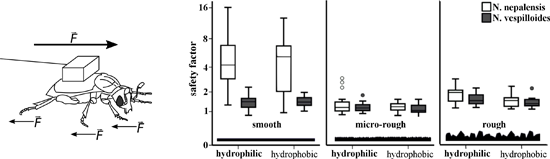
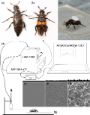
- resolution of 30 nN. Friction forces were detected by two independent high-resolution capacitive sensors, whereas a piezo actuator provided smooth and steady motion at a slow pace. The actual measuring head consisted of a metal pin, which had an aluminum oxide (Al2O3) surface at its tip (6.3 mm2). All



Zn/F-doped tin oxide nanoparticles synthesized by laser pyrolysis: structural and optical properties
Beilstein J. Nanotechnol. 2019, 10, 9–21, doi:10.3762/bjnano.10.2
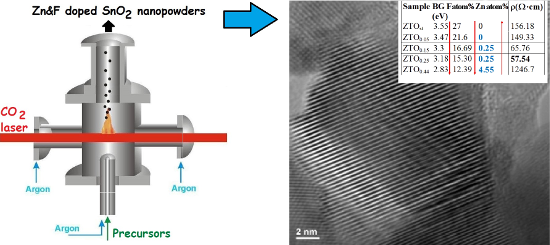
- .) antimony by spray pyrolysis [9] or by sol–gel methods followed by spin-coating and annealing in different environments [10], ii.) manganese by long-time annealing of Mn/SnO2 bilayers in air at 200 °C [11] or by co-precipitation [12], iii.) aluminum, copper or indium all by spray pyrolysis from ethanolic
- of the simultaneous doping with both cations and anions. In the case of a high aluminum and lower sulfur co-doped film made by spray pyrolysis at 480 °C, the transparency increased and the grain size was significantly reduced for the optimal composition [22]. This approach benefits from the reduction



A novel polyhedral oligomeric silsesquioxane-modified layered double hydroxide: preparation, characterization and properties
Beilstein J. Nanotechnol. 2018, 9, 3053–3068, doi:10.3762/bjnano.9.284
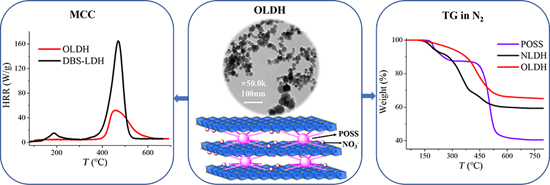
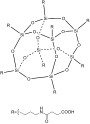
- , chloroform, formic acid, magnesium(II) nitrate hexahydrate (Mg(NO3)2·6H2O), aluminum(III) nitrate nonahydrate (Al(NO3)3·9H2O), sodium hydroxide (NaOH), tetrahydrofuran (THF) and concentrated hydrochloric acid (36.0–38.0 wt %) were obtained from Sinopharm Chemical Reagent Co., Ltd (Shanghai, China). Ultrapure







Femtosecond laser-assisted fabrication of chalcopyrite micro-concentrator photovoltaics
Beilstein J. Nanotechnol. 2018, 9, 3025–3038, doi:10.3762/bjnano.9.281
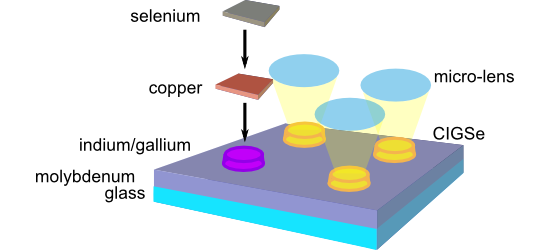
- state of the art. The electric back contact (molybdenum) covered with the highly-efficient light-absorber (CIGSe) on top is deposited on a carrier material (glass). A buffer layer (CdS), a window layer consisting of an intrinsic ZnO layer (ZnO) and an aluminum-doped ZnO layer (Al:ZnO) as transparent





