


Search results
Search for "ammonia" in Full Text gives 153 result(s) in Beilstein Journal of Nanotechnology.
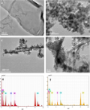
Facile fabrication of luminescent organic dots by thermolysis of citric acid in urea melt, and their use for cell staining and polyelectrolyte microcapsule labelling
Beilstein J. Nanotechnol. 2016, 7, 1905–1917, doi:10.3762/bjnano.7.182
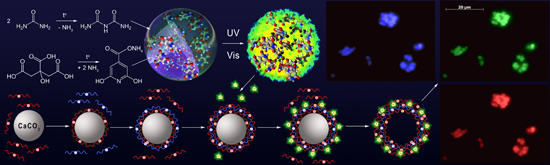
- spectral properties Citric acid reacts with ammonia in a molar ratio of 1:3 to form triammonium citrate, and with urea in a molar ratio of 1:1 [37] to form urea citrate. Thermolysis of ammonium citrate or urea citrate leads to formation of the luminescent O-dots, proceeding readily and at moderate
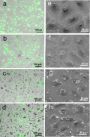
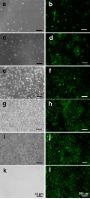
- non-linear (Figure 2, right). More details on the absorption, excitation and emission spectra of the samples are presented in Supporting Information File 1, Figures S5–S10. Upon heating, decomposition and release of gaseous products such as water, ammonia, carbon dioxide took place. Useful indicators
- acid and ammonia [41][42] released in the course of urea decomposition. It was found that the heating of pure ammonium citrazinate at 160 °C for 120 min did not affect its absorption and emission spectra. Conversely, heating ammonium citrazinate in the urea melt led to O-dots formation (Supporting




Role of RGO support and irradiation source on the photocatalytic activity of CdS–ZnO semiconductor nanostructures
Beilstein J. Nanotechnol. 2016, 7, 1684–1697, doi:10.3762/bjnano.7.161
- permanganate (KMnO4) and hydrogen peroxide (H2O2) were purchased from Merck. Zinc chloride (ZnCl2), sodium hydroxide (NaOH), cadmium acetate dihydrate (Cd(OOCCH3)2·2H2O), sodium sulfide (Na2S), ammonia solution and methyl orange were also supplied by Merck. Polyvinyl pyrrolidone (PVP) used in synthesis was
- adding ammonia solution. The resultant solution was refluxed for about 1 h at 70 °C. Upon completion of the reaction, the product was washed with deionized water and ethanol thrice and finally yellow colored CdS NP were formed after drying in an oven at 80 °C for 2 h. Synthesis of CdS–ZnO binary
- nanocomposite CdS–ZnO binary nanocomposite was prepared by employing a reported hydrothermal strategy [39]. In short, 0.2 M ZnCl2 was dispersed in 40 mL deionized water, followed by the addition of 0.5 M NaOH solution dropwise with continuous stirring. Aqueous ammonia was added to maintain the pH value around 8




Graphene-enhanced plasmonic nanohole arrays for environmental sensing in aqueous samples
Beilstein J. Nanotechnol. 2016, 7, 1564–1573, doi:10.3762/bjnano.7.150
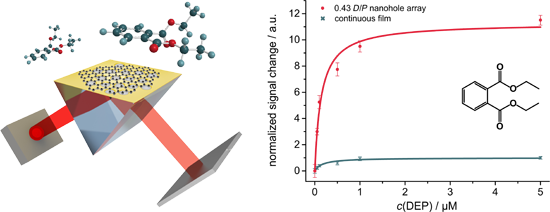
- . Experimental Nanohole array fabrication All substrates are based on glass slides (20 × 20 mm2) of F1-Type with a refractive index of 1.61 (Mivitec GmbH, Sinzing, Germany). All glass slides were cleaned in piranha solution for 90 min and in a mixture of water, ammonia and hydrogen peroxide at a 5:1:1 (v/v/v




Viability and proliferation of endothelial cells upon exposure to GaN nanoparticles
Beilstein J. Nanotechnol. 2016, 7, 1330–1337, doi:10.3762/bjnano.7.124
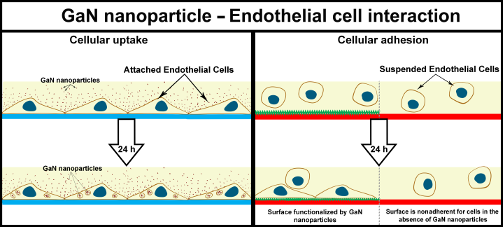
- epitaxy (HVPE) in two stages, as previously described [29]. Metallic gallium, ammonia (NH3) gas, hydrogen chloride (HCl) gas, and hydrogen (H2) were used as source materials and carrier gases. In the source zone, GaCl was formed as a result of chemical reactions between gaseous HCl and liquid Ga. GaCl and



Ammonia gas sensors based on In2O3/PANI hetero-nanofibers operating at room temperature
Beilstein J. Nanotechnol. 2016, 7, 1312–1321, doi:10.3762/bjnano.7.122
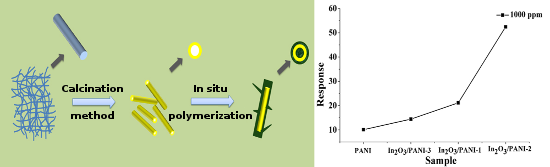
- PANI influences the sensing performance of the In2O3/PANI composite nanofibers. In this paper, In2O3/PANI composite nanofibers with a mass ratio of 1:2 exhibited the highest response values, excellent selectivity, good repeatability and reversibility. Keywords: ammonia (NH3); electrospinning; gas
- pollution. Ammonia (NH3), as a highly toxic gas, can be emitted by natural and industrial sources and threaten human health [2][3][4]. NH3 at concentrations of 50 ppm may irritate the human respiratory system, skin and eyes [4]. Higher concentrations of NH3 will cause blindness, seizures, lung disease and
- even death [5][6][7]. So, there is an urgent need to develop a kind of gas sensor with high sensitivity and selectivity to detect NH3 at room temperature. Metal oxide semiconductors can be applied as sensing materials for monitoring NH3. Ammonia sensors based on In2O3 [8], TiO2 [9], SnO2 [10], ZnO [11


Mesoporous hollow carbon spheres for lithium–sulfur batteries: distribution of sulfur and electrochemical performance
Beilstein J. Nanotechnol. 2016, 7, 1229–1240, doi:10.3762/bjnano.7.114
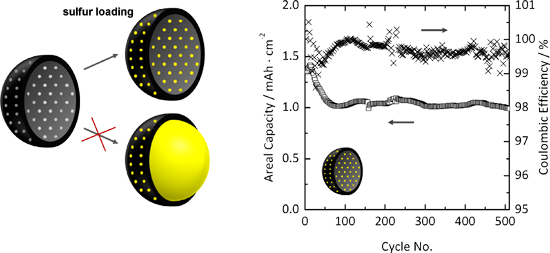
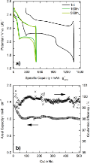
- methods in a two-step procedure [33][34]. For synthesis of the core, 536 mL of ethanol were mixed with 45 mL of aqueous ammonia (32%) and 6.8 mL of deionized water. After stirring for 30 min, 24 mL of tetraethyl orthosilicate (TEOS) were added and the mixture was stirred at room temperature for 18 h. The


Reasons and remedies for the agglomeration of multilayered graphene and carbon nanotubes in polymers
Beilstein J. Nanotechnol. 2016, 7, 1174–1196, doi:10.3762/bjnano.7.109
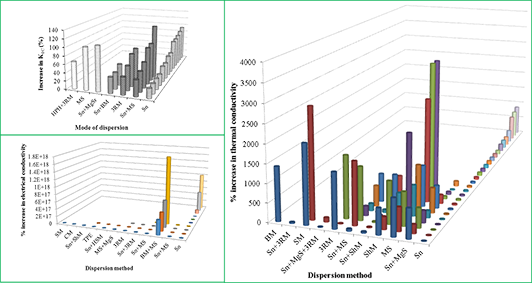
- introduction of heteroatoms in SWNTs can lead to novel properties. Heating may remove the attached functionalized groups. The functionalized SWNTs can be dissolved in organic solvents up to about 100 mg/L. The functionalization of SWNTs in liquid ammonia by reductive alkylation using lithium and alkyl halides


Phenalenyl-based mononuclear dysprosium complexes
Beilstein J. Nanotechnol. 2016, 7, 995–1009, doi:10.3762/bjnano.7.92
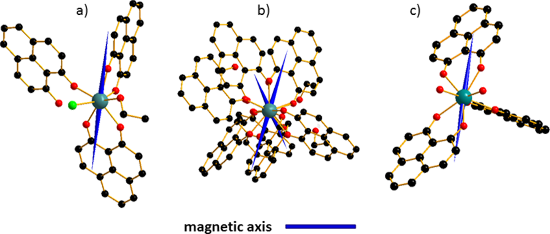
- ’ was characterized confirming its thermal stability. Results and Discussion Synthesis Van Deun et al. [23][24] synthesized 1:3 metal-to-ligand complexes using ammonia as a base and 1:4 metal-to-ligand complexes using the stronger base NaOH. In addition, phenalenyl-based europium and gadolinium
- nonanuclear complexes [26] were obtained by using (Et)3N as base in a 1:1.8 metal-to-ligand ratio. The synthetic procedures reported in our work are illustrated in Scheme 1. Instead of ammonia or NaOH as a base [23][24], we used NaH or diisopropyl amine to deprotonate the HPLN ligand. In order to obtain


Dielectrophoresis of gold nanoparticles conjugated to DNA origami structures
Beilstein J. Nanotechnol. 2016, 7, 948–956, doi:10.3762/bjnano.7.87
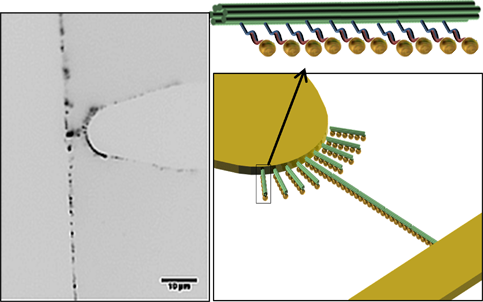
- peroxide (30 wt % in water; Merck), ammonia solution (25 wt % in water; Merck) and ddH2O in the ratio 1:1:5] and rinsed with ddH2O. Then, such a glass slide was placed in an inverted optical microscope (Axiovert 200M, Carl Zeiss MicroImaging) equipped with a 100×/1.45 numerical aperture oil immersion


Synthesis and applications of carbon nanomaterials for energy generation and storage
Beilstein J. Nanotechnol. 2016, 7, 149–196, doi:10.3762/bjnano.7.17
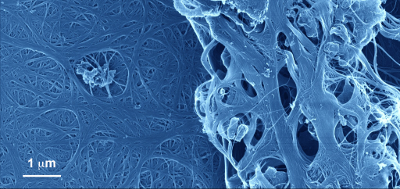
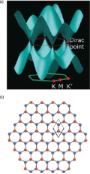
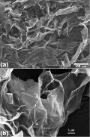
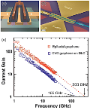
- can help to decrease the required annealing temperature to 450 °C and still give a high C/O ratio of ≈15, as was demonstrate by Wu et al. [120]. Li et al. [121] instead used a mixture of ammonia and argon (2 Torr, NH3/Ar (10% NH3), 500 °C) to produce good quality, doped rGO. The drawbacks of thermal















Evaluation of gas-sensing properties of ZnO nanostructures electrochemically doped with Au nanophases
Beilstein J. Nanotechnol. 2016, 7, 22–31, doi:10.3762/bjnano.7.3
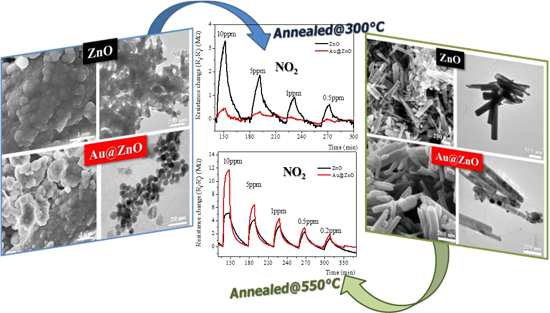
- Sol–gel synthesis of ZnO ZnO nanostructures were prepared through a sol–gel process. An aqueous solution of ZnCl2 (0.1 M) was heated to 60 °C for 1 h in a water-bath under continuous stirring. Ammonia solution (0.1 M) was then added drop-wise until a dense gel was formed at pH 9 [43]. The gel was




Sonochemical co-deposition of antibacterial nanoparticles and dyes on textiles
Beilstein J. Nanotechnol. 2016, 7, 1–8, doi:10.3762/bjnano.7.1
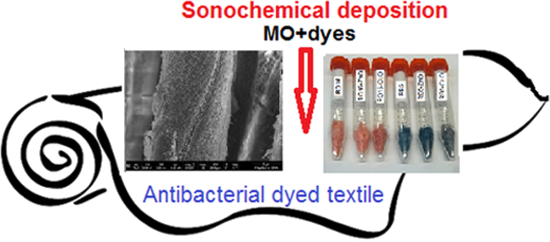
- antibacterial CuO or ZnO nanoparticles (NPs) from an aqueous solution. The solution contains both the dye and the corresponding M(CH3COO)2 (M = Zn or Cu) precursor, which undergoes hydrolysis under alkaline conditions (ammonia) to form ZnO or CuO. The cotton was colored with the dye and showed good
- % amplitude of a 750 W booster sonicator (Sonics and Materials instrument, Ti-horn, 20 kHz). When the solution reached a temperature of 60 °C, 25% aqueous ammonia solution was added drop wise to adjust the pH to 8, and the sonochemical process was continued for another 60 min. The temperature of 30 °C was
- maintained constant during the sonochemical coating reaction by cooling the flask with cold water. The coated fabric was first washed thoroughly with water to remove traces of ammonia, then with ethanol, and dried under vacuum. A control experiment, in which only the dye (RO16 or RB5) was deposited




Green and energy-efficient methods for the production of metallic nanoparticles
Beilstein J. Nanotechnol. 2015, 6, 2354–2376, doi:10.3762/bjnano.6.243
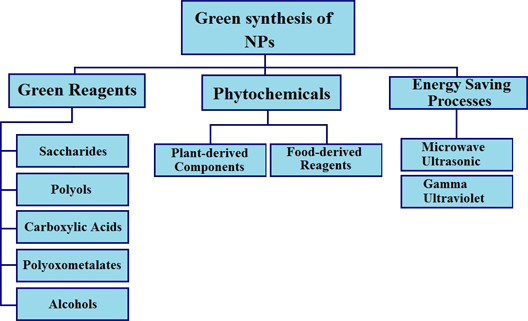
- 15 nm [21]. Kvitek et al. compared the performances of four different sugars including xylose, glucose, fructose and maltose in reduction of AgNO3 in the presence of ammonia and production of spherical Ag NPs in a single-step reduction process at 20 °C. They found that decreasing the ammonia content
- from 0.2 to 0.005 M can decrease the particle size from 380 down to 45 nm. For higher concentrations of ammonia (0.2 M) there are slight differences in the particle sizes of Ag NPs produced by the four sugars (352–380 nm). But at low ammonia concentrations (0.005 M), the average size of particles in
- the case of fructose (161 nm) are three times more than that in the case of other sugars (47–57 nm) [57]. In a similar study, they used galactose and lactose as reducing agents and achieved Ag NPs with the average particle size of 50 and 35 nm at 0.005 M ammonia concentrations [65]. In another work


Silica-coated upconversion lanthanide nanoparticles: The effect of crystal design on morphology, structure and optical properties
Beilstein J. Nanotechnol. 2015, 6, 2290–2299, doi:10.3762/bjnano.6.235
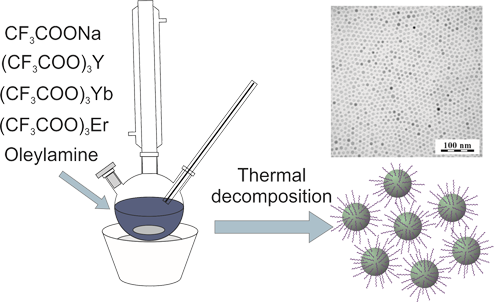
- modifications. The OM–NaYF4:Yb3+/Er3+ nanoparticles (50 mg) were dispersed in cyclohexane (10 mL). Igepal CO-520 (0.5 mL) and 25% aqueous ammonia (0.08 mL) were added, and the suspension was mixed using a Sonopuls sonicator (Bandelin, Berlin, Germany) for 30 min, yielding a stable colloid. TMOS (0.04 mL) was






Influence of wide band gap oxide substrates on the photoelectrochemical properties and structural disorder of CdS nanoparticles grown by the successive ionic layer adsorption and reaction (SILAR) method
Beilstein J. Nanotechnol. 2015, 6, 2252–2262, doi:10.3762/bjnano.6.231
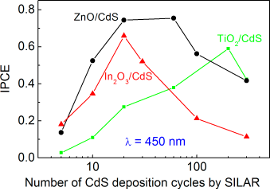
- titanium, respectively. Mesoporous In2O3 films were prepared by spin coating of an indium hydroxide colloidal solution with subsequent heat treatment [36]. A stable indium hydroxide sol was prepared by hydrolysis of a 0.25 mol/L In(NO3)3 solution with aqueous ammonia (12%) under vigorous stirring at 0 °C


Electrochemical behavior of polypyrrol/AuNP composites deposited by different electrochemical methods: sensing properties towards catechol
Beilstein J. Nanotechnol. 2015, 6, 2052–2061, doi:10.3762/bjnano.6.209
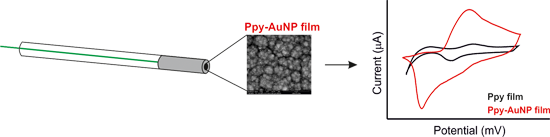
- [13], ammonia gas at room temperature [14], caffeine [15] or hydroxylamine [16] among others. Ppy/AuNP composites can be prepared by chemical and electrochemical polymerization. Electrochemical methods provide a better control of the structure and properties of the composite by controlling the


Nitrogen-doped graphene films from chemical vapor deposition of pyridine: influence of process parameters on the electrical and optical properties
Beilstein J. Nanotechnol. 2015, 6, 2028–2038, doi:10.3762/bjnano.6.206
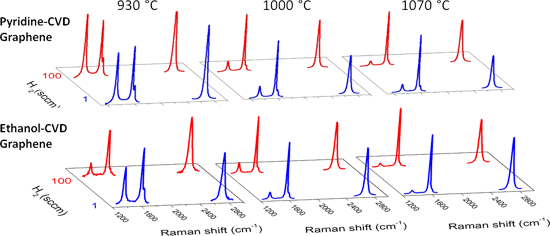
- graphene in ammonia gas [26]. However, few attempts have been made of directly growing nitrogen-doped graphene onto metal foils by CVD using N-containing precursors. On platinum surfaces, nitrogen-doped carbon films were grown below 500 °C with acetonitrile and below 700 °C with pyridine [27][28]. On


Thermal treatment of magnetite nanoparticles
Beilstein J. Nanotechnol. 2015, 6, 1385–1396, doi:10.3762/bjnano.6.143
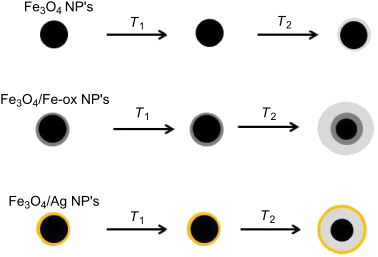
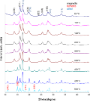
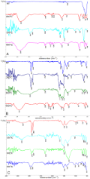
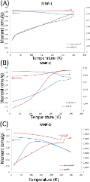
- in aqueous ammonia solution (MNP-1). This is a low temperature reaction that was conducted at 80 °C under Ar atmosphere. The procedure was adopted from the Massart method [7][22][23]. The second (MNP-2) and third (MNP-3) type of nanoparticles were based on the layer-by-layer synthetic procedure




Heterometal nanoparticles from Ru-based molecular clusters covalently anchored onto functionalized carbon nanotubes and nanofibers
Beilstein J. Nanotechnol. 2015, 6, 1287–1297, doi:10.3762/bjnano.6.133
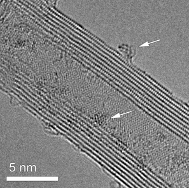
- microscopy (HRTEM) and high angle annular dark field scanning transmission electron microscopy (HAADF-STEM) confirms their bimetal nature on the nanoscale. The obtained bimetal nanoparticles supported on nanocarbon were tested as catalysts in ammonia synthesis and are shown to be active at low temperature
- and atmospheric pressure with very low Ru loading. Keywords: ammonia synthesis; cluster; nanofibers; nanoparticles; nanotubes; Introduction Metal nanoparticles (NPs) supported on nanoscopic forms of carbon (nanotubes, nanofibers) are an important class of nanostructured materials that find
- agglomeration, and in particular, their characterization at atomic resolution to prove their bimetal nature within individual nanoparticles. In order to test their potential application in catalysis, the carbon-supported nanoparticles are evaluated in ammonia synthesis, as a reference reaction with mature




Electrocatalysis on the nm scale
Beilstein J. Nanotechnol. 2015, 6, 1008–1009, doi:10.3762/bjnano.6.103

- theoretical description of important electrocatalytic reactions, such as hydrogen evolution/water splitting [4][5] or electrocatalytic ammonia synthesis [6]. Additionally, mechanistic studies of electrocatalytic reactions, such as O2 reduction [7], CO oxidation [8] or the electrooxidation of small organic
Pt- and Pd-decorated MWCNTs for vapour and gas detection at room temperature
Beilstein J. Nanotechnol. 2015, 6, 919–927, doi:10.3762/bjnano.6.95
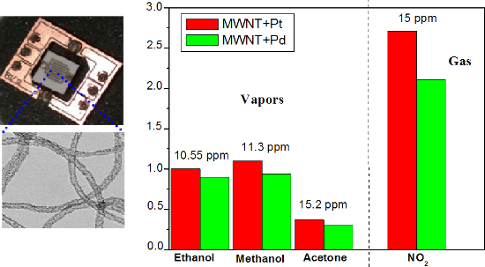
- known to weakly interact with VOCs in general and with aromatic VOCs in particular. Therefore, a functionalisation of the carbon nanotube sidewalls is essential to promote sensitivity. In previous works, we used oxygen-plasma-treated multiwalled carbon nanotubes for detecting nitrogen dioxide, ammonia
- , hydrogen sulphide, ammonia and hydrogen [28]. However, this technique leads to an inhomogeneous decoration of the carbon nanotubes with high irregularities in the shape and size of the metal nanoparticles, which eventually may result in poor sensor reproducibility. Espinosa and co-workers decorated plasma



A simple approach to the synthesis of Cu1.8S dendrites with thiamine hydrochloride as a sulfur source and structure-directing agent
Beilstein J. Nanotechnol. 2015, 6, 881–885, doi:10.3762/bjnano.6.90
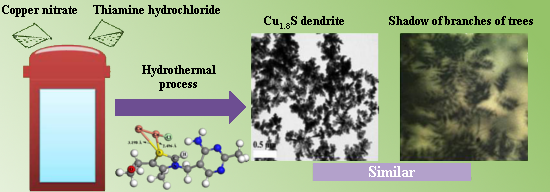
- temperature [4]. Polycrystalline Cu1.8S powder was prepared by mechanical alloying and subsequent spark plasma sintering and it exhibited excellent thermoelectric properties as a p-type sulfide [5]. An aqueous ammonia assisted approach was developed for the synthesis of Cu1.8S with triangular and rod-like


Transformation of hydrogen titanate nanoribbons to TiO2 nanoribbons and the influence of the transformation strategies on the photocatalytic performance
Beilstein J. Nanotechnol. 2015, 6, 831–844, doi:10.3762/bjnano.6.86
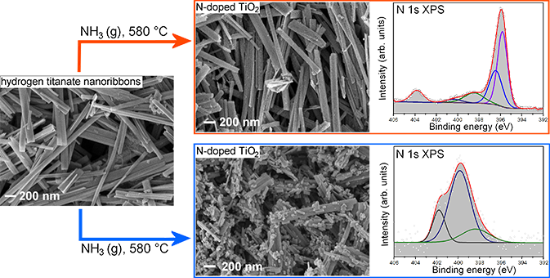
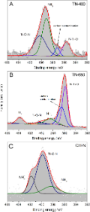
- morphology or on the surface appearance of the nanoribbons. The transformations performed in the reductive atmosphere, an NH3(g)/Ar(g) flow, and in the ammonia solution led to nitrogen doping. The nitrogen content increased with an increasing calcination temperature, as was determined by X-ray photoelectron
- processing time required for complete conversion in the hydrothermal reactor, in deionized water at 160 °C (CH-W), was 10 h. In contrast, the transformation in 0.5 M NH3(aq) (CH-N) was only completed after 24 h. In addition, the experiments in ammonia solutions with higher molarities did not produce any TiO2
- suspensions decreases with the decreasing pH. This is in the agreement with our results since the transformation occurred only with 0.5 M NH3(aq) and not in ammonia solutions with larger molarities. Also the time needed for the complete transformation in the basic environment was significantly longer (24 h




Nanoparticle shapes by using Wulff constructions and first-principles calculations
Beilstein J. Nanotechnol. 2015, 6, 361–368, doi:10.3762/bjnano.6.35
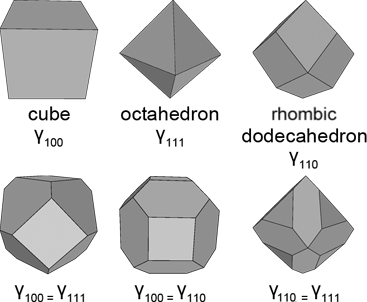
- ammonia-synthesis catalyst from first principles [47][48][49]. Density functional calculations were used to obtain accurate surface energies for several faces of hcp Ru. These values were used in a standard Wulff-construction software to create the polyhedron that corresponded to the equilibrium shape. In
- ). Microscopy and/or first-principles simulations are typically used to identify what the active sites for each catalytic reaction are. For example, B-type step atoms are the only active sites for ammonia synthesis on Ru-based catalysts [56]. Atomistic Wulff constructions can be then used to calculate the



Synthesis, characterization, monolayer assembly and 2D lanthanide coordination of a linear terphenyl-di(propiolonitrile) linker on Ag(111)
Beilstein J. Nanotechnol. 2015, 6, 327–335, doi:10.3762/bjnano.6.31
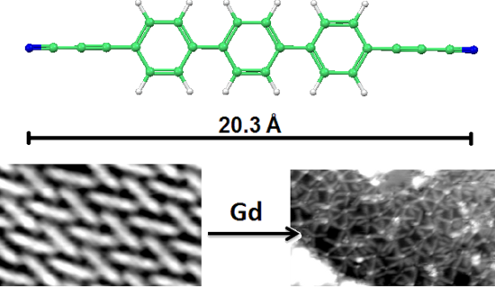
- of the resulting aldehydes with ammonia giving the final product 2 with a overall yield of 18% [45] (Scheme 1). Additionally, a small amount of a byproduct, identified as terphenyl-4-propiolonitrile (3) (Ph3–C≡C–C≡N), was separated and revealed to be a thus-far unreported decarboxylation reaction of
- (m/z): [M]+ calcd for C24H18O2, 338.1; found, 338.0. 3,3'-([1,1':4',1''-terphenyl]-4,4''-diyl)dipropiolonitrile (2) Following [45] a 2 M solution of ammonia in 2-propanol (1.8 mL, 3.2 mmol) and anhydrous magnesium sulfate (1.5 g, 12.8 mmol) were added to a stirred solution of compound 5 (203 mg, 0.6





