


Search results
Search for "methanol" in Full Text gives 296 result(s) in Beilstein Journal of Nanotechnology. Showing first 200.
Improved adsorption and degradation performance by S-doping of (001)-TiO2
Beilstein J. Nanotechnol. 2019, 10, 2116–2127, doi:10.3762/bjnano.10.206
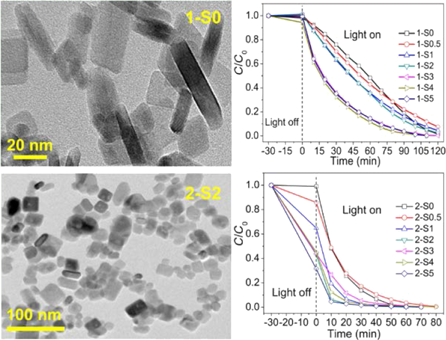
- . Wang et al. reported that TiO2 with an ideal (001) face was inert to both methanol and water, and the activity of the (001) face was only enhanced after surface reduction or reoxidation [11]. It is well known that the conduction band of anatase TiO2 is composed of the Ti 3d state and the valence band
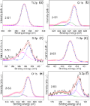
- dispersions, (e, f, g, h) DMPO–•O2− formed in methanol dispersion. The unit cell parameters a, c and the c/a value for S-doped (001)-TiO2 at 250 °C. Position of the FTIR absorption peaks and the corresponding vibrational modes. The chemical states (CSs) of Ti, O and S and the corresponding binding energies




Incorporation of doxorubicin in different polymer nanoparticles and their anticancer activity
Beilstein J. Nanotechnol. 2019, 10, 2062–2072, doi:10.3762/bjnano.10.201
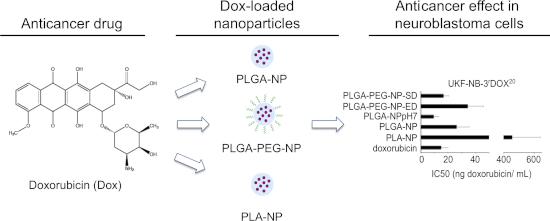
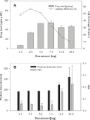
- , respectively) (Figure 4). Different amounts of doxorubicin did not change the loading efficiency at pH 7. Using aqueous solutions instead of methanol, we increased the doxorubicin amount during preparation to 5 mg and 7.5 mg per 50 mg PLGA. While 5 mg resulted in an increase of the drug load to 52.5 ± 0.4 µg
- (Resomer® RGP d 50155) were obtained from Evonik Industries AG (Essen, Germany). Ethyl acetate, dichloromethane, and methanol were purchased from VWR International GmbH (Darmstadt, Germany). Acetone, acetonitrile and dimethyl sulfoxide (DMSO) were obtained from Carl Roth GmbH (Karlsruhe, Germany). Poly





Synthesis of highly active ETS-10-based titanosilicate for heterogeneously catalyzed transesterification of triglycerides
Beilstein J. Nanotechnol. 2019, 10, 2039–2061, doi:10.3762/bjnano.10.200
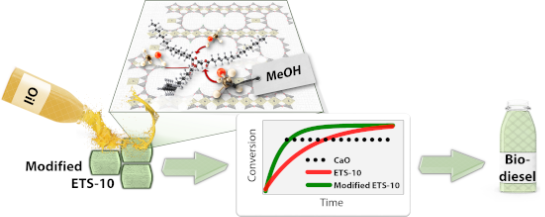
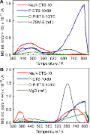
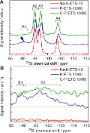
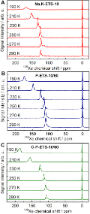
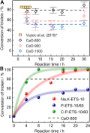
- , Linnéstraße 5, 04103 Leipzig, Germany 10.3762/bjnano.10.200 Abstract In this contribution, the preparation of hierarchically structured ETS-10-based catalysts exhibiting notably higher activity in the conversion of triolein with methanol compared to microporous titanosilicate is presented. Triolein, together
- homogenous transesterification of triglycerides with methanol in the presence of sodium hydroxide (NaOH) or potassium hydroxide (KOH), which is still in use on an industrial scale. Along with the obvious advantages of being highly active and relatively inexpensive (depending however on the number of washing
- the context of biodiesel production via the transesterification of triglycerides with methanol, the challenge is to prepare a catalyst possessing the following characteristics: i) large particle size for convenient separation, ii) accessibility of the active sites for reactants, iii) minimized








Preservation of rutin nanosuspensions without the use of preservatives
Beilstein J. Nanotechnol. 2019, 10, 1902–1913, doi:10.3762/bjnano.10.185
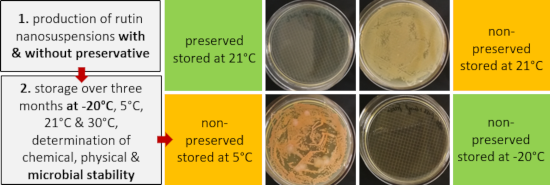
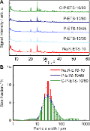
- active ingredient occurs, changes in the IC50 value during storage can be observed [35]. As methanol is a good solvent for rutin, the addition of the nanocrystals to the methanolic DPPH solution led to a complete dissolution of the rutin nanocrystals. Hence, all rutin remaining in the formulations was


Charge-transfer interactions between fullerenes and a mesoporous tetrathiafulvalene-based metal–organic framework
Beilstein J. Nanotechnol. 2019, 10, 1883–1893, doi:10.3762/bjnano.10.183
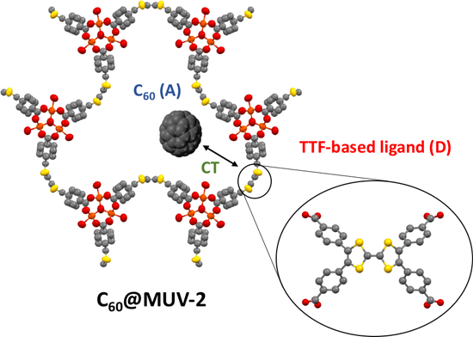
- ]. In order to activate the material, MUV-2 was exhaustively washed with DMF, methanol and heated at 150 °C for 2 h. Encapsulation of C60 was achieved adapting a reported procedure [36] by immersing the activated microcrystalline powder of MUV-2 in a saturated solution of C60 in o-dichlorobenzene for
- three days at 60 °C. Then, the material was exhaustively washed with o-dichlorobenzene in order to remove the physisorbed C60 on the MOF surface, washed with methanol and dried at 150 °C for 2 h. The powder X-ray diffraction (PXRD) pattern of C60@MUV-2 shows that the principal peak remains at 3.4
- -dichlorobenzene and activated MUV-2 (10 mg) was added to it. The vial was heated at 60 °C for 3 days and the MOF was then exhaustively washed with o-dichlorobenzene to remove any physisorbed C60 on the MOF surface, washed with methanol and finally dried at 150 °C for 2 h. Computational details: Theoretical




Microfluidic manufacturing of different niosomes nanoparticles for curcumin encapsulation: Physical characteristics, encapsulation efficacy, and drug release
Beilstein J. Nanotechnol. 2019, 10, 1826–1832, doi:10.3762/bjnano.10.177
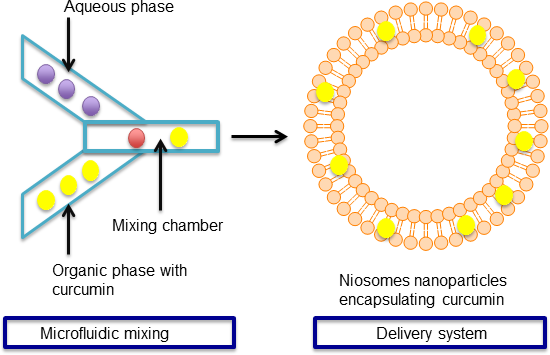
- , SP80), polyoxyethylenesorbitan trioleate (Tween 85, T85), cholesterol (Chol), curcumin, ethanol, methanol, and cellulose membrane with molecular weight cut-off = 14000 were purchased from Sigma-Aldrich (UK). Preparation of SP80 and T85 niosomes by microfluidic mixing Niosomes composed of SP80 or T85 as
- methanol. After removal of each sample, 1 mL of deionised water was added to the dialysis media to maintain sink conditions. The dialysis was carried out until a constant curcumin concentration was detected in the dialysis media. Physicochemical characterisation of niosomes Particle size analysis The
- encapsulation efficiency Following removal of the non-encapsulated curcumin by dialysis, 100 µL of each niosome formulation (removed from the dialysis tubing) was lysed with methanol in order to release the encapsulated curcumin, which was then quantified at UV absorbance at 421 nm. The encapsulation efficiency


Toxicity and safety study of silver and gold nanoparticles functionalized with cysteine and glutathione
Beilstein J. Nanotechnol. 2019, 10, 1802–1817, doi:10.3762/bjnano.10.175
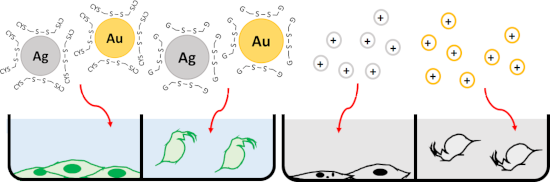
- , Hamburg, Germany). After treatment with AgNPs or AuNPs (at 5 mg Ag/Au L−1), the cells were washed with PBS, fixed with ice-cold methanol (−20 °C), and stained with F-actin-phalloidin and Hoechst 33258 nucleic acid dyes. The slides were then mounted in Fluoroshield Antifade Mounting Medium and their images


Lipid nanostructures for antioxidant delivery: a comparative preformulation study
Beilstein J. Nanotechnol. 2019, 10, 1789–1801, doi:10.3762/bjnano.10.174
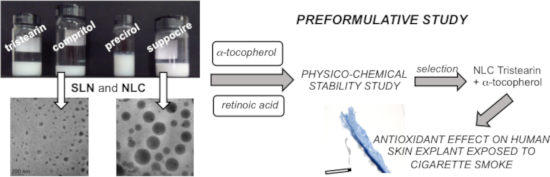
- membrane, NMWCO 10 kDa, Sigma-Aldrich, St. Louis, MO, USA) and centrifuged (Spectrafuge™ 24D Digital Microcentrifuge, Woodbridge, NJ, USA) at 8,000 rpm for 20 min. The amount of drug was determined after dissolving the lipid phase with a known amount of methanol (1:10 v/v) for 2 h under stirring. The TOC
- through the rheodyne injector system fitted with a 50 µL fixed loop and compared with standards of known concentration. In the case of TOC, the mobile phase was methanol, and the flow rate was 1 mL/min at 295 nm, while for RA, acetonitrile/methanol/methylene chloride (70:15:15, v/v) was employed, with a

Synthesis of nickel/gallium nanoalloys using a dual-source approach in 1-alkyl-3-methylimidazole ionic liquids
Beilstein J. Nanotechnol. 2019, 10, 1754–1767, doi:10.3762/bjnano.10.171
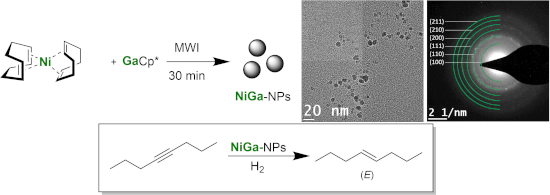
- methanol were found for Ni5Ga3 and NiGa [37]. At 165 °C Ni5Ga3 (δ) yielded 100% selectivity towards methanol [38]. Above 220 °C Ni5Ga3 is even more active than a conventional Cu/ZnO/Al2O3 catalyst with less CO formation in the reverse water-gas shift reaction (rWGS). In Ni5Ga3 the Ga-rich step sites
- facilitate the methanol synthesis, the Ni-rich sites get self-poisoned by methanation and CO formation through rWGS [37]. In conclusion, Ni5Ga3(δ) was found to be the most active catalyst for CO2 hydrogenation [39][40][41]. Semihydrogenation of phenylacetylene to styrene using NiGa, Ni3Ga and Ni5Ga3 as




Tuning the performance of vanadium redox flow batteries by modifying the structural defects of the carbon felt electrode
Beilstein J. Nanotechnol. 2019, 10, 1698–1706, doi:10.3762/bjnano.10.165
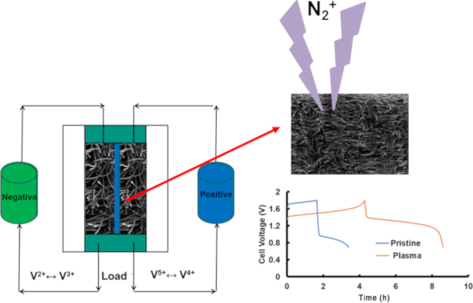
- the charging current reached less than 10 mA cm−2. All the cyclic voltammetry measurements were carried out at a scan rate of 5 mV s−1. Single-cell measurements were performed using a modified direct methanol fuel cell from ElectroChem, having a pin-type flow field with an active area of 25 cm2


Chiral nanostructures self-assembled from nitrocinnamic amide amphiphiles: substituent and solvent effects
Beilstein J. Nanotechnol. 2019, 10, 1608–1617, doi:10.3762/bjnano.10.156
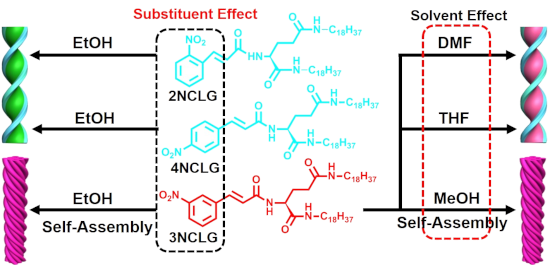
- was closely related to the choice of solvent, and the photo-dimerization of the cinnamic amide moiety only occurred for methanol and ethanol. Other solvents could not be shown to induce this kind of transformation. We speculated that methanol or ethanol may affect the hydrogen bonding between the
- amide moieties, which differed from other kinds of solvents. In order to further confirm the specificity of methanol and investigate whether the solvent can cause the helicity inversion, in this study, we explore the self-assembly behavior of three nitrocinnamic amide-containing ʟ-glutamic lipids in
- . Helicity inversion in self-assembly: effect of solvent In addition, the effect of solvent on the 3NCLG self-assembly was also explored. The 3NCLG molecule could readily form transparent gels in DMF and THF when the concentration was above 8 mg/mL, while it formed a precipitate in methanol at the same




Materials nanoarchitectonics at two-dimensional liquid interfaces
Beilstein J. Nanotechnol. 2019, 10, 1559–1587, doi:10.3762/bjnano.10.153
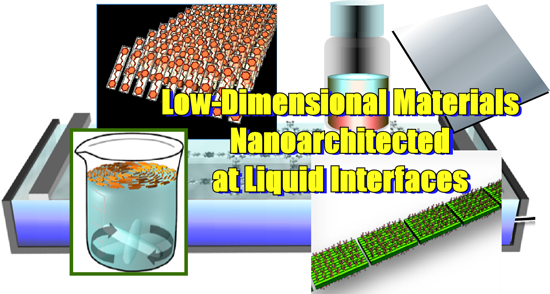
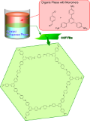
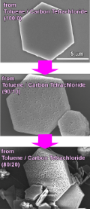
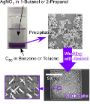
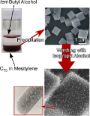
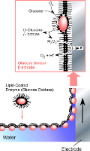
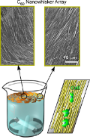
- sensitivities in the order of aniline > toluene > benzene > ethanol > hexane > cyclohexane > methanol > water. The obtained nanoporous low-dimensional C60 assemblies provide advantageous features of easy diffusion and promoted π–π interactions for facile sensing. Saran and Curry reported the use of one













Flexible freestanding MoS2-based composite paper for energy conversion and storage
Beilstein J. Nanotechnol. 2019, 10, 1488–1496, doi:10.3762/bjnano.10.147
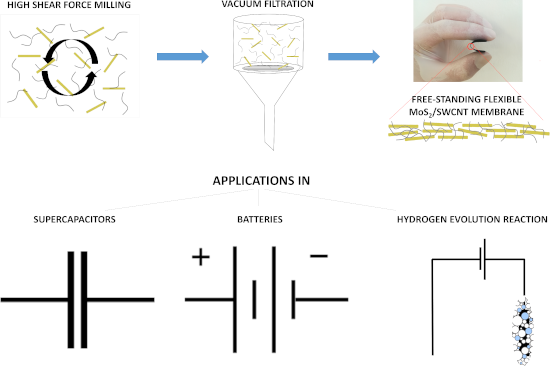
- mg of SWCNTs were added to 80 mL of Ar-purged NMP. The suspension was then exfoliated under Ar atmosphere for 2 h at 16,000 rot/min using a high-energy shear-force disperser. After that, the mixture was vacuum-filtered on top of a nylon filter and washed with methanol several times. The use of
- methanol significantly shortens the time necessary for drying. The resulting material was then self-assembled into the form of a paper-like material. After drying under vacuum, the material was directly used. Battery assembly and electrochemical measurements The freestanding MoS2-based composite paper was


Hierarchically structured 3D carbon nanotube electrodes for electrocatalytic applications
Beilstein J. Nanotechnol. 2019, 10, 1475–1487, doi:10.3762/bjnano.10.146
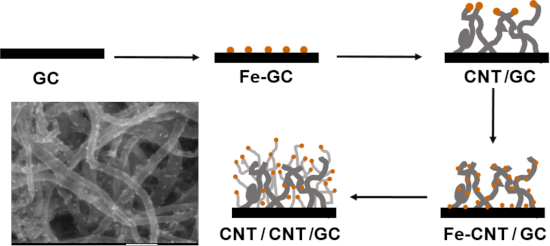
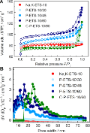
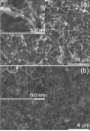
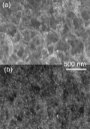
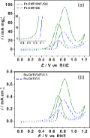
- electrocatalytic applications is demonstrated using the methanol electro-oxidation as a test reaction. The Pt mass specific activity towards methanol oxidation of Pt-CNT/CNT/GC is approximately 2.5 times higher than that of Pt-CNT/GC, and the hierarchical electrode exhibits a more negative onset potential. Both
- structures demonstrate an exceptionally high poisoning tolerance. Keywords: chemical vapor deposition; CNTs; CO stripping; hierarchically structured electrodes; methanol oxidation; platinum; poisoning tolerance; Introduction Carbon nanotubes (CNTs) have attracted considerable attention since their
- ][5][6][7][8]. Besides the above-mentioned applications, CNTs have also been investigated as catalysts or catalyst supports for various electrocatalytic reactions [8][9][10][11][12][13], including methanol oxidation in direct methanol fuel cells (DMFCs). DMFCs are promising power sources for future





Janus-micromotor-based on–off luminescence sensor for active TNT detection
Beilstein J. Nanotechnol. 2019, 10, 1324–1331, doi:10.3762/bjnano.10.131
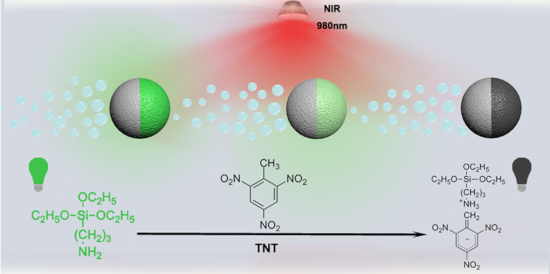
- oleic acid (OA, 90%) were obtained from Aladdin Chemistry Co. Ltd. NaOH, NH4F, ethanol, methanol, cyclohexane, trichloromethane, acetonitrile, NaCl, Na2HPO4, and NaH2PO4 were purchased from Tianjin Tianli Chemical Reagent Co. Ltd. Hydrofluoric acid (HF) and hydrogen peroxide (H2O2) were obtained from


A highly efficient porous rod-like Ce-doped ZnO photocatalyst for the degradation of dye contaminants in water
Beilstein J. Nanotechnol. 2019, 10, 1157–1165, doi:10.3762/bjnano.10.115
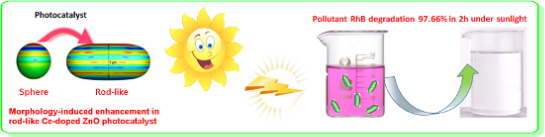
- to implement the field-only surface integral method used to calculate the electric field on the particle surface. Synthesis of ZnO Zn(OAc)2·2H2O (4.39 g, 0.02 mol) and 2-methylimidazole (6.16 g, 0.075 mol) were dissolved in 150 mL of methanol (MeOH). Then the solution of 2-methylimidazole was poured


Photoactive nanoarchitectures based on clays incorporating TiO2 and ZnO nanoparticles
Beilstein J. Nanotechnol. 2019, 10, 1140–1156, doi:10.3762/bjnano.10.114
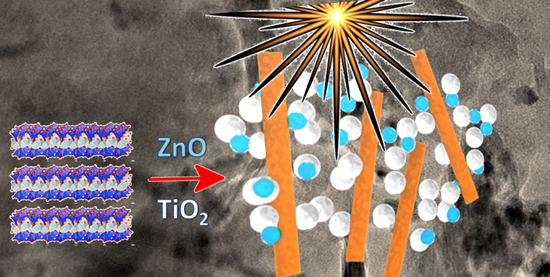
- revealed by TEM (Figure 5A), leads to efficient nanostructured materials for the photocatalytic production of hydrogen tested in methanol photoreforming. Herein, montmorillonite-based nanoarchitectures are less efficient as hydrogen production catalyst than nanoarchitectures derived from sepiolite. Higher
- photodeposition procedure, reprinted with permission from [131], copyright 2015 Elsevier; (B) hydrogen production in methanol photoreforming using this Pt-doped clay nanoarchitecture as catalyst [131]. The structural arrangement of the [Ru(bpy)3]2+–TiO2@clay nanoarchitecture and its photocatalytic activity in the



Serum type and concentration both affect the protein-corona composition of PLGA nanoparticles
Beilstein J. Nanotechnol. 2019, 10, 1002–1015, doi:10.3762/bjnano.10.101
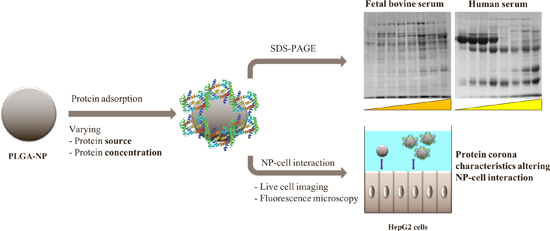
- on an OmniPAGE mini system (Omnilab-Laborzentrum GmbH & Co. KG, Bremen, Germany). The resulting gel was fixed (79% water, 1% orthophosphoric acid, 20% methanol), stained with a colloidal Coomassie Brilliant Blue G-250 solution overnight and destained in methanol/water (1:3, v/v). Finally, Gel ix
- equilibrated with 1 mL methanol and 1 mL 1% formic acid before the digestion solutions were applied onto the columns in aliquots of 1 mL. Thereafter, the samples were desalted by washing with 1 mL of purified water. Then, the stationary phase including the peptides was rinsed with 600 µL of Eluent I (MeOH/H2O



Structural and optical properties of penicillamine-protected gold nanocluster fractions separated by sequential size-selective fractionation
Beilstein J. Nanotechnol. 2019, 10, 955–966, doi:10.3762/bjnano.10.96
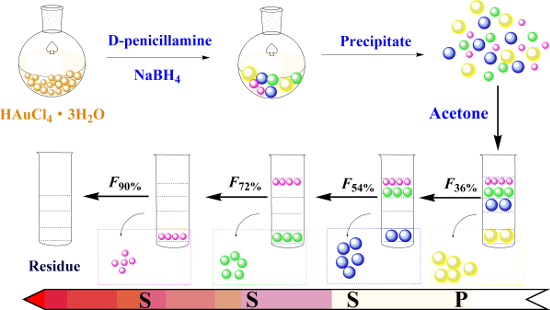
- materials D-Penicillamine (98%), chloroauric acid (HAuCl4·3H2O, 99.9%) and sodium borohydride (NaBH4, 99%) were purchased from Aldrich (Milwaukee, WI, USA). Acetone (99.5%), 2,5-dihydroxybenzoic acid (DHB, 99%), methanol (MeOH, 99.8%) and ethanol (EtOH, 99.8%) were obtained from Sigma (St. Louis, MO, USA


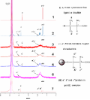
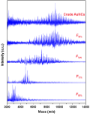
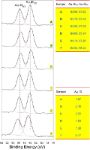
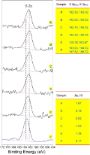

Synthesis of novel C-doped g-C3N4 nanosheets coupled with CdIn2S4 for enhanced photocatalytic hydrogen evolution
Beilstein J. Nanotechnol. 2019, 10, 912–921, doi:10.3762/bjnano.10.92
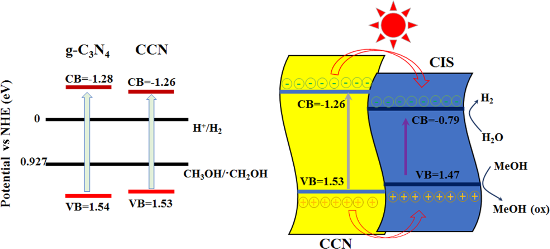
- charges apparently, leading to the enhancement of photocatalytic activity of the hybrid photocatalyst. Photocatalytic performance Time-dependent visible-light-induced photocatalytic H2 formation over different samples has been measured in the presence of methanol (sacrificial electron donor) without the
- are quickly consumed by methanol as the sacrificial electron donor. Accordingly, the bulk recombination rate of the photogenerated carriers is effectively inhibited, further improving the photocatalytic activity for H2 generation. Conclusion In summary, CdIn2S4/C-doped g-C3N4 composite photocatalysts
- tested in a closed circulation reactor system for in situ photocatalytic H2 production (CEL-SPH2N, AuLight, Beijing) at 6 °C and −0.1 MPa. Before the reaction, 40 mg of the photocatalyst was dispersed into 40 mL of aqueous methanol solution (CH3OH/H2O = 1:4 v/v). A 300 W Xe lamp (CEL-HXF300, AuLight


Ultrathin hydrophobic films based on the metal organic framework UiO-66-COOH(Zr)
Beilstein J. Nanotechnol. 2019, 10, 654–665, doi:10.3762/bjnano.10.65
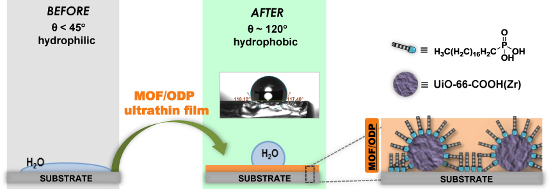
- %) was used to prepare UiO-66-COOH(Zr) suspensions. Different concentrations were tested in the range 0.01–0.11 mg MOF·mL−1. Tetrahydrofuran (Sigma-Aldrich, ≥99.9%), ethanol (VWR, >99.8%) and methanol (Sigma-Aldrich, 99.8%) were also used to prepare bare MOF and mixed MOF/surfactant suspensions. The


Mo-doped boron nitride monolayer as a promising single-atom electrocatalyst for CO2 conversion
Beilstein J. Nanotechnol. 2019, 10, 540–548, doi:10.3762/bjnano.10.55
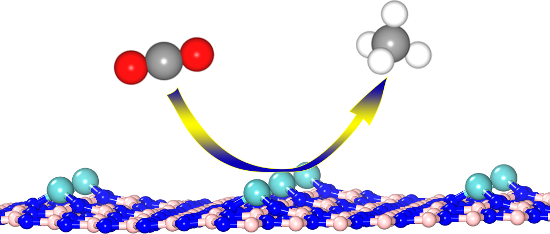
- and commodity chemicals [6]. For example, CO2 can be converted to methane, methanol and formic acid, and all of which can be used as energy sources and chemical materials at the global scale [7][8][9][10][11]. In this sense, the CO2 reduction reaction (CRR) by electrochemical methods is promising


Reduced graphene oxide supported C3N4 nanoflakes and quantum dots as metal-free catalysts for visible light assisted CO2 reduction
Beilstein J. Nanotechnol. 2019, 10, 448–458, doi:10.3762/bjnano.10.44
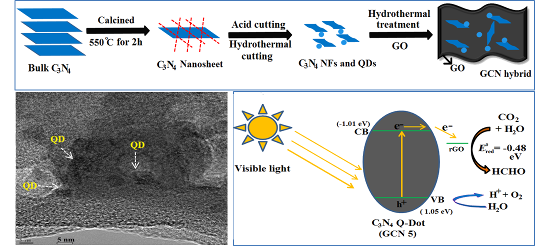
- spectrum shows a major peak related to HCHO and a minor peak for trace amounts of methanol, and no other peaks are found (Supporting Information File 1, Figure S8a), confirming the successful reduction of CO2 to HCHO. Three sets of control experiments were also conducted, and an isotopic experiment to





Development of an anti-pollution coating process technology for the application of an on-site PV module
Beilstein J. Nanotechnol. 2019, 10, 332–336, doi:10.3762/bjnano.10.32
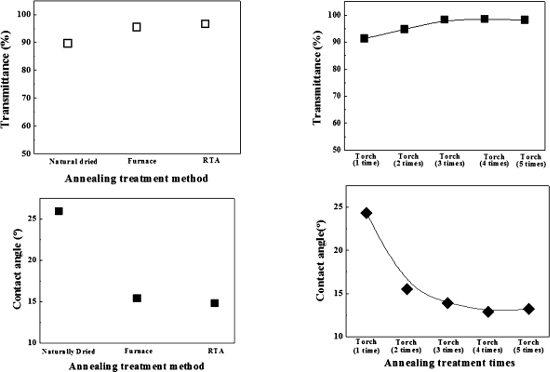
- coat various materials, such as metals, ceramics, and glass [9]. Before coating the glass slide substrates, the substrates were subjected to ultrasonic cleaning for 10 min in, consecutively, trichloroethylene, acetone, methanol and deionized water (DI water). The substrates were coated with the coating


Removal of toxic heavy metals from river water samples using a porous silica surface modified with a new β-ketoenolic host
Beilstein J. Nanotechnol. 2019, 10, 262–273, doi:10.3762/bjnano.10.25
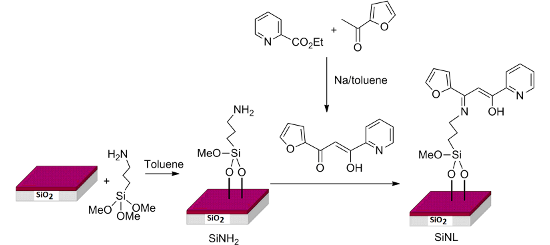
- procedure [37]. Pyridine-enol-imine-furan-substituted silica (SiNL). After having refluxed 5 g of SiNH2 with L1 in dry methanol (50 mL) for 24 h, the resulting hybrid was filtered, and Soxhlet was extracted with several organic solvents for 12 h and finally dried at 70 °C for 24 h. The material was





