


Search results
Search for "proliferation" in Full Text gives 176 result(s) in Beilstein Journal of Nanotechnology.
Biocompatible organic–inorganic hybrid materials based on nucleobases and titanium developed by molecular layer deposition
Beilstein J. Nanotechnol. 2019, 10, 399–411, doi:10.3762/bjnano.10.39
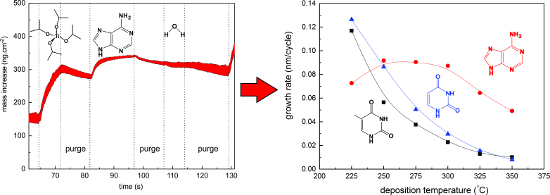
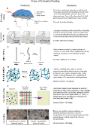
- tetra-isopropoxide (TTIP) with thymine, uracil, and adenine (Figure 1). We have recently reported a significant increase in the proliferation rate of rat conjunctival goblet cells cultured on substrates coated with these hybrid materials based on amino acids, and also the currently presented nucleobases
- , compared to uncoated glass coverslips using alamarBlue® proliferation assay [23]. The current contribution describes the growth of the films based on nucleobases in more detail. Results The growth dynamics of all three systems were investigated using in situ QCM, as shown in Figure 2 and Figure 3 and
- of the same samples was measured after each period of water treatment. The three hour and four day time periods are the durations in which cells were cultured on these substrates for cell attachment and cell proliferation assays, respectively, in our previous study [23]. Unlike for the Ti-amino acids




Characterization and influence of hydroxyapatite nanopowders on living cells
Beilstein J. Nanotechnol. 2018, 9, 3079–3094, doi:10.3762/bjnano.9.286
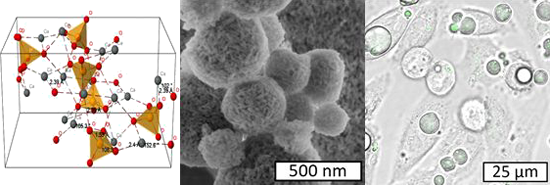
- nanoparticles are size-dependent, it might be prudent to assume the same about their biotoxicity. Because of their size, nanoobjects are able to be internalized by living cells and affect basic cellular processes such as metabolism, proliferation, differentiation or lysis [10]. Hydroxyapatite (Hap, Ca10(PO4)6
- proliferation of macrophage cells J774.1 was noticed above 200 µg/mL for HApSA+Si and at 300 µg/mL for HApSA+Si and F201. In the case of CHO cells, HAp F202 had a toxic effect at concentrations of 200 and 300 µg/mL. The presence of CaHFAP300 also caused a toxic effect at a concentration of 300 µg/mL. Particle
- ][64][65]. Cell-growth inhibition could be related to the presence of a slight excess of calcium ions inside the cytoplasm, which disrupts the intracellular calcium homeostasis and inhibits cells transcriptional and translational processes [66][67], slowing down proliferation and cell growth. Calcium

![[Graphic 1]](/bjnano/content/inline/2190-4286-9-286-i2.svg?max-width=637&scale=1.18182) .
.



Hybrid Au@alendronate nanoparticles as dual chemo-photothermal agent for combined cancer treatment
Beilstein J. Nanotechnol. 2018, 9, 2947–2952, doi:10.3762/bjnano.9.273
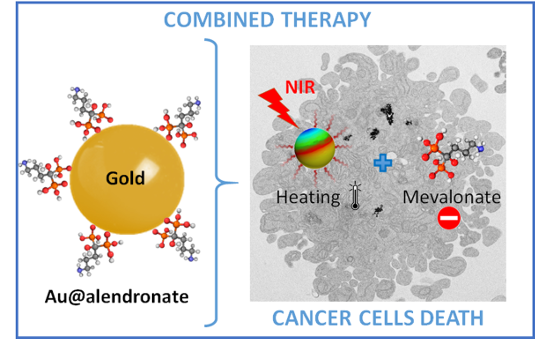
- under irradiation within the first biological window (650–900 nm). The Au@alendronate nanoplatform thus provided a combined antitumor activity through drug delivery and photothermal therapy. Au@alendronate NPs inhibited in vitro the proliferation of prostate cancer cells (PC3) in a dose-dependent manner


Comparative biological effects of spherical noble metal nanoparticles (Rh, Pd, Ag, Pt, Au) with 4–8 nm diameter
Beilstein J. Nanotechnol. 2018, 9, 2763–2774, doi:10.3762/bjnano.9.258
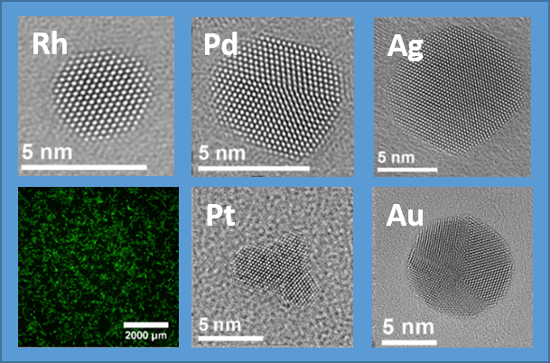
- GmbH, Heidelberg, Germany). The cells were maintained at 37 °C in a humidified 5% CO2 atmosphere and sub-cultivated every 7–14 days, depending on the cell proliferation. Adherent cells were washed with phosphate-buffered saline solution (PBS, GIBCO, Invitrogen GmbH) and detached from the culture flasks


Size-selected Fe3O4–Au hybrid nanoparticles for improved magnetism-based theranostics
Beilstein J. Nanotechnol. 2018, 9, 2684–2699, doi:10.3762/bjnano.9.251
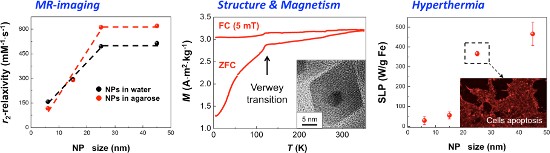
- , and 20 μL of MTS reagent (CellTiter 96 aqueous non-radioactive cell proliferation assay, Promega, USA) was added to each well. Following 4 h of incubation at 37 °C in darkness, the wells were placed on a permanent magnet to remove the NPs from solution, and 100 μL of the obtained solution was


Cytotoxicity of doxorubicin-conjugated poly[N-(2-hydroxypropyl)methacrylamide]-modified γ-Fe2O3 nanoparticles towards human tumor cells
Beilstein J. Nanotechnol. 2018, 9, 2533–2545, doi:10.3762/bjnano.9.236
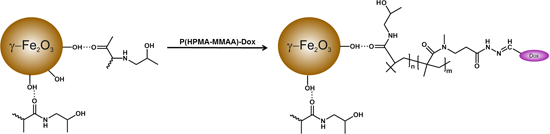
- Zdenek Plichta Yulia Kozak Rostyslav Panchuk Viktoria Sokolova Matthias Epple Lesya Kobylinska Pavla Jendelova Daniel Horak Institute of Macromolecular Chemistry CAS, Heyrovského nám. 2, 162 06 Prague 6, Czech Republic Department of Regulation of Cell Proliferation and Apoptosis, Institute of Cell


Enhanced antineoplastic/therapeutic efficacy using 5-fluorouracil-loaded calcium phosphate nanoparticles
Beilstein J. Nanotechnol. 2018, 9, 2499–2515, doi:10.3762/bjnano.9.233
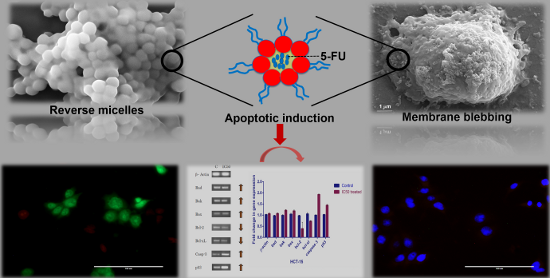
- structure, 5-FU enables the misincorporation of the fluoro-nucleotides into RNA and DNA and effectively inhibits synthetic enzyme (i.e., thymidylate) synthase, which further results in the arrest of cellular growth and proliferation. However, due to the increased rate of metabolism in the blood, 5-FU has a


Nanocellulose: Recent advances and its prospects in environmental remediation
Beilstein J. Nanotechnol. 2018, 9, 2479–2498, doi:10.3762/bjnano.9.232
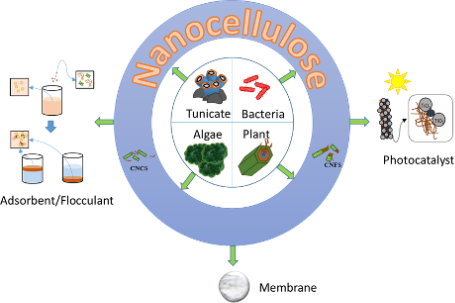


Fabrication of photothermally active poly(vinyl alcohol) films with gold nanostars for antibacterial applications
Beilstein J. Nanotechnol. 2018, 9, 2040–2048, doi:10.3762/bjnano.9.193
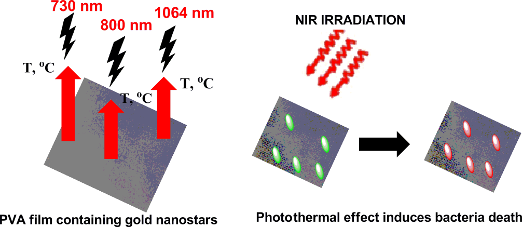
- local temperature increase was enough to inhibit bacterial growth viability and proliferation. Further studies will be performed whereby both the laser intensity and irradiation period are tuned, leading to improved antibacterial efficiency of the prepared films. Conclusion In the present study PVA


Biomimetic and biodegradable cellulose acetate scaffolds loaded with dexamethasone for bone implants
Beilstein J. Nanotechnol. 2018, 9, 1986–1994, doi:10.3762/bjnano.9.189
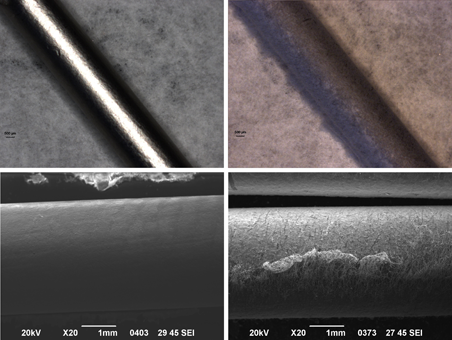
- . Cytotoxicity studies were performed by using MTT assay, methylene-blue staining and SEM fixation and showed very good cell adhesion and proliferation, indicating the cytocompatibility of these fibrous scaffolds. Drug-release kinetics was measured for the evaluation of a controllable and sustained release of
- three-dimensional (3D) polymeric scaffolds acting as substrates for the growth, differentiation and proliferation of biological cells for their successful implementation in medical devices. This has led to the development of a new generation of diagnostic and therapeutic approaches [12][13]. Although
- degradation pattern of which is appropriate for this application, contributed positively to the anti-inflammatory action of dexamethasone and not to its immunosuppressive action. Cytocompatibility behavior The MTT assay shows the quantitative analysis of cell proliferation as a function of the time. The MTT


A visible-light-controlled platform for prolonged drug release based on Ag-doped TiO2 nanotubes with a hydrophobic layer
Beilstein J. Nanotechnol. 2018, 9, 1793–1801, doi:10.3762/bjnano.9.170
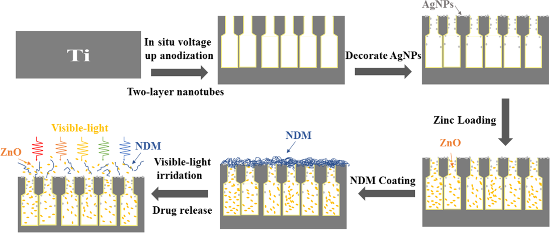
- essential to human being, previously published work [26] showed that Zn can greatly improve cell functionality by enhancing osteoblast proliferation and mineralization and promoting mesenchymal stem cell osteogenic differentiation. Meanwhile, its anti-inflammatory properties have also drawn wide attention





Preparation of micro/nanopatterned gelatins crosslinked with genipin for biocompatible dental implants
Beilstein J. Nanotechnol. 2018, 9, 1735–1754, doi:10.3762/bjnano.9.165
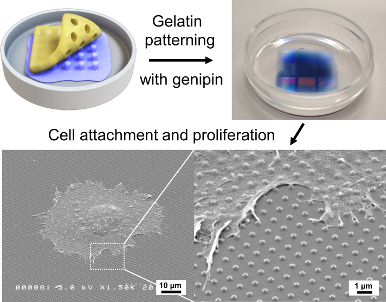
- showed that the number of surface-attached cells increased with increasing patterning of the gelatin surface. Unlike the cell attachment assay, the results of a cell proliferation assay showed that Saos-2 cells prefer grooves with diameters of approximately 2 µm and 1 µm and pillars with diameters of 1
- µm and heights of 500 nm. The number of cells on pillars with heights of 2 µm was larger than those of the other gelatin surface patterns tested. Conclusion: These data support that a detailed design of the gelatin surface pattern can control both cell attachment and proliferation of Saos-2 cells
- . Thus, gelatin surfaces patterned using genipin crosslinking are now an available option for biocompatible material patterning. Keywords: cell attachment; cell proliferation; dental implants; gelatin; genipin; nanopatterning; Introduction Topography on the micro- and nanoscale is an important property








Bioinspired self-healing materials: lessons from nature
Beilstein J. Nanotechnol. 2018, 9, 907–935, doi:10.3762/bjnano.9.85
- mainly rely on high reproductive (cell division) rates and short life spans (fast evolution) for proliferation and survival. This review focuses on the multicellular plant and animal organisms, whose healing goal is homeostasis, or the body’s attempt to maintain itself. Homeostasis is defined as a
- the body. Inflammation initiates the innate immune response, often seen as a swelling redness as an increase in cells occurs at the site of the wound. In proliferation, fibroblasts (counterparts to the osteoblasts in hard tissue) secrete extracellular matrix, fibrinogen, and collagen to remodel tissue







Noble metal-modified titania with visible-light activity for the decomposition of microorganisms
Beilstein J. Nanotechnol. 2018, 9, 829–841, doi:10.3762/bjnano.9.77
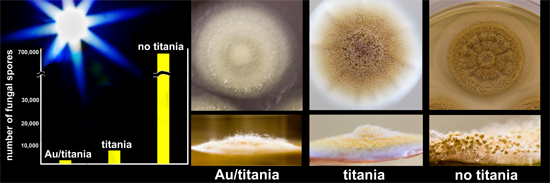
- albicans (C. albicans)) activity under visible-light irradiation and in the dark using disk diffusion, suspension, colony growth (“poisoned food”) and sporulation methods. It was found that silver-modified titania, besides remarkably high antibacterial activity (inhibition of bacterial proliferation


Green synthesis of fluorescent carbon dots from spices for in vitro imaging and tumour cell growth inhibition
Beilstein J. Nanotechnol. 2018, 9, 530–544, doi:10.3762/bjnano.9.51
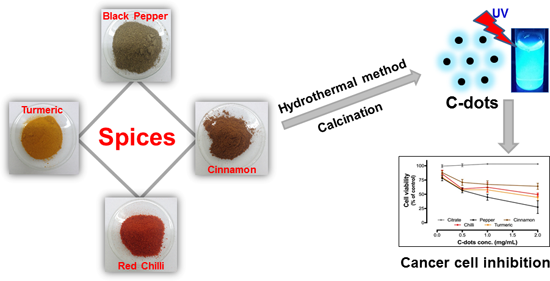
- instance, piperine, a major chemical compound present in black pepper, has shown anti-inflammatory, anti-angiogenic, and anti-arthritic effects [15]. Moreover, it has been reported that black pepper is capable to reduce breast cancer cell proliferation [16][17][18]. Turmeric is an abundant medicinal herb


Nanoparticle delivery to metastatic breast cancer cells by nanoengineered mesenchymal stem cells
Beilstein J. Nanotechnol. 2018, 9, 321–332, doi:10.3762/bjnano.9.32
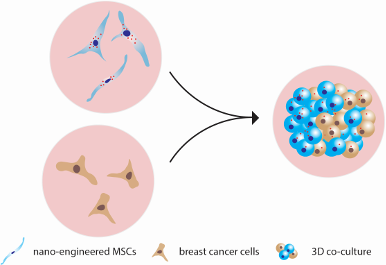
- [14][15][16]. Moreover, in vitro 3D cultures could fill the gap between 2D in vitro testing and in vivo animal models [17][18]. Spheroid-based 3D models are widely used to test cancer cell growth/proliferation, invasion, angiogenesis, and immune interactions and have been employed in drug screening



Liquid-crystalline nanoarchitectures for tissue engineering
Beilstein J. Nanotechnol. 2018, 9, 205–215, doi:10.3762/bjnano.9.22
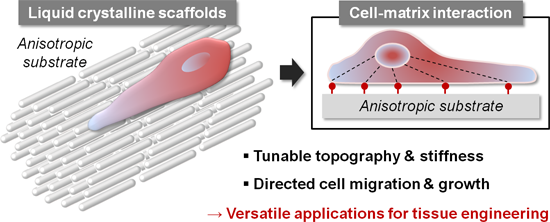
- alignment of ECM fibers is known to control the cell shape and motion [53]. During development, growth, and proliferation, the 2D/3D topography of ECM affects the cell spreading, focal adhesion strength, and intercellular mechanical signaling [54]. For example, the guided migration of cells in the ECM was
- architectures of hydrated dense collagen matrices allowed for the penetration of human dermal fibroblast from the surface into the matrix through the expression of metalloproteinases (collagenase I and gelatinase A), in which long-term migration and high-yield proliferation of cells were achieved, comparable to
- purposes, LCEs need to undergo additional physicochemical modifications. For example, Abbott and co-workers developed a cell-culture monitoring tool with which the orientational order of ECM-decorated nematic LCE substrates could be utilized for sensing ECM-attachment and proliferation of human embryonic


Humidity-dependent wound sealing in succulent leaves of Delosperma cooperi – An adaptation to seasonal drought stress
Beilstein J. Nanotechnol. 2018, 9, 175–186, doi:10.3762/bjnano.9.20
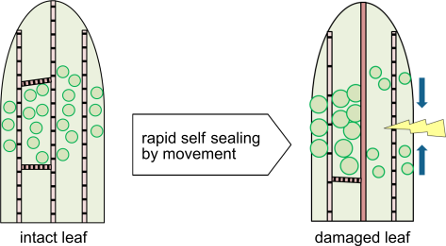
- , reversible cross-linking) are involved, a transfer to technology is especially promising. However, if biological mechanisms such as metabolism-driven modifications (e.g., biosynthesis, cell proliferation) are present, the technical application is much more difficult. A clear distinction must also be made
- mechanically driven mechanism. Subsequent to the relatively fast initial self-sealing processes, self-healing including biosynthesis and cell proliferation starts, and hence the formation of a specific wound healing tissue. After a few weeks, self-healing is completed showing pronounced healed tissue in the


Tailoring the nanoscale morphology of HKUST-1 thin films via codeposition and seeded growth
Beilstein J. Nanotechnol. 2017, 8, 2307–2314, doi:10.3762/bjnano.8.230
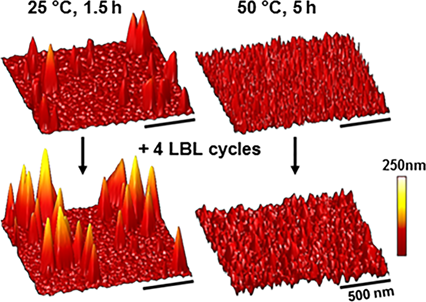
- 25 °C samples. The 1.5 h sample at 25 °C had the highest thickness and roughness values. The 25 °C sample submerged for 5 h had a marked decrease in thickness and was the initial time point at which the proliferation of small particles was observed. In addition, durations of 1.5 and 5 h were


Bi-layer sandwich film for antibacterial catheters
Beilstein J. Nanotechnol. 2017, 8, 1982–2001, doi:10.3762/bjnano.8.199
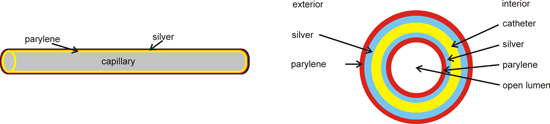
- against solutions with Ag+ ions releasing catheters, the raising absorption is caused by exponential bacteria growth, which eventually becomes saturated. With this method, however, a decision is not possible whether the bacteria are already dead or still alive but have lost their ability for proliferation


Carbon nano-onions as fluorescent on/off modulated nanoprobes for diagnostics
Beilstein J. Nanotechnol. 2017, 8, 1878–1888, doi:10.3762/bjnano.8.188
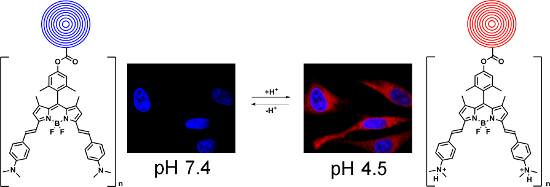
- changes in the cells and tissues. Some of these events include cell proliferation and apoptosis [1], ion transport [2] and other cellular process and diseases such as cancer [3][4][5], Parkinson's, and Alzheimer's disease [6]. Despite the large number of nanotechnology platforms available to date for
- (Figure 8B,C), a progressive accumulation of fluo-CNOs was observed during the cell proliferation. Additionally, the efficient uptake was supported by a three dimensional reconstruction of cells treated with CNOs (Figure 9). Finally, we demonstrated that the on/off fluorescent emission properties of the
- a positive control for cytotoxicity, the cells were incubated with 5% DMSO. Cell viability was determined using the cell proliferation reagent WST-1 (Roche Applied Sciences). After aspiration of the culture medium, a mixture of DMEM and WST1 reagent (1/10 volume) was added to each well. After 2 h of




Optical techniques for cervical neoplasia detection
Beilstein J. Nanotechnol. 2017, 8, 1844–1862, doi:10.3762/bjnano.8.186

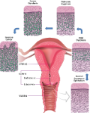
- characterized by loss of layered tissue architecture and an increase in tissue microstructural disorder in OCT images (Figure 12 b,c). The stromal layer demonstrates columnar proliferation towards the surface of tissue in the OCT image of a CIN 3 lesion (Figure 12b). The invasive carcinoma manifests itself in



Uptake and intracellular accumulation of diamond nanoparticles – a metabolic and cytotoxic study
Beilstein J. Nanotechnol. 2017, 8, 1649–1657, doi:10.3762/bjnano.8.165
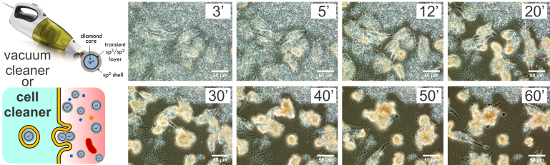
- compared with the ND-free living control (i.e., cells grown in polystyrene wells in a medium without diamond nanoparticles). Similar results were also obtained in a study by Vaijayanthimala et al. [11], in which the proliferation of HeLa cells and 3T3-L1 pre-adipocytes exhibited no significant difference


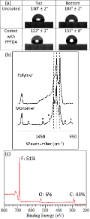
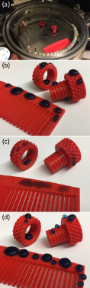
Surface functionalization of 3D-printed plastics via initiated chemical vapor deposition
Beilstein J. Nanotechnol. 2017, 8, 1629–1636, doi:10.3762/bjnano.8.162
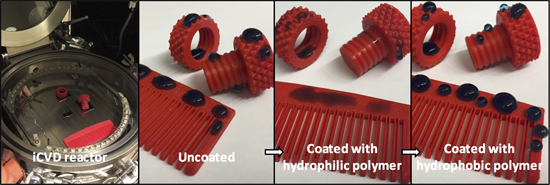
- . Hong et al. demonstrated that simply dipping polycaprolactone/poly(lactic-co-glycolic acid) 3D scaffolds in mussel adhesive proteins promoted cellular adhesion, proliferation and differentiation, showing that a facile surface modification improved the viability of using 3D-printed scaffolds for tissue



Development of polycationic amphiphilic cyclodextrin nanoparticles for anticancer drug delivery
Beilstein J. Nanotechnol. 2017, 8, 1457–1468, doi:10.3762/bjnano.8.145
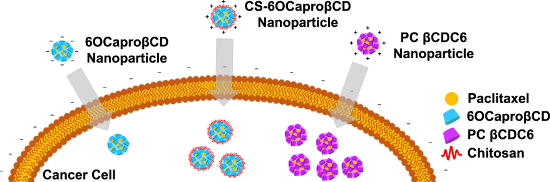
- human breast cancer cell line. For this purpose, MCF-7 cells were incubated with different concentrations of PCX in dimethyl sulfoxide (DMSO). Non-treated cells were incubated with DMEM alone and were used as control group. Cell proliferation was determined and the IC50 value of PCX was calculated and





