


Search results
Search for "surfactant" in Full Text gives 238 result(s) in Beilstein Journal of Nanotechnology. Showing first 200.
Ultrathin hydrophobic films based on the metal organic framework UiO-66-COOH(Zr)
Beilstein J. Nanotechnol. 2019, 10, 654–665, doi:10.3762/bjnano.10.65
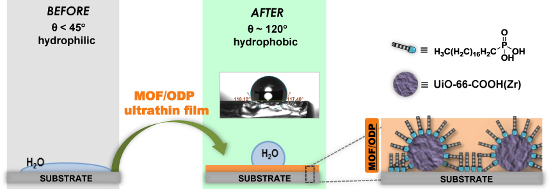
- /surfactant films containing 10 wt % octadecylphoshonic acid (ODP) have been deposited on substrates of different nature by Langmuir–Blodgett (LB) and Langmuir–Schaefer (LS) methods, showing that the presence of even only one MOF/ODP monolayer can increase the water contact angle of highly hydrophilic
- suspension, while avoiding material loss into the subphase. The use of an auxiliary surfactant was chosen since previous studies [21][40][41][42] have shown that it is an efficient method to obtain stable Langmuir films. When binary mixtures MOF/surfactant are used, the surfactant is expected both to reduce
- the particle aggregation and improve the formation of compact films at the air–water interface. In this approach, an appropriate surfactant should first be chosen (i.e., it should not react with the MOF). Second, its concentration has to be optimized to enhance film formation in order to preserve the


Ceria/polymer nanocontainers for high-performance encapsulation of fluorophores
Beilstein J. Nanotechnol. 2019, 10, 522–530, doi:10.3762/bjnano.10.53
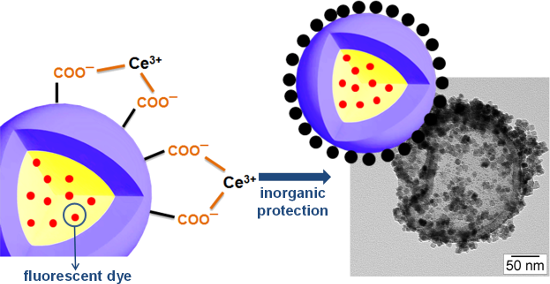
- nm−2 at pH 10), which is a result of the used anionic surfactant (sodium dodecyl sulfate) and the hydrophilic co-monomer (acrylic acid). Acrylic acid plays a crucial role in binding the cerium ions to the surface of nanocapsules and is also helpful to increase the hydrophilic nature of the system


pH-mediated control over the mesostructure of ordered mesoporous materials templated by polyion complex micelles
Beilstein J. Nanotechnol. 2019, 10, 144–156, doi:10.3762/bjnano.10.14
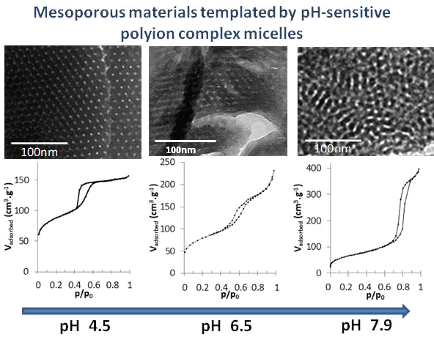
- surfactants [38][39] as SDA of silica; it was ascribed to an increase of the polycondensation rate of silicic species with pH favoring fast nucleation of small flocs of surfactant and silica [40]. As emphasized by Berggren and Palmqvist [35], these small flocs further grow until reaching a final size that


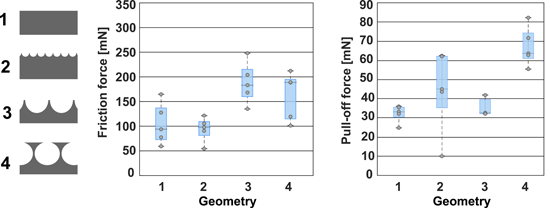
Pull-off and friction forces of micropatterned elastomers on soft substrates: the effects of pattern length scale and stiffness
Beilstein J. Nanotechnol. 2019, 10, 79–94, doi:10.3762/bjnano.10.8
- particles: Carboxylated polystyrene (PS) particles with a sub-microscale diameter were synthesized in a single-step surfactant-free emulsion polymerization, according to Appel et al. [42]. The particles were washed by centrifugation three times in ethanol and three times in water. The particles were





Colloidal chemistry with patchy silica nanoparticles
Beilstein J. Nanotechnol. 2018, 9, 2989–2998, doi:10.3762/bjnano.9.278
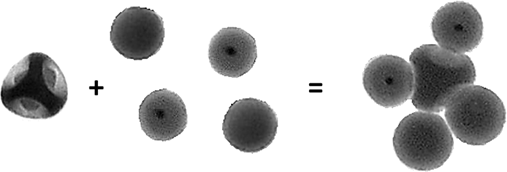
- nanometer) and a surfactant mixture (3 g·L−1) of Symperonic® NP30 and SDS. The polymerization was performed at 70 °C for 6 h. Regrowth of the silica core We regrew the silica cores to create dimples using a method that we had reported previously [19]. We prepared a mixture of 227.5 mL ethanol and 17.5 mL


Variation of the photoluminescence spectrum of InAs/GaAs heterostructures grown by ion-beam deposition
Beilstein J. Nanotechnol. 2018, 9, 2794–2801, doi:10.3762/bjnano.9.261
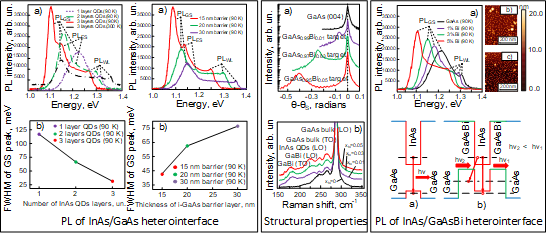
- increase in the average size of QDs from 14 to 20 nm. The results can be explained by an increasing rate of In surface diffusion on GaAs1−xBix during the ion-beam deposition due to the Bi surfactant effect. Note that scientists have different points of view about it. Some argue that doping of Bi during the
- of this. Bi has a large atomic size, so it creates elastic strain in the GaAs lattice and thus influences the QD self-organization. Consequently, using Bi as a surfactant on the GaAs growth surface changes the kinetics of In surface diffusion during ion-beam deposition. Unchanged is the circumstance


Enhanced antineoplastic/therapeutic efficacy using 5-fluorouracil-loaded calcium phosphate nanoparticles
Beilstein J. Nanotechnol. 2018, 9, 2499–2515, doi:10.3762/bjnano.9.233
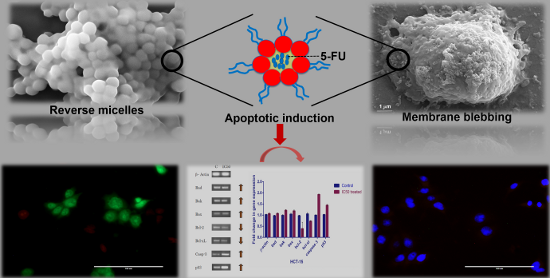
- –surfactant molar ratio (MW). By restricting the water–surfactant molar ratio up to 10 (i.e., MW < 10) the reverse micelles can be readily formed with narrow size distribution in a synthetic reaction system [23]. The water molecules restricted inside hydrophilic core resulted in swollen micelles that were
- uniformly dispersed in oil, forming a water-in-oil (W/O) microemulsion system [24]. Highly monodisperse, stable, size controllable and chemically reproducible nanoparticles can be formed by adopting the aforementioned method. The anionic surfactant (AOT) in the organic solvent forms the oil dispersion media
- synthesis procedure involved the use of the surfactant AOT in a nonpolar solvent. The synthesis procedure is schematically presented in Figure 1A. Briefly, in two separate parallel reaction systems, the precursor mixtures were stirred, where each was provided with the surfactant (0.1 M AOT) dissolved in n


The role of adatoms in chloride-activated colloidal silver nanoparticles for surface-enhanced Raman scattering enhancement
Beilstein J. Nanotechnol. 2018, 9, 2236–2247, doi:10.3762/bjnano.9.208
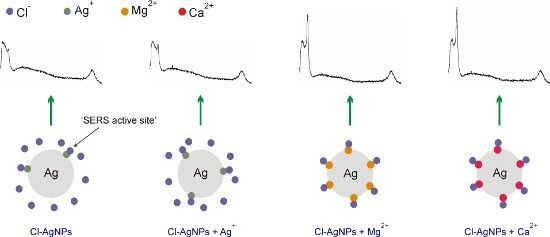
- surface explains why the citrate surfactant is not SERS active in the as-synthesized cit-AgNPs. Nevertheless, the SERS spectrum of the citrate surfactant can be turned on by the chemisorption of the citrate molecules onto the metal surface, mediated by cations such as Ag+, Mg2+ or Ca2+. In general, all
- the reagents (in the mM range) is too low for normal Raman spectroscopy. The surfactant (capping agent) plays a key role in the stabilization of the AgNPs by prohibiting aggregation via electrostatic repulsion between AgNPs. However, the surfactant surrounding the AgNPs does not exhibit a SERS



Lead-free hybrid perovskites for photovoltaics
Beilstein J. Nanotechnol. 2018, 9, 2209–2235, doi:10.3762/bjnano.9.207
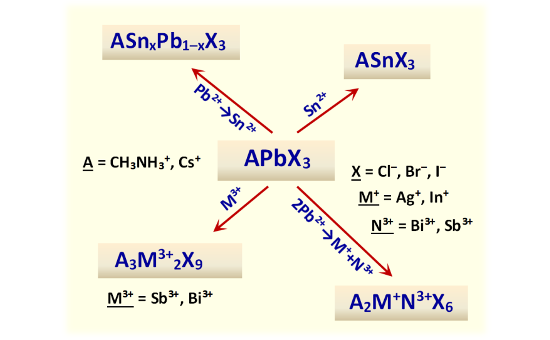
- of Cs3Bi2X9 NCs resulting in a drastic PL enhancement [165]. The water was found to act similar to the addition of the surfactant oleic acid, confirming the assumption of the moisture-induced passivation of the surface trap states and providing the nanocrystalline Cs3Bi2X9 luminophores with prolonged


Nanoconjugates of a calixresorcinarene derivative with methoxy poly(ethylene glycol) fragments for drug encapsulation
Beilstein J. Nanotechnol. 2018, 9, 2057–2070, doi:10.3762/bjnano.9.195
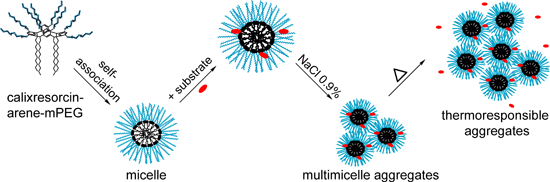
- fragments [32] and appear due to the reaction conditions (see Experimental section). Because of the presence of mPEG groups, compound 3 can be considered a non-ionic surfactant. It is known, that in aqueous solutions of non-ionic surfactants increasing temperatures leads to phase separation. There are two
- phases at the critical temperature (cloud point, Tc) in the solution, one of which is saturated by surfactant molecules and another one is almost surfactant-free. At Tc, dehydration of hydrophilic groups occurs and the interaction of inter- and intramolecular H-bonds among the surfactant is increased


Fabrication of photothermally active poly(vinyl alcohol) films with gold nanostars for antibacterial applications
Beilstein J. Nanotechnol. 2018, 9, 2040–2048, doi:10.3762/bjnano.9.193
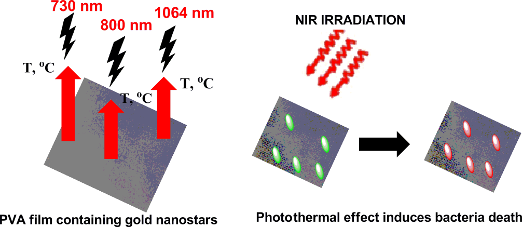
- technique in the presence of a non-ionic surfactant, Triton X-100, according to a well-established protocol reported by our group previously [24]. An example of a typical TEM image of the resulting GNSs is provided in Supporting Information File 1 (Figure S1). Different from the GNSs obtained using the
- photothermal effect [6][24]. Moreover, the LSPR peak located in the second biotransparent window (1000–1400 nm) is more attractive for in vivo applications due to the deeper penetration of NIR light [26]. Since GNSs are weakly stable if coated only with surfactant, and also considering the cytotoxicity of
- surfactants, they were coated with either SH-PEG5000–OCH3 or SH-PEG5000–COOH before being incorporated in the PVA matrix, as PEGylation of gold nanostars leads to enhanced stability [9][10] and complete surfactant removal [6][8].The aqueous solutions of PEGylated GNSs were prepared with 0.6 mg/mL Au


Controllable one-pot synthesis of uniform colloidal TiO2 particles in a mixed solvent solution for photocatalysis
Beilstein J. Nanotechnol. 2018, 9, 1715–1727, doi:10.3762/bjnano.9.163
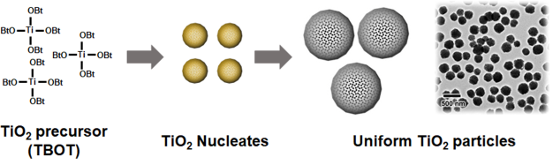
- process. Varying the ratio of solvent composition, the concentration of surfactant and TiO2 precursor was used to control the particle diameter, degree of monodispersity and morphology. The modification of the calcination temperature affected the crystallinity and crystalline phase of the colloidal TiO2
- oxide particles, such as SiO2, ZrO2 and TiO2 that have well-controlled characteristics [15][30][31]. We have previously reported a reproducible sol–gel coating method for producing SiO2@TiO2 core–shell nanostructures in the presence of a surfactant in pure ethanol solution [7][8]. In addition, another
- Uniform colloidal TiO2 particles can be synthesized by a modified sol–gel synthesis followed by calcination under atmospheric conditions. The synthesis is conducted in the ethanol–acetonitrile mixed solvent phase in the presence of a surfactant and base catalysts for the hydrolysis and condensation of the




Surface characterization of nanoparticles using near-field light scattering
Beilstein J. Nanotechnol. 2018, 9, 1228–1238, doi:10.3762/bjnano.9.114
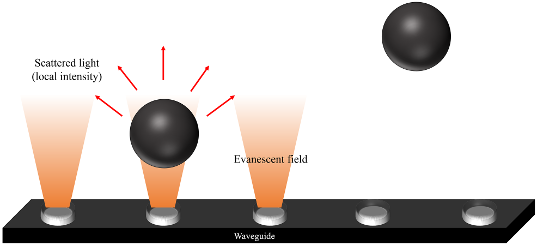
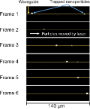
- velocity and drag force (i.e., each of the groups are labelled with a volume that corresponds to the volume in μL of 10× PBS buffer in 10 mL water). In order to measure PEG-SPIOs, 1% pluronic (Pluronic F-68) surfactant was added to all solutions. Uncoated SPIOs were unstable under the same conditions as
- are attached to the chip through the o-rings that are sealed around the through-holes on the back of the chip. Therefore, flow control is attained through a pressure-regulated vacuum pump. The microfluidic chips can be reused by washing with buffer of 1% pluronic F-68 surfactant in 0.22 μm filtered




Understanding the performance and mechanism of Mg-containing oxides as support catalysts in the thermal dry reforming of methane
Beilstein J. Nanotechnol. 2018, 9, 1162–1183, doi:10.3762/bjnano.9.108
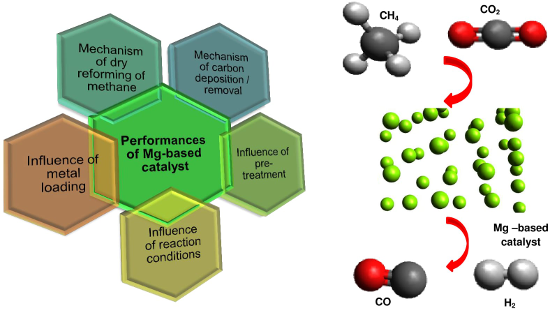
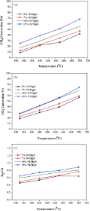
- performance showed high stability for up to 400 h of reaction. Fan et al. [52] carried out DRM over a Ni–Co/MgO–ZrO2 catalyst synthesized by applying impregnation and surfactant-assisted impregnation methods. Reportedly, MgO stabilized t-ZrO2 and influenced the particle size. Furthermore, the addition of MgO






Facile chemical routes to mesoporous silver substrates for SERS analysis
Beilstein J. Nanotechnol. 2018, 9, 880–889, doi:10.3762/bjnano.9.82
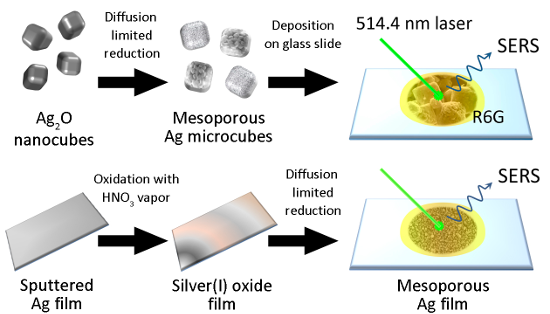
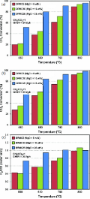
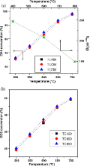
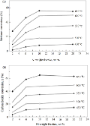
- role as surfactant, partly blocking the nucleation at (100) facets if the prevalent growth mechanism is normal or lateral layer-by-layer growth [28]. Presumably, the PVP adsorbates remained at the Ag2O crystallite surface after the washing procedure. Remarkably, the porous polyhedron-like silver


A review of carbon-based and non-carbon-based catalyst supports for the selective catalytic reduction of nitric oxide
Beilstein J. Nanotechnol. 2018, 9, 740–761, doi:10.3762/bjnano.9.68
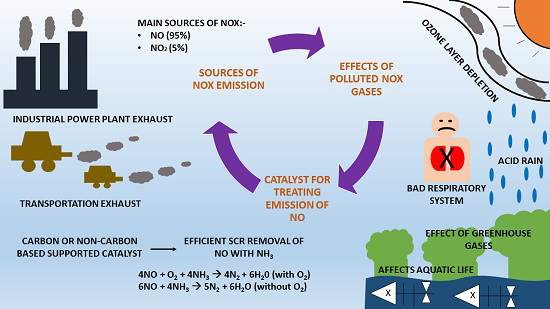
- –Ce species on CNT using an in situ (reflux) method. In this method, poly(sodium 4-styrenesulonate) (PSS) was used as surfactant during the synthesis of the catalyst in order to assist with the dispersion of CNTs in aqueous solution and to maintain its stability. From the experimental activities, it
Cyclodextrin-assisted synthesis of tailored mesoporous silica nanoparticles
Beilstein J. Nanotechnol. 2018, 9, 693–703, doi:10.3762/bjnano.9.64
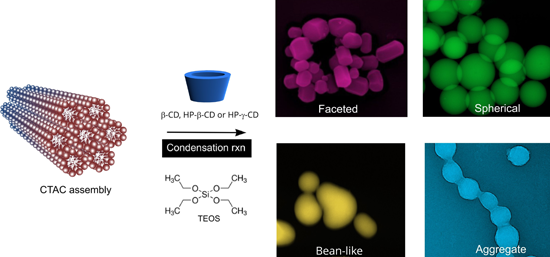
- influenced by the type of additives used, e.g., solvent and pore-templating agent. Here, we studied the influence of cyclodextrin (CD) molecules on the formation of MSNs. The nanoparticles over 100 nm in diameter were synthesized by surfactant-templated, hydrolysis–polycondensation reactions in the presence
- a highly challenging task to date. MSNs are commonly synthesized by surfactant-templated sol–gel reactions [12][13]. In this regard, mesoporous silica nanospheres are the most commonly used form of silica particles that are produced using a pore templating agent, such as cetyltrimethylammonium
- structures were produced using a combination of CTAB surfactant, ethylene glycol solvent and NH4OH as the catalyst. MSNs were also reported in branched forms using organosilane precursors in a one-pot, CTAB-directed sol–gel synthesis [17]. For such a system, increasing the ethyl acetate concentration led to


Tuning adhesion forces between functionalized gold colloidal nanoparticles and silicon AFM tips: role of ligands and capillary forces
Beilstein J. Nanotechnol. 2018, 9, 660–670, doi:10.3762/bjnano.9.61
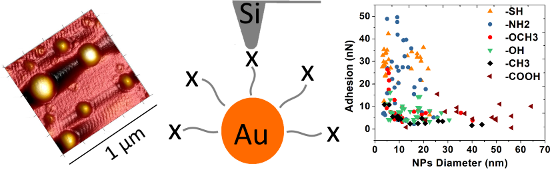
- by a surfactant such as sodium citrate to obtain 10 nm diameter particle, for instance, and then, the thin layer of citrate molecules is exchanged by the thiol layer: this process is favorable as Au has a stronger affinity with thiol than carboxylic groups of sodium citrate molecules [43]. A two-step


Optimisation of purification techniques for the preparation of large-volume aqueous solar nanoparticle inks for organic photovoltaics
Beilstein J. Nanotechnol. 2018, 9, 649–659, doi:10.3762/bjnano.9.60
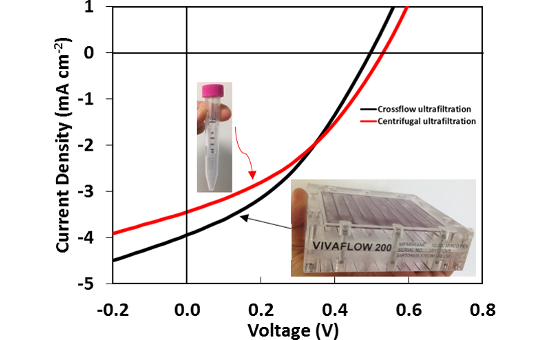
- processes: centrifugal and crossflow ultrafiltration. The impact of purification is twofold: firstly, removal of excess sodium dodecyl sulfate (SDS) surfactant from the ink and, secondly, concentration of the photoactive components in the ink. The removal of SDS was studied in detail both by a UV–vis
- : aqueous nanoparticle; crossflow ultrafiltration; miniemulsion; organic photovoltaic; SDS surfactant; surface tension; Introduction Organic photovoltaics (OPV) are a promising energy technology that utilizes large-scale roll-to-roll (R2R) fabrication techniques (such as slot-die coating, flexographical
- industrial potential of this method. Method 2: The mini-emulsion method: This method involves ultrasonic mixing of the two-phase organic–aqueous system in the presence of a surfactant, which is commonly sodium dodecyl sulfate (SDS), to produce the mini-emulsion [10]. The presence of free (unbound) SDS in the


Facile phase transfer of gold nanorods and nanospheres stabilized with block copolymers
Beilstein J. Nanotechnol. 2018, 9, 616–627, doi:10.3762/bjnano.9.58
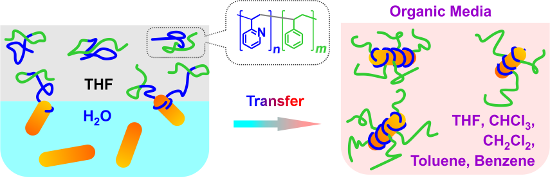
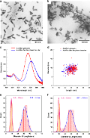
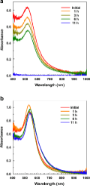
- due to van der Waals interactions, so their stabilization requires the use of bulky surfactant molecules [24][25][26] or polymers with a strongly binding groups via grafting-to [27][28], grafting-from [4] and grafting-around [29] approaches, hyperbranched polymers [30] or polymers with a significant


Engineering of oriented carbon nanotubes in composite materials
Beilstein J. Nanotechnol. 2018, 9, 415–435, doi:10.3762/bjnano.9.41
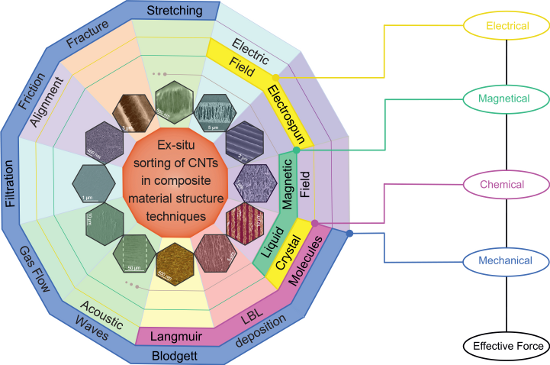
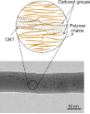
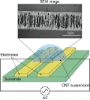
- , produced by using a surfactant such as sodium dodecylbenzene sulfonate (SDBS), is dropped on a thin silicon layer that has gap-cell electrodes. An acoustic field is applied to the drops and aligns the CNTs (Figure 18). An electrical circuit is completed by creating a bridge of CNTs between the electrodes








Dielectric properties of a bisimidazolium salt with dodecyl sulfate anion doped with carbon nanotubes
Beilstein J. Nanotechnol. 2018, 9, 164–174, doi:10.3762/bjnano.9.19
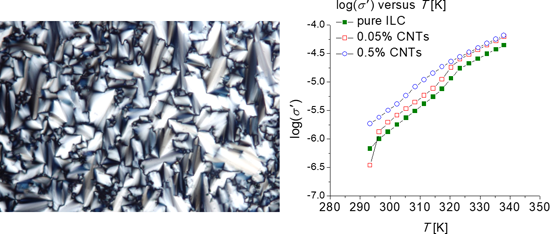
- ][3]. There is a growing interest in ILs based on imidazolium cations. Particular attention is paid to the flexibly or rigidly linked bisimidazolium salts, the so-called gemini ILs. Gemini ILs can show interesting surfactant and liquid crystalline properties [4][5][6][7][8][9][10][11][12] and such


Transition from silicene monolayer to thin Si films on Ag(111): comparison between experimental data and Monte Carlo simulation
Beilstein J. Nanotechnol. 2018, 9, 48–56, doi:10.3762/bjnano.9.7
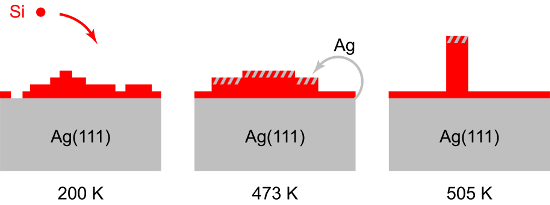
- regime where multilayer silicene has been claimed to form (470–500 K), a good agreement is found with AES intensity variations and STM measurements within a Ag surfactant mediated growth, whereas a model with multilayer silicene growth fails to reproduce the AES measurements. Keywords: Auger electron
- honeycomb-chained triangle (HCT) reconstruction observed on a Ag/Si(111) surface, it has been hypothesized that the observed films could result from the growth of diamond-like Si with Ag acting as a surfactant [28]. Such conclusions were also supported by low energy electron diffraction (LEED) [29][30
- , has been proposed [37][38]. At low temperature (T = 470 K), multilayer silicene would form, without Ag at the surface, whereas diamond-like growth would occur at high temperature (T = 570 K), with Ag acting as a surfactant. Thus, open questions remain on the nature of the films formed as a function of

Impact of titanium dioxide nanoparticles on purification and contamination of nematic liquid crystals
Beilstein J. Nanotechnol. 2017, 8, 2766–2770, doi:10.3762/bjnano.8.275
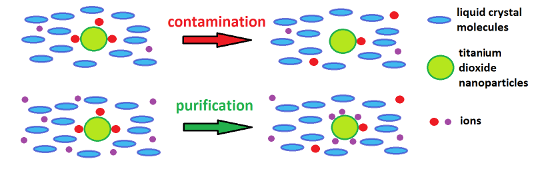
- , Moscow) with low initial ionic contamination (LC1). The ionic surfactant cetyltrimethylammonium bromide (CTABr) was added to the same LC to produce a LC with high ionic conductivity (LC2). The surfactant dissolves in LCs and dissociates on Br− and CTA+ ions [31]. The concentration of CTABr in LC2 was
The role of ligands in coinage-metal nanoparticles for electronics
Beilstein J. Nanotechnol. 2017, 8, 2625–2639, doi:10.3762/bjnano.8.263
- variety of shapes have been created, including spheres [3][4][5], rods [6][7], wires [8][9], belts [10][11], plates [12][13], and cubes [14]. Synthetic approaches include electrochemical deposition [15], surfactant addition [16], hydrothermal reduction [17], soft templates in solution [6], polymer
- formation of gold nanorods with controllable aspect ratios. In the presence of CTAB alone, rods with a broad size distribution formed (see above [65]) in a mixture with other shapes. An improved protocol with a binary surfactant mixture of CTAB and sodium oleate led to gold nanorods with a narrower size
- the silver NPs with surfactants resulted in surfactant-coated particles and increased the composite conductivity to 2 × 10⁵ S/cm compared to untreated silver nanoparticles (5 × 10⁻⁷ S/cm). Sintering at 150 °C further improved conductivity [137]. Jiang et al. reported the effects of ligand length on





