Search results
Search for "absorbance" in Full Text gives 409 result(s) in Beilstein Journal of Nanotechnology. Showing first 200.
Theranostic potential of self-luminescent branched polyethyleneimine-coated superparamagnetic iron oxide nanoparticles
Beilstein J. Nanotechnol. 2022, 13, 82–95, doi:10.3762/bjnano.13.6
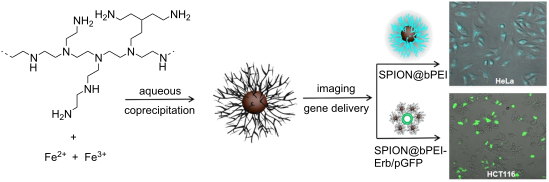
- to SPION which has strong absorbance in the visible window of the electromagnetic spectrum. A tremendous enhancement in the poor, mostly unrecognized and unutilized blue luminescence of bPEI was achieved when it was used as a coating on SPION crystals. We suggested that the partial oxidation of the
- Erb. The amount of Erb conjugated to nanoparticles was quantified by the Bradford assay. The unbound Erb removed by dialysis was then concentrated. This solution (1 mL) was mixed with 1 mL of the Bradford Reagent (Sigma-Aldrich, USA) for 10 min at room temperature, and then its absorbance at 595 nm
- was recorded using a UV–vis spectrophotometer (Shimadzu UV-3600 UV–vis–NIR spectrophotometer). A calibration curve was prepared with bovine serum albumin (BSA) at concentration values of 0, 1, 2, 4, 6, 8, and 10 µg/mL in PBS to enable a correlation between the measured absorbance and protein




Sputtering onto liquids: a critical review
Beilstein J. Nanotechnol. 2022, 13, 10–53, doi:10.3762/bjnano.13.2
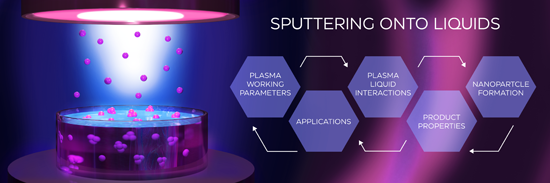
- discharge current from 10 to 40 mA during the sputtering of Ag onto 1-butyl-1-methylimidazolium hexafluorophosphate (BMIM-PF6) leads not only to a higher total Ag concentration in the solution and a subsequent increase of absorbance of the solution at the SPR peak maximum but also to an increase in the size




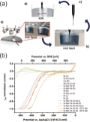


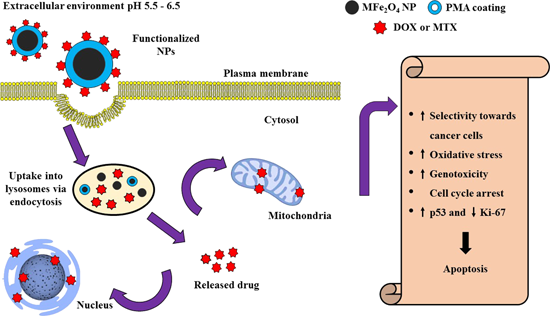
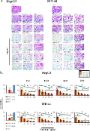
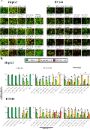
Biocompatibility and cytotoxicity in vitro of surface-functionalized drug-loaded spinel ferrite nanoparticles
Beilstein J. Nanotechnol. 2021, 12, 1339–1364, doi:10.3762/bjnano.12.99





Enhancement of the piezoelectric coefficient in PVDF-TrFe/CoFe2O4 nanocomposites through DC magnetic poling
Beilstein J. Nanotechnol. 2021, 12, 1262–1270, doi:10.3762/bjnano.12.93
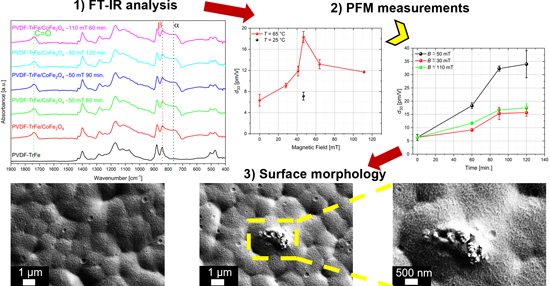
- using following equation [28]: where Aα and Aβ are the absorbance at 763 and 840 cm−1, respectively, for the α and β phases, and Kα and Kβ are the absorption coefficients at the corresponding wavenumbers (7.7 × 10⁴ and 6.1 × 104 cm2·mol−1, respectively). As it can be seen from Figure 1, the spectra of


Self-assembly of amino acids toward functional biomaterials
Beilstein J. Nanotechnol. 2021, 12, 1140–1150, doi:10.3762/bjnano.12.85
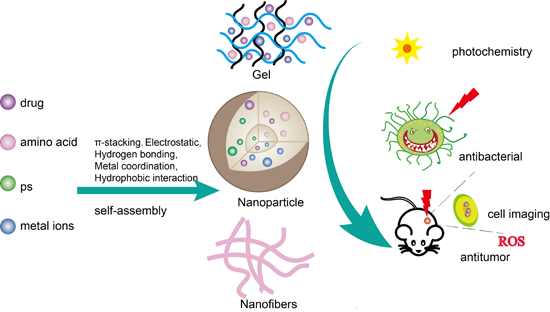
- monitoring the absorbance of p-nitrophenol at 400 nm. The catalytic formation of p-nitrophenol started within the first three minutes and then gradually increased. The catalytic rate constant of metal nanoparticles was higher than that of lipase (6.00 × 10⁻² and 6.95 × 10⁻³ s−1, respectively). In addition

Assessment of the optical and electrical properties of light-emitting diodes containing carbon-based nanostructures and plasmonic nanoparticles: a review
Beilstein J. Nanotechnol. 2021, 12, 1078–1092, doi:10.3762/bjnano.12.80
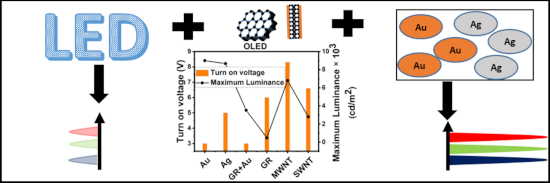
- current injections of 100 mA have shown clear enhancements for both types of AuNP in Figure 4a and Figure 4b. Surface plasmon resonance absorbance tends to blueshift with decreasing sizes of the NP. Therefore, the 2 nm AuNP were able to enhance the blue emission from the LED. A similar effect was also


A Au/CuNiCoS4/p-Si photodiode: electrical and morphological characterization
Beilstein J. Nanotechnol. 2021, 12, 984–994, doi:10.3762/bjnano.12.74
- results of the CuNiCoS4 nanocrystals confirmed that the nanocrystals are suitable for interfacial layers of photodiodes. Optical properties The optical properties of CuNiCoS4 nanocrystals were investigated by absorbance and diffuse reflectance spectroscopy (Figure 3). As can be seen in Figure 3a, the
- from 1200 to 300 nm, which is compatible with the absorbance result. The optical bandgap of thiospinel CuNiCoS4 was calculated from the Tauc and Kubelka–Munk equations. The graph of (F(R∞)hν)2 as function of the photon energy was plotted to estimate the bandgap of nanocrystals with direct band
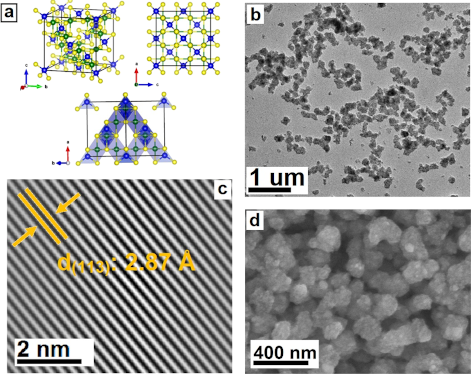
- illustration and (b) band diagram of the fabricated Au/CuNiCoS4/p-Si photodiode. (a) XRD pattern and crystal structure model, (b) TEM image, (c) HR-TEM interplanar spacing image, (d) FE-SEM image and (e) EDS pattern of the CuNiCoS4 nanocrystals. (a) Absorbance spectroscopy graph (inset figure: diffuse



Impact of GaAs(100) surface preparation on EQE of AZO/Al2O3/p-GaAs photovoltaic structures
Beilstein J. Nanotechnol. 2021, 12, 578–592, doi:10.3762/bjnano.12.48
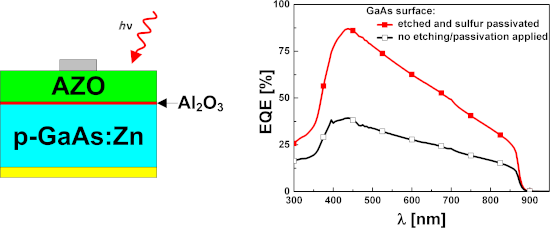
- characteristics were collected under standard test conditions (STC) using a PET solar simulator, model #SS100AAA. UV–vis absorbance and reflectance measurements were conducted with the use of a Varian Cary 5000 spectrophotometer equipped with a DRA 2500 integrating sphere accessory. The XPS measurements were
- substrate. Before the ALD deposition process, the glass sample underwent only an initial cleaning (stage 1). In this case the absorbance spectra were collected. The data was then processed in order to get the Tauc’s plot of (αhν)2 as a function of the energy in eV, following the equation: (αhν)2 = B(hν – Eg
- ), where α is the energy-dependent absorption coefficient, B is the constant and Eg is the bandgap energy [47]. Within the obtained plot, the relevant area of rapid linear absorbance growth was extrapolated accordingly, pointing the value of 3.23 eV (the crossing point with the abscissa) as the bandgap of




Rapid controlled synthesis of gold–platinum nanorods with excellent photothermal properties under 808 nm excitation
Beilstein J. Nanotechnol. 2021, 12, 462–472, doi:10.3762/bjnano.12.37
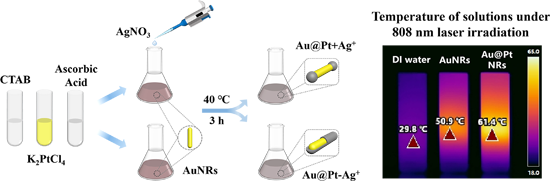
- photothermal effect, the Au@Pt NRs solution was exposed to 808 nm laser irradiation with different power density values. It can be clearly observed from Figure 5c that as the power density increases, the temperature also increases. Similarly, the absorbance of the Au@Pt NRs solution is also positively
- -state temperatures of the solution, respectively, QO is the heat dissipated from light absorbed by the cuvette and the deionized water, I is the incident laser power (2 W), and Aλ is the absorbance of the solution at 808 nm. QO was measured in an independent experiment. In our system, it was calculated


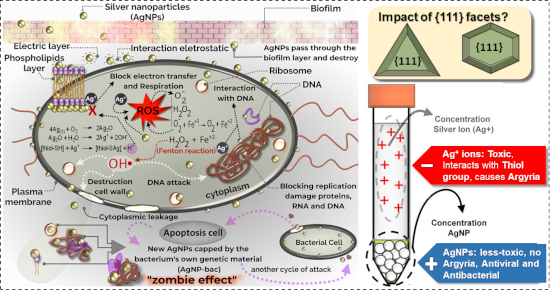
A review on nanostructured silver as a basic ingredient in medicine: physicochemical parameters and characterization
Beilstein J. Nanotechnol. 2021, 12, 440–461, doi:10.3762/bjnano.12.36


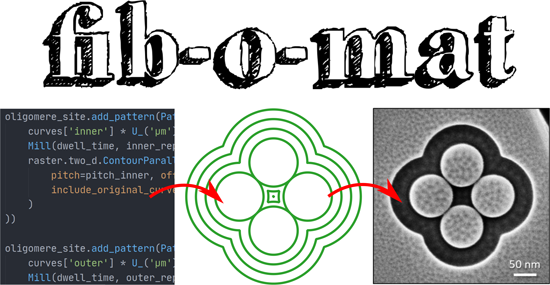
The patterning toolbox FIB-o-mat: Exploiting the full potential of focused helium ions for nanofabrication
Beilstein J. Nanotechnol. 2021, 12, 304–318, doi:10.3762/bjnano.12.25
- performance [47][48]. Furthermore, the material removal reduces the thermal coupling of the central device area to the supporting substrate. As graphene is a single-atomic layer, it exhibits the lowest possible heat capacity per unit area of the material [48]. Its broadband spectral absorbance [49], in


Doxorubicin-loaded gold nanorods: a multifunctional chemo-photothermal nanoplatform for cancer management
Beilstein J. Nanotechnol. 2021, 12, 295–303, doi:10.3762/bjnano.12.24
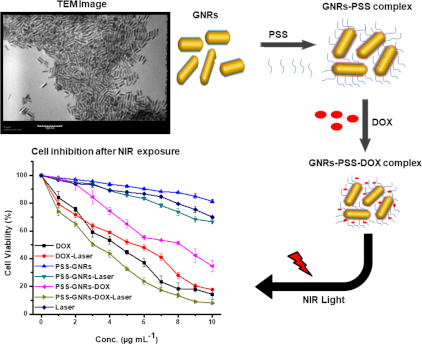
- conversion of absorbed NIR light to heat. In cancer intervention, NIR-mediated photothermal therapy is gaining more attention due to the deep tissue penetration with minimal absorbance by healthy tissues [15][16]. Gold nanorods are potential delivery carriers for sustained drug release in response to an
- hemoglobin in the supernatant of GNPs-RBCs mixture by monitoring absorbance intensity at 570 nm. The absence of a marked hemotoxicity of this sample is mainly related to the presence of the polymer. The GNR surface had no direct contact with the RBCs because it was completely passivated by the PSS coating


Characterization, bio-uptake and toxicity of polymer-coated silver nanoparticles and their interaction with human peripheral blood mononuclear cells
Beilstein J. Nanotechnol. 2021, 12, 282–294, doi:10.3762/bjnano.12.23
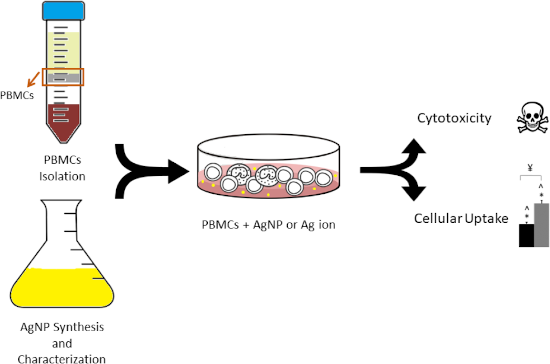
- after 24 h was measured and the results are presented in Figure 2. A decrease in the UV–vis absorbance was observed for all concentrations. A small redshift and a broadening of the Ag peak, especially for the 1000 µg·L−1 PVP-AgNP concentration was observed after 24 h of exposure. The values of full
- solution was added to each well and the LDH activity of the samples was assessed by measuring NADH absorbance at 490 nm. Cell metabolic activity was measured using 3-(4,5-dimethylthiazol-2-yl)-5-(3-carboxymethoxyphenyl)-2-(4-sulfophenyl)-2H-tetrazolium (MTS; Promega, Madison, WI) assay. The MTS assay



Effect of different silica coatings on the toxicity of upconversion nanoparticles on RAW 264.7 macrophage cells
Beilstein J. Nanotechnol. 2021, 12, 35–48, doi:10.3762/bjnano.12.3

- Biotec). The absorbance was recorded at 570 nm using a microtiter plate reader (Synergy HT, BioTeK Instruments Inc). The percentage of cell growth inhibition was calculated using Equation 2: Cell cycle analysis The cell cycle was analyzed by using flow cytometry, according to the method previously


Unravelling the interfacial interaction in mesoporous SiO2@nickel phyllosilicate/TiO2 core–shell nanostructures for photocatalytic activity
Beilstein J. Nanotechnol. 2020, 11, 1834–1846, doi:10.3762/bjnano.11.165
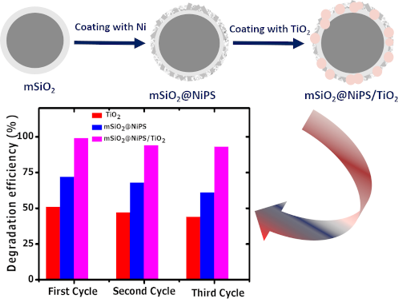
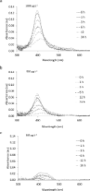
- equilibrium. The suspension was then irradiated under a UV light source under constant stirring. The photocatalytic reaction was monitored using UV–vis spectroscopy on each solution aliquot (1 mL) taken at 10 min intervals. The UV–vis spectra recorded at the maximum absorbance for methyl violet dye (464 nm


Nanocasting synthesis of BiFeO3 nanoparticles with enhanced visible-light photocatalytic activity
Beilstein J. Nanotechnol. 2020, 11, 1822–1833, doi:10.3762/bjnano.11.164
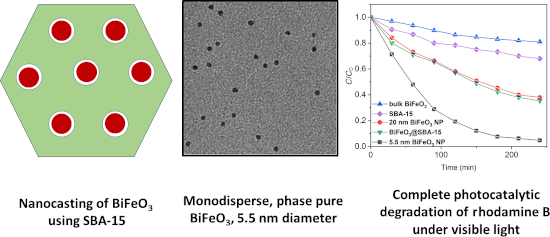
- separate the catalyst powder from the solution. The absorbance of each sample during photocatalysis was measured at the maximum absorption peak of RhB. Characterization techniques and equipment The structure and phase purity of the nanomaterials synthesized here were characterized using powder X-ray
- absorbance peak of RhB at 553 nm decreased over time (see Supporting Information File 1, Figure S1). A closer inspection of that peak also reveals a blueshift of the maximum peak intensity from 553 to 548 nm due to the formation of intermediate species upon cleavage of the conjugated chromophore or removal
- particles (b) particle size analysis (c) particles synthesized by a previously reported co-precipitation method, avg. size 20 nm (d) bulk material. Absorbance spectra and Tauc plot (inset) for 5.5 nm BiFeO3 nanoparticles. Photocatalytic degradation of RhB as a function of irradiation time under visible




PEG/PEI-functionalized single-walled carbon nanotubes as delivery carriers for doxorubicin: synthesis, characterization, and in vitro evaluation
Beilstein J. Nanotechnol. 2020, 11, 1728–1741, doi:10.3762/bjnano.11.155
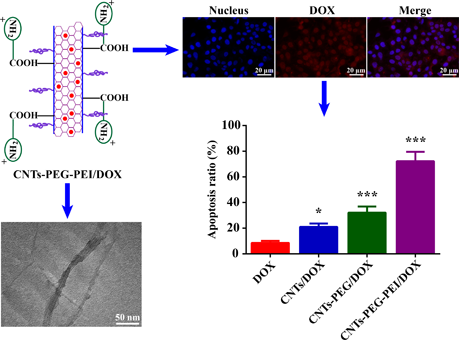
- stored overnight at 4 °C. The different DOX-loaded formulations were centrifugated 3–5 times for separating unencapsulated drugs. The supernatant liquid was stored for measuring the absorbance at 480 nm by UV–vis spectroscopy according to the preestablished standard curve. The drug loading efficiency (LE
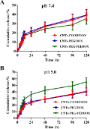
- , the same volume of fresh PBS was supplied in the release medium. The concentration of released DOX in all samples was determined by measuring the UV absorbance. The cumulative release rate of DOX was calculated and the measurements were repeated for three times, averaging the results. Cell viability
- dissolve the formazan crystals. The absorbance of the final solution was measured at a wavelength of 570 nm using a microplate spectrophotometer (SpectraMax iD5) to calculate the cell viability. Groups without treatment were used as control. Cellular uptake of DOX-loaded nanocarriers The drug delivery in




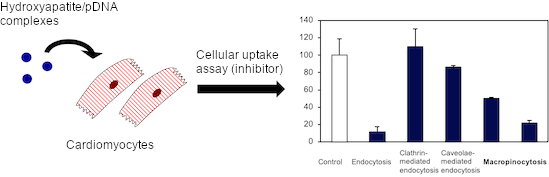
Cardiomyocyte uptake mechanism of a hydroxyapatite nanoparticle mediated gene delivery system
Beilstein J. Nanotechnol. 2020, 11, 1685–1692, doi:10.3762/bjnano.11.150
- (PBS) to remove detached dead cells and the formazan crystals were solubilized in DMSO. The absorbance was measured using a microplate reader at 570 nm. The relative cell viability (%) compared to non-treated cells was calculated by [abs] sample/[abs] control × 100. Transfection efficiency assay HL-1


High-responsivity hybrid α-Ag2S/Si photodetector prepared by pulsed laser ablation in liquid
Beilstein J. Nanotechnol. 2020, 11, 1596–1607, doi:10.3762/bjnano.11.142
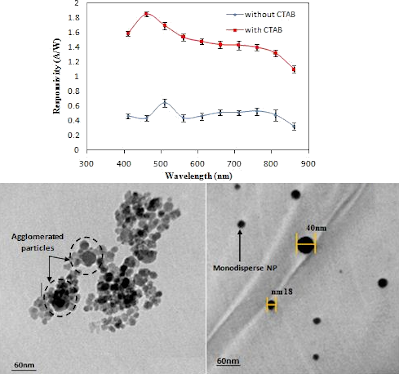
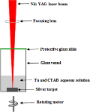
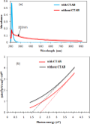
- the ablation process. The vessel was covered with a thin glass slide to prevent the vapor from reaching the laser focusing lens. The optical absorbance of the colloidal Ag2S NPs was measured by using a UV–vis double-beam spectrophotometer (Lambda 750, Perkin Elmer). The thiourea solution was used as




Role of redox-active axial ligands of metal porphyrins adsorbed at solid–liquid interfaces in a liquid-STM setup
Beilstein J. Nanotechnol. 2020, 11, 1264–1271, doi:10.3762/bjnano.11.110
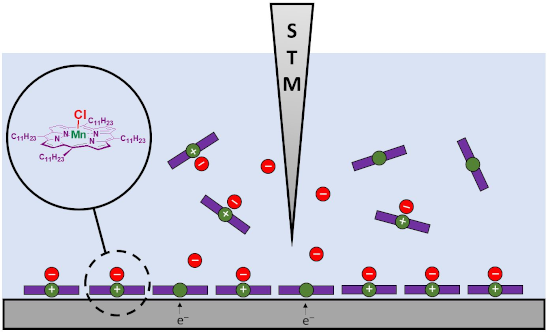
- . Also the first Q-band has blueshifted by 21 nm, and a larger background absorbance is observed. These spectral changes indicate that the molecules of MnTUPCl are reactive in the STM setup under the influence of the bias voltage. Following our hypotheses described above, the solution might also contain


Ultrasensitive detection of cadmium ions using a microcantilever-based piezoresistive sensor for groundwater
Beilstein J. Nanotechnol. 2020, 11, 1242–1253, doi:10.3762/bjnano.11.108
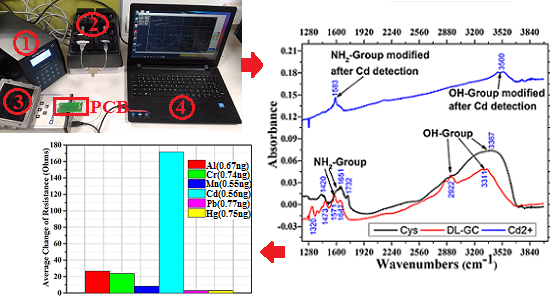
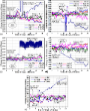
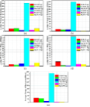
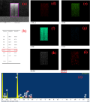
- ), b) Au-Cys-DL-GC(4), c) Au-Cys-DL-GC(5), d) Au-Cys-DL-GC(6) and e) Au-Cys-DL-GC(7). FTIR absorbance spectra of a Cd(II)/DL-GC/Cys/Au/Ti coating. EDX measurement of a SAM of cysteamine (Cys)-cross-linked ᴅʟ-glyceraldehyde (Cys-DL-GC). (a) Scan area for analysis, (b) table with detected elements, (c–f




Gram-scale synthesis of splat-shaped Ag–TiO2 nanocomposites for enhanced antimicrobial properties
Beilstein J. Nanotechnol. 2020, 11, 1119–1125, doi:10.3762/bjnano.11.96
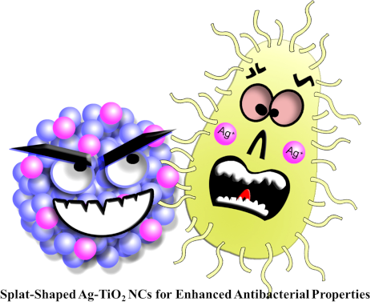
- containing the NCs were added to the wells and the cells were incubated for 24 and 48 h. A 10% CCK-8 assay solution was added to the media at the indicated times and incubated for an another one hour. Finally, the absorbance was measured using a microplate reader at a wavelength of 450 nm. Antibacterial test


Uniform Fe3O4/Gd2O3-DHCA nanocubes for dual-mode magnetic resonance imaging
Beilstein J. Nanotechnol. 2020, 11, 1000–1009, doi:10.3762/bjnano.11.84
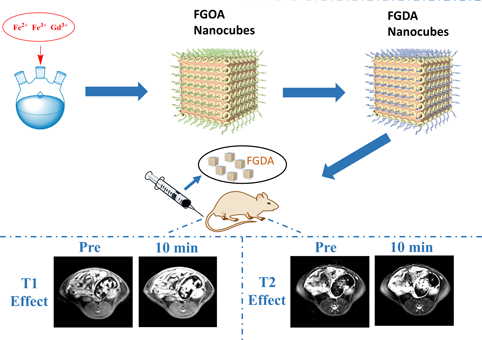
- culture medium was discarded and fresh media was added containing 15, 30, 45, and 60 μg/mL FGDA nanocubes, respectively. A cell counting kit (CCK-8) was used to evaluate the nanocube cytotoxicity at 12, 24, and 48 h. The absorbance was detected using a microplate reader (Biorad iMark, USA) at a wavelength



A 3D-polyphenylalanine network inside porous alumina: Synthesis and characterization of an inorganic–organic composite membrane
Beilstein J. Nanotechnol. 2020, 11, 938–951, doi:10.3762/bjnano.11.78
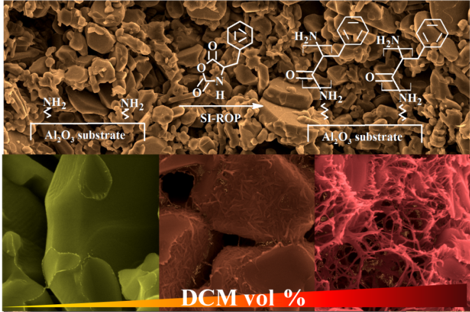
- . Subsequently, the concentration of chloroanilic acid in the collected solution was determined with UV–vis-spectroscopy. The amount of adsorbed chloroanilic acid was calculated from the absorbance of the analyte stock solution (see Figure 12). Unfunctionalized ALOX-membranes adsorb 16.7% of chloroanilic acid
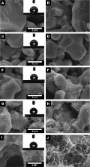
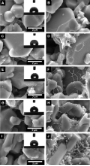
- °C under air atmosphere for different polyphenylalanine functionalized ALOX-membranes. Absorbance values of the water fractions with chloroanilic acid after the loading step. Assignment of NIR bands of polyphenylalanine grafted on ALOX [64]. Assignment of the combination bands with NH-stretching and




Light–matter interactions in two-dimensional layered WSe2 for gauging evolution of phonon dynamics
Beilstein J. Nanotechnol. 2020, 11, 782–797, doi:10.3762/bjnano.11.63
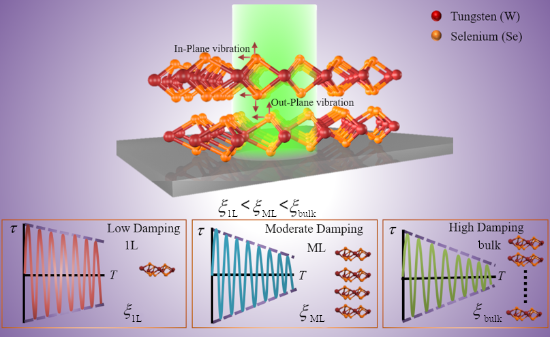
- constrained by the substrate. However, the three-phonon anharmonic effect still presides in the low-T range for the A1g mode [26]. As a result of this the nonlinear perturbations were found to be persistent in the A1g mode even at high temperature. Additionally, the laser absorbance efficiency in WSe2 will