Search results
Search for "degradation" in Full Text gives 563 result(s) in Beilstein Journal of Nanotechnology. Showing first 200.
Nanomedicines against Chagas disease: a critical review
Beilstein J. Nanotechnol. 2024, 15, 333–349, doi:10.3762/bjnano.15.30
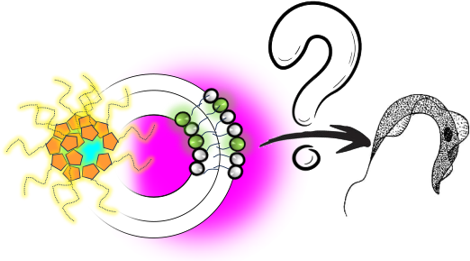
- , nanomedicines are highly susceptible to aggregation, hygroscopicity, contamination, phase transition, amorphous-to-crystalline transitions, and degradation. It is critical to maintain batch-to-batch reproducibility (in terms of mean size, polydispersity, ζ-potential, and drug loading) not only during large

Quantitative wear evaluation of tips based on sharp structures
Beilstein J. Nanotechnol. 2024, 15, 230–241, doi:10.3762/bjnano.15.22
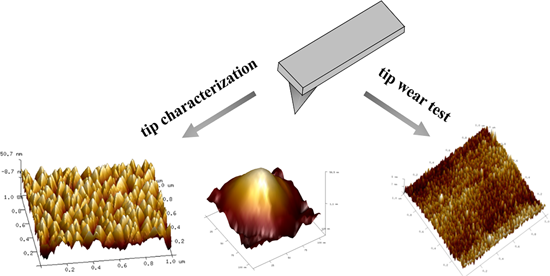
- increases by 14.8 nm (157.4%), and Ra decreases by 1.3 nm (27.7%). The results indicate that the needle tip experiences the most severe wear and significant degradation in image quality when the set point is 0.5. Furthermore, the needle tip also suffers from considerable wear when the set point is 0.8. In




Nanocarrier systems loaded with IR780, iron oxide nanoparticles and chlorambucil for cancer theragnostics
Beilstein J. Nanotechnol. 2024, 15, 180–189, doi:10.3762/bjnano.15.17
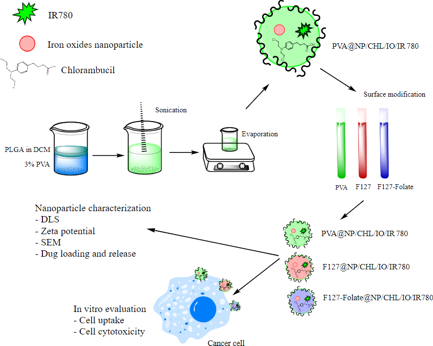
- . After 24, 48, and 72 h, the CHL levels in the NPs were significantly lower when incubated in pH 5.4 medium compared to that in pH 7.4 medium. The faster CHL drug release at pH 5.4 was due to a faster degradation of PLGA at pH 5.4 than that at pH 7.4 [30]. Targeting of nanoparticles to the cells The NPs


Modification of graphene oxide and its effect on properties of natural rubber/graphene oxide nanocomposites
Beilstein J. Nanotechnol. 2024, 15, 168–179, doi:10.3762/bjnano.15.16
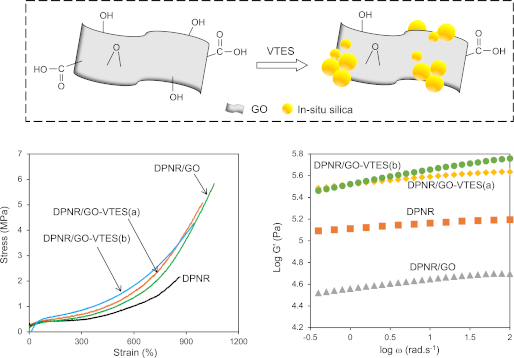
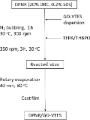
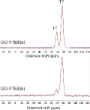
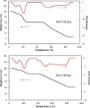
- . However, in the case of GO-VTES(a), the hydrolysis was not completed. Thus, there were fewer –OH groups on the silica and GO surfaces. This result is in agreement with the 29Si NMR and ATR FTIR analysis. Thermal gravimetric analysis results The degradation behavior of GO-VTES was investigated with TGA






New application of bimetallic Ag/Pt nanoplates in a colorimetric biosensor for specific detection of E. coli in water
Beilstein J. Nanotechnol. 2024, 15, 95–103, doi:10.3762/bjnano.15.9
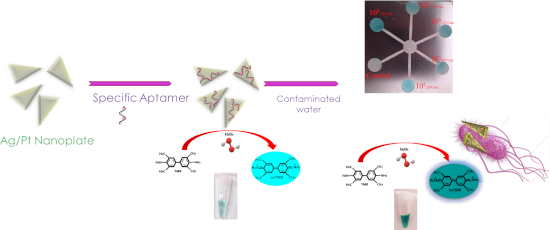
- ], photocatalytic degradation and bactericidal action [21], sensors and biosensors [22][23][24][25], and as electrocatalysts [26]. Aptamers are single-stranded DNA or RNA oligonucleotides that attach to their targets with great affinity and specificity. Aptamers have high stability in a variety of environments and


Berberine-loaded polylactic acid nanofiber scaffold as a drug delivery system: The relationship between chemical characteristics, drug-release behavior, and antibacterial efficiency
Beilstein J. Nanotechnol. 2024, 15, 71–82, doi:10.3762/bjnano.15.7
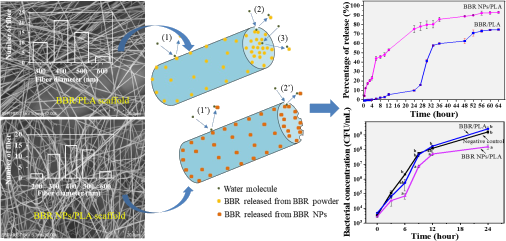
- or degradation of BBR NPs largely concentrated on the surface of the BBR NPs/PLA nanofiber scaffold [43]. In conclusion, the physiochemical properties of the BBR drug greatly affected the distribution of BBR on the PLA nanofibers, subsequently resulting in different BBR release profiles and
- mechanisms. The mechanism of BBR release from BBR/PLA and BBR NPs/PLA nanofiber scaffolds was proposed in Figure 5. Since the degradation of PLA nanofibers is a long-term process (over a week) in buffer solution [17], the release of BBR from PLA nanofiber scaffold might be mainly dominated by the


Curcumin-loaded nanostructured systems for treatment of leishmaniasis: a review
Beilstein J. Nanotechnol. 2024, 15, 37–50, doi:10.3762/bjnano.15.4
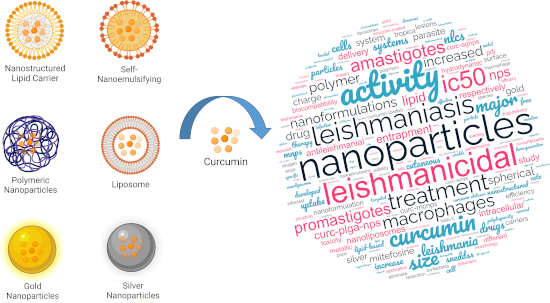
- systems [19], nanoparticles [20], nanoliposomes [21], micelles [22], and nanocrystals [23] have been utilized. These systems can promote (i) protection of the drug against degradation in physiological media, (ii) increase in drug solubility, and (iii) modification/targeting of the drug enabling transport
- antileishmanial potential, curc has several drawbacks, such as: (i) low aqueous solubility, (ii) rapid clearance, (iii) low tissue absorption, and (iv) notable chemical degradation (neutral and alkaline pH), which severely reduces its bioavailability and hinder its clinical use [18][53][54]. Given this scenario
- clinical use. In recent years, different nanostructured systems have been explored, such as lipid nanoparticles, metallic nanoparticles, polymeric nanoparticles, nanovesicles, and self-emulsifying nanosystems. These can promote increased solubility, permeability, protection against degradation in


Nanotechnological approaches in the treatment of schistosomiasis: an overview
Beilstein J. Nanotechnol. 2024, 15, 13–25, doi:10.3762/bjnano.15.2
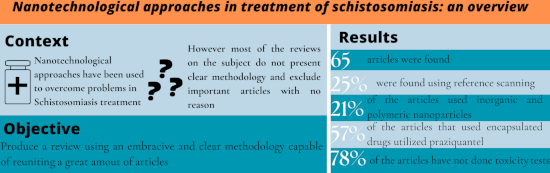
- . It can have one or multiple layers. Due to that, their size can range from 30 nm to the micrometer range [37]. As drug vehicles, they exhibit unique properties, such as protection of encapsulated compounds from physiological degradation, extended drug half-life, controlled release of the drug
- liposomes, exposes them to degradation by stomach acid, bile salts, and enzymes. Consequently, in in vivo models, intact liposomes may encounter challenges to reach the bloodstream owing to the adverse conditions of the stomach [42]. This elucidates why, in in vitro tests, the author exclusively assessed
- majority of them (92%) utilized nanoformulations administered via the oral route. This outcome is unsurprising, as despite potential drawbacks such as first-pass metabolism, reduced bioavailability, and drug degradation throughout the digestive tract, the oral route is widely accepted and minimally


Fluorescent bioinspired albumin/polydopamine nanoparticles and their interactions with Escherichia coli cells
Beilstein J. Nanotechnol. 2023, 14, 1208–1224, doi:10.3762/bjnano.14.100
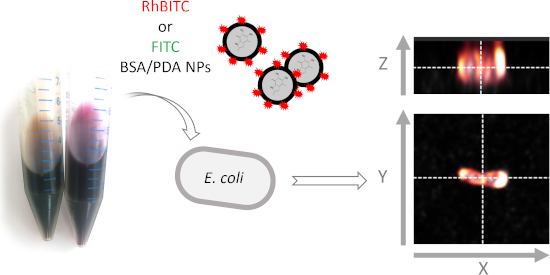
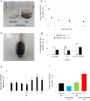
- deteriorated above pH 11 with, first, a decrease in size before the NP morphology changed into nanosheets [28]. However, in the case of BSA/PDA NPs, the NPs size increased when the pH value was above 6.5. In addition, precipitation, sedimentation, or degradation of the dispersion were not observed, showing
- that the suspension stability was unchanged. These results suggest that BSA prevented the degradation in alkaline solution, probably through heavily stabilizing the NPs. The BSA/PDA NPs suspensions were freeze-dried to obtain dried NPs that could easily be stored and re-suspended at the needed
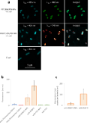
- Ma et al., probably due to the degradation of the pristine BSA/PDA NPs upon oxidation [21]. However, regarding the size values and deviations measured, the decrease was considered insignificant here. The increase in size of RhBITC-BSA/PDA NPs upon labelling with RhBITC can be explained by the



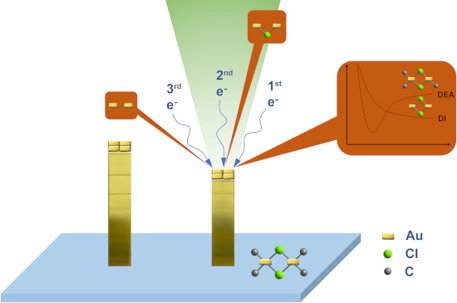
A combined gas-phase dissociative ionization, dissociative electron attachment and deposition study on the potential FEBID precursor [Au(CH3)2Cl]2
Beilstein J. Nanotechnol. 2023, 14, 1178–1199, doi:10.3762/bjnano.14.98



Sulfur nanocomposites with insecticidal effect for the control of Bactericera cockerelli
Beilstein J. Nanotechnol. 2023, 14, 1106–1115, doi:10.3762/bjnano.14.91
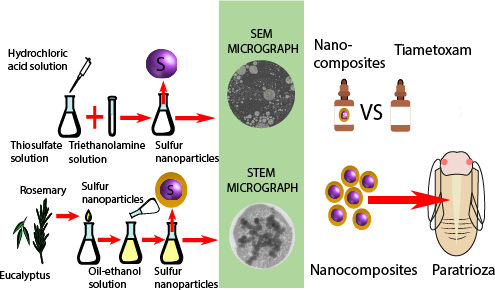
- , contamination of water bodies, degradation of agroecosystems, and damages to human health after direct or indirect exposure [11][12][13]. Therefore, new methods need to be considered to control the pest. Nanotechnology has emerged as a technological advance that can enhance modern agriculture by helping in the
- microencapsulation of essential oils protect their active components from degradation and evaporation losses, thus enhancing their stability and solubility [27]. In this framework, this research shows the synthesis of nanocomposites (NCMPs) containing elemental sulfur nanoparticles coated with essential oils of


Experimental investigation of usage of POE lubricants with Al2O3, graphene or CNT nanoparticles in a refrigeration compressor
Beilstein J. Nanotechnol. 2023, 14, 1041–1058, doi:10.3762/bjnano.14.86
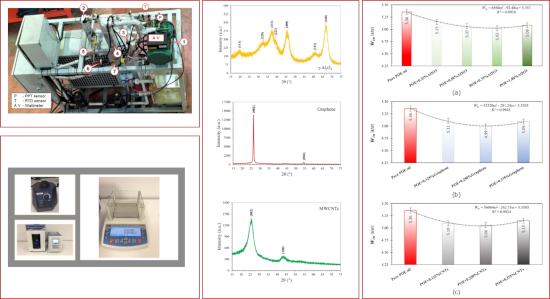
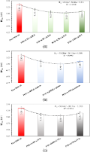
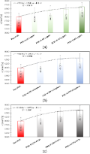
- . Therefore, the viscous effects become dominant in the compressor, and the performance degradation begins when the optimum nanoparticle fraction is exceeded. On the other hand, kinematic viscosity is used to determine the viscosity index, which is one of the most important indicators of lubricant performance





Recognition mechanisms of hemoglobin particles by monocytes – CD163 may just be one
Beilstein J. Nanotechnol. 2023, 14, 1028–1040, doi:10.3762/bjnano.14.85
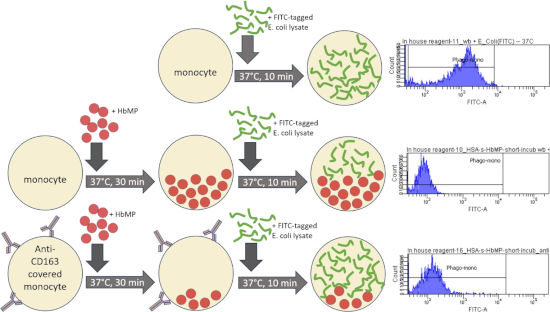
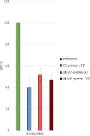
- common that they are affected by degradation and excretion at an early stage in test organisms. Several possible mechanisms that may be responsible for this are discussed in the literature. One of them is CD163, the receptor of the complex of haptoglobin (Hp) and hemoglobin (Hb). The receptor has been
- occur in the liver [24][25][26]. The question of the mechanisms by which HBOCs are sequestered remains partly unclear though. Possible degradation pathways include haptoglobin (Hp), which, depending on the size and surface properties of HBOCs, could bind its physiological target protein hemoglobin [16




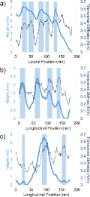
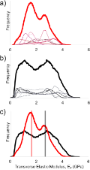
Exploring internal structures and properties of terpolymer fibers via real-space characterizations
Beilstein J. Nanotechnol. 2023, 14, 1004–1017, doi:10.3762/bjnano.14.83
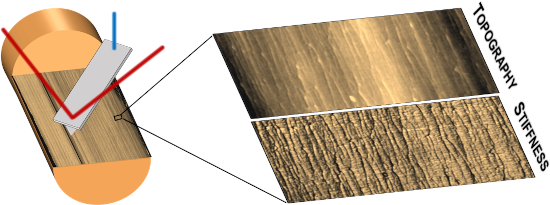
- that Technora® exhibits a narrower distribution in tensile strength, as well as greater creep and fatigue resistance [6][7]. Separate studies of fiber multifunctional properties also showed that Technora® exhibits resistance to moisture and chemical degradation [1][8]. The aforementioned studies have






Nanoarchitectonics of photothermal materials to enhance the sensitivity of lateral flow assays
Beilstein J. Nanotechnol. 2023, 14, 988–1003, doi:10.3762/bjnano.14.82
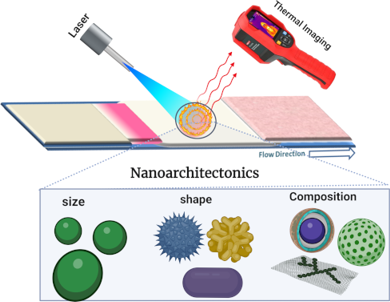
- , bleaching, and degradation. Gold nanoparticles possess intrinsic peroxidase-like activity, which converts particular peroxidase substrates into coloured products in the presence of hydrogen peroxide. The enzyme-like properties of nanomaterials have been utilized in various LFA formats. The inclusion of


Fragmentation of metal(II) bis(acetylacetonate) complexes induced by slow electrons
Beilstein J. Nanotechnol. 2023, 14, 980–987, doi:10.3762/bjnano.14.81
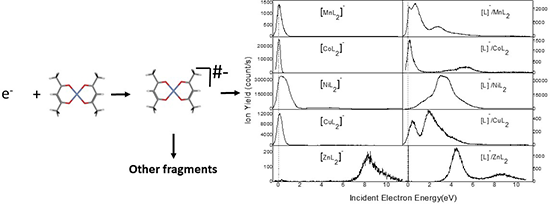
- Nowadays, organometallic complexes receive particular attention because of their use in the design of pure nanoscale metal structures. In the present work, we present results obtained from a series of studies on the degradation of metal(II) bis(acetylacetonate)s induced by low-energy electrons. These slow


Isolation of cubic Si3P4 in the form of nanocrystals
Beilstein J. Nanotechnol. 2023, 14, 971–979, doi:10.3762/bjnano.14.80
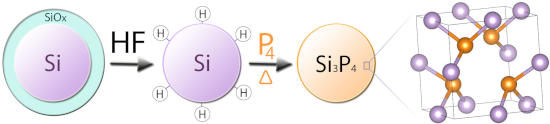
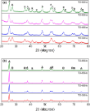
- expected to conform to the elemental composition Si3P4. The emergence of an additional diffraction maximum for the sample SP900 was likely due to partial degradation of the compound. Signs of decomposition could be seen in the diffraction pattern of sample SP670 as well, albeit to a lesser extent. Raman


Antibody-conjugated nanoparticles for target-specific drug delivery of chemotherapeutics
Beilstein J. Nanotechnol. 2023, 14, 912–926, doi:10.3762/bjnano.14.75
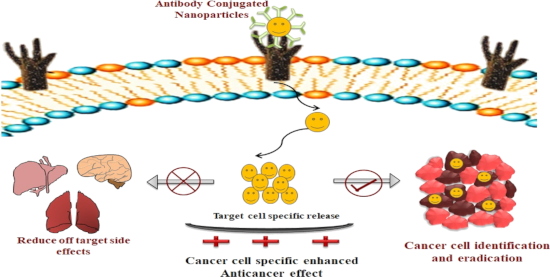
- of NP surfaces with targeting moieties such as antibodies protects the chemotherapeutic agent from enzymatic degradation and improves the internalization into targeted cancer cells. Multifunctionalized NPs improve the tumor targeting ability, boost the body’s antitumor immune response, and decrease
- through the antibodies [94]. Additionally, these targeted NPs internalize the chemotherapeutics precisely into tumor cells with minimal drug leakage and also provide protection from degradation and elimination [95]. The controlled size and surface charge of NPs avoid the rapid renal clearance of the NPs



Ultralow-energy amorphization of contaminated silicon samples investigated by molecular dynamics
Beilstein J. Nanotechnol. 2023, 14, 834–849, doi:10.3762/bjnano.14.68
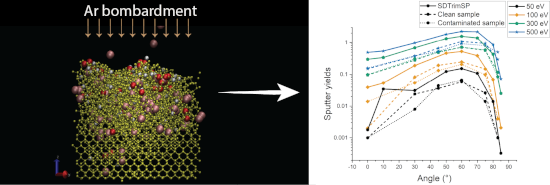
- very sensitive to contaminations [16] and environmental changes during preparation to the point where an oxide layer formed on the surface of the lamella could complicate analysis [17][18]. While this oxide layer has a substantial impact, ion-induced damage contributes even more to the degradation of




Nanostructured lipid carriers containing benznidazole: physicochemical, biopharmaceutical and cellular in vitro studies
Beilstein J. Nanotechnol. 2023, 14, 804–818, doi:10.3762/bjnano.14.66
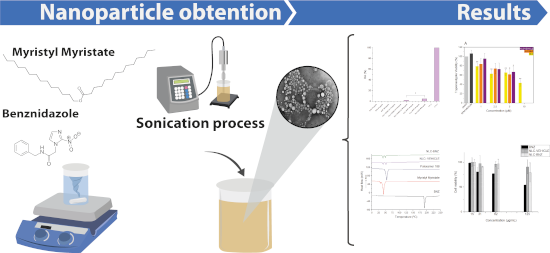
- degradation process, whereas NLC-BNZ and NLC-VEHICLE presented two events (Figure 3). That was also observed in the derivative curves. The weight loss process for the lipid started at 180 °C and finished at 320 °C. The poloxamer 188 thermogram showed a decomposition process starting at 300 °C and ending at
- 410 °C, and BNZ degradation occurred in the 190–300 °C range. Considering these processes, nanoparticle thermal behavior might be attributed first to lipid degradation, and second to poloxamer weight loss. The attenuated total reflection Fourier-transform infrared spectroscopy (ATR-FTIR) technique was
- Instruments, New Castle, DE, USA). Freeze dried formulations of approximately 10 mg were accurately weighed in a platinum pan. Measurements were performed from room temperature to 600 °C at a heating rate of 10 °C/min under nitrogen atmosphere to avoid thermo-oxidative degradation. Attenuated total reflection


Silver nanoparticles loaded on lactose/alginate: in situ synthesis, catalytic degradation, and pH-dependent antibacterial activity
Beilstein J. Nanotechnol. 2023, 14, 781–792, doi:10.3762/bjnano.14.64
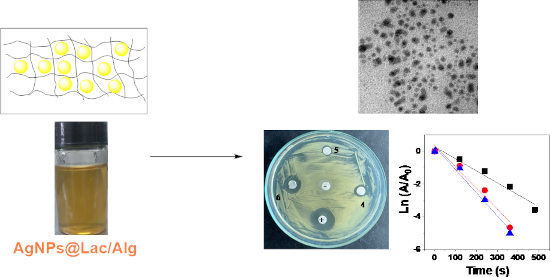
- antibacterial activity [38]. In this study, we prepared a nanocomposite, Lac/Alg, to stabilize AgNPs without any additives, utilizing lactose as a reducing agent. The resulting nanocomposite AgNPs@Lac/Alg was used for the catalytic degradation of toxic dyes and investigated regarding its pH-dependent
- . Subsequently, AgNPs@Lac/Alg was characterized using various analytical techniques and applied for the catalytic degradation of contaminants and in bacterial activity assays. Absorption spectra were analyzed to monitor changes in physicochemical properties at the maximum peak region of surface plasmon resonance
- . Thus, AgNPs@Lac/Alg-0.7 was selected for assessment of its catalytic and antibacterial properties in this study. Catalytic degradation of contaminants Toxic organic dyes pose a serious threat to the environment, and their non-biodegradability in aqueous media has led to the consideration of various


Carboxylic acids and light interact to affect nanoceria stability and dissolution in acidic aqueous environments
Beilstein J. Nanotechnol. 2023, 14, 762–780, doi:10.3762/bjnano.14.63
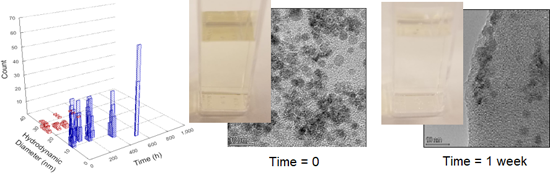
- glucose oxidase, suggesting the use of this phenomenon as a colorimetric sensor for bioanalysis [49]. This color transition is an important observation since nanoceria degradation will likely result in the change in oxidation state of surface cerium ions from Ce4+ to Ce3+. Results and Discussion Nanoceria
Nanomaterials for photocatalysis and applications in environmental remediation and renewable energy
Beilstein J. Nanotechnol. 2023, 14, 722–724, doi:10.3762/bjnano.14.58

- ]. Semiconducting photocatalyst nanomaterials, such as SnO2, TiO2, MoS2, g-C3N4, and Bi-nanostructures have been proven efficient for a range of applications, including organic pollutant removal, NOx degradation, renewable energy production, and waste-to-energy conversion [15][17][18]. Figure 1 shows a general
- photocatalysis mechanism outlining several possible targets (i.e., NOx degradation, water splitting, degradation of organic pollutants, and enhancement of electron generation in a solar-cell application). This Thematic Issue highlights recent experimental and theoretical developments in using light harvesting by
- semiconductor materials for sustainable applications; for instance, dye solar cells, solar-driven water splitting, NOx removal, and contaminant degradation. The synthesis of semiconductor nanomaterials published on this thematic issue indicates a wide range of synthetic routes. The as-prepared nanomaterials

Metal-organic framework-based nanomaterials as opto-electrochemical sensors for the detection of antibiotics and hormones: A review
Beilstein J. Nanotechnol. 2023, 14, 631–673, doi:10.3762/bjnano.14.52
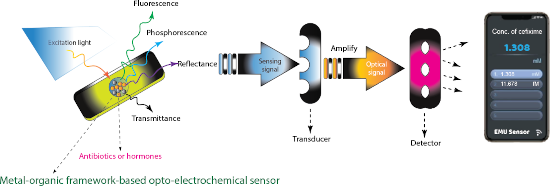
- as the necessity for technical experts with the necessary training, the limited selectivity and reusability of substrates, and the degradation of substrates with time, which reduces the signal. Several portable electrochemical and optical (chemiluminescence, fluorescence, and electrochemiluminescence
- levels of stability due to the rapid degradation of the biomolecules. Extensive research has been focused on the development of different high-performance electrode materials via modification of the materials’ surface with functional groups or doping with various metals or via the formation of


Titania nanoparticles for photocatalytic degradation of ethanol under simulated solar light
Beilstein J. Nanotechnol. 2023, 14, 616–630, doi:10.3762/bjnano.14.51
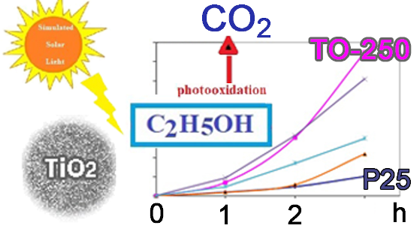
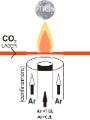
- describes the photocatalytic degradation of ethanol vapors under simulated solar light and low oxygen concentration using TiO2 nanoparticles obtained by laser pyrolysis. The final products are CO2, H2O, and H2. The average particle sizes are between 15 and 22 nm with anatase being the predominant
- production of H2, compared to the commercial reference sample. The ethanol photodegradation under simulated solar light leads to valuable results concerning different TiO2 functional properties depending on the synthesis conditions. Also, a potential application both for the degradation of organic compounds