


Search results
Search for "dynamic light scattering" in Full Text gives 231 result(s) in Beilstein Journal of Nanotechnology. Showing first 200.
Atomic-level characterization and cilostazol affinity of poly(lactic acid) nanoparticles conjugated with differentially charged hydrophilic molecules
Beilstein J. Nanotechnol. 2018, 9, 1328–1338, doi:10.3762/bjnano.9.126
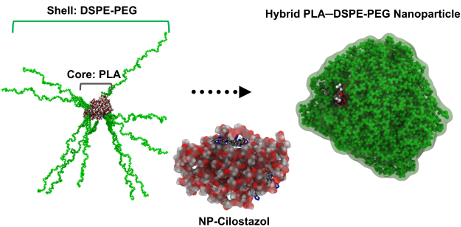
- size was found with methoxy-terminated chains (24.5 ± 0.6 Å versus 20.7 ± 0.2 Å for carboxylic acid-terminated and 21.8 ± 0.3 Å for amino-terminated NPs). Interestingly, those results were consistent with experimental results measured by dynamic light scattering [34]. Nevertheless, since an all-atom


Formation and development of nanometer-sized cybotactic clusters in bent-core nematic liquid crystalline compounds
Beilstein J. Nanotechnol. 2018, 9, 1288–1296, doi:10.3762/bjnano.9.121
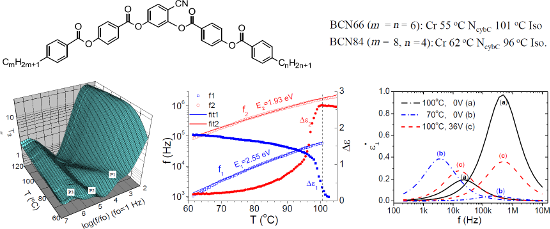
- above the isotropic–nematic transition temperature. The latter observation arises as seeds of cybotactic clusters are formed in the isotropic phase. Small clusters have also been observed by dynamic light scattering (DLS) [57]. The strength of this process is observed to increase with a reduction in


Surface characterization of nanoparticles using near-field light scattering
Beilstein J. Nanotechnol. 2018, 9, 1228–1238, doi:10.3762/bjnano.9.114
- nanoparticles Dynamic light scattering (DLS) was used to measure the hydrodynamic diameter, polydispersity index, and zeta potential (ζ). The mean hydrodynamic diameter of the samples increased with the addition of PEG and polygallol to the complexation. The polydispersity index of uncoated SPIOs was 0.16
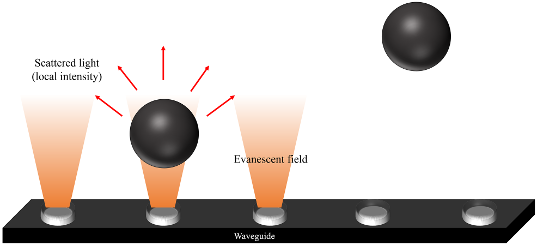
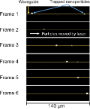
- agreement with the diameter measured using dynamic light scattering (Table 1). The distribution of velocity of individual particles (in micrometers per second (Figure 5B)) revealed that PEG-SPIOs moved significantly faster across the waveguide than IPC-SPIOs and also had a wider distribution in velocity
- Zeiss, Thornwood, NY) with an accelerating voltage of 2 kV. Each dried sample was placed on a metallic pin stub with adhesive and was coated with carbon (Cressington 208C High Vacuum Turbo Carbon Coater, Ted Pella Inc.). Dynamic light scattering and zeta potential The hydrodynamic diameter, size




Enzymatically promoted release of organic molecules linked to magnetic nanoparticles
Beilstein J. Nanotechnol. 2018, 9, 986–999, doi:10.3762/bjnano.9.92
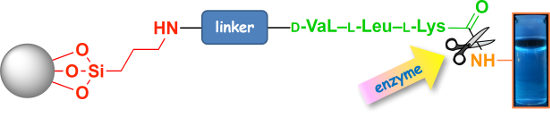
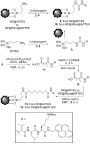
- . They are here identified as NP@silica@APTES. The morphology and chemical composition of these nanoparticles was studied using field emission scanning electron microscopy (FE-SEM) in combination with energy dispersive X-ray spectroscopy (EDXS) in addition to dynamic light scattering (DLS). In Figure 1A




Optimisation of purification techniques for the preparation of large-volume aqueous solar nanoparticle inks for organic photovoltaics
Beilstein J. Nanotechnol. 2018, 9, 649–659, doi:10.3762/bjnano.9.60
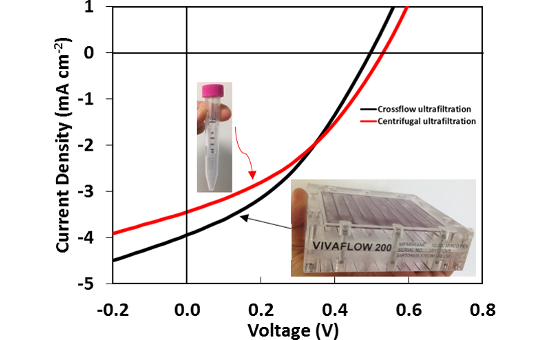
- inks, filtrates were collected at each dilution step for both purification methods. For small volume, 0.5 mL of ASNP inks were collected at each dilution step while the collected filtrate was 2 mL. Nanoparticle characterisation Particle size Particle sizes were determined by dynamic light scattering


Green synthesis of fluorescent carbon dots from spices for in vitro imaging and tumour cell growth inhibition
Beilstein J. Nanotechnol. 2018, 9, 530–544, doi:10.3762/bjnano.9.51
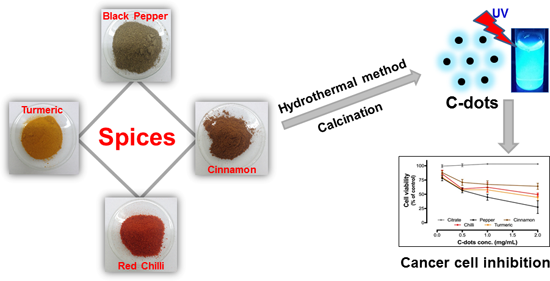
- characterized by means of UV–vis, fluorescence, Fourier transform infrared and Raman spectroscopy, dynamic light scattering and transmission electron microscopy. The optical performance showed an outstanding ability for imaging purposes, with quantum yields up to 43.6%. Thus, the cytotoxicity of the above
- xenon discharge lamp, 1 cm quartz cell at room temperature. For all the fluorescence measurements, excitation and emission slit widths were kept at 5 nm. Dynamic light scattering (DLS) and zeta potential studies were performed on a Horiba nanoPartica SZ-100 instrument (Horiba Scientific, USA). For this


Photocatalytic and adsorption properties of TiO2-pillared montmorillonite obtained by hydrothermally activated intercalation of titanium polyhydroxo complexes
Beilstein J. Nanotechnol. 2018, 9, 364–378, doi:10.3762/bjnano.9.36
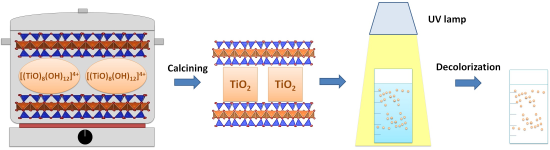
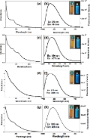
- close to the sol formation limit. The materials, produced at various annealing temperatures from the intercalated samples, were characterized by infrared spectroscopy, differential scanning calorimetry (DSC)/thermogravimetric analysis (TGA), X-ray diffraction, dynamic light scattering (DLS) measurements
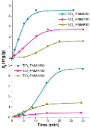
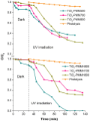
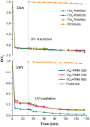
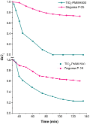
- TiO2-pillared MM with the commercial photocatalyst Degussa P25 upon degradation of methyl orange (MO) and rhodamine B (RhB) dyes in aqueous solution. SEM image of the surface of original MM. The fluorescence spectrum of an intercalating solution of titanium polyhydroxo complexes. The dynamic light
- scattering (DLS) spectrum. Basal distance d001 of the MM, Ti-MM, TiO2-PMMх, and TiO2-PMMHх samples (see Experimental section for abbreviations). Average crystallite size and phase composition of the TiO2-PMMНx samples (see Experimental sections for a description of the sample names). Average values of the






Involvement of two uptake mechanisms of gold and iron oxide nanoparticles in a co-exposure scenario using mouse macrophages
Beilstein J. Nanotechnol. 2017, 8, 2396–2409, doi:10.3762/bjnano.8.239
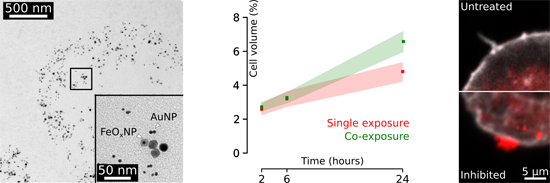
- monitored by dynamic light scattering and the dose deposited onto the cell surface was determined by a modelling approach. The murine macrophage cell line J774A.1 was then used to study uptake and intracellular fate by means of laser scanning microscopy (LSM), environmental scanning electron microscopy
- ). Depolarized dynamic light scattering measurements show that all particles analysed remained stable in both single and co-exposure experiments over 24 h in complete cell culture media (not shown). See Figures S1–S13 (Supporting Information File 1) for a full description of particle synthesis and
- ., AuNPs with 2% DY505 fluorophore, and FeOxNPs with 2% DY615 fluorophore integrated into the polymer shell were synthesized as previously described [44][45]. For both NPs the hydrodynamic radius (dh) was measured by dynamic light scattering (DLS) and a corresponding core diameter (dc = 2·rc) was extracted



Synthesis and characterization of noble metal–titania core–shell nanostructures with tunable shell thickness
Beilstein J. Nanotechnol. 2017, 8, 2083–2093, doi:10.3762/bjnano.8.208
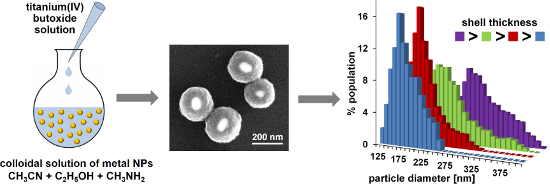
- prevent it. In addition, the confirmation of the shell formation (in almost all reported cases) has been based only on electron microscopy (mainly TEM) images and UV–vis spectroscopy, with a few exceptions of the additional use of either static or dynamic light scattering (SLS or DLS) [21][27]. Here, we


Fabrication of carbon nanospheres by the pyrolysis of polyacrylonitrile–poly(methyl methacrylate) core–shell composite nanoparticles
Beilstein J. Nanotechnol. 2017, 8, 1897–1908, doi:10.3762/bjnano.8.190

- concentrations of MB, respectively, V (L) is the volume of MB aqueous solution, and m (g) is the weight of carbon nanospheres. Characterization The z-average hydrodynamic diameter of the various nanoparticles was determined by dynamic light scattering (DLS) using a Malvern Zeta-sizer (DTS1060, Malvern, UK). The



Carbon nano-onions as fluorescent on/off modulated nanoprobes for diagnostics
Beilstein J. Nanotechnol. 2017, 8, 1878–1888, doi:10.3762/bjnano.8.188
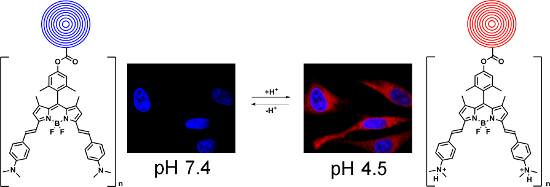
- laser which can alter the measurements due to background signal. Dynamic light scattering (DLS) was carried out to determine the hydrodynamic radius of the dispersed CNOs (Table 2, Figure 5). DLS experiments were performed on CNOs samples dispersed in 0.01 M PBS to partially mimic the biological
- concentrations of 20, 10 and 5 μg mL−1. Dynamic light scattering and zeta potential measurements DLS measurements were performed on the Malvern Nano-ZS instrument operating in backscattering (173°) mode and analyzed with the Zetasizer software, with automatic selection of the optimal detector position and number
- emission maximum (λem). Effective hydrodynamic diameter (0.01 M PBS) obtained from dynamic light scattering (DLS) measurements and zeta potential (phosphate buffer) of oxi-CNOs and fluo-CNOs at a concentration of 5 µg mL−1 in PBS. Supporting Information Supporting Information File 82: Additional




Self-assembly of chiral fluorescent nanoparticles based on water-soluble L-tryptophan derivatives of p-tert-butylthiacalix[4]arene
Beilstein J. Nanotechnol. 2017, 8, 1825–1835, doi:10.3762/bjnano.8.184
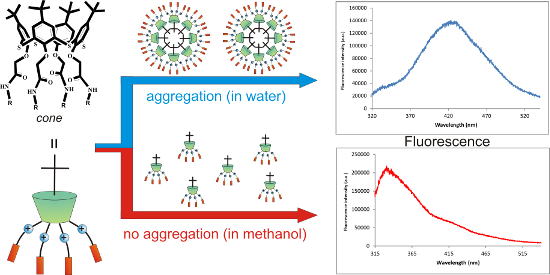
- stable, positively charged aggregates of 86–134 nm in diameter in water at a concentration of 1 × 10⁻⁴ M as confirmed by dynamic light scattering, scanning electron microscopy and transmission electron microscopy. It was established that these aggregates are fluorescently active and chiral. A distinctive
- structure of L-tryptophan, the resulting compounds 8–11 are water soluble. The structure and composition of the synthesized compounds 8–11 were determined by 1H and 13C NMR, IR spectroscopy, ESI mass spectrometry and elemental analysis. The method of dynamic light scattering (DLS) is widely used to study



Synthesis and functionalization of NaGdF4:Yb,Er@NaGdF4 core–shell nanoparticles for possible application as multimodal contrast agents
Beilstein J. Nanotechnol. 2017, 8, 1815–1824, doi:10.3762/bjnano.8.183
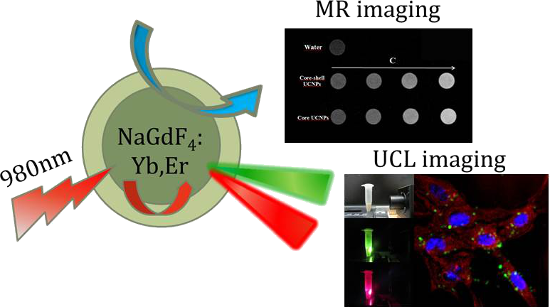
- (Figure 3c), indicating that the Tween 80 was successfully coated onto the UCNPs. Additionally, dynamic light scattering (DLS) was employed to measure the hydrodynamic diameter of Tween-coated UCNPs in the cell culture medium as well as their surface zeta potential. The measured mean hydrodynamic diameter
- equations: where ni and Di are the number and diameter of the particle, respectively. Dynamic light scattering (DLS) was used to determine the hydrodynamic particle diameter and zeta potential. These experiments were performed with Brookhaven ZetaPALS zeta potential analyzer (Brookhaven Instruments, USA
- potential. The results representing hydrodynamic size distribution of UCNPs and their zeta potential that were measured using dynamic light scattering method (DLS). Acknowledgements This work was supported by the grant “Study of optical properties and biocompatibility of Na(Gd/Y)F4 nanoparticles” (No.MIP


Uptake and intracellular accumulation of diamond nanoparticles – a metabolic and cytotoxic study
Beilstein J. Nanotechnol. 2017, 8, 1649–1657, doi:10.3762/bjnano.8.165
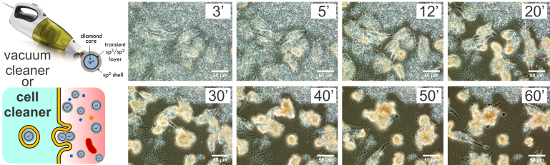
- diamond nanoparticles The size of the ND particles and their zeta potential was determined by dynamic light scattering (DLS) measurements in water at 25 °C using a Nano-ZetaSizer (Malvern, UK) equipped with an He-Ne laser. A separate disposable folded capillary cell was used for each set of ND


A nanocomplex of C60 fullerene with cisplatin: design, characterization and toxicity
Beilstein J. Nanotechnol. 2017, 8, 1494–1501, doi:10.3762/bjnano.8.149
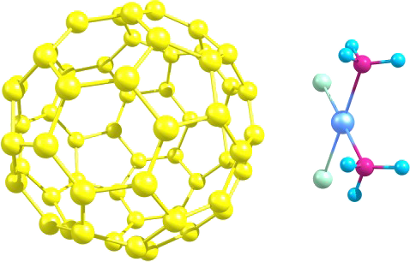
- ., 25, 98693 Ilmenau, Germany 10.3762/bjnano.8.149 Abstract The self-organization of C60 fullerene and cisplatin in aqueous solution was investigated using the computer simulation, dynamic light scattering and atomic force microscopy techniques. The results evidence the complexation between the two
- lymphocytes and reduces the fraction of necrotic cells. Keywords: atomic force microscopy; C60 fullerene; cisplatin; comet assay; computer simulation; dynamic light scattering; flow cytometry; human lymphocytes; toxicity in vitro; Introduction The water-soluble inorganic bi-valent platinum derivative
- of the hydrodynamic size distribution was performed by dynamic light scattering (DLS) on a Zetasizer Nano ZS (Malvern Ins. Ltd) with upload of multiple narrow modes (high resolution) at room temperature. The instrument is equipped with a He–Ne gas laser (max. output power 5 mW) operating at a

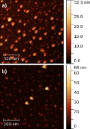


Calcium fluoride based multifunctional nanoparticles for multimodal imaging
Beilstein J. Nanotechnol. 2017, 8, 1484–1493, doi:10.3762/bjnano.8.148
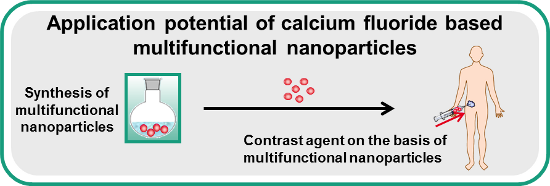
- because of the low solubility of NH4F in an ethanol solution and therefore the particle growth is slower [26]. The inset in Figure 1 shows the TEM micrograph of the CaF2:(Tb3+,Gd3+) NPs. The NPs possess a spherical shape with an average diameter of 5–10 nm. The results of the dynamic light scattering (DLS


Development of polycationic amphiphilic cyclodextrin nanoparticles for anticancer drug delivery
Beilstein J. Nanotechnol. 2017, 8, 1457–1468, doi:10.3762/bjnano.8.145
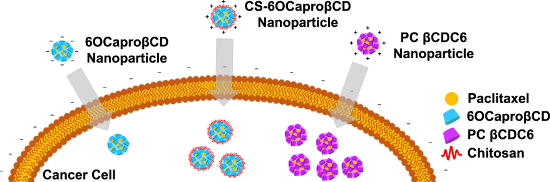
- mL ultrapure water using the conditions previously given. Mean particle size distribution and surface charge The mean particle diameter (nm), PDI and zeta potential (mV) of amphiphilic CD nanoparticles were determined by dynamic light scattering (DLS) (NanoZS, Malvern Instruments, UK). All


Cationic PEGylated polycaprolactone nanoparticles carrying post-operation docetaxel for glioma treatment
Beilstein J. Nanotechnol. 2017, 8, 1446–1456, doi:10.3762/bjnano.8.144
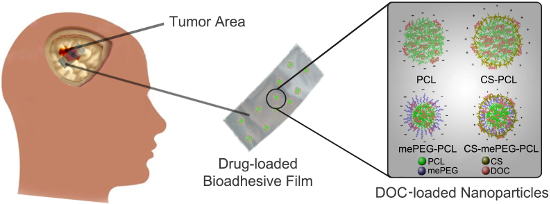
- was removed from the surface of the PET film to obtain the final product. Nanoparticle characterization Particle size distribution and surface charge analysis: the mean particle diameter and polydispersity index of the nanoparticles were determined by dynamic light scattering (DLS) technique using a




Low uptake of silica nanoparticles in Caco-2 intestinal epithelial barriers
Beilstein J. Nanotechnol. 2017, 8, 1396–1406, doi:10.3762/bjnano.8.141
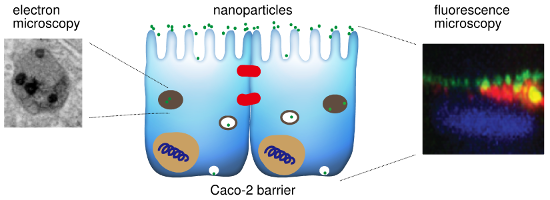
- , with no signs of agglomeration, though naturally serum protein adsorption increases the sizes. Table 1 also shows auxiliary dispersion characterisation by dynamic light scattering (DLS), leading to the same conclusions. Nanoparticle dispersions were prepared with and without FBS protein in order to
- serum (FBS) in Hank's balanced salt solution (HBSS) buffer (with 25 mM 4-(2-hydroxyethyl)-1-piperazineethanesulfonic acid (HEPES), pH 7.4) at 25 °C, using a Malvern Zetasizer Nano ZS90 (Worcestershire, UK) in order to measure the hydrodynamic diameter by dynamic light scattering (DLS). The 150 nm
- . Nanoparticle dispersion (100 µg/mL) in water, serum free HBSS and HBSS supplemented with 10% foetal bovine serum (FBS) were characterised by differential centrifugal sedimentation (DCS) and dynamic light scattering (DLS) as described in the Experimental section. The table shows the apparent diameter and peak



Synthesis of [Fe(Leq)(Lax)]n coordination polymer nanoparticles using blockcopolymer micelles
Beilstein J. Nanotechnol. 2017, 8, 1318–1327, doi:10.3762/bjnano.8.133
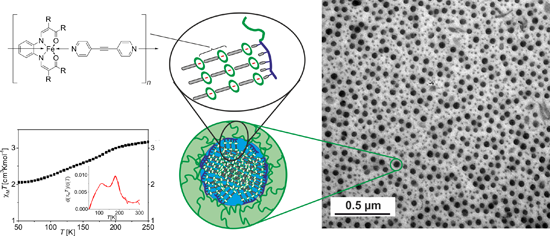
- dynamic light scattering (DLS) in solution, transmission electron microscopy (TEM) and powder X-ray diffraction (PXRD) in the solid. The hydrodynamic diameter of the polymeric micelles loaded with the CP measured by DLS is constant within the error of the measurement throughout all measured samples with
- were corrected for the diamagnetism of the sample holder, the polymer matrix (measured values) and the ligand (tabulated Pascal constants). Dynamic light scattering: The samples were measured using a Malvern Instruments Zetasizer Nano ZS90 in glass cuvettes from Carl Roth GmbH + Co. KG at 25 °C. One
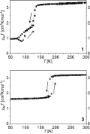
- particles. b) Autocorrelation function from dynamic light scattering of 3e in THF (43 wt %) with size histogram. c) Size histogram of the core from the TEM picture given in panel a). Characterisation of the magnetic properties of 1d and 3e Top: Mössbauer spectra of 1d (left) and 3e (right). Bottom: Magnetic



Bright fluorescent silica-nanoparticle probes for high-resolution STED and confocal microscopy
Beilstein J. Nanotechnol. 2017, 8, 1283–1296, doi:10.3762/bjnano.8.130
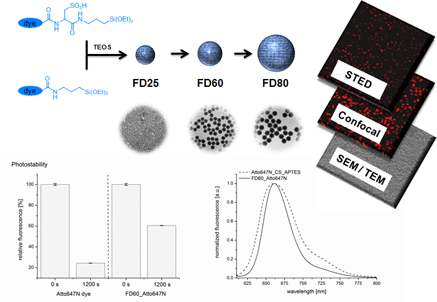
- , but indicate a much higher photostability and brightness. As revealed by dynamic light scattering and ζ-potential measurements, all particle suspensions were stable in water and cell culture medium. In addition, uptake studies on A549 cells were performed, using confocal and stimulated emission
- (5% size distribution; FD15_Atto647N) or 25 nm (4%; FD25_Atto647N) could be obtained (Figure 1). Hydrodynamic diameters determined by dynamic light scattering (DLS) were in accordance with diameters obtained from SEM or TEM image analysis (Table 1). These results show that no agglomerates of the
- . See Supporting Information File 1 for the synthesis of pure silica nanoparticles and different dye embedded nanoparticles. Characterisation To determine the particle diameters, the morphology and the agglomeration state, the samples were analysed by dynamic light scattering measurements (DLS


Study of the correlation between sensing performance and surface morphology of inkjet-printed aqueous graphene-based chemiresistors for NO2 detection
Beilstein J. Nanotechnol. 2017, 8, 1023–1031, doi:10.3762/bjnano.8.103
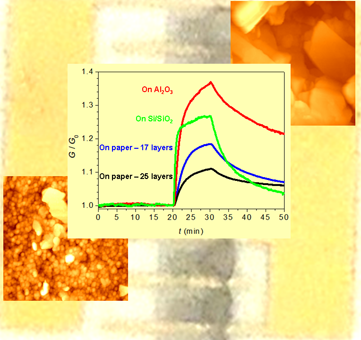
- LPE graphene dispersion has been investigated by dynamic light scattering (DLS) to determine the size distribution profile of the suspended graphene flakes. An almost monomodal distribution characterized by a low polydispersity has been detected, so indicating the homogeneity of the sample. The
- of five measurements, have been evaluated by the Owen, Wendt, Rabel and Kaelble (OWRK) method [21]. Both disperse and polar components of SE have been estimated. Dynamic light scattering (DLS) analysis has been performed at T = 25 °C by means of a Zetasizer Nano (Malvern Instruments). DLS


Selective detection of Mg2+ ions via enhanced fluorescence emission using Au–DNA nanocomposites
Beilstein J. Nanotechnol. 2017, 8, 762–771, doi:10.3762/bjnano.8.79
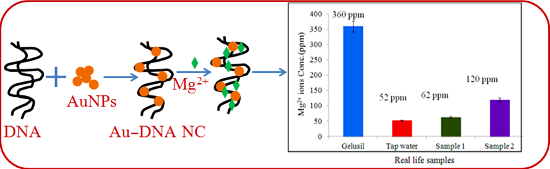
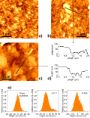
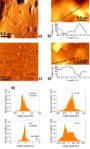
- AuNPs. The TEM images of AuNSs and AuNRs are shown in Figure 3, which reveal the formation of Au–DNA NCs [29]. These AuNSs were found to be separated from each other due to the CTAB coating on their surface, which renders them to have a positive charge [30]. The dynamic light scattering (DLS) results
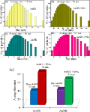
- nanocomposites. Dynamic light scattering particle size distribution of bare and DNA modified (a,b) AuNS-1, (c,d) AuNRs and (e) their comparative average diameter data. AFM images of (a,b) AuNS 1-DNA nanocomposites and (c,d) AuNR–DNA nanocomposites showing height and amplitude mode. 3D AFM images of Au–DNA




Dispersion of single-wall carbon nanotubes with supramolecular Congo red – properties of the complexes and mechanism of the interaction
Beilstein J. Nanotechnol. 2017, 8, 636–648, doi:10.3762/bjnano.8.68
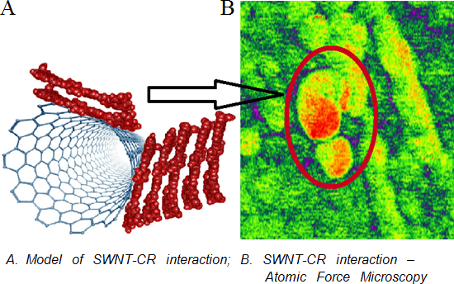
- . The aim of the study was to explain the mechanism of this interaction. The interaction of CR and carbon nanotubes was studied using spectral analysis of the SWNT–CR complex, dynamic light scattering (DLS), differential scanning calorimetry (DSC) and microscopic methods: atomic force microscopy (AFM
- complexes at increased temperature allows the aggregation of nanotubes, followed by the reassociation of CR with the surface of SWNT bundles (thus the supernatant is colourless). Dynamic light scattering analyses Dynamic light scattering (DLS) applied to SWNT–CR complexes analysis does not provide precise
- buffers). Each set of data was analysed using NanoAnalyze software supplied by TA Instruments. Dynamic light scattering (DLS) The interaction of CR with carbon nanotubes was studied using the DynaPro NanoStar (Wyatt Technology). The measurements were done after 3 min incubation at 25 °C within the


α-((4-Cyanobenzoyl)oxy)-ω-methyl poly(ethylene glycol): a new stabilizer for silver nanoparticles
Beilstein J. Nanotechnol. 2017, 8, 627–635, doi:10.3762/bjnano.8.67
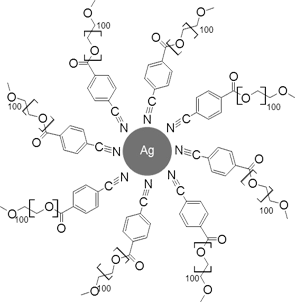
- distribution. CBAmPEG-modified SNPs (CBAmPEG@SNPs) Citrate-coated SNPs (citrate@SNP) [46] were reacted with CBAmPEG at room temperature to obtain SNPs coated with CBAmPEG (CBAmPEG@SNP). The particles were characterized with Raman spectroscopy, dynamic light scattering (DLS), and transmission electron
- dispersion at pH 7 via dynamic light scattering (DLS) yields a hydrodynamic radius Rh of around 60 nm after dialysis; often the samples have a bimodal size distribution (Table 1). Figure 2C shows Raman spectra of a dispersion of CBAmPEG@SNP and of an aqueous solution of the pure polymer CBAmPEG. The intense





