


Search results
Search for "high sensitivity" in Full Text gives 207 result(s) in Beilstein Journal of Nanotechnology. Showing first 200.
Functional materials for environmental sensors and energy systems
Beilstein J. Nanotechnol. 2017, 8, 2015–2016, doi:10.3762/bjnano.8.201

- nanomaterials (e.g., nanowires, nanotubes, graphene, metal oxides, carbon nanostructures, large band gap semiconductors, and metals) with new sensing properties (e.g., ppb-level detection, high sensitivity, selectivity) that are self-heating and provide durable operation for low-power devices (tens of μW to
Optical techniques for cervical neoplasia detection
Beilstein J. Nanotechnol. 2017, 8, 1844–1862, doi:10.3762/bjnano.8.186

- depends on the level of training and experience of clinicians performing the test. As stand-alone diagnostic method colposcopy has a quite high sensitivity (ratio of true positive over the sum of true positive and false negative diagnosis) of over 90% in detecting HSIL and cancer (CIN 2+). But the




(Metallo)porphyrins for potential materials science applications
Beilstein J. Nanotechnol. 2017, 8, 1786–1800, doi:10.3762/bjnano.8.180
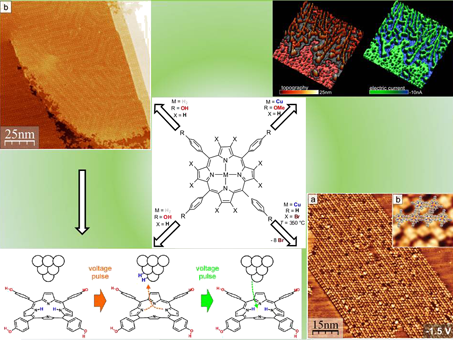
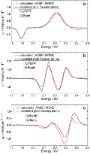
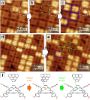
- -optical Kerr effect (MOKE) measurements would be very interesting. Moreover, as MOKE measurements allow one to address magnetic properties with both high sensitivity and high spatial resolution, magneto-optical techniques in the visible or X-ray photon energy range have been supposed to be important for


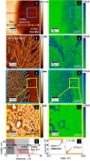
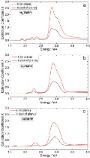
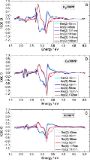




Calcium fluoride based multifunctional nanoparticles for multimodal imaging
Beilstein J. Nanotechnol. 2017, 8, 1484–1493, doi:10.3762/bjnano.8.148
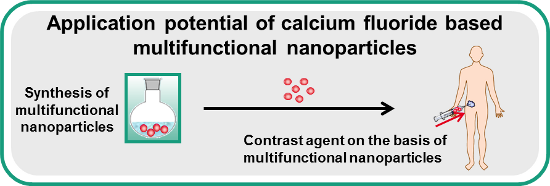
- the ions in the calcium fluoride lattice (proof of principle). For a later clinical usage certainly we have to exchange terbium for a NIR dye or something similar because of the high sensitivity of living tissues towards UV light. In Figure 3 the emission spectrum of CaF2:(Tb3+,Gd3+) NPs at an


Deposition of exchange-coupled dinickel complexes on gold substrates utilizing ambidentate mercapto-carboxylato ligands
Beilstein J. Nanotechnol. 2017, 8, 1375–1387, doi:10.3762/bjnano.8.139
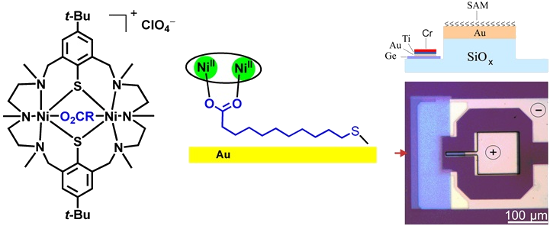
- avoid damage or modification of the topographic characteristics. Special ultrasharp (4–10 nm tip radius) Olympus cantilevers were employed, allowing high sensitivity measurements. Data shown in the respective Figures correspond to a 1 × 1 μm2 area, although a mapping of the topographic characteristics


Study of the correlation between sensing performance and surface morphology of inkjet-printed aqueous graphene-based chemiresistors for NO2 detection
Beilstein J. Nanotechnol. 2017, 8, 1023–1031, doi:10.3762/bjnano.8.103
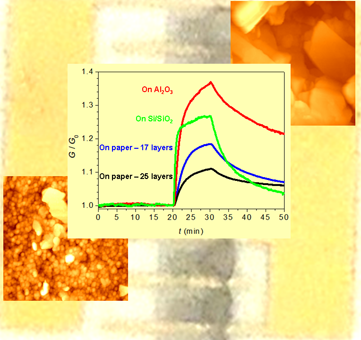
- , Naples, Italy CNR-SPIN UOS Napoli, Via Cintia, I-80126, Naples, Italy 10.3762/bjnano.8.103 Abstract The extremely high sensitivity to the external environment and the high specific surface area, as well as the absence of bulk phenomena that could interfere with the response signal, make graphene highly
- electronics; Introduction In the recent years, the potential of graphene for sensing applications has been largely explored because of its outstanding properties [1]: extremely high sensitivity to the external environment, excellent surface-to-volume ratio, as well as the absence of bulk phenomena that


Synthesis of coaxial nanotubes of polyaniline and poly(hydroxyethyl methacrylate) by oxidative/initiated chemical vapor deposition
Beilstein J. Nanotechnol. 2017, 8, 872–882, doi:10.3762/bjnano.8.89
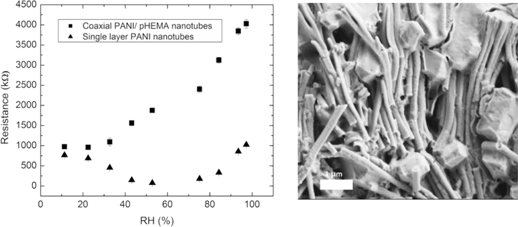
- oxide (AAO) track-etch membranes. The ability to control the thickness with high sensitivity using these vapor phase techniques allowed to produce coaxial nanotubes. The response of these nanotubes to the changes in humidity could be tuned by introducing the hydrogel inner layer. Results and Discussion


Measuring adhesion on rough surfaces using atomic force microscopy with a liquid probe
Beilstein J. Nanotechnol. 2017, 8, 813–825, doi:10.3762/bjnano.8.84
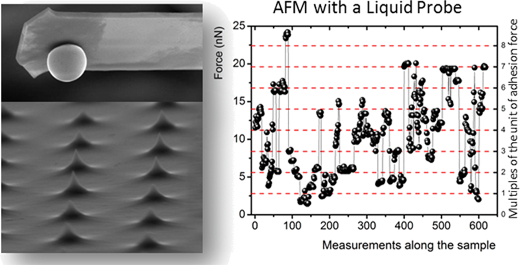
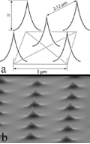
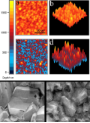
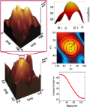
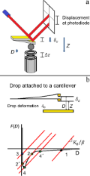
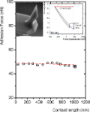
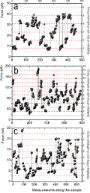
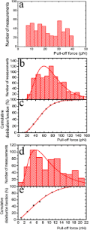
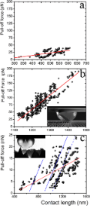
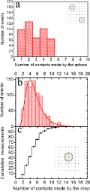
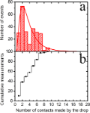
- the work of adhesion. It is usually assumed that the process takes place in a regime of small strains, that the materials are homogeneous, isotropic, linearly elastic, and that the tips are perfectly smooth. On this last point, previous studies [6][7][8] have demonstrated the high sensitivity of

Selective detection of Mg2+ ions via enhanced fluorescence emission using Au–DNA nanocomposites
Beilstein J. Nanotechnol. 2017, 8, 762–771, doi:10.3762/bjnano.8.79
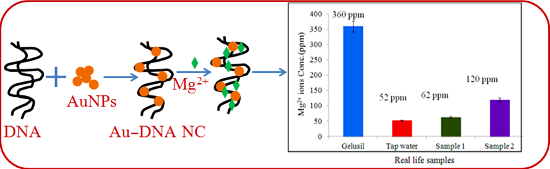
- various DNA detection schemes. The high sensitivity of the plasmon spectra towards the particle size and the local dielectric environment also offers new methods for the detection of free DNA or other biomolecules [2], where the detection signal is exclusively based on the color changes during assay or




Thin SnOx films for surface plasmon resonance enhanced ellipsometric gas sensing (SPREE)
Beilstein J. Nanotechnol. 2017, 8, 522–529, doi:10.3762/bjnano.8.56
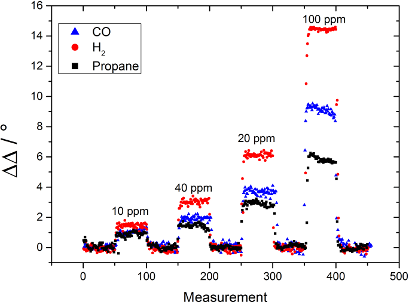
- concepts have their respective properties. Electrochemical sensors are limited to several gas species [2]. The infrared (IR) sensor needs a certain optical path for the IR beam inside the gas volume but shows high sensitivity and selectivity [3]. Pellistors can only measure specific gases due to their


Modeling of the growth of GaAs–AlGaAs core–shell nanowires
Beilstein J. Nanotechnol. 2017, 8, 506–513, doi:10.3762/bjnano.8.54
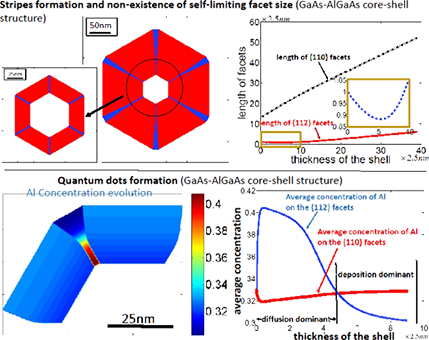
- the attachment rate of Al atoms is smaller there. Keywords: core–shell nanowires; heterostructures; mechanisms; quantum dots; Findings Core–shell nanowires with heterostructures hold great promise in photonic and electronic applications because of their high sensitivity to electronic and magnetic


Advances in the fabrication of graphene transistors on flexible substrates
Beilstein J. Nanotechnol. 2017, 8, 467–474, doi:10.3762/bjnano.8.50
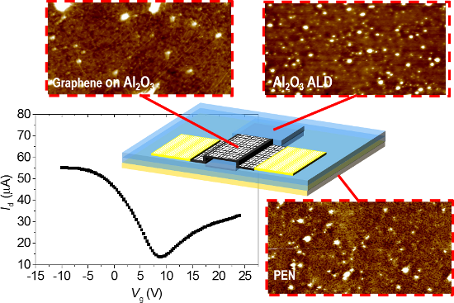
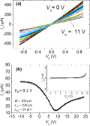
- (Gr-FETs) can be used for flexible high frequency (RF) electronics or for high sensitivity chemical sensors. Miniaturized and flexible Gr-FET sensors would be highly advantageous for current sensors technology for in vivo and in situ applications. In this paper, we report a wafer-scale processing



Comparison of four functionalization methods of gold nanoparticles for enhancing the enzyme-linked immunosorbent assay (ELISA)
Beilstein J. Nanotechnol. 2017, 8, 244–253, doi:10.3762/bjnano.8.27
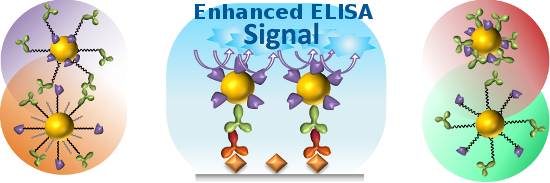
- ratio at 200 ppb of IgG. Additionally, the concentration of 1 a.u. induced a higher unspecific signal. The best balance between high sensitivity and reduced utilization of AuNP probes, as well as low unspecific signal, was found at a concentration of 0.5 a.u. Moreover, this result is consistent with the


Microfluidic setup for on-line SERS monitoring using laser induced nanoparticle spots as SERS active substrate
Beilstein J. Nanotechnol. 2017, 8, 237–243, doi:10.3762/bjnano.8.26
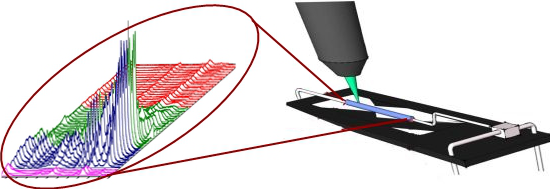
- (SERS) has been proven to be a suitable tool for rapid detection of pollutants [3][5][6][7][8], based on their specific molecular fingerprint spectra [9]. The high sensitivity of this spectroscopic technique originates from the pronounced enhancement of the inelastic scattering when the molecule is


Graphene–polymer coating for the realization of strain sensors
Beilstein J. Nanotechnol. 2017, 8, 21–27, doi:10.3762/bjnano.8.3
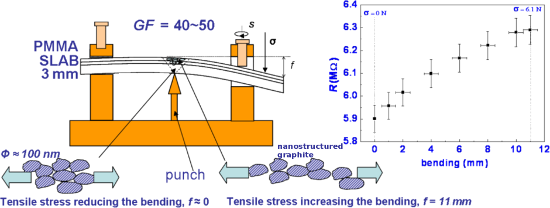
- . The high sensitivity in addition to high stability of the graphene/PMMA structure and the high thermal sensitivity in the infrared wavelength region are interesting aspects that enable us to propose this polymer/graphene supported coating as a new kind of stress sensor useful for applications in


Nanostructured SnO2–ZnO composite gas sensors for selective detection of carbon monoxide
Beilstein J. Nanotechnol. 2016, 7, 2045–2056, doi:10.3762/bjnano.7.195
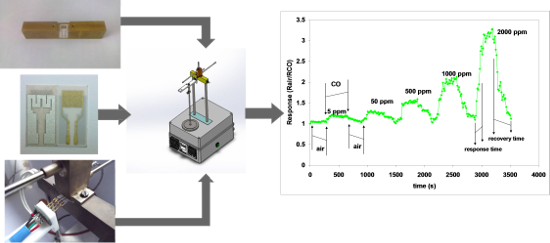
- , cross-response and recovery characteristics of the analyzed materials are reported. The high sensitivity (RS = 1.21) to low amounts of CO (5 ppm) was reported for the sensor containing a composite sensitive film with ZnO (98 wt %)–SnO2 (2 wt %). This sensor response to CO was five times higher as
- technologies, low power requirements, quick response times (seconds), high sensitivity to small concentrations of a specific gas, complete sensor recovery, lightweight, and long term stability. More recently, sensors were fabricated with reduced dimensions (miniaturization or microelectronic processing) [2][3




Layered composites of PEDOT/PSS/nanoparticles and PEDOT/PSS/phthalocyanines as electron mediators for sensors and biosensors
Beilstein J. Nanotechnol. 2016, 7, 1948–1959, doi:10.3762/bjnano.7.186
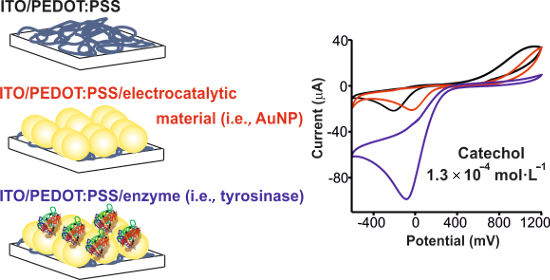
- character which is an intrinsic semiconductor) [9][16][17][18]. On the other hand, enzymatic electrochemical biosensors based on phenol oxidases are a good alternative to analyze phenols due to their high sensitivity and selectivity. Tyrosinase oxidizes monophenols and o-diphenols to the corresponding
- of 10−6 mol·L−1. Conclusion Owing to their unique electrochemical properties, layered composite PEDOT/PSS/EM and PEDOT/PSS/EM-Enz electrodes offer efficient electron transfer, low detection limit, high sensitivity and good reproducibility toward the oxidation of catechol and hydroquinone. Furthermore


Monolayer graphene/SiC Schottky barrier diodes with improved barrier height uniformity as a sensing platform for the detection of heavy metals
Beilstein J. Nanotechnol. 2016, 7, 1800–1814, doi:10.3762/bjnano.7.173

- characteristics of the devices and their sensitivity. A simpler solution is to use Schottky diode sensors, which can be grown more easily, have no gate insulator and a high sensitivity in the reverse and forward diode regimes. During the last decade the thermal decomposition of silicon carbide (SiC) in argon
- the selectivity toward cadmium and mercury (Figure 10). It can be explained by the fact that the graphene has a greater binding affinity for lead atoms than for other heavy metal atoms. Because of the high sensitivity of the work function of graphene to adsorbates (in our case, heavy metal atoms), as
- selectively detect Pb atoms in the concentration range up to 67.2 wt % (2 Pb atoms per 16 carbon atoms) with a high sensitivity. Our findings expectedly offer a new reliable strategy to develop portable and real-time environmental sensors based on uniform self-organized graphene/SiC Schottky diodes. Sketch of




Nanostructured TiO2-based gas sensors with enhanced sensitivity to reducing gases
Beilstein J. Nanotechnol. 2016, 7, 1718–1726, doi:10.3762/bjnano.7.164
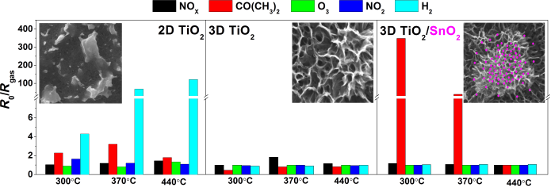
- selectivity to CO(CH3)2 after sensitization by SnO2 nanoparticles. The sensor response time was of the order of several seconds. Their fast response, high sensitivity to selected gas species, improved selectivity and stability suggest that the SnO2-decorated flower-like 3D nanostructures are a promising


Nanoanalytics for materials science
Beilstein J. Nanotechnol. 2016, 7, 1674–1675, doi:10.3762/bjnano.7.159
- high-sensitivity chemical information at the nanoscale are of utmost importance for future developments [1]. One of the possible approaches is based on bimodal or even multimodal nanoanalysis, which was increasingly developed during the last decade. Other important aspects that have to be considered
Graphene-enhanced plasmonic nanohole arrays for environmental sensing in aqueous samples
Beilstein J. Nanotechnol. 2016, 7, 1564–1573, doi:10.3762/bjnano.7.150
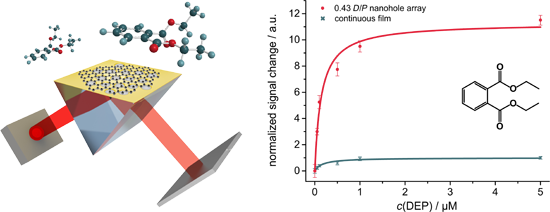
- environmental monitoring providing important features such as real time measurements, high sensitivity and label-free assay [8]. The detection of highly diluted concentrations and small molecules (<200 Da) remains challenging within SPR sensing [9]. For (bio)analytical applications the sensitivity needs to be
- of 5–60 nm [14][15]. An enhancement of local electromagnetic fields and intense absorption bands due to excitations of electrons at the nano-structures, results in a high sensitivity towards local changes of the refractive index [16]. A variety of nanostructured substrates, such as nanostructured




Dynamic of cold-atom tips in anharmonic potentials
Beilstein J. Nanotechnol. 2016, 7, 1543–1555, doi:10.3762/bjnano.7.148
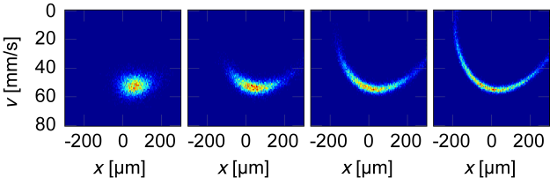
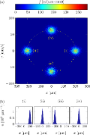
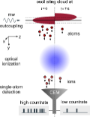
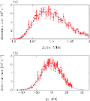
- particle interactions and anharmonic motion have a significant impact on the tip dynamics. Conclusion: Our findings will be crucial for the realization of high-sensitivity force spectroscopy with cold-atom tips and could possibly allow for the development of advanced spectroscopic techniques such as Q




A composite structure based on reduced graphene oxide and metal oxide nanomaterials for chemical sensors
Beilstein J. Nanotechnol. 2016, 7, 1421–1427, doi:10.3762/bjnano.7.133
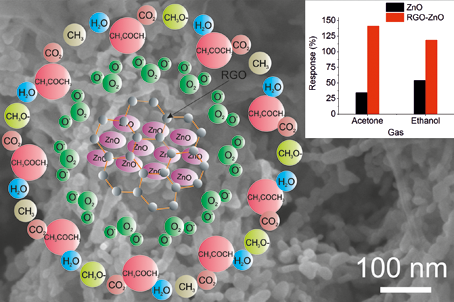
- ][6]. During the last decades, different types of sensors were fabricated for environmental and health monitoring. Among the different detection systems, chemical sensors based on metal oxide nanomaterials are highly demanded because of their high sensitivity, small size, low cost and low power


Ammonia gas sensors based on In2O3/PANI hetero-nanofibers operating at room temperature
Beilstein J. Nanotechnol. 2016, 7, 1312–1321, doi:10.3762/bjnano.7.122
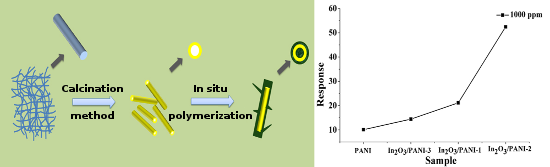
- even death [5][6][7]. So, there is an urgent need to develop a kind of gas sensor with high sensitivity and selectivity to detect NH3 at room temperature. Metal oxide semiconductors can be applied as sensing materials for monitoring NH3. Ammonia sensors based on In2O3 [8], TiO2 [9], SnO2 [10], ZnO [11


An ellipsometric approach towards the description of inhomogeneous polymer-based Langmuir layers
Beilstein J. Nanotechnol. 2016, 7, 1156–1165, doi:10.3762/bjnano.7.107
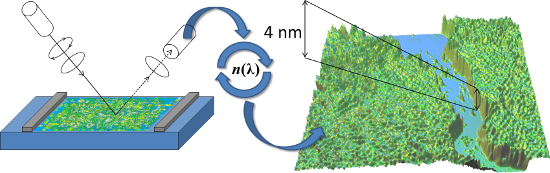
- , e.g., thickness at the nm scale. In the present work only Δ-maps were recorded because of their high sensitivity towards thickness variations, even at ultrathin film conditions [6]. The complications and theoretical problems of estimating extremely small dispersions of Ψ for ultrathin films is known





