Search results
Search for "nanomaterial" in Full Text gives 210 result(s) in Beilstein Journal of Nanotechnology. Showing first 200.
The electrical conductivity of CNT/graphene composites: a new method for accelerating transmission function calculations
Beilstein J. Nanotechnol. 2018, 9, 1254–1262, doi:10.3762/bjnano.9.117
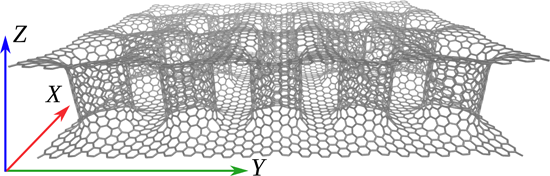
- single-walled carbon nanotubes (SWCNTs). One of the advantages of this material is its high strength and resistance to mechanical stress [2][3][4]. In combination with high electrical capacity and efficient electronic transfer between graphene sheets, this nanomaterial has already been recognized as


Review on nanoparticles and nanostructured materials: history, sources, toxicity and regulations
Beilstein J. Nanotechnol. 2018, 9, 1050–1074, doi:10.3762/bjnano.9.98

- reactions associated with NPs and NSMs and the regulations implemented by different countries to reduce the associated risks are also discussed. Keywords: nanomaterial classification; nanomaterial history; nanotoxicity; oxidative stress; reactive oxygen species; regulations; Review Introduction
- external nanoscale dimension or having internal nanoscale surface structure” [4]. Nanofibers, nanoplates, nanowires, quantum dots and other related terms have been defined based on this ISO definition [5]. Likewise, the term nanomaterial is described as “a manufactured or natural material that possesses
- on the nanoscale dimension by using scientific knowledge of various industrial and biomedical applications. Nanomaterial: Material with any internal or external structures on the nanoscale dimension. Nano-object: Material that possesses one or more peripheral nanoscale dimensions. Nanoparticle: Nano


Electro-optical interfacial effects on a graphene/π-conjugated organic semiconductor hybrid system
Beilstein J. Nanotechnol. 2018, 9, 963–974, doi:10.3762/bjnano.9.90
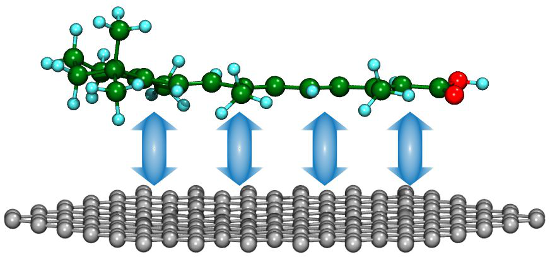
- surface potential changes on the hybrid system. In summary, interface-induced organized structures atop 2D materials may have an important impact on both design and operation of π-conjugated nanomaterial-based hybrid systems. Keywords: DFT calculations; graphene; organic semiconductors; scanning probe




Surface-plasmon-enhanced ultraviolet emission of Au-decorated ZnO structures for gas sensing and photocatalytic devices
Beilstein J. Nanotechnol. 2018, 9, 771–779, doi:10.3762/bjnano.9.70
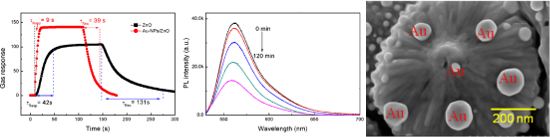
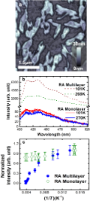
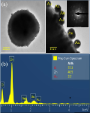
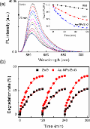
- precursors is higher, resulting in the core-spike architecture by minimizing the surface energy. It was found that the plasmonic metal nanomaterial/metal-oxide semiconductor structures were preferred as the nanometer-sized metal oxides for high photocatalytic activity and wide dispersion. However, in this




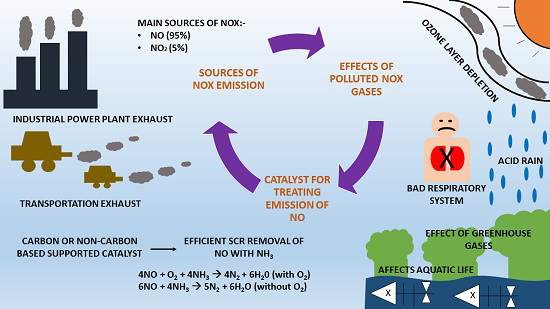
A review of carbon-based and non-carbon-based catalyst supports for the selective catalytic reduction of nitric oxide
Beilstein J. Nanotechnol. 2018, 9, 740–761, doi:10.3762/bjnano.9.68
Engineering of oriented carbon nanotubes in composite materials
Beilstein J. Nanotechnol. 2018, 9, 415–435, doi:10.3762/bjnano.9.41
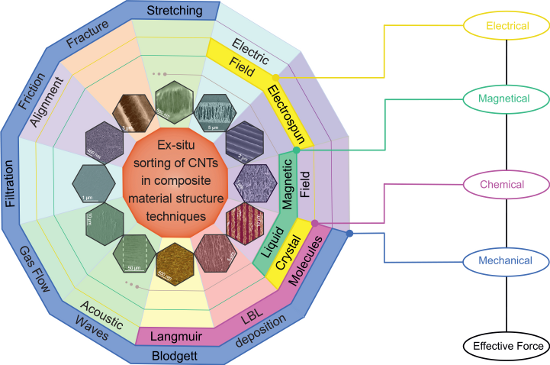
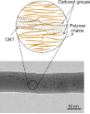
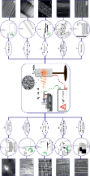
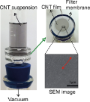
- a high degree of orientation on a large scale. However, catalytic impurities are still the biggest challenge of this method [72]. Spray winding and layer-by-layer deposition Two of the latest controlled methods to produce composite polymer nanomaterial/CNTs are spray winding [73][74][75][76] and








Review: Electrostatically actuated nanobeam-based nanoelectromechanical switches – materials solutions and operational conditions
Beilstein J. Nanotechnol. 2018, 9, 271–300, doi:10.3762/bjnano.9.29
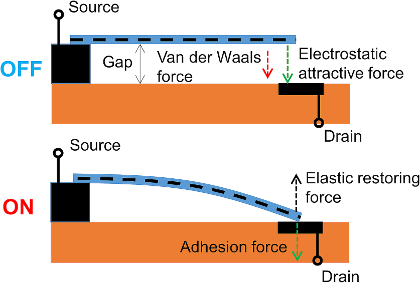
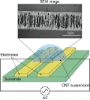
- nanostructures (nanowires, nanotubes, nanorods, graphene) with a good uniformity and desired properties. The microfabrication routine may be supplemented with some bottom-up approaches. Dielectrophoresis [33], controlled nanomaterial growth [34], and nanomanipulation [9] have been demonstrated as useful methods


Dynamic behavior of a nematic liquid crystal with added carbon nanotubes in an electric field
Beilstein J. Nanotechnol. 2018, 9, 233–241, doi:10.3762/bjnano.9.25
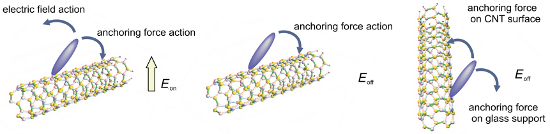
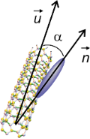
- present a simplified theoretical model to explain the behavior of nematic liquid crystals with added carbon nanotubes in an external electric field. This model is in good agreement with our experimental results but also with other published studies. Thus, a proper characterization of these nanomaterial

![[Graphic 1]](/bjnano/content/inline/2190-4286-9-25-i33.svg?max-width=637&scale=1.18182) is the undistu...
is the undistu...



Co-reductive fabrication of carbon nanodots with high quantum yield for bioimaging of bacteria
Beilstein J. Nanotechnol. 2018, 9, 137–145, doi:10.3762/bjnano.9.16
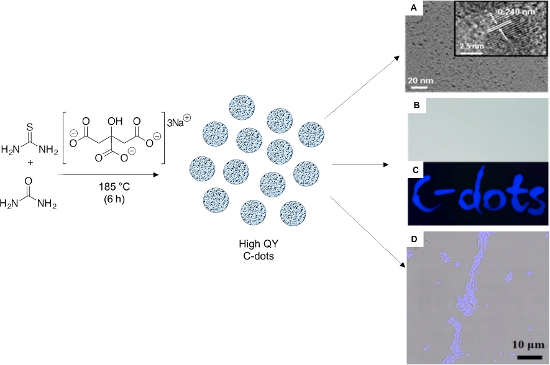
- and urea during the one-pot synthesis enhances the luminescence of the generated C-dots. Moreover, the prepared C-dots have a high distribution of functional groups on their surface. In this work, C-dots proved to be a suitable nanomaterial for imaging of bacteria and exhibit potential for application


Nematic liquid crystal alignment on subwavelength metal gratings
Beilstein J. Nanotechnol. 2018, 9, 42–47, doi:10.3762/bjnano.9.6
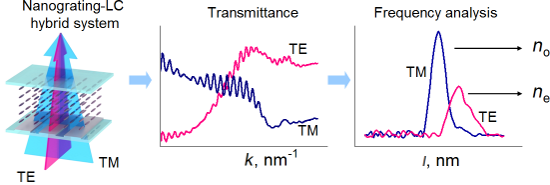
- resonances which make such materials potentially useful in optical filters, biochemical sensors, light polarizers and other devices [3][4][5][6][7][8]. Because liquid crystals (LCs) allow for the control of such resonances using external electric and magnetic fields, the idea of combining a nanomaterial with


![[Graphic 3]](/bjnano/content/inline/2190-4286-9-6-i7.svg?max-width=637&scale=1.18182) , the sample axis (rubbing direction) ...
, the sample axis (rubbing direction) ...


Facile synthesis of silver/silver thiocyanate (Ag@AgSCN) plasmonic nanostructures with enhanced photocatalytic performance
Beilstein J. Nanotechnol. 2017, 8, 2781–2789, doi:10.3762/bjnano.8.277
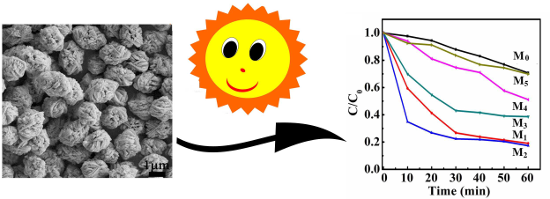
- comparison, the pure AgSCN nanomaterial (labeled as M0) was also prepared using the same procedure as preparing AgSCN with a small amount of Ag except the addition of N2H4·H2O. Characterization The morphology and microstructure of the samples were characterized using a field-emission scanning electron


One-step chemical vapor deposition synthesis and supercapacitor performance of nitrogen-doped porous carbon–carbon nanotube hybrids
Beilstein J. Nanotechnol. 2017, 8, 2669–2679, doi:10.3762/bjnano.8.267
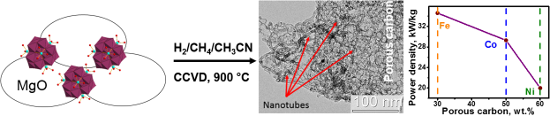
- with a "one pot" strategy seems the most practical way for the formation of the hybrid nanomaterial. The advantages of such a method are the reduction in the number of production steps and a natural and more homogeneous interconnection of the components. To the best of our knowledge, there are only few
- ranged from 0 to +1 V with a scan rate between 2 and 1000 mV s−1. The specific capacitance (C) of an electrode was determined with the formula C = A / (Vs × m), where A is the square of the positive curve, Vs is the scan rate and m is the mass of carbon nanomaterial. EIS measurements were performed on a


Robust nanobubble and nanodroplet segmentation in atomic force microscope images using the spherical Hough transform
Beilstein J. Nanotechnol. 2017, 8, 2572–2582, doi:10.3762/bjnano.8.257
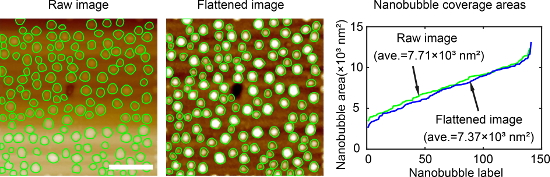
- light harvesting [11], adsorb onto nanocrystal and microcrystal surfaces for direct heterogeneous engineering [12], and help functional oil deposition from emulsions [13]. NBs and NDs can also act as templates for nanomaterial engineering, such as assembling nanoparticles into nanorings [14], generating


Involvement of two uptake mechanisms of gold and iron oxide nanoparticles in a co-exposure scenario using mouse macrophages
Beilstein J. Nanotechnol. 2017, 8, 2396–2409, doi:10.3762/bjnano.8.239
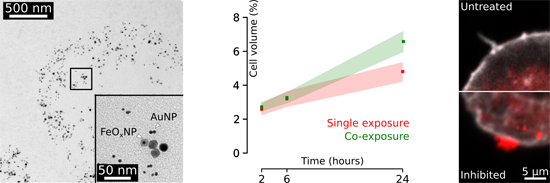
- negative, must be considered for nanotechnology and nanomedicine in particular to develop to its full potential. Keywords: co-exposure; endocytosis; live cell imaging; nanoparticles; quantitative microscopy; Introduction Over the past two decades, improvements in nanomaterial research were followed by a
- rise of nanotechnology-containing products [1]. Numerous contemporary developments in consumer products (e.g., food additives, cosmetics and sporting equipment), environmental remediation, medicine and information technology heavily rely on innovative nanomaterial-driven industrial technology [2]. A



Fabrication of carbon nanospheres by the pyrolysis of polyacrylonitrile–poly(methyl methacrylate) core–shell composite nanoparticles
Beilstein J. Nanotechnol. 2017, 8, 1897–1908, doi:10.3762/bjnano.8.190

- . Deionized water was used in all the synthesis processes. Preparation of PAN–PMMA latex Preparation of seed PAN nanolatex The seed PAN latex nanomaterial (nanolatex) was prepared via an AIBN-initiated semicontinuous emulsion polymerization method [39]. The typical process was as follows. 150 mg of AIBN, 400



Carbon nano-onions as fluorescent on/off modulated nanoprobes for diagnostics
Beilstein J. Nanotechnol. 2017, 8, 1878–1888, doi:10.3762/bjnano.8.188
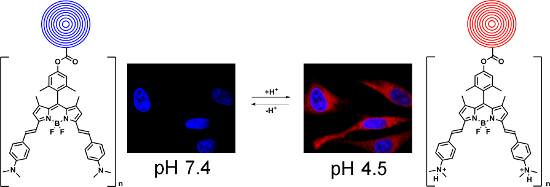
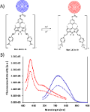
- fluorescent CNOs is fast and reversible both in solution and in vitro, making this nanomaterial suitable as pH-dependent probes for diagnostic applications. Keywords: carbon nanomaterials; fluorescence; imaging; nanomedicine; nano-onion; Introduction Nanomaterial-based probes (nano-probes) that are able to
- intracellular pH change. HeLa cells treated with fluo-CNOs exhibited no fluorescence at neutral and basic environment (≥7.0) and a bright red fluorescence in acidic condition (≤5.0). The on/off process was fast and reversible, making this nanomaterial suitable as a pH-sensitive probe for diagnostic applications




Synthesis and functionalization of NaGdF4:Yb,Er@NaGdF4 core–shell nanoparticles for possible application as multimodal contrast agents
Beilstein J. Nanotechnol. 2017, 8, 1815–1824, doi:10.3762/bjnano.8.183
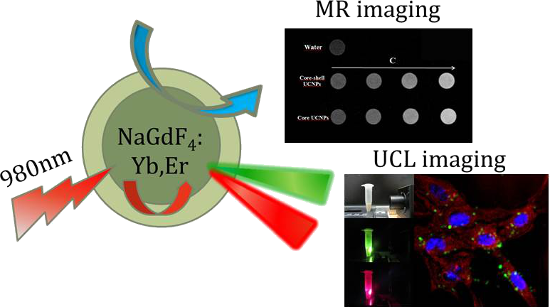
- uptake and cytotoxicity evaluation study showed that the UCNPs internalized into breast cancer cell lines and possessed low cytotoxicity and good biocompatibility. All these findings indicate that Tween 80-coated NaGdF4:Yb,Er@NaGdF4 UCNPs are a promising nanomaterial platform for imaging and detection in


Evaluation of preparation methods for suspended nano-objects on substrates for dimensional measurements by atomic force microscopy
Beilstein J. Nanotechnol. 2017, 8, 1774–1785, doi:10.3762/bjnano.8.179
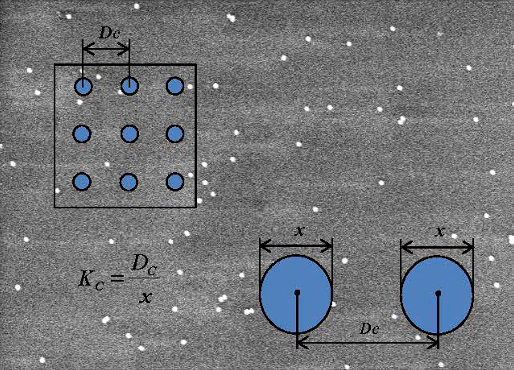
- either as nanostructured materials; internal dimension ≤100 nm, external dimension typically greater than 100 nm or as nano-objects, i.e., individualized particles with at least one dimension ≤100 nm. Another widely used nanomaterial definition is the recommendation of the European Commission [4]. The
- recommendation focuses on the number-weighted constituent particle size distribution by which a material is classified as nanomaterial when the median constituent particle diameter is ≤100 nm. This is seen, especially for complex-nanostructured particles, as a metrological challenge for particle measurement
- electron microscopy (SEM), transmission electron microscopy (TEM) or atomic force microscopy (AFM) are seen as most appropriate methods for nanomaterial classification and therefore traceability for these methods will become more and more important [7]. Despite the strengths of these imaging methods for


Near-infrared-responsive, superparamagnetic Au@Co nanochains
Beilstein J. Nanotechnol. 2017, 8, 1680–1687, doi:10.3762/bjnano.8.168
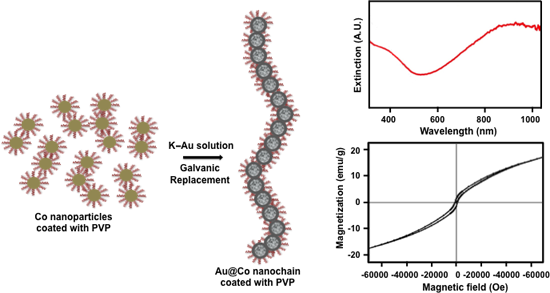
- , University of Houston, 4800 Calhoun Road, Houston, TX 77204, USA Department of Electrical and Computer Engineering, University of Houston, 4800 Calhoun Road, Houston, TX 77204, USA 10.3762/bjnano.8.168 Abstract This manuscript describes a new type of nanomaterial, namely superparamagnetic Au@Co nanochains
- explored the optical properties of the Au-coated magnetic Co nanochains. Consequently, there have been no reports characterizing both the optical and the magnetic properties of this unique class of nanomaterial. In the present investigation, we describe a one-pot synthesis of magnetic Au@Co nanochains


Synthesis of [Fe(Leq)(Lax)]n coordination polymer nanoparticles using blockcopolymer micelles
Beilstein J. Nanotechnol. 2017, 8, 1318–1327, doi:10.3762/bjnano.8.133
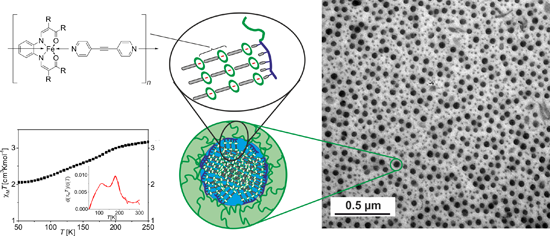
- (bpey)]n and the previously investigated [FeLeq(bipy)]n the expected order with regard to the rigid nature of the ligand is observed. With increasing solubility of the complex (increasing flexibility of the ligand) in the solvent used for the synthesis of the nanomaterial, the probability for the



Carbon nanomaterials sensitize prostate cancer cells to docetaxel and mitomycin C via induction of apoptosis and inhibition of proliferation
Beilstein J. Nanotechnol. 2017, 8, 1307–1317, doi:10.3762/bjnano.8.132
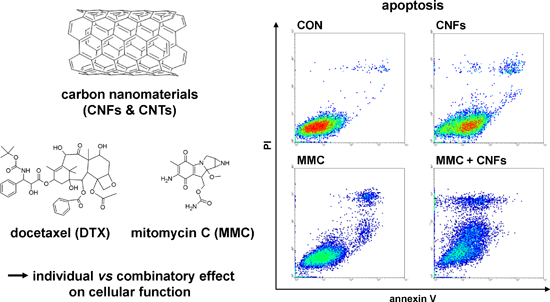
- ][44]. Consequently, a local application of nanomaterial-based drug delivery systems directly to the tumor site would limit their systemic resorption and thus adverse effects to other organs. Conclusion In this study we could demonstrate that the anti-proliferative and pro-apoptotic effects of two
- nanomaterials (1–200 µg/mL) or chemotherapeutics (DTX: 1.5–2.5 ng/mL, MMC: 0.3–0.5 µg/mL) were conducted for 24 h or 2 h, respectively. For combinatory treatments the respective solutions with the chemotherapeutic or the carbon nanomaterial were prepared separately. Then, the cells were first treated with
- chemotherapeutics alone or in combination. Combinatory treatments contained the respective carbon nanomaterial and chemotherapeutic in the same concentrations as indicated for the individual treatments. Results are depicted as averaged relative cellular proliferation or clonogenic survival (%) ± relative mean


Needs and challenges for assessing the environmental impacts of engineered nanomaterials (ENMs)
Beilstein J. Nanotechnol. 2017, 8, 989–1014, doi:10.3762/bjnano.8.101
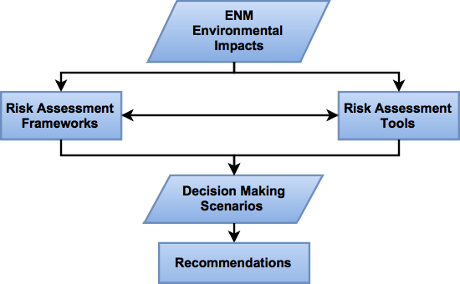
- [37]. The evaluated frameworks for environmental risk/impact characterization were Life Cycle Analysis (LCA) [38][39][40], DuPont’s NanoRisk [41], US EPA’s Comprehensive Environmental Assessment (CEA) [42][43], NanoHAZ [44], Nanomaterial risk screening tool (NRST) [45], Engineered Nanoparticles
- product meets the definition of “nano-relevant” using the European Union regulatory recommendation of 2011 [57]. According to this recommendation, a nanomaterial is defined as “an unknown material containing primary particles in an unbound state or as an aggregate or as an agglomerate and where, for 50
- developers [31]. The potential effect (W) is a score assigned on the basis of the ENMs’ reactivity (e.g., redox activity, catalytic activity, oxygen radical formation potential or induction potential for inflammation reactions) and stability (e.g., half-life of the nanomaterial in the human body, or under

Modeling adsorption of brominated, chlorinated and mixed bromo/chloro-dibenzo-p-dioxins on C60 fullerene using Nano-QSPR
Beilstein J. Nanotechnol. 2017, 8, 752–761, doi:10.3762/bjnano.8.78
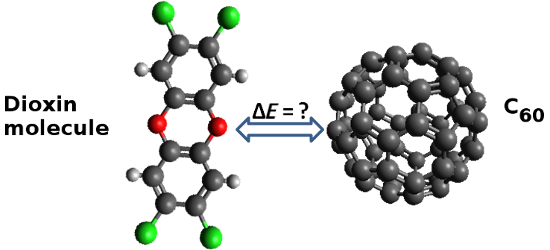
- number and type of substitution. The investigations have been performed with quantitative structure–property relationship modelling for nanomaterials (Nano-QSPR) – a method of defining a mathematical function that connects the structure of the investigated nanomaterial (fullerene) and the POPs (dioxin
- experimental and theoretical studies on sorption mechanisms of organic pollutants on carbon nanomaterial surfaces are critical. Experimental Congener characterization A set of 1,701 congeners containing all combinatorial possibilities of bromine, chlorine and mixed (Br/Cl) substitutions of dibenzo-p-dioxins



Synthesis of graphene–transition metal oxide hybrid nanoparticles and their application in various fields
Beilstein J. Nanotechnol. 2017, 8, 688–714, doi:10.3762/bjnano.8.74
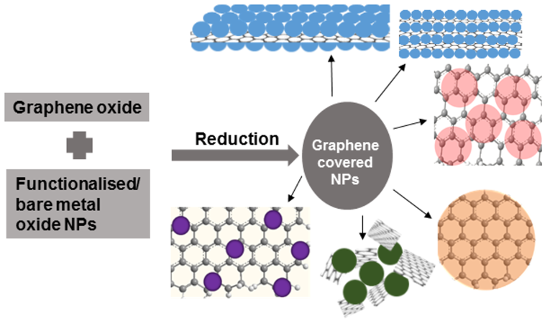
- @Fe2O3 core–shell NP–graphene hybrids which show good reversible lithium storage [160]. Another core–shell hollow nanomaterial, a γ-Fe2O3@graphene hybrid, was prepared through the Kirkendall process by Hu et al. and showed high performance as an anode material for LIBs [161]. The improved performance of




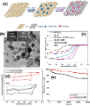


Nanostructured carbon materials decorated with organophosphorus moieties: synthesis and application
Beilstein J. Nanotechnol. 2017, 8, 485–493, doi:10.3762/bjnano.8.52
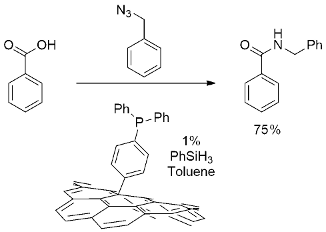
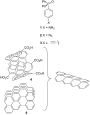
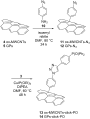
- corresponding phosphine derivatives and applied one of the materials produced as heterogeneous organocatalyst in a Staudinger ligation reaction. Keywords: azides; click chemistry; heterogeneous catalysis; organocatalysis; phosphorus; Introduction The term of carbon nanomaterial (CNMs) comprises many different