Search results
Search for "physicochemical properties" in Full Text gives 215 result(s) in Beilstein Journal of Nanotechnology. Showing first 200.
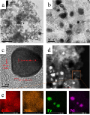
Self-standing heterostructured NiCx-NiFe-NC/biochar as a highly efficient cathode for lithium–oxygen batteries
Beilstein J. Nanotechnol. 2020, 11, 1809–1821, doi:10.3762/bjnano.11.163
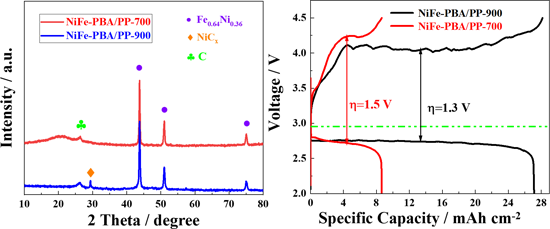
- fairly high ORR and OER activities. Significant progress has been made in the development of alternative ORR and OER catalysts, such as transition metal oxides [16][17][18], heteroatom-doped carbons [19][20], and transition metal nitrides and carbides [21][22][23]. Due to their surface physicochemical
- properties (similar to PGMs), high durability, and high electrical conductivity, transition metal carbides have recently become an active research topic. As such, they have been intensively studied as promising alternatives to PGM catalysts in the development of alternative ORR and OER catalysts [24][25




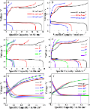


Selective detection of complex gas mixtures using point contacts: concept, method and tools
Beilstein J. Nanotechnol. 2020, 11, 1631–1643, doi:10.3762/bjnano.11.146
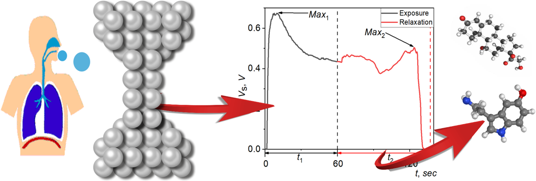
- conduction channel. With this information we can unambiguously characterize the analyzed system, since knowing the energy parameters is key to successfully identifying and modeling the physicochemical properties of various quantum objects. Using the point-contact spectroscopic profile of a complex gas


![[Graphic 4]](/bjnano/content/inline/2190-4286-11-146-i8.svg?max-width=637&scale=1.18182) in th...
in th...

![[Graphic 7]](/bjnano/content/inline/2190-4286-11-146-i11.svg?max-width=637&scale=1.18182) in the...
in the...
One-step synthesis of carbon-supported electrocatalysts
Beilstein J. Nanotechnol. 2020, 11, 1419–1431, doi:10.3762/bjnano.11.126

- precursor dissociation and hence the platinum concentration in the gas phase is expected to decrease with increasing gas velocities, as was previously demonstrated [17]. Electrochemically active surface area and long-term stability Even though the influence of the physicochemical properties of Pt/C on its


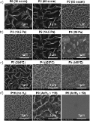


Effect of Ag loading position on the photocatalytic performance of TiO2 nanocolumn arrays
Beilstein J. Nanotechnol. 2020, 11, 717–728, doi:10.3762/bjnano.11.59
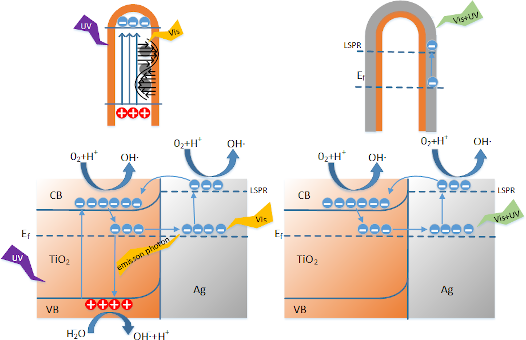
- conventional method (3.20 eV). This is attributed to the quantum size effect, according to which the Eg value of a semiconductor depends on physicochemical properties such as size, surface area, and crystalline phase [35]. When Ag particles are combined with TiO2, the band gap of the resulting Ag-TNC film is


Identification of physicochemical properties that modulate nanoparticle aggregation in blood
Beilstein J. Nanotechnol. 2020, 11, 550–567, doi:10.3762/bjnano.11.44
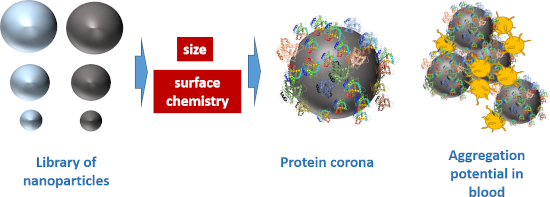
- causing both pro- and anti-coagulant properties. There is contrasting evidence on how the physicochemical properties of the material modulate these effects. In this work, we developed two sets of tailored carbon and silica nanoparticles with three different diameters in the 100–500 nm range with the
- , the results presented herein suggest the existence of independent modes of action that are differently affected by the physicochemical properties of the materials, potentially leading to vessel occlusion and/or formation of thrombi in vivo. Keywords: aggregation; nanoparticles; platelet aggregation
- ) approaches have great potential in accelerating the entry of medicines into the market [3] with the aim of reducing the preclinical research time and the associated costs for production. A deep knowledge of the processes leading to the adverse effects and of the physicochemical properties governing such




Luminescent gold nanoclusters for bioimaging applications
Beilstein J. Nanotechnol. 2020, 11, 533–546, doi:10.3762/bjnano.11.42
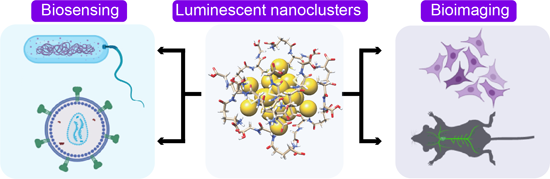
- photostability, and the PL can be tuned from the visible to the NIR region [29]. Similar to SCQDs, SQDs undergo oxidation at room temperature and have limited water solubility. Recently, gold nanoparticles (AuNPs) with tunable size and shape-specific physicochemical properties have emerged as attractive
- difference between plasmonic AuNPs and AuNCs can be stated regarding the sensitivity. For observable changes to occur in physicochemical properties of plasmonic NPs, at least a layer of atoms needs to be removed (ca. 0.5 nm), whereas NCs already display remarkable changes after addition or removal of a


Multilayer capsules made of weak polyelectrolytes: a review on the preparation, functionalization and applications in drug delivery
Beilstein J. Nanotechnol. 2020, 11, 508–532, doi:10.3762/bjnano.11.41
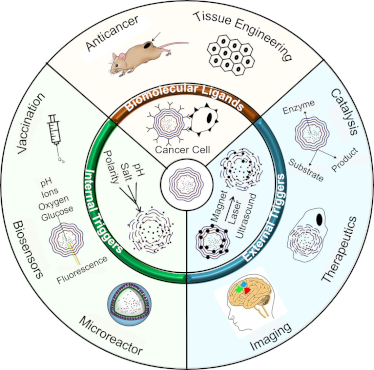
- have excellent physicochemical properties and are highly stable towards hydrolysis, oxidation and reduction. The different types of click reactions are as follows. First, a copper-catalyzed alkyne-azide cycloaddition (CuAAC) reaction of an azide with an alkyne catalyzed by copper is reported to form a



Facile biogenic fabrication of hydroxyapatite nanorods using cuttlefish bone and their bactericidal and biocompatibility study
Beilstein J. Nanotechnol. 2020, 11, 285–295, doi:10.3762/bjnano.11.21
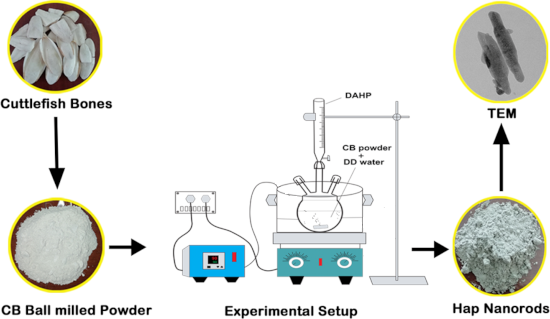
- physicochemical properties. The crystallite size (20.86 nm) obtained from XRD data and the elemental analysis (Ca/P molar ratio was estimated to be 1.6) showed that the Hap NRs are similar to that of natural human bone (≈1.67). Moreover, the FTIR data confirmed the presence of phosphate as a functional group and
- a concentration-mediated hemolytic effect. These biogenic CB-Hap NRs with improved physicochemical properties, blood compatibility and antibacterial efficacy could be highly beneficial for orthopedic applications in the future. Keywords: antibacterial activity; biocompatibility; bone implant
- confirm the presence of nanorods and to evaluate their physicochemical properties. Furthermore, in vitro antimicrobial studies with gram-positive (Staphylococcus aureus) and gram-negative (Escherichia coli) bacteria, in addition to hemolysis studies with healthy human blood were performed to evaluate the


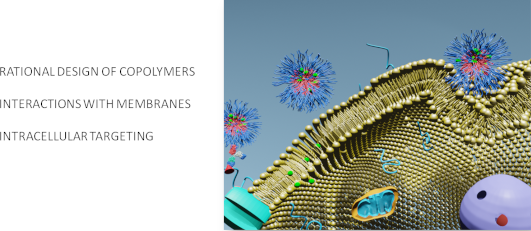
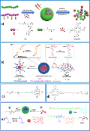
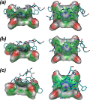
Rational design of block copolymer self-assemblies in photodynamic therapy
Beilstein J. Nanotechnol. 2020, 11, 180–212, doi:10.3762/bjnano.11.15






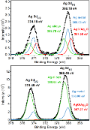
Fabrication of Ag-modified hollow titania spheres via controlled silver diffusion in Ag–TiO2 core–shell nanostructures
Beilstein J. Nanotechnol. 2020, 11, 141–146, doi:10.3762/bjnano.11.12
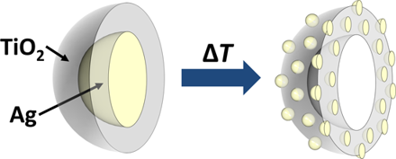
- growing number of applications in many fields, including catalysis and solar cells. Hence, a simple fabrication method with a low number of simple steps is desired, which would allow for good control over the structural features and physicochemical properties of titania hollow spheres modified with noble



Internalization mechanisms of cell-penetrating peptides
Beilstein J. Nanotechnol. 2020, 11, 101–123, doi:10.3762/bjnano.11.10
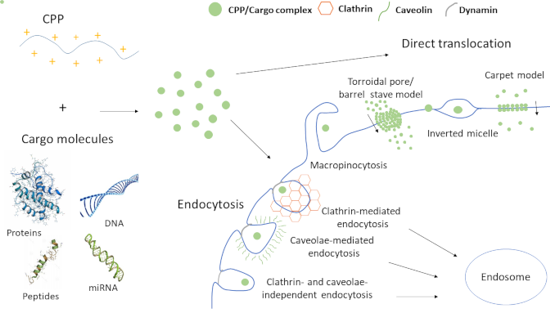
- differentiation. However, when it comes to the internalization of nanocarriers such as CPPs, their physicochemical properties and surface reactivates are also important [54]. It is now generally recognized that CPPs at low concentration, and when conjugated to cargo, are taken up by cells in an energy-dependent
- , just a few out of many, guide the internalization paths of CPPs to two major routes: endocytosis (active or energy-dependent uptake) and membrane translocation (direct/passive or energy-independent uptake). Overall, the type of uptake which will be selected mainly depends on the physicochemical
- properties of the peptide and the cargo as well as the concentration applied, in combination with the structural properties of the plasma membrane. As an example, nowadays it is well established that at physiological conditions and low peptide concentration endocytosis prevails, while when a peptide is


Long-term stability and scale-up of noncovalently bound gold nanoparticle-siRNA suspensions
Beilstein J. Nanotechnol. 2019, 10, 2568–2578, doi:10.3762/bjnano.10.248
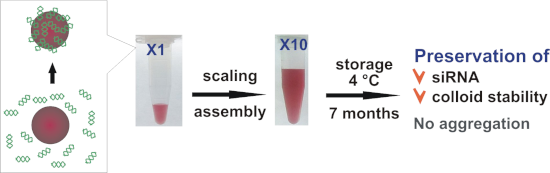
- siRNA duplex integrity as well as siRNA surface density. Dynamic light scattering, transmission electron microscopy, UV–vis spectroscopy, and electrophoresis were used to study the effect of scaling up the AuNP-siRNA synthesis and long term storage of its suspension on physicochemical properties of the
- decided to determine whether it is possible to scale-up the synthesis and to store a core of nanoconstructions with an example of noncovalent AuNP-siRNA without loss of their physicochemical properties and the integrity of siRNA duplexes for an extended period. To do this, we analyzed the colloidal
- and measured the fluorescence intensity of the labeled sense siRNA strand. The study demonstrated the long-term storage capability of the noncovalent AuNP-siRNA nanoconstruction without loss of their physicochemical properties and the siRNA duplex integrity over the period of 7 months. Results and


Design of a nanostructured mucoadhesive system containing curcumin for buccal application: from physicochemical to biological aspects
Beilstein J. Nanotechnol. 2019, 10, 2304–2328, doi:10.3762/bjnano.10.222
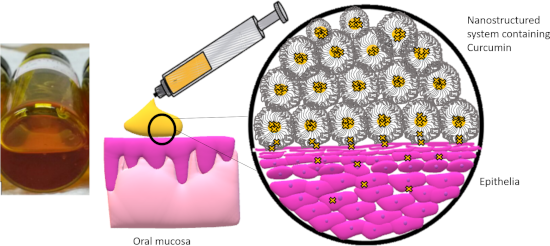
- incorporated into the formulation but decreased cytotoxic effects in healthy cells. Therefore, the nanostructured system demonstrated promising results due to the selectivity towards cancer cells in a monolayer cell culture in addition to exhibiting excellent physicochemical properties. Hence, further activity


Microfluidics as tool to prepare size-tunable PLGA nanoparticles with high curcumin encapsulation for efficient mucus penetration
Beilstein J. Nanotechnol. 2019, 10, 2280–2293, doi:10.3762/bjnano.10.220
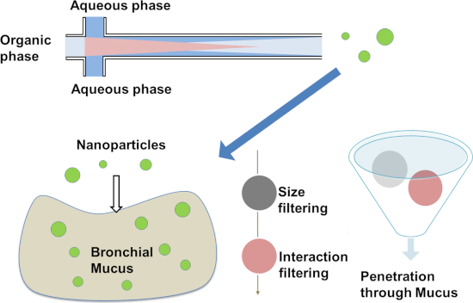
- vaccine delivery [1][2], in anticancer therapies [3][4], as well as for gene delivery [5][6]. Owing to the unique physicochemical properties of nanoparticles, the nanoparticle surface can be specifically modified to meet the needs of the desired application [7][8]. Such surface modifications can also be


Improved adsorption and degradation performance by S-doping of (001)-TiO2
Beilstein J. Nanotechnol. 2019, 10, 2116–2127, doi:10.3762/bjnano.10.206
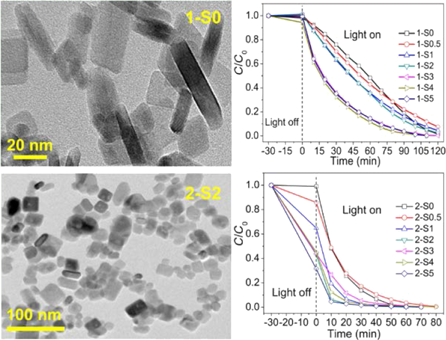
- pollutants, as well as in electrocatalysis, solar cells and self-cleaning applications. Its wide use is based on its physicochemical properties, abundance, nontoxicity, environment-friendliness and low cost [1][2][3][4][5][6][7]. The photocatalytic properties of anatase TiO2 crystals are anisotropic since




Synthesis and potent cytotoxic activity of a novel diosgenin derivative and its phytosomes against lung cancer cells
Beilstein J. Nanotechnol. 2019, 10, 1933–1942, doi:10.3762/bjnano.10.189
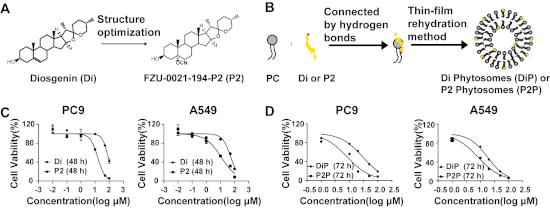
- preparation technology are needed to improve the physicochemical properties of the phytosomes. Antiproliferative activity of P2P To determine the cytotoxicity of DiP and P2P in lung cancer cells, cells were treated with different concentrations of P, DiP and P2P for different incubation times. The toxicity of



High-tolerance crystalline hydrogels formed from self-assembling cyclic dipeptide
Beilstein J. Nanotechnol. 2019, 10, 1894–1901, doi:10.3762/bjnano.10.184
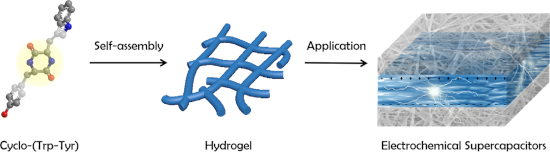
- hydrogels with adjustable mechanical and physicochemical properties [29][30][31][32][33]. Peptide-based supramolecular hydrogels have been widely used in biological and nanotechnology fields [34]. However, linear peptide-based hydrogels usually have several deficiencies, such as poor molecular rigidity


Nanoporous smartPearls for dermal application – Identification of optimal silica types and a scalable production process as prerequisites for marketed products
Beilstein J. Nanotechnol. 2019, 10, 1666–1678, doi:10.3762/bjnano.10.162
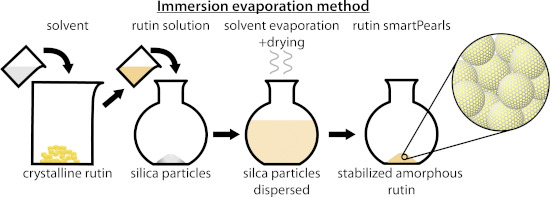
- name smartCrystals®) [8][9][10]. These materials have been on the market as commercial dermal cosmetic products since 2007 (e.g., hesperidin, la prairie Switzerland) [11][12]. They can be considered as the current “gold standard”. The trick with nanocrystals is that the physicochemical properties on




Tailoring the stability/aggregation of one-dimensional TiO2(B)/titanate nanowires using surfactants
Beilstein J. Nanotechnol. 2019, 10, 1024–1037, doi:10.3762/bjnano.10.103
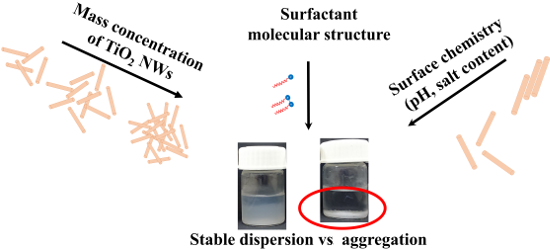
- because of their unique physicochemical properties compared to the bulk material. TNMs play an important role in various applications such as photocatalytic degradation of organic pollutants [1][2], sensors [3][4], solid oxide fuel cells [5], water purification [6][7], adsorption of radioactive and heavy
- research and industrial applications. Gemini surfactants possess a unique molecular structure involving two hydrophobic moieties connected by a hydrophobic or hydrophilic spacer at the level of the head groups. Consequently, these surfactants display superior physicochemical properties and distinctly


Serum type and concentration both affect the protein-corona composition of PLGA nanoparticles
Beilstein J. Nanotechnol. 2019, 10, 1002–1015, doi:10.3762/bjnano.10.101
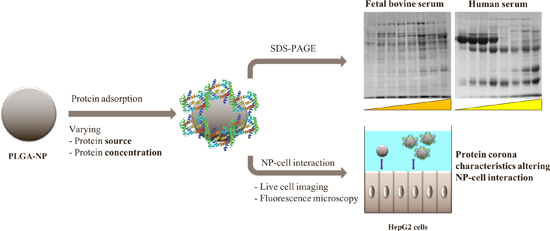
- for the biological response in terms of body biodistribution, cellular uptake, and toxicity. The corona is dynamic in nature and it is well known that the composition varies in dependence of the physicochemical properties of the NPs. In the present study we investigated the protein corona that forms
- serum; nanoparticles; poly(lactide-co-glycolic acid); protein corona; proteomics; Introduction Nanoparticle (NP)-based drug carrier systems offer outstanding opportunities in the treatment of many serious diseases. The unique physicochemical properties and the ability to bind a library of ligands make
- , and it has been extensively investigated and comprehensively reviewed that the corona composition varies in dependence of the physicochemical properties of the NPs [5][6]. However, it is emerging that the characteristics of the biological environment, e.g., protein concentration [7][8][9], protein

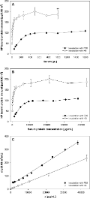


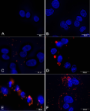
Effects of gold and PCL- or PLLA-coated silica nanoparticles on brain endothelial cells and the blood–brain barrier
Beilstein J. Nanotechnol. 2019, 10, 941–954, doi:10.3762/bjnano.10.95
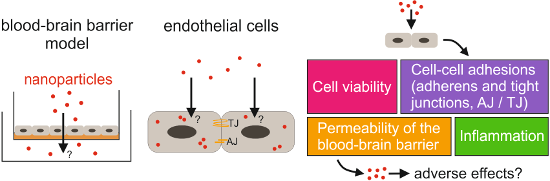
- times higher. Besides the NP concentration, physicochemical properties, especially surface characteristics were demonstrated to be important for the interactions with cells [29][30][31]. Hence, variations in surface characteristics, composition and size of the NPs and the various cell types used are
- physicochemical properties, the formation of NP clusters before entry into the cell may modulate the cellular uptake [9][34]. NPs might not only cause cytotoxicity but also hinder proliferation, differentiation or lead to inflammation via activation or inhibition of various pathways including phosphatidylinositol
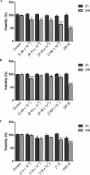



pH-mediated control over the mesostructure of ordered mesoporous materials templated by polyion complex micelles
Beilstein J. Nanotechnol. 2019, 10, 144–156, doi:10.3762/bjnano.10.14
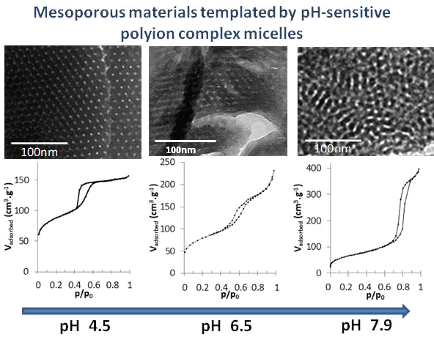
- ; hybrid organic–inorganic interface; mesoporous materials; nanostructured materials; polyion complex micelles; polyion electrostatic complexation; Introduction Due to their unique physicochemical properties originating from their uniform pore size and periodically arranged network at the mesoscale


Characterization and influence of hydroxyapatite nanopowders on living cells
Beilstein J. Nanotechnol. 2018, 9, 3079–3094, doi:10.3762/bjnano.9.286
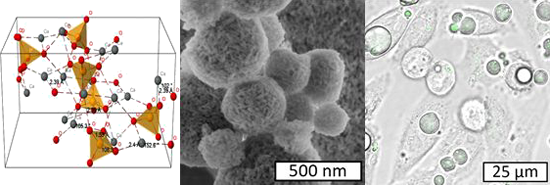
- their aggregates or agglomerates, the impact of their physicochemical properties (such as particle size, surface area, purity, details of structure and degree of agglomeration) on living cells is not yet fully understood. Significant differences in these properties, resulting from different
- manufactured using many different methods, such as hydrothermal synthesis, sol–gel synthesis, wet-chemical precipitation and microwave processing [16][17][18][19]. Many studies have shown that HAp can cause different biological responses depending on its physicochemical properties [20][21][22]. It is also
- [47]. To evaluate the manufacturing methods and to analyse the interaction mechanisms of HAp with living cells, simple statistical correlations and regressions of physicochemical properties with biological activity expressed by cell viability were made (significance [p] set at α = 0.05). Results and

![[Graphic 1]](/bjnano/content/inline/2190-4286-9-286-i2.svg?max-width=637&scale=1.18182) .
.



Effect of electrospinning process variables on the size of polymer fibers and bead-on-string structures established with a 23 factorial design
Beilstein J. Nanotechnol. 2018, 9, 2466–2478, doi:10.3762/bjnano.9.231
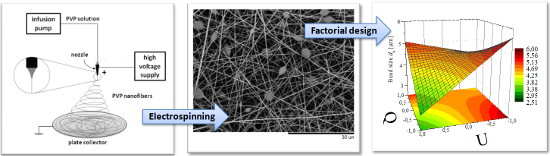
- structure. According to this study, the higher the concentration of polyvinylpyrrolidone (PVP) ethanolic solution (higher solution viscosity) used, the thicker the fibers. In addition, both the type of solvent (its physicochemical properties) and the water content in the solvent turned out to be influential


Hierarchical heterostructures of Bi2MoO6 microflowers decorated with Ag2CO3 nanoparticles for efficient visible-light-driven photocatalytic removal of toxic pollutants
Beilstein J. Nanotechnol. 2018, 9, 2297–2305, doi:10.3762/bjnano.9.214
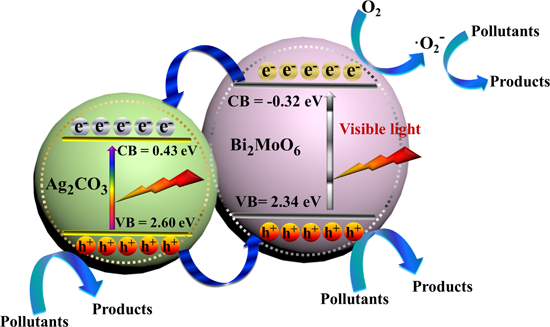
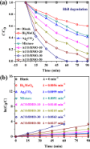
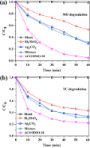
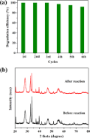
- ] Ag2CO3/AgBr/ZnO [42], and Ag/Ag2CO3/Bi2MoO6 [32]. The band structure of Ag2CO3 matches well with that of Bi2MoO6 [32]. Moreover, morphology modulation is another significant way to enhance photocatalytic activity. Three-dimensional nanostructures endow materials with unique physicochemical properties